The Pain Arc represents Naruto Shippuden’s absolute peak—the moment when Masashi Kishimoto’s long-running series transcended typical shonen storytelling to deliver something genuinely profound. Spanning episodes 152-175, this arc asks fundamental questions about peace, cycles of hatred, and whether violence can ever solve violence. Here’s why it remains the defining moment of Naruto’s legacy.
Nagato’s Philosophy: The Cycle of Hatred
Pain isn’t a typical anime villain seeking power or destruction for its own sake. He’s a war orphan who watched his parents killed by Leaf ninja, who found hope through Jiraiya’s teachings, and who concluded that peace requires absolute force. His logic is terrifyingly coherent.
The Akatsuki’s plan—creating a weapon so devastating that nations fear mutual destruction—mirrors real-world deterrence theory. Pain argues that only shared suffering creates understanding. By distributing pain equally, he believes humanity will finally stop inflicting it. This isn’t madness; it’s a logical response to endless war.
Kishimoto refuses to dismiss Pain’s worldview as simply wrong. The character’s backstory, shown through Jiraiya’s memories, demonstrates how idealistic children become monsters through trauma. Pain is what Naruto might have become without Iruka’s intervention, without friends who chose him despite his burden. The villain represents the protagonist’s shadow self.
Jiraiya’s Death: The Turning Point
The arc begins with Jiraiya’s infiltration of the Hidden Rain Village and his discovery of Pain’s true identity—his former student Nagato. Their battle showcases why Jiraiya earned the “legendary” title while revealing his fatal limitations against six coordinated opponents.
Jiraiya’s death hits differently than typical anime casualties. His final act—encoding a message in Fukasaku’s back about Pain’s secret—demonstrates that death can serve purpose. He loses the battle but provides victory’s key, sacrificing himself so Naruto can eventually succeed where he failed.
The emotional weight comes from accumulated investment. Jiraiya trained Naruto, served as surrogate father, and represented the perverted-but-wise mentor archetype perfectly. His death in episode 133 (technically pre-arc but narratively connected) establishes stakes that carry through Pain’s Konoha invasion.
The Assault on Konoha: Destruction Realized
Pain’s attack on the Hidden Leaf Village represents anime’s most devastating assault. The Six Paths of Pain—bodies controlled by Nagato’s chakra—methodically destroy everything. Buildings crumble, ninjas fall, and the village Naruto has protected for 400+ episodes becomes a crater.
“Shinra Tensei”—the technique that flattens Konoha—visualizes Pain’s philosophy. He inflicts upon Konoha what Konoha inflicted upon the Rain Village during prior wars. The destruction isn’t random cruelty; it’s deliberate karma, teaching the Leaf the suffering they’ve caused others.
Tsunade’s desperate defense, Kakashi’s “death,” Hinata’s confession and subsequent defeat—the arc systematically removes Naruto’s support structures. When he finally arrives, he faces not just Pain but the ruins of everything he loved. The hero returns to find heroism wasn’t enough.
Sage Mode Unleashed: The Fight That Changed Everything
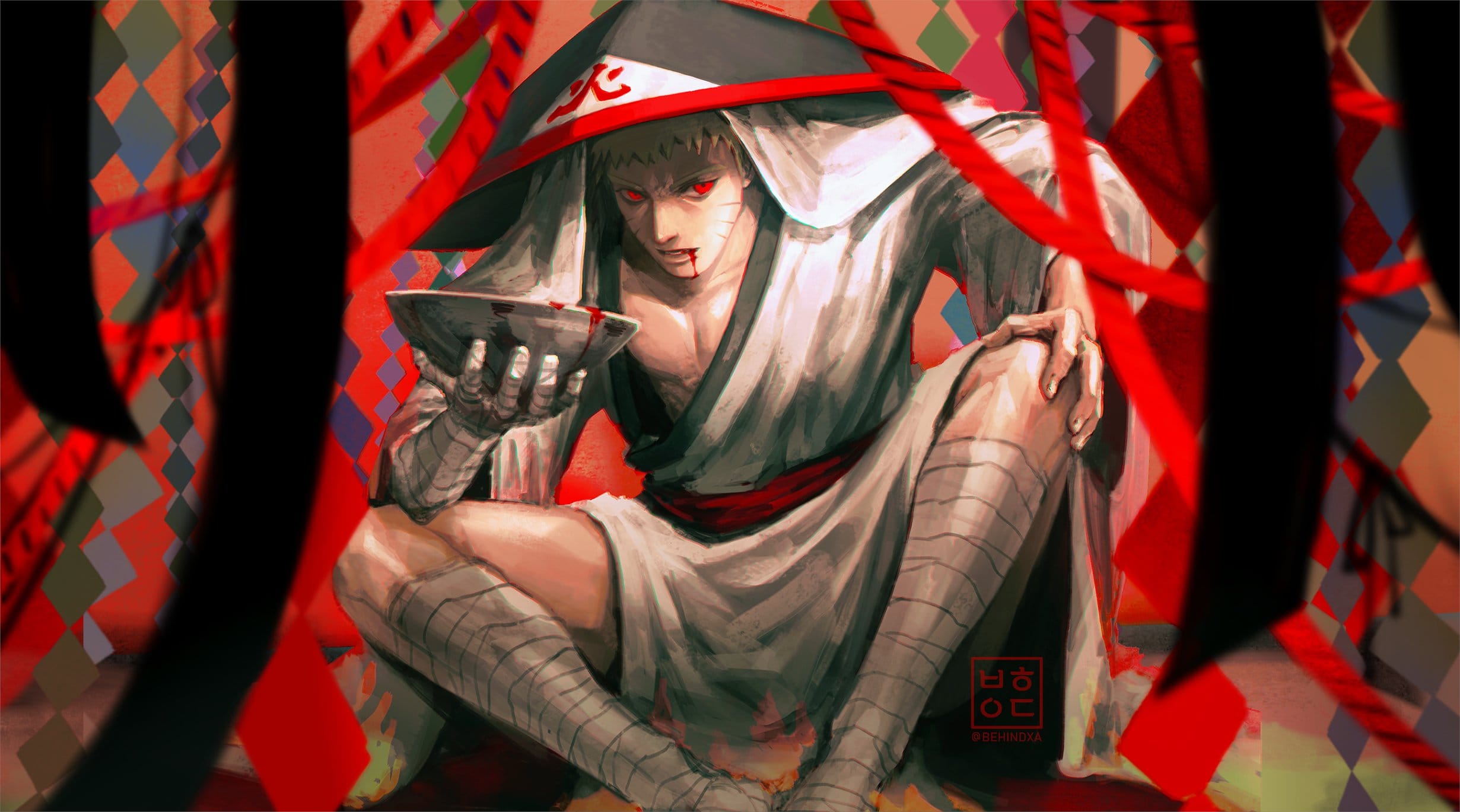
Naruto’s battle against Pain showcases technical mastery and emotional resonance simultaneously. His Sage Mode abilities—enhanced strength, sensory powers, and massive Rasengan variants—create visually stunning combat. But the fight’s heart lies in its philosophical dimension.
Each exchange involves verbal sparring alongside physical combat. Pain presents his worldview; Naruto struggles to counter it. The hero admits he doesn’t have answers, that he can’t logically refute Pain’s conclusions. What he has instead is conviction—belief that better solutions exist even if he can’t articulate them.
The Nine-Tails release sequence, triggered by Hinata’s apparent death, shows Naruto losing himself to hatred—becoming exactly what Pain predicted. His recovery through Minato’s intervention demonstrates the arc’s thesis: breaking cycles requires external help. No one overcomes trauma alone.
Talk no Jutsu: When Words Actually Work
Naruto’s famous “talk no jutsu”—convincing villains through conversation rather than combat—reaches its purest form against Nagato. After defeating the Six Paths, Naruto confronts the real Pain: a emaciated man sustained by chakra rods, physically destroyed by his own power.
Their conversation spans episodes, covering loss, hatred, and the possibility of understanding. Naruto doesn’t claim to have answers; he presents Jiraiya’s belief that people can eventually understand each other, combined with his own commitment to finding peace without cycles of violence.
Nagato’s change of heart works because it’s earned. He recognizes in Naruto what he once saw in himself—idealism that refuses to break despite everything. By reviving Konoha’s dead at the cost of his remaining life, Nagato bets on the future he couldn’t create, entrusting his dream to the next generation.
Hinata’s Confession: Love Amid Destruction
Hinata’s intervention against Pain, declaring her love for Naruto while knowing she’ll lose, represents her character’s culmination. The shy girl who admired Naruto from afar finally acts, choosing certain death over watching him suffer.
Her defeat triggers the Nine-Tails release but more importantly demonstrates what Naruto inspires. People don’t follow him because he’s strongest; they follow because his conviction makes them braver. Hinata’s courage comes from years of watching Naruto never give up—his influence manifested through her action.
The confession’s aftermath (not addressed until much later) doesn’t diminish its impact. In the moment, Hinata offers everything without expecting anything, the purest expression of devotion the series shows. Her near-death becomes catalyst for both Naruto’s breakdown and eventual recovery.
Animation Controversy: The Infamous Episode 167
Episode 167’s animation, directed by Shingo Yamashita, sparked immediate controversy. The fluid, exaggerated style—Pain’s stretching face, abstract movement sequences—divided fans between those appreciating experimental artistry and those missing traditional aesthetics.
Time has been kind to this episode. The animation choices now seem deliberately unsettling, matching the Nine-Tails transformation’s horror. Pain’s distorted appearance visualizes his philosophy’s monstrous conclusions. What seemed like production failure reads now as intentional stylization.
Regardless of reception, the episode demonstrates willingness to take risks at narrative’s peak. Safe, conventional animation might have been more universally accepted but less memorable. Episode 167 remains discussed decades later—successful art provokes response.
Legacy: Why Pain Defines Naruto
The Pain Arc succeeds because it takes its themes seriously. Rather than simply presenting evil to defeat, it presents ideology to engage. Pain’s worldview has genuine merit; his methods have terrible logic. The hero wins not through superior power but through offering alternative vision.
This represents what shonen can achieve when ambitious. The genre often gets dismissed as power-fantasy wish fulfillment, but the Pain Arc demonstrates capacity for philosophical depth without abandoning entertaining combat. It proves that punching harder and thinking deeper aren’t mutually exclusive.
For Naruto specifically, everything after Pain feels slightly diminished. The Fourth Great Ninja War has bigger stakes but less emotional resonance. The series’ peak already passed by episode 175, making subsequent arcs feel like extended denouement. Pain is where Naruto reached its ceiling—and that ceiling was remarkably high.
The arc remains essential viewing for anime fans seeking proof that the medium can deliver mature storytelling within popular formats. Pain asked questions worth asking and took the time to explore them. That’s why it’s the defining moment of Naruto’s fifteen-year journey.