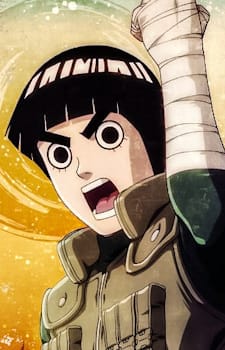
The Chunin Exams represent tournament arc perfection—a structure that shonen anime has attempted to replicate countless times since Naruto first aired, rarely matching the original’s execution. Spanning episodes 20-67, this arc introduced characters, techniques, and dramatic stakes that defined the series. Here’s why it remains the gold standard for anime tournaments.
The Setup: Stakes Beyond Victory
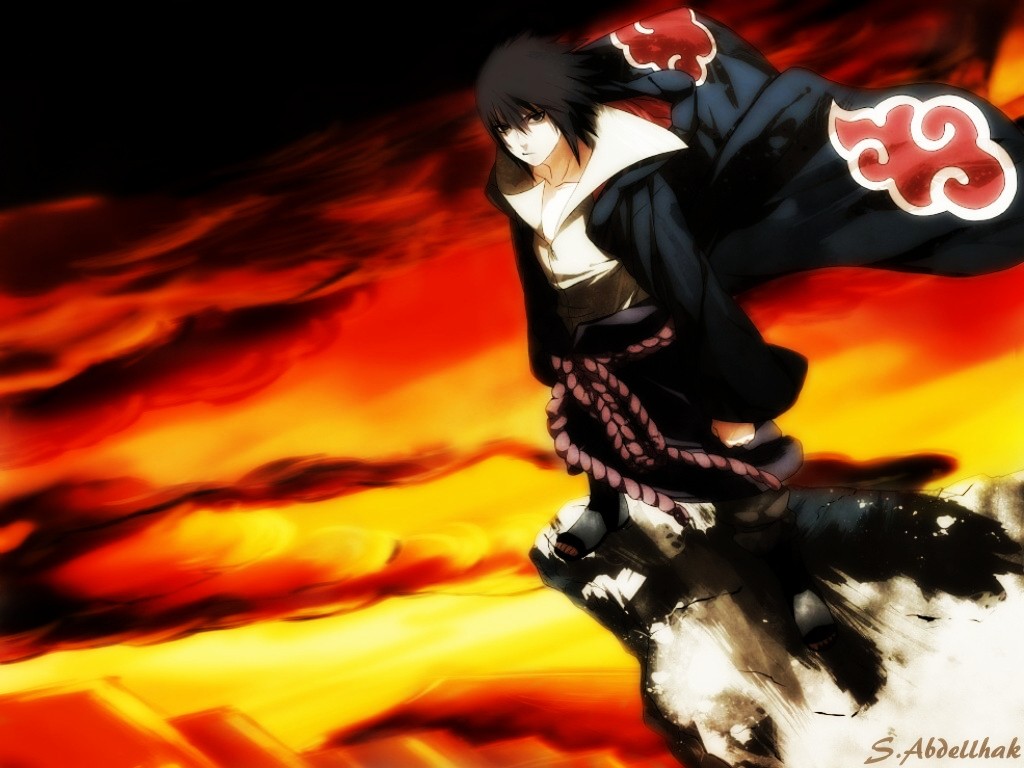
Unlike tournament arcs where fighters compete for prizes or prestige, the Chunin Exams carry village-level consequences. Genin teams represent their villages; failure reflects poorly on their entire nation. Hidden agendas operate throughout—Orochimaru infiltrates to mark Sasuke, the Sand Village plans invasion, and political maneuvering occurs behind closed doors.
This elevated context transforms individual battles into geopolitical statements. When Naruto fights Neji, he’s not just winning—he’s demonstrating Konoha’s next generation’s strength to observing feudal lords. The personal and political intertwine constantly, giving every match significance beyond itself.
Team 7’s internal dynamics add further stakes. Sasuke’s ambition, Naruto’s desperation for recognition, and Sakura’s developing confidence all require expression through exam performance. The tournament becomes character development mechanism rather than action delivery system.
The Written Test: Mind Games
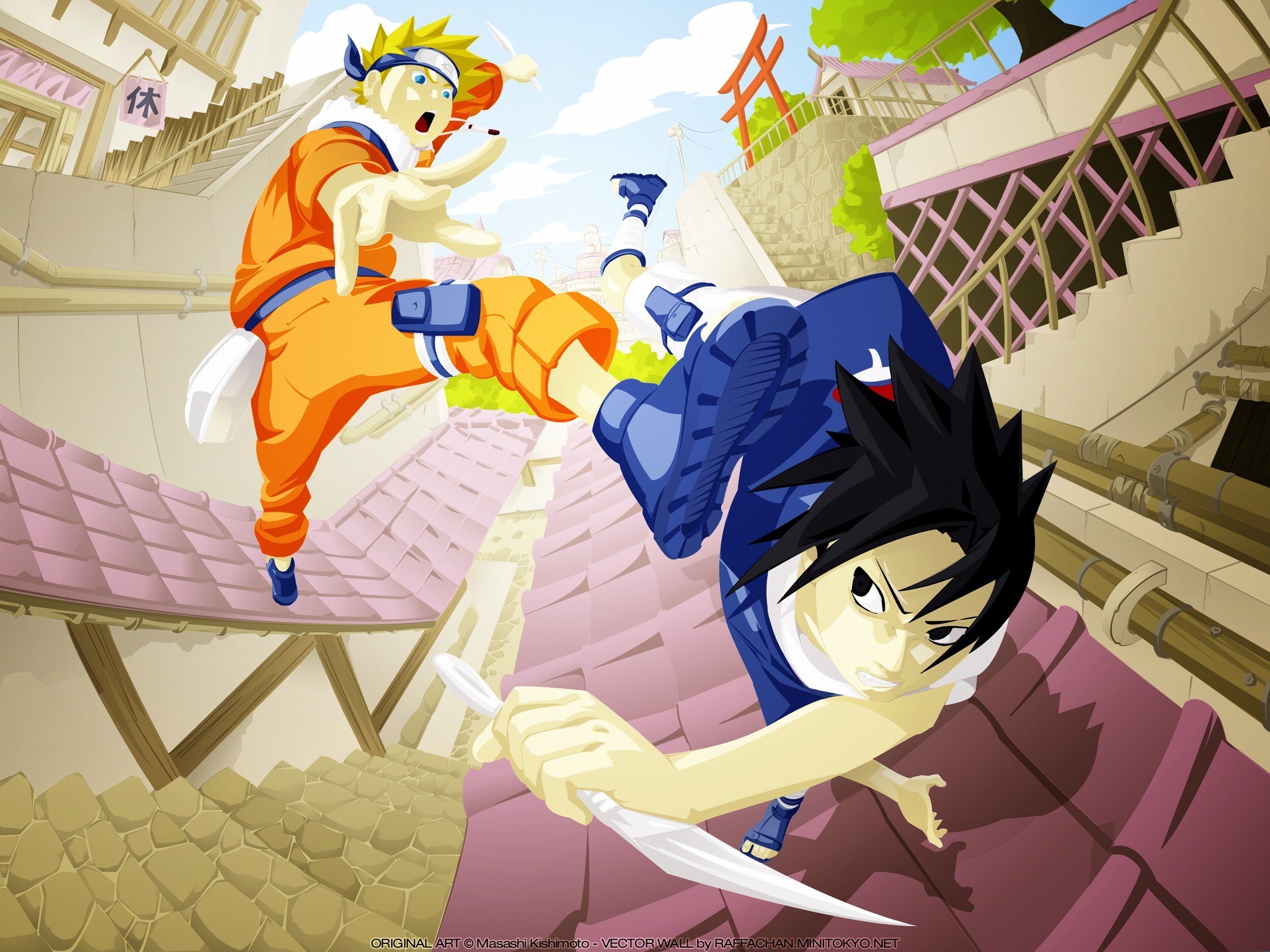
The Chunin Exams begin with a written test designed to be failed—questions so difficult that cheating is the intended solution. This psychological opening establishes the arc’s intelligence: success requires understanding hidden rules, not following apparent ones.
Ibiki Morino’s interrogation tactics create tension without combat. His final question—where answering wrong eliminates you permanently but refusing to answer fails the team—tests resolve rather than knowledge. Naruto’s defiant refusal to quit, despite not knowing answers, demonstrates the will that defines his character.
This structure innovates on tournament expectations. Readers expecting fights get psychological warfare instead. The subversion establishes that Chunin Exams will surprise consistently—a promise the arc fulfills repeatedly.
The Forest of Death: Survival Horror
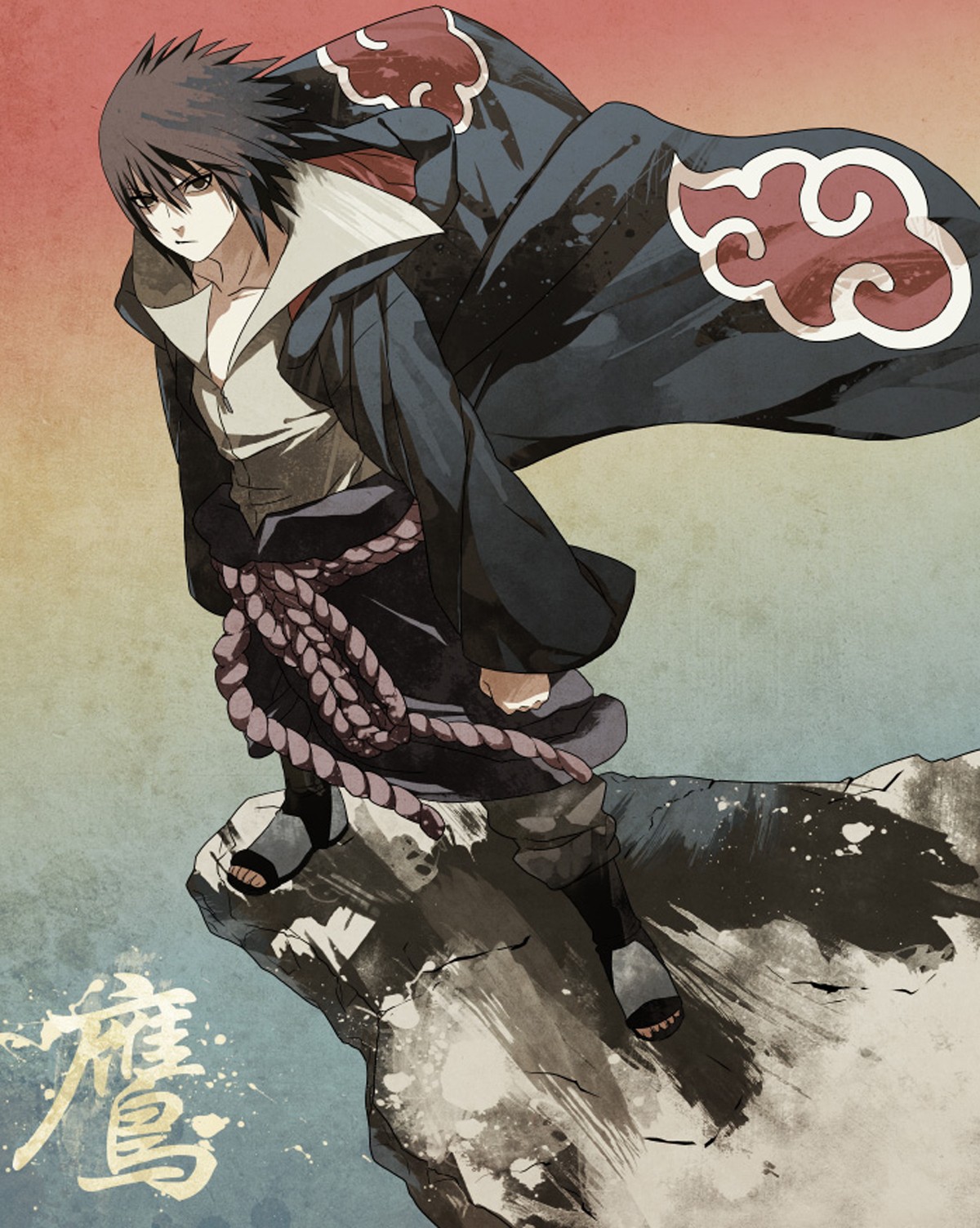
The second phase transforms tournament into survival horror. Teams enter a dangerous forest with instructions to obtain both heaven and earth scrolls—meaning half the teams must fail through combat or trickery. Five days of survival with enemy teams hunting you.
Orochimaru’s appearance here represents the arc’s darkest turn. His attack on Team 7, the curse mark’s application to Sasuke, and Sakura’s desperate defense against Sound ninja create genuine threat that tournament settings usually lack. Characters can die here—the stakes are real.
The forest also introduces future-important characters efficiently. Gaara’s brutal elimination of a Rain team establishes his threat level. Kabuto’s helpfulness establishes his role (and later, his betrayal’s impact). Rock Lee’s intervention against Sound ninja introduces his abilities and philosophy. Each encounter builds toward later payoffs.
Preliminary Rounds: Character Showcases
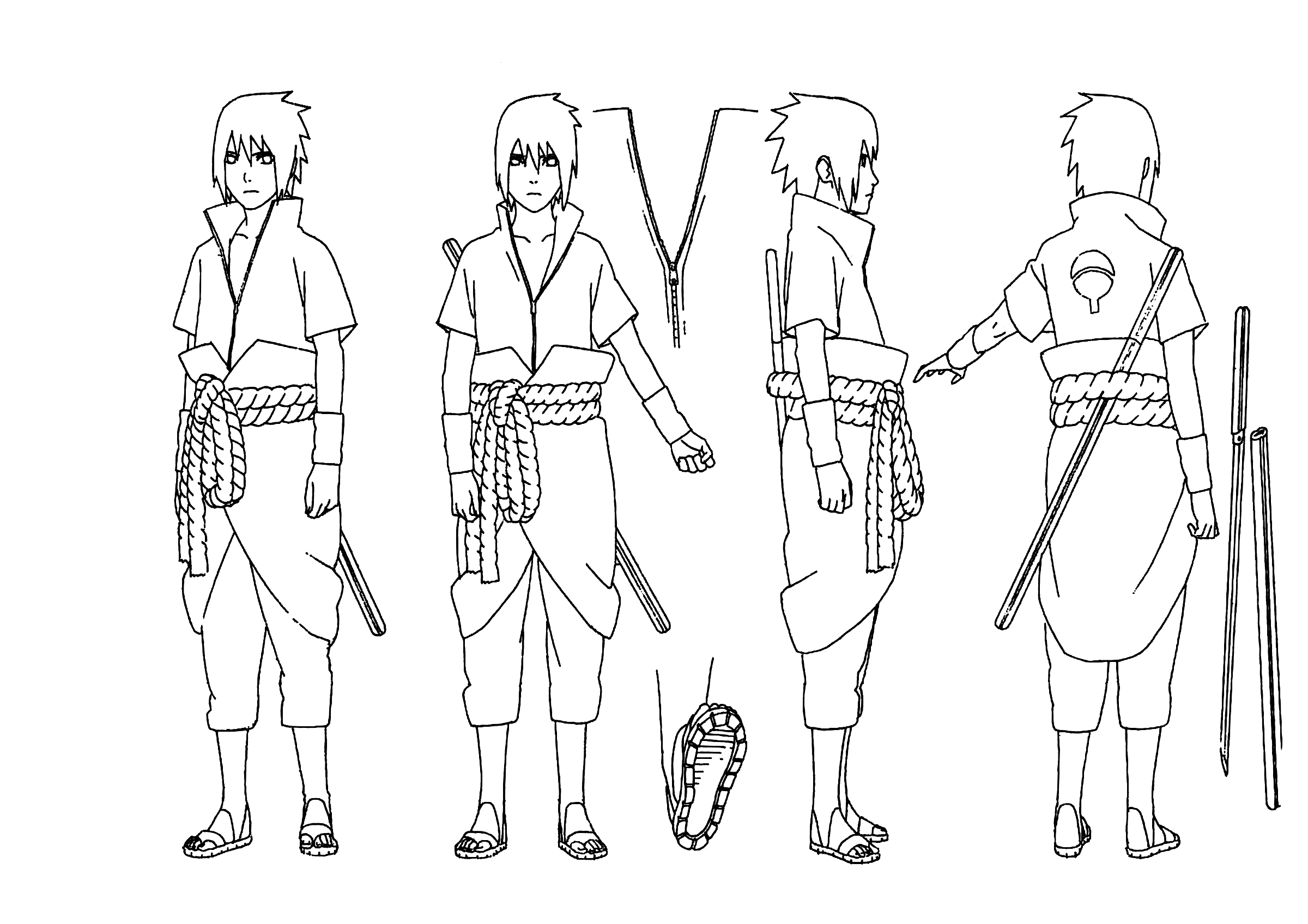
With too many teams surviving the forest, preliminary single-elimination matches reduce numbers. These fights serve dual purposes: resolving overcrowding and showcasing characters who won’t have major roles in finals.
Standout preliminary matches include:
Sasuke vs. Yoroi: Demonstrates Sasuke fighting through curse mark influence—willpower over power.
Sakura vs. Ino: Their childhood friendship and rivalry culminates in double-knockout, showing both have grown while establishing neither is ready for higher stakes.
Shikamaru vs. Kin: First full demonstration of shadow possession technique’s tactical potential.
Hinata vs. Neji: Family tragedy exposed through combat, establishing Neji’s ideology of unchangeable fate and Hinata’s determination despite defeat.
Lee vs. Gaara: The arc’s most impactful fight before finals—Lee’s removal of weights, opening of inner gates, and ultimate failure against Gaara’s absolute defense demonstrates both characters’ extremes.
Rock Lee vs. Gaara: The Perfect Fight
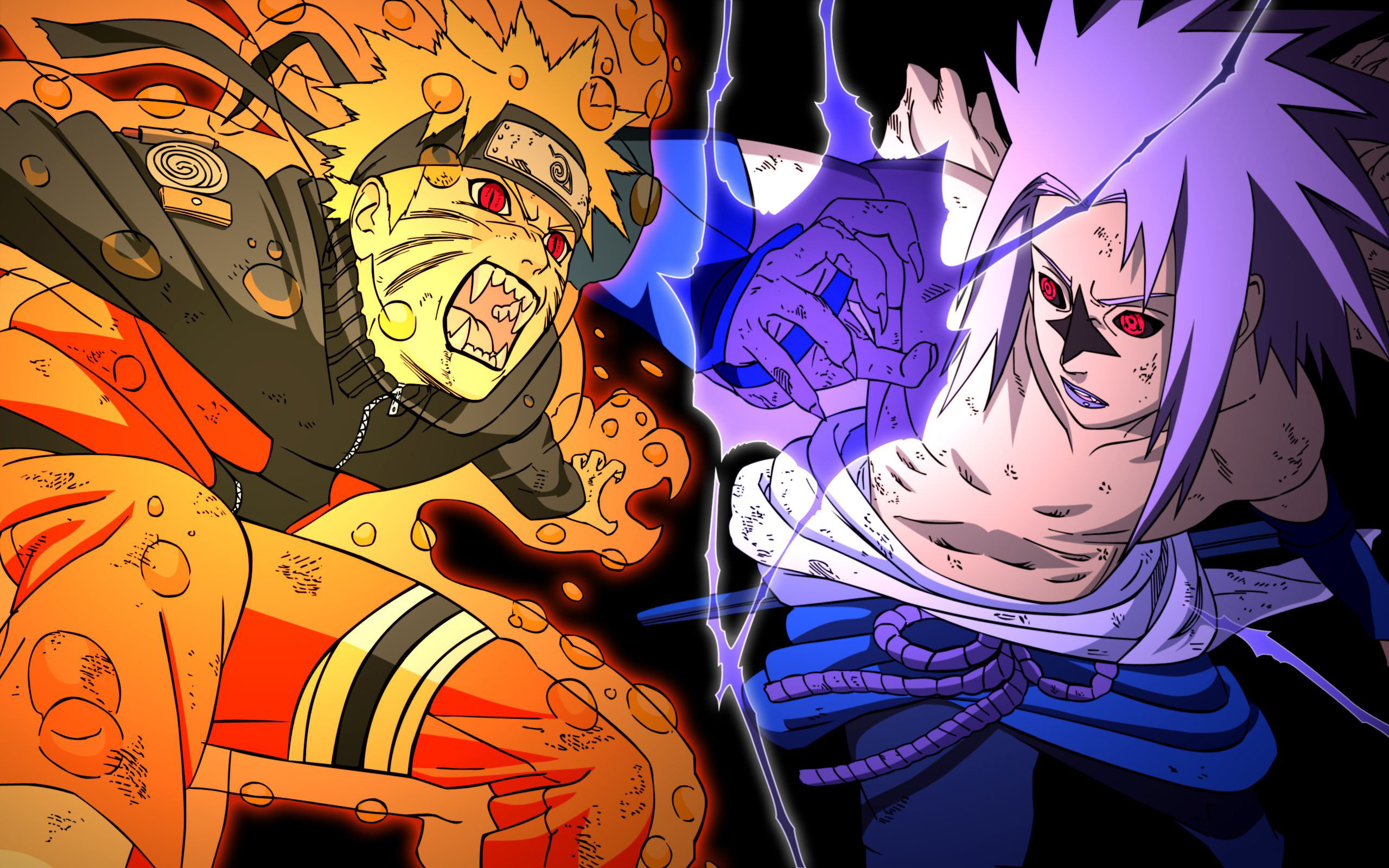
This preliminary match deserves extended analysis because it represents peak Naruto combat philosophy. Rock Lee, incapable of using ninjutsu or genjutsu, has trained his body beyond human limits through pure effort. Gaara, protected by sand that moves independently of his will, has never experienced physical pain.
Their fight tests “hard work vs. natural talent”—Naruto’s central theme—in its purest form. Lee’s speed eventually exceeds Gaara’s sand’s reaction time. His opening of the inner gates (self-destructive power boosts) pushes him beyond natural limits. For the first time, Gaara bleeds.
But Lee loses. Despite everything—years of training, self-destructive techniques, determination that inspired everyone watching—natural talent wins. Gaara’s sand armor and ultimate defense prove too much. Lee’s leg and arm are crushed, his ninja career potentially ended.
This outcome is crucial. If Lee won, the theme becomes “work hard enough and you’ll always succeed.” His loss, despite deserving victory, establishes that life isn’t fair—but fighting anyway matters. Naruto’s later defeat of Neji gains meaning from Lee’s failure; the theme needs both outcomes.
Naruto vs. Neji: Destiny Rejected
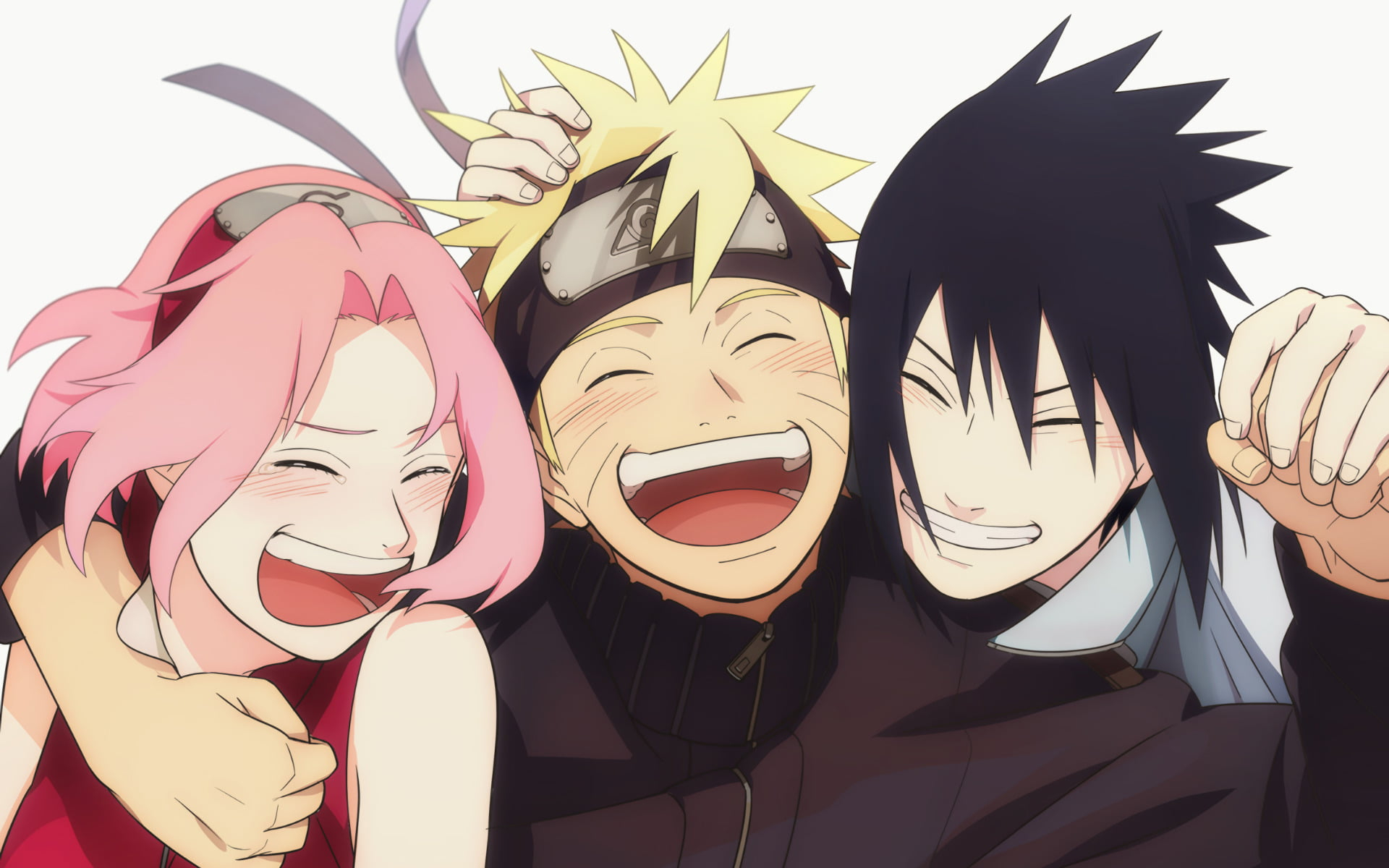
The finals’ emotional core pits Naruto against Neji Hyuga, who believes fate is unchangeable. Neji’s philosophy—that people are born into fixed roles they can’t escape—directly contradicts Naruto’s entire existence. The dead-last, the demon container, the village pariah cannot accept predetermined failure.
Their fight transcends technique matchup. Naruto, outclassed by Hyuga gentle fist and Neji’s Byakugan, wins through determination and Nine-Tails chakra accessed through sheer will. His victory speech—rejecting fate while acknowledging Neji’s pain—converts his opponent’s ideology rather than just defeating him.
This conversion matters because Neji becomes an ally. His rigid worldview, broken by Naruto’s example, opens to change. When Neji dies later in the series protecting Naruto, his sacrifice validates the ideology shift this fight created. Seeds planted here bloom into tragedy hundreds of episodes later.
The Invasion: Tournament Interrupted
Orochimaru’s invasion transforms the exam’s final matches into actual warfare. This structural choice prevents typical tournament conclusion while raising stakes impossibly high. The Hokage fights his former student; genin defend civilians against enemy forces; Gaara’s full transformation threatens village destruction.
The invasion justifies the tournament arc’s length by paying off accumulated setup. Every character introduced during the exams has a role in the battle. Every technique demonstrated becomes tactically relevant. The tournament wasn’t just entertainment—it was preparation for war.
Why It Works: Structural Excellence
The Chunin Exams succeed through deliberate structural choices:
Varied phase types: Written test, survival horror, tournament fighting—each phase tests different skills and creates different tension types.
Character efficiency: Nearly every introduced character remains relevant for years. No fight is wasted on forgettable opponents.
Escalating stakes: From individual advancement to village survival, stakes increase naturally rather than through arbitrary power inflation.
Theme integration: Hard work vs. talent, fate vs. choice, individual vs. village—abstract themes gain concrete expression through combat.
Unexpected outcomes: Not every protagonist wins. Lee loses; Sakura draws; Shikamaru forfeits. Unpredictability creates genuine tension despite protagonist protection.
Legacy: Why Nothing Matches It
Subsequent tournament arcs—in Naruto itself and across anime—rarely achieve Chunin Exams’ integration. Tournaments typically serve as power demonstrations disconnected from larger narrative. The Chunin Exams succeed because every element serves multiple purposes simultaneously.
For viewers experiencing Naruto for the first time, the Chunin Exams represent the series’ creative peak. Not necessarily the most powerful fights (those come later) but the most purposeful. Everything matters here—and that purposefulness defines what tournament arcs can achieve when executed perfectly.
You Might Also Like
- Naruto Complete Watch Order 2026: From Genin to Hokage
- Naruto Complete Watch Order 2026: From Genin to Hokage
- Frieren Power System Explained: Magic, Demons, and Mana