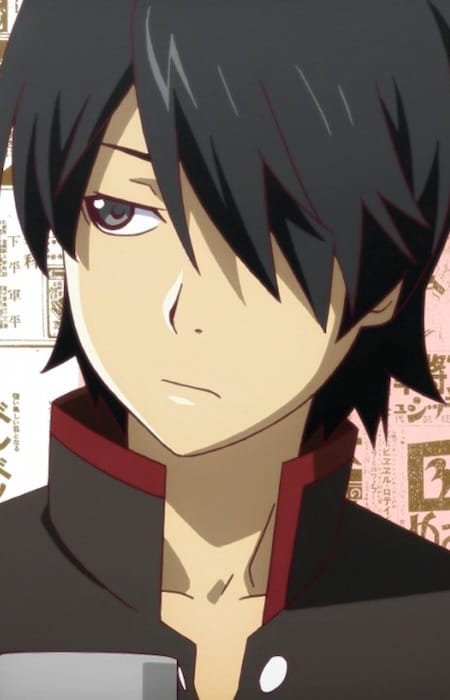
The Monogatari Series has one of anime’s most confusing watch orders—and that’s partially intentional. Nisio Isin’s supernatural mystery franchise deliberately plays with narrative chronology, releasing arcs out of timeline order to create specific dramatic effects. Here’s the definitive guide to watching Monogatari in 2026, with explanations for why each order works.
The Three Valid Watch Orders
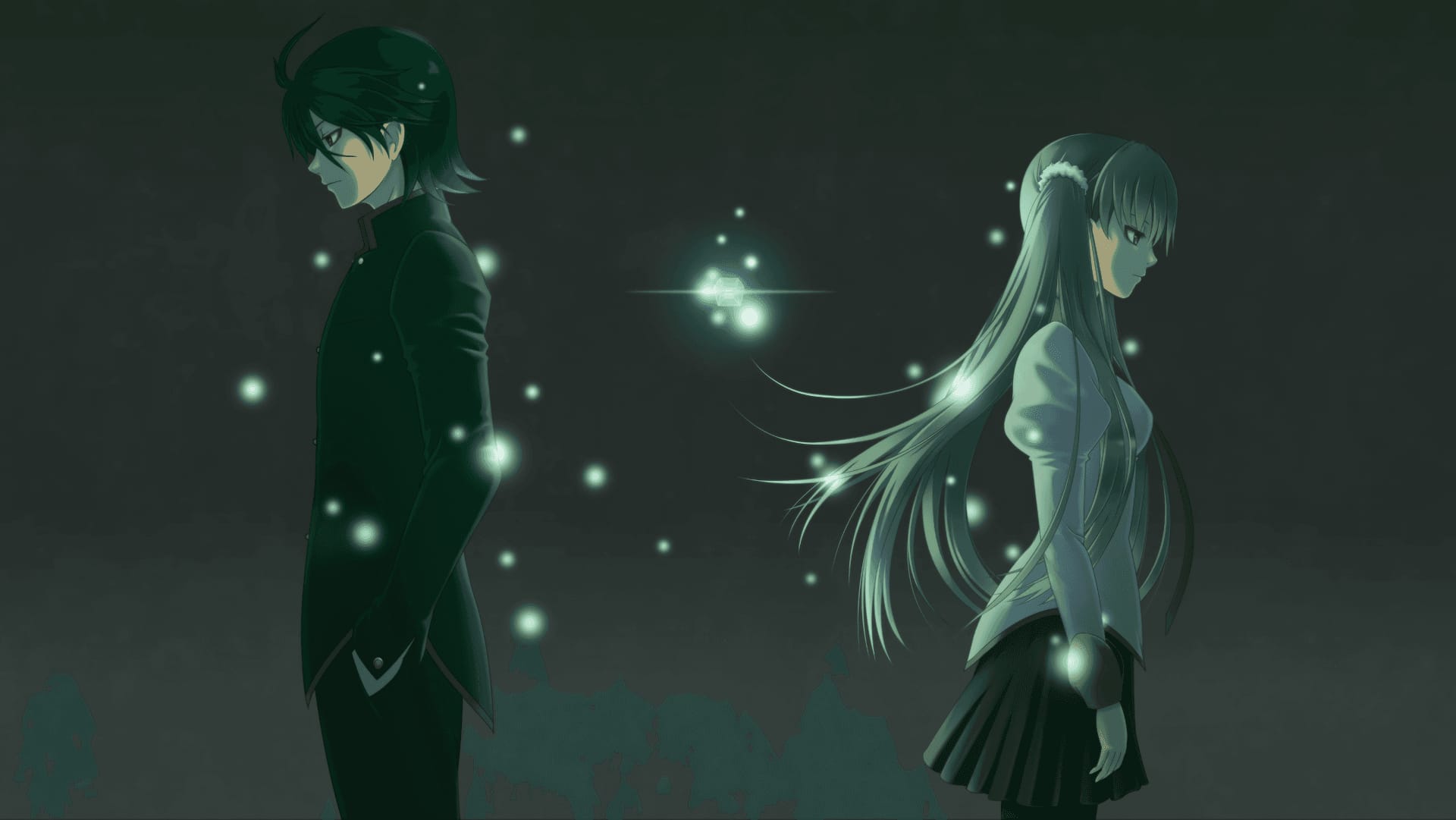
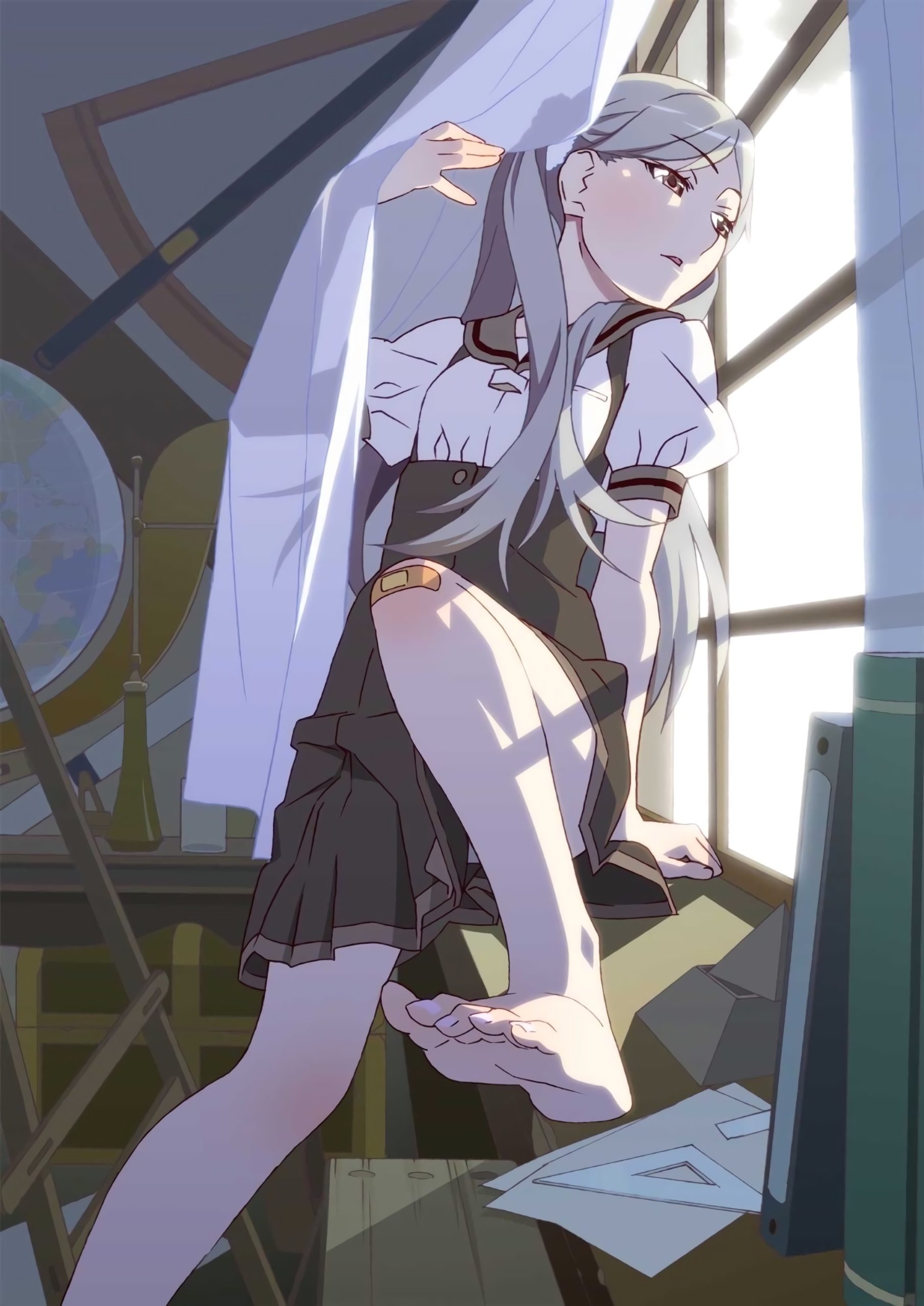
Unlike series where “watch order” debates have clear answers, Monogatari legitimately supports multiple approaches. Each serves different viewer priorities.
Novel Release Order (Recommended for First-Timers)
This follows how Nisio Isin published the light novels, which is how original fans experienced the story:
1. Bakemonogatari (2009) — 15 episodes. Introduction to Araragi, the supernatural oddities, and the core cast. Essential starting point regardless of chosen order.
2. Kizumonogatari (Movie trilogy: Tekketsu, Nekketsu, Reiketsu) — The prequel showing how Araragi became a vampire. Novel came second; anime released much later. Watching here provides crucial context for Shinobu’s relationship.
3. Nisemonogatari (2012) — 11 episodes. Araragi’s sisters’ arc. Infamous for the toothbrush scene. Explores themes of authenticity and fakes.
4. Nekomonogatari: Kuro (2012) — 4 episodes. Hanekawa prequel set before Bakemonogatari. Shows the Black Hanekawa origin.
5. Second Season (2013) — 26 episodes across multiple arcs (Nekomonogatari: Shiro, Kabukimonogatari, Otorimonogatari, Onimonogatari, Koimonogatari). The series’ peak—character development and plot convergence.
6. Hanamonogatari (2014) — 5 episodes. Kanbaru’s post-high-school story. Chronologically latest but released mid-series.
7. Tsukimonogatari (2014) — 4 episodes. Araragi’s vampirism consequences. Sets up Final Season.
8. Owarimonogatari S1 (2015) — 12 episodes. Ougi’s introduction and Araragi’s past.
9. Koyomimonogatari (2016) — 12 short episodes. Monthly stories that connect everything. Watch before Owarimonogatari S2.
10. Owarimonogatari S2 (2017) — 7 episodes. Conclusion of the main story.
11. Zoku Owarimonogatari (2018) — 6 episodes. Epilogue/mirror world story.
Off-Season and Monster Season — Subsequent novels being adapted. Check release dates for current status.
Anime Broadcast Order
Watch everything in the order Studio Shaft released it. This works because Shaft ordered their adaptation intentionally—Kizumonogatari’s late release was deliberate, not just production delays. The mystery of Araragi’s vampirism origin enhances early arcs when unknown.
This order places Kizumonogatari after Owarimonogatari S1, creating dramatic irony impossible in novel order. You see Araragi’s relationship with Shinobu fully developed before understanding its traumatic origin.
Chronological Order (For Rewatches Only)
Arranging by in-universe timeline: Kizu → Neko:Kuro → Bake → Nise → Second Season (with arcs reordered) → Owari → etc. This destroys intended dramatic reveals but provides clarity on second viewing.
Do not watch chronologically first. The series explicitly isn’t designed for this order. Mysteries get spoiled, character revelations lose impact, and thematic progression breaks.
Why Monogatari is “Confusing”
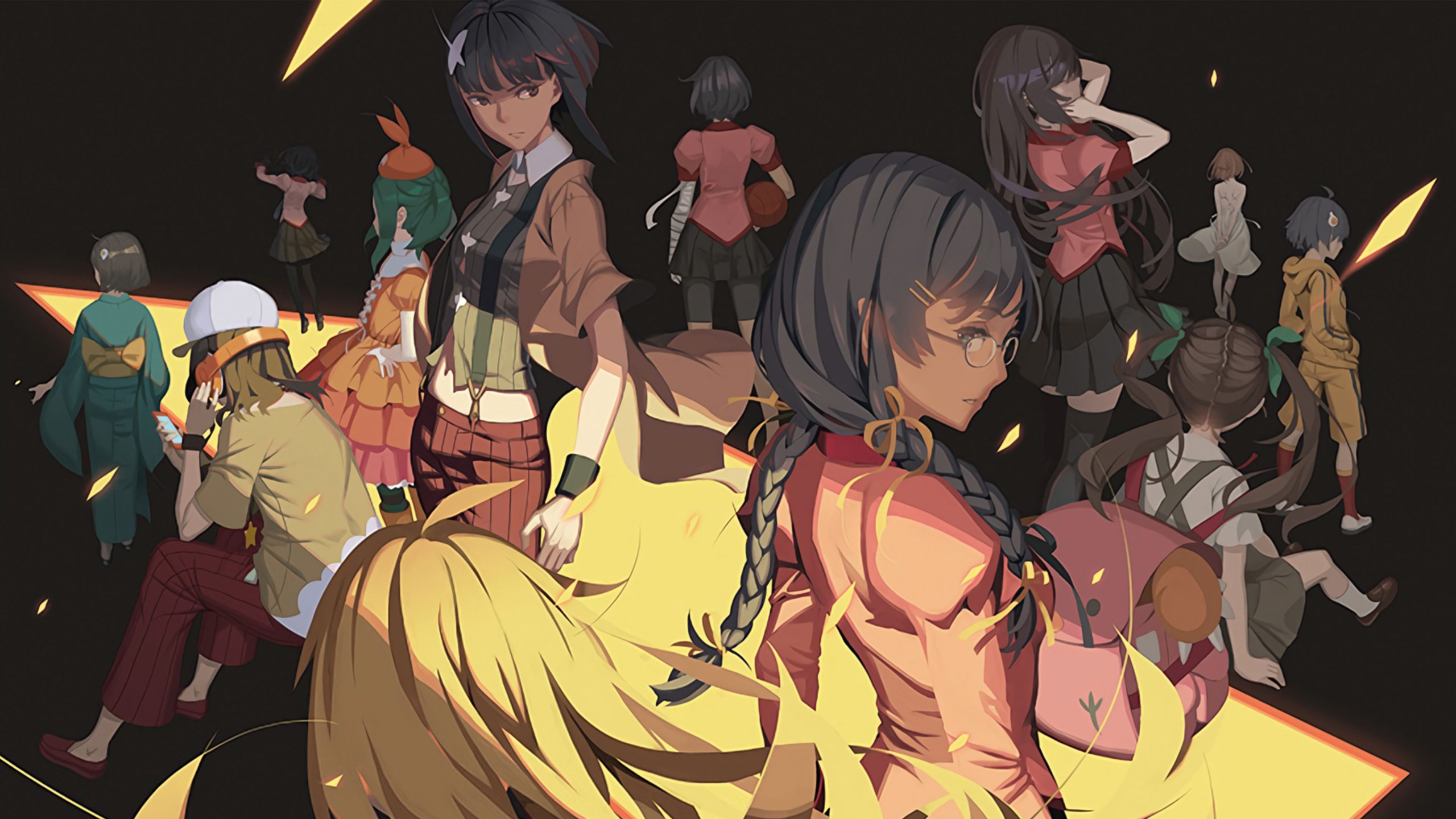
Monogatari’s complexity is feature, not bug. Nisio Isin uses non-linear storytelling to:
Create dramatic irony: We know future outcomes before seeing past causes. Shinobu’s silence in early Bake hits differently after Kizu’s events.
Mirror theme and structure: The series discusses storytelling itself. Non-linear narrative reflects unreliable narration—Araragi tells his story how he chooses, not how it happened.
Reward investment: Later revelations recontextualize earlier scenes. Rewatching Bakemonogatari after completing the series reveals layers invisible first time.
The confusion serves purpose. Accept it rather than fighting it.
Shaft’s Visual Approach
Studio Shaft’s adaptation uses distinctive visual language—rapid text flashes, abstract backgrounds, dramatic head tilts, fourth-wall-breaking shots. This style either enchants or alienates viewers; there’s rarely middle ground.
The visuals support Monogatari’s themes. When Araragi narrates unreliably, the visuals become unreliable too. Abstract spaces represent psychological states rather than physical locations. The style isn’t arbitrary—it’s interpretive.
If Shaft’s approach bothers you, Monogatari might not be your series. The style is intrinsic, not decorative. You’re signing up for experimental visual storytelling alongside supernatural mystery.
The Arc Structure
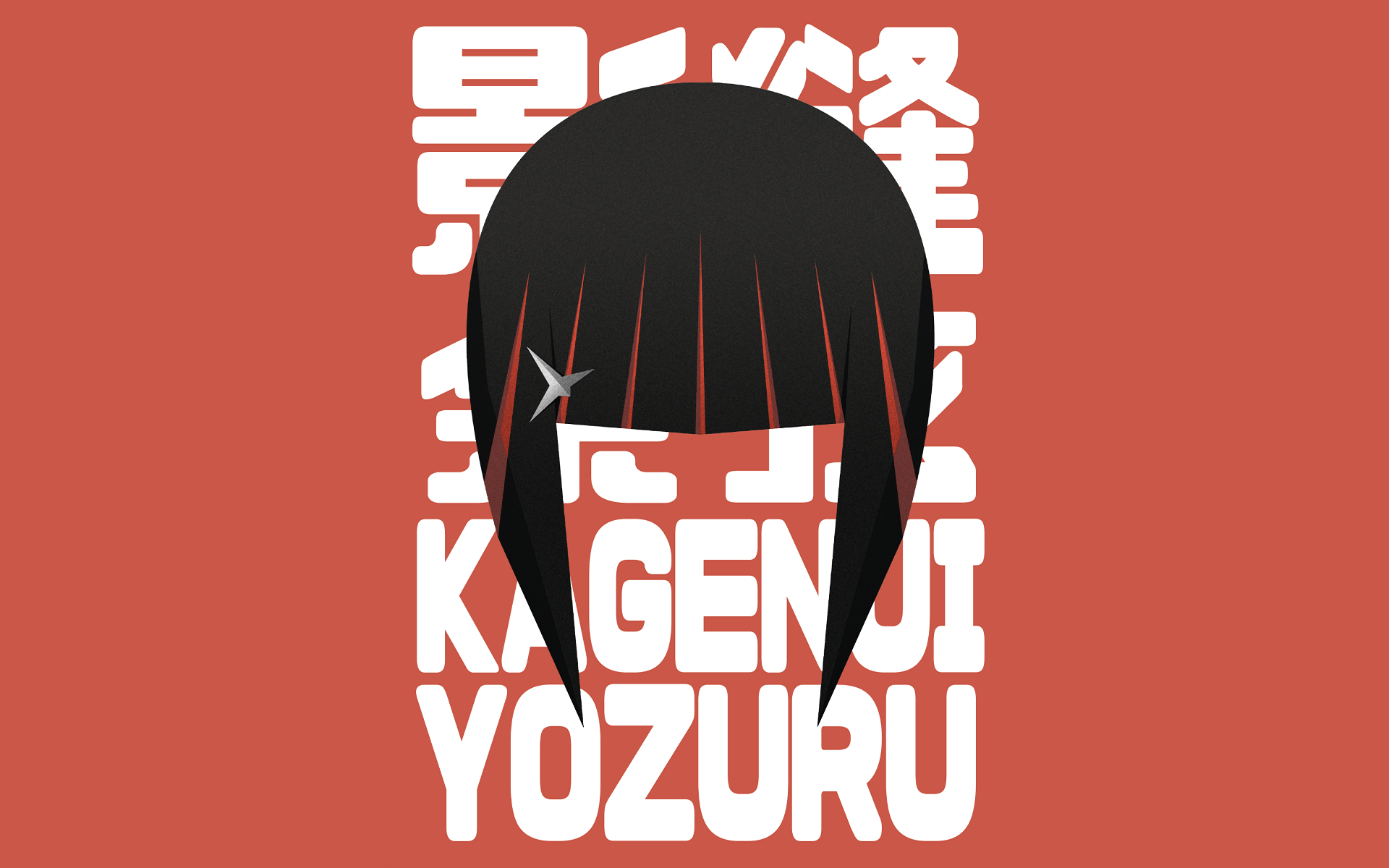
Each Monogatari arc focuses on a specific character’s supernatural problem (oddity). Arcs are named [Character]monogatari—Hitagi Crab (Senjougahara), Mayoi Snail (Hachikuji), Suruga Monkey (Kanbaru), etc. This structure creates almost anthology-style storytelling within continuous narrative.
Understanding this helps navigation. If you want Shinobu content, prioritize Kabukimonogatari and Onimonogatari. For Hanekawa, focus Nekomonogatari entries. The character-centric structure allows selective engagement for rewatches.
Essential Context: What Makes It Special
Monogatari combines supernatural mystery with romance, comedy, and philosophical dialogue. Araragi’s relationships with his harem (the series both embraces and critiques the trope) explore dependency, maturation, and what “saving” someone actually means.
The dialogue is dense. Characters speak in wordplay, references, and thematic double-meanings that translators struggle to convey. Reading subtitles actively—pausing when needed—provides better experience than passive watching.
Sexual content exists and can be uncomfortable. The infamous toothbrush scene, various bath scenes, and suggestive photography of characters who are minors generate legitimate criticism. Decide your comfort level before committing to 100+ episodes.
Where to Watch in 2026
Crunchyroll holds most Monogatari content. Kizumonogatari films may require separate rental/purchase depending on licensing status. Check availability before starting—nothing worse than committing to a series you can’t legally finish.
Quality varies across releases. Blu-ray versions include animation corrections and additional content. If you’re investing serious time, quality sources matter.
The TL;DR Recommendation
First-time viewers: Novel release order, starting with Bakemonogatari, with Kizumonogatari movies watched after Bake but before Nise. This provides context for Shinobu while maintaining mystery about Araragi’s past until appropriate reveal.
If you bounce off Bakemonogatari’s dialogue-heavy, visually abstract approach, Monogatari isn’t for you—the entire series maintains that style. Better to discover incompatibility in 15 episodes than 100.
If Bakemonogatari hooks you, you’re in for one of anime’s most unique experiences. The series rewards commitment with layered storytelling, memorable characters, and visual innovation. The confusing watch order becomes comprehensible; the dense dialogue becomes addictive; the abstract style becomes essential.
Welcome to the oddity. Enjoy your stay.
You Might Also Like
- Spring 2026 Anime: What to Watch This Season
- Frieren: Beyond Journey’s End Complete Watch Order Guide (2026)
- Frieren: Beyond Journey’s End Complete Watch Order Guide (2026)