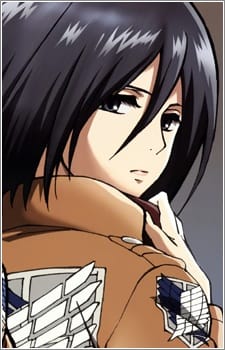
Mikasa Ackerman kills more Titans than anyone except maybe Levi. Her combat prowess defines Attack on Titan’s action sequences. But reducing Mikasa to “Eren’s guardian” misses her actual character: a woman processing trauma through protective violence, whose journey involves learning that protection cannot prevent loss.
The Ackerman Awakening
Origin
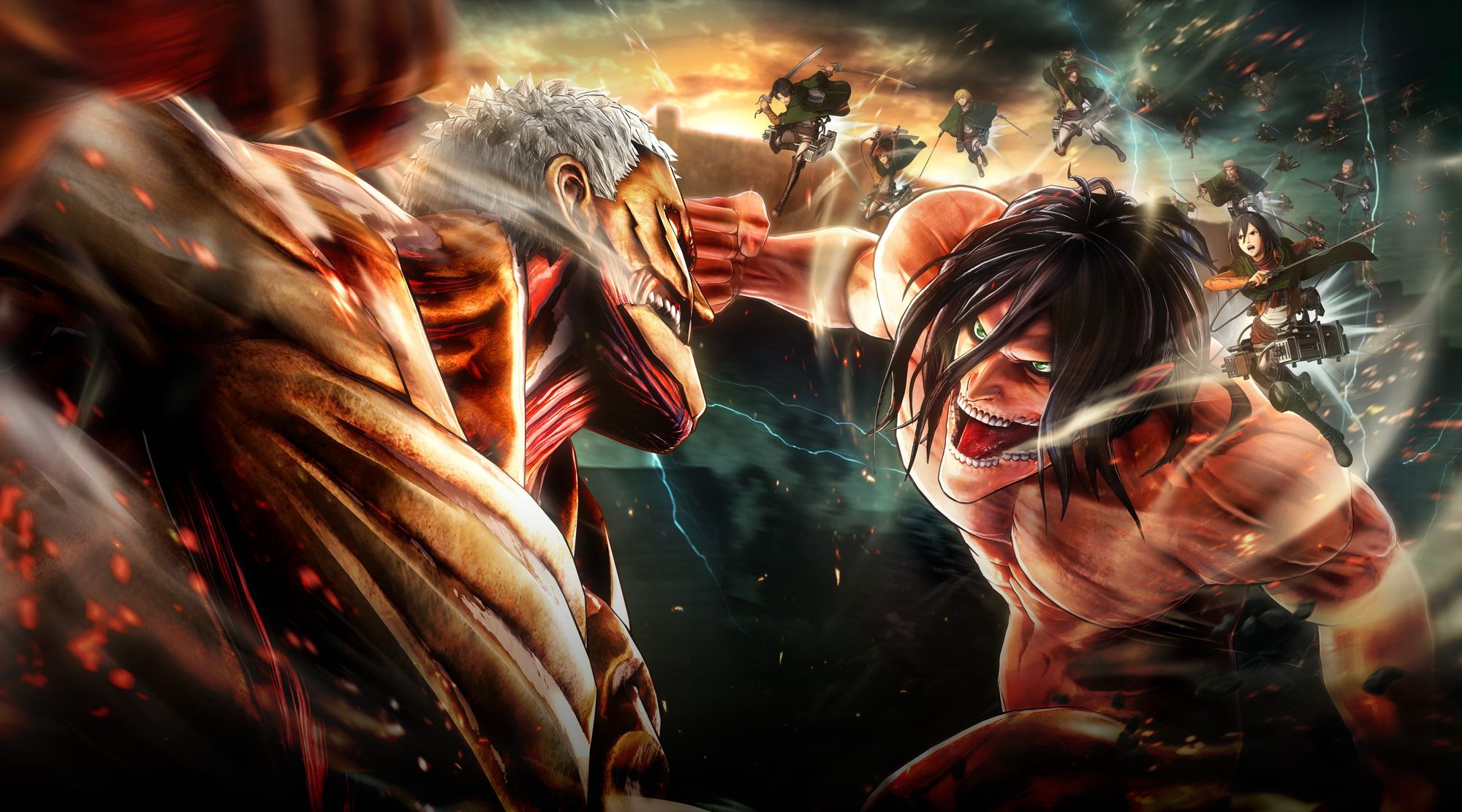
Young Mikasa witnessed her parents’ murder, then was trafficked. When Eren killed her captors, something awakened in her—the Ackerman power that grants superhuman combat ability. This awakening saved her life and bound her to Eren simultaneously.
The connection is complicated: was it genuine attachment or Ackerman instinct? The series eventually clarifies that her feelings are real, but the question haunts her character throughout.
What It Means
Ackermans were designed as weapons—their instinctive combat ability exists because they were engineered protectors. Mikasa inherited this purpose without choosing it. Her exceptional skill is both gift and programming.
The Eren Attachment
Why It Exists
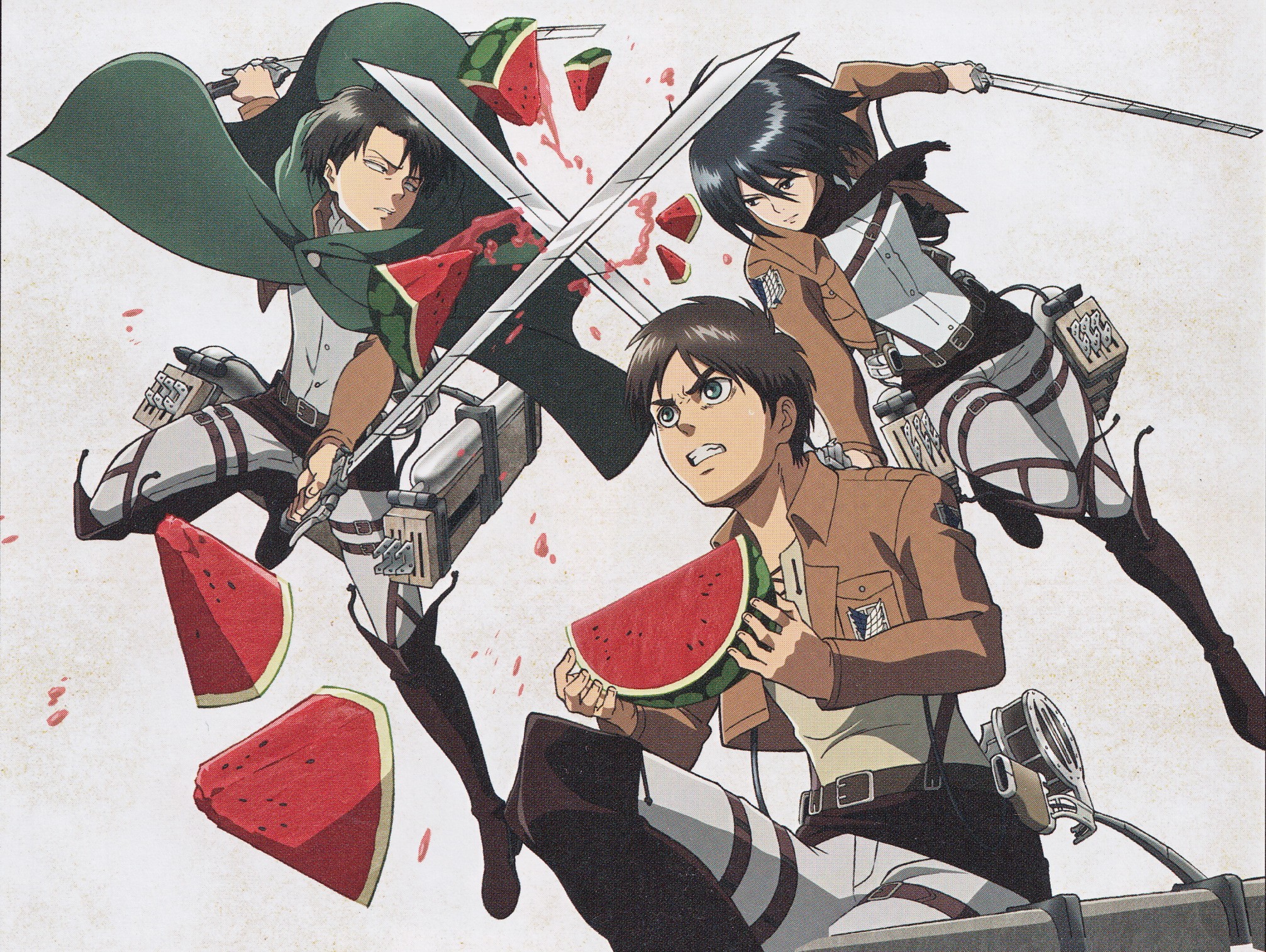
Eren saved Mikasa at her lowest moment. He gave her the scarf that becomes her identity symbol. He reminded her that the world is cruel but also beautiful—words she carries forever.
This attachment is not romantic delusion (though romantic feelings exist). It is survival debt, found family, and the desperate need to protect what she has left after losing everything once.
Healthy or Not?
The series does not portray Mikasa’s attachment as purely healthy. Her identity becomes too wrapped up in Eren; her own desires subordinate to his protection. Other characters notice and comment. The attachment is understandable but also limiting.
The Final Choice
Mikasa ultimately kills Eren. This act represents her growth: loving someone does not mean enabling their destruction, and protection sometimes means stopping rather than preserving. Her choice to end Eren is the hardest thing she does—and the most necessary.
Combat Excellence
Titan Kill Count
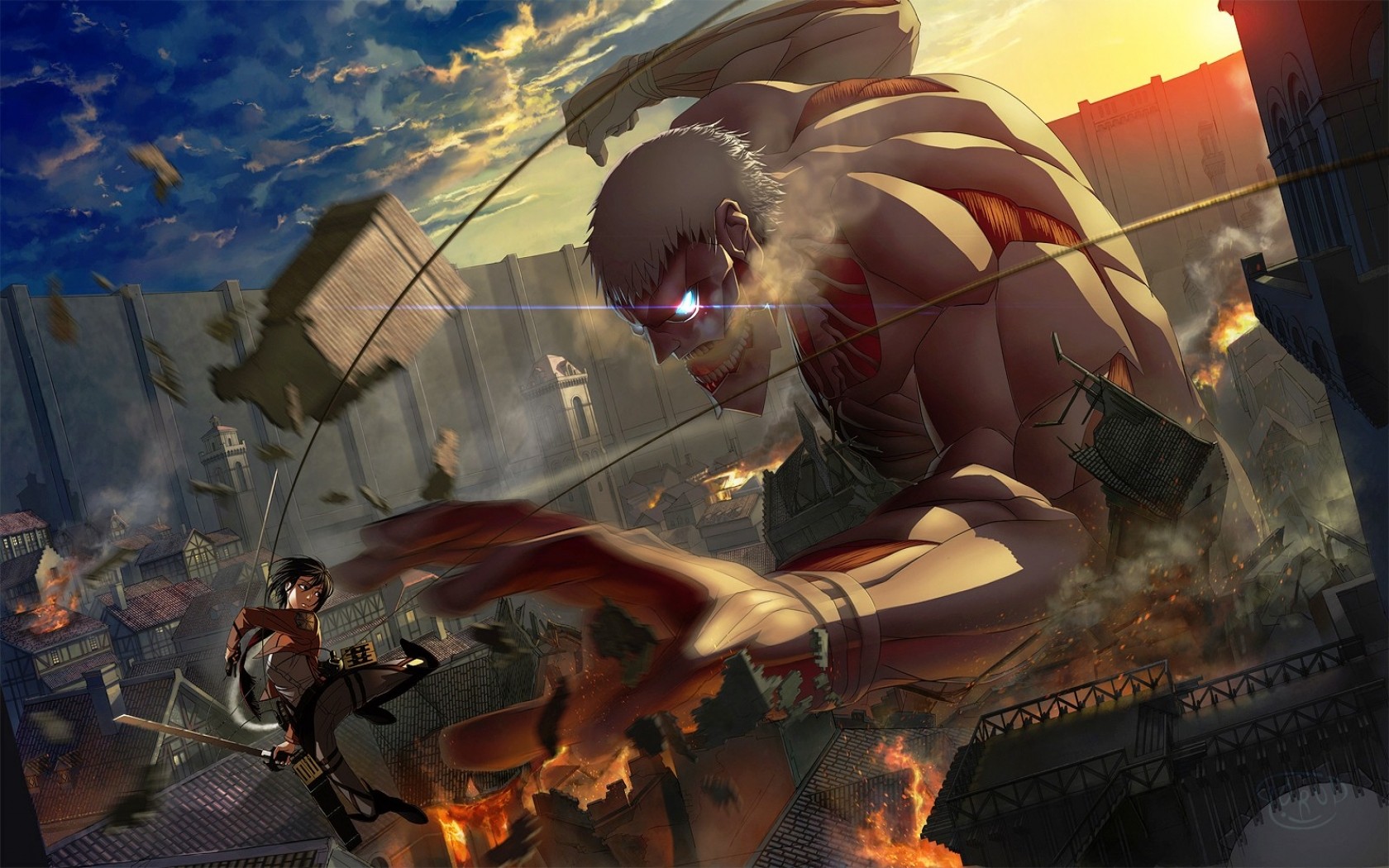
Mikasa accumulates more Titan kills than virtually any other soldier. Her ODM gear mastery approaches Levi’s level. In combat sequences, she moves with lethal grace that makes other soldiers look clumsy.
Human Combat
Against human opponents, Mikasa is equally devastating. Her Marley infiltration demonstrates that her skills transfer beyond Titans—she is simply superior combatant in any context.
Emotional vs. Mechanical
Mikasa’s fighting style reveals character: precise, efficient, protective. She positions herself between threats and those she guards. Combat is not joy (unlike some fighters)—it is duty performed excellently.
Character Development
Early Series
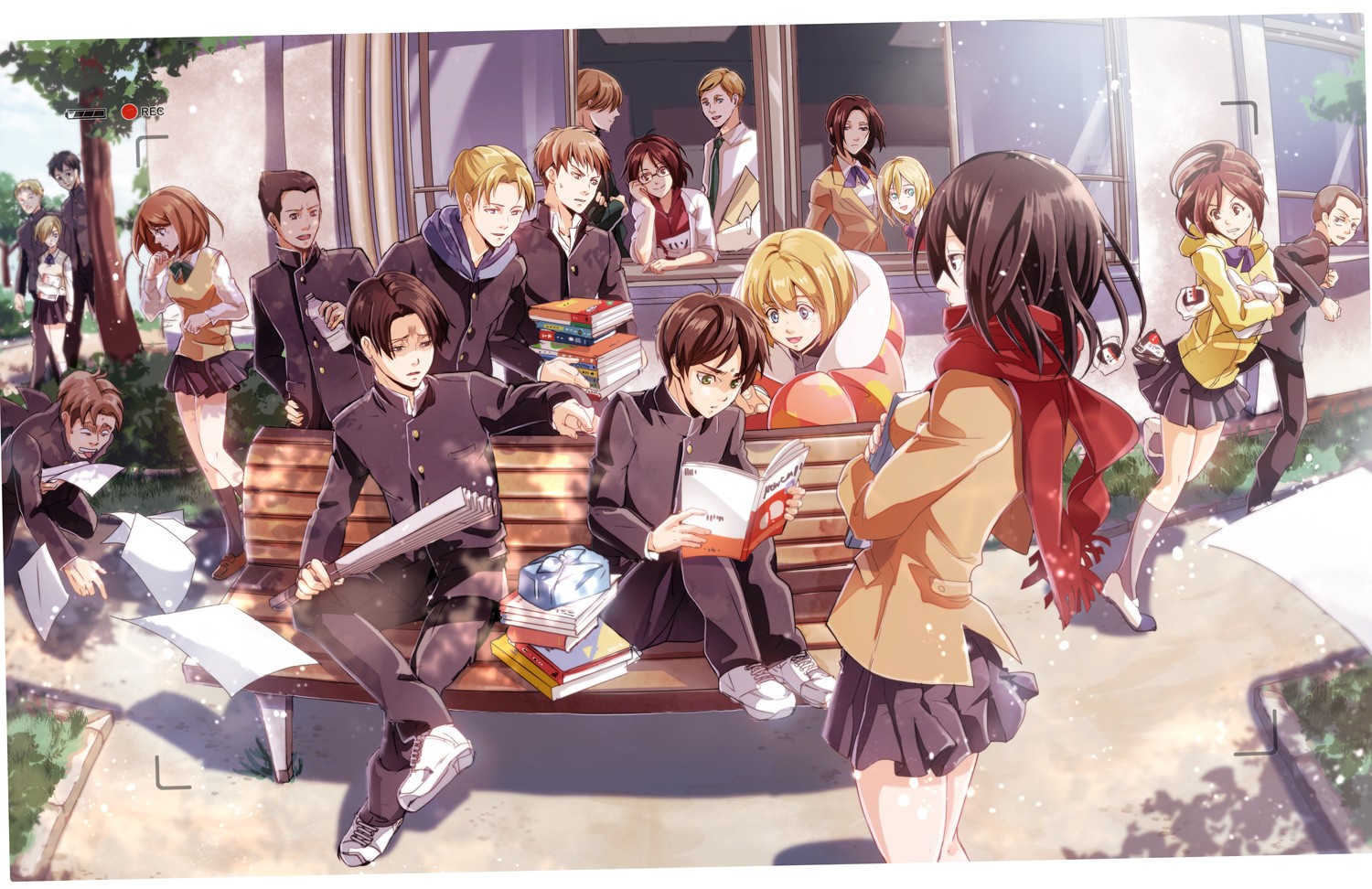
Young Mikasa is traumatized and detached from most things except Eren and Armin. She follows Eren into military, into Survey Corps, into danger—her path determined by his choices.
Middle Period
Mikasa develops relationships beyond her immediate trio: with the other 104th members, with Levi’s squad, with the broader cause. She remains focused on Eren but expands her emotional connections.
Final Arc
The Rumbling forces Mikasa to choose between Eren and everyone else. Her growth culminates in recognizing that loving Eren does not mean supporting his genocide. She chooses the world over one person—growth that earlier Mikasa could not achieve.
The Scarf
Symbol
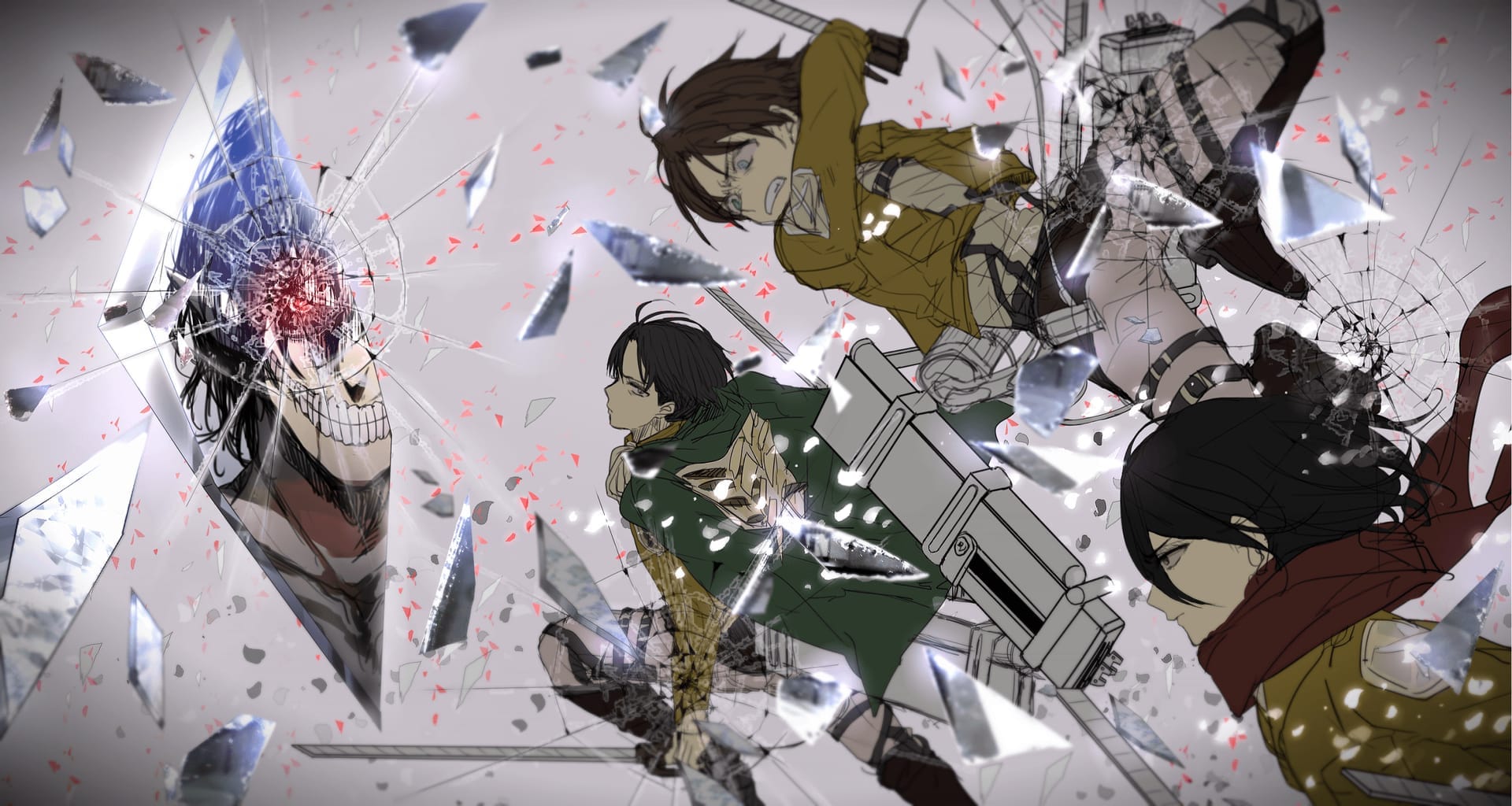
Eren’s scarf represents their connection—warmth given when she had nothing. Mikasa wears it constantly, nearly losing it triggering panic. The scarf is security object, identity marker, and reminder of who gave her reason to live.
Development
Her relationship with the scarf evolves. Initially desperate attachment; eventually chosen symbol. She keeps it after killing Eren—acknowledging the love while accepting the loss.
Relationships
Armin
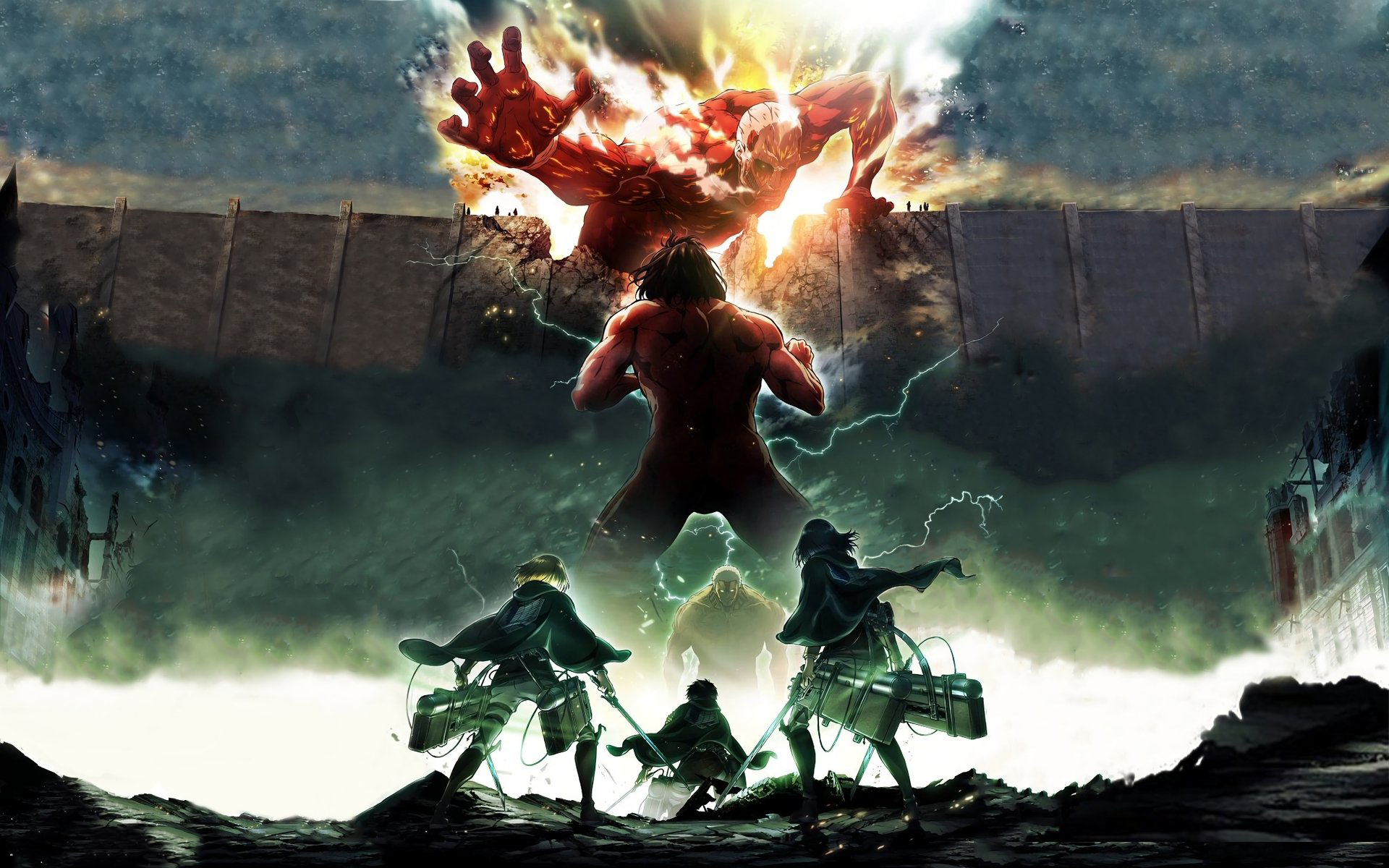
Armin is Mikasa’s other person—the third member of the trio that defines her world. Their relationship is friendship without the complicated romantic undertones. She protects him as she protects Eren.
Levi
Fellow Ackerman, fellow protector, different in almost every other way. Their interactions are minimal but loaded—two people who understand what the other is without needing to discuss it.
Louise
The girl Mikasa once saved, who idolizes her. Mikasa’s cold treatment of Louise’s dying request (to have the scarf) shows the limits of her empathy when her attachment objects are threatened. It is not her best moment.
Themes Embodied
Trauma and Attachment
Mikasa demonstrates how trauma creates intense attachments—both necessary for survival and potentially limiting for growth. Her journey is learning to honor attachments while not being imprisoned by them.
Violence as Protection
Mikasa kills to protect. This distinguishes her from characters who enjoy combat or fight from duty. Her violence is always defensive in motivation, even when offensive in execution.
Agency Within Constraint
As Ackerman, Mikasa has programmed instincts. As trauma survivor, she has psychological limitations. Her agency exists within these constraints—choosing how to act, not whether those constraints exist.
The Ending
After Eren
Mikasa survives, lives, apparently marries and has family. She visits Eren’s grave regularly. The ending shows someone who lost everything (again) and chose to continue anyway—the world remaining cruel and beautiful.
Closure
Her final scenes provide what the narrative required: Mikasa moving forward while honoring the past. The scarf remains; the person who gave it is gone. She lives with both truths.
The Verdict
Mikasa is more than Eren’s shadow. She is trauma survivor processing pain through protective violence, Ackerman navigating programmed instincts, and woman learning that love includes letting go.
Her combat excellence makes her memorable; her emotional journey makes her meaningful. When she makes the choice no one else could make—killing the person she loves most to save everyone else—she becomes Attack on Titan’s actual hero, regardless of who the narrative focuses on.
You Might Also Like
- Levi Ackerman: Attack on Titan’s Humanity’s Strongest
- Levi Ackerman: Why Attack on Titan’s Captain Became an Icon
- Attack on Titan Episode 5: The Declaration of War