
MAPPA and Ufotable represent anime’s two production powerhouses in 2026—studios whose names alone generate hype regardless of source material. But their approaches to animation differ fundamentally, creating distinct visual identities that suit different types of content. Here’s the complete breakdown of what makes each studio unique and which style fits which series.
Ufotable: The Digital Integration Pioneer
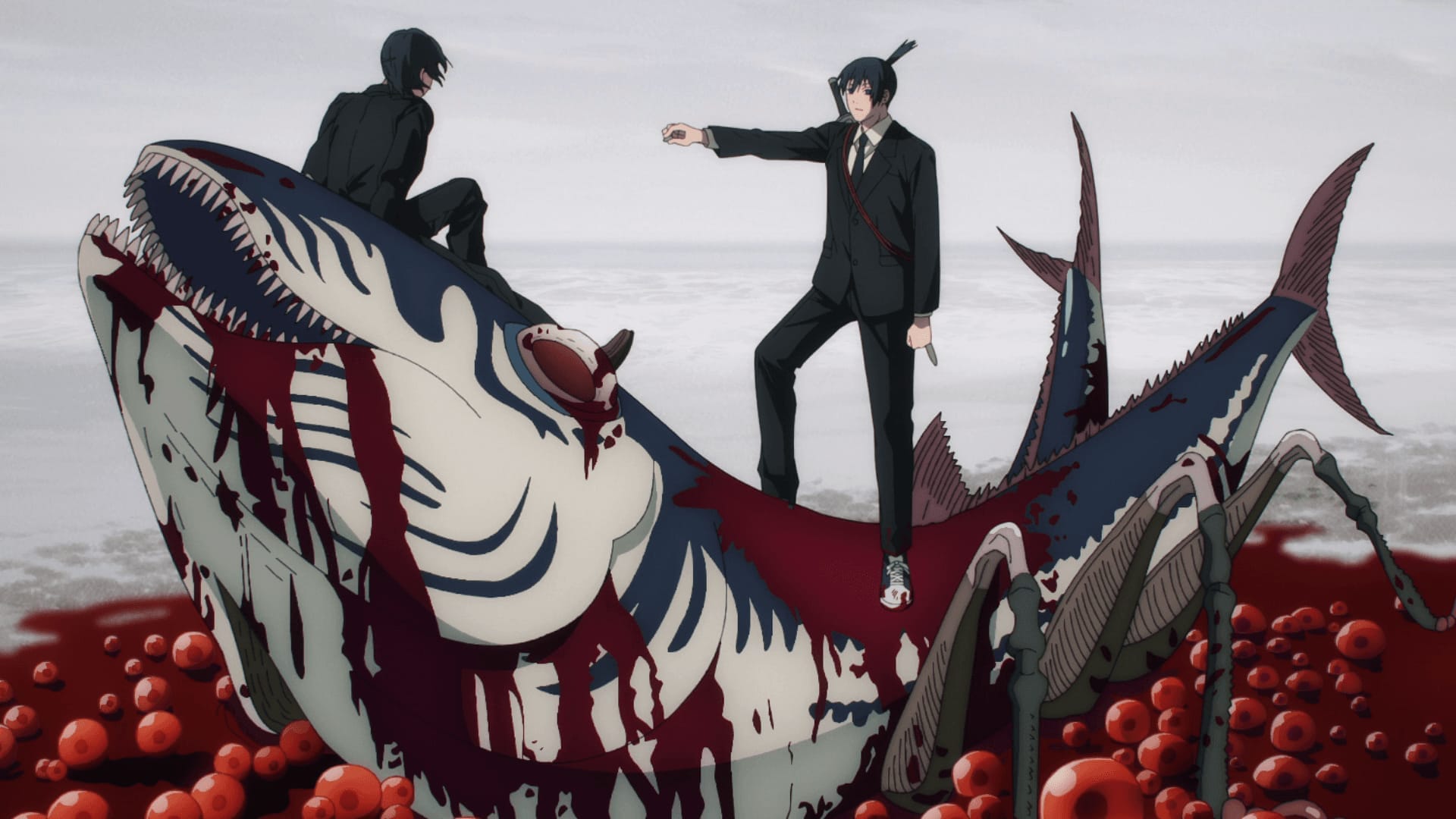
Ufotable’s signature lies in seamlessly blending traditional 2D animation with 3D digital effects. Founded in 2000 and achieving prominence through the Fate series and Demon Slayer, the studio developed proprietary technology that creates visual spectacle impossible through either technique alone.
Visual identity: Ufotable productions feature heavy particle effects—water, fire, lightning rendered in vivid digital detail over hand-drawn characters. Camera movements sweep through impossible angles, tracking action in ways that feel cinematic rather than animated. Color grading creates consistent atmospheric moods across sequences.
The digital backbone: Unlike studios that outsource CG work, Ufotable maintains internal digital departments that communicate directly with animators. This integration prevents the jarring disconnection between 2D and 3D common in other productions. Their CG looks intentional, not budget-saving.
Production schedule: Ufotable works slowly by industry standards. Demon Slayer Entertainment District had nearly two years between seasons; Fate/stay night routes released across multiple years. This extended production allows polish impossible under rushed schedules—but means less output overall.
Notable works: Demon Slayer (2019-present), Fate/stay night: Unlimited Blade Works, Fate/Zero, Fate/stay night: Heaven’s Feel trilogy, Tales of Zestiria the X, God Eater.
MAPPA: The Ambitious Workhorse
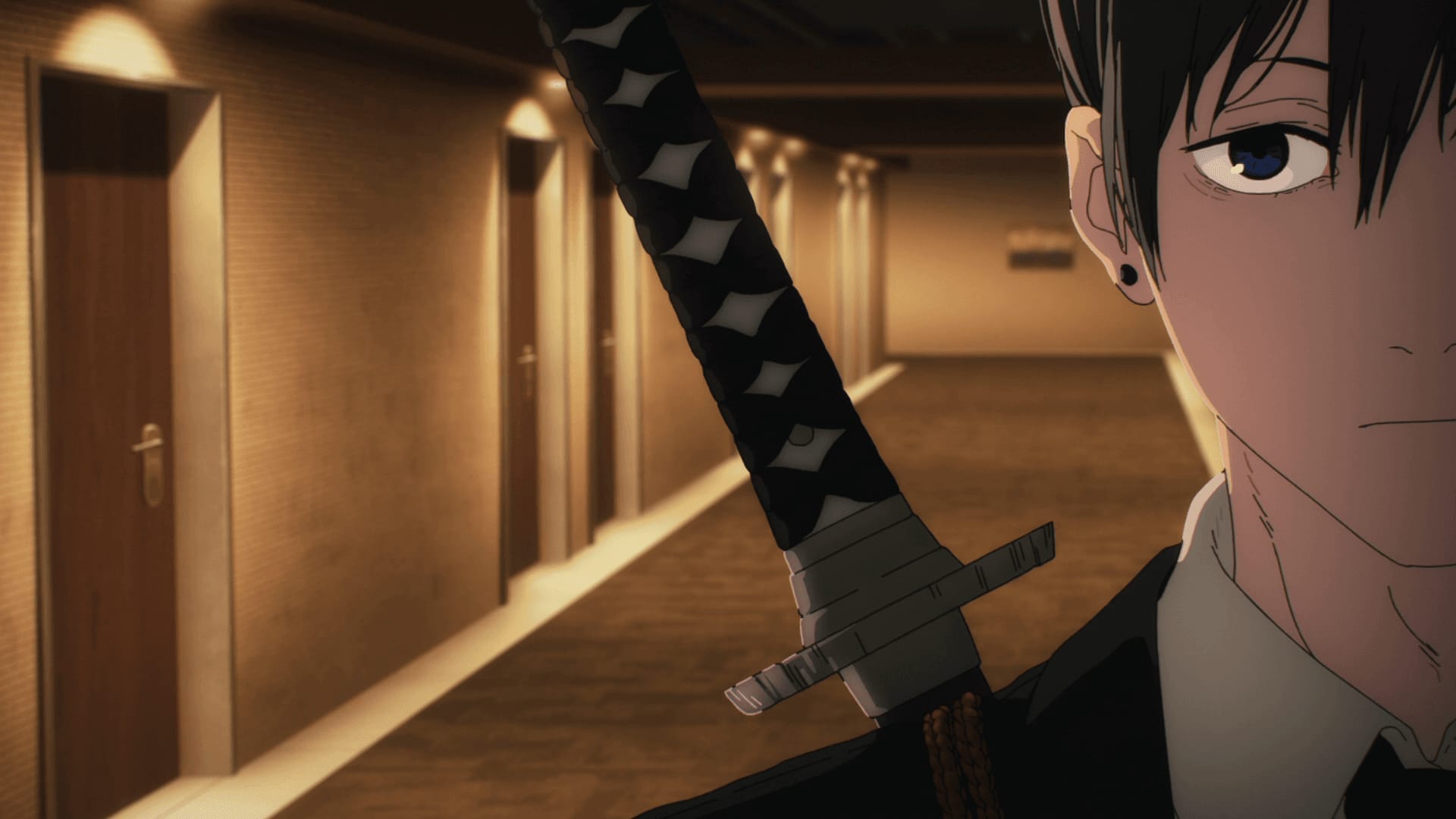
MAPPA’s approach prioritizes ambitious project selection and aggressive production schedules. Founded in 2011 by former Madhouse producer Masao Maruyama, the studio rapidly became known for taking on challenging adaptations and delivering (usually) on their difficulty.
Visual identity: MAPPA productions emphasize dynamic traditional animation with selective digital enhancement. Their best work features fluid character animation, expressive action choreography, and distinctive art direction that varies by project. Less uniform than Ufotable, more adaptable to source material.
The production gamble: MAPPA’s schedule is infamously demanding. The studio frequently runs multiple major projects simultaneously—Jujutsu Kaisen, Attack on Titan, Chainsaw Man, Hell’s Paradise in overlapping production. This ambition produces remarkable output but strains staff and risks inconsistent quality within seasons.
Controversy and criticism: MAPPA’s working conditions have faced public criticism from animators. The studio’s pace demands overtime and contractor reliance that industry watchdogs consider exploitative. Their output impresses; their methods concern.
Notable works: Jujutsu Kaisen (2020-present), Attack on Titan Final Season, Chainsaw Man, Hell’s Paradise, Yuri!!! on Ice, Banana Fish, Zombieland Saga, Vinland Saga.
Head-to-Head: Technical Comparison

Action sequences: Ufotable excels at flashy, effects-heavy combat—fire breathing, water techniques, magical explosions. MAPPA excels at physical martial arts and body horror—hand-to-hand fights, transformations, visceral violence. Choose based on what the source material emphasizes.
Consistency: Ufotable maintains more consistent quality across episodes due to longer production schedules. MAPPA’s quality varies—peak episodes are spectacular; off-weeks show resource strain. For seasonal viewing, MAPPA’s inconsistency is more noticeable.
Art direction: Ufotable creates glossy, polished visuals that photograph beautifully. MAPPA adapts more dramatically to source material aesthetics—Chainsaw Man looks different from Jujutsu Kaisen looks different from Vinland Saga. Versatility versus signature style.
Character animation: MAPPA’s character acting—subtle facial expressions, body language—often surpasses Ufotable’s more stylized approach. Ufotable characters look stunning in action; MAPPA characters feel human in conversation.
Digital integration: Ufotable’s CG integration remains industry-leading. MAPPA’s digital work (particularly CGI titans in Attack on Titan) receives more mixed reception. For CG-heavy sequences, Ufotable has the advantage.
The Source Material Question
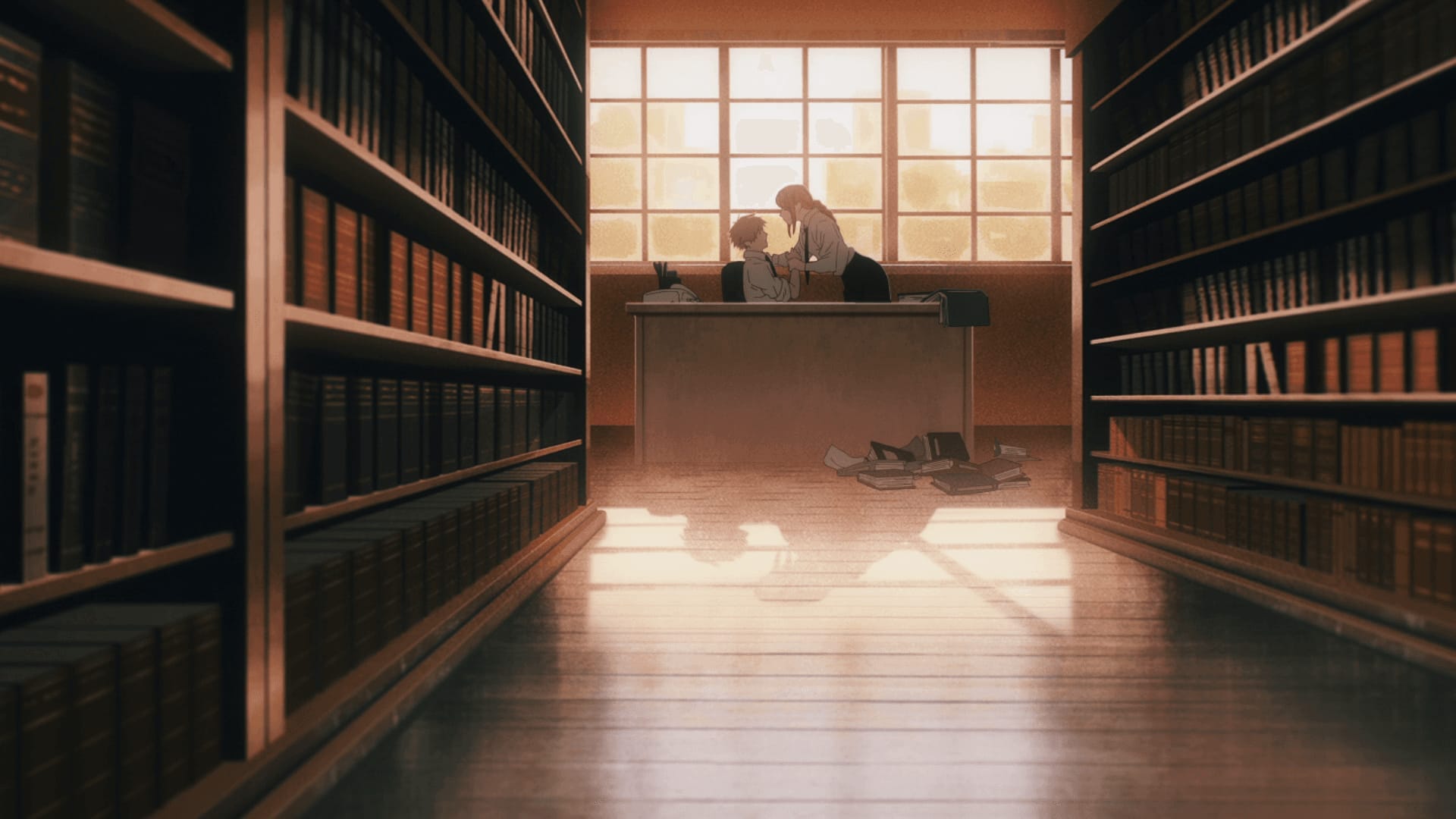
Which studio suits which content? Consider what the source material emphasizes:
Give to Ufotable if: The series features flashy power systems, magic effects, or visual spectacle as primary appeal. Demon Slayer’s breathing techniques, Fate’s Noble Phantasms—these suit Ufotable’s strengths perfectly. Clean, beautiful, spectacular.
Give to MAPPA if: The series features grounded action, character drama, or tonal complexity requiring adaptive direction. Jujutsu Kaisen’s personality-driven fights, Chainsaw Man’s genre subversion, Vinland Saga’s historical realism—MAPPA’s versatility serves varied material better.
Neither studio suits every project equally. Imagining Ufotable’s Demon Slayer treatment on Chainsaw Man’s grunge aesthetic feels wrong; imagining MAPPA’s Attack on Titan approach on Fate’s mythology feels incomplete. Match studio to material.
Industry Impact
Ufotable’s influence: Demonstrated that digital integration could enhance rather than replace traditional animation. Their success with Demon Slayer (the highest-grossing anime film in Japan until surpassed briefly) proved that production quality drives commercial success. Studios now invest more in visual polish following Ufotable’s model.
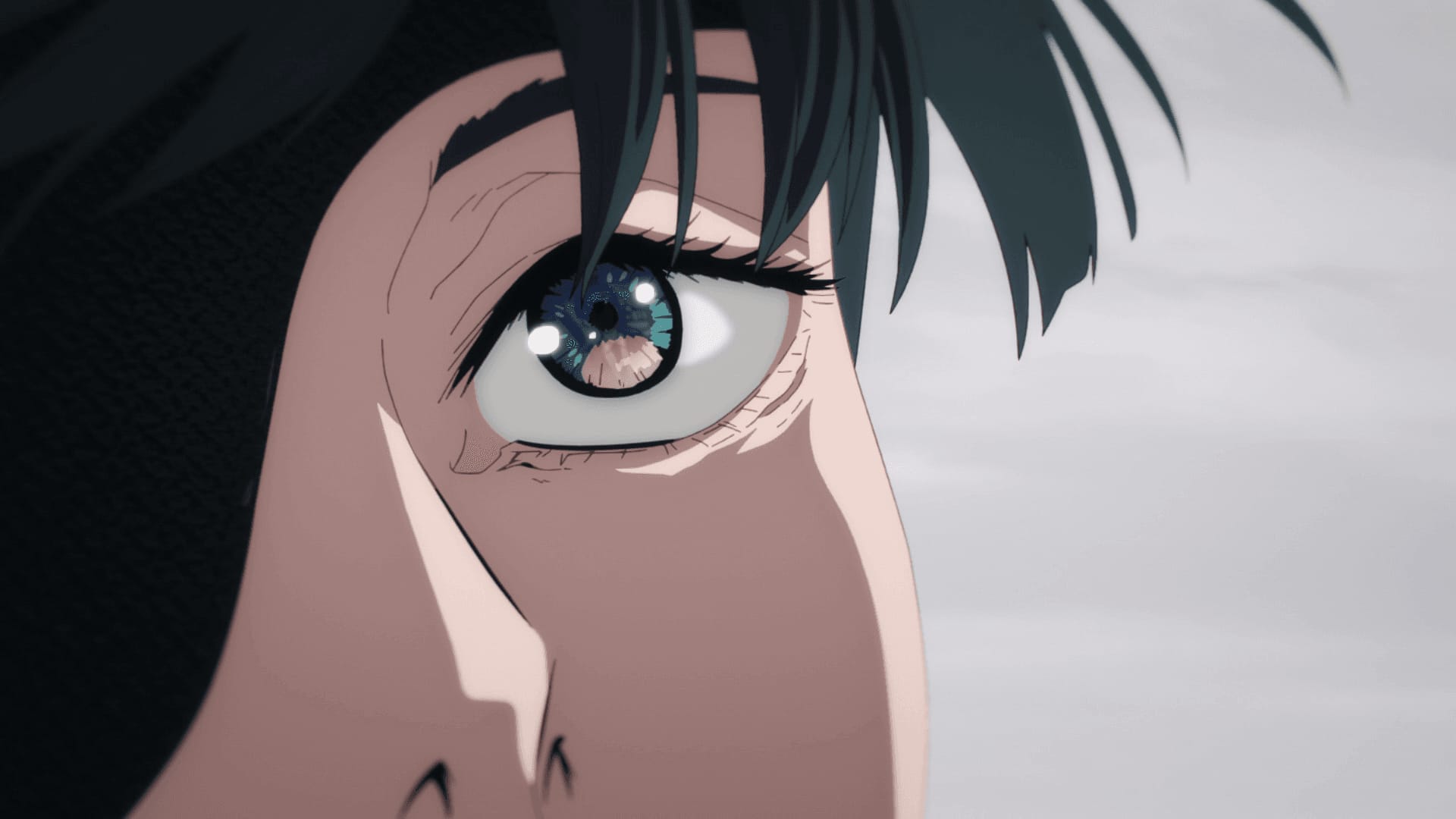
MAPPA’s influence: Proved that aggressive project acquisition could build studio reputation rapidly. Their willingness to take risks—inheriting Attack on Titan from Wit Studio, adapting Chainsaw Man’s challenging material—established them as the ambitious choice. Studios now compete more actively for prestigious projects.
Together, they’ve raised audience expectations for anime production. Visual quality that seemed exceptional in 2015 now appears standard. This elevation benefits viewers but strains industry resources.
The Working Conditions Problem

Both studios operate within anime’s broader labor problems, but MAPPA’s public criticism has been more severe. Animator reports of mandatory overtime, inadequate compensation, and impossible deadlines reflect industry-wide issues concentrated by MAPPA’s production volume.
Ufotable’s slower pace theoretically allows better conditions, but the studio faced different controversy—a 2019 tax evasion scandal that damaged their reputation. Neither studio is ethically uncomplicated.
Viewers increasingly consider production ethics when choosing what to watch. Both studios’ beautiful output involves human cost that the industry inadequately addresses. Supporting anime improvement means advocating for better labor practices alongside enjoying the results.
Future Trajectories
Ufotable: Continued Demon Slayer production guarantees years of work. The Fate franchise provides ongoing projects. Their position seems stable, though dependence on few properties creates risk if either concludes or declines.
MAPPA: Jujutsu Kaisen Season 2 and beyond, Chainsaw Man continuation, new project acquisitions suggest continued aggressive expansion. Whether this pace is sustainable without burning out staff remains uncertain. MAPPA’s future depends on managing growth without collapse.
Which Studio Is “Better”?
The question misframes the comparison. Ufotable and MAPPA excel at different things, serve different types of content, and operate under different philosophies. Asking which is better is like asking whether a sports car or an SUV is superior—the answer depends on intended use.
For pure visual spectacle: Ufotable. For adaptive versatility: MAPPA. For consistency: Ufotable. For volume: MAPPA. For effects work: Ufotable. For character drama: MAPPA.
Both studios produce excellent anime. Both have flaws in operation and output. The best approach: appreciate each for their strengths while acknowledging their limitations. Anime benefits from having multiple powerhouses with different approaches rather than uniform excellence from a single source.
The real winners are viewers who get to watch both studios’ best work. That’s an excellent position to be in.
You Might Also Like
- Frieren Power System Explained: Magic, Demons, and Mana
- Frieren Power System Explained: Magic, Demons, and Mana
- Attack on Titan Sequel Rumors: What We Know About AOT’s Future