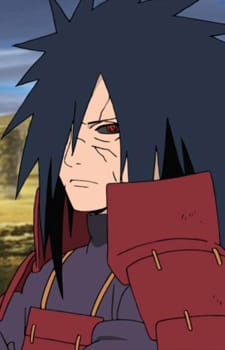
Madara Uchiha waits 17 years to appear properly in Naruto—and immediately becomes its greatest villain. His introduction at the Fourth Great Ninja War transforms the conflict’s scale; his philosophy challenges everything the series argues for; his combat prowess makes previous threats look manageable. Here’s why Madara represents Naruto’s peak antagonism.
The Legend Before the Man
Historical Shadow
Madara exists as legend long before he appears. The founding of Konoha, the Valley of the End battle, Hashirama’s only equal—Madara’s name carries weight throughout the series. When characters speak of ultimate Uchiha power, they mean Madara.
This buildup creates expectations that his appearance miraculously meets. Kishimoto understood that hyped villains often disappoint. Madara doesn’t.
The Reveal
Kabuto revives Madara through Edo Tensei during the war. His first appearance—casually facing the entire Allied Shinobi Forces—establishes tone immediately. Madara isn’t concerned. He’s disappointed by how weak everyone is.
“Is this all there is?” His disdain for modern shinobi communicates power better than any technique demonstration. He expected challenges; he found annoyances.
Combat Supremacy
The Five Kage Fight
Madara fights all five Kage simultaneously while holding back, while a clone fights elsewhere. He treats the strongest current shinobi as warmup exercise. This isn’t arrogance—he’s genuinely that superior.
Each Kage has been established as powerful: Tsunade’s strength, Raikage’s speed, Gaara’s sand, Onoki’s particle style, Mei’s kekkai genkai. Madara defeats them together while entertained. The power scaling communicates his threat better than any exposition.
Perfect Susanoo
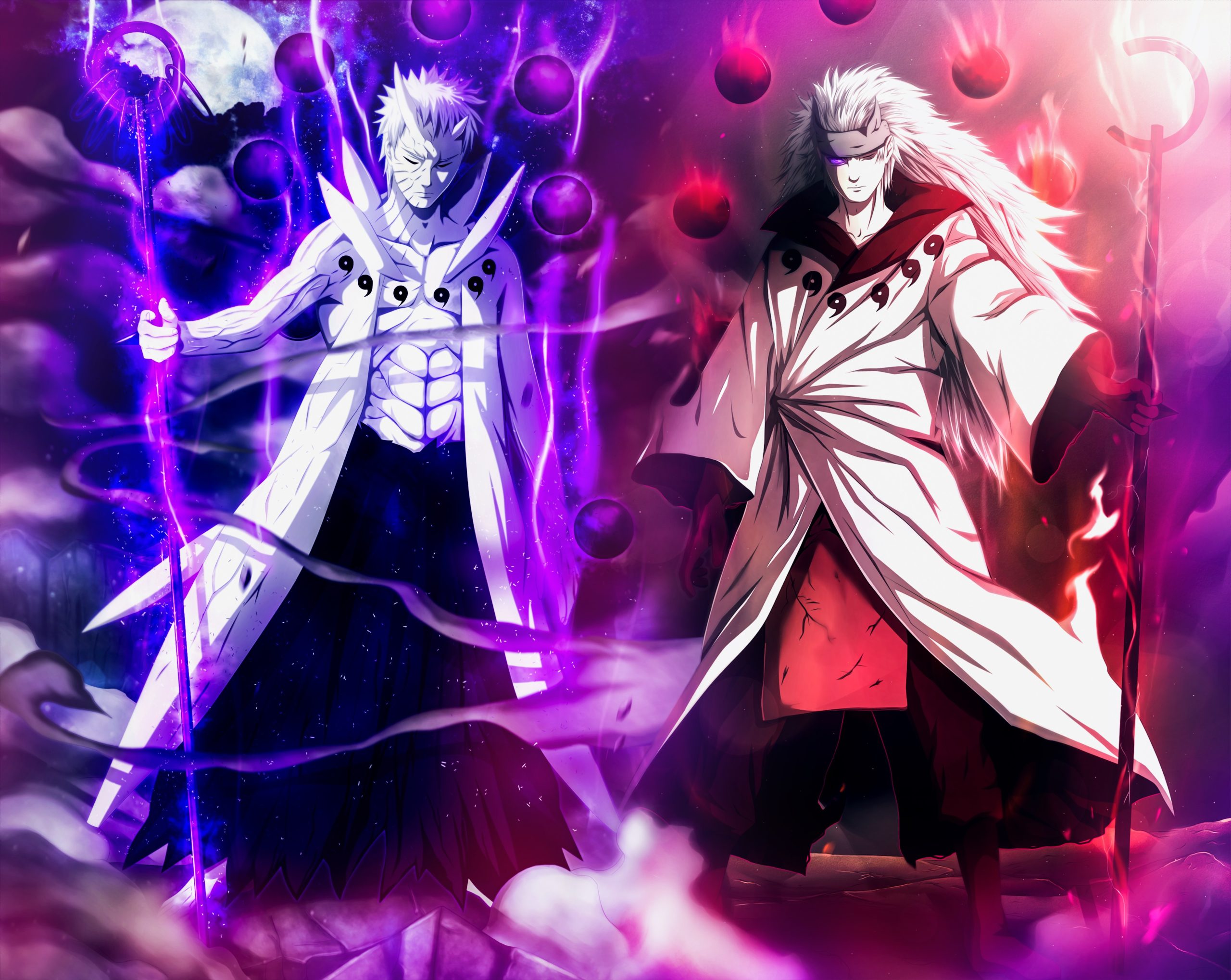
When Madara reveals Perfect Susanoo—capable of cutting mountains—the scale shifts to mythological. Previous Susanoo users seemed powerful; Madara’s version dwarfs them. His single slash destroys terrain on map-altering scale.
“Do you want these clones to use Susanoo or not?”
This line—Madara casually asking if his wood clones should each use Susanoo—is peak villain confidence. He’s not threatening; he’s genuinely inquiring about desired difficulty level. The implication (each clone can independently use Susanoo) is terrifying.
Philosophical Challenge
Infinite Tsukuyomi
Madara’s goal isn’t destruction or conquest—it’s peace through eternal dream. Everyone experiences perfect happiness in genjutsu. Conflict ends. Suffering ends. Reality ends.
This plan is horrifying and tempting simultaneously. The shinobi world has produced endless war, trauma, and death. Madara’s solution eliminates all of it—by eliminating reality itself. You can argue against his methods while struggling against his logic.
Cycle of Hatred
Madara lived the cycle Naruto tries to break. He lost his brothers to war. His peace attempt with Hashirama failed. Watching his friend become Hokage while Uchiha were sidelined bred resentment. His hatred has reasons—the system failed him.
This makes him more than obstacle. He’s Naruto’s thesis under stress testing: can bonds really overcome hatred when hatred has such valid sources?
The Hashirama Dynamic
Madara and Hashirama’s friendship predates the villages—two boys from warring clans who dreamed of peace. Their relationship’s failure (Madara’s betrayal, their fatal confrontation) establishes that good intentions don’t guarantee good outcomes.
Madara chose different path from Hashirama despite identical starting points. This suggests the philosophical disagreement is genuine, not simple good-versus-evil.
Design and Presence
Visual Intimidation
Madara’s design communicates danger: flowing hair, crossed arms, disdainful expression. He looks like final boss because he is final boss (until Kaguya complicates that, controversially).
His Edo Tensei appearance versus living form versus Six Paths form shows progression without losing core design identity. You always know it’s Madara.
Voice Performance
Naoya Uchida’s Japanese performance and Neil Kaplan’s English dub both capture Madara’s aristocratic disdain. Every line delivery suggests someone tolerating lesser beings. The vocal performances match visual design in establishing presence.
Entrance Standards
Madara’s entrances are events. Whether dropping meteors or arriving at the battlefield, his appearances shift focus immediately. Kishimoto understood that villains need theatrical presence—Madara always has it.
Problems and Controversies
The Kaguya Replacement
Madara’s defeat via Kaguya’s sudden emergence disappointed many fans. The built-up villain—the one everyone wanted to see defeated through struggle—becomes victim of twist rather than proper final battle.
This criticism is valid. Madara deserved better conclusion than “absorbed by goddess.” His narrative arc stops rather than completes.
Talk-no-Jutsu
Even Madara eventually gets Naruto’s persuasion treatment post-Kaguya, admitting Hashirama’s path might have been correct. Whether this feels earned or forced depends on viewer. The moment exists regardless of reception.
Power Escalation
Madara represents point where power scaling became difficult to manage. How do you create tension when the villain casually defeats every established strong character? The series struggled with this problem post-Madara.
The Villain Standard
What Madara Does Right
- Hyped appropriately, delivers on hype
- Philosophically coherent opposition to protagonist
- Combat scenes that showcase power without removing tension completely
- Personal connection to series’ history and themes
- Presence that dominates every scene
Legacy
“Madara-type” villains have become shorthand for overwhelming antagonists whose power forces protagonists to grow. His impact on shonen villain design is measurable—though few reach his standard.
The Verdict
Naruto produced memorable antagonists—Orochimaru’s menace, Pain’s philosophy, Itachi’s tragedy. But Madara combines spectacle, philosophy, and presence in ways none others quite match. He is the villain Naruto needed to make its final war feel significant.
His conclusion disappointed. But his presence? Unmatched. When people remember Naruto villains, they remember Madara standing above the battlefield, disappointed that nobody can challenge him. That image defines what shonen antagonism can achieve.
You Might Also Like
- Itachi vs Madara: Uchiha Showdown
- Itachi vs Madara: Uchiha Showdown
- Itachi Uchiha: Naruto’s Most Tragic Hero