
Levi Ackerman shouldn’t work as a character. He’s overpowered from introduction, rarely shows emotion, and his backstory comes late in the series. By every conventional measure, he should be a boring power fantasy. Instead, Levi became Attack on Titan’s most beloved character—humanity’s strongest soldier whose strength serves as both weapon and curse.
The Underground: Forged in Darkness
Levi grew up in the Underground City—a lawless slum beneath the Walls where humanity’s rejects survive through violence. His mother Kuchel, a prostitute, died when he was young, leaving him to starve until Kenny Ackerman (his uncle) taught him to kill.
This upbringing explains Levi’s demeanor without excusing it. He learned early that sentiment kills, that attachment creates vulnerability, that survival requires emotional distance. His famous cleanliness obsession stems from childhood surrounded by filth and disease. Every personality trait traces back to formative trauma.
Kenny abandoned Levi once he could survive alone, teaching one final lesson: even family leaves. This betrayal patterns Levi’s later relationships—close enough to function, distant enough to survive loss. He cares deeply while appearing cold, protecting himself from the inevitable grief his dangerous life guarantees.
Joining the Survey Corps: Choosing Hope
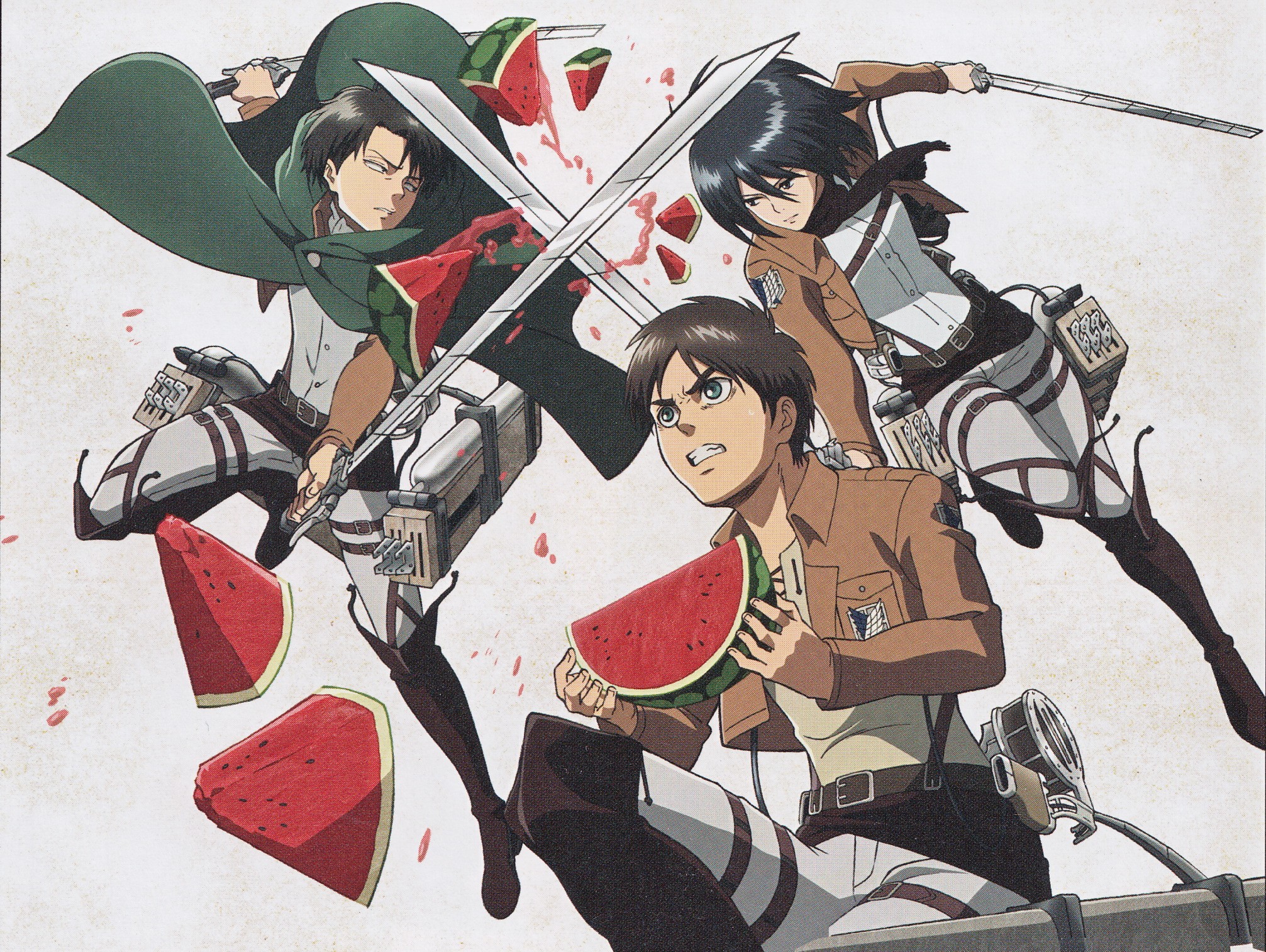
Levi’s recruitment by Erwin Smith represents his pivotal choice. A criminal offered legitimacy, purpose, and something the Underground never provided: hope for humanity’s future. Erwin saw Levi’s potential and weaponized it for the Scouts’ mission.
The relationship between Levi and Erwin becomes central to both characters. Erwin provides vision; Levi provides execution. Their dynamic shows complementary leadership—the strategist who sacrifices soldiers for victory and the captain who makes those sacrifices possible through personal combat excellence.
Levi’s loyalty to Erwin transcends military hierarchy. He follows Erwin’s orders even when personally costly, trusts Erwin’s plans even when suicidal, and ultimately makes the devastating choice about the serum because Erwin’s dream deserved completion. Their bond demonstrates that found family can matter as much as blood—sometimes more.
Humanity’s Strongest: The Burden of Excellence

Levi kills Titans like no one else. His combat sequences—fluid, brutal, precise—establish power levels that dwarf other soldiers. The Female Titan fight showcases this perfectly: while elite squads fall to Annie, Levi alone nearly captures her through sheer skill.
But strength isolates. Levi watches comrades die constantly, unable to save everyone despite his abilities. Each squad he leads eventually falls; each subordinate he trains eventually dies. Humanity’s strongest soldier still loses, again and again, to an enemy that simply has more bodies to throw.
This burden shapes Levi’s leadership style. He’s harsh with subordinates because attachment hurts more when they inevitably die. He pushes soldiers toward excellence because mediocrity means death. His coldness protects not just himself but those he leads—false hope kills faster than honest assessment.
The Ackerman Legacy
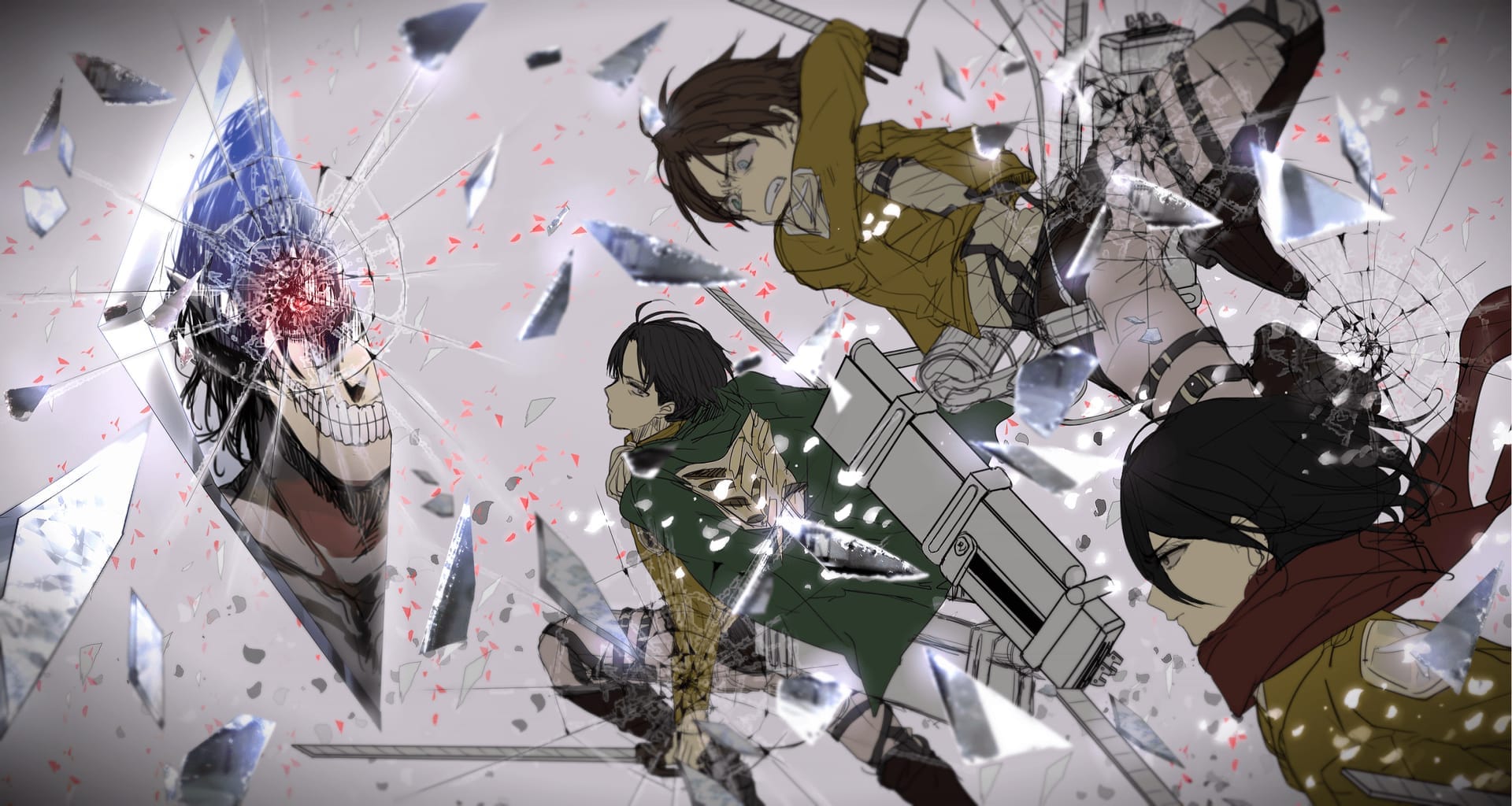
The Ackerman clan revelation recontextualizes everything about Levi. His abilities aren’t earned through training alone—they’re inherited, the byproduct of Titan science experiments on his ancestors. Every Ackerman gains superhuman capabilities upon awakening, accessing combat experience accumulated across generations.
This knowledge could diminish Levi, suggesting his strength is genetic luck rather than personal achievement. Instead, it deepens his character. Levi didn’t choose his abilities; he chose what to do with them. The Ackerman power could serve tyranny, criminality, or self-interest. Levi directed it toward humanity’s survival.
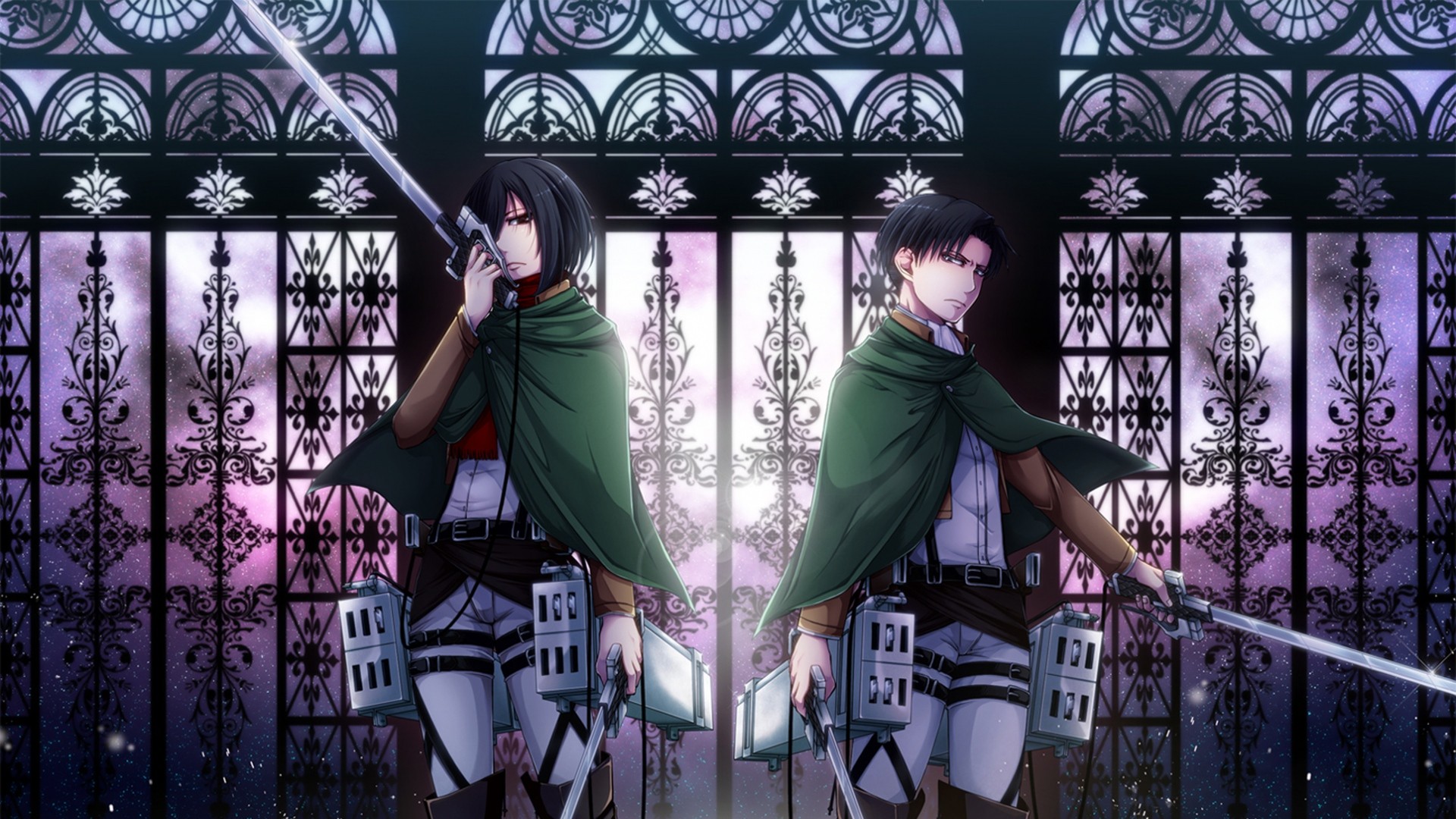
His relationship with Mikasa, the only other living Ackerman, shows understated kinship. They share abilities, share trauma, share the weight of being weapons in human form. Their brief interactions convey mutual recognition—two people who understand burdens others can’t comprehend.
The Beast Titan Rivalry
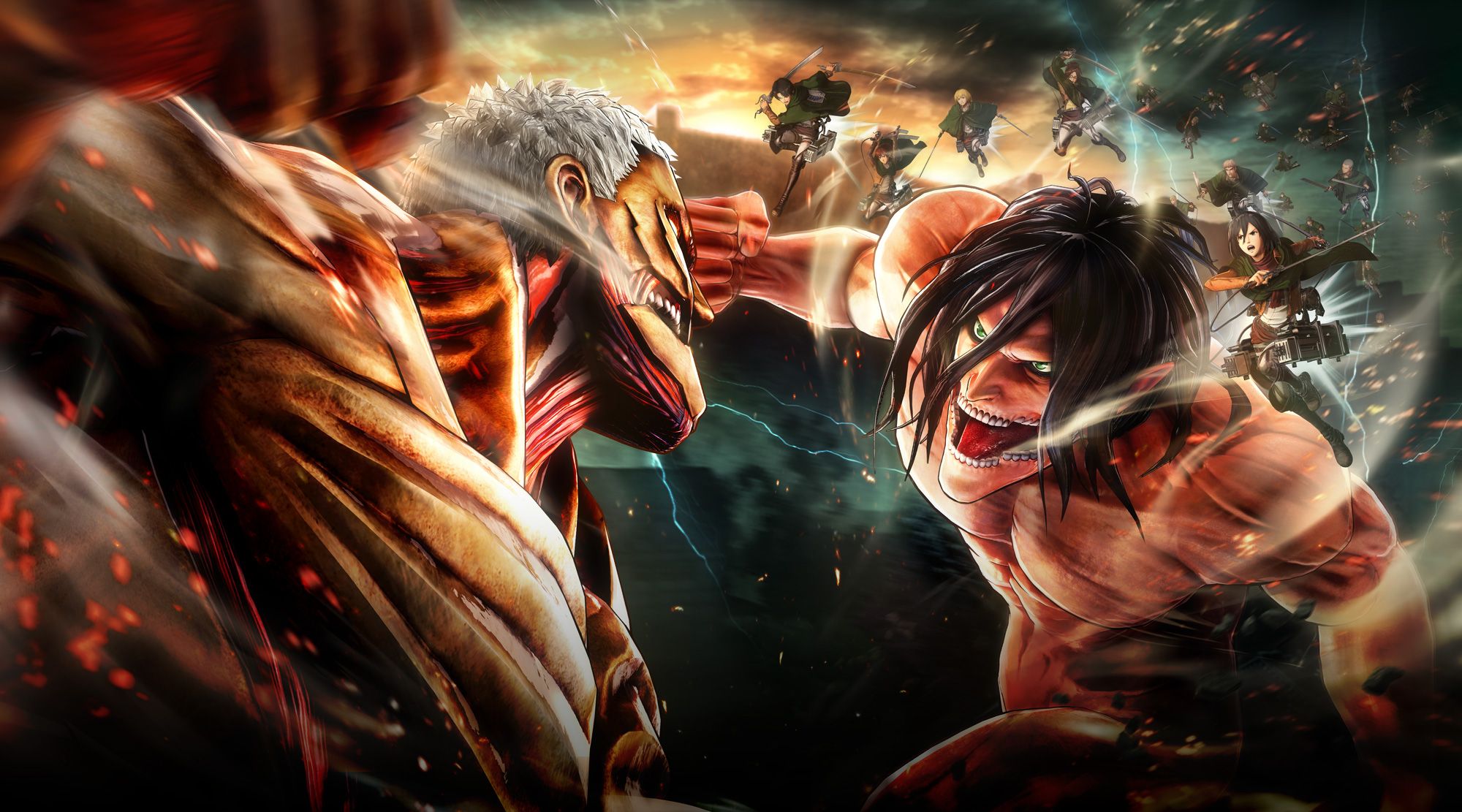
Zeke Yeager, the Beast Titan, becomes Levi’s personal nemesis. Their rivalry stems from Zeke’s massacre of Levi’s squad at Shiganshina, where flying rocks killed soldiers Levi had trained for years. The normally controlled Captain loses composure, promising to kill Zeke personally.
Their battles represent Attack on Titan’s peak combat animation. Levi’s assault on Zeke in Season 3 demonstrates what humanity’s strongest actually means—a single soldier dismembering a Titan Shifter through speed and precision alone. The rematch in Season 4 continues their deadly dance with reversed circumstances.
The rivalry matters thematically too. Zeke, despite Titan powers, fears Levi specifically. The “war chief” who commands Titans trembles before a human with blades. Levi represents what humanity can achieve through pure will, making him Marley’s nightmare despite lacking special powers.
Leadership Through Loss
Levi’s leadership philosophy emerges through accumulated tragedy. The original Special Operations Squad—Petra, Oluo, Eld, Gunther—die protecting Eren from the Female Titan. Levi arrives moments too late, finding only corpses of soldiers he’d trained personally.
His conversation with Petra’s father afterward shows restrained devastation. Levi lies about Petra’s final moments because truth would hurt more. This small mercy reveals the man beneath the soldier—someone who absorbs pain so others don’t have to.
The serum choice between Erwin and Armin crystallizes Levi’s entire arc. Given power to save one person, he chooses based not on tactical value but on mercy—letting Erwin rest rather than forcing him back into hell. Humanity’s strongest makes his hardest decision through compassion, not calculation.
Final Season: The Cost of Victory
Attack on Titan’s conclusion shows Levi’s physical toll. Zeke’s thunder spear explosion leaves him scarred, missing fingers, barely able to walk. The strongest soldier becomes disabled, his combat days ended by a desperate enemy’s trap.
Yet his role continues. Levi’s presence in the final battle, wheelchair-bound and weakened, demonstrates that strength was never just physical. His willingness to fight despite limitations inspires others. Leadership outlasts ability when the leader’s spirit remains unbroken.
The epilogue shows Levi finally at peace—visiting graves, caring for orphans, living quietly after decades of violence. Humanity’s strongest soldier finds rest not through death but through survival, the rarest victory in Attack on Titan’s brutal world.
Why Levi Endures
Levi Ackerman works because his strength creates tragedy rather than preventing it. He can kill any Titan but can’t save everyone. He can lead squads to victory but watches them die anyway. His power provides hope while his experience demonstrates hope’s limitations.
The character resonates with anyone who’s had to be strong for others while hurting privately. Levi’s emotional suppression isn’t coolness—it’s survival mechanism, necessary armor for someone who can’t afford breakdown. His rare emotional moments hit harder for their rarity, proof that feeling exists beneath the stoic surface.
Attack on Titan contains many compelling characters, but Levi stands alone as the series’ icon. His combination of visual spectacle, emotional depth, and thematic relevance creates someone who transcends his supporting role. Humanity’s strongest became the series’ strongest—a character who’ll endure long after Attack on Titan concludes.
You Might Also Like
- Levi Ackerman: Humanity’s Strongest Soldier
- Attack on Titan Sequel Rumors: What We Know About AOT’s Future
- Attack on Titan: Every Titan Shifter’s Powers Explained