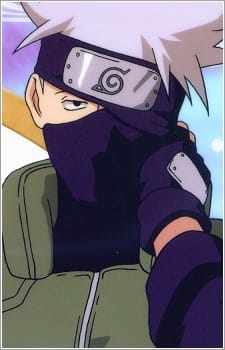
Kakashi Hatake wears a mask, hides his face, arrives late with transparent excuses, and reads pornographic novels in public. He should be comic relief. Instead, he’s Naruto’s most compelling mentor figure—a man whose casual demeanor conceals decades of trauma that shaped everything about who he became. Here’s the complete story of the Copy Ninja.
The Prodigy’s Burden
Kakashi graduated the Academy at age 5, became Chunin at 6, and joined ANBU’s black ops as a teenager. His father, Sakumo Hatake (the “White Fang”), was once more celebrated than the legendary Sannin—until a failed mission destroyed his reputation and drove him to suicide.
Young Kakashi found his father’s body. This trauma calcified into a rigid philosophy: the mission comes first, always. Rules exist for reasons. Personal feelings compromise objectives. Kakashi became the perfect soldier because emotional connection had killed his father.
This philosophy directly caused the tragedy that defined him. When forced to choose between completing a mission and saving his teammate Rin, Kakashi chose the mission—and his other teammate Obito gave his life to save Rin anyway. The gift of Obito’s Sharingan came with guilt that Kakashi never escaped.
Obito’s Legacy: The Sharingan Burden
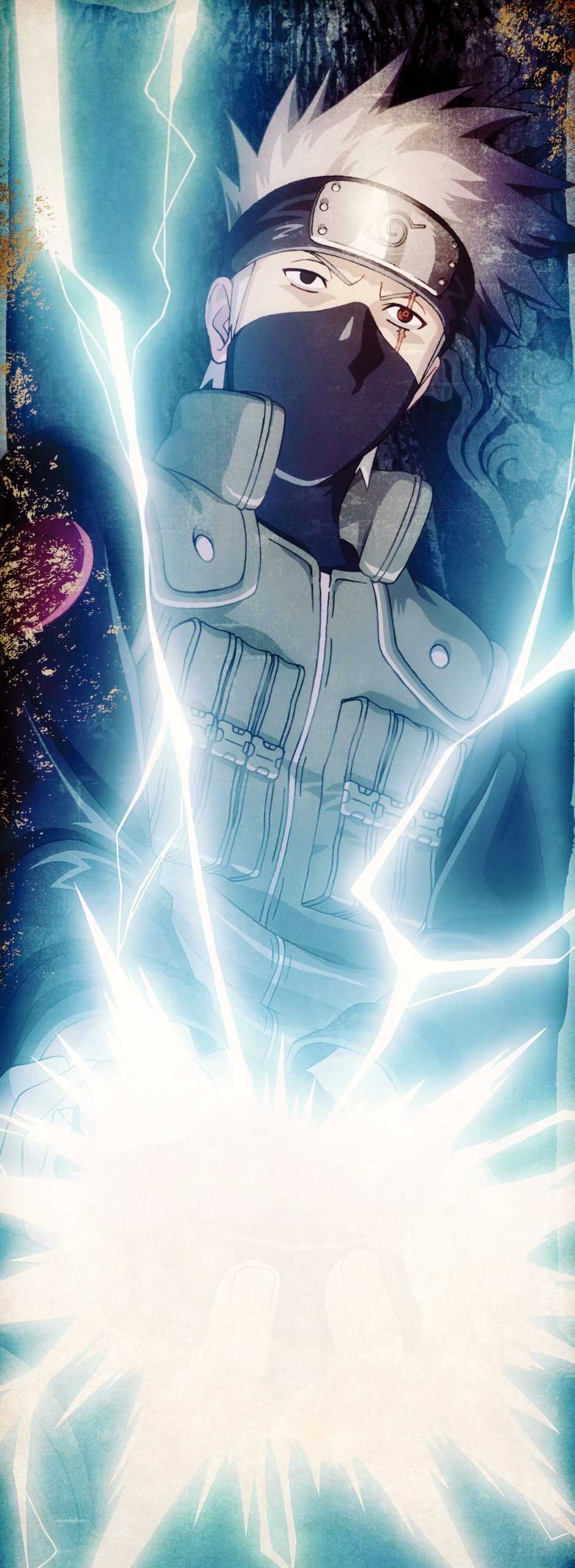
The transplanted Sharingan gave Kakashi abilities that made him legendary but also constant reminder of failure. Every technique he copies, every battle he wins using Obito’s eye, reinforces that he lives because someone else died saving him.
Worse, he then failed to protect Rin—killing her himself when she threw herself in front of his Lightning Blade to prevent being used as a weapon against Konoha. Kakashi didn’t know she chose death; he only knew his hand pierced her heart while Obito’s eye recorded every moment.
These tragedies explain everything about adult Kakashi. His chronic lateness stems from visiting the memorial stone where Obito’s and Rin’s names are carved. His refusal to abandon comrades reverses his father’s philosophy—he learned, too late, that Obito was right. His emotional distance protects against loss he’s already proven he can’t prevent.
ANBU: The Dark Years
After Rin’s death, Kakashi joined ANBU—the assassination and black ops division that suited his self-destructive psychology. The anime-original Kakashi ANBU arc (filler, but excellent) explores this period: a broken teenager taking increasingly dangerous missions while hoping one would kill him.
Minato, then Hokage, recognized Kakashi’s spiral and assigned him to protect pregnant Kushina—forcing connection despite Kakashi’s attempts at isolation. This intervention likely saved Kakashi’s life, though it couldn’t heal his wounds.
Lord Third eventually removed Kakashi from ANBU and assigned him to train genin teams—forcing him to engage with the future rather than dwelling in the past. Every team before Team 7 failed his test, perhaps deliberately; Kakashi wasn’t ready to mentor until Naruto, Sasuke, and Sakura forced his engagement.
Team 7: Teaching What He Learned
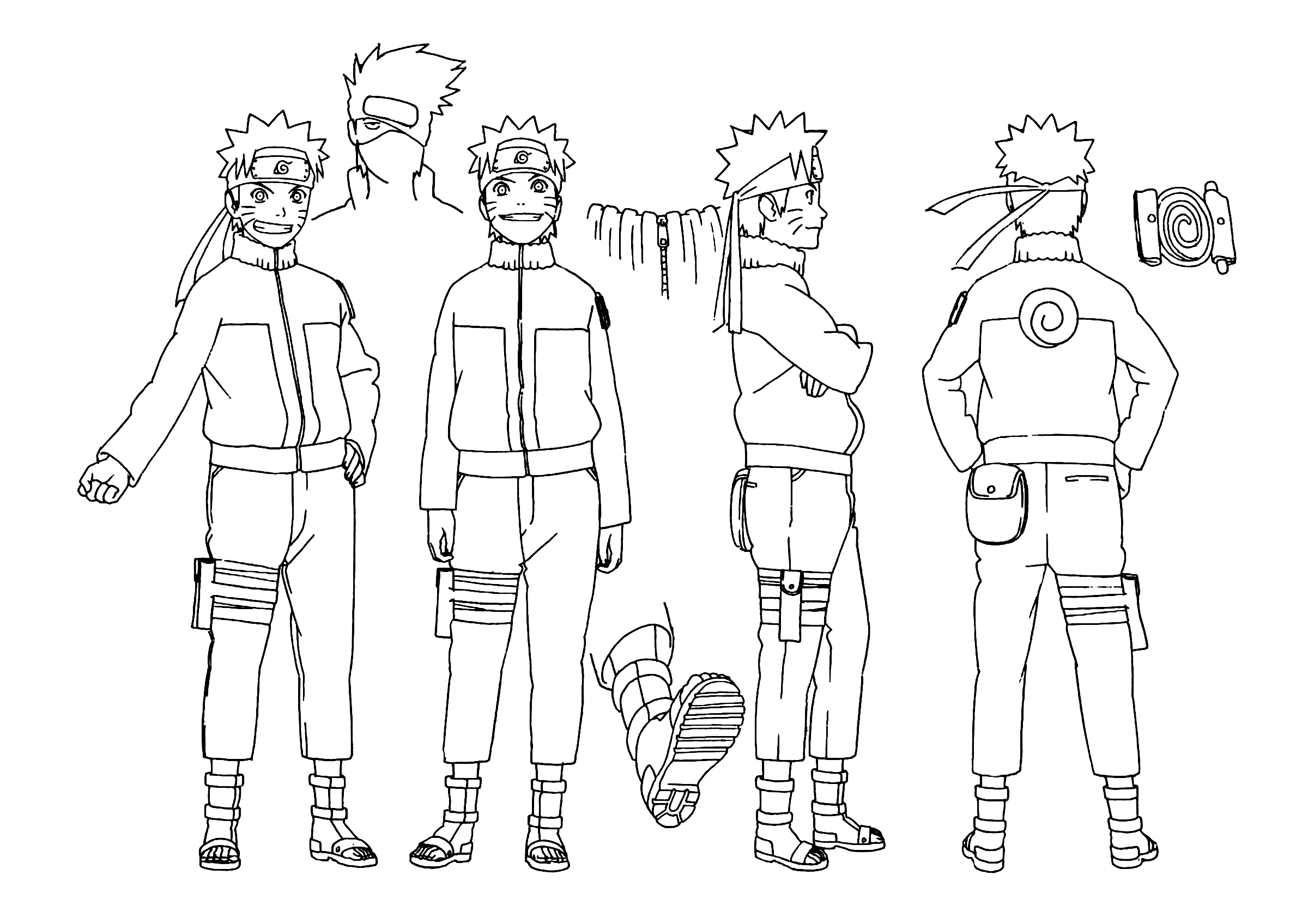
Kakashi’s first lesson to Team 7—the bell test—encodes his hard-won philosophy. The test is “impossible” individually but trivial through teamwork. Those who abandon teammates are worse than trash. He’s teaching Obito’s lesson, the one that cost Obito’s life to deliver.
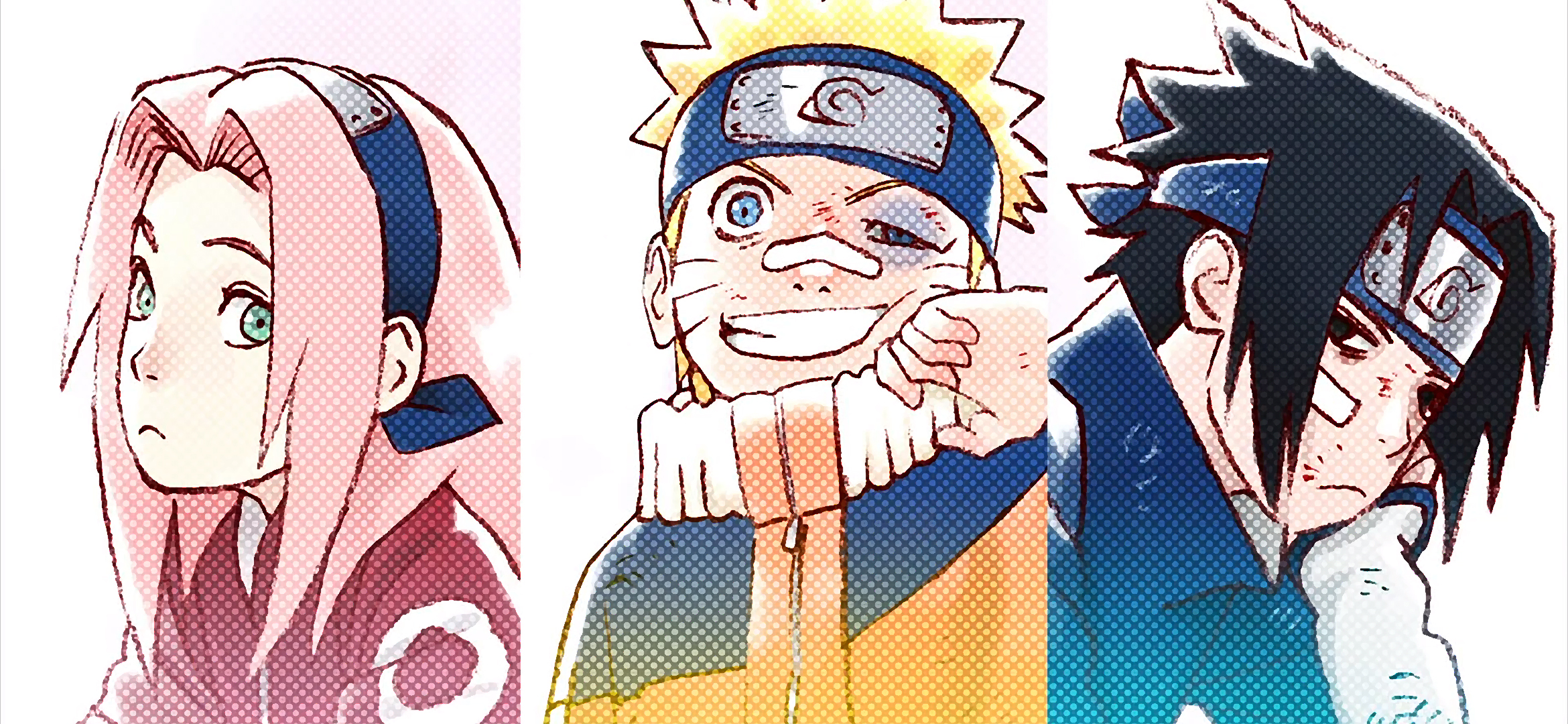
His relationships with each Team 7 member reflect different aspects of himself. Sasuke mirrors Kakashi’s prodigy trauma and revenge obsession. Naruto mirrors Obito’s determination and refusal to abandon comrades. Sakura develops the medical skills and emotional intelligence Kakashi lacks.
His failure to prevent Sasuke’s defection haunts him as another protection failure. The pattern repeats: Kakashi cares, Kakashi can’t prevent loss, Kakashi adds another wound to his collection. Yet he continues teaching because the alternative—isolation—already failed.
The Copy Ninja: One Thousand Techniques
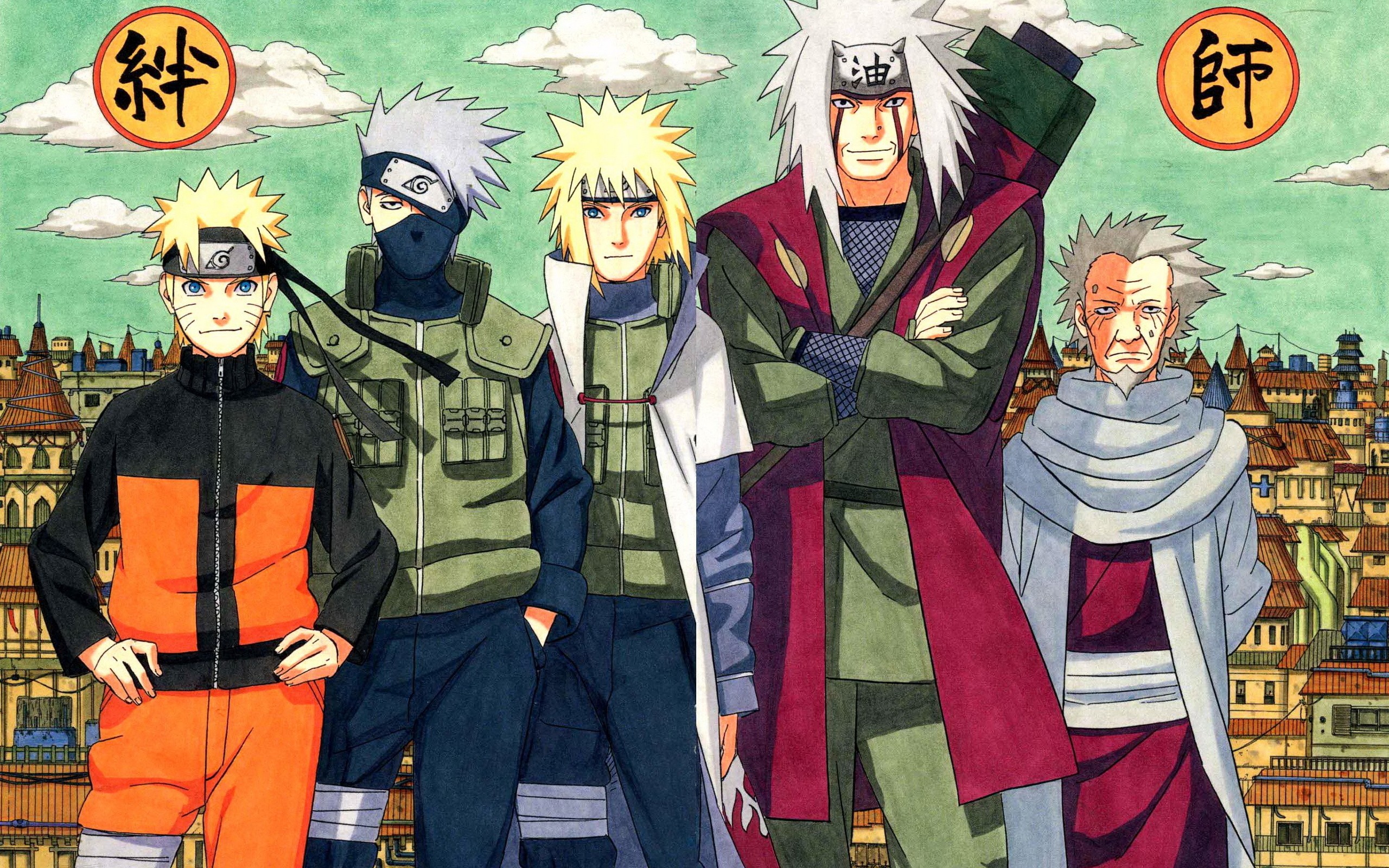
Kakashi’s combat reputation rests on his copied techniques. The Sharingan allows him to memorize and replicate any jutsu he witnesses (excepting bloodline limits). This ability made him legendary—”the man who copied one thousand jutsu”—but also represents borrowed rather than created power.
His original techniques—Lightning Blade (Chidori improvement) and various dog summoning—are fewer than his copied repertoire. Kakashi’s genius lies in tactical application rather than technique invention. He uses copied abilities creatively, adapting them to situations their originators never imagined.
The Mangekyo Sharingan, awakened through trauma, gave Kakashi Kamui—the ability to send targets to another dimension. This technique proved crucial against Kaguya and various threats, but its use drained Kakashi’s limited chakra reserves. The power came with physical limitations reflecting its psychological cost.
The Sixth Hokage: Reluctant Leadership
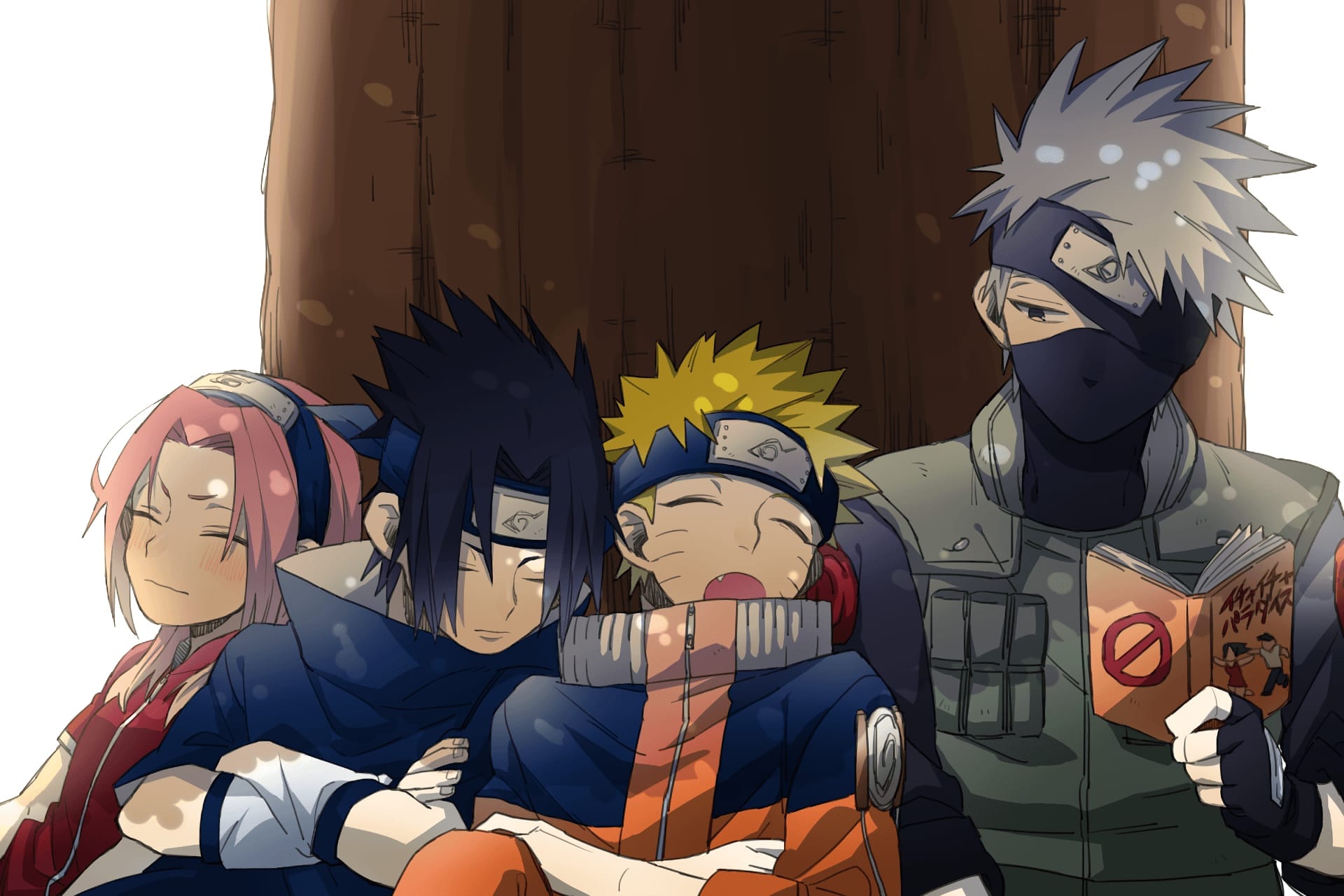
Kakashi’s appointment as Sixth Hokage after the Fourth Great Ninja War represents the series’ validation of his character arc. The man who wanted only to die in combat becomes responsible for an entire village’s future. His resistance to leadership positions throughout the series makes acceptance meaningful.
His tenure (barely shown in the main series, expanded in novels) focused on modernization and peace maintenance. Kakashi proved an effective administrator despite lacking the flashy charisma of previous Hokages. His understated competence suited the post-war reconstruction period better than dramatic leadership would have.
Retirement came willingly, passing the position to Naruto when his student was ready. Kakashi’s journey from trauma-driven soldier to peaceful elder represents complete arc resolution—something Naruto’s mentor figures rarely achieve (compare Jiraiya’s death, Third Hokage’s sacrifice).
Behind the Mask: What He Hides
Kakashi’s mask is never explained in-canon. He wears it from childhood for reasons never revealed, creating one of anime’s longest-running mysteries. The few glimpses of his face (typically in filler) reveal nothing unusual—he’s simply handsome, apparently.
Thematically, the mask represents his emotional armor. Kakashi hides himself because exposure has only brought pain. The face behind the mask matters less than the fact of concealment—he keeps distance between himself and others as protection against inevitable loss.
The Icha Icha novels (Jiraiya’s pornographic books) serve similar purpose. Their absurdity creates awkward distance; no one discusses serious topics with someone reading porn publicly. The books are shields as much as the mask, maintaining space Kakashi needs to function.
Obito’s Revelation: Healing Through Truth
Discovering that Obito survived—and became the masked villain manipulating the ninja world—devastated Kakashi while ultimately enabling healing. His guilt over Obito’s death was misplaced; Obito chose his path. Kakashi couldn’t have saved someone who didn’t want saving.
Their final confrontation, and eventual reconciliation before Obito’s death, provided closure decades delayed. Kakashi could finally release the guilt that had shaped his entire life. The mask metaphorically lowered when the secrets beneath it no longer required concealment.
Obito’s gift of both Sharingan for the Kaguya fight, however brief, represented complete forgiveness. The teammate whose death defined Kakashi’s trauma became the power source for his greatest battle. The cycle of guilt and redemption closed through that temporary transfer.
Why Kakashi Resonates
Kakashi embodies functional depression—the person who survives trauma through routine, competence, and emotional distance while never fully healing. His humor deflects inquiry; his lateness reflects genuine disability. He functions because he’s disciplined himself to function, not because he’s recovered.
This portrayal resonates with viewers who recognize the pattern. Kakashi isn’t inspirational in the “overcome adversity” sense—he’s relatable in the “survive adversity while remaining damaged” sense. His eventual peace comes from time and processing rather than triumphant transcendence.
The Copy Ninja’s complete story demonstrates that mentors have inner lives beyond their teaching roles. Kakashi exists fully independent of Team 7; his backstory enriches rather than depends on the protagonists. That independence makes him memorable long after Naruto’s conclusion—a supporting character who became the series’ most human figure.
You Might Also Like
- Frieren Power System Explained: Magic, Demons, and Mana
- Frieren Power System Explained: Magic, Demons, and Mana
- Naruto: Every Hokage’s Power Level Ranked and Explained