If you were anywhere near anime Twitter the week the jujutsu kaisen ending explained trend started trending, you already know what happened. The fandom imploded. Discord servers went to war. Reddit threads hit thousands of comments overnight. Some fans were in tears — the good kind. Others were furious, convinced Gege Akutami had fumbled one of the greatest manga runs in recent memory right at the finish line. And then there was everyone in between, trying to figure out how to feel about a series that had given them Shibuya, the Gojo vs Sukuna fight, and some of the most visceral storytelling in shonen history — only to end in the most Gege way imaginable. This is the jujutsu kaisen ending explained as thoroughly as it deserves, with zero softening of the rough edges.
What Actually Happens at the End of Jujutsu Kaisen Explained
Let’s get the spoilers out immediately because there’s no way to talk about jujutsu kaisen ending explained without going full Culling Game on the plot. The final arc — officially the Shinjuku Showdown — is a sustained, brutal marathon of a fight that begins after the devastating loss of Gojo Satoru and only ends when Itadori Yuji delivers the killing blow to Sukuna with his own two fists. No domain expansion. No inherited technique. Itadori beats the King of Curses through sheer human will, Black Flash, and the accumulated grief of everyone Sukuna took from him.

The road to that moment is strewn with casualties. After Gojo’s death at Sukuna’s hands, the remaining sorcerers — Itadori, Yuta Okkotsu, Maki Zenin, Higuruma, Todo, and others — throw everything they have at the King of Curses in a rolling battle where no one person carries the weight. Gege structures the fight so that Sukuna keeps evolving, revealing more of his original form, while the sorcerers keep adapting and sacrificing themselves to create openings. It’s exhausting in the best way — until the pacing problems kick in near the very end.
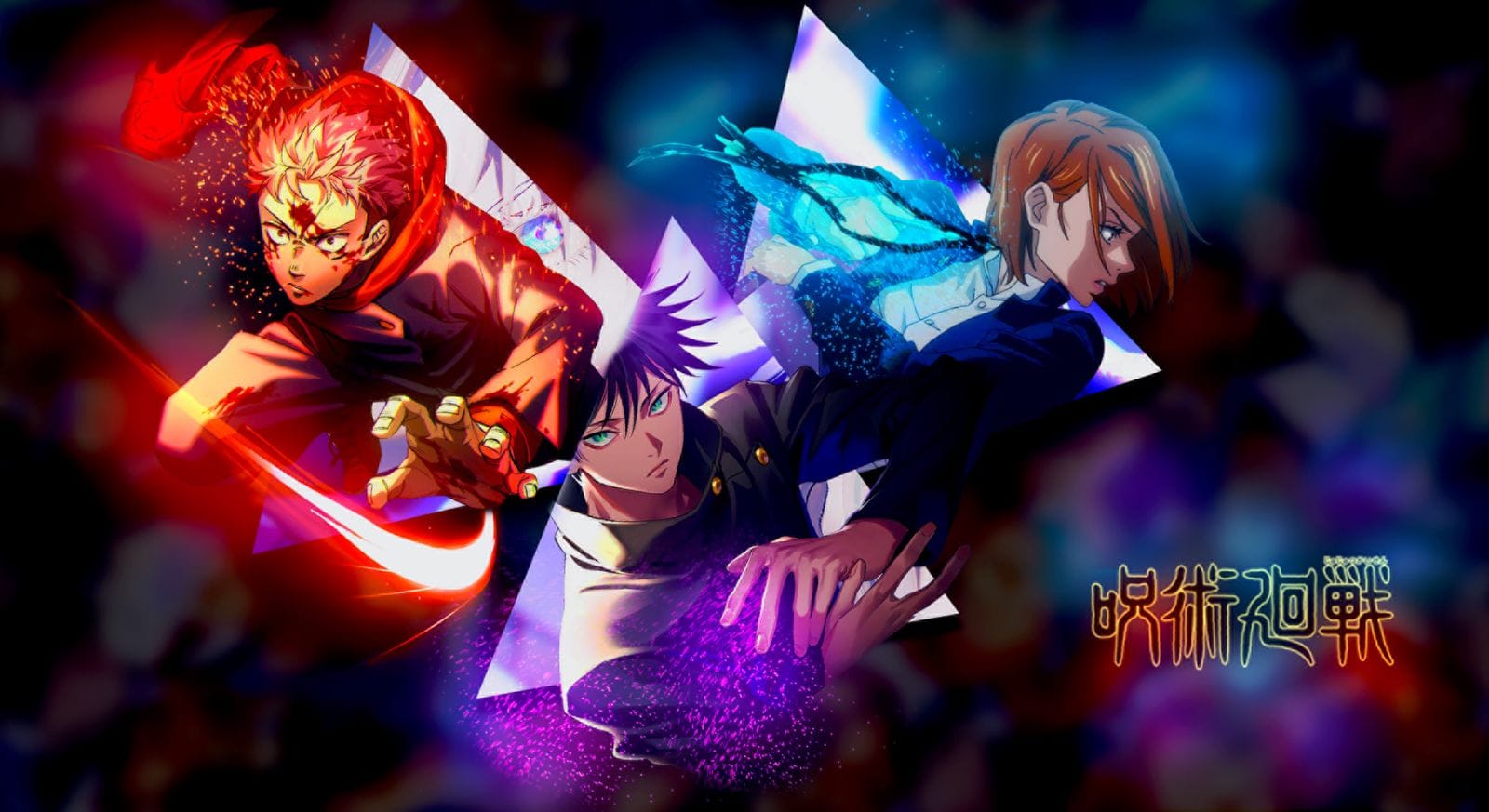
The jjk finale culminates with Itadori standing over a defeated, shrinking Sukuna. In the curse’s final moments, Sukuna has a conversation — a genuine, almost tender one — with the soul of Megumi Fushiguro, who has been spiritually trapped and consumed throughout the arc. It’s one of the most emotionally loaded sequences in the entire jujutsu kaisen manga ending. Sukuna, who has lived for a thousand years operating on pure self-interest, dies with a flicker of something approaching regret. Whether that lands for you or not probably determines which camp you fall into. You can read the full JJK manga on MyAnimeList if you want to experience the ending in full context.
The post-battle epilogue shows the world beginning to process what happened. Cursed energy doesn’t disappear overnight. The jujutsu world is fractured. Survivors are scattered. And Itadori, who started this story as a kid who ate a finger to save his friends, ends it as a young man carrying more weight than any one person should. The jujutsu kaisen ending explained isn’t a triumphant victory lap — it’s an ending that asks you to sit with the cost.
Sukuna’s Final Battle — Was the Payoff Worth It?
This is the question that split the fandom almost as badly as Megumi’s arc. The jjk ending gives us a Sukuna who, across the Shinjuku arc, feels genuinely terrifying. He’s not just powerful — he’s philosophically opposed to everything the heroes represent. Where Itadori fights to protect, Sukuna fights because existence without dominance means nothing to him. The jjk controversy around the final battle isn’t about whether the fight was good. Most fans agree the mid-arc battles are outstanding. It’s about the very end.
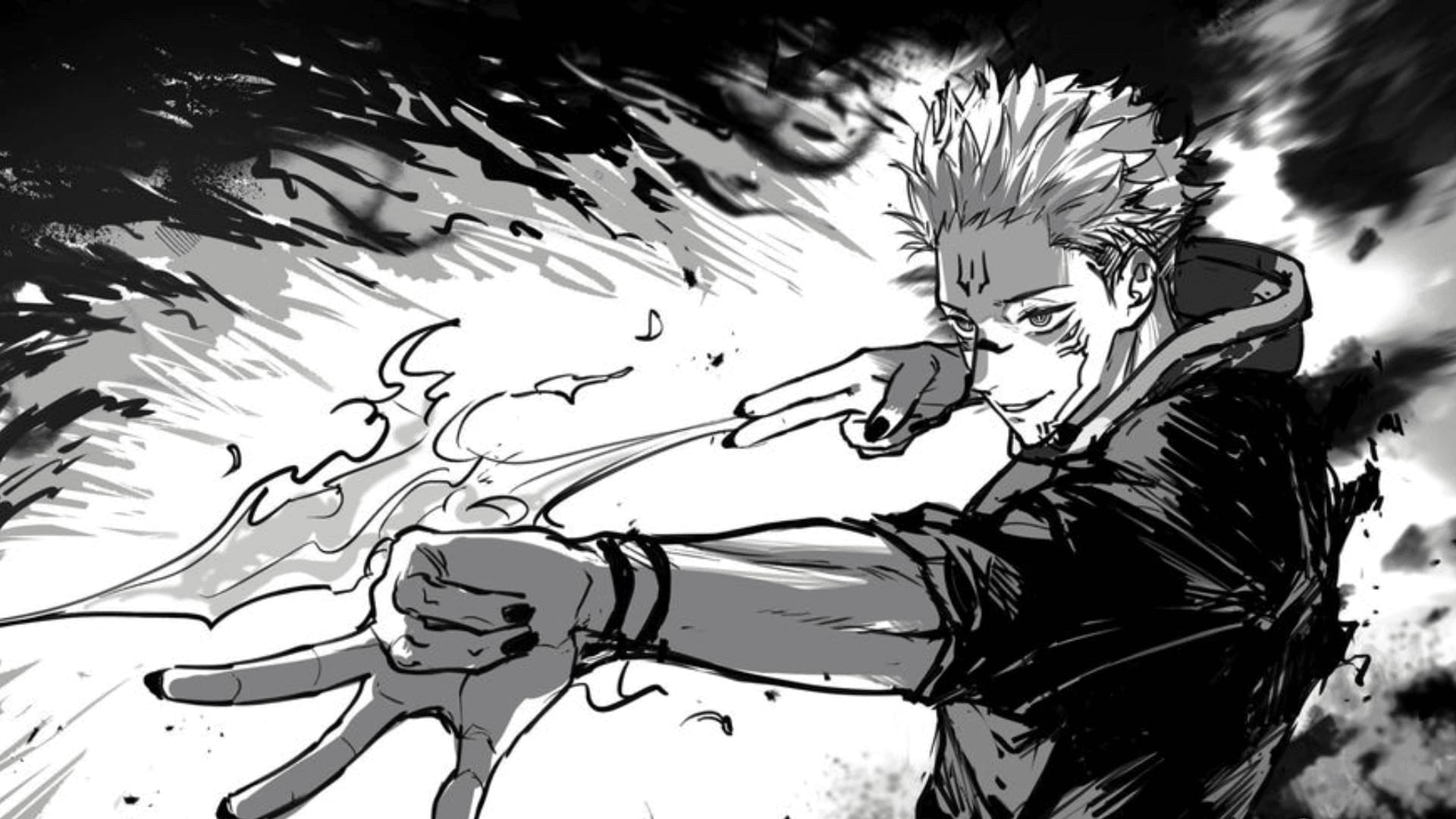
Itadori Yuji landing the killing blow with his fists — not through Divergent Fist, not through Reversed Cursed Technique, but through Black Flash after Black Flash powered by raw emotion — is either the most perfect ending for his character or a narrative cop-out, depending on how you read the series. The symbolism is clear if you’re paying attention: Itadori was always the guy who didn’t need a fancy inherited technique. His power was always physical, human, visceral. Gege spent 270+ chapters showing you that Itadori Yuji‘s body is the weapon, and the ending pays that off directly.
The problem some fans point to with the jujutsu kaisen ending explained discourse isn’t the symbolism — it’s execution. The lead-up to Itadori’s final strike gets rushed in a way that doesn’t match how meticulously Gege built the Shibuya and Shibuya Incident arc. Sukuna’s defeat, when it actually arrives, feels abrupt compared to the sprawling chaos before it. Characters who were set up as crucial contributors end up as sideline decoration. And Sukuna himself — the millennia-old King of Curses — goes down in a way that left some readers wanting more ceremony.
But here’s the other read: maybe that’s the point. Sukuna doesn’t get a heroic death. He doesn’t go out in a blaze of glory. He’s worn down by an army of people he dismissed, killed by the one person he underestimated the most. For everything the jjk finale gets criticized for, the subversion of the final-boss formula is intentional. Gege has never been interested in giving you what you expect, from the Hidden Inventory arc right through to the last chapter. The jujutsu kaisen ending explained through that lens looks a lot more coherent.
Megumi Fushiguro’s Tragic Fate
If there’s one subplot in the jujutsu kaisen manga ending that fans cannot stop arguing about, it’s what happened to Megumi Fushiguro. When Sukuna took over Megumi’s body back in the Culling Game arc — check our full Jujutsu Kaisen Season 3 Culling Games Guide for context — it wasn’t just a possession. Sukuna used Megumi’s Ten Shadows Technique to summon Mahoraga, force Megumi to break his own mind by killing his sister Tsumiki (who was being used as a vessel by one of Kenjaku’s experiments), and essentially shatter whatever was left of Megumi’s will to survive.

The jjk ending gives Megumi a final scene inside what’s essentially a spiritual void — the remnants of his own soul after Sukuna has consumed most of it. He appears one more time before Sukuna dies, apparently at peace, apparently ready to let go. For fans who had been tracking Megumi Fushiguro‘s arc since he was introduced as the composed, calculating contrast to Itadori’s chaos — this is devastating. He was supposed to be the co-protagonist. He was supposed to get his moment. Instead, he became the vehicle for Sukuna’s most powerful moves and then faded out.
The jjk controversy around Megumi is legitimate. His arc from promising young sorcerer to hollowed-out tragedy is either brilliant structural storytelling or a massive misuse of a fan-favorite character, and the jujutsu kaisen ending explained conversation returns to him constantly because people can’t agree on which it is. What Gege does with Megumi forces you to accept that not everyone gets redemption. Not everyone gets saved. The full Megumi character breakdown shows just how much setup went into his arc — but whether the payoff honored that setup is genuinely debatable.
What makes it sting even more is the contrast with how other sorcerers recovered or survived. Megumi — who fought harder than almost anyone, who had more to lose, who cared about people even when he pretended not to — gets the worst outcome. It’s a gut punch that feels intentional. Gege never promised happy endings. The jjk finale is consistent with that. But consistent doesn’t mean it doesn’t hurt.
Who Lives, Who Dies — The Full Casualty List
Part of getting the jujutsu kaisen ending explained right means sitting with the sheer weight of who didn’t make it. This series has a body count that rivals any war manga, and unlike some shonen where death is frequently undone, Gege mostly made them stick. The losses across the full run are staggering, and by the time the jjk finale arrives, you’re watching survivors fight on fumes.
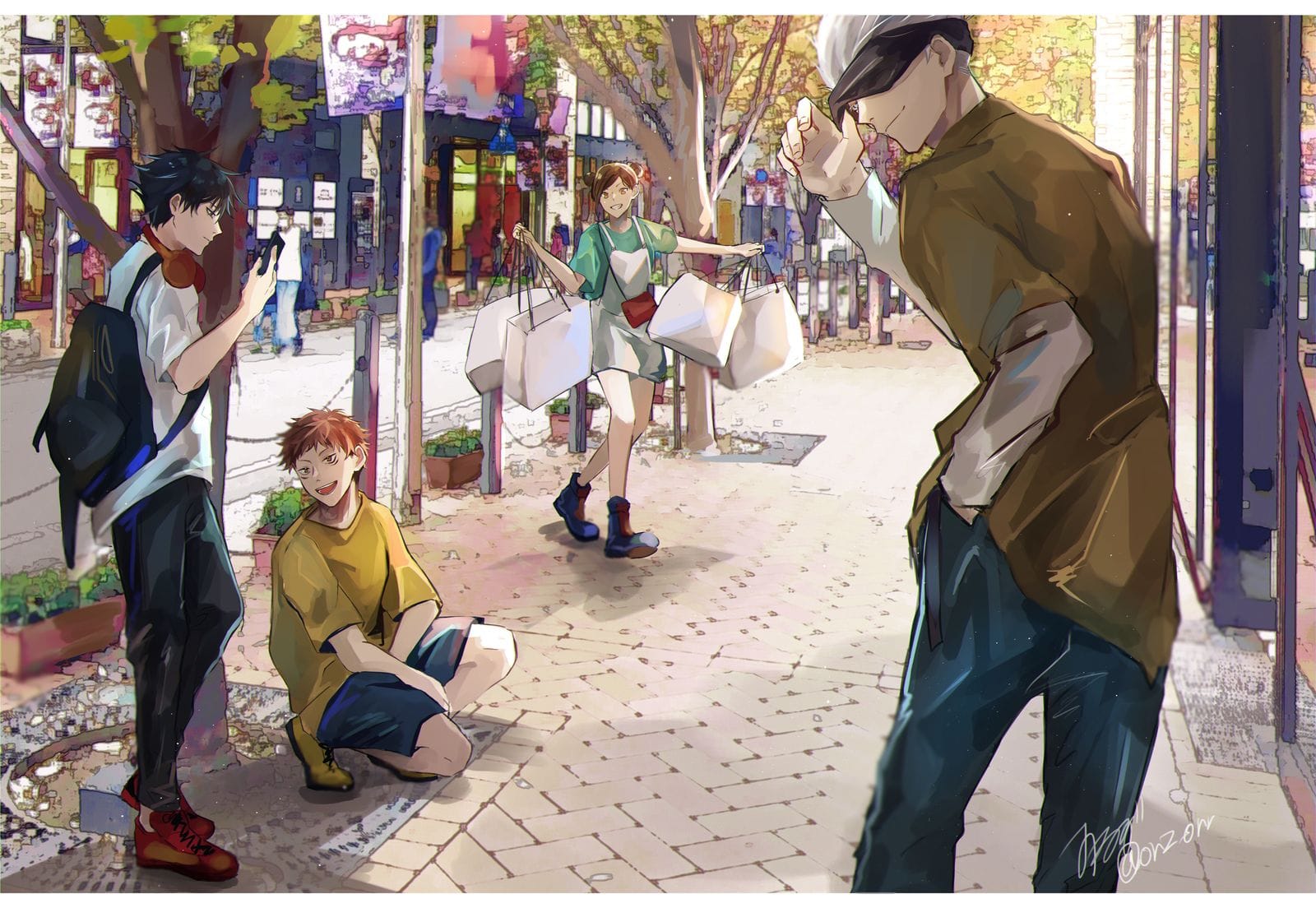
Here’s the full accounting of the major deaths across the series:
- Nanami Kento — Killed during the Shibuya Incident by a souped-up Mahito. Nanami’s death broke the fandom when it happened, and it casts a shadow over everything that follows. He never got to retire. He never got his toast to Itadori. Gone.
- Haibara Yu — Dies before the main story even starts, but his absence shapes Nanami’s entire character. The weight of Haibara is felt throughout even though we barely see him.
- Nobara Kugisaki — Hit by Mahito’s Idle Transfiguration during Shibuya. Left in a coma-adjacent state for most of the remaining story. Her final fate remains heartbreakingly unresolved in the jjk ending — she survives, barely, but the Nobara we knew doesn’t fully return on the page.
- Gojo Satoru — The most shocking death in recent anime/manga history. Bisected by Sukuna wielding Mahoraga’s slash adapted to hit through infinity. Gojo’s death — covered in full in our piece on the Gojo vs Sukuna fight — is the emotional fulcrum of the entire second half.
- Kenjaku (Kenny) — Killed by Yuta Okkotsu, who copies Rika’s ability to do so. A deserved end for one of JJK’s most calculating villains.
- Mahito — Absorbed by Kenjaku after being trashed by Todo and Itadori. Not a clean death, but gone.
- Mechamaru / Kokichi Muta — Killed by Mahito despite his deal with Kenjaku. One of the series’ cruelest moments.
- Megumi Fushiguro — Soul effectively destroyed by Sukuna. His physical body survives the jjk finale, but the Megumi who existed before Sukuna’s possession is gone.
- Sukuna — Finally killed by Itadori Yuji at the end of the Shinjuku Showdown.
Who survives: Itadori Yuji, Yuta Okkotsu, Maki Zenin, Todo Aoi, Panda (barely, in a diminished form), and a number of secondary characters. The jujutsu kaisen ending explained through this list alone tells you the story’s thesis — survival is not guaranteed, and victory doesn’t cancel out the cost. The nen vs cursed energy comparison fans make often focuses on power systems, but unlike HxH’s power system that we’ve analyzed here, JJK’s cursed energy always carried a mortal weight to it.
Why Fans Are Divided on the JJK Ending
The jjk controversy around the ending breaks cleanly into two camps, and both sides have real points. Understanding why the jujutsu kaisen ending explained trend generates so much heat requires looking at what each group expected versus what they got. This is the most honest version of that breakdown.
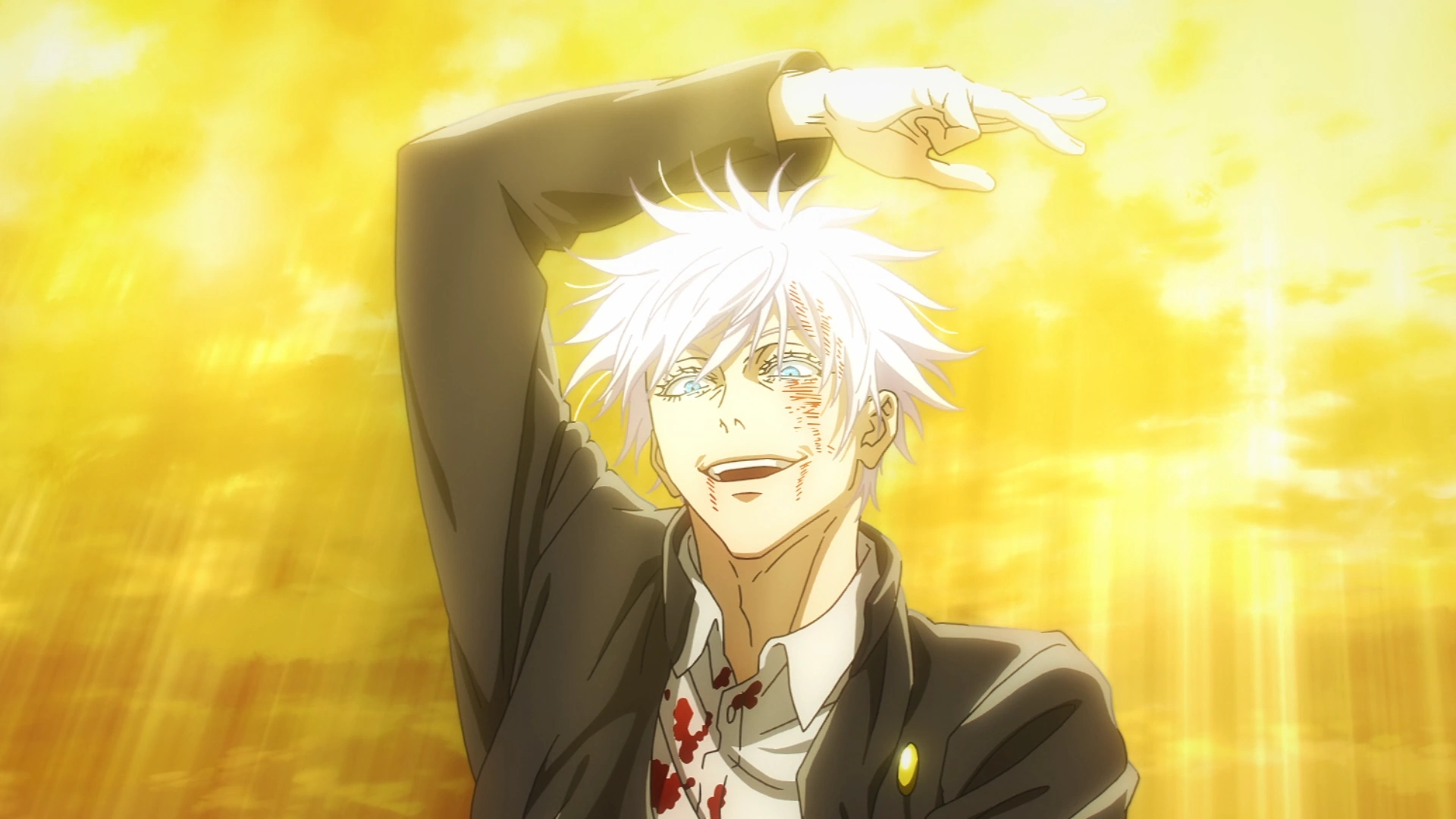
Camp 1: The ending is earned and correct. These fans — and there are a lot of them — argue that Gege Akutami delivered exactly what was promised from chapter one. JJK was never a story about triumph. It was a story about a cursed world where good people die and the best you can do is make their deaths mean something. Itadori Yuji defeating Sukuna with his own body, not through some inherited miracle, is the natural conclusion to a character whose entire arc was about proving that humanity matters even in a world run by curses. The ending honors that. It doesn’t flinch.
Camp 2: The execution failed the ambition. These fans aren’t arguing the themes were wrong — they’re arguing Gege Akutami rushed the landing. The final chapters of the jujutsu kaisen manga ending are noticeably compressed compared to the sprawling craft of Shibuya. Characters who spent arcs being built up — Higuruma is a big example — contribute less than expected at the critical moment. The jjk ending specifically around Megumi feels like a story thread that deserved its own arc but got squeezed into a subplot. The epilogue, which should feel like release after years of tension, is brief to the point of feeling perfunctory.
There’s also the ongoing debate about Gege Akutami‘s approach to serialization. JJK was running in Weekly Shonen Jump, and there’s visible evidence throughout the jjk finale arc that the author was either exhausted, constrained by editorial pressure, or deliberately subverting reader expectations to a degree that crossed from bold into alienating. Gege is notoriously private and the jjk controversy never got the author commentary that might have clarified intent. You’re left interpreting the work itself, which cuts both ways.
What nobody disputes: JJK in its prime — from the Hidden Inventory arc through Shibuya — is among the best shonen manga ever written. The argument is purely about whether the finale honored that peak. With the jujutsu kaisen ending explained broken down this way, you can see why both sides feel justified.
What the Jujutsu Kaisen Ending Actually Means
Here’s the read that I keep coming back to when I think about the jujutsu kaisen ending explained thematically: this story was never about power levels. It was never about who wins the biggest fight. From the very first chapter, when Itadori Yuji swallows Sukuna’s finger to save his friends and sets himself on a path toward a death sentence, the central question of JJK is whether a human being can retain their humanity inside a world designed to consume it.
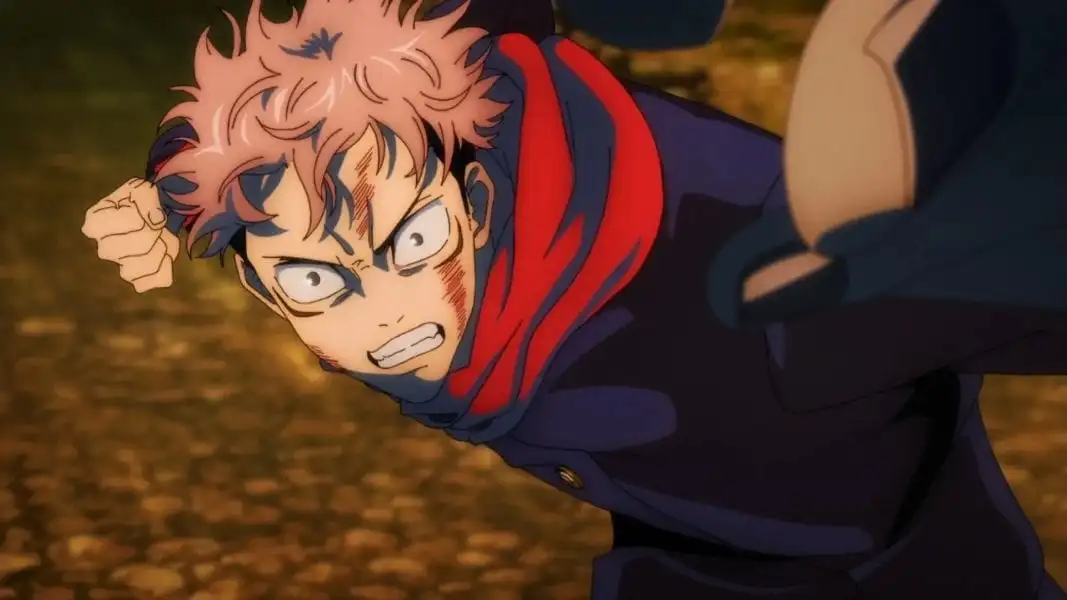
Cursed energy in JJK isn’t just a power system — it’s a representation of generational suffering. The jujutsu world exists because human fear and grief accumulate into physical monsters that have to be suppressed by a tiny elite who sacrifice their own lives and wellbeing to do so. The institutions that govern sorcerers are corrupt, classist, and cruel — the Zenin clan storyline, the higher-ups’ casual willingness to execute Itadori, all of it is about how systems built to manage trauma can become engines of oppression. The jujutsu kaisen manga ending completing with the destruction of those same cursed institutions — and with Itadori Yuji standing at the end as the person who refused to become a monster — is thematically airtight.
Sukuna‘s arc is the mirror image. A human who lived a thousand years ago and chose, over and over, to treat existence as a zero-sum game. His power is the result of absolute rejection of connection. The jjk finale shows that approach arriving at its logical end: alone, dying, finally understanding what he gave up, after being beaten by the one person in the world who is the opposite of everything Sukuna chose to be. That last conversation with Megumi’s soul — whether you found it earned or unearned — is Gege making the thematic argument explicit.
The jujutsu kaisen ending explained through this frame also makes Megumi’s fate more legible, even if it’s no less painful. Megumi is the character who most wanted to be like Sukuna in certain ways — detached, calculating, not burdened by caring too much. His arc is the tragedy of someone who tried to armor themselves against the world and got consumed by exactly what they sought protection from. His end is consistent with those themes, even if it’s brutal.
And Itadori Yuji‘s survival — in a series that kills everyone — is its own statement. Gege let the human one live. The one who cried for people he barely knew. The one who refused to accept that death was just the cost of doing business. He makes it through the jjk ending not despite his humanity but because of it. Given how the best anime fights of all time are often framed around power and spectacle, JJK’s final battle being framed around emotional weight is genuinely distinctive.
What Comes Next — JJK’s Legacy
The jujutsu kaisen ending explained debate is already shaping how historians of anime and manga are going to categorize this series, and the conversation is fascinating. Where does JJK land in the pantheon? Because the argument has real stakes — this isn’t just internet discourse, it’s about what we decide shonen storytelling can and should be.
The comparisons to Bleach are inevitable and worth taking seriously. Bleach’s ending is widely considered one of the great disappointments in manga history — a thousand-year war arc that started strong and collapsed under the weight of too many characters, a final antagonist who felt underdeveloped, and an epilogue that felt obligatory rather than resonant. The jjk controversy echoes some of that energy. But JJK’s final arc, even its critics acknowledge, is miles ahead of Bleach’s Thousand-Year Blood War in terms of craft and intentionality. The difference is Gege Akutami had a point to make and made it. You can argue about execution — you can’t argue there was no vision.
The Naruto comparison is more complicated. Naruto’s ending was criticized for resolving the Pain arc’s moral questions too neatly, turning Nagato with a speech and then wrapping everything in a generational-peace bow that felt at odds with the series’ darker themes. The jjk manga ending makes the opposite choice — it refuses to clean things up, refuses to give every arc a satisfying conclusion, refuses to pretend that victory doesn’t cost everything. For fans who were frustrated by Naruto’s ending, JJK is almost corrective.
Hunter x Hunter — perpetually on hiatus, still one of the most admired manga ever written — haunts the jjk finale conversation because it represents what pure authorial vision looks like when it’s given space. The Nen vs Cursed Energy comparison is a power-system conversation, but both series share a commitment to subverting shonen conventions. JJK finished, which HxH hasn’t. That matters. Whatever flaws the jujutsu kaisen ending explained breakdown exposes, Gege completed the story. That’s not nothing.
What JJK’s legacy will ultimately be is a series that pushed shonen manga forward in ways we’re still cataloging. The deaths that stuck. The refusal to power-up past consequences. The moral weight applied to battle. The visual language Gege Akutami created — the reversed cursed technique aesthetic, the domain expansions, the Black Flash — spawned a generation of imitators. The anime adaptations by MAPPA are among the most visually ambitious in recent memory. And the fandom debates generated by the jjk ending are exactly the kind of thing great fiction produces: genuine argument about what a story means and whether it earned its choices.
History will likely judge JJK the way it judges most ambitious swings — with more generosity than the immediate reaction suggested. The jujutsu kaisen ending explained in full is a story about whether humanity can survive a world designed to destroy it. The answer Gege Akutami gives, at enormous cost, is yes. That’s an ending worth arguing about.
Final Thoughts on the JJK Finale
Here’s where I land on the jujutsu kaisen ending explained debate after letting it sit: Gege made choices that were consistent, thematically coherent, and genuinely brave — and also choices that left real emotional needs unmet for a significant portion of the audience. Both of those things are true at the same time. The jjk ending is not a failure. It’s also not the perfect cap that the Shibuya arc deserved. It’s a human ending — flawed, rushed in places, devastating in others, and ultimately committed to the story’s core argument about what it means to be a person in an inhuman world.
Itadori Yuji standing at the end is the ending. Everything else is detail. If you loved this series, the jujutsu kaisen manga ending asked a lot of you. It asked you to grieve again, to accept that some things don’t get fixed, to believe that survival itself is meaningful. Whether that feels like enough is personal. But the craft, the ambition, and the emotional honesty of what Gege Akutami built over 270+ chapters of the jjk finale is undeniable. This was a series that meant something. The jujutsu kaisen ending explained — fully, honestly — is a story that had the guts to end the way it lived.
You Might Also Enjoy
- Gojo vs Sukuna: The Fight That Broke Jujutsu Kaisen — The full breakdown of the most shocking battle in the series
- JJK Shibuya Incident Arc — Where JJK peaked, and why it still hurts
- Megumi Fushiguro Explained — The complete arc of JJK’s most tragic character
- Yuta Okkotsu Character Analysis — The other protagonist Gege always had plans for
- Jujutsu Kaisen Season 3 Culling Games Guide — Everything you need to follow the arc that set up the finale
- Best Anime Fights of All Time — Where does Itadori vs Sukuna rank?