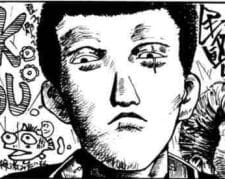
JoJo’s Bizarre Adventure has one of anime’s most intimidating entry barriers—nine manga parts spanning different eras, protagonists, and genres, with an anime adaptation that skips nothing. But here’s the good news: the watch order is actually straightforward. Here’s the complete guide for beginners entering the bizarre world of the Joestar family.
The Simple Answer
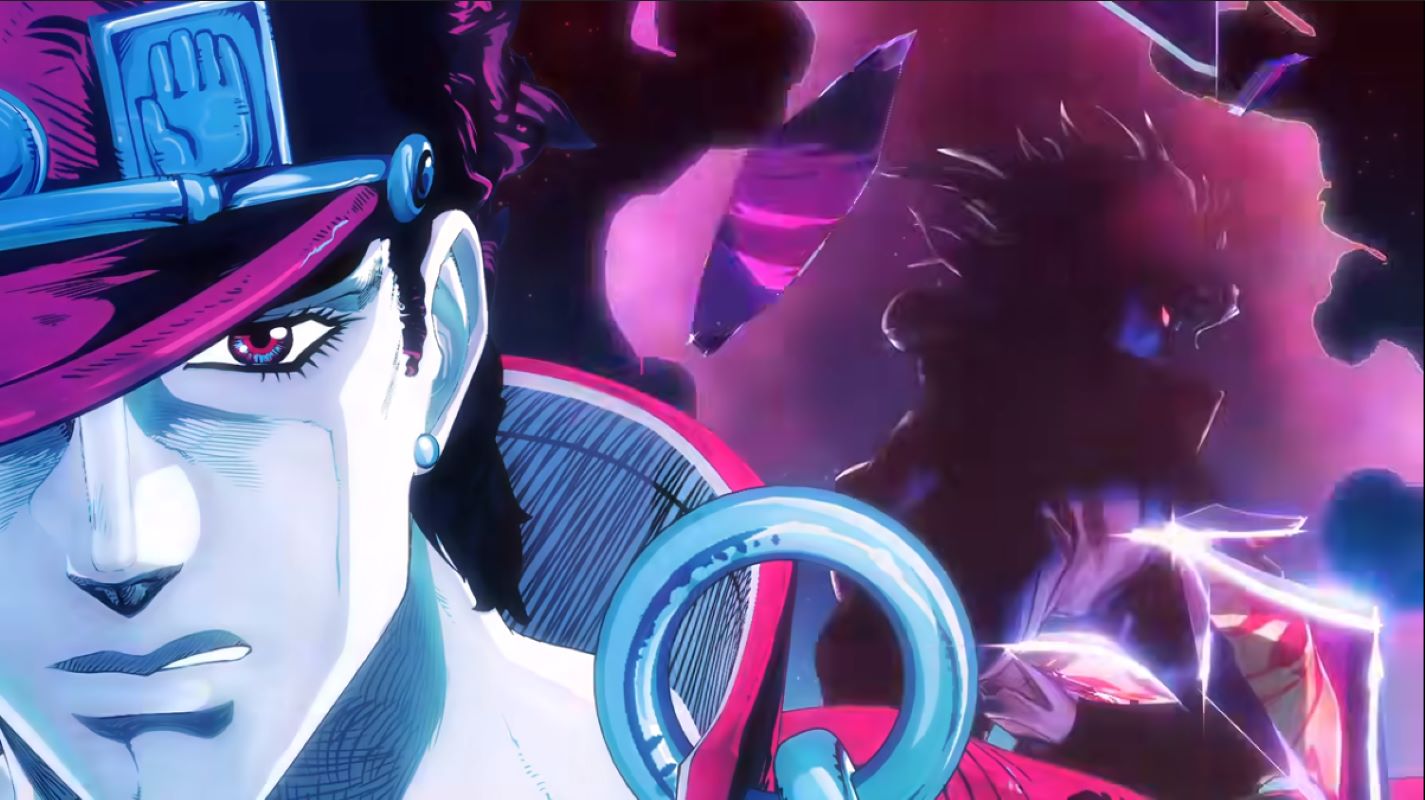
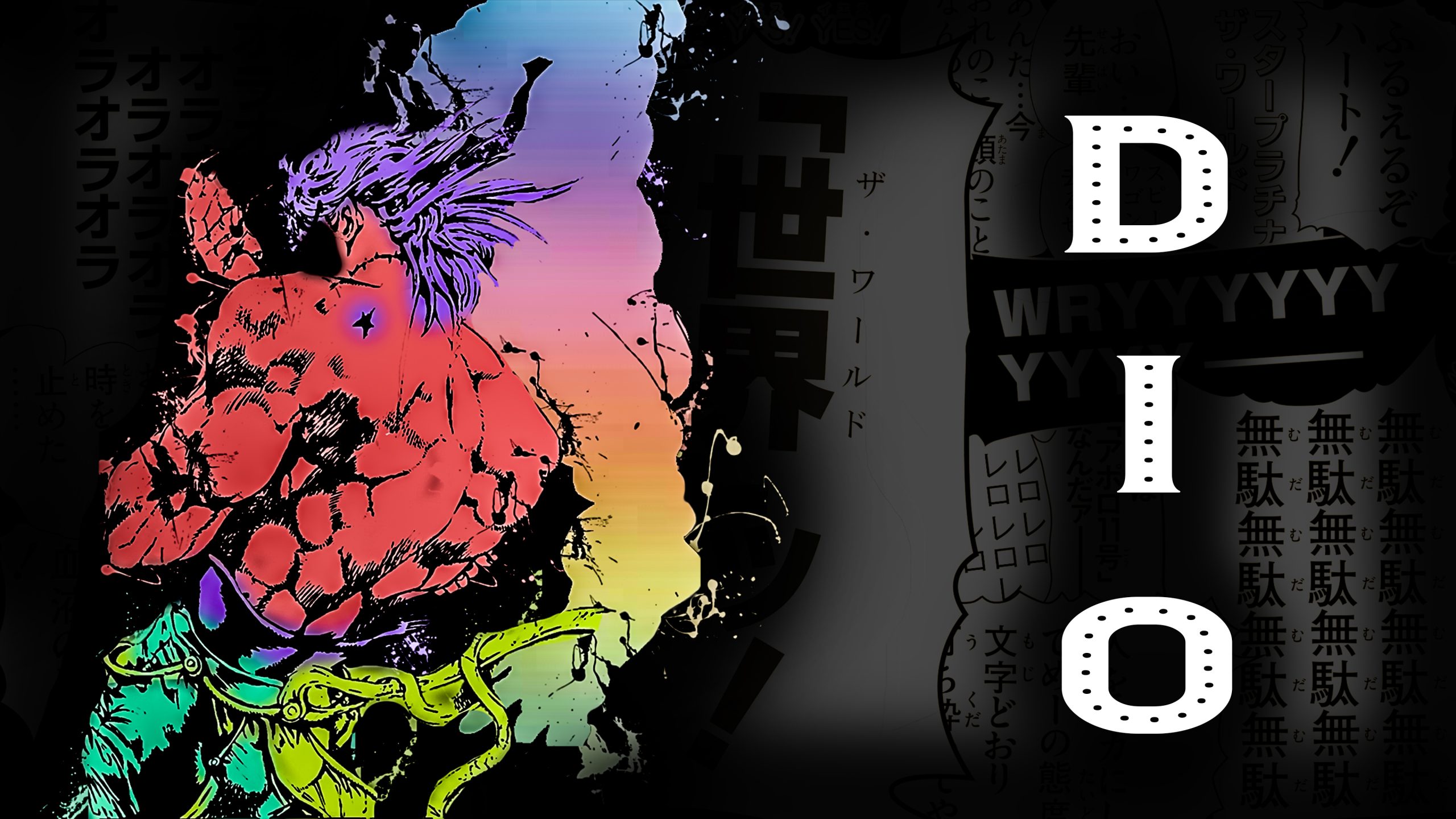
Watch the anime in release order. That’s it. JoJo was designed to be experienced sequentially, and David Production’s adaptation follows the manga parts chronologically. The “confusion” comes from part titles and generational jumps—not from actual complexity.
The Complete Watch Order
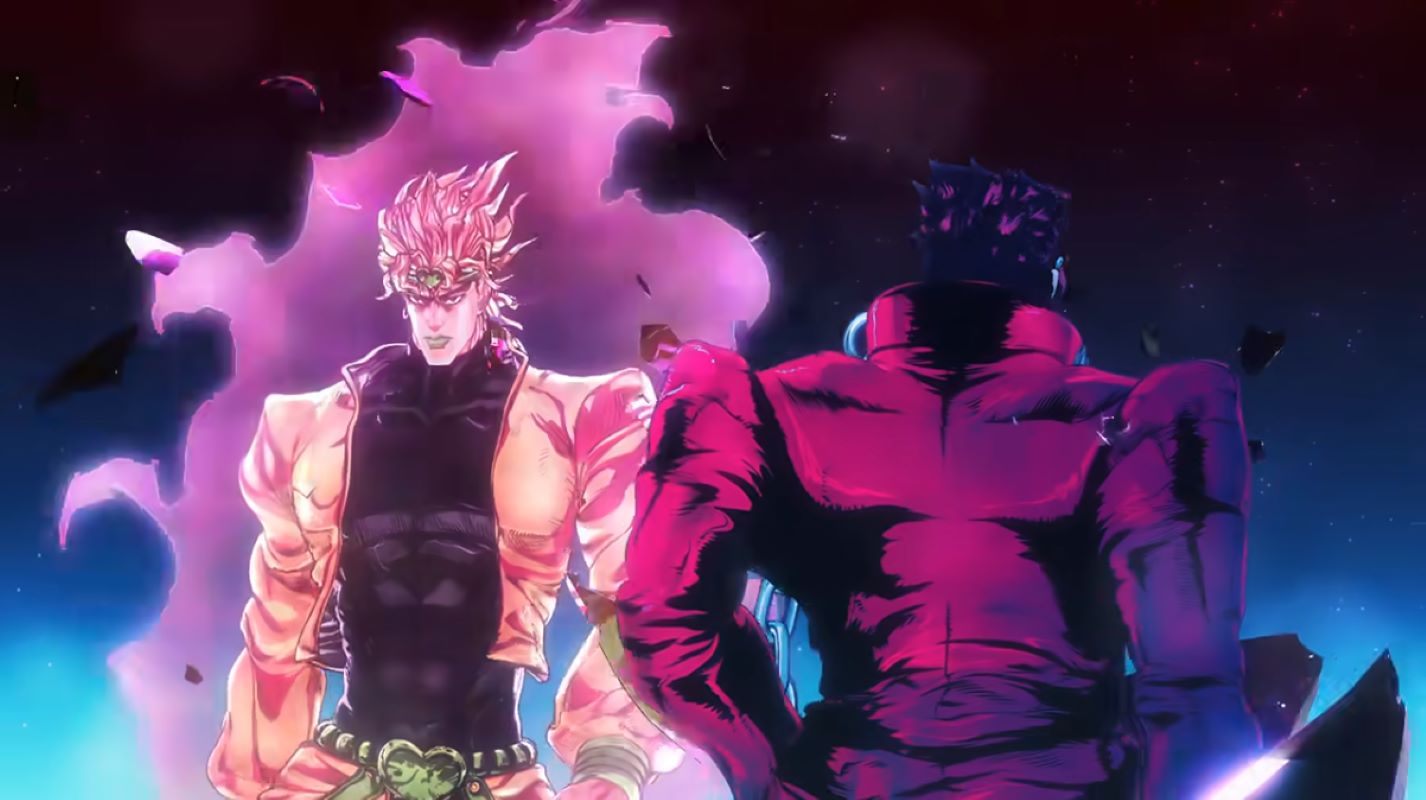
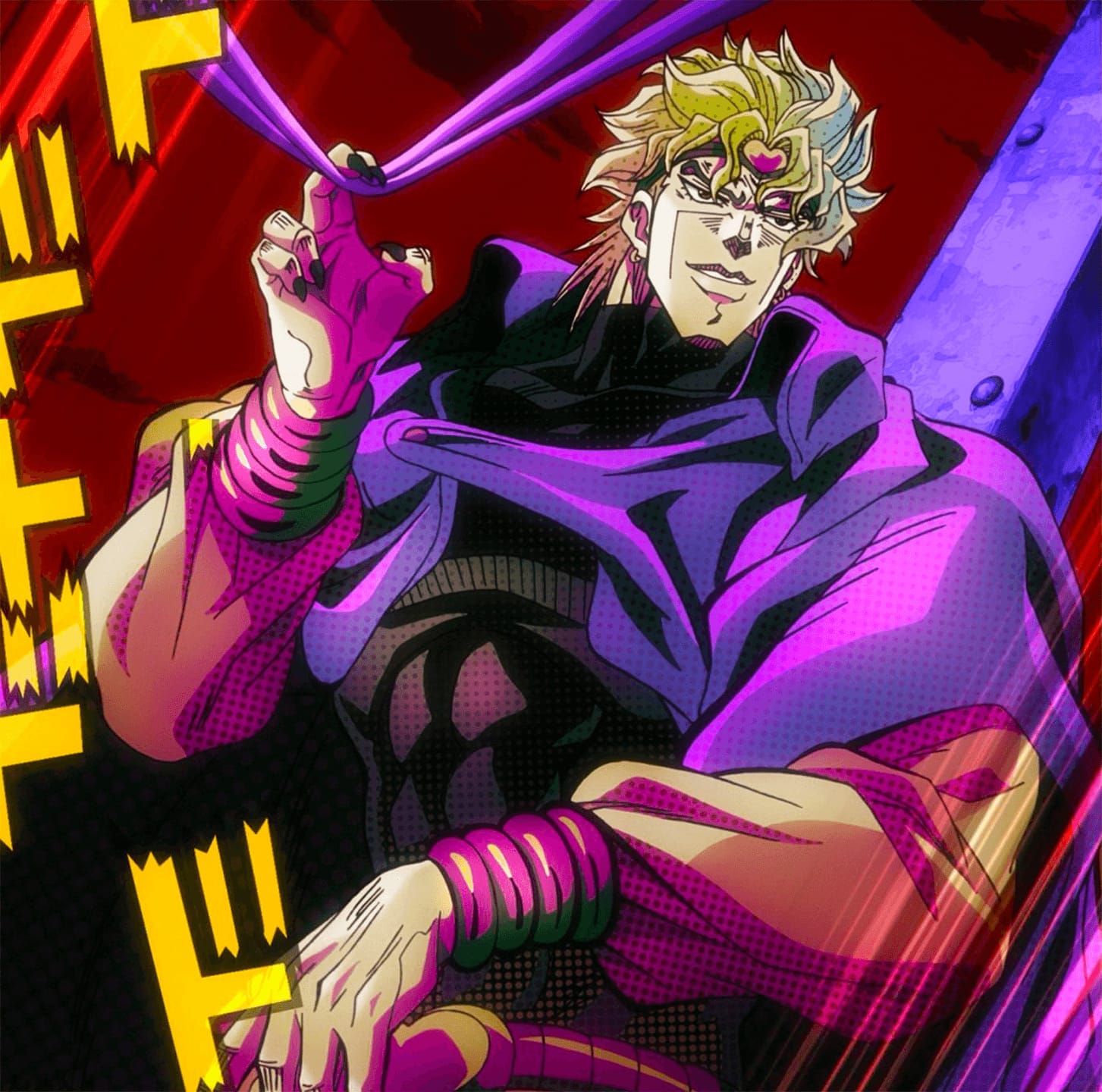
1. JoJo’s Bizarre Adventure (2012) – 26 episodes
This season covers Parts 1 and 2:
Part 1: Phantom Blood (Episodes 1-9): Victorian England, vampire battles, Dio Brando’s introduction. The shortest part, often cited as weakest—but essential for establishing the Joestar-Dio rivalry that spans the entire series. Push through if it doesn’t grab you; it improves.
Part 2: Battle Tendency (Episodes 10-26): 1930s America and Europe, Joseph Joestar versus ancient Pillar Men. This is where JoJo becomes JoJo—the humor, the tactical combat, the absurd moments all crystallize. Most viewers who bounced off Part 1 love Part 2.
2. JoJo’s Bizarre Adventure: Stardust Crusaders (2014-2015) – 48 episodes
Part 3: The most popular and influential part. Jotaro Kujo and allies travel to Egypt to defeat Dio. Introduces Stands—psychic manifestations that define JoJo’s subsequent power system. Episodic “Stand of the week” structure with memorable fights. Two seasons: the first 24 episodes, then “Egypt Arc” for remaining 24.
3. JoJo’s Bizarre Adventure: Diamond is Unbreakable (2016) – 39 episodes
Part 4: Small-town mystery in 1999 Morioh, Japan. Josuke Higashikata investigates Stand-related crimes and serial killer Yoshikage Kira. Tonal shift toward slice-of-life mixed with horror. Many fans’ favorite part for its developed setting and character focus.
4. JoJo’s Bizarre Adventure: Golden Wind (2018-2019) – 39 episodes
Part 5: Italian mafia warfare. Giorno Giovanna joins and eventually leads a gang seeking to overthrow its boss. The most action-heavy part with creative Stand battles and stylish aesthetic. Extremely popular, especially internationally.
5. JoJo’s Bizarre Adventure: Stone Ocean (2021-2023) – 38 episodes
Part 6: Jolyne Cujoh, Jotaro’s daughter, imprisoned in Florida and fighting to save her father. Female protagonist, prison setting, and climax that redefines the entire series. Released on Netflix in batches. Completes the original timeline.
6. JoJo’s Bizarre Adventure: Steel Ball Run (TBA)
Part 7: Alternate universe 1890s horse race across America. Widely considered the manga’s peak—when the anime adaptation releases, watch it after Stone Ocean. Currently manga-only.
Parts 8-9: JoJolion and JoJo Lands continue the alternate universe. Anime adaptations will follow eventually.
Can You Skip Parts?
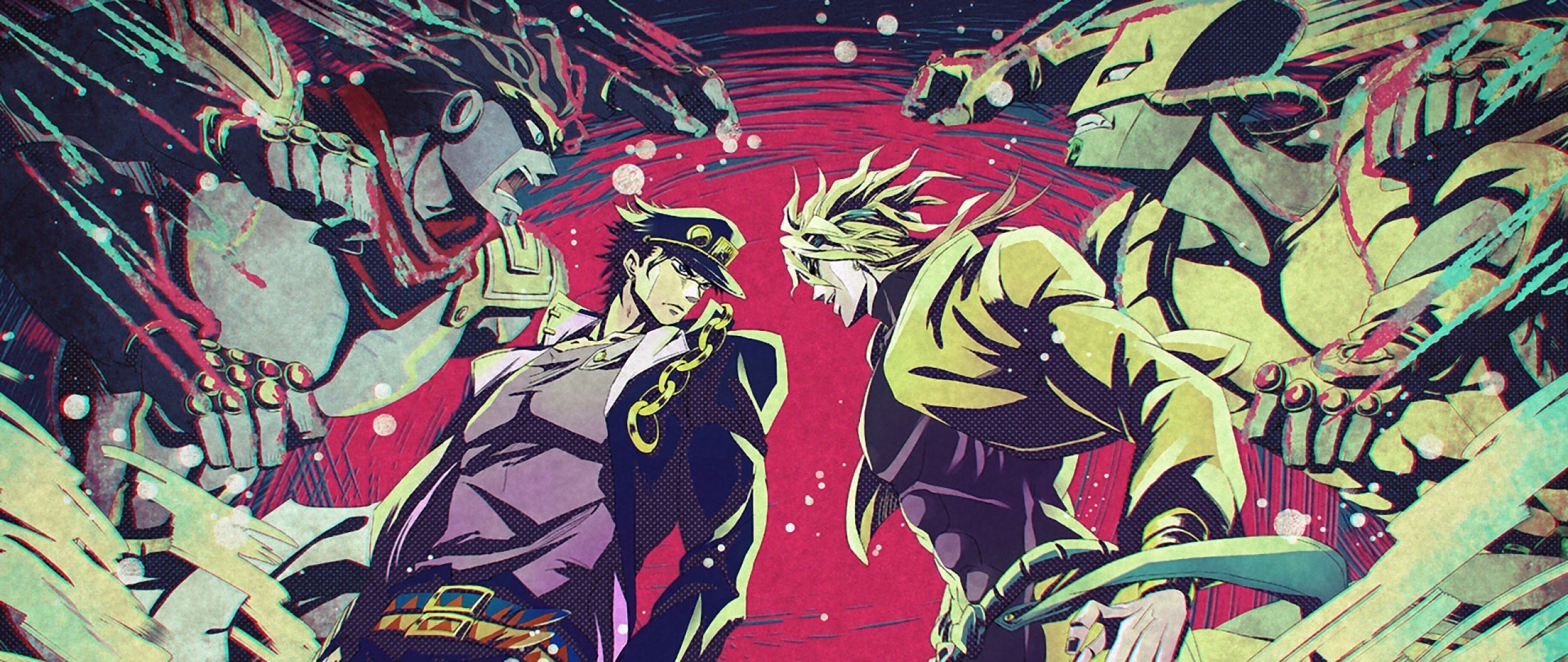
Technically yes. Practically, don’t. Each part builds on previous ones:
Skipping Part 1 means Dio’s return in Part 3 lacks weight. Skipping Part 2 means missing how Hamon transitions to Stands. Skipping Part 3 means Part 4’s Jotaro appearances confuse. The connections compound across the series.
Part 1’s nine episodes require minimal commitment. If you can’t handle nine episodes, JoJo (which reaches 200+ episodes) isn’t for you anyway. Push through Phantom Blood; it’s worth it.
The “Part 1 Problem”
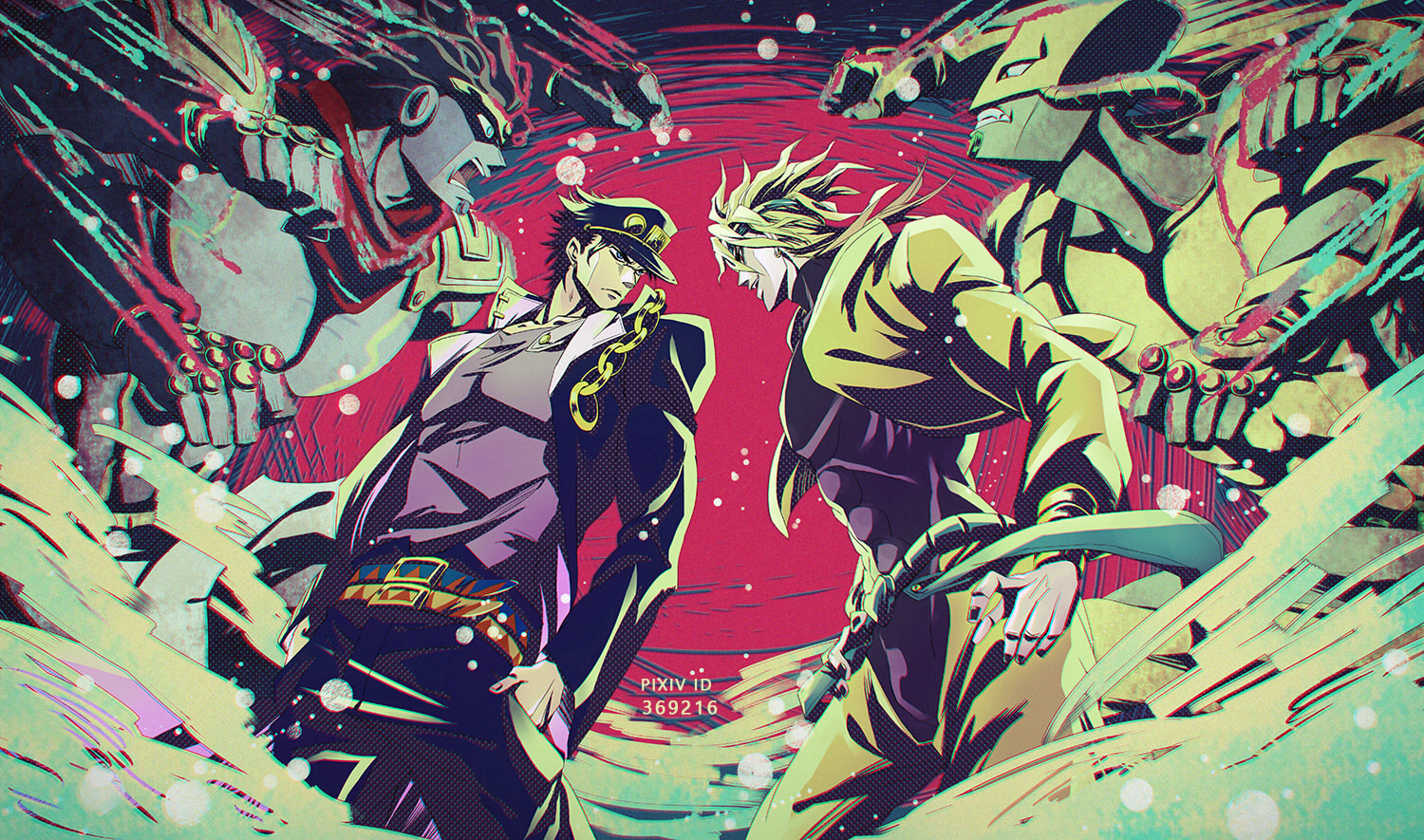
Part 1’s reputation as boring discourages new viewers, but the reality is nuanced. Phantom Blood differs from later JoJo because Araki hadn’t developed his signature style yet. It’s straightforward gothic horror without the meta-humor and tactical creativity that define subsequent parts.
Viewing Part 1 as prologue helps. It’s setup: Jonathan and Dio’s conflict establishes stakes for Dio’s return 100 episodes later. The stone mask’s origin, the Hamon breathing technique, the Joestar birthmark—all become relevant repeatedly. Part 1 is short because it needs to be short; it delivers essential setup efficiently.
What Makes JoJo Unique
JoJo’s distinctiveness requires experience to understand, but key elements include:
Stands: From Part 3 onward, characters manifest psychic entities with specific abilities rather than general powers. Battles become puzzles—figuring out what an enemy Stand does and exploiting its limitations. This tactical approach distinguishes JoJo combat from power-level-based shonen.
Art style: Hirohiko Araki’s fashion-influenced designs create characters who look like runway models in combat poses. The exaggerated muscles of early parts give way to slender elegance; both styles are deliberately stylized rather than realistic.
Musical references: Characters and Stands are named after musicians, songs, and albums—Dio, Killer Queen, Crazy Diamond, Gold Experience. Spotting references becomes part of the viewing experience.
Generational storytelling: Each part features a new protagonist from the Joestar bloodline, allowing Araki to reset stakes while maintaining continuity. You can love Part 4’s Josuke without needing Part 3’s Jotaro to remain central.
Tone: JoJo balances genuine stakes with absurdist humor. Characters will die dramatically then the next scene features ridiculous poses and comedic misunderstandings. The tonal whiplash is intentional and effective.
Common Questions
Is the old 90s OVA canon?
No. The 1993-2000 OVA adapted Part 3 incompletely with different staff. Watch David Production’s 2014 version instead.
Should I read the manga?
The anime is excellent, but Parts 7-9 aren’t animated yet. If you finish Stone Ocean and want more, the manga awaits. Steel Ball Run especially rewards reading.
How long until I’m hooked?
Most viewers know by Part 2 whether JoJo works for them. If Battle Tendency doesn’t grab you, later parts probably won’t either. Give it through episode 26 before deciding.
What’s with the poses?
Araki references fashion photography and Italian sculpture for character poses. The dramatic positioning became JoJo’s visual signature, memed extensively but genuinely effective for conveying attitude.
Getting Started
JoJo’s Bizarre Adventure streams on Crunchyroll (Parts 1-5) and Netflix (Part 6). Begin with the 2012 series, episode 1. Accept that Part 1 differs from JoJo’s reputation. Commit through Part 2 before judging.
You’re entering one of anime’s most creative, influential, and genuinely bizarre franchises. The watch order is simple; the experience is anything but. Welcome to the Joestar legacy—may your poses be dramatic and your Stand cries echo through generations.