The Most Complicated Man in Naruto — Why Itachi Uchiha Still Hits Different
Itachi Uchiha is one of the most talked-about characters in anime history, and for good reason. On the surface, he’s a mass murderer who slaughtered his entire clan, traumatized his little brother, and joined the world’s most dangerous criminal organization. But the deeper you go, the more Itachi Uchiha reveals himself as someone who sacrificed everything — including his own humanity — to protect a village that never publicly acknowledged what he did. More than twenty years after Naruto first aired, fans are still debating Itachi Uchiha, still breaking down his choices, and still feeling the gut punch of that final revelation. Few anime characters have ever been constructed with this level of long-game craft, and fewer still have earned such enduring devotion from their fanbase.
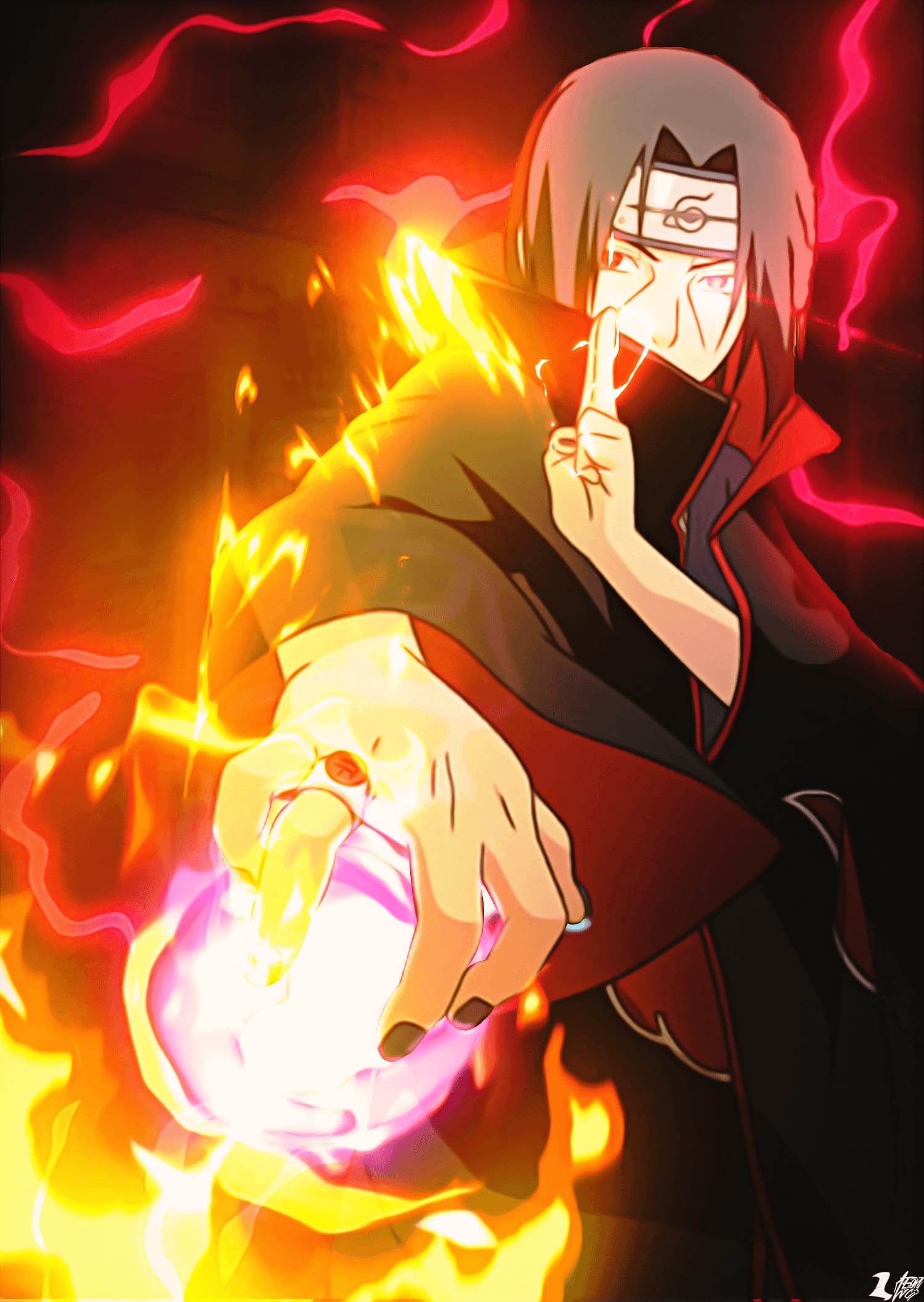
This is the full breakdown — his early life, the massacre, his double life inside the Akatsuki, his techniques, and the legacy he left behind.
The Perfect Shinobi — Itachi’s Early Life and the Weight of Genius
Itachi Uchiha was never allowed to just be a kid. Born into the Uchiha clan — one of the most powerful and politically volatile clans in Konohagakure — Itachi showed exceptional talent from the moment he picked up a kunai. He graduated the Academy at age seven. He passed the Chunin Exams at eight. By thirteen, he was a member of the ANBU Black Ops. These aren’t just impressive stats. They’re the foundation of everything that comes after.
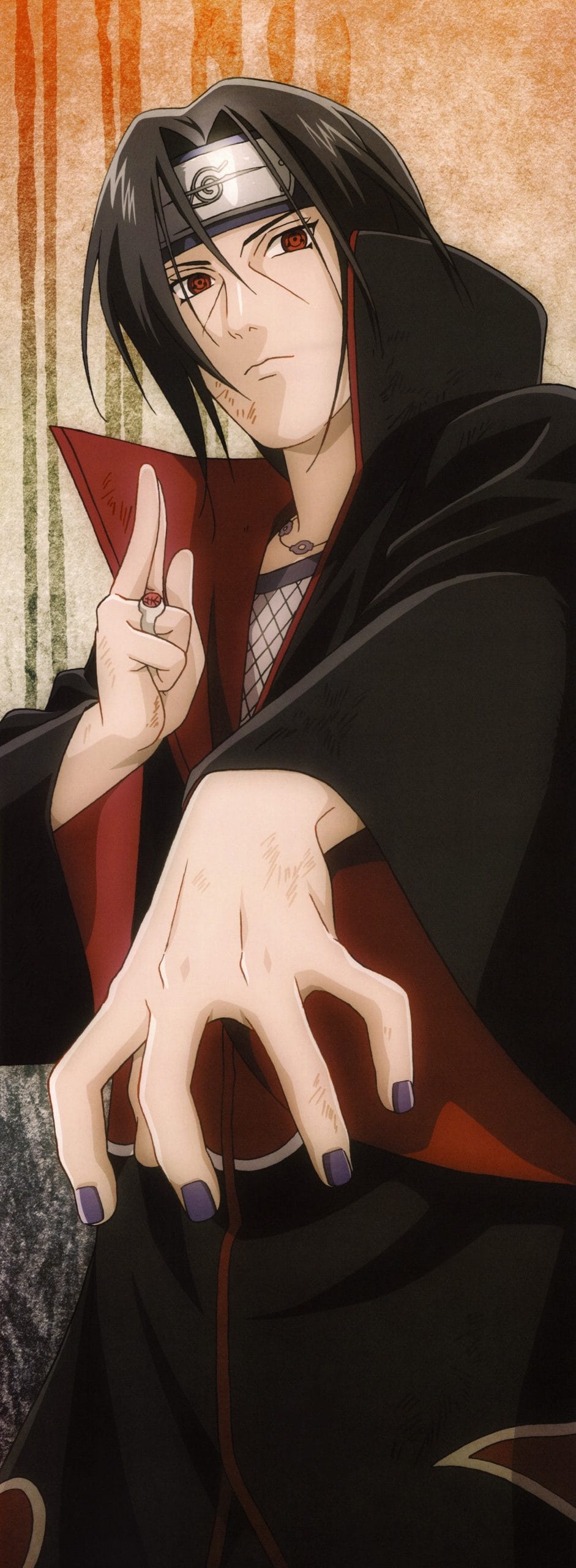
What made Itachi Uchiha different from other prodigies wasn’t just his raw power — it was his mind. While most shinobi learned to suppress emotion as a tool, Itachi genuinely processed the world through a philosophical lens. He witnessed firsthand the carnage of the Third Great Ninja War as a child, which shaped his deep hatred of conflict. The village’s ruling council saw a weapon. Itachi saw bodies. That disconnect defined everything he would later do.
The tension within the Uchiha clan was already simmering long before Itachi Uchiha was given an impossible choice. The clan felt marginalized by Konoha’s leadership, pushed to the outskirts of the village both literally and politically. A coup was being planned. The Uchiha wanted power. Danzo and the elders wanted the clan neutralized. Itachi, still a teenager, found himself standing at the exact center of this collision — a prodigy trusted by both sides, and therefore the one everyone expected to make the hardest call.
Looking back at young Itachi, the warning signs are everywhere in hindsight. He was placed in ANBU not because Konoha cared about his wellbeing, but because they recognized an asset. He was surveilled. He was tested. He was placed in a position where loyalty to the village and loyalty to his family became mutually exclusive. Itachi Uchiha didn’t choose to become a traitor — he was engineered into an impossible corner by the adults who were supposed to protect him.
The Night Everything Changed — The Uchiha Clan Massacre
The massacre is one of the most haunting events in Naruto Shippuden, and it sits differently once you know the full story. Itachi Uchiha killed every member of the Uchiha clan in a single night — men, women, elderly — sparing only one person: his little brother, Sasuke. He then framed it as ambition, told Sasuke to hate him, and walked out of the village wearing the face of a traitor.
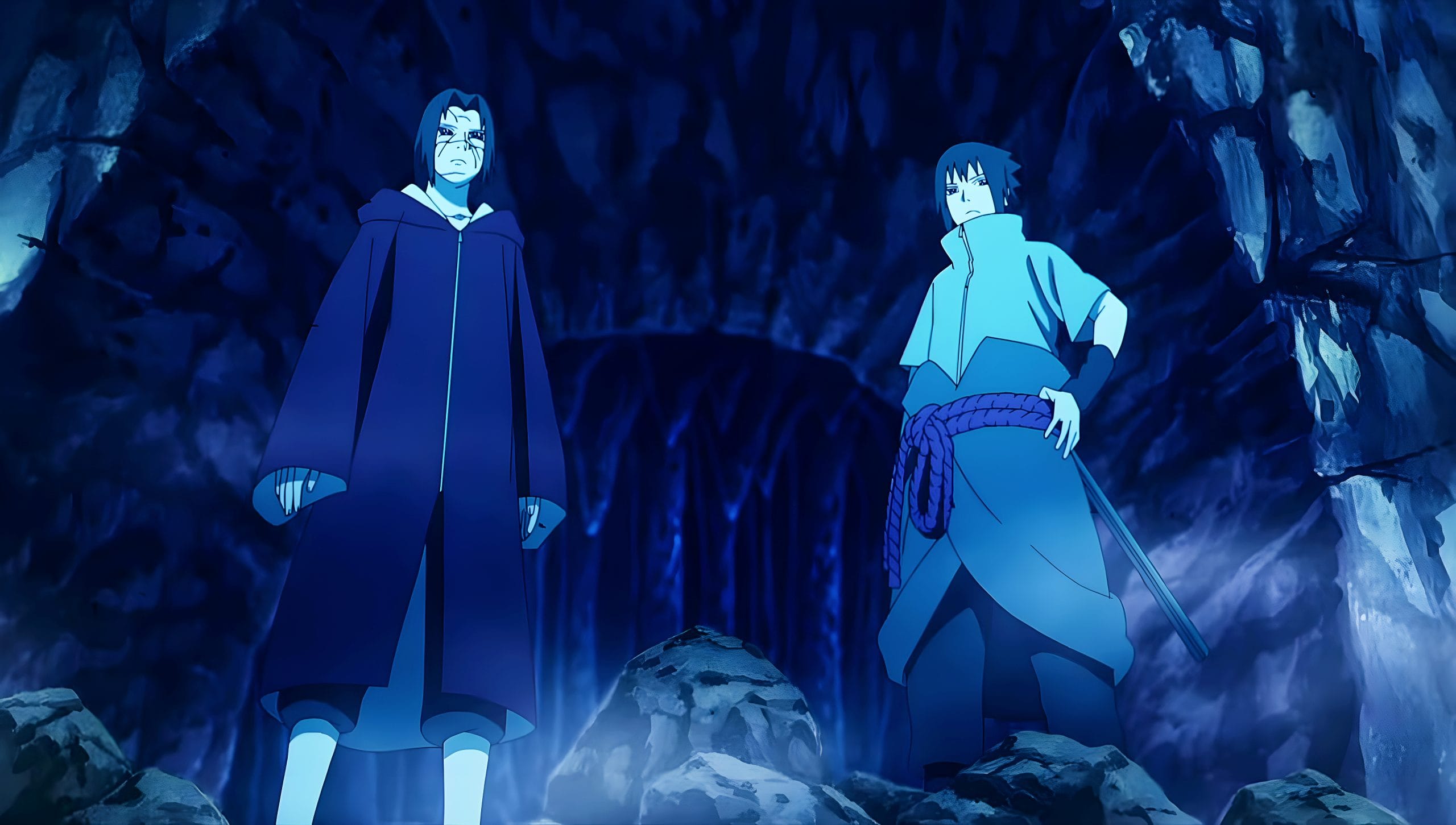
The truth, kept buried for years: Itachi was given an order. The Third Hokage tried to negotiate. Danzo forced the timeline. The options on the table were either Itachi eliminates the clan before the coup — keeping Konoha stable — or the coup goes forward, the clan is wiped out anyway in the resulting war, and countless innocent civilians die alongside them. Itachi chose the option with the lower body count. He chose to carry the guilt so no one else had to.
What makes the massacre so devastating isn’t just the act itself — it’s what Itachi did with Sasuke. He used his Mangekyou Sharingan to make Sasuke relive their parents’ deaths. He taunted him. He told Sasuke to grow strong and hate him and come find him. Every cruel word was a calculated move to protect Sasuke from Danzo, from the truth, and to give Sasuke something to live for. Itachi chose to be the villain in Sasuke’s story so that Sasuke would never know the weight of what actually happened.
The Double Life — How Itachi Uchiha Survived as an Akatsuki Spy
After the massacre, Itachi Uchiha joined the Akatsuki — ostensibly as a rogue criminal, actually as a spy reporting back to Konoha. This is where the genius of his long game becomes clear. Itachi embedded himself at the highest levels of the world’s most dangerous organization while feeding intelligence to the village. He kept Akatsuki from making moves against Konoha for years, subtly steering events and neutralizing threats when he could do so without blowing his cover.
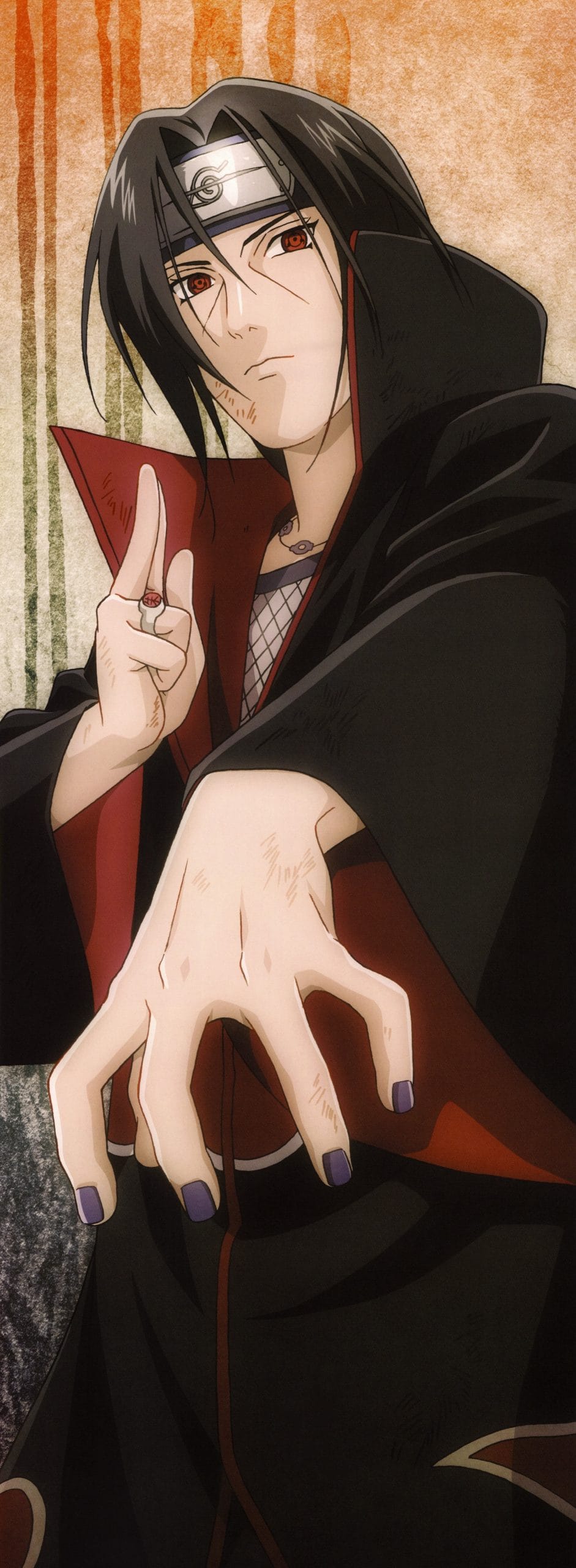
His partnership with Kisame Hoshigaki is one of the more fascinating dynamics in the series. Kisame is powerful, brutal, and completely loyal to Pain’s ideology — and yet he respected Itachi, worked beside him for years, and never fully understood the man standing next to him. That’s exactly how Itachi Uchiha operated. Even the people closest to him only ever saw the surface he chose to show. Itachi never shared his real mission, his real pain, or his real purpose with anyone in the Akatsuki. He was the most isolated person in a group full of isolated people.
The intelligence work Itachi did during this period is never fully detailed in the anime, which makes it feel somewhat abstract — but the implication is significant. Akatsuki’s operations were frequently slower, less coordinated, and less targeted than they could have been. That friction had a source. Itachi Uchiha was a one-man slowdown inside the most dangerous organization in the world, buying time for Konoha while wearing the face of their most wanted criminal.
Throughout his Akatsuki years, Itachi was also quietly dying. The illness that would eventually take his life was already advancing. Every mission, every fight, every appearance was a man running on borrowed time and sheer willpower. When he finally faced Sasuke in their last battle, Itachi was nearly blind, running on chakra pills, and had already planned exactly how it was going to end.
Itachi’s Most Powerful Techniques — Mangekyou Sharingan Explained
Itachi Uchiha’s jutsu toolkit is built around the Mangekyou Sharingan, awakened through profound loss — specifically the death of his best friend, Shisui Uchiha. The power it gave him is, by almost any measure, the most terrifying genjutsu in the series.
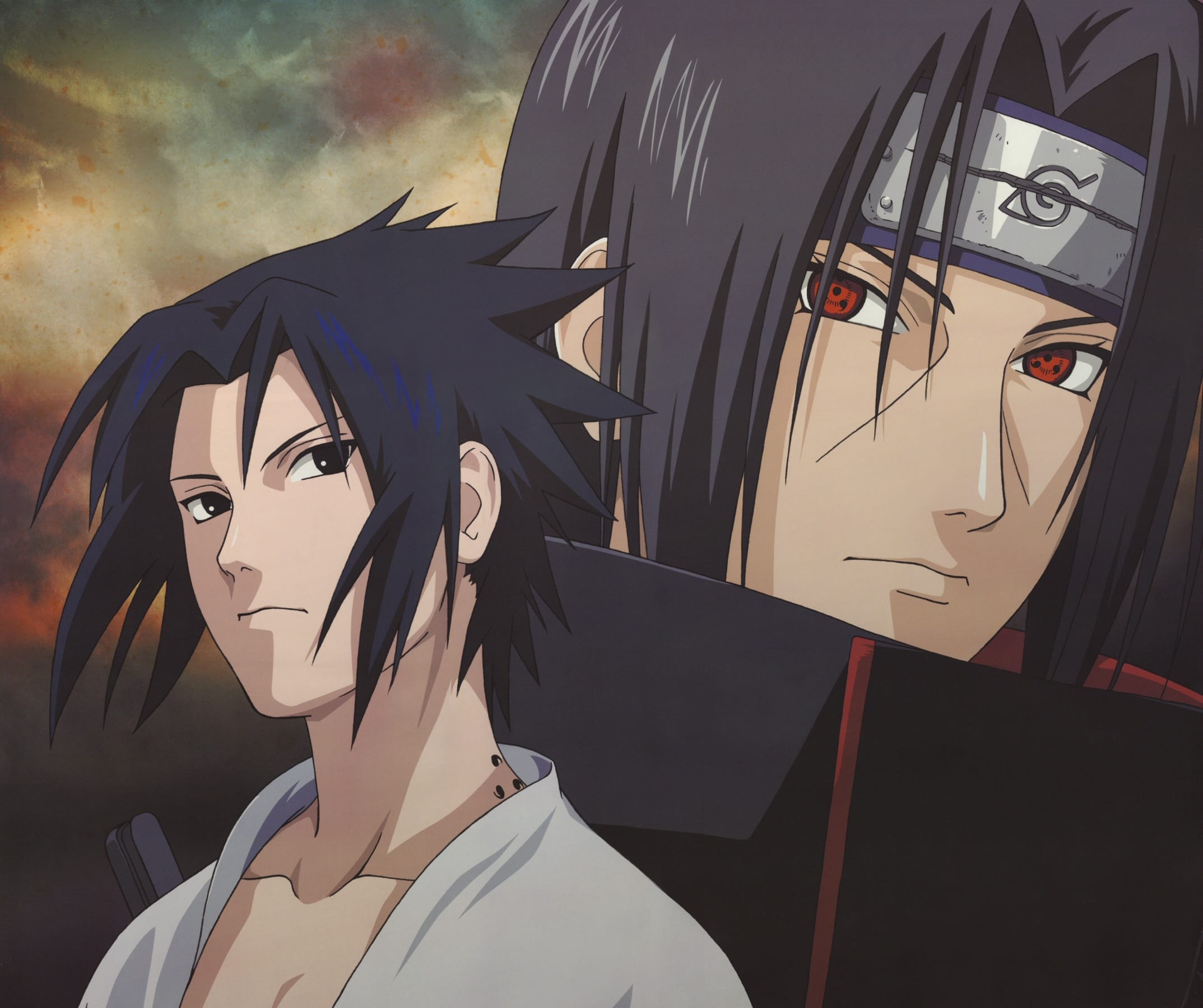
Tsukuyomi is Itachi’s signature move, and it’s genuinely brutal. The target is pulled into a genjutsu world controlled entirely by Itachi, where he can manipulate time perception. He once made Kakashi — one of the most genjutsu-resistant shinobi alive — experience three days of torture in the span of a single second. Kakashi needed days to recover. Most people subjected to Tsukuyomi are left mentally shattered.
Amaterasu is the other half of the equation — black flames that burn for seven days and nights, cannot be extinguished by conventional means, and will consume anything including other fire. Itachi planted Amaterasu in Sasuke’s eyes as a final contingency. If Tobi (Obito Uchiha) ever revealed himself to Sasuke, the flames would automatically activate. Even in death, Itachi was still running plays.
Susanoo — Itachi’s fully-realized ethereal armor — wielded the Sword of Totsuka and the Yata Mirror. The Sword of Totsuka seals anything it pierces into an eternal genjutsu dream, effectively making its targets untouchable forever. It sealed Orochimaru, removing one of the most persistent threats in the series almost casually. The Yata Mirror deflects any attack in existence. Together, they made Itachi essentially invincible. He chose not to deploy these tools until the very end — and he held back even then.
The Truth Revealed — Everything Itachi Hid From Sasuke
The reveal in Naruto Shippuden hits differently every time. After their final battle — after Itachi has let Sasuke think he’s winning, after Itachi has poked Sasuke’s forehead one last time, after Itachi whispers “Forgive me, Sasuke — this is the last time” — Itachi dies. And then Tobi tells Sasuke everything.
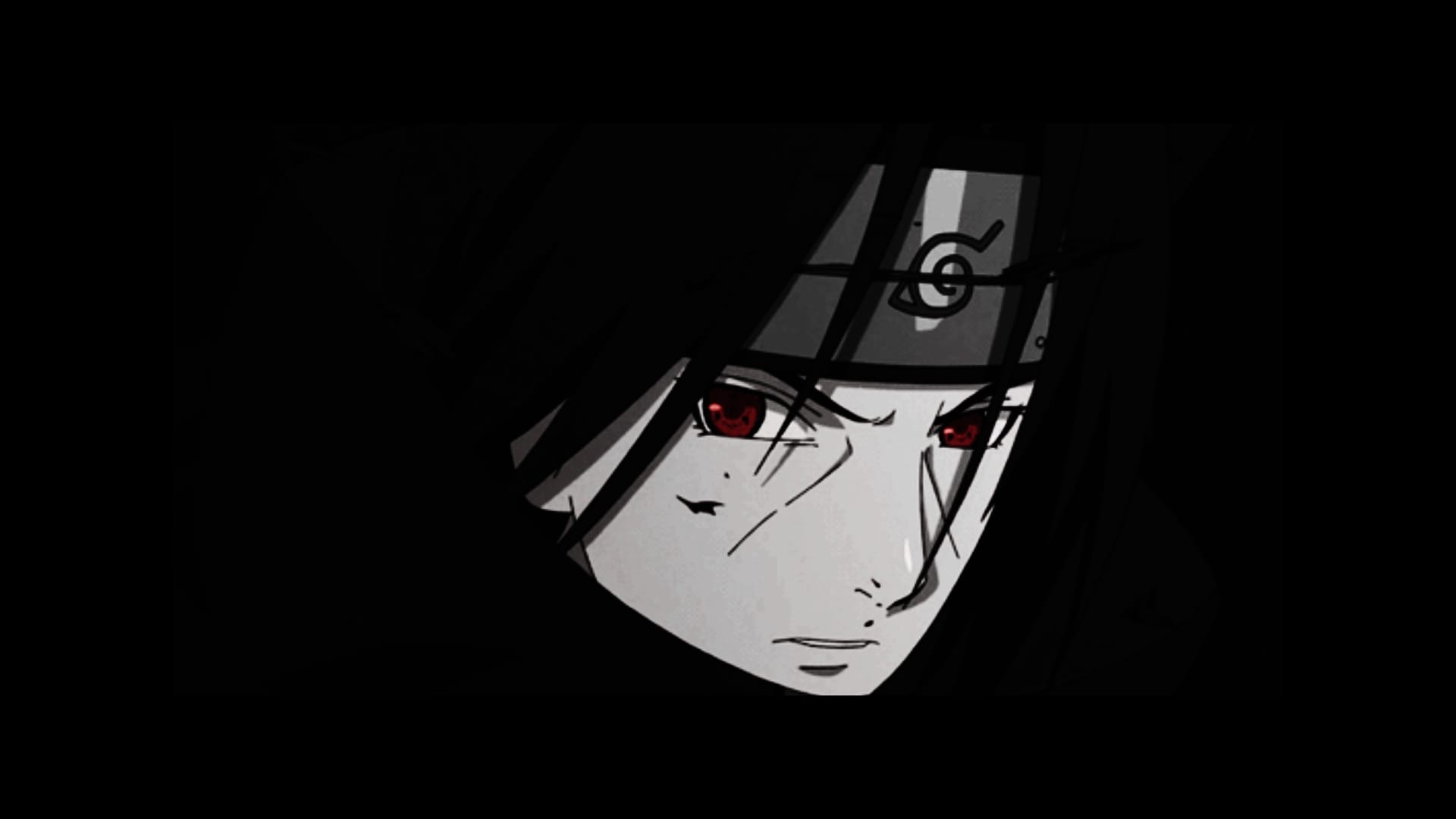
Sasuke’s entire identity collapsed in that conversation. The brother he hated, the monster he trained his whole life to kill, was the person most devoted to protecting him. The massacre wasn’t ambition. The cruelty wasn’t real. Every terrible thing Itachi did to Sasuke was to keep him alive, keep him out of Danzo’s clutches, and give him something to fight for. The village Itachi died protecting? They knew. They gave the order. Itachi was a hero the village forced to play a villain.
Itachi was later reanimated during the Fourth Great Ninja War via Edo Tensei, and it gave fans one of the most emotionally loaded scenes in the series: Itachi encountering Naruto, confronting his own mistakes, and eventually breaking free from Kabuto’s control through sheer willpower. He admitted he was wrong to handle everything alone. He acknowledged that his idea of sacrifice was flawed — that burdening Sasuke with false hatred wasn’t strength, it was arrogance. For a character already dead, it was remarkable character growth.
Itachi’s Legacy — Why the Fandom Still Can’t Get Over Him
Itachi Uchiha ranks consistently among the most popular anime characters of all time — routinely appearing in fan polls alongside Gojo Satoru, Levi Ackerman, and L Lawliet — and the reasons go beyond just “he had a cool design and good techniques.” Itachi represents something rare in shonen storytelling: a character whose full story requires total reassessment. You watch the first arc and he’s a villain. You watch the second arc and he becomes something far more complicated — a man who made a choice no one should ever be forced to make, executed it perfectly, and died without ever being able to tell his brother the truth.
The Itachi question that never goes away is: was he right? Not tactically — morally. He killed hundreds of people, many of whom had no direct involvement in the coup planning. He traumatized Sasuke in ways that sent him down a path of violence and destruction that cost even more lives. He did all of this in service of a village whose leaders forced his hand and then used his loyalty as a resource until the moment he died. The fandom doesn’t agree on the answer. That’s exactly why Itachi Uchiha endures.
Masashi Kishimoto built Itachi as a mirror held up to Naruto’s core theme: what does it mean to be a true shinobi? Naruto’s answer involves friendship, honesty, and never abandoning your teammates. Itachi’s answer was entirely different — sacrifice everything, carry the weight alone, let others hate you if it means they survive. Both answers have real weight. Neither is clean. The show is careful not to fully endorse Itachi’s choices, even while asking you to feel enormous sympathy for them.
Itachi Uchiha is also, quietly, one of the strongest arguments for rewatching Naruto Shippuden from the beginning after you know the full story. Every scene with Itachi becomes a different scene. Every menacing look is a man managing grief behind controlled eyes. Every moment of cruelty toward Sasuke is a calculation wrapped in love. The performance is already there — you just have to know how to watch for it. That rewatch quality is rare. It’s the mark of a character built for the long game.
Beyond the personal legacy, Itachi Uchiha changed the template for how complex characters can exist in shonen. Before Itachi, shonen antagonists were largely obstacles. After Itachi, the expectation shifted — audiences started asking what the villain’s real story was, what they were carrying, whether the framing they were given at the start of the story was actually true. Villains like Grimmjow, Vegeta, and Zuko all benefit from the same structural idea. But Itachi is the one who proved it could be executed without softening the horror of what the character actually did.
You Might Also Enjoy
If you’re deep in the Naruto lore rabbit hole, or just love analyzing complex anime characters, these articles are worth your time:
- Naruto Uzumaki’s complete character analysis — the other side of the coin, the boy who became Hokage by never giving up
- Why villain arcs hit harder than hero arcs — and why Itachi is the perfect case study
- Is Light Yagami actually a villain? — another deep dive into anime’s most morally complex characters
- Anime with the best character development — series that handle growth as well as Naruto did with Itachi
- Chrollo Lucilfer: perfect villain character analysis — how HxH built an antagonist just as layered as Itachi