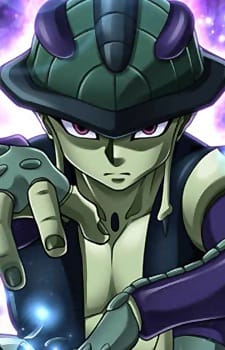
The Chimera Ant arc doesn’t ask if you’re ready—it simply devastates you. Spanning 61 episodes (76-136), Hunter x Hunter’s most ambitious arc transforms a shonen action series into philosophical exploration of humanity, violence, and love. Here’s why it’s considered not just Hunter x Hunter’s peak, but one of anime’s greatest achievements.
The Setup: When Hunter x Hunter Gets Dark
The arc begins deceptively simply. Giant insects called Chimera Ants wash ashore in the NGL (Neo-Green Life), a nature-preserving nation that banned technology. The Queen begins consuming humans to produce stronger offspring, each generation inheriting consumed prey’s intelligence and abilities.
What starts as creature-horror becomes existential crisis. The ants aren’t mindless monsters—they retain human memories, emotions, and conflicts. Squadron Leaders develop individual personalities. The Royal Guards exhibit devotion indistinguishable from love. And the King, Meruem, emerges as perhaps anime’s most complex antagonist.
Hunter x Hunter spent 75 episodes establishing its world, characters, and power system. The Chimera Ant arc weaponizes all that setup, creating consequences that hit harder because we’re invested in everyone involved.
Meruem: The Monster Who Became Human
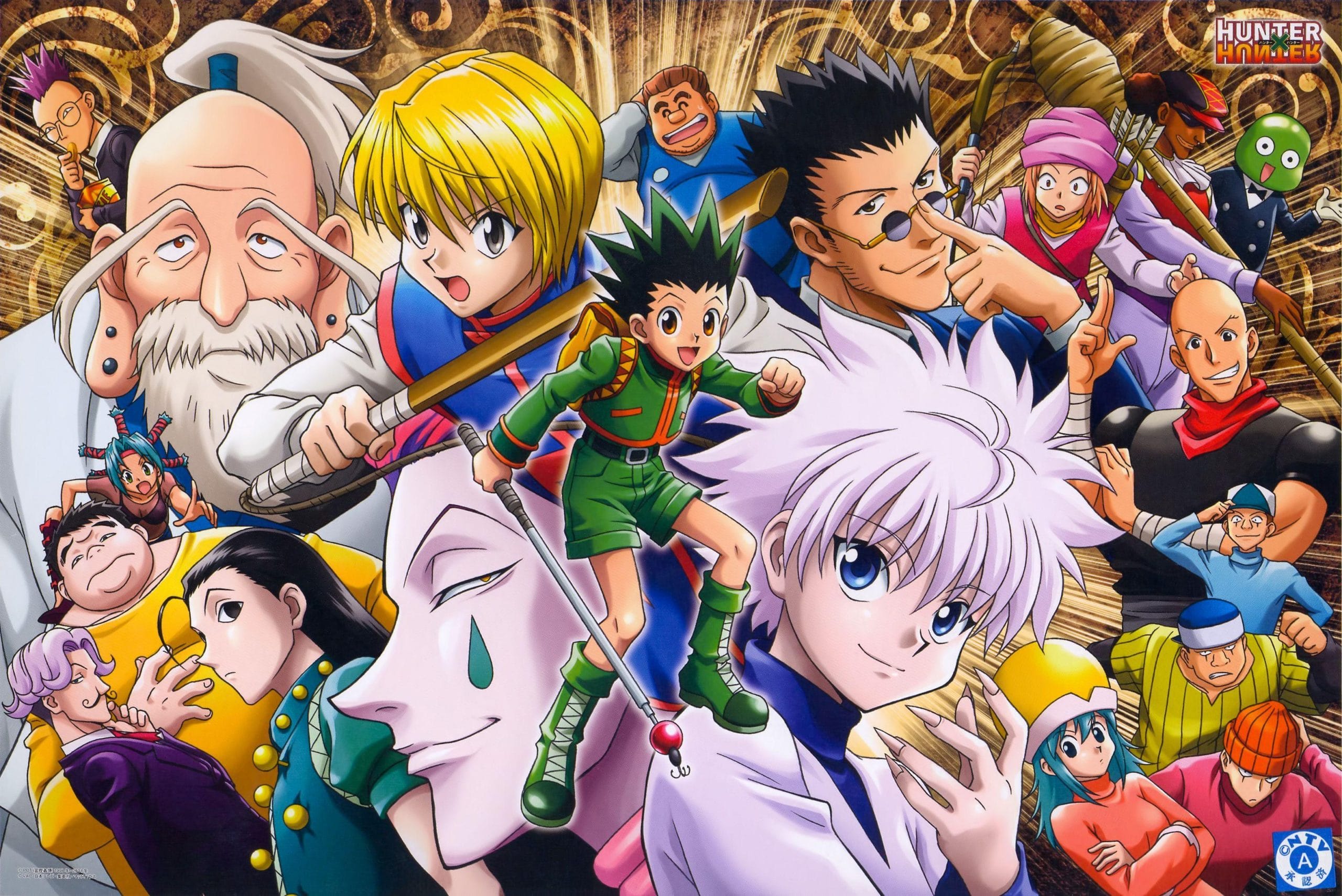
Meruem begins as incarnate superiority—born to rule, viewing humans as food or entertainment. His initial scenes establish casual cruelty: killing his own soldiers for annoyance, dismissing human existence as irrelevant. He’s the perfect villain, completely convinced of his supremacy.
Then he meets Komugi, a blind Gungi champion with no combat ability whatsoever. She defeats him repeatedly at the board game, something no one had ever done. Meruem’s worldview cracks—if he’s truly superior, why can’t he beat this fragile human girl at a simple game?
Their relationship becomes the arc’s emotional core. Meruem’s transformation from monster to someone capable of genuine love mirrors humanity’s own capacity for change. By the arc’s end, he’s not defeated—he’s transcended, finding meaning not in conquest but connection. His final moments with Komugi rank among anime’s most emotionally devastating scenes.
Gon’s Descent: The Hero Becomes Horror
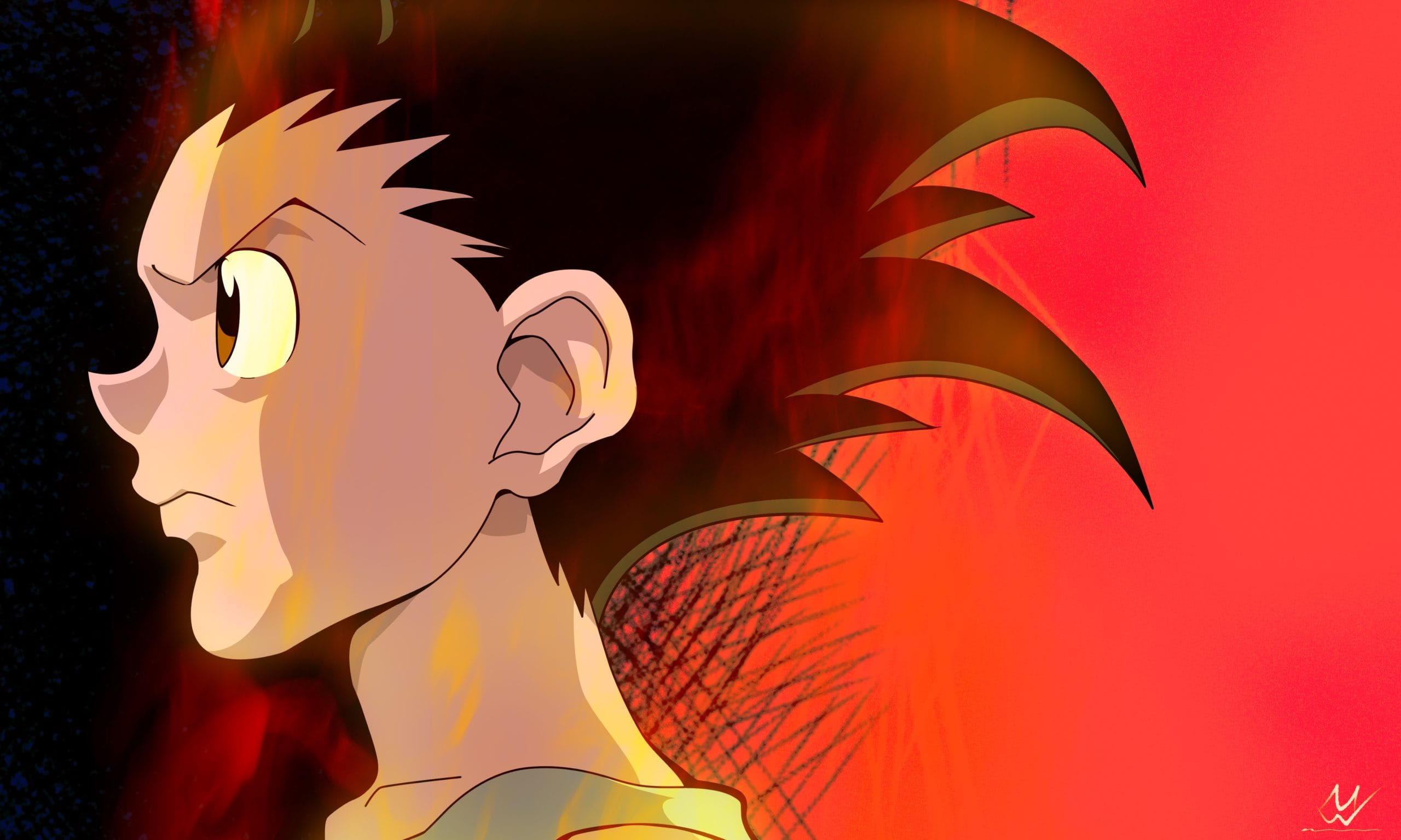
While Meruem rises toward humanity, Gon falls away from it. Kite’s death at Neferpitou’s hands breaks something fundamental in Hunter x Hunter’s protagonist. The cheerful adventurer becomes obsessed, singular in purpose: killing Pitou regardless of cost.
Episode 116, “Revenge x And x Recovery,” shows Gon’s complete transformation. His vow—trading all future potential for immediate power—creates Adult Gon, a form so powerful it threatens Royal Guards but costs everything. This isn’t heroic sacrifice; it’s self-destruction motivated by rage.
The horror isn’t that Gon becomes powerful—it’s that he becomes wrong. His single-minded vengeance mirrors the very monstrosity he’s fighting. Killua can only watch, unable to reach his friend through obsession’s wall. The arc refuses to justify Gon’s actions; it simply shows their cost.
The Palace Invasion: Anime’s Best Battle Sequence
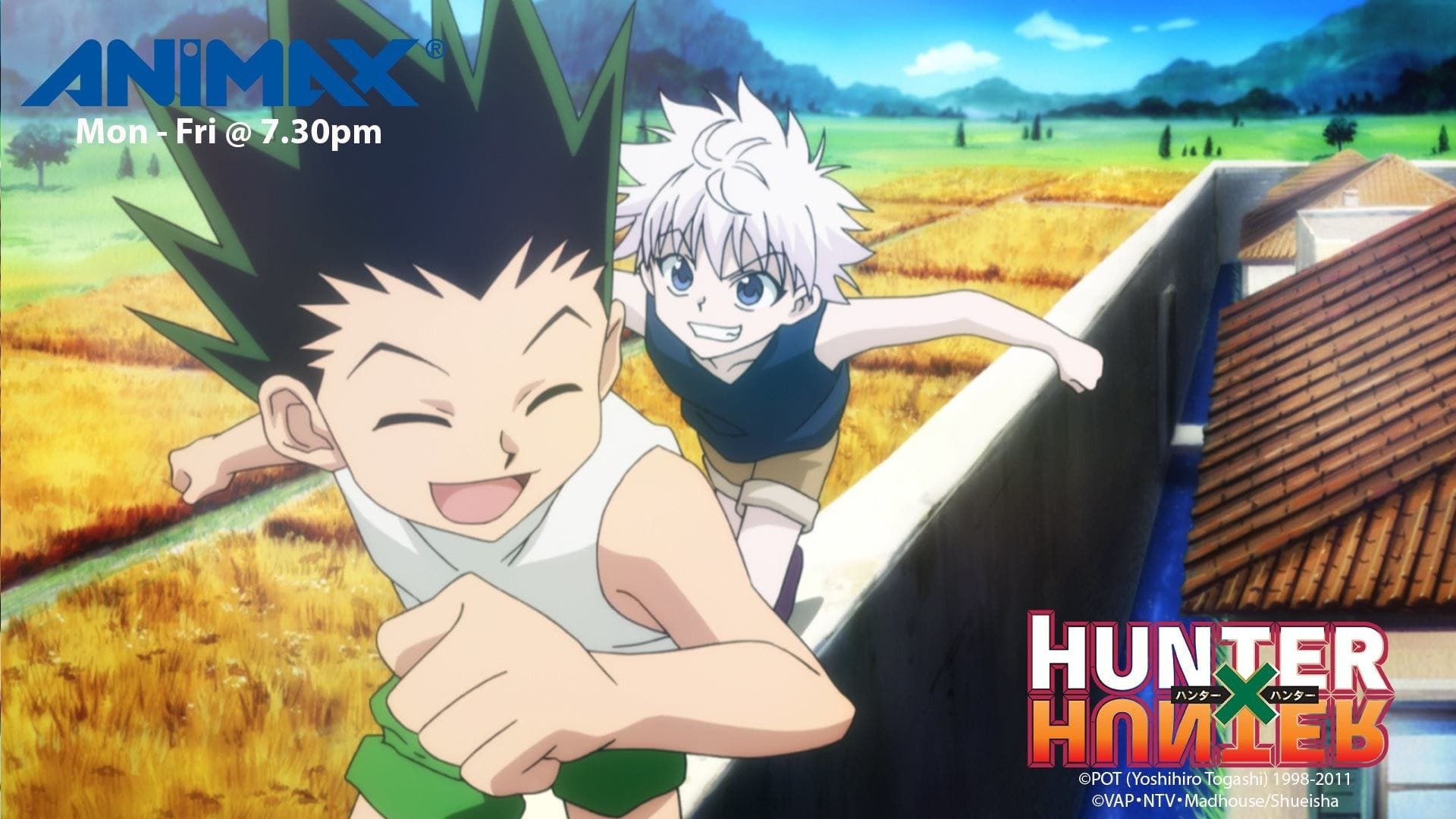
The assault on the Royal Palace represents peak anime execution. Multiple parties with different objectives—Netero seeking the King, Knuckle and Shoot targeting Youpi, Killua facing Pouf, Gon hunting Pitou—intersect across real-time narration that tracks every second.
Togashi’s narrative approach here is revolutionary. The narrator explains tactical decisions, emotional states, and split-second timing. What could be chaotic becomes crystal clear—we understand exactly what’s happening and why, making each outcome hit harder.
Individual fights showcase Nen’s full potential. Knuckle’s bankruptcy strategy against Youpi, Killua’s Godspeed against Royal Guard speed, Netero’s Zero Hand against Meruem—each battle reveals new applications of the power system established throughout the series. The setup pays off in ways that reward long-term viewers.
Netero vs. Meruem: The Ultimate Fight
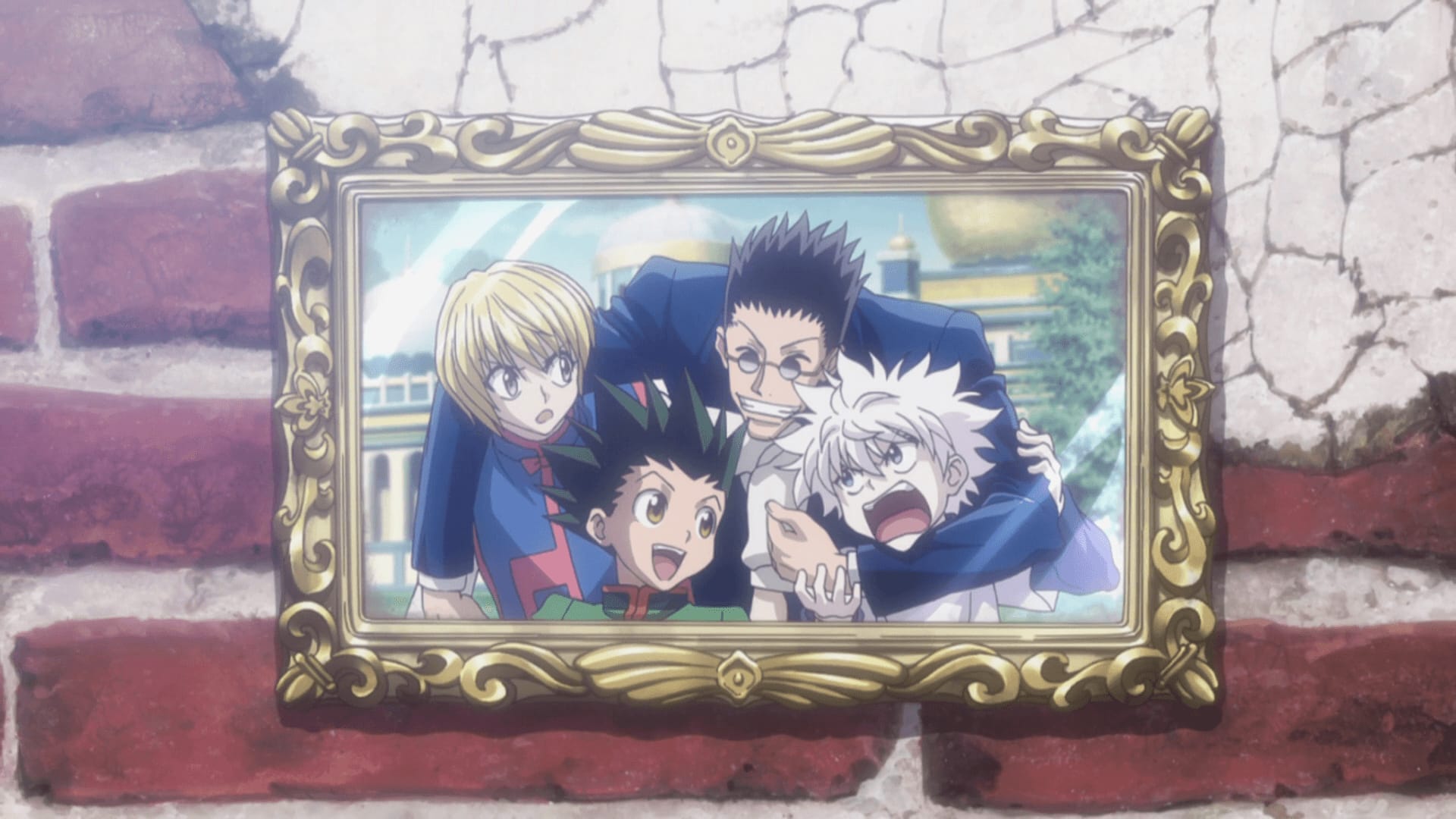
Chairman Netero versus the Chimera Ant King represents anime’s ultimate power confrontation. An elderly human who spent decades in solitary training against a being designed to surpass all life—the matchup shouldn’t be competitive.
Yet Netero’s Hundred-Type Guanyin Bodhisattva creates enough volume to matter. Thousands of attacks land, each individually useless, cumulatively damaging. The fight becomes attrition—can Netero’s human body endure long enough to hurt the King?
The answer involves humanity’s greatest shame: nuclear weapons. Netero’s Poor Man’s Rose, buried in his heart, detonates upon death. Meruem survives initially but the poison proves fatal. Humanity wins not through strength, skill, or virtue—but through willingness to destroy everything, including ourselves.
This outcome devastates because it’s honest. Humans didn’t earn victory through training arcs or power-ups. We won through our capacity for mutual annihilation, a “strength” that condemns as much as it saves.
Komugi and Meruem: The Final Game
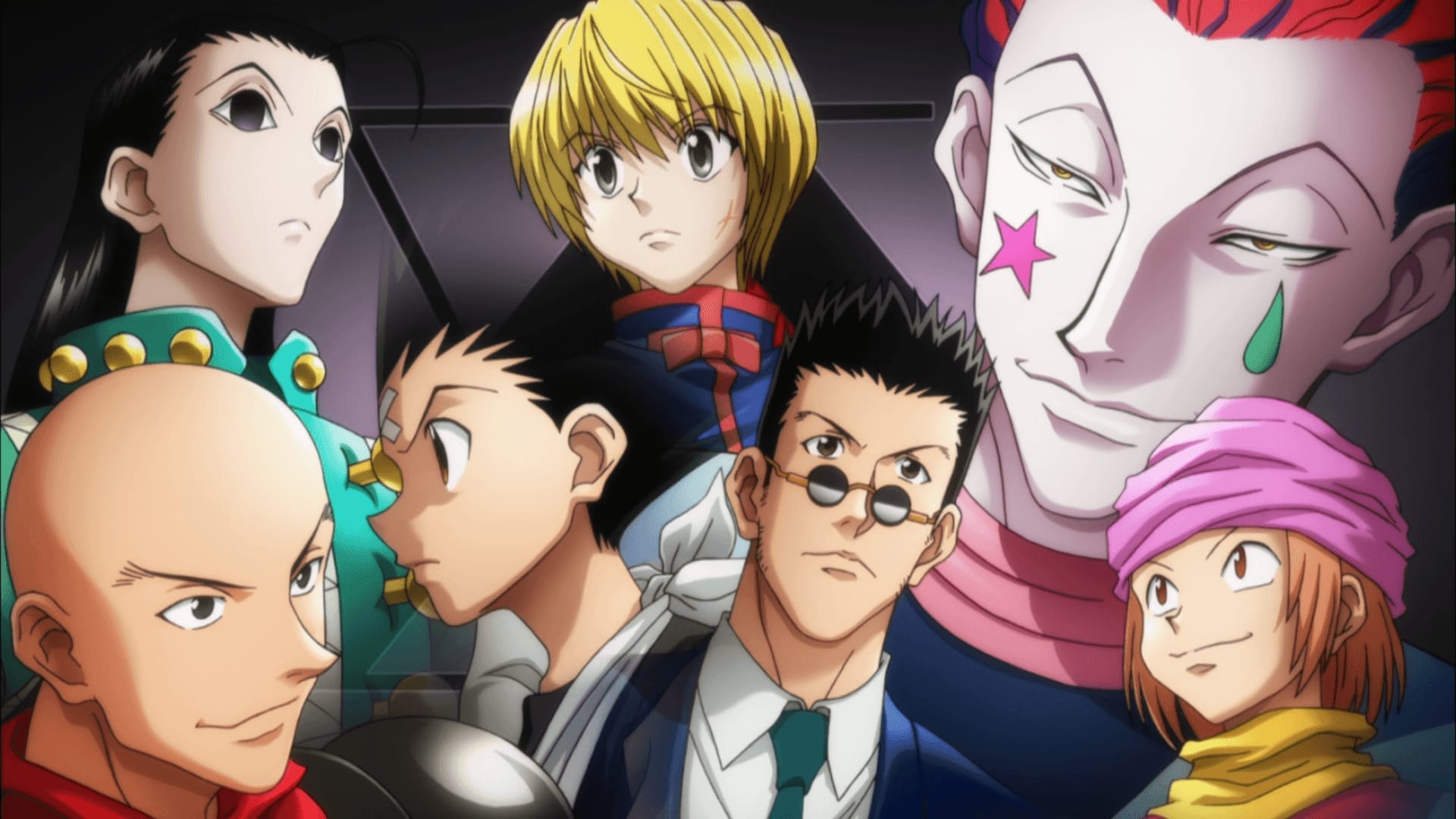
The arc’s conclusion belongs to Komugi and Meruem. Dying from radiation poisoning, Meruem seeks one final Gungi match with the girl who changed him. She chooses to stay, knowing the poison will kill her too. They play until Meruem can no longer see the board, until memory alone guides his pieces.
His final question—asking if she’ll stay until the end—and her tearful “yes” represent anime’s most quietly devastating moment. No explosions, no dramatic speeches. Just two beings who found meaning in each other, choosing to die together rather than apart.
The monster became human. The human chose the monster. Every philosophical question the arc raised about humanity’s worth resolves in this simple scene of connection transcending species, circumstance, and death itself.
Why It Works: Execution at Every Level
The Chimera Ant arc succeeds through cumulative craft:
Pacing: 61 episodes allow proper development of multiple characters and themes. Nothing feels rushed or padded—every episode serves purpose.
Character Work: Even minor ants receive meaningful arcs. Ikalgo, Welfin, Palm—characters who could be forgettable become essential to thematic resolution.
Thematic Coherence: Every subplot reinforces central questions about humanity. What makes us human? Can we change? Is violence ever justified? The arc explores without providing easy answers.
Emotional Investment: 75 episodes of setup make consequences matter. When characters suffer, we suffer because we’ve grown attached through five arcs of development.
The Verdict: Why It’s the Masterpiece
The Chimera Ant arc transcends shonen conventions entirely. It’s not about Gon winning—he loses himself in the process. It’s not about defeating evil—the villain dies as the most sympathetic character. It’s not about power progression—strength without humanity means nothing.
Hunter x Hunter’s greatest achievement asks whether humanity deserves to survive and answers with devastating ambiguity: maybe, sometimes, if we’re capable of the love Komugi and Meruem found. That conditional hope, earned through 61 episodes of brutal honesty, makes the Chimera Ant arc anime’s genuine masterpiece.
For those who haven’t experienced it: prepare to be changed. For those who have: you understand why words inevitably fail to capture what this arc achieves.
You Might Also Like
- Killua Zoldyck: Hunter x Hunter’s Assassin With a Heart
- Hunter x Hunter Nen System Explained: The Most Complex Power System in Anime
- Best Anime of Winter 2026: Complete Guide and Rankings