
Anime burnout is real. You’ve watched so much that nothing excites you anymore. Every new season feels same-y. The hobby that once brought joy now feels like obligation. If this sounds familiar, you’re experiencing burnout—and it’s more common than you think. Here’s how to recognize it, prevent it, and recover from it.
 anime_3990-1771367462.webp” alt=”Taking a break from anime“>
Recognizing Anime Burnout

Common Symptoms
- Dropping shows constantly: Starting many series but finishing none
- Chasing novelty: Only interested in whatever’s newest, can’t commit to anything longer
- Cynicism: Criticizing everything, finding flaws instead of enjoyment
- Obligation viewing: Watching to stay current rather than because you want to
- Nostalgia trap: Believing nothing new can match what you watched before
- Reduced emotional response: Scenes that should affect you don’t
Why It Happens
Burnout typically results from overconsumption without breaks. When anime becomes your primary or only entertainment, you exhaust the dopamine response associated with it. What once felt special becomes routine. The novelty that initially attracted you fades through repetition.
Additionally, watching seasonally—following every new show—creates consumption pressure. You watch to “keep up” rather than because individual shows interest you. This external motivation replaces internal enjoyment.
Prevention Strategies
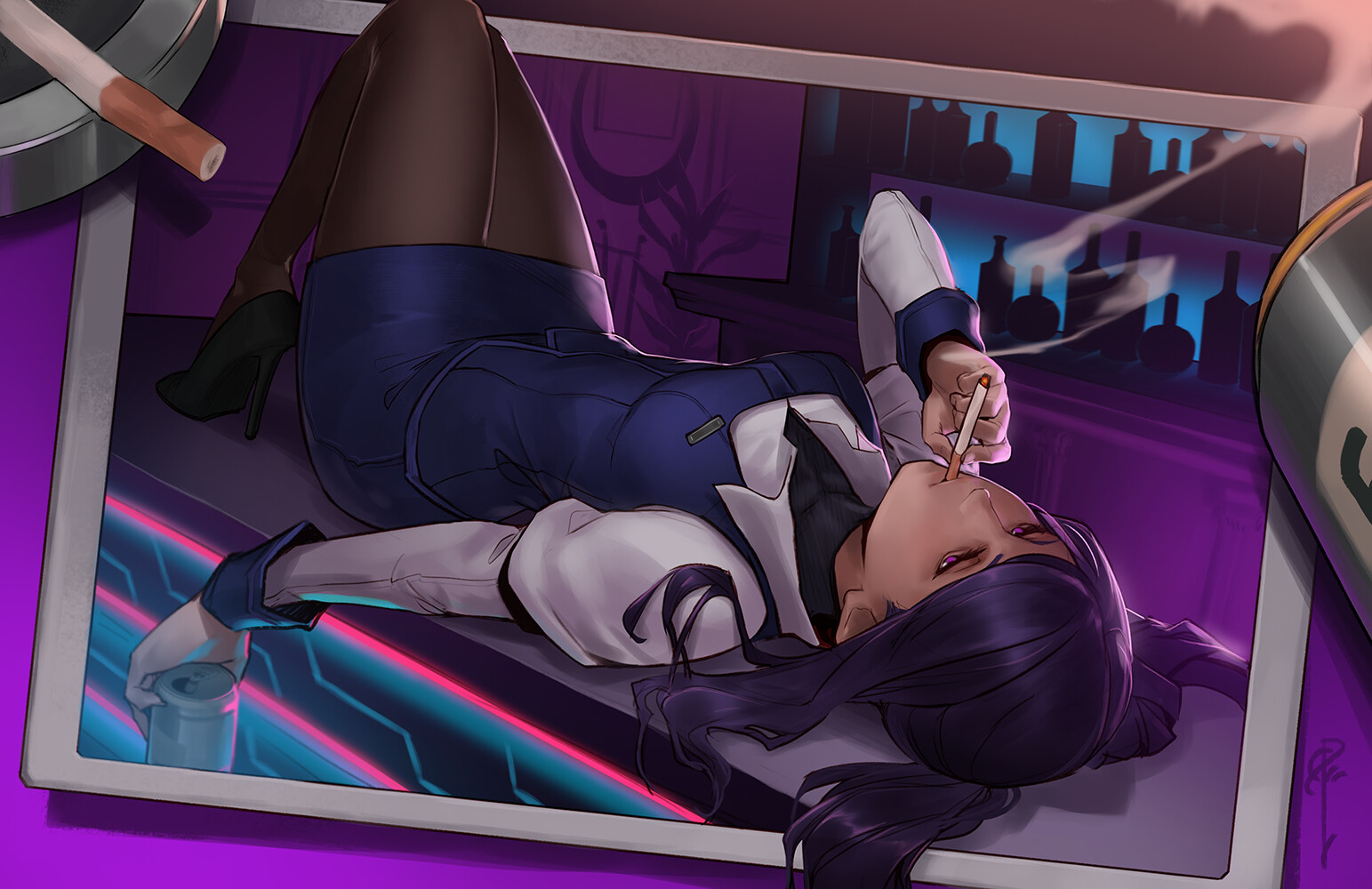
Diversify Your Media Diet
Anime shouldn’t be your only entertainment. Watch live-action shows, read books, play games, explore other media forms. This variety prevents any single medium from becoming exhausted. When you return to anime after consuming other content, it feels fresh again.
The goal isn’t abandoning anime—it’s ensuring anime remains one pleasure among many rather than your only source of entertainment.
Quality Over Quantity
You don’t need to watch everything each season. Be selective. Research shows before starting. Watch what genuinely interests you rather than everything that exists. Missing seasonal anime isn’t failure—it’s healthy consumption.
Three shows you love beat ten shows you watch from obligation. Adjust expectations about how much you “should” consume.
Take Intentional Breaks
Periodically step away from anime entirely. A week without anime won’t cause you to miss anything important. Monthly or quarterly breaks let your appreciation reset. You’ll return with fresh perspective.
During breaks, don’t passively consume anime content (clips, reviews, discussions). Genuine breaks require genuine distance.
Avoid Seasonal Pressure
The simulcast model creates artificial urgency. New episodes drop weekly; discussions happen in real-time; spoilers threaten latecomers. This pressure drives overconsumption.
Resist it. Shows don’t disappear. Watching something months or years after release is completely valid. Let seasonal viewers generate buzz, then watch completed series at your pace.
Rediscover Why You Started
What originally drew you to anime? The visual style? Specific genres? Emotional resonance? Reconnect with that original appeal. If you started with action shonen but now watch everything, maybe returning to action shonen specifically would reignite interest.
Recovery Strategies
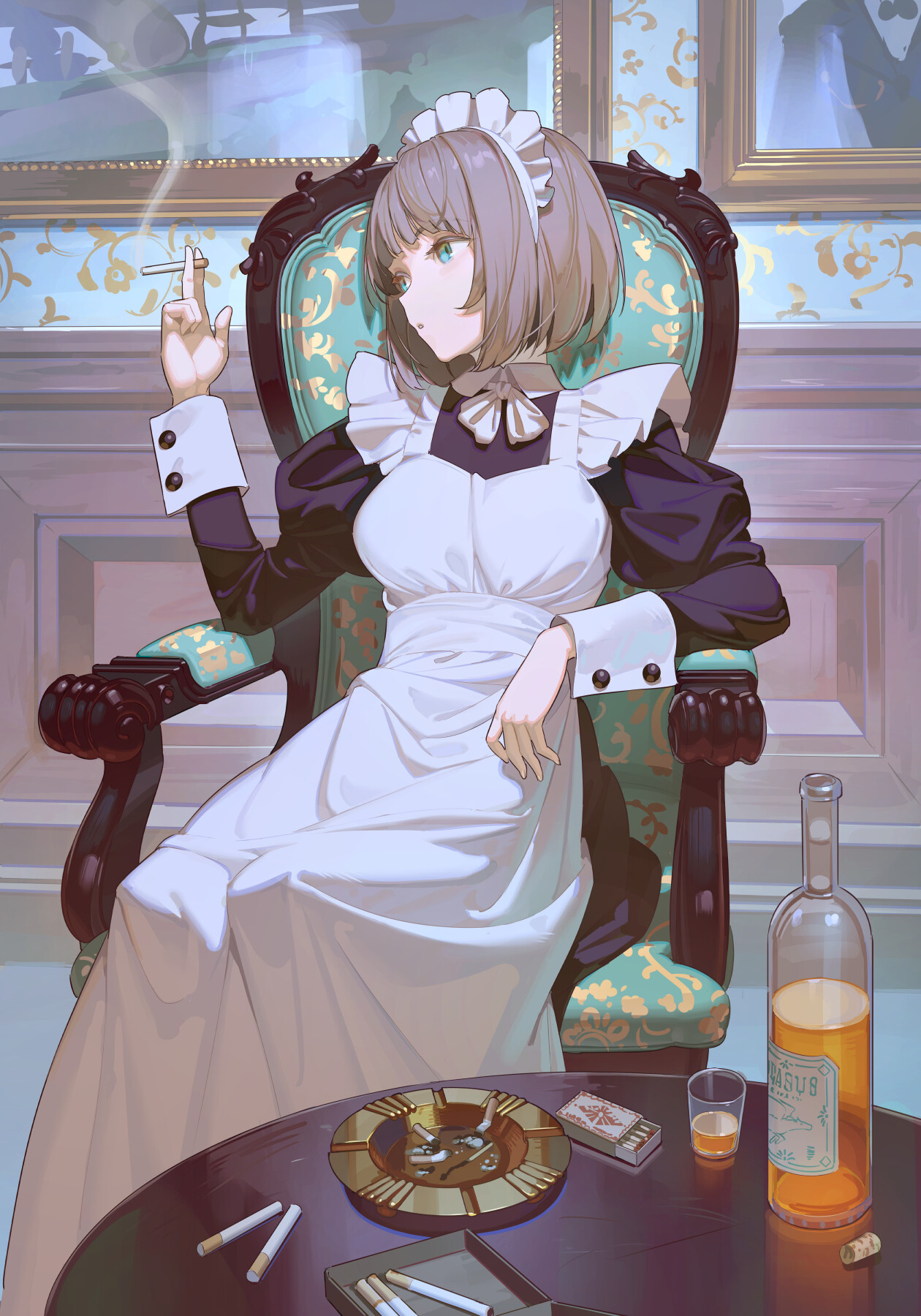
Complete Break
If you’re already burnt out, longer break may be necessary. Weeks or even months away from anime lets psychological association reset. Don’t force viewing when it doesn’t bring enjoyment—forcing creates negative association that worsens burnout.
Revisit Favorites
Rewatch shows you loved rather than seeking new content. Familiar comfort can restore positive association with anime. The scenes you already love will remind you why you enjoyed the medium.
Try Different Genres
If you’ve burnt out on action anime, try slice of life. If shonen exhausted you, explore josei. Genre fatigue can masquerade as medium fatigue. Switching genres within anime might solve the problem without requiring complete break.
Watch With Others
Social viewing can restore enjoyment that solo viewing lost. Watching with friends who provide commentary, discussion, and shared reactions adds dimension that pure content consumption lacks. Anime clubs, Discord watch parties, or simply friends at your house transform viewing experience.
Lower Stakes
Stop watching “important” anime you feel obligated to complete. Watch purely for fun with no completion pressure. Short series, comedies, anything without heavy investment. Restore the casual enjoyment before returning to more demanding shows.
Adjusting Your Relationship
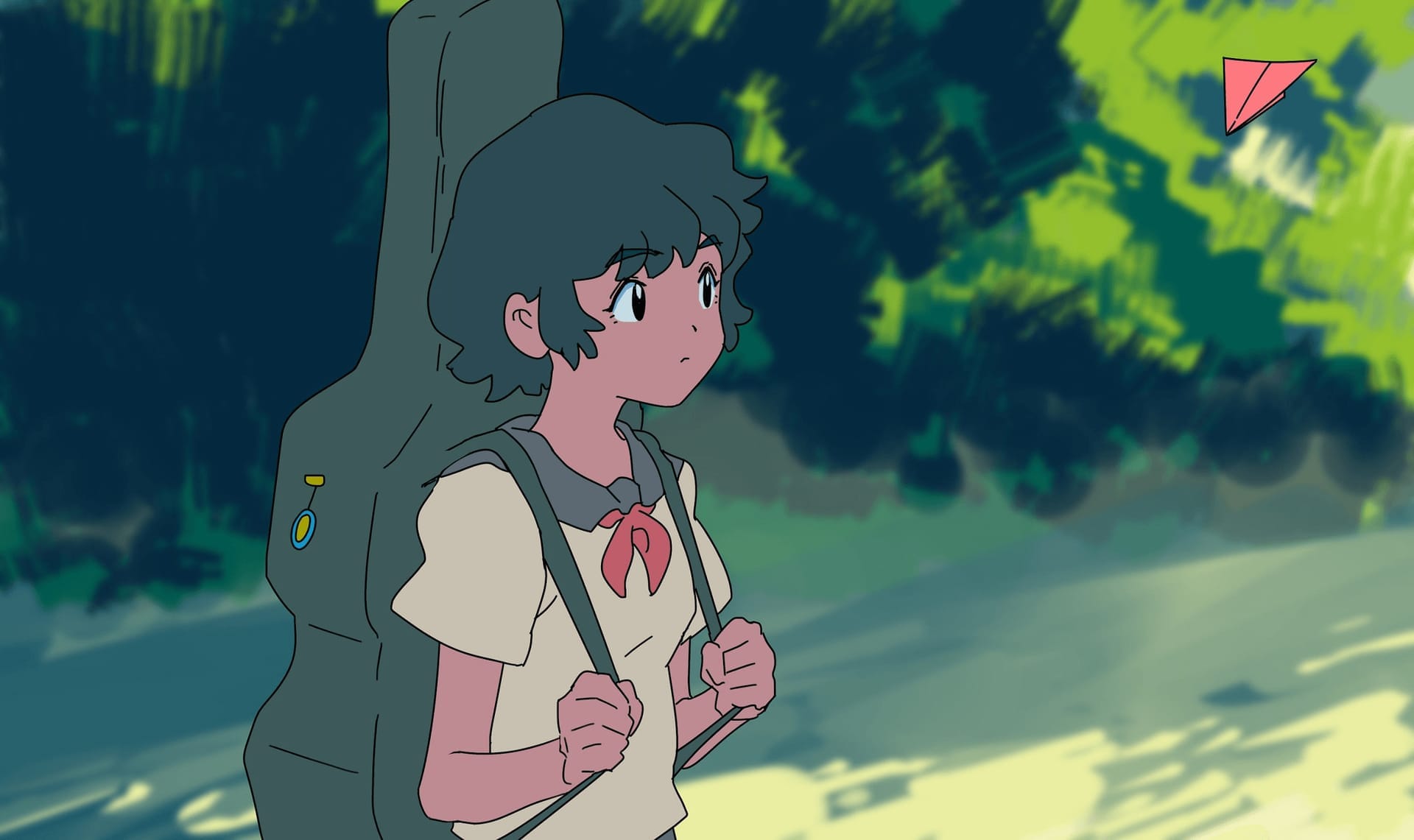
Anime as Hobby, Not Identity
When anime becomes core identity, burnout threatens self-concept. Developing multiple interests prevents this trap. Being a person who enjoys anime (among other things) is healthier than being “an anime fan” as primary identity.
Accepting Changing Taste
Your preferences at 30 differ from preferences at 16. Shows that excited you once may not work anymore—not because they’re worse, but because you’ve changed. Accept this evolution rather than forcing yourself to enjoy what you used to.
Similarly, accept that some anime you “should” like based on reputation might not work for you. Personal taste matters more than critical consensus.
Letting Go of Completionism
You don’t need to watch everything. You don’t need to finish shows you’re not enjoying. Dropping series isn’t failure; it’s healthy curation. Your time has value—spend it on things you enjoy.
The Seasonal Trap
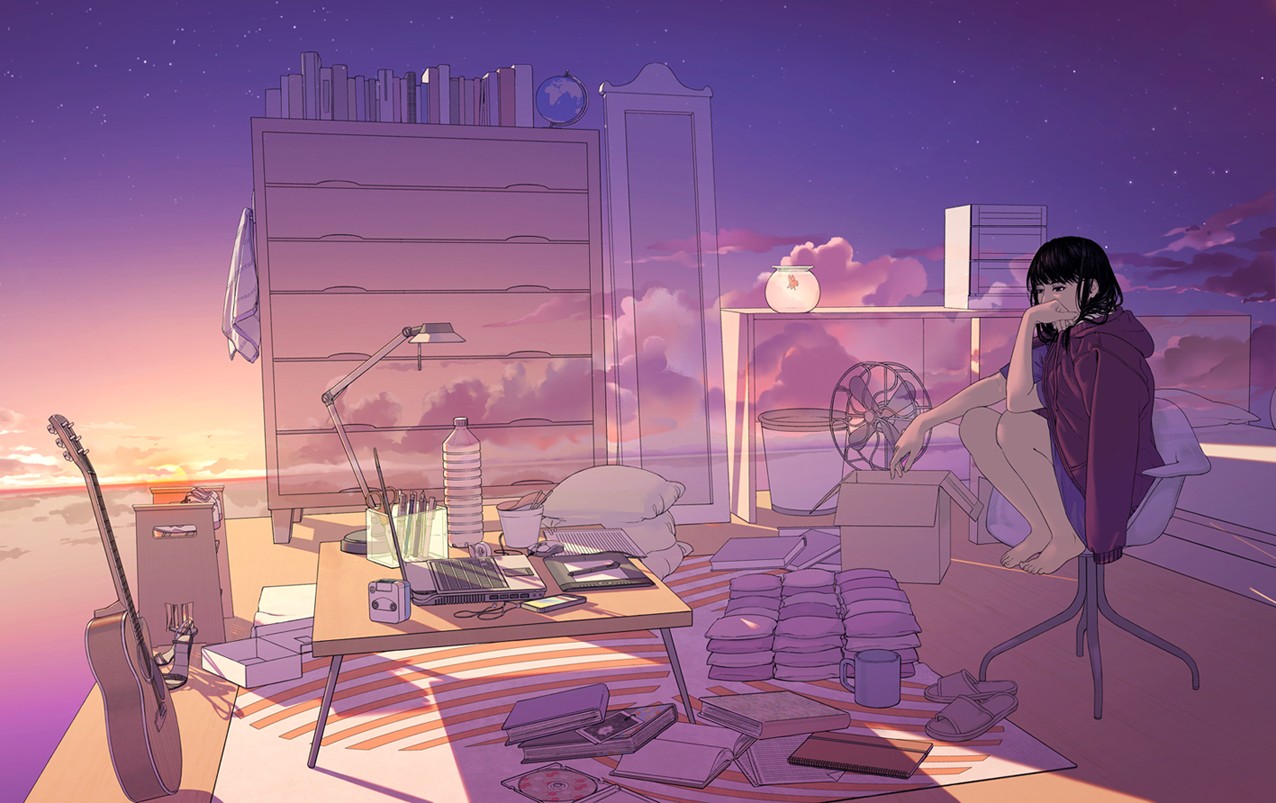
FOMO and Social Media
Social media creates fear of missing out on seasonal shows. Everyone’s discussing the latest episode; you feel excluded if you haven’t seen it. This FOMO drives consumption beyond healthy levels.
Solution: curate your feeds. Unfollow or mute seasonal discussion if it creates pressure. The discussion will exist when you’re ready to join it. Being behind isn’t shameful.
The Backlog Problem
Many anime fans accumulate massive backlogs of shows they “plan to watch.” This backlog becomes source of guilt—so much unwatched content, so little time. The backlog grows faster than you can reduce it.
Solution: delete the backlog. Seriously. If something’s been on your list for years without you watching it, you probably won’t. Keep only what you’re actively interested in right now. The backlog is supposed to serve you, not stress you.
When Burnout Might Be Something Else
Sometimes what feels like anime burnout is actually depression, general anhedonia, or life stress affecting all enjoyment. If you’ve lost interest in everything—not just anime—the solution isn’t anime-specific strategies. Consider whether broader mental health support might help.
The Goal: Sustainable Enjoyment
Anime should enrich your life, not drain it. Sustainable viewing means watching amounts that maintain enjoyment over years, not cramming consumption until burnout. The fans who enjoy anime longest are those who pace themselves.
Burnout isn’t character flaw—it’s natural response to overconsumption. With intentional breaks, diversified interests, and adjusted expectations, you can maintain healthy relationship with anime indefinitely.
The shows will wait. Your enjoyment of them is what matters.