How Hinata and Kageyama First Collided — and Why It Stuck
The Hinata vs Kageyama rivalry is one of the best things to happen to sports anime, full stop. Before these two ever set foot on the same court as teammates, they faced off in a middle school match that ended in total humiliation — for Hinata. Kageyama, already dubbed the “King of the Court” at Kitagawa Daiichi, dismantled Hinata’s makeshift team almost single-handedly. Hinata had scraped together enough players just to compete, showed up full of fire, and got absolutely torched. It was brutal, one-sided, and weirdly formative for both of them.
What makes that first encounter so crucial isn’t the result — it’s what each player walked away carrying. Hinata left with a name burned into his memory: Kageyama Tobio. The guy who made volleyball look effortless, who commanded a court like he owned it, who Hinata absolutely had to surpass. Kageyama, meanwhile, barely registered Hinata at all. That asymmetry is sharp and totally intentional. One player is already obsessed. The other doesn’t even know the rivalry exists yet.
Fast-forward to Karasuno High, where the universe decides these two idiots belong on the same team. Their reunion in the gym is electric — Hinata shows up ready to declare war, Kageyama shows up wondering why the short kid keeps appearing. The tension is immediate, petty, and honestly hilarious. Coach Ukai and the upperclassmen basically have to separate them like fighting cats. It sets the tone for everything that follows: these two push each other to extremes, and the friction between them is exactly what makes them both better.
Their forced partnership — ordered by the team under threat of both being benched — is one of sports anime’s greatest “reluctant duo” setups. Neither wanted it. Both needed it. And watching them figure out how to coexist, compete, and eventually trust each other is the emotional spine of the entire Haikyuu series.
Opposite Skillsets, Perfect Volleyball Chemistry
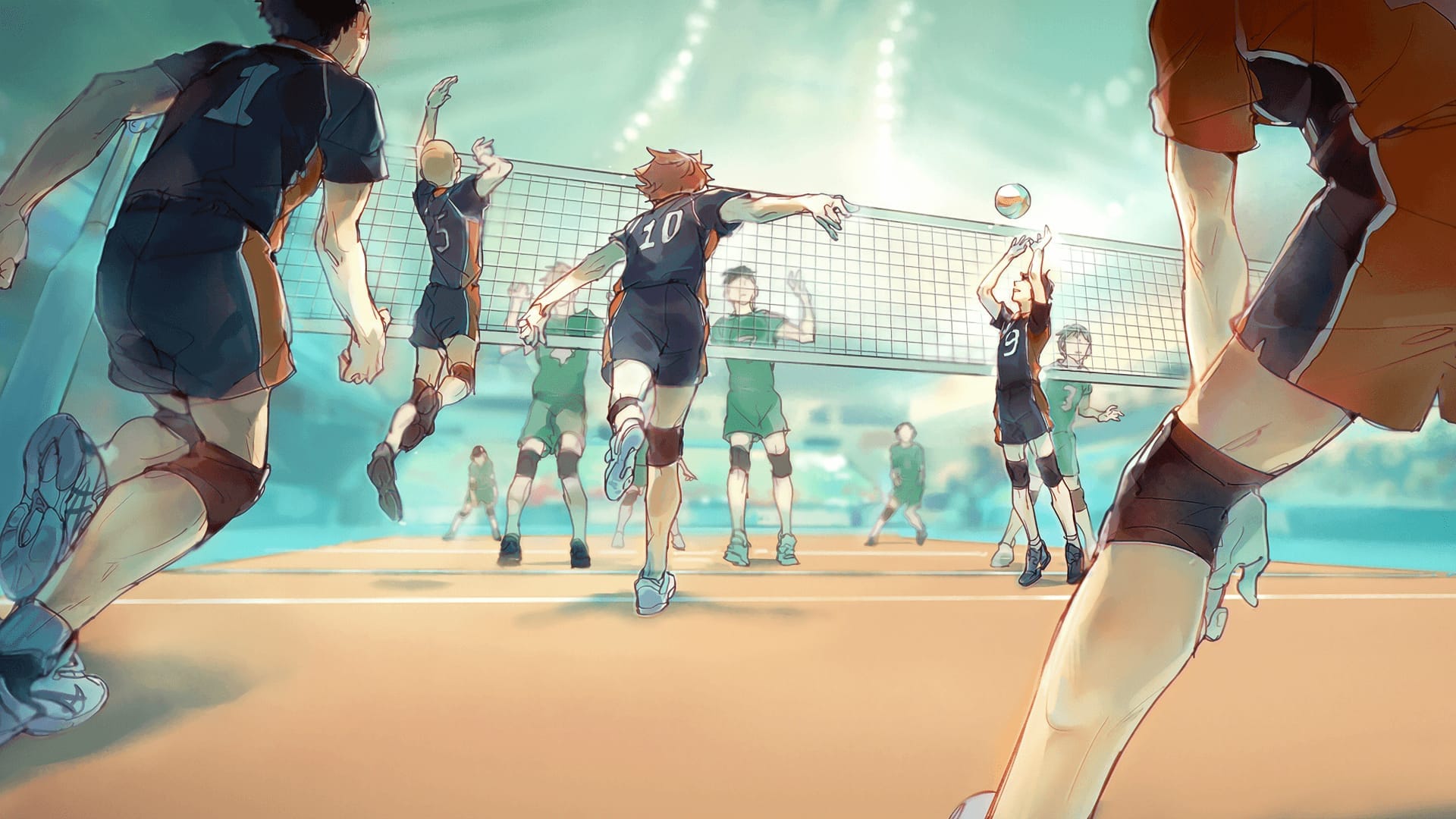
Part of what makes the Hinata vs Kageyama dynamic work so brilliantly is that these two are volleyball opposites who happen to complete each other. Hinata is all instinct, athleticism, and chaotic energy. His jump is absurd for his height — the kid has springs for legs — but his technique is raw, his court awareness is developing slowly, and his sets are wildly inconsistent. He’s a natural athlete who hasn’t yet learned how to be a volleyball player. He feels the game before he understands it.
Kageyama is the mirror image. His technical foundation is immaculate. His sets are surgically precise — he can place a ball exactly where a spiker needs it, adjusting mid-motion to impossible positions. His volleyball IQ is stratospheric. What he lacks, at least at the start, is the interpersonal intelligence to use all that skill effectively. He’s spent years setting to the “ideal” spiker in his head rather than adapting to the actual humans on his team. That rigidity is why his Kitagawa Daiichi teammates eventually stopped moving for his sets — and why he earned the “King” label as a curse rather than a compliment.
Together, though? They’re something no one has seen before. Hinata’s speed and vertical combined with Kageyama’s precision creates the “freak quick” — a spike so fast that blockers physically cannot track it. Hinata doesn’t even see the set before he swings; he just trusts Kageyama will put it exactly where he needs it. That blind trust, built slowly and painfully over hundreds of practice sessions, becomes one of the most compelling relationships in the series. It’s not just a sports technique. It’s a metaphor for how much these two have grown to rely on each other.
What’s also great is that their chemistry highlights their individual weaknesses and forces growth. Kageyama has to actually communicate with Hinata, which means learning to adapt his setting style rather than demand perfection from his spiker. Hinata has to develop enough volleyball instinct to be a reliable partner rather than just a projectile. Neither gets to coast on raw talent alone. The partnership demands that they both level up — together and separately.
The Rivalry’s Biggest Moments: Where Haikyuu Really Turns Up the Heat

The Haikyuu rivalry between these two isn’t a slow burn — it ignites fast and stays hot across every arc. The early training camps are where things get genuinely interesting. When Kageyama gets called up to the All-Japan Youth Camp and Hinata crashes Shiratorizawa’s training camp uninvited (as a ballboy, no less), the physical separation forces both of them to confront who they are without each other. Kageyama is surrounded by players who can actually match his level. Hinata is observing top-tier volleyball from the ground up, absorbing everything like a sponge. Both are humbled. Both come back transformed.
The moment Hinata starts receiving serves — seriously, consistently — is one of the quietly massive turning points in the series. For most of Haikyuu’s run, Hinata’s positioning during serves was a liability the team worked around. Watching him train in silence, away from Kageyama, and return with an expanded game sends a clear signal: he’s not just Kageyama’s projectile anymore. He’s becoming a complete volleyball player. And Kageyama notices. You can see it.
Then there are the head-to-head moments that the Karasuno rivalry fans live for. During the Interhigh and Spring High qualifiers, every game Karasuno plays sharpens the dynamic between them. But it’s the later arcs — particularly when they’re both selected for national-level opportunities — where the rivalry stops being about one-upping each other and starts being about mutual respect wrapped in competitive fire. Kageyama’s growth at the All-Japan camp, where he’s pushed to develop a new setting style, is directly paralleled by Hinata’s grind at Shiratorizawa. They’re not watching each other. They’re racing each other, invisibly.
The Brazil arc, where Hinata heads to beach volleyball and Kageyama continues on his own path in Japan, is the series’ boldest statement about the rivalry. They’re separated by thousands of miles, developing completely independently, and yet their trajectories are still in conversation. When they finally reunite on opposing teams in the professional league — Hinata for the MSBY Black Jackals, Kageyama for the Schweiden Adlers — the payoff is enormous. Two kids who started as enemies, became partners, became rivals again, and finally face each other as peers at the highest level. That’s a complete arc.
The Trash Heap Showdown: When the Rivalry Goes Next-Level
If there’s a single match that crystallizes what Hinata vs Kageyama is truly about, it’s the Nekoma match — the long-awaited “Battle at the Trash Heap” or “Dumpster Battle,” depending on your translation. Karasuno vs. Nekoma had been teased since episode one as a legendary rivalry between schools, and the match itself delivers on years of buildup. But within that game, the Hinata-Kageyama dynamic reaches a new level of complexity.
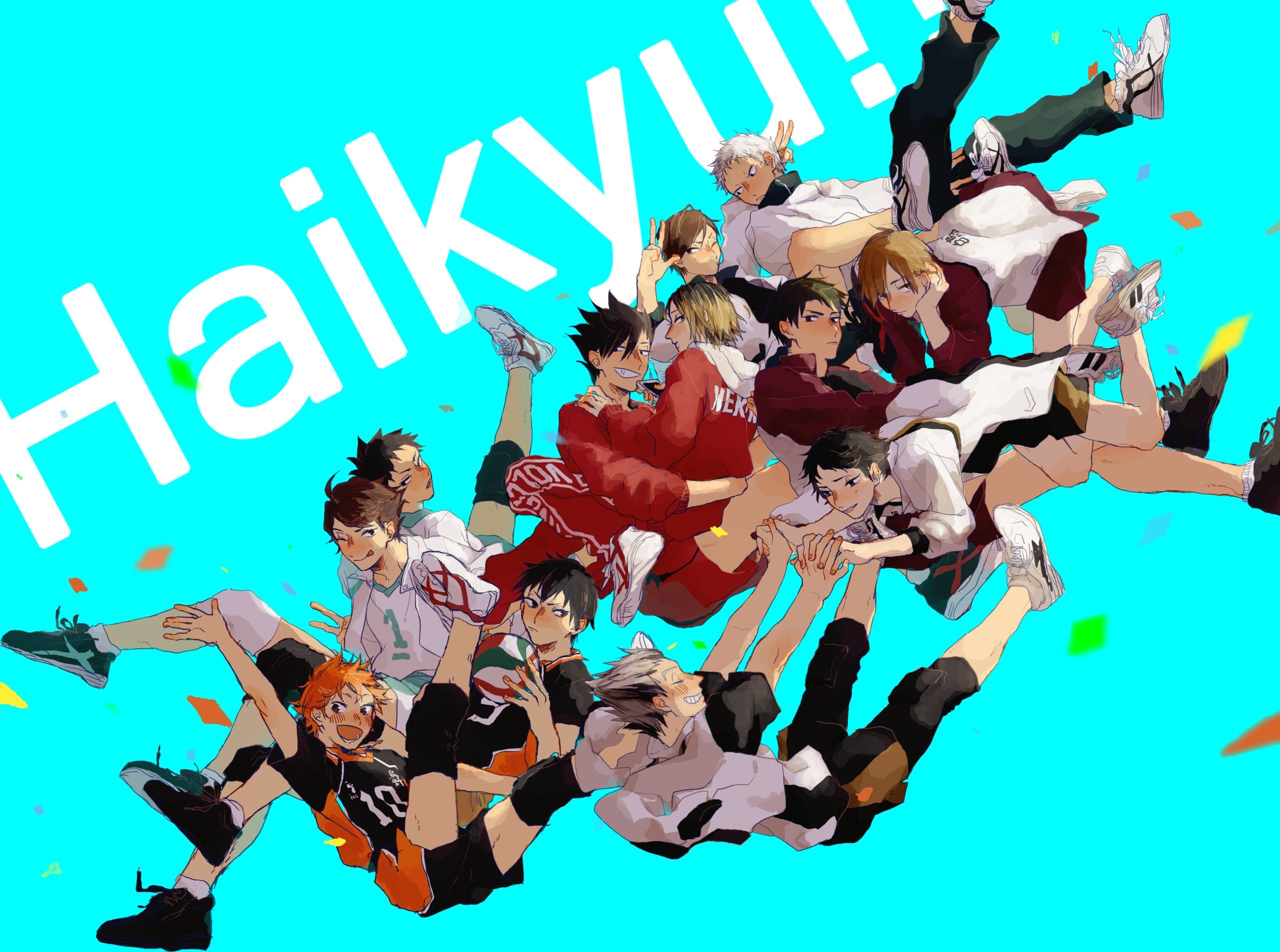
By this point in the series, both players have evolved enough that their communication is almost nonverbal. Kageyama doesn’t need to shout adjustments mid-rally. Hinata doesn’t need to see the toss to know where it’s going. The freak quick has become so refined it’s a different weapon than what they started with — faster, more varied, harder to predict. Against Nekoma’s legendary read-blocking defense, that evolution gets tested hard. Every point feels earned rather than given.
What elevates this match beyond pure volleyball spectacle is the emotional weight behind it. Nekoma’s Kenma and his relationship with Hinata mirrors the Hinata-Kageyama dynamic in interesting ways — both pairs are defined by a spiker-setter connection built on deep, complicated trust. Watching Hinata navigate those two relationships simultaneously is genuinely moving. He’s not just competing against Kageyama’s excellence anymore; he’s playing with it, relying on it, celebrating it while pushing against it.
The Trash Heap match is also where you see Kageyama’s emotional growth most clearly. Early Kageyama would have gotten frustrated with errors, turned cold, started setting to avoid mistakes rather than to win. Trash Heap Kageyama adjusts, communicates, and keeps his teammates lifted. That’s not natural for him. That’s years of growth, a lot of it driven by having to adapt constantly to Hinata’s chaotic energy and unconventional style. Hinata made Kageyama a better setter. Kageyama made Hinata a complete player. The rivalry is the mechanism that produced that growth.
Why This Rivalry Works Better Than Most Shonen Rivalries
Sports anime is full of great rivalries, but the Hinata vs Kageyama dynamic stands apart from most shonen rivalry formulas in a few important ways. Most shonen rivalries follow a template: one protagonist, one rival who’s stronger at the start, a series of confrontations where the protagonist gradually closes the gap. The rival often functions as a wall to overcome, a benchmark of progress. Think Naruto and Sasuke, or countless others. It works, but it gets predictable.
Haikyuu does something more interesting: it makes the rivalry genuinely two-directional. Kageyama isn’t just a milestone for Hinata to pass. He’s a character with his own goals, insecurities, and growth arc that runs parallel to Hinata’s rather than serving it. When Kageyama struggles to connect with teammates at Kitagawa Daiichi, that’s not backstory setup for Hinata’s journey — it’s Kageyama’s own wound that the series takes seriously and resolves on its own terms. Both characters are complete protagonists. The rivalry doesn’t have a “main character” by design.
There’s also the crucial fact that Hinata and Kageyama spend most of the series on the same team. They’re not opponents fighting for the same prize. They’re competing within cooperation — constantly measuring each other, pushing each other, using each other’s growth as fuel, but doing all of it in service of a shared goal. That creates a fundamentally different kind of rivalry than the pure opposition model. It’s a rivalry built on trust, which is rarer and more emotionally satisfying.
The series also refuses to declare a winner. When they eventually face off professionally, there’s no triumphant “Hinata finally beats Kageyama” moment with emotional music and slow-motion tears. There are two elite players, fully realized, going all out against each other as equals. That restraint is significant. Haruichi Furudate understood that the point of this rivalry was never the win — it was always the growth. Keeping it unresolved respects both characters and trusts the audience to feel the weight of what they’ve both become.
Compare that to rivalries that end with one character surpassing the other, and the Haikyuu approach feels almost radical. It says: two people can push each other to their absolute limits and both come out ahead. Nobody has to lose for the story to be satisfying. In volleyball terms, it’s the ultimate team play — even when the players are on opposite sides of the net.
What Hinata and Kageyama Keep Teaching Each Other
One of the quieter, more interesting threads running through the Hinata vs Kageyama story is the way they’ve shaped each other’s understanding of volleyball at a philosophical level. Hinata plays with his whole body and soul before his brain catches up. Every spike is an act of pure will. Kageyama plays with his brain first — calculating angles, reading blockers, optimizing outcomes before his body acts. In a sense, each one has what the other was missing all along.
Hinata teaches Kageyama that volleyball is supposed to be fun. That sounds simple but it’s genuinely transformative for a player who had reduced the sport to a performance metric he couldn’t share with anyone. Watching Hinata beam after a successful play, sprint across the court with zero regard for looking cool, demand to be set even when the odds are against him — it reminds Kageyama why he loved volleyball before the pressure turned it into something lonely and cold. Hinata’s joy is contagious, and Kageyama catches it whether he wants to or not.
Kageyama teaches Hinata that instinct alone isn’t enough. That there’s a whole dimension of the game living inside the numbers and angles and positioning that Hinata had been ignoring because he could get away with athleticism. The discipline Kageyama demands — from himself and everyone around him — gives Hinata a framework to become more than a spectacular leaper. It gives him a pathway to becoming a smart volleyball player, which is ultimately what separates the Hinata of the Brazil arc from the Hinata who showed up at Karasuno with borrowed shoes and boundless energy but very little technique.
What’s beautiful about this exchange is that neither of them acknowledges it directly for most of the series. It happens through competition, through friction, through shared wins and shared losses. The emotional honesty sneaks up on you. By the time Hinata tells Kageyama he’s going to beat him someday and Kageyama tells him to try it — and both of them are grinning — you understand that the rivalry was never really about winning. It was about becoming. And both of them got there.