The Haikyuu Review You’ve Been Waiting For: Why This Volleyball Anime Stands Alone
If you’ve been looking for a proper Haikyuu review that goes beyond “it’s good, watch it” — you’ve found it. Haikyuu!! is not just the best volleyball anime ever made. It’s the best sports anime ever made, full stop. That’s a big claim, and this article is going to back it up section by section, match by match, character arc by character arc. Whether you’re on the fence about starting it or you’re already a convert looking to understand why it hit you so hard, let’s get into it.
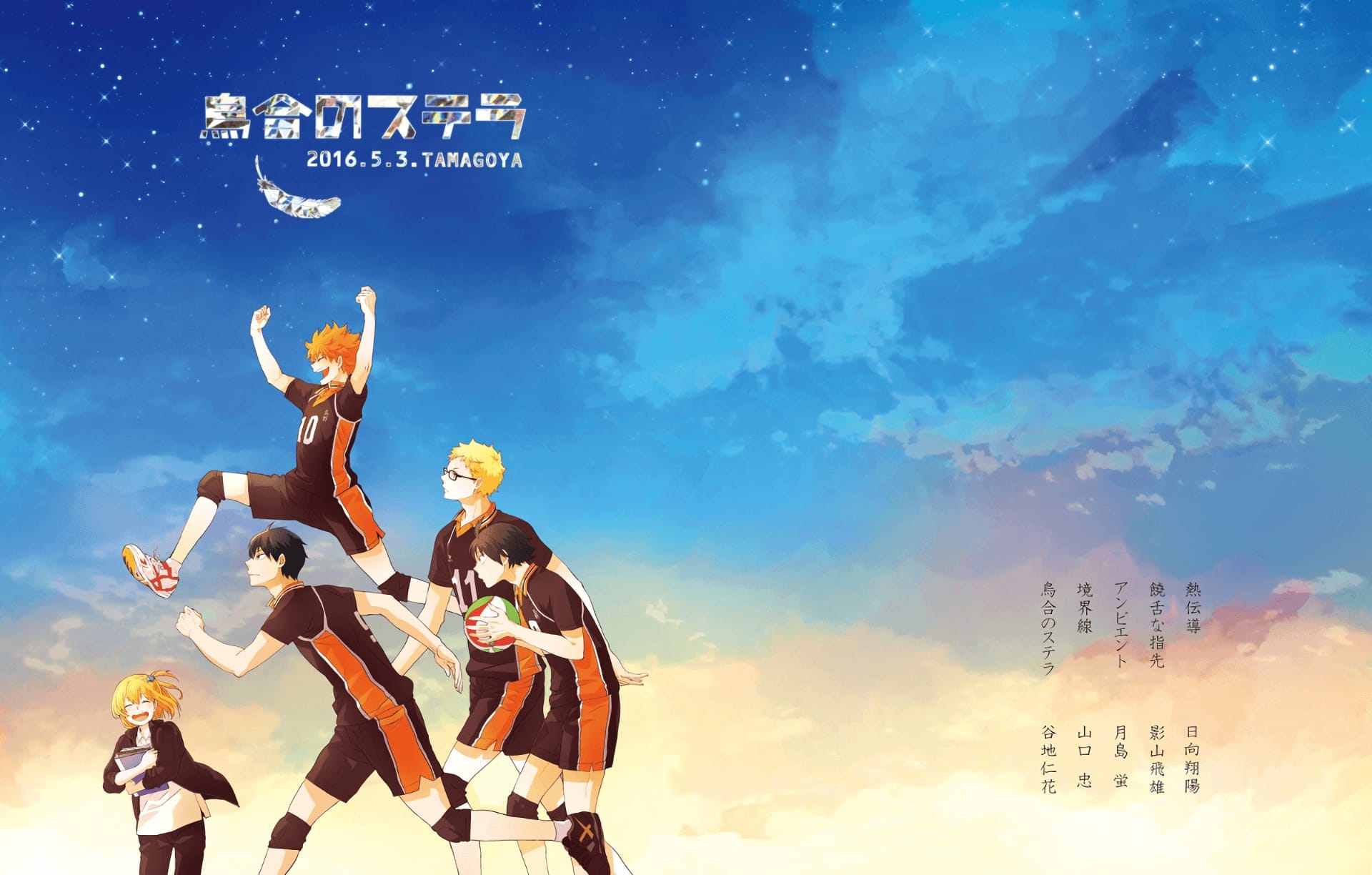
Created by Haruichi Furudate and serialized in Weekly Shonen Jump from 2012 to 2020, Haikyuu!! ran for 402 chapters and spawned four anime seasons plus two theatrical films covering the final arc. The anime adaptation, handled by Production I.G, is one of the most visually dynamic sports productions in recent memory. But before we talk about what makes it extraordinary, let’s talk about what makes it work at the most basic level — the premise.
A lot of anime earn their reputation through power scaling, supernatural abilities, or increasingly ridiculous stakes. Haikyuu!! earns everything through something far more difficult: it makes you care deeply about real human beings trying to do something genuinely hard. No magic powers. No death matches. Just a ball, a net, and the relentless pursuit of becoming the best version of yourself. And somehow, that’s the most thrilling thing in the world.
The Premise: Small Boy, Big Hunger, Infinite Heart
Hinata Shoyo sees a volleyball match on TV and becomes obsessed — not because he’s naturally gifted, but because he sees a short player nicknamed “The Little Giant” dominating on the court. Hinata is small, undersized for volleyball by any standard. But he has one weapon that cannot be taught: explosive jumping ability and a refusal to quit that borders on the supernatural.
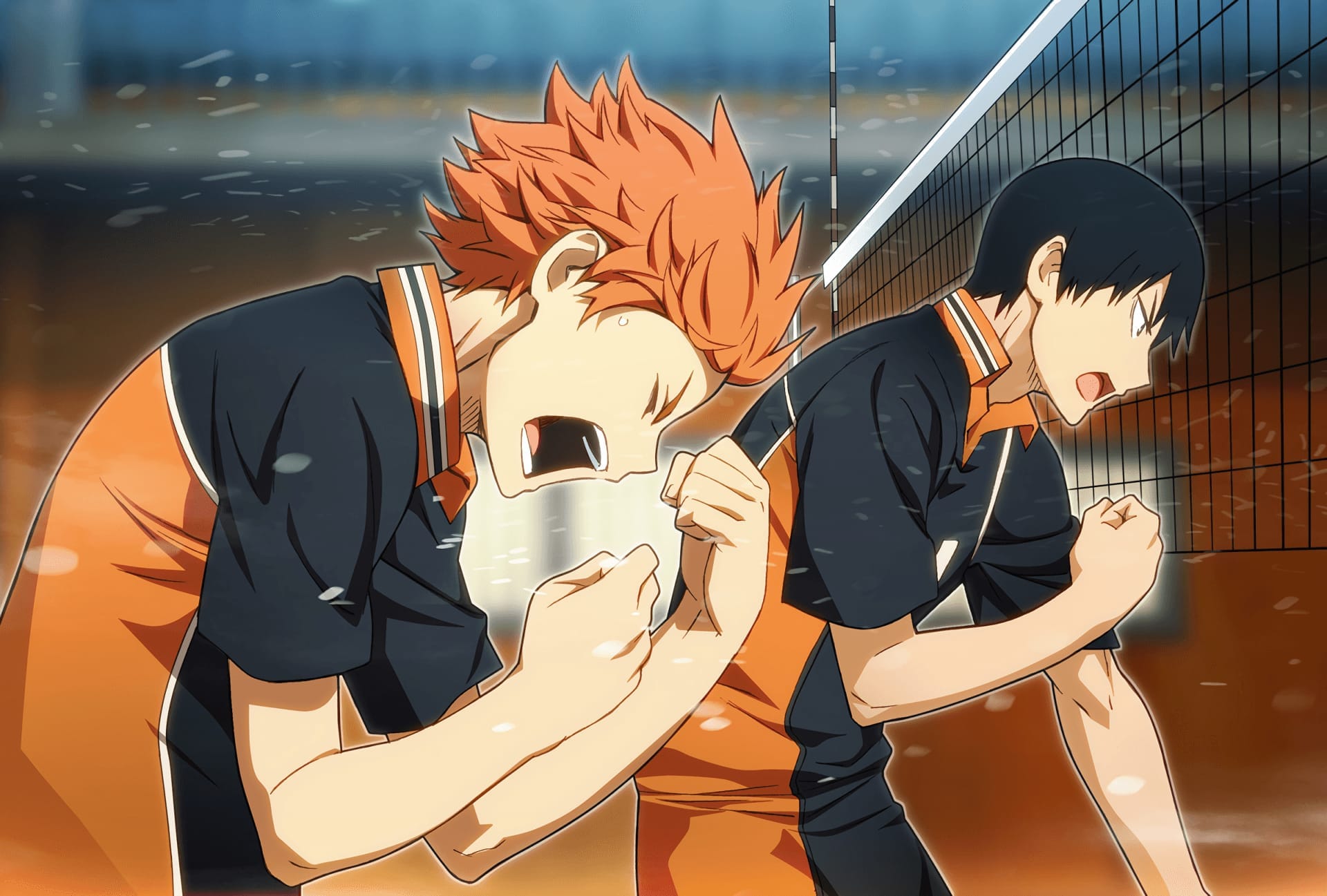
He scraps together a team for his middle school debut, only to get absolutely demolished by a prodigy setter named Kageyama Tobio — arrogant, technically flawless, and nicknamed “The King of the Court” because of how his controlling personality drove away his own teammates. It’s a brutal introduction for Hinata. He loses badly and has to watch the person who crushed him walk away without a second glance.
Then they end up at the same high school. On the same team. This is the core collision that drives everything. Two players who should hate each other — and initially do — forced to collaborate. Hinata has the athleticism but no technique. Kageyama has the technique but can’t function as part of a team. Together, they can become something neither could be alone. It’s a classic odd-couple dynamic, but Furudate executes it with a depth of character work that elevates it into something genuinely special.
What makes the premise work so brilliantly is that the obstacles are entirely human. No villain is purely evil. Every opponent has a story, a reason for playing, a hunger of their own. The “enemy” in Haikyuu!! is your own ceiling — the limit of what you can currently do — and every match is about finding ways to push through it.
Character Development: The Heartbeat of the Series
The character work in Haikyuu!! is what separates it from every other sports anime. This is not a show about one protagonist with a rotating cast of rivals. It’s an ensemble series with dozens of characters who each feel fully realized, with their own motivations, traumas, and growth arcs.
Hinata Shoyo: The Most Joyful Protagonist in Sports Anime
Hinata is pure energy given human form. His enthusiasm is infectious, his determination is relentless, and his emotional honesty is disarming. But what’s crucial is that he isn’t just a genki archetype running on enthusiasm alone. He works. He trains obsessively. He studies opponents. He fails repeatedly and gets back up not because the plot demands it, but because not getting back up is genuinely inconceivable to him.
His growth arc across four seasons is one of the most satisfying in all of sports anime. He goes from someone who can barely serve, who relies entirely on Kageyama’s tosses, to a player developing his own volleyball intelligence. The moment in Season 4 when Hinata goes to Brazil to train alone — away from Kageyama, away from Karasuno — and learns to read the game at a fundamental level is one of the most earned developments in the series. He’s not just getting stronger. He’s learning to think.
Kageyama Tobio: The Reformation of a King
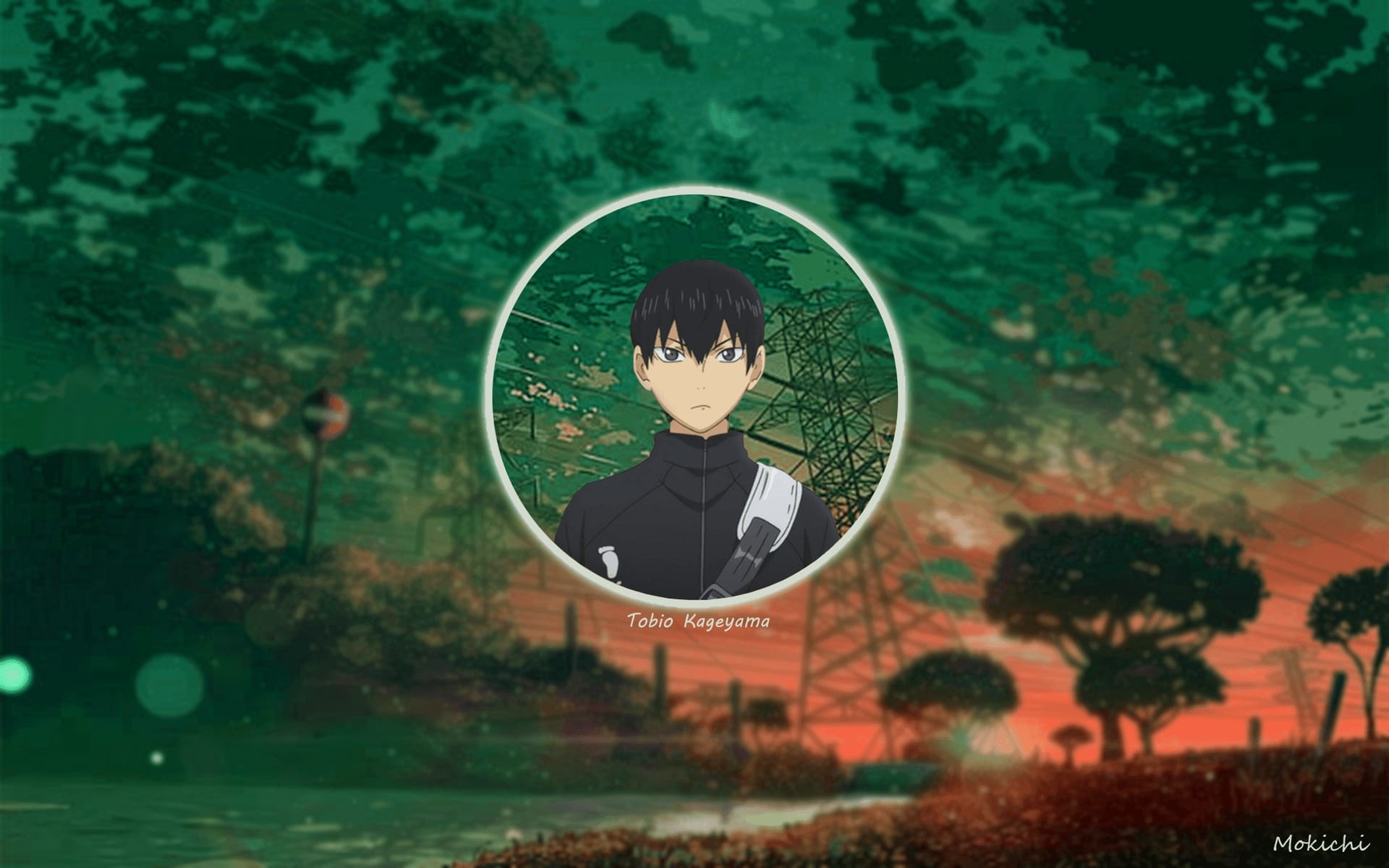
Kageyama starts as an antagonist in the truest sense. He’s difficult, cold, demanding to the point of being abusive, and genuinely doesn’t understand why teammates keep abandoning him. His arc isn’t about becoming a nicer person — it’s about learning what it actually means to trust someone. His journey is painful in ways Hinata’s isn’t, because Kageyama has to confront the fact that he himself has been the obstacle to his own growth.
The moment when Kageyama starts adjusting his sets for Hinata — accepting that his idea of a “perfect set” is meaningless if his spiker can’t use it — is quiet but transformative. It’s the crack that lets light in. By the time they’re running their signature quick attack at full speed, it feels like watching two people who understand each other at a level beyond words. That non-verbal trust between a setter and spiker is what the series is truly about.
The Teams: Every Jersey Tells a Story
Karasuno itself is an extraordinary ensemble. Nishinoya — the libero who makes impossible digs and screams “ROLLING THUNDER” with complete sincerity — is the team’s emotional center in ways that sneak up on you. Tsukishima Kei’s arc from detached cynic to someone who discovers what it feels like to genuinely love the game might be the single best individual character arc in the show. Tanaka and Yamaguchi, Sugawara and Asahi — each of them gets their moment, their chapter, their match where they carry the team.
And the rivals are just as well-written. Aoba Josai’s Oikawa Tooru is one of the greatest characters in sports anime history — a genius who isn’t a prodigy, who built everything through sheer effort, and who is eaten alive by the fact that natural talent sometimes beats cultivated skill. Nekoma’s Kenma Kozume, a quiet gamer who plays volleyball like he’s solving a puzzle in real time. Inarizaki’s Miya twins, whose chemistry is both infuriating and beautiful. Each team feels like it has its own culture, its own identity, its own way of playing the game.
The Matches That Defined Sports Anime
Haikyuu!! is built on its matches, and several of them are benchmark achievements in sports anime storytelling. The show understands something fundamental about competition: the tension isn’t just in the score, it’s in the adjustments, the reads, the tiny moments of psychology happening at full speed.
Karasuno vs. Aoba Josai (Multiple Times)
The rivalry with Aoba Josai and Oikawa Tooru runs through the series like a fault line. The first loss — Karasuno getting knocked out of Interhigh by Oikawa’s team — hits hard precisely because you want them to win so badly. The rematch at Spring High is even better. It’s a war of adjustments, both teams evolving in real time, both setters showing everything they have. The final set of that match is a masterpiece of sports storytelling.
Karasuno vs. Shiratorizawa
Five sets. The entire second half of Season 3. Against Ushijima Wakatoshi, a left-handed ace who is widely considered the most powerful attacker in the prefecture, the match stretches over multiple episodes in a way that should feel exhausting but instead feels like the longest, most satisfying breath-hold in anime history. The final point isn’t just about volleyball. It’s about whether Karasuno’s style of play — chaotic, adaptive, team-first — can overcome raw dominance. The answer is earned, not given.
Karasuno vs. Nekoma: The “Dumpster Battle”
In the manga and the theatrical film adapting the final arc, the long-awaited match between Karasuno and Nekoma — two schools with a historic rivalry that spans generations of coaches and players — finally happens. After seasons of anticipation, the Dumpster Battle delivers emotional payoff on a scale the series had been building toward for years. It’s not just a volleyball match. It’s a funeral and a celebration. It’s everything these characters fought for.
Inarizaki vs. Karasuno at Nationals
The match against the Miya twins at the national tournament is where Haikyuu!! fully commits to its philosophy: there are no small opponents, no easy paths, and no cheap wins. Inarizaki’s student section actively tries to break Karasuno’s rhythm with chants and silence at key moments. It’s one of the most psychologically complex matches in the series, and the resolution — Karasuno singing their own tune, literally — is triumphant in the best possible way.
Animation Quality: Production I.G Sets the Standard
Let’s be direct about the animation: Production I.G did something remarkable with Haikyuu!!. Sports anime is notoriously difficult to animate well — the speed of athletic movement, the spatial relationships between players, the physical reality of a ball in flight — all of it requires an extraordinary level of craft. Haikyuu!! doesn’t just clear that bar; it resets it.
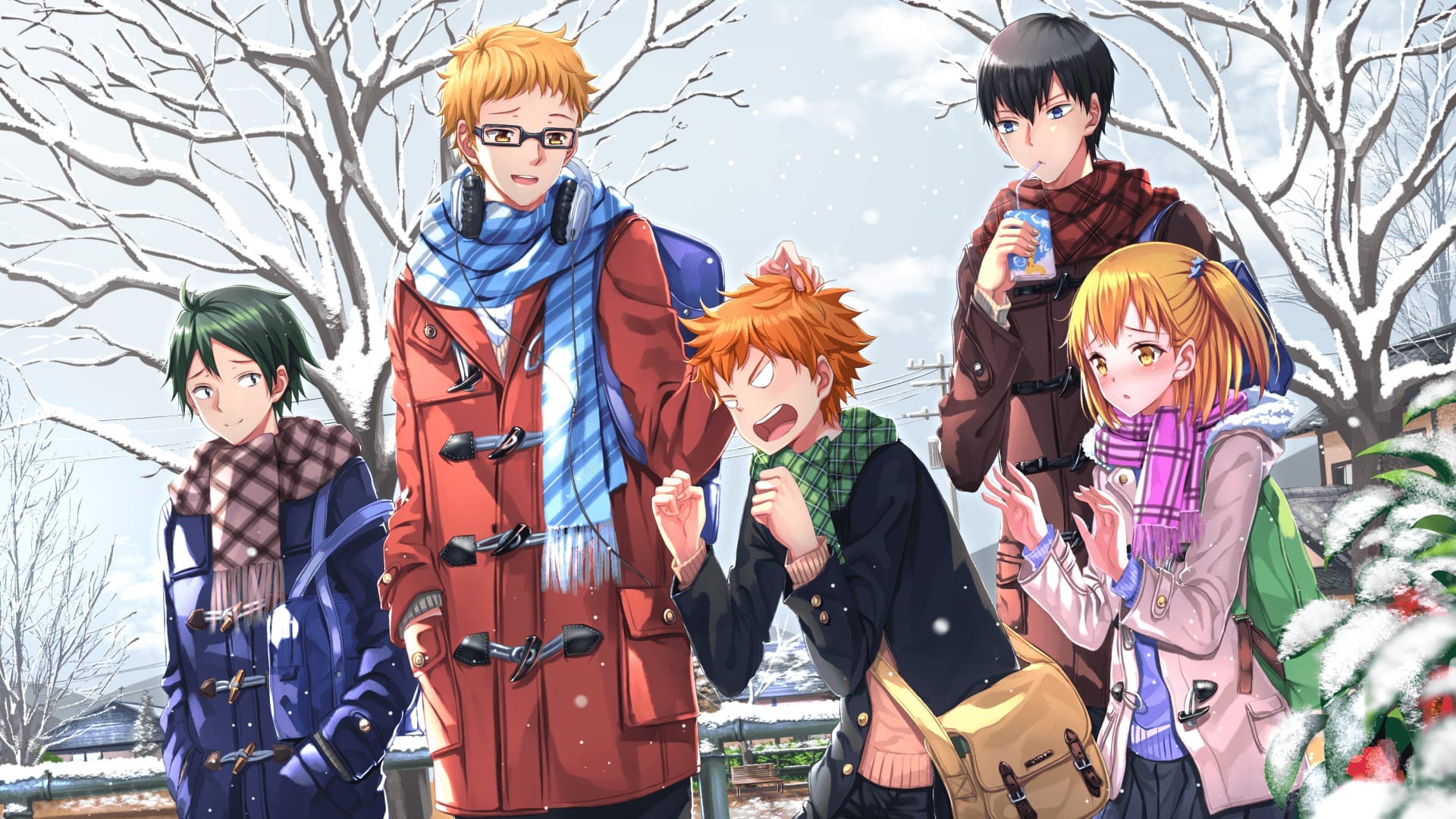
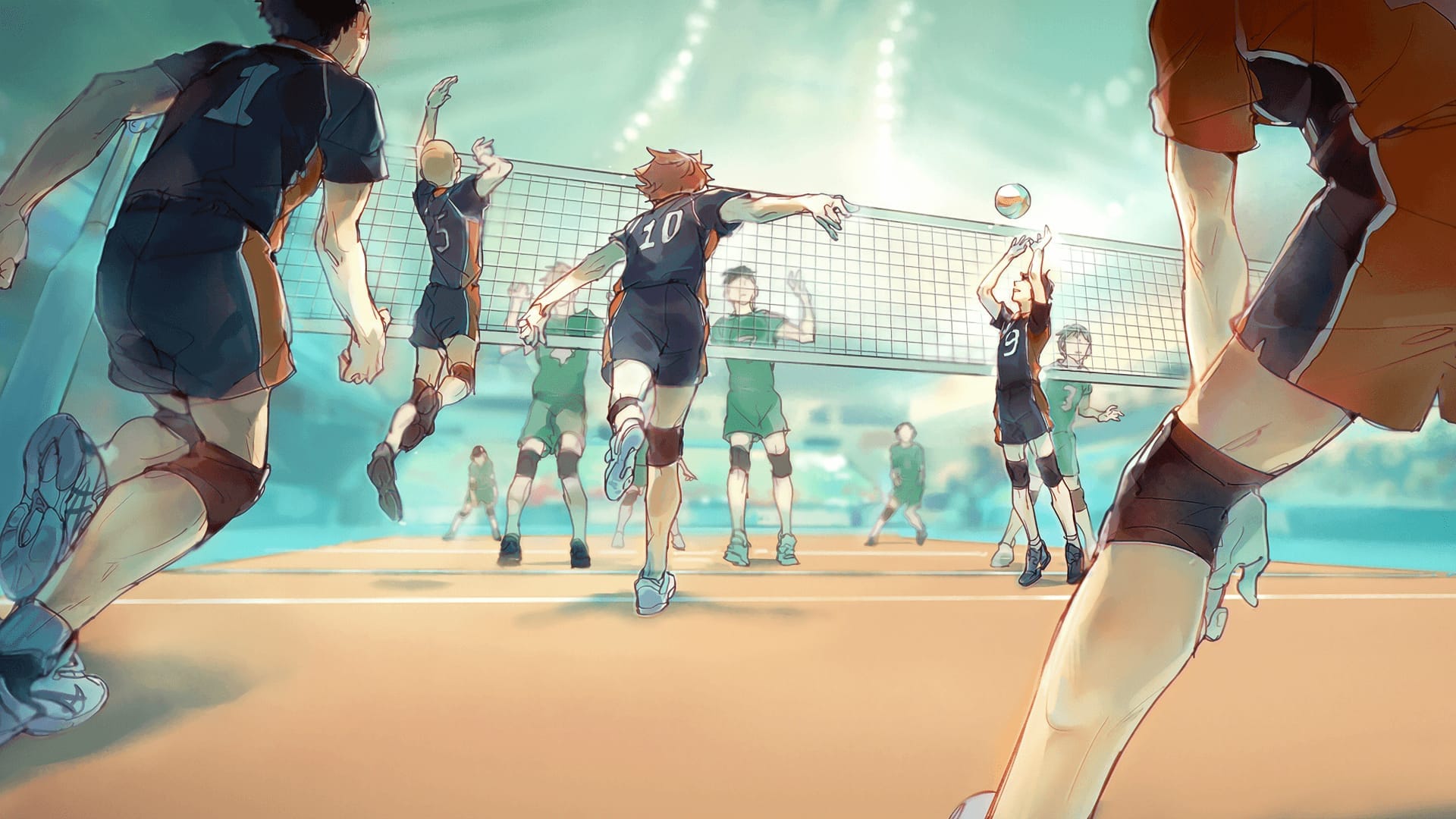
The early seasons establish a visual grammar for volleyball that feels instinctively correct. Serves have weight. Spikes have impact. The camera moves with the ball in ways that create genuine tension around a sphere of leather. The libero’s digs are shown from angles that communicate both the physics and the desperation of the movement. You understand volleyball better just from watching the show — not from explanation, but from observation.
Season 4 (Haikyuu!! To the Top), produced by Production I.G but with a changed visual approach, received some initial criticism for its stylized, more abstract sequences. With time and distance, those choices look more interesting than controversial. The Inarizaki match in particular uses visual abstraction to communicate mental states and psychological pressure in ways that literal animation couldn’t. It’s ambitious in ways that most sports anime simply isn’t.
The theatrical films covering the final arc — Battle of the Garbage Dump and Decisive Battle at the Garbage Dump — represent the animation ceiling of the entire franchise. Movie budgets, key animators working at the height of their craft, and material that had been waiting years to be adapted. The Karasuno vs. Nekoma match in theatrical form is visually breathtaking in ways that reward repeated viewing.
Emotional Depth: This Is Not Just a Sports Anime
Here is the thing that people who haven’t watched Haikyuu!! don’t understand, and that people who have watched it understand completely: it will make you cry. Not once, not during a dramatic death scene, but repeatedly, over volleyball. Over a high school student finally getting a serve over the net after months of training. Over a third-year player bowing to the court before his final match. Over a rival team walking off the court in silence.
The reason Haikyuu!! hits this hard emotionally is that Furudate understands what sports represent in adolescence. For many of these characters, volleyball isn’t just a game — it’s identity, it’s purpose, it’s the framework through which they understand their own value and their relationships with other people. When Asahi walks back onto the court after being broken by a loss and quits for weeks, his return isn’t just about the team needing a spike. It’s about a person deciding whether they’re going to let fear define them.
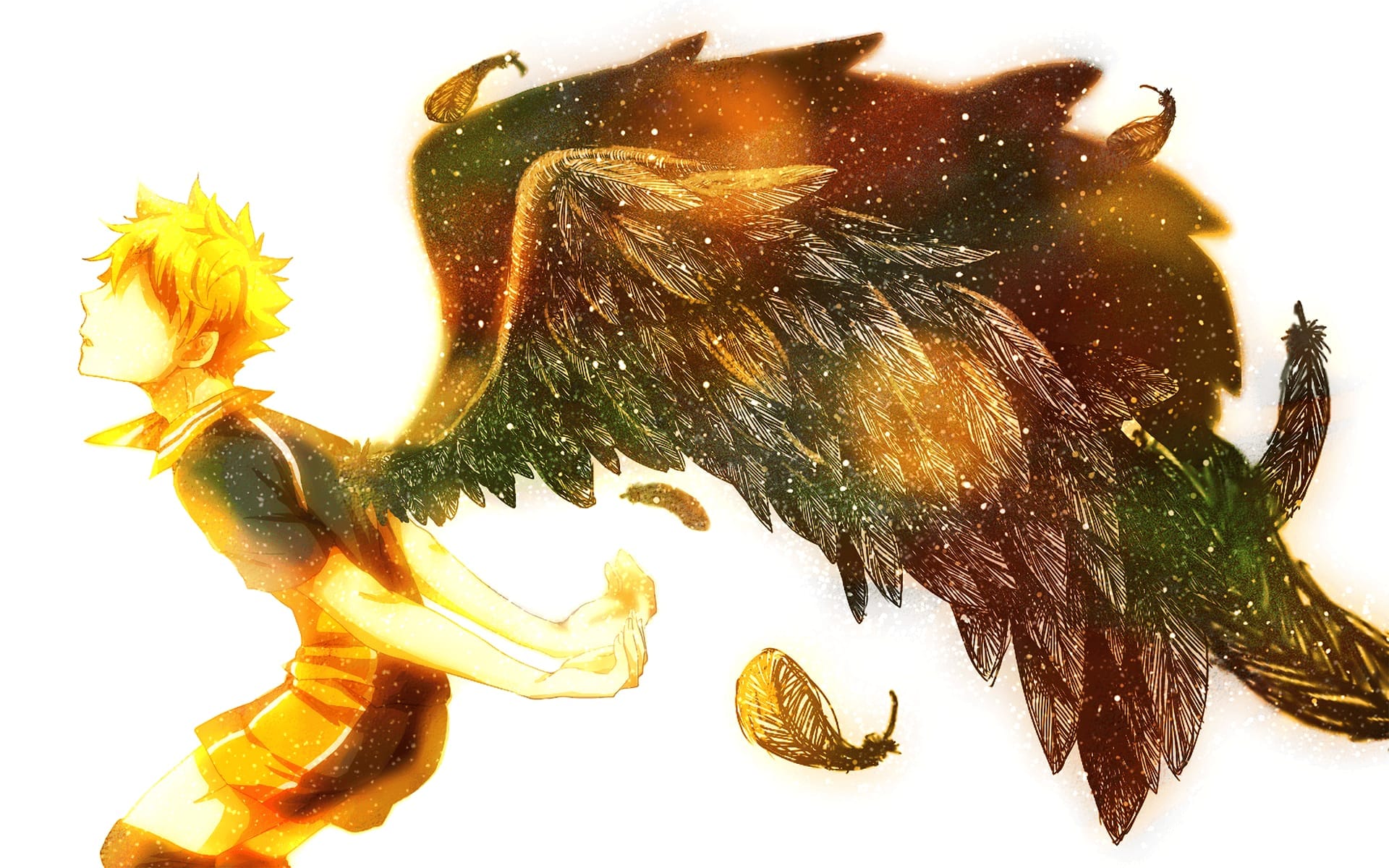
The theme of flying runs through the entire series like a current. Hinata’s whole arc is about becoming someone who can fly — who can reach heights his body shouldn’t allow. But the show is clever enough to make this metaphorical weight land on every player, not just the protagonist. Everyone in Haikyuu!! is trying to fly, in their own way. To transcend their limitations. To become something they couldn’t quite imagine when they first stepped onto the court.
And then there’s the reality of endings. Haikyuu!! doesn’t flinch from the fact that sports careers end, that not every player gets a dramatic final moment, that some people give everything and still lose. The epilogue that Furudate provides in the manga is bittersweet in the most honest way — not everyone becomes a professional athlete, and that’s not a tragedy. The series celebrates what these years meant, not just what they achieved.
The Final Arc and Manga Ending: How Furudate Closed the Book
The Haikyuu!! manga ending generated significant discussion when it concluded in 2020. After the national tournament reaches its climax — with matches that include some of the most technically complex volleyball the series has ever depicted — Furudate does something brave: he skips forward years into the future to show where these characters end up.
We see Hinata as a professional volleyball player. We see Kageyama competing at the highest international levels. We see the paths that diverged and the ones that stayed connected. Some players made volleyball their career. Others moved on entirely. The epilogue refuses to be purely triumphant or purely sad — it’s just honest. Life continued. These people grew up. The games they played in high school shaped them in ways that lasted.
The final chapter showing Hinata and Kageyama as adults, still competing, still chasing the same sky they were always chasing — it’s quietly devastating in the best possible way. The series earned its ending by refusing to promise things it couldn’t deliver. Not everyone gets to be a champion. Not every story ends with a trophy. But the journey, the growth, the connections made along the way — those are real. Those matter.
The theatrical film adaptations of the final arc gave the Garbage Dump match the visual treatment it deserved. Watching that rivalry resolve — Karasuno and Nekoma, two teams connected by coaches who played together decades ago — in a theater with movie-quality animation is genuinely one of the great anime viewing experiences of recent years. If you’ve been holding out on the films: don’t.
Haikyuu vs. Other Sports Anime: Where Does It Actually Rank?
This comparison matters, because the field is strong. Sports anime has produced genuinely brilliant work across decades. So let’s be honest about the competition.
Slam Dunk is the historical giant — it defined the genre for a generation, its characters became cultural icons, and the theatrical film it received in 2022 is one of the greatest sports anime movies ever made. Slam Dunk earns enormous respect. But in terms of volume of storytelling, depth of ensemble, and sustained quality across its runtime, Haikyuu!! goes further.
Kuroko no Basket is flashier, more fantastical, and built around the pure dopamine hit of incredible moves. It’s enormously enjoyable. But it lacks Haikyuu!!’s commitment to realism and psychological complexity. The opponents in Kuroko are largely obstacles. In Haikyuu!!, they’re full human beings.
Yowamushi Pedal, Free!, Daiya no Ace — all excellent in their own ways. None of them achieve Haikyuu!!’s combination of technical accuracy, emotional depth, and ensemble breadth. Hajime no Ippo comes closest in terms of sporting realism and character investment, but its sheer length and glacial release schedule work against it for modern audiences.
What Haikyuu!! does that nothing else quite matches is make you care equally about winning and losing. Some of the most powerful moments in the series are losses — not triumphant victories. The show makes defeat meaningful. It makes the journey matter more than the destination, while still making you desperate for the destination. That balance is extraordinarily difficult to strike, and Haikyuu!! never loses it across four seasons and two films.
The Verdict: Watch Haikyuu!! Right Now
After everything above, here is the simplest version: if you’ve been hesitating to start Haikyuu!!, stop hesitating. Start it tonight. If you’re already a fan and you’re looking for validation that your love for this show is rational — it absolutely is. This is a show that deserves every piece of praise it has ever received, and probably more.
The volleyball anime that Production I.G built from Furudate’s manga is a rare achievement: technically excellent, emotionally honest, character-rich in ways that sustain four full seasons without losing steam, and genuinely thrilling in its sporting sequences. It takes its sport seriously, takes its characters seriously, and takes its audience seriously. That’s rarer than it should be.
It’s also a show that rewards rewatching. Moments that seem like throwaway character beats in early episodes pay off episodes or entire seasons later. Rivals introduced briefly become fully realized people. The visual storytelling rewards attention in ways you only notice the second time through. This is writing with genuine craft and intention behind every chapter.
Whether you care about volleyball, whether you’ve ever watched sports anime before, whether you’re brand new to anime entirely — Haikyuu!! works. It works because it’s ultimately about something universal: the experience of wanting something badly, working for it with everything you have, finding people to fight alongside, and discovering that the journey was the point all along.
The ceiling is the roof. Fly.