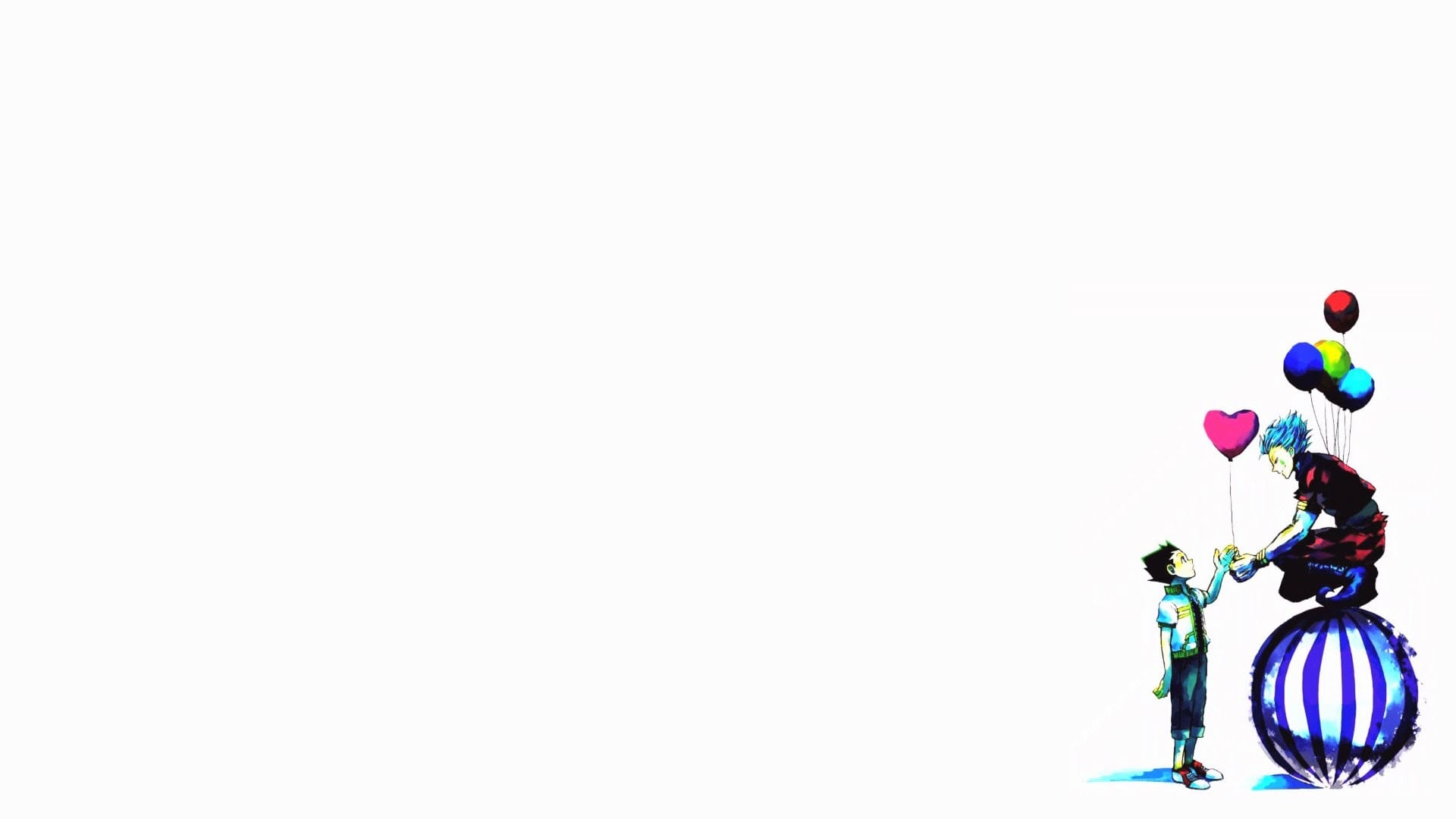
Who Is Gon Freecss? The Boy Who Changed Everything
Most shonen protagonists want to be the strongest, save the world, or protect their friends. Gon Freecss from Hunter x Hunter just wants to find his dad. That’s it. A twelve-year-old kid from a tiny island decides to become a Hunter — one of the most dangerous professions in his world — because his absent father Ging Freecss chose that life over raising him. And somehow, that simple motivation produces one of the most complex, unsettling, and brilliant protagonists in anime history. If you think gon freecss hunter x hunter is just another “friendship and willpower” story, you haven’t been paying attention.
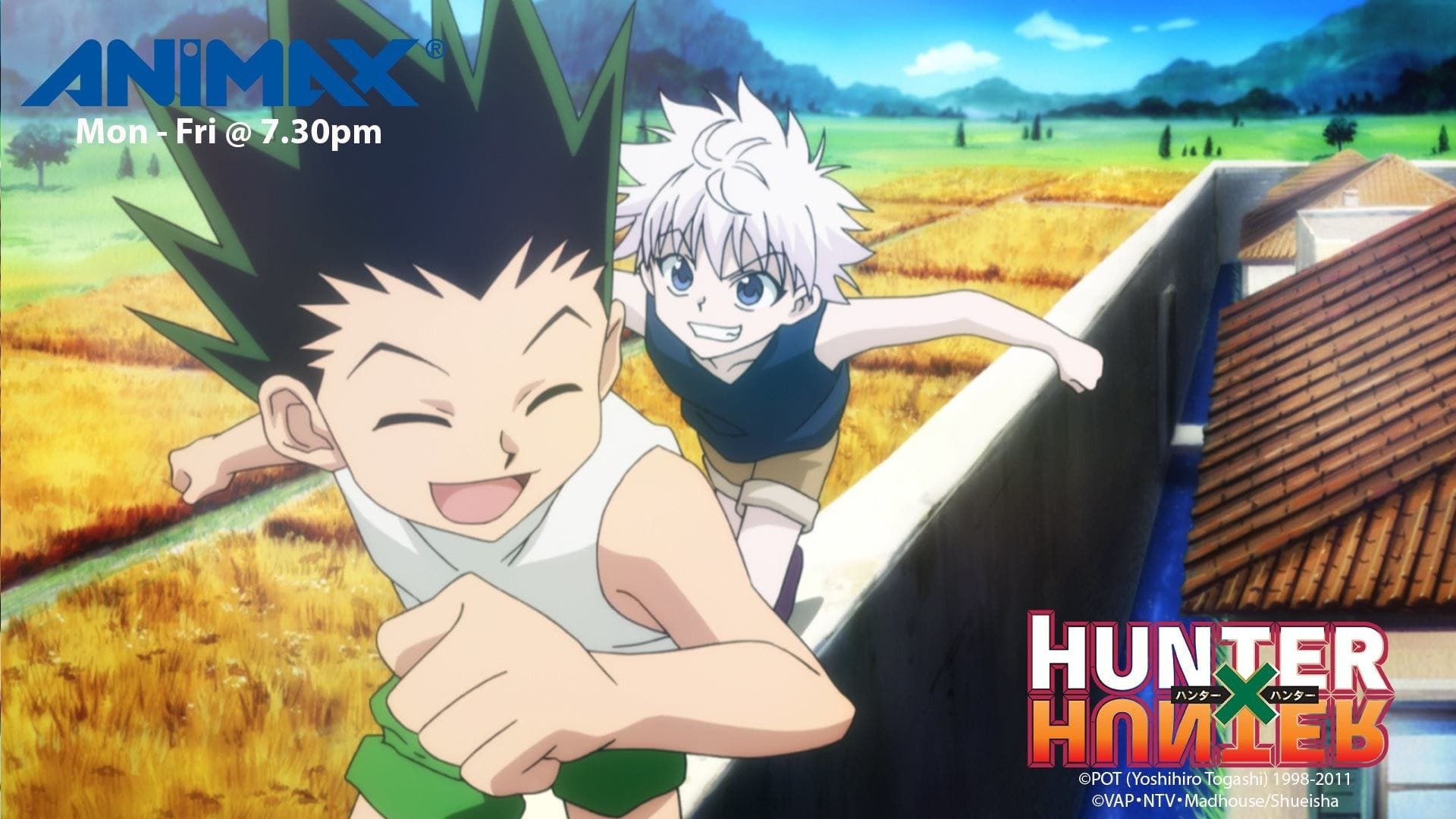
Gon grew up on Whale Island, raised by his aunt Mito. His childhood was basically a Studio Ghibli movie — running through forests, fishing with his bare hands, befriending wild animals. The kid had an almost supernatural connection to nature. He could track animals, predict weather changes, and sense things that grown adults couldn’t. This wasn’t Nen yet. This was just Gon being Gon — a boy who operated on instinct and raw feeling rather than logic or strategy.
Everything changed when Gon met Kite, a professional Hunter and one of Ging’s students. Kite saved young Gon from a foxbear in the forest and told him the truth: his father was alive, and he was one of the greatest Hunters in the world. For most kids, learning your dad abandoned you to chase adventures would be devastating. For Gon Freecss, it was an invitation. If being a Hunter was so incredible that Ging chose it over his own son, then Gon wanted to see what all the fuss was about. That logic is wild when you think about it — and it’s our first hint that Gon doesn’t process emotions the way normal people do.
The Hunter Exam is where we first see what Gon is made of. While other candidates are hardened criminals, martial artists, and seasoned fighters, this kid from Whale Island holds his own through sheer determination and an almost frightening refusal to quit. He takes a beating from Hanzo — a trained ninja — for hours and simply won’t surrender. He’s not being brave in the traditional sense. He genuinely doesn’t understand why he should give up. Pain is just information to Gon. It tells him he’s still alive and still in the fight.
During the exam, Gon meets the people who will define his journey: Killua Zoldyck, a kid assassin from the world’s most notorious murder family; Kurapika, the last survivor of the Kurta Clan; and Leorio, a loudmouth with a heart of gold. But it’s his encounter with Hisoka that really sets the tone. Hisoka is a psychopathic magician who kills for pleasure, and he takes an immediate interest in Gon — not because Gon is strong, but because he can sense that Gon has the potential to become something extraordinary. Hisoka doesn’t see a child. He sees unripened fruit. And honestly? He’s not wrong.
Gon’s Nen Abilities: Enhancer Power Built for War
When Gon Freecss learns about Nen — the energy system that powers combat in HxH — he’s classified as an Enhancer. This is the most straightforward Nen category. Enhancers strengthen their bodies and objects through sheer force of aura. No tricks, no illusions, no complicated conditions. Just raw, concentrated power. And that fits Gon perfectly, because Gon Freecss is the most direct person in the entire series. He doesn’t scheme. He doesn’t plan elaborate strategies. He runs straight at the problem and hits it as hard as he can.
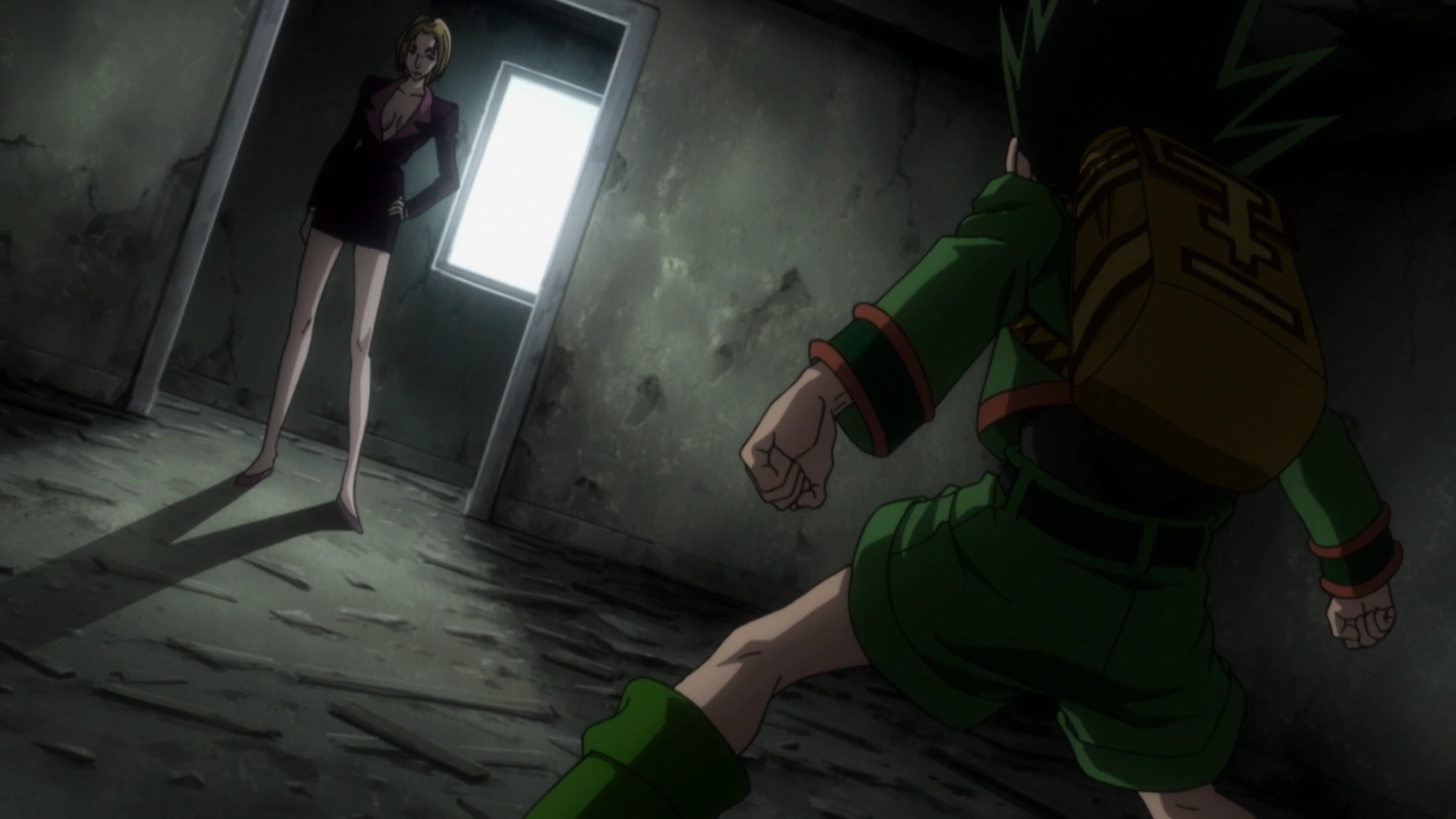
His signature ability is Jajanken — yes, named after rock-paper-scissors. It’s almost comically simple compared to the intricate Nen abilities other characters develop. Jajanken has three forms: Rock (a devastating enhanced punch where Gon charges all his aura into his fist), Paper (an emitted aura blast fired from his palm), and Scissors (a transmuted blade of aura extending from his fingers). Rock is his go-to. It’s the move that defines him. And the fact that it requires a charging period — Gon literally yells “first comes rock” while powering up — makes it a huge tactical liability. Any smart fighter would attack during the charge time.
But here’s the genius of Togashi’s writing. Jajanken’s weakness is also its strength. The charge-up forces Gon into creative problem-solving. He has to find ways to create openings, to trick opponents into giving him those precious seconds. It turns every fight into a puzzle where Gon has to outthink opponents who are often smarter and more experienced than he is. And when that punch lands? It absolutely destroys. We’re talking about a technique that can one-shot opponents who would otherwise be way above Gon’s weight class.
The enhancer nen category also reflects Gon’s personality in ways the series makes explicit. Enhancers are described as simple and determined — people who put their heads down and charge forward. They’re honest to a fault. They don’t do deception well. That’s Gon in a nutshell. He’ll tell you exactly what he’s going to do, and then he’ll do it, and somehow that straightforward approach keeps working because opponents can’t believe anyone would actually be that direct. If you’re interested in how Nen stacks up against other anime power systems, check out our breakdown of Nen vs Cursed Energy — it’s a fascinating comparison.
What makes Gon’s combat style so compelling is the tension between his cheerful personality and the violence he’s capable of. This kid smiles while fighting. He gets excited when he’s in danger. During the Yorknew City arc, we see him operate in a world of professional criminals and killers, and he doesn’t flinch. Gon Freecss treats combat the same way he treats everything else — as an adventure, a game, something to throw himself into completely. And that lack of fear? It’s not courage. It’s something else entirely. Something the series slowly reveals to be much more disturbing.
The Chimera Ant Arc — Where Gon Crossed a Line No Hero Should Cross
If you want to understand why fans consider gon freecss hunter x hunter one of the most important character studies in anime, you need to talk about the Chimera Ant arc. This is where Yoshihiro Togashi took everything we thought we knew about Gon and turned it inside out. This is where the cheerful boy from Whale Island became something unrecognizable. And it all starts with Kite.
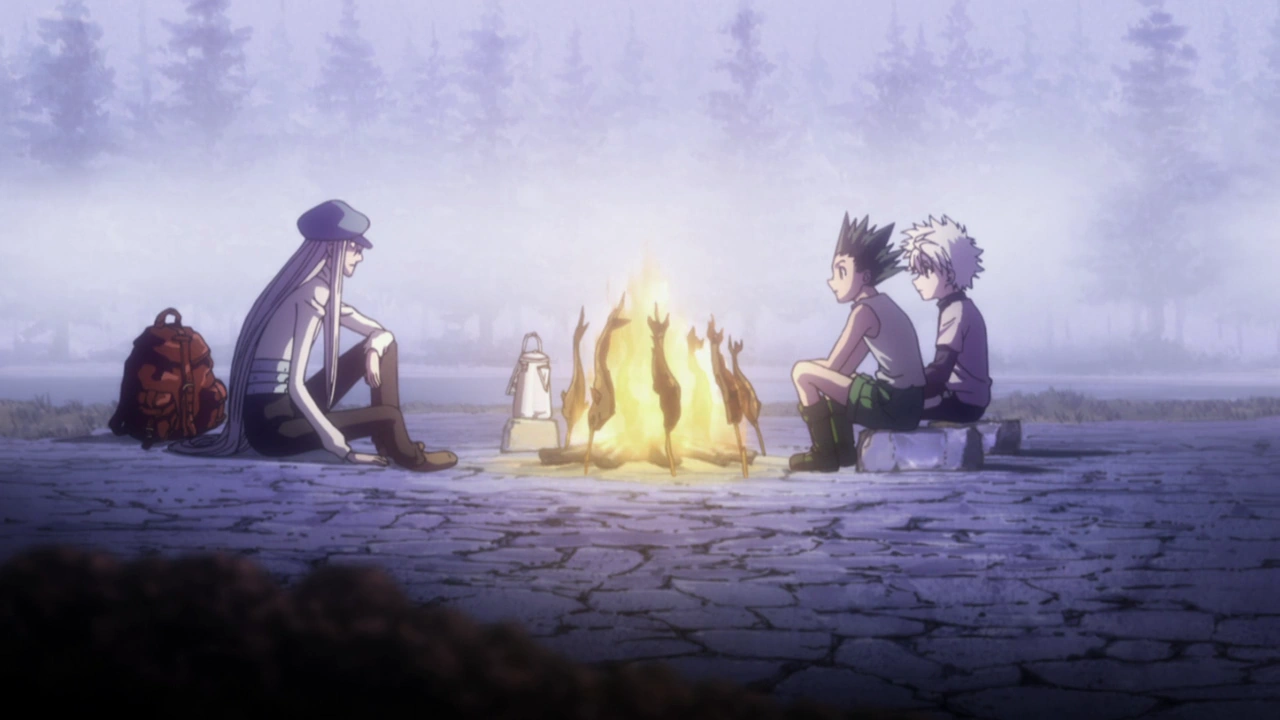
Kite — the Hunter who first told Gon about Ging — joins Gon and Killua on a mission to investigate the Chimera Ants, a species of monstrous insects that consume other creatures and absorb their traits. When the group encounters Neferpitou, one of the Chimera Ant King’s Royal Guards, Kite forces Gon and Killua to flee while he stays behind to fight alone. Kite loses. Badly. Neferpitou kills him and then reanimates his body as a puppet — a grotesque marionette that Pitou uses for combat training.
When Gon discovers what happened to Kite, something breaks inside him. Not in the dramatic anime way where a character gets sad and then powers up. Something fundamentally cracks in Gon’s psyche. He becomes obsessed with “saving” Kite, even after it becomes clear that Kite is already dead. He fixates on Neferpitou with a hatred so intense and so focused that it scares everyone around him — including Killua, who has literally grown up surrounded by professional assassins.
The buildup is agonizing. Throughout the palace invasion — one of the most carefully constructed battle sequences in all of anime — Gon sits in a room with Neferpitou, waiting. Pitou is healing another character, Komugi, and Gon is forced to wait because killing Pitou now would mean killing an innocent person too. So he waits. And the rage builds. And builds. And when Pitou finally confirms that Kite cannot be restored — that Kite is truly, permanently dead — Gon snaps completely.
What happens next is one of the most haunting moments in anime history, and it deserves to be discussed as one of the best anime fights ever animated. Gon makes a Nen contract — a vow so extreme that it essentially trades his entire future for power in a single moment. He sacrifices all of his potential. Every year of training he would ever do, every ounce of power he would ever gain, every bit of life force he could ever develop — he compresses it all into right now. The result is Adult Gon, a version of himself that represents the absolute peak of what he could have become after decades of growth.
Adult Gon is terrifying. He’s not a hero powered up by righteous anger. He’s a weapon of pure, self-destructive vengeance. His aura is so massive that even the Royal Guards — beings who can fight entire armies — are overwhelmed. He destroys Neferpitou with a brutality that’s almost unwatchable. This isn’t a victory. It’s a suicide mission that Gon happens to survive only because of extraordinary intervention later. The transformation leaves him on the brink of death, his body withered and broken, his Nen completely gone.
What makes this scene so powerful isn’t the spectacle — it’s the horror. The other characters aren’t cheering. Killua is desperately trying to save his best friend from himself. The audience isn’t supposed to feel triumphant. We’re supposed to feel sick. Because this is what Gon Freecss was always capable of. The cheerful kid, the nature-loving boy from Whale Island, was always one bad day away from throwing away everything — his future, his life, his humanity — for revenge. Togashi spent over a hundred episodes building up this lovable protagonist specifically so this moment would hit like a truck. And it does. Every single time.
The gon freecss transformation is regularly cited as one of anime’s greatest plot twists, not because it comes out of nowhere, but because in hindsight, every clue was there from the beginning. Gon was never a normal shonen hero. He was always something darker wearing a smile.
Gon and Killua: The Greatest Friendship in Anime
You cannot talk about Gon Freecss without talking about Killua Zoldyck, and you cannot talk about Killua without talking about Gon. Their friendship is the emotional backbone of Hunter x Hunter, and it might be the most well-developed relationship between two characters in shonen history. It’s not built on shared goals or mutual power-ups. It’s built on two deeply broken kids finding something in each other that they desperately need.
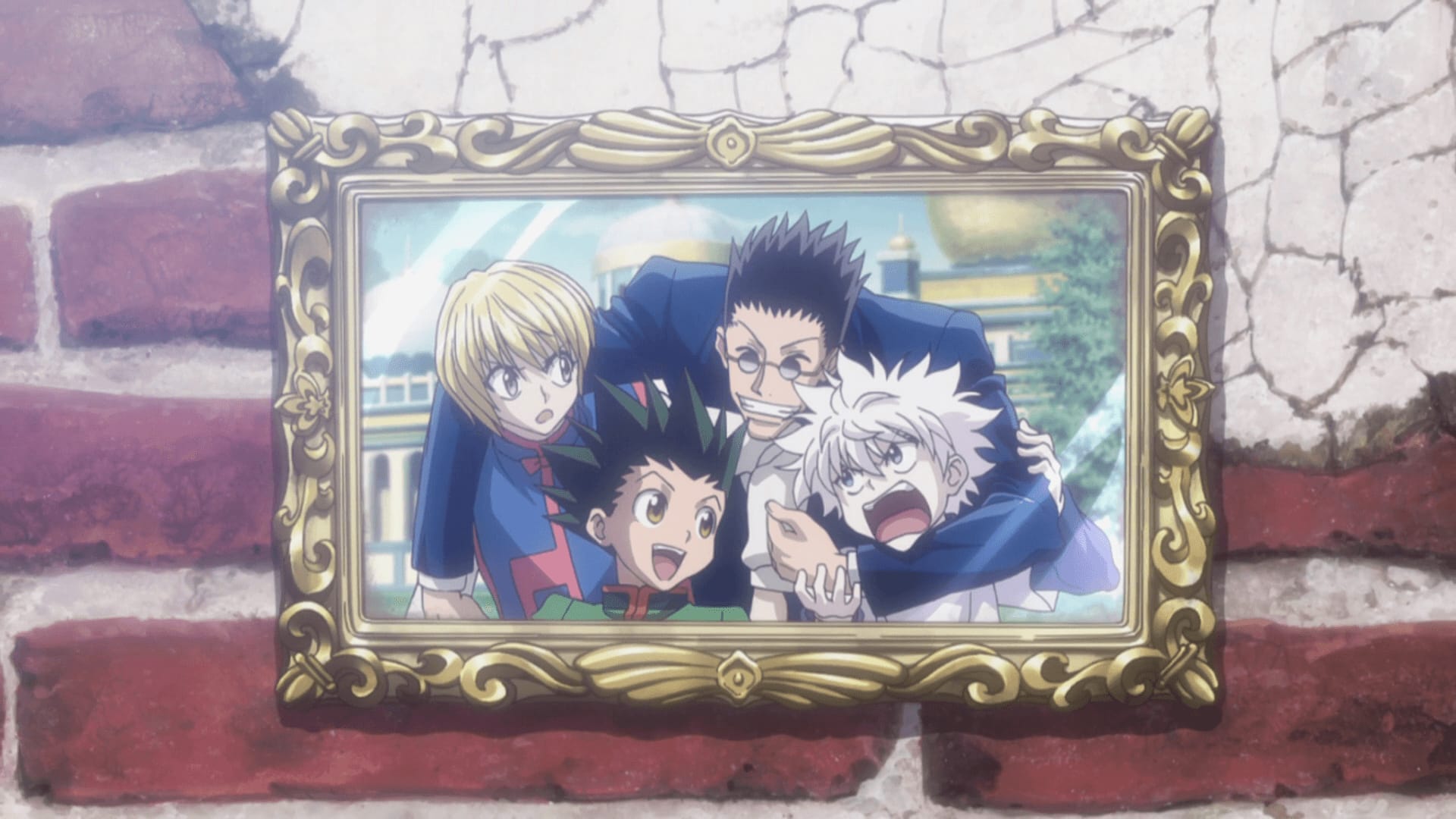
Gon grew up loved but sheltered, with no peers his own age and a father-shaped hole in his heart. Killua grew up surrounded by family but emotionally starved, trained from birth to be a killing machine with no room for genuine human connection. When they meet during the hunter exam, it’s instant chemistry. Gon sees Killua as a cool kid to have adventures with. Killua sees Gon as the first person who has ever treated him as a normal human being rather than a weapon or a threat.
Their dynamic works because they complement each other so perfectly. Gon is instinct and emotion — he charges forward, follows his gut, and deals with consequences later. Killua is calculation and caution — he assesses threats, plans escape routes, and tries to keep them both alive. Gon pulls Killua out of his shell and teaches him that the world isn’t just a series of threats to neutralize. Killua grounds Gon and provides the tactical thinking that Gon completely lacks. Without Killua, Gon would have died a dozen times over. Without Gon, Killua would still be a hollow shell going through the motions of his family’s murder business.
But the friendship isn’t pure sunshine. There’s an imbalance that becomes increasingly painful as the series progresses. Killua is more invested in Gon than Gon is in Killua — or at least, Gon’s obsessive focus on his personal goals (finding Ging, avenging Kite) often blinds him to how much Killua sacrifices for him. During the Chimera Ant arc, Gon essentially forgets that Killua exists. He’s so consumed by rage and guilt over Kite that he pushes Killua away, says incredibly hurtful things, and ultimately makes his suicidal Nen contract without any consideration for how it would affect the person who cares about him most.
That moment — when Gon tells Killua that this situation “has nothing to do with you” — is devastating precisely because of everything we’ve watched them build together. Killua has literally removed a needle from his brain (planted by his brother Illumi to control him) in order to stand by Gon’s side. He’s defied his family, risked his life, and fundamentally changed who he is because of this friendship. And Gon dismisses all of it in a sentence. It’s cruel. And it’s honest. Because Gon, for all his warmth and charm, has a terrifying capacity to shut out everything that doesn’t serve his immediate fixation.
This is what elevates the gon freecss and killua relationship above standard anime friendships. It’s not idealized. It’s messy and painful and real. Killua loves Gon in a way that Gon may never fully reciprocate — not because Gon doesn’t care, but because Gon’s emotional wiring is fundamentally different. He loves intensely but narrowly. When something captures his focus, everything else ceases to exist. That’s exhilarating when his focus is on having adventures with his best friend. It’s horrifying when his focus shifts to vengeance.
For a deeper look at Killua’s side of this relationship, read our full analysis of Killua Zoldyck — he deserves his own spotlight.
What Makes Gon So Compelling (And Terrifying)
Here’s the thing about Gon Freecss that separates him from every other shonen protagonist: he’s not a good person pretending to be tough. He’s a dangerous person who happens to seem good. And the series knows this. Other characters comment on it. Hisoka senses it immediately. Killua sees flashes of it throughout their journey. Even Ging — Gon’s own father — seems aware that his son has something fundamentally off about him.
The most chilling observation comes during the Chimera Ant arc when characters essentially describe Gon as a wolf in sheep’s clothing. He radiates warmth and innocence, but his moral compass doesn’t work the way a normal person’s does. Gon doesn’t operate on principles of right and wrong. He operates on personal loyalty and personal interest. If you’re someone Gon cares about, he’ll move mountains for you. If you’re not? You basically don’t exist to him. He can walk past suffering without blinking if it doesn’t connect to someone in his personal circle.
Think about how Gon interacts with the Phantom Troupe during the Yorknew City arc. These are mass murderers who slaughtered Kurapika’s entire clan. Gon knows this. But when he meets some of them in a non-combat context, he’s… fine with them. He has a friendly arm-wrestling contest with one of them. He doesn’t feel the burning sense of justice that Kurapika feels. The Troupe’s crimes don’t personally affect Gon, so they don’t register on his emotional radar. That’s not heroic indifference. That’s a genuine gap in his moral processing.
This is what Togashi does so brilliantly with gon freecss hunter x hunter. He builds a protagonist who looks and feels like a classic shonen hero — energetic, optimistic, determined — but who is actually operating on a completely different moral framework. Gon isn’t evil. He’s amoral in specific, disturbing ways. He has fierce loyalty but limited empathy. He feels things intensely but selectively. And when the things he cares about are threatened, there is absolutely no line he won’t cross.
Compare this to a character like Naruto, who wants to save everyone including his enemies. Or Luffy from One Piece, who has a strong instinctive sense of justice even if he can’t articulate it. Or Deku from My Hero Academia, who literally cannot stop himself from helping people in danger. These are genuinely good-hearted characters whose heroism extends to everyone around them. Gon Freecss is not that character. Gon’s heroism is conditional, personal, and when pushed to extremes, it evaporates completely.
And that’s what makes him so fascinating to watch. Every scene with Gon carries a subtle tension once you understand what he really is. His smile is genuine — but it exists alongside something much harder and colder. He’s fun and lovable and you root for him, and then he does something that reminds you that this kid would let the world burn if the right person got hurt. That dissonance is masterful character writing. Togashi created a protagonist who forces you to question what “hero” actually means in a story where the monsters sometimes show more compassion than the main character.
It also recontextualizes his relationship with Ging Freecss. Like father, like son. Ging is also someone who pursues his obsessions at the expense of human connection. He abandoned his infant son to chase his dreams as a Hunter. The apple didn’t fall far from the tree — Gon inherited Ging’s intense focus and his ability to compartmentalize the people who love him. The quest to find Ging isn’t just a plot device. It’s a mirror. Gon is chasing a version of himself that’s already fully formed, and neither of them can see how much damage their single-mindedness causes.
Where Does Gon Rank Among Anime’s Greatest Protagonists?
Let’s talk rankings, because this is a conversation the anime community has been having for years. Where does Gon Freecss sit among the all-time greats? Here’s my take: he’s top ten, easily, and he has a strong argument for top five.
The reason is complexity. Most shonen protagonists are aspirational — they represent who we want to be. Gon represents who we might actually be if we had power and limited emotional guardrails. He’s not a power fantasy. He’s a character study disguised as a power fantasy, and that distinction puts him in rarefied company. The only shonen protagonists who approach his level of psychological depth are characters like Eren Yeager from Attack on Titan (who undergoes a similar heroic-to-horrifying arc) and arguably Light Yagami from Death Note (though Light starts from a fundamentally different place).
What gives gon freecss the edge over many competitors is that his darkness emerges organically from traits we initially found charming. His determination becomes obsession. His directness becomes tunnel vision. His loyalty becomes possessiveness. Every “heroic” quality has a shadow side, and Togashi reveals those shadows gradually, naturally, without ever making it feel like a betrayal of the character. Gon at the end of the Chimera Ant arc is the same person as Gon at the start of the Hunter Exam. He’s just been pushed to a point where the veneer cracks.
Against the classic shonen big three — Naruto, Luffy, Ichigo — Gon is a fundamentally different kind of protagonist. Naruto’s arc is about earning recognition and changing the world through empathy. Luffy’s arc is about freedom and building a found family. Both are beautiful stories, but they follow a more traditional heroic trajectory. Gon’s arc is about a kid who follows his selfish desires into increasingly dark territory and almost destroys himself in the process. It’s not uplifting. It’s harrowing. And in terms of pure character writing, it’s operating at a level that most anime don’t even attempt.
There’s also the unfinished nature of his story to consider. HxH is still ongoing (sort of — Togashi’s hiatuses are legendary at this point), and Gon’s current status is unique in shonen manga. After the events of the Chimera Ant arc, he lost his Nen completely. He’s back to being a normal kid. The boy who could punch through concrete is now powerless, and the series has moved its focus to other characters. Whether Gon will return to the spotlight, regain his abilities, or remain on the sidelines is one of the biggest open questions in manga. That uncertainty adds another layer to his character — he’s a protagonist whose story might not have a triumphant conclusion, and in a genre built on triumphant conclusions, that’s radical.
Gon Freecss from Hunter x Hunter isn’t just one of the best anime protagonists. He’s a deconstruction of what an anime protagonist can be. He takes the tropes we’re comfortable with — the cheerful kid, the loyal friend, the determined fighter — and shows us what those traits look like when they’re unmoored from conventional morality. He’s a reminder that intensity without wisdom is dangerous, that loyalty without empathy can be monstrous, and that the line between hero and something else entirely is thinner than we want to believe.
If you’ve only seen the surface-level gon freecss — the smiling boy with the fishing rod — go back and watch again. Pay attention to the moments that feel slightly off. The times his reactions don’t quite match what a normal kid would feel. The way he processes loss and anger differently from everyone around him. Togashi laid the groundwork from episode one. Gon Freecss was never the hero we assumed he was. He was always something more interesting, more complicated, and far more dangerous. And that’s exactly why he belongs in the conversation for anime’s greatest characters of all time.
For more takes on the heavy hitters of villainy and moral complexity in anime, check out our list of the best anime villains — some of them have more in common with Gon than you’d expect.
You Might Also Enjoy
If this deep-dive on Gon Freecss hooked you, here are more HxH and anime reads from AnimeTiger:
- Killua Zoldyck — The assassin with a heart, and Gon’s other half
- Hisoka — HxH’s most unpredictable wildcard
- Chimera Ant arc — Why it’s anime’s greatest story arc
- Yorknew City arc — Dark perfection in storytelling
- Nen vs Cursed Energy — How HxH and JJK power systems compare
- best anime fights — The most legendary battles in anime history
- best anime villains — The greatest antagonists ever written