FMA Brotherhood Watch Order: Everything You Need to Know Before You Start
If you’re trying to figure out the best FMA Brotherhood watch order, you’re not alone. Fullmetal Alchemist has two separate anime adaptations, two movies, and more than a decade of passionate fan debate about which order to watch it all in. The good news: there’s no wrong answer. The better news: this guide will walk you through every option clearly, so you can pick the path that fits you best.
Before anything else, understand the core situation: Fullmetal Alchemist (2003) and Fullmetal Alchemist: Brotherhood (2009) are both based on Hiromu Arakawa’s manga, but they diverge significantly after the early story arcs. The 2003 series was produced while the manga was still ongoing, so the writers invented their own ending. Brotherhood, made after the manga concluded, follows the source material much more faithfully. They’re not sequels — they’re parallel retellings of the same starting premise that go in completely different directions.
Most new viewers are told to just start with Brotherhood and stop there. That’s solid advice for pure entertainment value. But if you want the full picture — the one that gives you a richer understanding of the characters and story possibilities — watching both is absolutely worth the time investment. Here’s how to approach it either way.
FMA 2003 vs Brotherhood: The Key Differences
Understanding what separates these two series is essential before you commit to a watch order. They start in the same place — brothers Edward and Alphonse Elric attempt to resurrect their dead mother using alchemy, pay a horrific price, and begin searching for the Philosopher’s Stone to restore their bodies. After roughly the first 13-15 episodes, the stories split into completely different directions.
Tone and Themes
The 2003 series is darker and more emotionally bleak. It leans into grief, trauma, and the futility of trying to undo the past. The alchemy system has a grittier, more mysterious feel. Brotherhood, by contrast, is more action-forward and ultimately more hopeful. It has a larger cast, a grander scale, and the pacing picks up significantly in the back half. Neither is objectively better — they’re genuinely different stories wearing the same costume.
Story and Villain
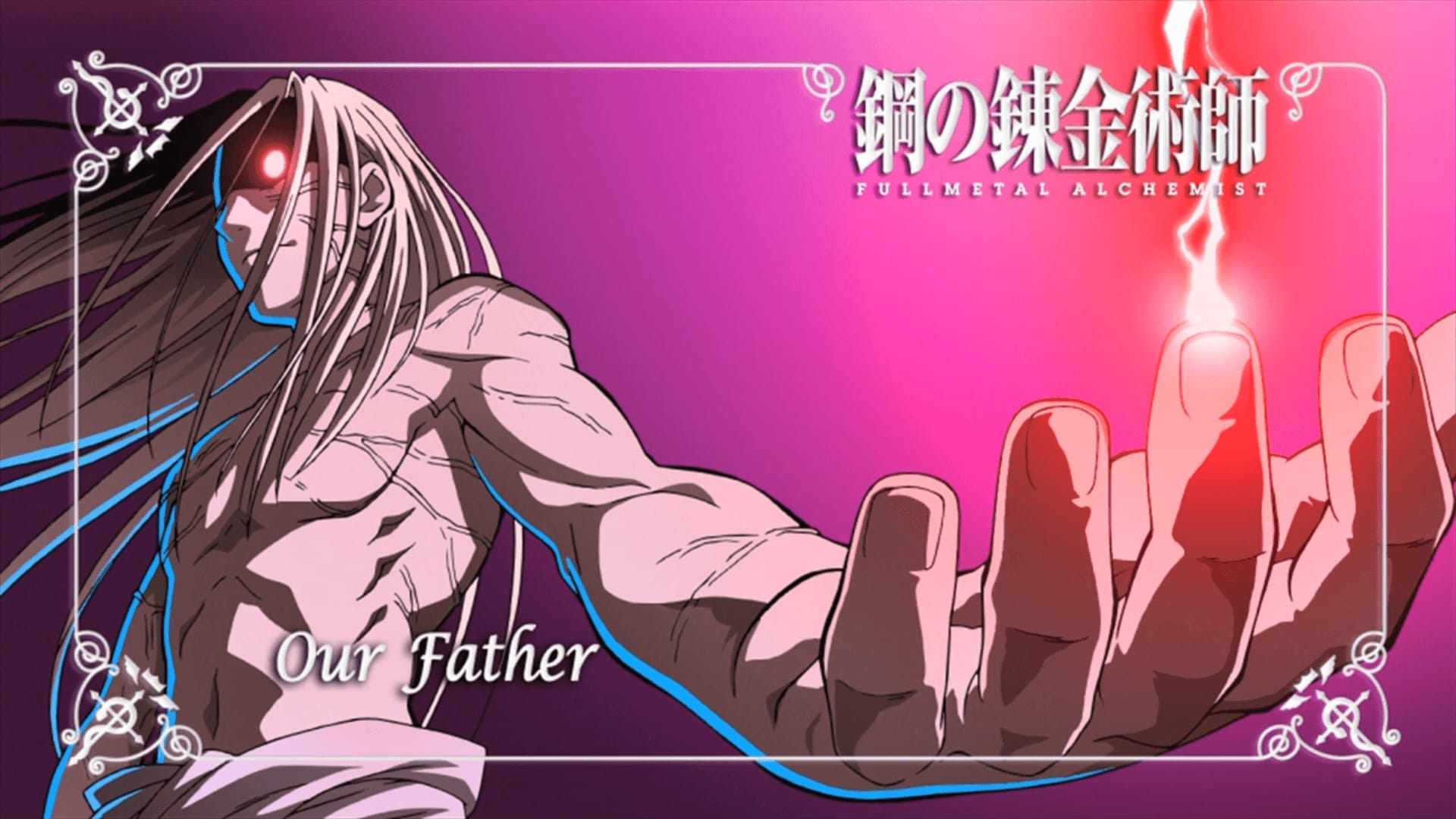
The 2003 version’s main villain is Dante, a character original to that anime. The military corruption subplot and the homunculi all serve a different narrative purpose than in Brotherhood. Brotherhood’s antagonist is Father — a being who has spent centuries engineering humanity’s suffering toward a single catastrophic goal. Father’s story and the Homunculi’s origins are completely different between the two versions, which means watching both genuinely feels fresh rather than repetitive.
Character Development
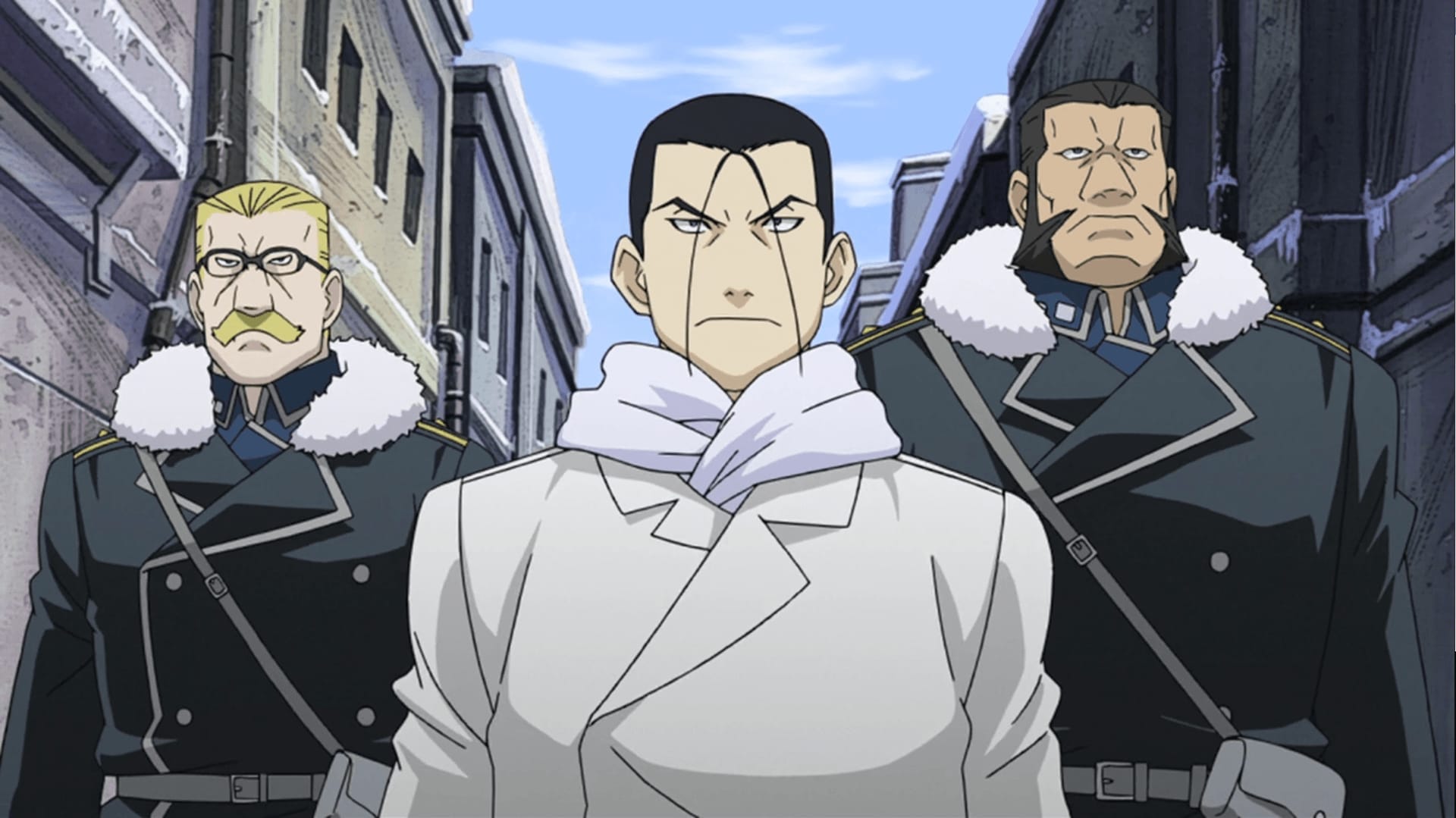
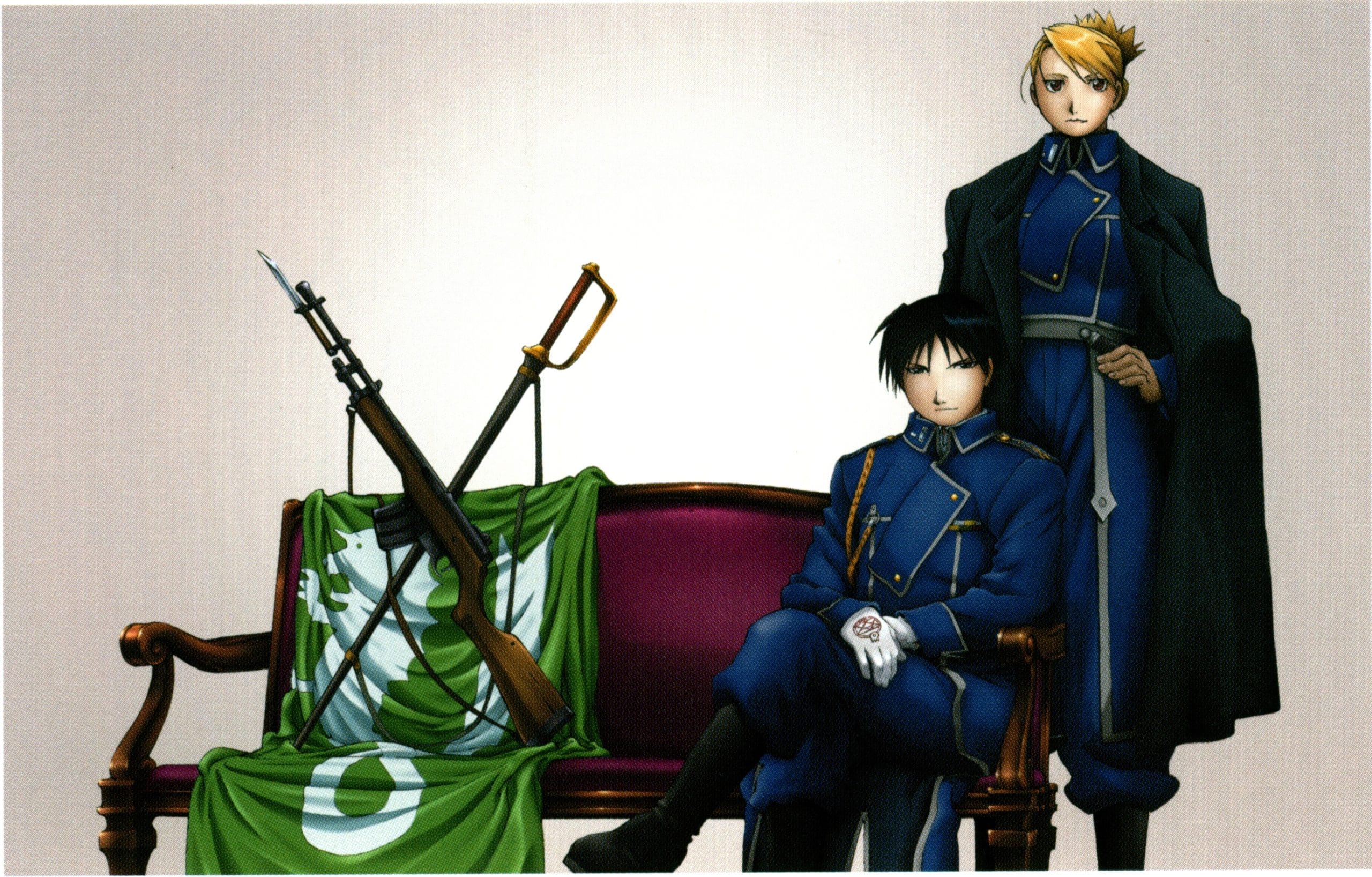
Several characters get significantly more or less screen time depending on which version you’re watching. Roy Mustang, Scar, and the Ishvalan conflict are handled with much more depth in Brotherhood. The 2003 series, meanwhile, gives more attention to certain side characters and has a slower, more introspective pace in its middle stretch. Hughes’s arc hits differently in each version — both times it will destroy you, but in different ways.
Quick Comparison Table
| Feature | FMA 2003 | FMA: Brotherhood |
|---|---|---|
| Episodes | 51 | 64 |
| Manga faithful? | No (diverges ~ep 13) | Yes (complete adaptation) |
| Main villain | Dante (anime original) | Father (manga) |
| Tone | Dark, melancholic | Epic, action-driven |
| Ending | Bittersweet, open | Complete, satisfying |
| Continued by movie? | Yes — Conqueror of Shamballa | Yes — Sacred Star of Milos |
The Two Recommended Watch Orders
There are two main approaches fans recommend for the complete FMA Brotherhood watch order. Which one works best depends on your priorities — do you want the cleanest, most satisfying story experience, or do you want to experience the franchise the way many longtime fans did when it first aired?
Option 1: Brotherhood First (Recommended for Most People)
This is the approach most anime fans today will tell you to take. Start with Brotherhood — it’s the complete, manga-faithful story with a proper ending. Then, if you’re hooked and want more of this world, go back and watch the 2003 series as an alternate-universe reimagining. The 2003 series won’t feel repetitive because it diverges quickly and goes somewhere completely different.
| Step | Title | Episodes/Runtime | Notes |
|---|---|---|---|
| 1 | Fullmetal Alchemist: Brotherhood | 64 episodes | The main event. Watch this first. |
| 2 | The Sacred Star of Milos | ~110 min movie | Optional. Side story set during Brotherhood. |
| 3 | Fullmetal Alchemist (2003) | 51 episodes | Alternate universe take. Watch as a bonus. |
| 4 | Conqueror of Shamballa | ~105 min movie | Sequel to the 2003 series. Required if you watch that series. |
Option 2: Chronological / Release Order (For the Full Experience)
This is how fans experienced the franchise in real time. The 2003 series aired first, then the Conqueror of Shamballa movie, then Brotherhood years later. Watching in release order means the early episodes of Brotherhood will feel slightly redundant (they cover the same opening arc), but the emotional whiplash of moving from the 2003 universe to Brotherhood’s take on the same characters is genuinely interesting.
| Step | Title | Episodes/Runtime | Notes |
|---|---|---|---|
| 1 | Fullmetal Alchemist (2003) | 51 episodes | Start here for the original experience. |
| 2 | Conqueror of Shamballa | ~105 min movie | Watch immediately after the 2003 series ends. |
| 3 | Fullmetal Alchemist: Brotherhood | 64 episodes | Skip or speed through eps 1-13 if you want, but watching them gives context. |
| 4 | The Sacred Star of Milos | ~110 min movie | Can watch after Brotherhood or during it (set between eps 20-21 or as a standalone). |
If you choose the chronological route, know that Brotherhood’s early episodes cover the same backstory as the 2003 series opener. Many veterans suggest skimming or skipping Brotherhood episodes 1-13 if you’ve just finished the 2003 version, then picking up properly at episode 14 where the stories really diverge. You won’t lose anything critical, and you’ll save yourself some déjà vu.
The Movies: Conqueror of Shamballa and Sacred Star of Milos
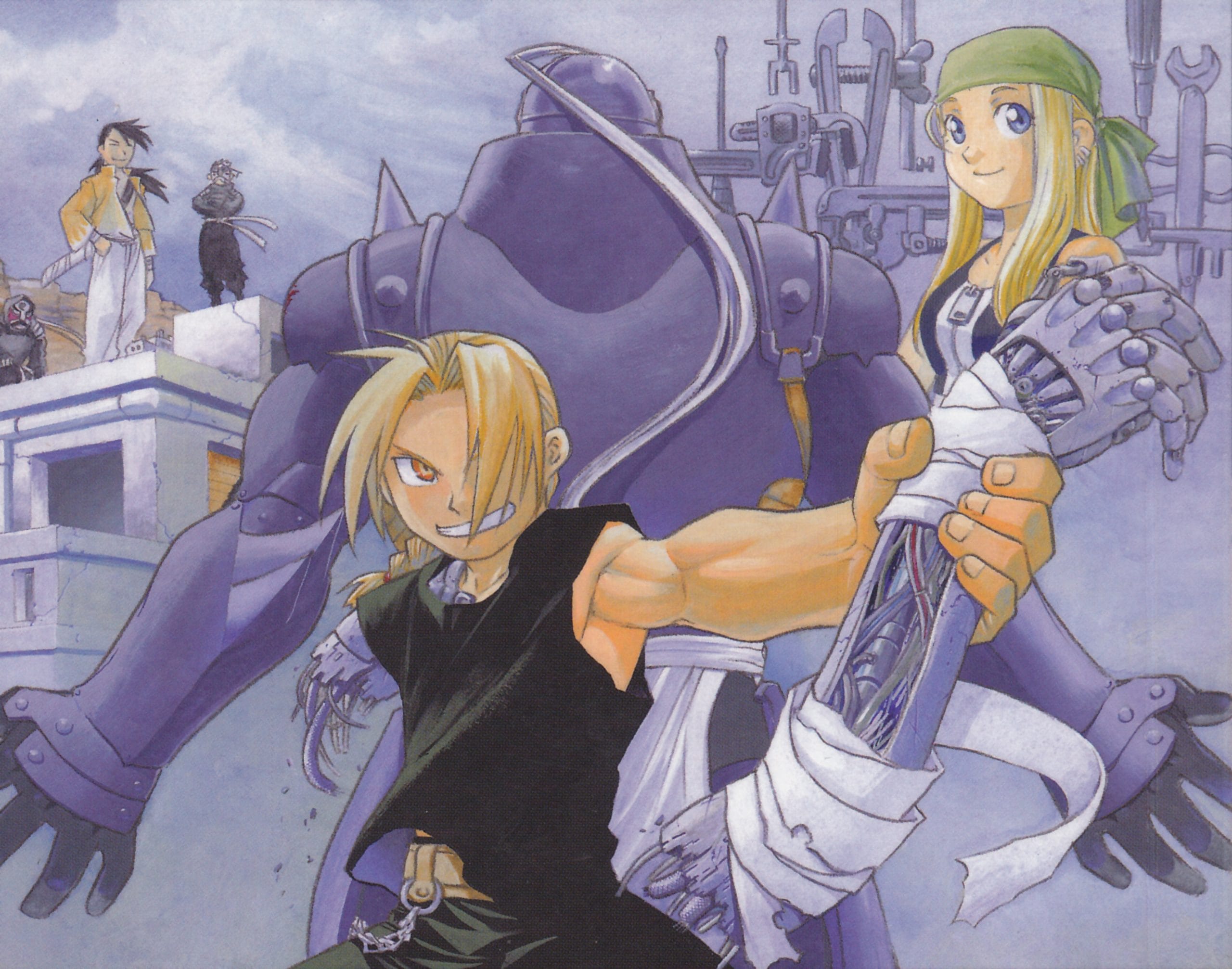
Two films exist in the FMA franchise, and they belong to different universes entirely. Understanding where each one fits in the Fullmetal Alchemist watch order will save you confusion and potential spoilers.
The Conqueror of Shamballa (2005)
This film is a direct sequel to the 2003 anime series. It picks up where that series’ finale leaves off, with Edward stranded in 1920s Munich and Alphonse still in Amestris searching for a way to reunite them. The story involves the Thule Society, early Nazi Germany, and a portal connecting the two worlds. It’s the ending to the 2003 storyline, and you must watch the 2003 series first or it will make no sense whatsoever.
Quality-wise, Conqueror of Shamballa is a polarizing film. Some fans consider it a satisfying emotional conclusion to that universe’s story; others find the World War I-era real-world setting jarring. It’s worth watching if you invest in the 2003 series — don’t skip out after 51 episodes and leave the story unfinished. The film runs about 105 minutes and takes no shortcuts on emotion.
The Sacred Star of Milos (2011)
This film is set in the Brotherhood universe, roughly between episodes 20 and 21 of that series, though it works as a standalone without requiring precise placement. It follows Ed and Al as they investigate a mysterious alchemist in the border town of Table City, caught between two warring factions and a young girl named Julia searching for a legendary stone. Think of it as a solid side quest — entertaining, action-packed, but not essential to understanding Brotherhood’s main plot.
Sacred Star of Milos is generally considered the weaker of the two films, with character designs that look slightly off-model compared to the series. That said, it has some genuinely impressive action sequences and an interesting political subplot. If you love Brotherhood, it’s worth a watch. If you’re on a tight schedule, it’s the most skippable entry in the franchise without any consequences to your understanding of the main story.
Where to Stream FMA in 2026
The good news for anyone starting their FMA Brotherhood watch order today is that both series and both films are widely available on major streaming platforms. Availability can shift with licensing deals, so always double-check your region, but as of early 2026 here’s where to find everything.
| Title | Crunchyroll | Netflix | Funimation/Wakanim | Amazon Prime |
|---|---|---|---|---|
| FMA: Brotherhood | ✅ Sub + Dub | ✅ (select regions) | ✅ | ✅ (Prime Video) |
| FMA 2003 | ✅ Sub + Dub | ❌ | ✅ | ✅ (Prime Video) |
| Conqueror of Shamballa | ✅ | ❌ | ✅ | ✅ |
| Sacred Star of Milos | ✅ | ❌ | ✅ | ✅ |
Crunchyroll is your safest bet for all four titles in most regions. Both series are available with both sub and dub options, which matters because the English dub of Brotherhood is widely considered one of the best in the medium — voice director Zach Bolton and the full cast brought something genuinely special to that production. If you’re a dub fan, you’re in luck here.
For Brotherhood specifically, Amazon Prime Video tends to have it in HD with both language tracks in the US. Netflix has it in some territories but not all, so check your local library before assuming. If you’re in Europe or Southeast Asia, availability varies more widely — Crunchyroll is the most consistent option globally.
Sub vs. Dub: A Quick Take
Both the 2003 series and Brotherhood have strong dubs. The Brotherhood dub is particularly praised — Vic Mignogna and Maxey Whitehead as Ed and Al, with Travis Willingham as Roy Mustang, are performances that hold up exceptionally well. If you usually watch sub, Brotherhood is one of the titles most often recommended to dub-skeptics as a starting point. That said, the original Japanese cast is equally excellent. You won’t go wrong either way.
Tips for First-Time Watchers
A few things worth knowing before you start, especially if this is your first time with the franchise.
Brotherhood’s first episode is a standalone. Episode 1 of Brotherhood is an anime-original cold open that doesn’t appear in the manga. It introduces some characters you won’t see again until much later. Don’t let it throw you — just watch it as a tone-setter and move on.
The early episodes of Brotherhood move fast. Because the production team assumed many viewers had already seen the 2003 series, the first 13 episodes of Brotherhood cover a lot of ground quickly. The pacing normalizes significantly after that point. Stick with it — the payoff is worth every minute.
Hughes. You’ll know when it happens. We’re sorry in advance.
The Ishvalan War backstory is crucial in Brotherhood. Episode 30, “The Ishvalan War of Extermination,” is a standalone flashback episode that reframes everything you’ve seen up to that point about the military characters. Don’t skip it, don’t treat it as filler — it’s one of the best single episodes in the series and completely changes how you’ll understand the final act.
Sacred Star of Milos can wait. If you’re watching Brotherhood for the first time, focus on the main series. Drop the movie in after you’ve finished, or watch it between episodes 20 and 21 if you want to try the in-universe placement. Either works fine.
You Might Also Enjoy
If Fullmetal Alchemist has you hooked on smart, story-driven anime with real emotional weight, here are some other titles worth checking out: