The Fate series has the most intimidating watch order in anime—a multimedia franchise spanning visual novels, anime adaptations, spinoffs, alternate timelines, and mobile games that somehow all connect. But here’s the good news: it’s actually simpler than it looks. This guide cuts through the confusion and provides clear paths for every type of viewer.
Understanding the Structure
Fate/stay night is a visual novel with three routes—Fate, Unlimited Blade Works, and Heaven’s Feel—each featuring the same Holy Grail War but with different heroines, different plot developments, and different revelations. The original VN expected players to complete them in order, with each route building on knowledge from previous ones.
The anime adaptations chose different routes, creating confusion when watched in isolation. Understanding this helps: every Fate/stay night adaptation covers the same basic premise (mages summoning legendary heroes to fight for a wish-granting grail) but tells different stories within that framework.
The Recommended Watch Order
Path A: Optimal (For Most Viewers)
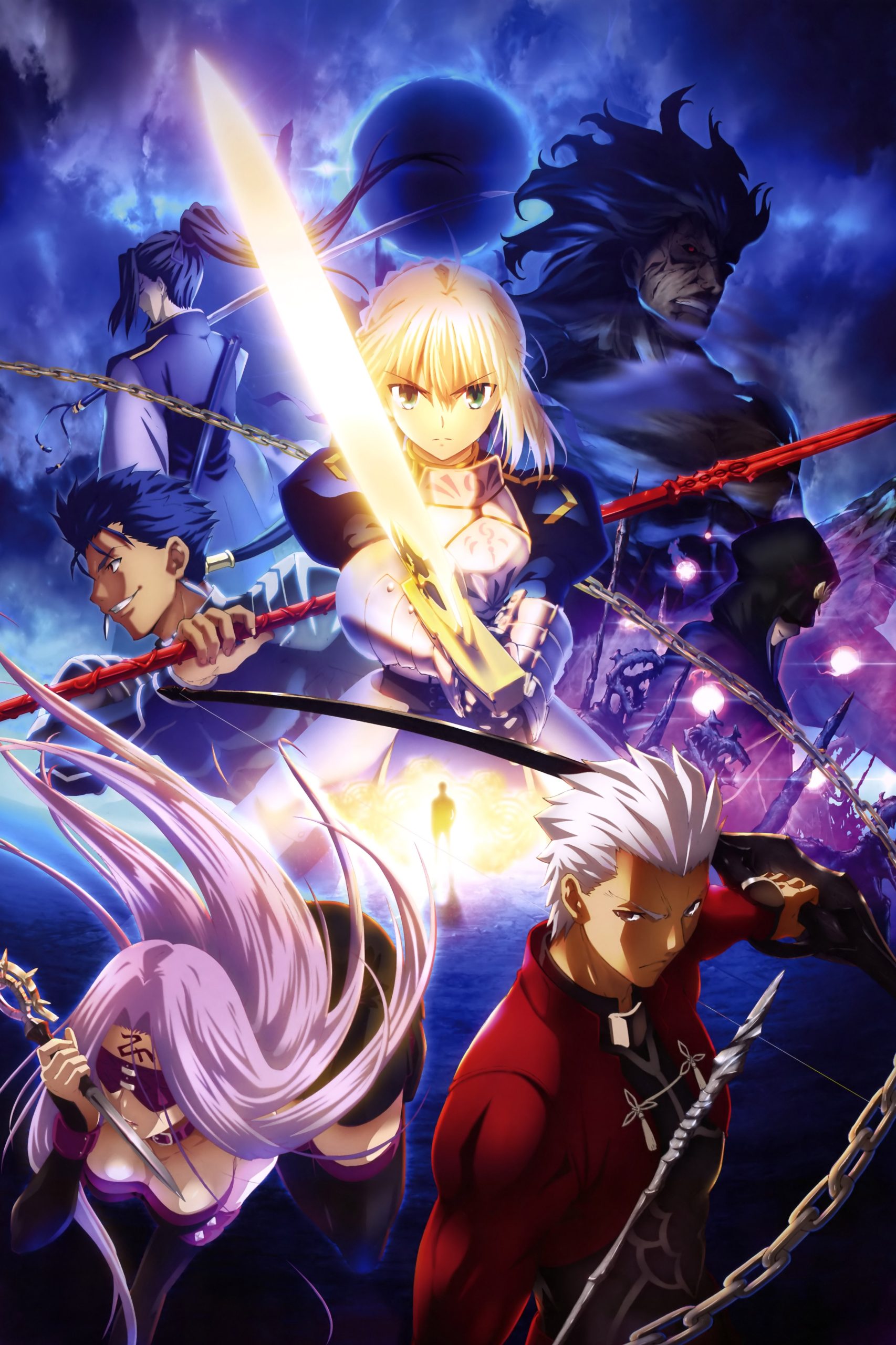
1. Fate/Zero (2011-2012, 25 episodes) — The prequel, chronologically first. Follows the Fourth Holy Grail War, ten years before Fate/stay night. This provides context for the main series while being an excellent standalone story. Ufotable’s production is outstanding.
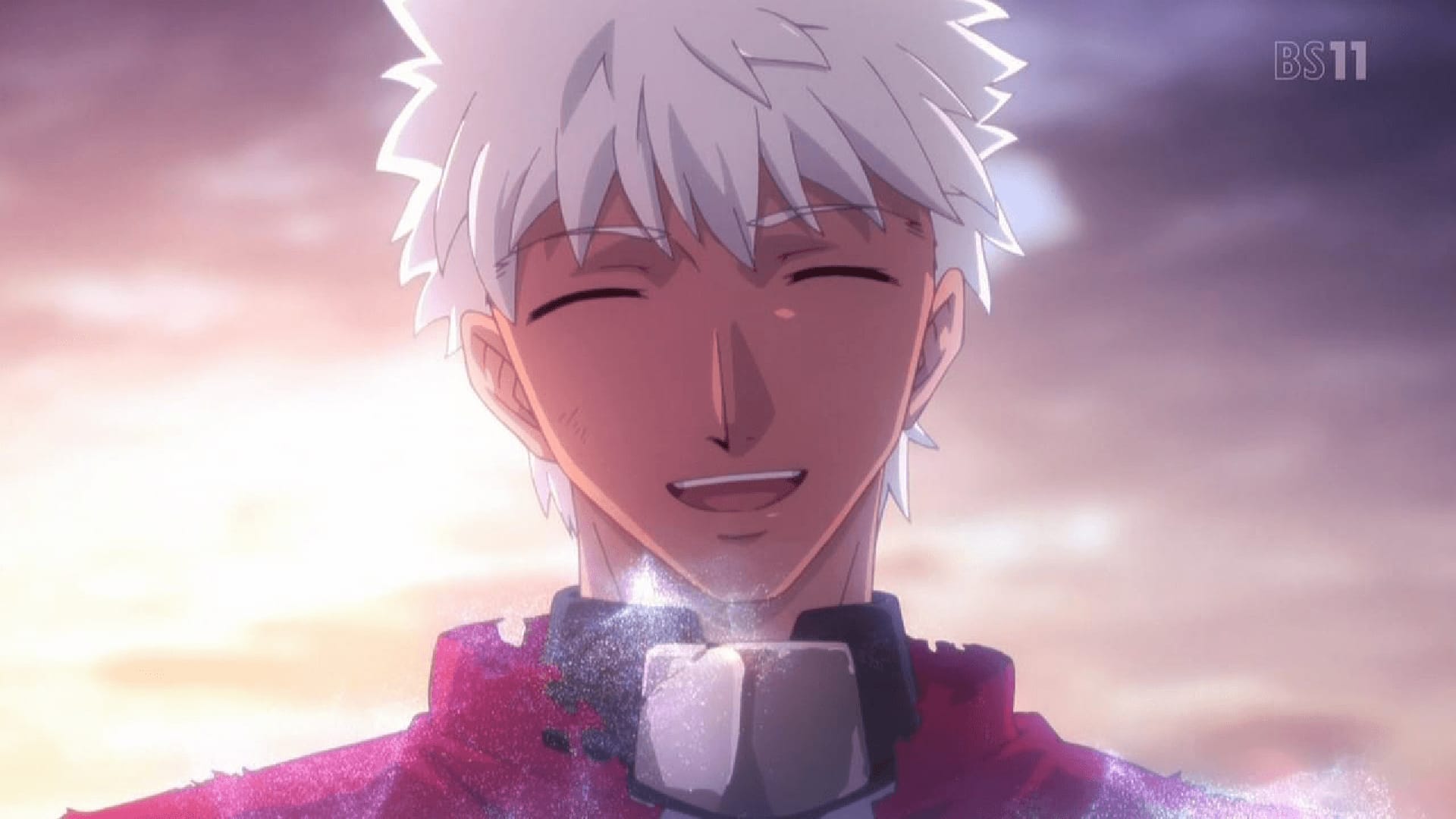
2. Fate/stay night: Unlimited Blade Works (2014-2015, 26 episodes) — The second route adapted by Ufotable. Focuses on Rin Tohsaka and Archer. Beautiful animation, well-paced adaptation, ideal entry to the main Fate/stay night story.
3. Fate/stay night: Heaven’s Feel (Movie trilogy, 2017-2020) — The third and darkest route. Focuses on Sakura Matou. Three films totaling roughly 6 hours. Peak Ufotable production values. Requires UBW knowledge; spoils heavily if watched first.
4. Everything else — Spinoffs, sequels, and alternate timelines after completing the main entries.
Alternative Paths
Path B: Chronological
Same as Path A—Fate/Zero is chronologically first, so this order is already chronological. Some purists argue Zero spoils stay night reveals, but those reveals hit differently rather than worse when you know them in advance.
Path C: Visual Novel Purist
Read the Fate/stay night visual novel first (all three routes), then watch Fate/Zero, then watch the anime adaptations as supplementary content. This is the “correct” order but requires 60+ hours of visual novel reading.
Path D: UBW Start
Start with Unlimited Blade Works to avoid Zero’s spoilers for stay night plot points. Watch Zero second as prequel. This works but means your first Fate experience lacks Zero’s context—a trade-off, not improvement.
What to Skip (Or Watch Later)
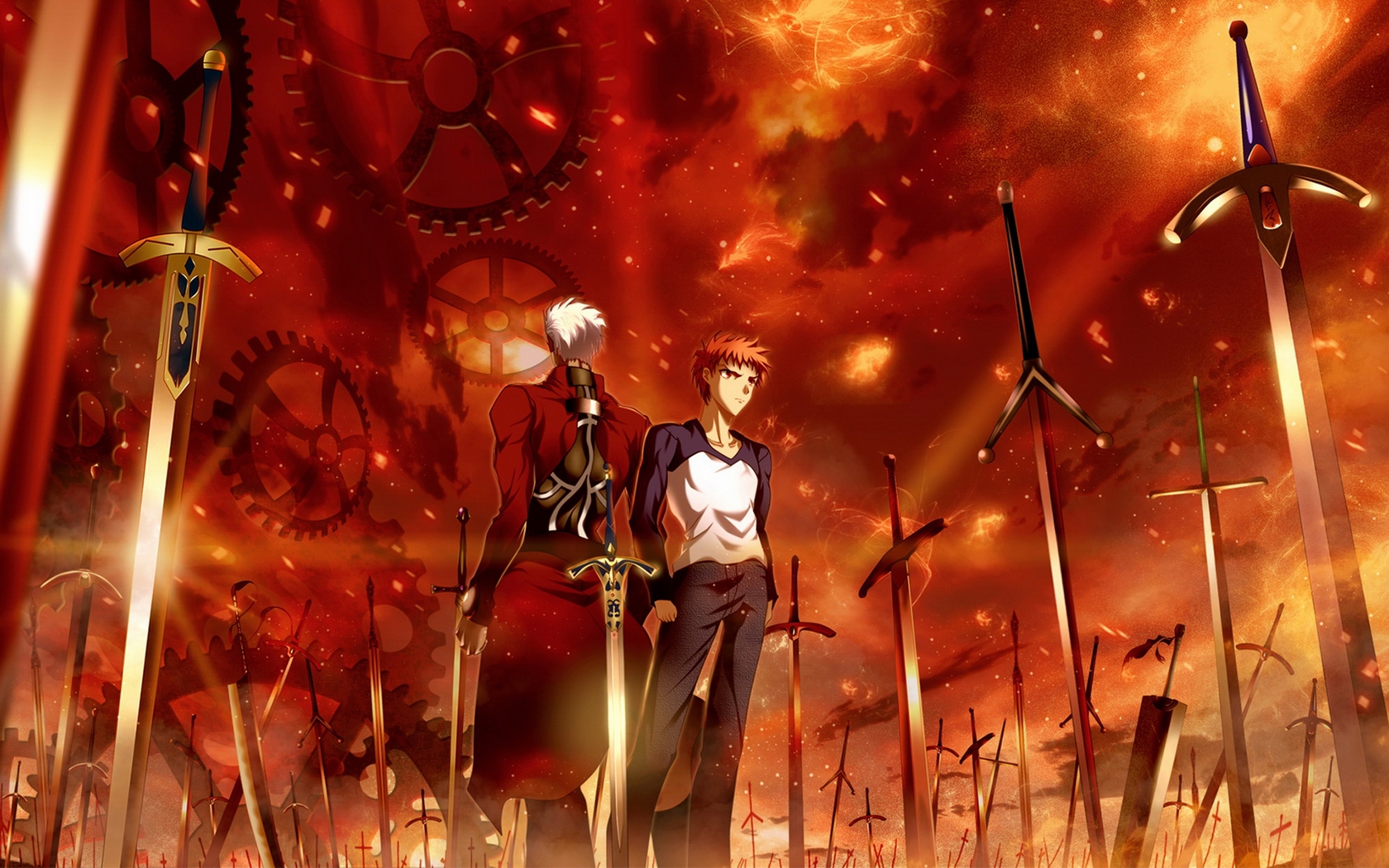
Fate/stay night (2006, DEEN) — Studio DEEN’s original adaptation combines elements from all routes poorly. Animation is dated, pacing is rough, and it’s universally considered inferior to Ufotable’s adaptations. Skip unless completionist.
Fate/Apocrypha — Alternate timeline with different Holy Grail War rules. Decent standalone but not connected to main continuity. Watch after main series if interested.
Fate/Extra: Last Encore — Confusing even for Fate fans. Based on a PSP game with minimal explanation. Skip unless you’ve played the game.
Fate/Grand Order adaptations — Based on the mobile game, these require game knowledge to fully appreciate. Camelot and Babylonia are watchable standalone but enhanced by game context.
The Spinoffs Worth Watching
Fate/Grand Order: Babylonia (2019-2020) — Adapts one of the game’s best storylines. Standalone-friendly with beautiful action sequences. Good entry to FGO without requiring thousands of hours of gacha gaming.
Fate/Grand Order: Camelot (Movies, 2020-2021) — Another game adaptation. Quality varies between the two films. Watch after Babylonia.
Lord El-Melloi II Case Files (2019) — Follow-up to Fate/Zero focusing on Waver Velvet as adult. Murder mysteries in the Fate universe. Requires Zero knowledge.
Carnival Phantasm — Comedy spinoff requiring knowledge of multiple Type-Moon works (Fate, Tsukihime). Hilarious if you get the references; confusing if you don’t.
Today’s Menu for the Emiya Family — Slice-of-life cooking spinoff. Wholesome, low-stakes, and charming. Watch after any Fate/stay night adaptation.
The Mobile Game Question
Fate/Grand Order is one of the highest-grossing mobile games ever, with story content that rivals the original visual novel in scope. But it’s also a gacha game requiring significant time investment. Most viewers won’t play it.
The anime adaptations (Babylonia, Camelot) provide highlights without the gacha grind. They’re designed to introduce non-players to FGO’s appeal. If the adaptations interest you, the game awaits—but it’s not required for enjoying Fate anime.
Understanding Holy Grail Wars
Every main Fate entry follows similar structure: seven mages summon seven Heroic Spirits to fight elimination-style battles. The winner gains access to the Holy Grail, which grants any wish. This framework provides consistent rules while allowing varied storytelling within each iteration.
Heroic Spirits are legendary figures from history and mythology—King Arthur (revealed as female), Alexander the Great, Medusa, Gilgamesh—given physical form through the summoning ritual. Each Master-Servant pair has unique dynamics driving individual stories.
The Grail itself is corrupted (revealed across routes), meaning wishes granted through it produce twisted results. This revelation layers across multiple routes, adding meaning to previous events when understood fully.
Why the Confusion Exists
Fate’s watch order confusion stems from multiple factors: visual novel origins requiring sequential route completion, multiple studios adapting different material, alternate timeline spinoffs with variable canon status, and a mobile game that became the franchise’s commercial center.
Type-Moon (the original creators) encouraged this complexity intentionally. The Nasuverse (shared universe including Fate, Tsukihime, Kara no Kyoukai) rewards deep engagement with interconnected references. Casual viewers get confused; dedicated fans get rewarded.
The solution: accept that you won’t understand everything on first viewing. Fate reveals itself across multiple entries. Confusion is temporary; understanding accumulates.
Quick Start Guide
If you’re overwhelmed, here’s the simplest path:
1. Watch Fate/Zero (25 episodes)
2. If you liked it, watch Unlimited Blade Works (26 episodes)
3. If you loved it, watch Heaven’s Feel (3 movies)
4. If you’re obsessed, explore spinoffs
This covers the core Fate experience in approximately 60 episodes plus 6 hours of films. Everything else is supplementary. You can enjoy Fate without becoming a Nasuverse scholar—just pick a starting point and begin.
The Holy Grail War awaits. Choose your Servant and enter.
You Might Also Like
- Spy x Family vs Frieren: Wholesome Anime Battle
- Eren vs Light Yagami: Battle of the Anti-Heroes
- One Piece Filler Guide: Episodes to Skip