What Is Fairy Tail? A Quick Overview for New Fans
If you’ve been browsing anime lists and keep seeing Fairy Tail pop up, you’re probably wondering what the deal is. This Fairy Tail review is going to give you the honest, unfiltered take — the kind you’d get from a friend who’s watched all 328 episodes and has feelings about it. Fairy Tail is a shonen anime (and manga by Hiro Mashima) that ran from 2009 to 2019. It follows Natsu Dragneel, a fire-breathing Dragon Slayer wizard, and his friends in the rowdy, loveable Fairy Tail guild as they take on jobs, fight dark guilds, and somehow save the world more times than should be statistically possible.
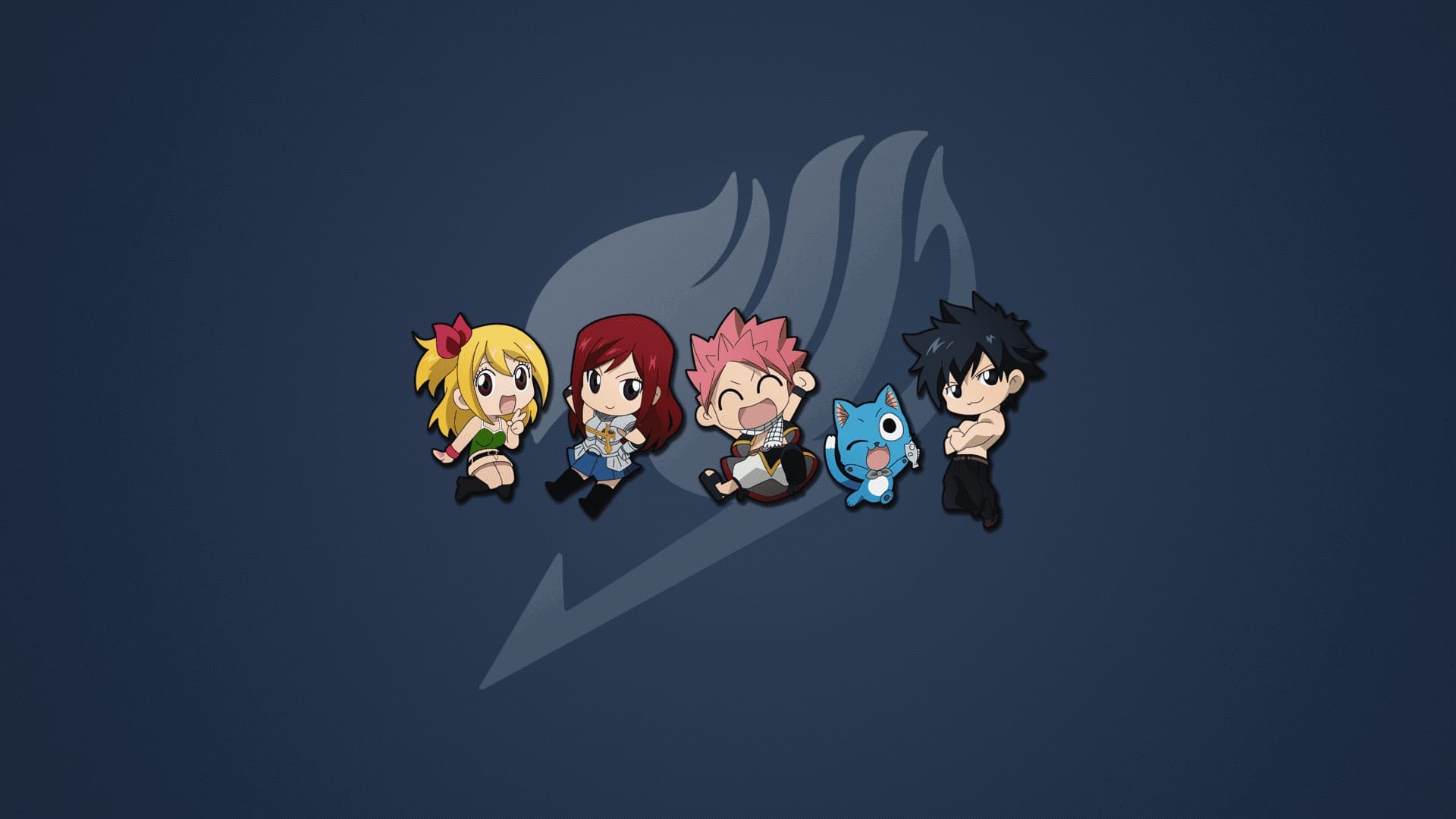
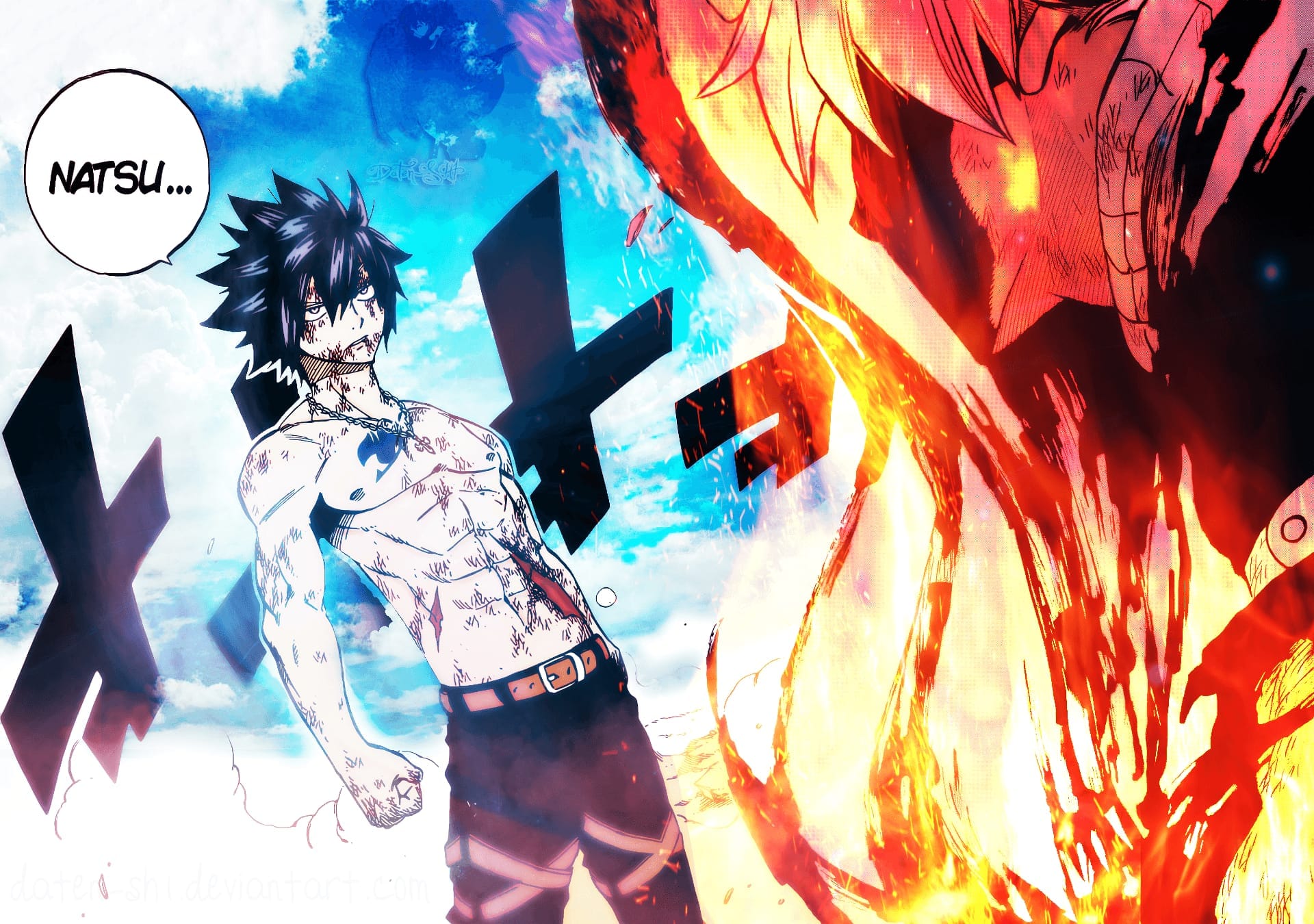
The world is Fiore, a kingdom where magic is a profession. Wizards join guilds, guilds take on clients, and everything runs like a slightly chaotic labor union with occasional apocalyptic threats. The core cast is massive — you’ve got Lucy Heartfilia, a Celestial Spirit wizard who joins Fairy Tail early on; Erza Scarlet, the terrifying and somehow also the most emotional armored swordswoman you’ll ever see; Gray Fullbuster, an ice wizard with a compulsive need to strip; and Happy, a flying blue cat who says “Aye!” and is objectively the best character. Together they’re Team Natsu, and they are the beating heart of the series.
The series spans two main runs: the original 2009–2013 run (175 episodes), a hiatus, and then the 2014–2019 continuation that finishes the manga’s story. There’s also a 2022 sequel series, Fairy Tail: 100 Year Quest, which is still ongoing. So yes, you’re looking at a serious time investment. The question is whether it’s worth it. Let’s break it down properly.
What Fairy Tail Does Really Well
Let’s start with the good stuff, because there’s genuinely a lot of it. Fairy Tail is one of the warmest, most emotionally generous shows in the shonen genre. It earns its reputation as the “friendship anime” even when that reputation gets used as a punchline, because the relationships between characters feel real and lived-in in a way that sneaks up on you.

The guild itself is the secret weapon. Fairy Tail the guild isn’t just a backdrop — it’s a character. It has history, internal politics, rivalries, and a culture of loyalty that the show takes seriously. When guild members fight for each other, it doesn’t feel hollow because Mashima has spent time showing you why they matter to each other. The master, Makarov, is one of the better mentor figures in shonen anime. He genuinely loves his “children” and it shows in every scene he’s in. That emotional foundation makes the big battles land harder than they should, logically speaking.
The hype moments are absolutely elite. Fairy Tail knows how to build to a payoff. Erza requiping into a new armor mid-battle, Natsu going full Dragon Force, Laxus showing up when things look hopeless — these sequences are constructed with real craft. The music (Yasuharu Takanashi’s score is excellent throughout) hits at exactly the right moment, the animation spikes in quality during key fights, and the narrative momentum builds in a way that makes you pump your fist at the screen whether you want to or not. Even if you know intellectually that the villain is probably going to lose, the journey to that loss is exciting.
The world-building, when the series commits to it, is genuinely interesting. The magic system isn’t the most rigorous you’ll find in anime, but it’s creative and visually diverse. Celestial Spirit magic, Ice-Make magic, Dragon Slayer magic, Archive magic, Requip — there’s enough variety that fights don’t feel repetitive, and each mage’s magic tends to reflect their personality in ways that feel intentional. The broader lore about dragons, Zeref, Etherion, and the history of Fiore is compelling when it gets explored properly.
What Fairy Tail Does Poorly (Let’s Be Honest)
This is the section where we have to be real with each other. Fairy Tail has some persistent, deeply frustrating problems that don’t go away — they actually get worse as the series progresses. If you go in expecting a tightly plotted, consequence-driven shonen, you’re going to get hurt.
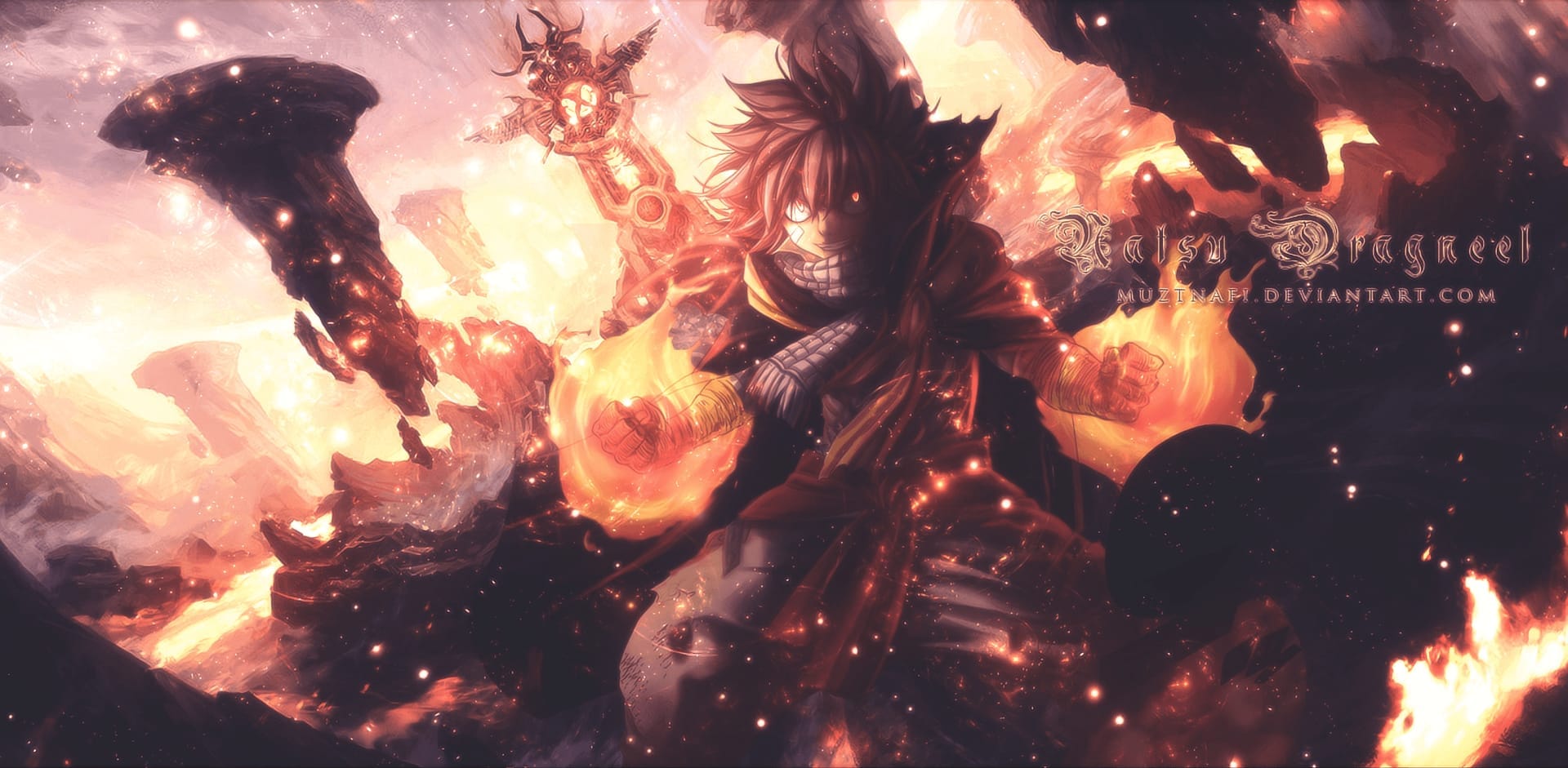
The “power of friendship” problem is real and it is severe. Fairy Tail didn’t invent the concept of characters getting a power boost from emotional resolve — that’s a genre staple — but it leans on it so heavily and so repeatedly that it becomes noise. Characters who should be dead are not dead. Stakes that are established are immediately undermined. By the time you reach the later arcs, you’ve been conditioned not to worry when characters are injured, captured, or apparently killed, because you know the plot will find a way to reverse it. This is a genuine structural problem because tension requires the audience to believe the threat is real. Fairy Tail makes this increasingly difficult to sustain.
The fanservice is a thing. Mashima is not subtle about it. Lucy’s outfits are consistently chosen for maximum exposure. Erza’s battle damage follows physics that don’t exist. The female characters are often reduced to their physical appearance in ways that feel dated and sometimes genuinely uncomfortable. It’s not unwatchable, but it is constant enough that it becomes a background hum of annoyance, particularly for viewers who came for the actual story. This is worth flagging upfront so you know what you’re getting into.
The pacing, especially in the second run of the anime, is rough. There are filler arcs. There are episodes that feel padded. There are moments where the anime clearly bought time waiting for the manga to advance, and it shows. The original series has a tighter feel; the 2014 continuation sometimes drags in ways that test your patience.
The villain problem is also real. Fairy Tail cycles through an enormous number of antagonists, and very few of them get the development they need to feel like genuine threats rather than obstacles. Hades is menacing but underused. Mard Geer is interesting but exits quickly. Even Zeref — the series’ central villain across hundreds of episodes — gets a resolution that many fans felt didn’t honor the buildup. The show is better at creating the sensation of threat than it is at following through on it, and that gap between setup and payoff is noticeable by the time you’re deep into the second half.
Character development outside the core four also tends to stall. The guild has an enormous supporting cast — Gajeel, Juvia, Cana, Elfman, Mirajane, Wendy — but most of them get one or two showcases and then cycle back to background status. Given how much you end up caring about these people, it’s frustrating that the series doesn’t invest more consistently in them.
The Best Arcs (Where Fairy Tail Is At Its Peak)
Not all arcs are created equal. When Fairy Tail is operating at its best, it genuinely competes with the upper tier of shonen anime. These are the arcs that justify the entire journey.
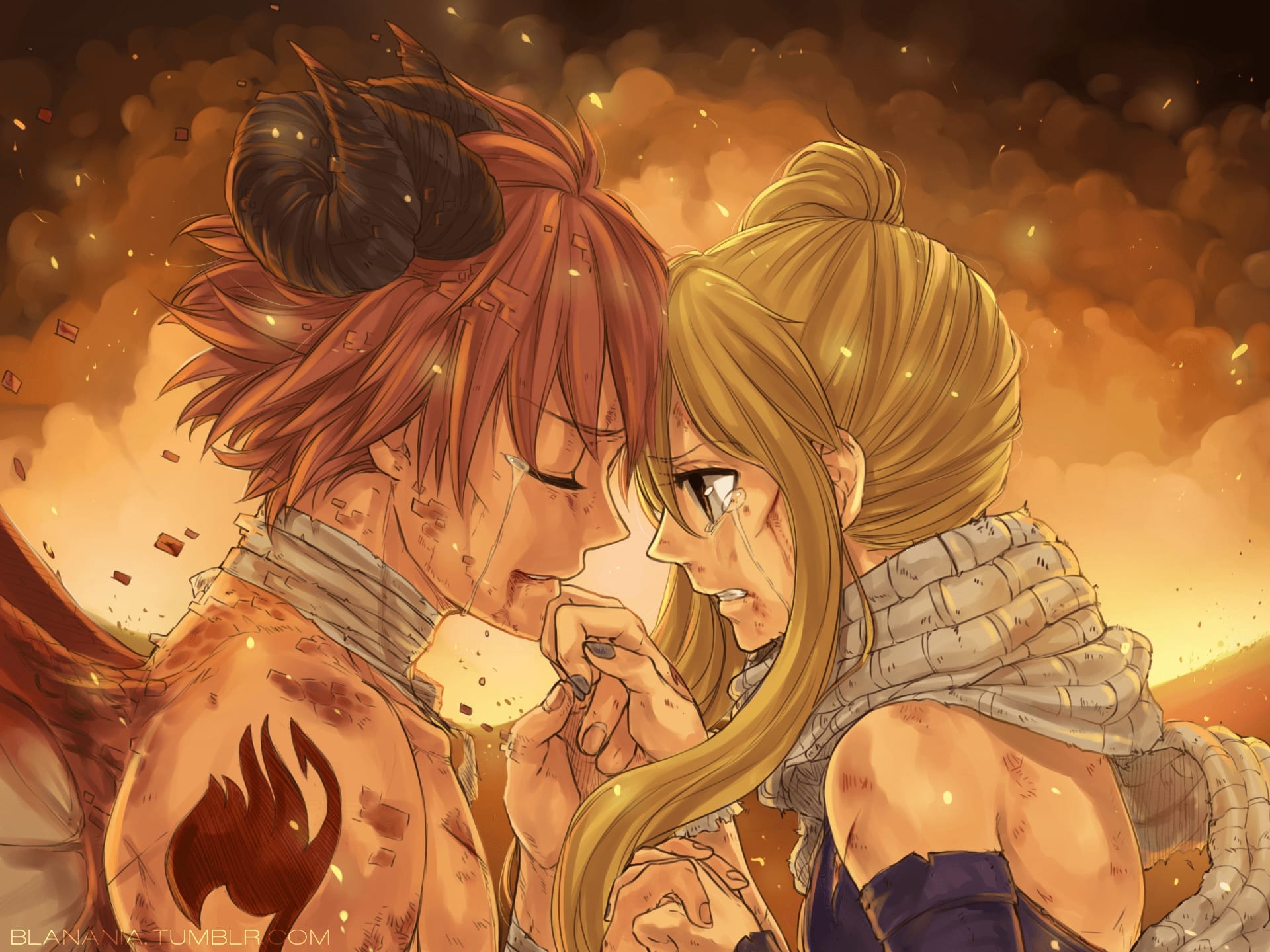
Tenrou Island Arc — This is where the series finds its footing and commits. The stakes feel genuinely high. The introduction of Zeref as a real, terrifying presence rather than a vague background threat works. Acnologia’s appearance at the end is one of the most effective “oh no” moments in the whole series — the dragon just shows up, destroys everything, and you understand immediately that the power scale has changed. The character work here is also some of the best: Gildarts gets properly introduced, Cana’s backstory lands emotionally, and the final moment where the guild disappears is genuinely earned. This arc made Fairy Tail feel like it could go places.
Grand Magic Games Arc — The longest arc in the series and arguably the most entertaining. The tournament format gives the show permission to showcase the full breadth of its cast across multiple match-ups, and it largely delivers. The Erza vs. 100 monsters sequence is ridiculous and perfect. Kagura is a great addition. The political intrigue involving the kingdom and the Eclipse Gate adds layers the series doesn’t always bother with. The arc goes on longer than it needs to — the back half loses some momentum — but the highlights here are genuinely spectacular. This arc also has the best density of memorable individual moments per episode of anything in the series.
Tartaros Arc — The darkest, most consequential arc in the series and, for many fans, the emotional peak. Tartaros actually puts the guild through something that sticks. Characters face genuine loss. The stakes feel real in a way that most of the series doesn’t manage. The face-off against the Nine Demon Gates is brutal and exciting, and the arc’s conclusion sets up the final stretch of the series with real weight. Silver’s storyline involving Gray is one of the most emotionally effective things the entire show does. If you’re ever going to cry watching Fairy Tail, this is the arc that will make it happen. It’s not perfect — some of the “power of friendship” shortcuts show up here too — but it’s as close to genuinely great as the series gets.
Honorable mention: Phantom Lord Arc — Early and short but punchy. It establishes the guild’s emotional stakes clearly and features some of the most satisfying combat in the pre-Tenrou portion of the show. Makarov’s confrontation with Jose is excellent.
The Worst Arcs (Where Fairy Tail Tests Your Patience)
In the interest of fairness, some arcs really do not work and you should know about them going in.
The Edolas Arc has fans divided but leans toward tedious. The parallel-world concept is fine in theory, but the execution turns most of your favorite characters into inverted versions of themselves that are more annoying than interesting. It stretches thin over its episode count and the payoff doesn’t justify the journey.
The Alvarez Empire Arc, the series finale, is the most controversial. It’s the biggest arc in terms of scale and has some genuinely spectacular moments — August and Irene are great villain additions — but it also commits the series’ worst sins at the highest volume. Characters who should die don’t. The “everyone gets their power back” moments stack up until they’re meaningless. The final confrontation with Zeref, who has been built up for hundreds of episodes as an existential threat, resolves in a way that many fans found deeply unsatisfying. It’s not unwatchable. But as a finale to a 300+ episode series, it doesn’t fully deliver the payoff the investment deserves.
Several of the pure filler arcs — the Key of the Starry Sky arc in particular — are skippable without guilt. They add nothing to the main story and the quality dips noticeably. If you’re watching Fairy Tail and hit a stretch that feels off, check a filler guide. Your time is valuable.
Fairy Tail: 100 Year Quest — Is the Sequel Worth It?
If you finish the original series and want more, the 100 Year Quest sequel exists in both manga and anime form. The anime adaptation began airing in 2024, so it’s now accessible to anime-only fans. The short answer: yes, it’s worth checking out, with caveats.
100 Year Quest picks up immediately after the original series ends, with Team Natsu setting out to complete a mission that was abandoned a century ago. The mission involves five elemental dragons, and the first arc introduces an entirely new continent with genuinely interesting new characters — particularly Touka, whose arc has more genuine mystery and emotional complexity than most of what the original series attempted.
The good news: the manga team behind 100 Year Quest (Mashima’s original story with art by Atsuo Ueda) has tightened things up noticeably. The pacing is better. The new villains are more nuanced. The stakes feel more real because the new arc isn’t burdened by years of established “nobody important actually dies” precedent. Fans of the original series have responded warmly.
The caveats: the anime is still airing, so you’re not getting a complete experience yet. And the early episodes don’t immediately distinguish themselves from the original series in terms of quality — you need to give it time to find its footing. But as a continuation for fans who invested in the original cast, it’s a legitimate reason to keep going.
Verdict: Is Fairy Tail Worth 300+ Episodes?
Here’s the honest answer: it depends on what you’re looking for, and it depends on you.
If you want airtight plotting, consistent stakes, and a series where every death means something — Fairy Tail is going to frustrate you. This is not Fullmetal Alchemist: Brotherhood. It is not Hunter x Hunter. It doesn’t have the narrative discipline of those shows and it doesn’t pretend to.
But if you want a magic anime that makes you feel genuinely warm about its characters, delivers spectacular action sequences on a regular basis, and builds a world you actually want to spend time in — Fairy Tail delivers. There’s a reason this series has a massive, dedicated fanbase that’s still growing. The emotional core works. The hype moments work. Natsu Dragneel is a great protagonist in the classic shonen mold, and the ensemble around him is one of the most likeable in the genre.
The practical recommendation: Watch it. But go in with the right expectations. Don’t expect George R.R. Martin-style consequences. Do expect a guild anime that makes you care about a found family in a way that surprises you. Watch the Tenrou Island arc, the Grand Magic Games arc, and the Tartaros arc with your full attention — those sections are legitimately excellent. Power through the slower stretches or use a filler guide strategically.
Is it worth 300+ episodes? For fans of big, warm, emotionally generous shonen anime with strong world-building and elite hype moments: yes. Absolutely. For viewers who need tight plotting and permanent consequences: maybe start somewhere else. Fairy Tail knows exactly what it is. The question is whether what it is happens to be what you’re looking for right now. For a lot of people, especially on a cozy weekend binge, the answer is going to be yes.
One more thing worth saying: the dub is genuinely good. Todd Haberkorn as Natsu, Cherami Leigh as Lucy, and Colleen Clinkenbeard as Erza are all excellent casting choices, and if you prefer watching anime dubbed, Fairy Tail is one of the cleaner dub experiences in the shonen space. It doesn’t feel like a downgrade the way some dubs do. That said, the sub has its own appeal — Tetsuya Kakihara’s performance as Natsu has a lot of raw energy that works extremely well during the high-stakes moments.
It’s also worth acknowledging that Fairy Tail has one of the most active fan communities of any anime from its era. The art, the cosplay, the fan theories, the ongoing discussion about 100 Year Quest — this is a fandom that’s still alive and still arguing about whether the Alvarez arc deserved better (it did). Getting into Fairy Tail now means getting into a community, which is a different experience than watching something that’s been quietly forgotten.
Final rating: 8/10 for fans of the genre. 6.5/10 if narrative rigor matters more to you than emotional warmth. Either way, it’s a formative piece of shonen history that’s earned its place in the conversation.
You Might Also Enjoy
- Fullmetal Alchemist: Brotherhood Review — The Gold Standard of Shonen Anime
- Black Clover Review — Is It Actually Worth 170 Episodes?
- Magi: The Labyrinth of Magic Review — The Underrated Magic Anime You Missed
- Rave Master Review — Hiro Mashima’s Other Big Series Explained
- Best Guild Anime to Watch After Fairy Tail — 10 Picks for the Same Feeling