Edward Elric Character Analysis: Why He Stands Apart From Every Shonen Hero
If you’ve spent any serious time watching anime, you’ve encountered the classic shonen protagonist: spiky hair, bottomless optimism, a dream that fuels every punch. Edward Elric character analysis tends to start here — and then immediately realize Ed breaks every single one of those rules. He’s short-tempered, ruthlessly pragmatic, haunted by guilt he refuses to let go of, and powered not by friendship speeches but by cold, hard intellect and a willingness to bleed for what he believes. That combination is exactly why, more than two decades after Fullmetal Alchemist first aired, fans still argue that Edward Elric is the greatest shonen protagonist ever written.
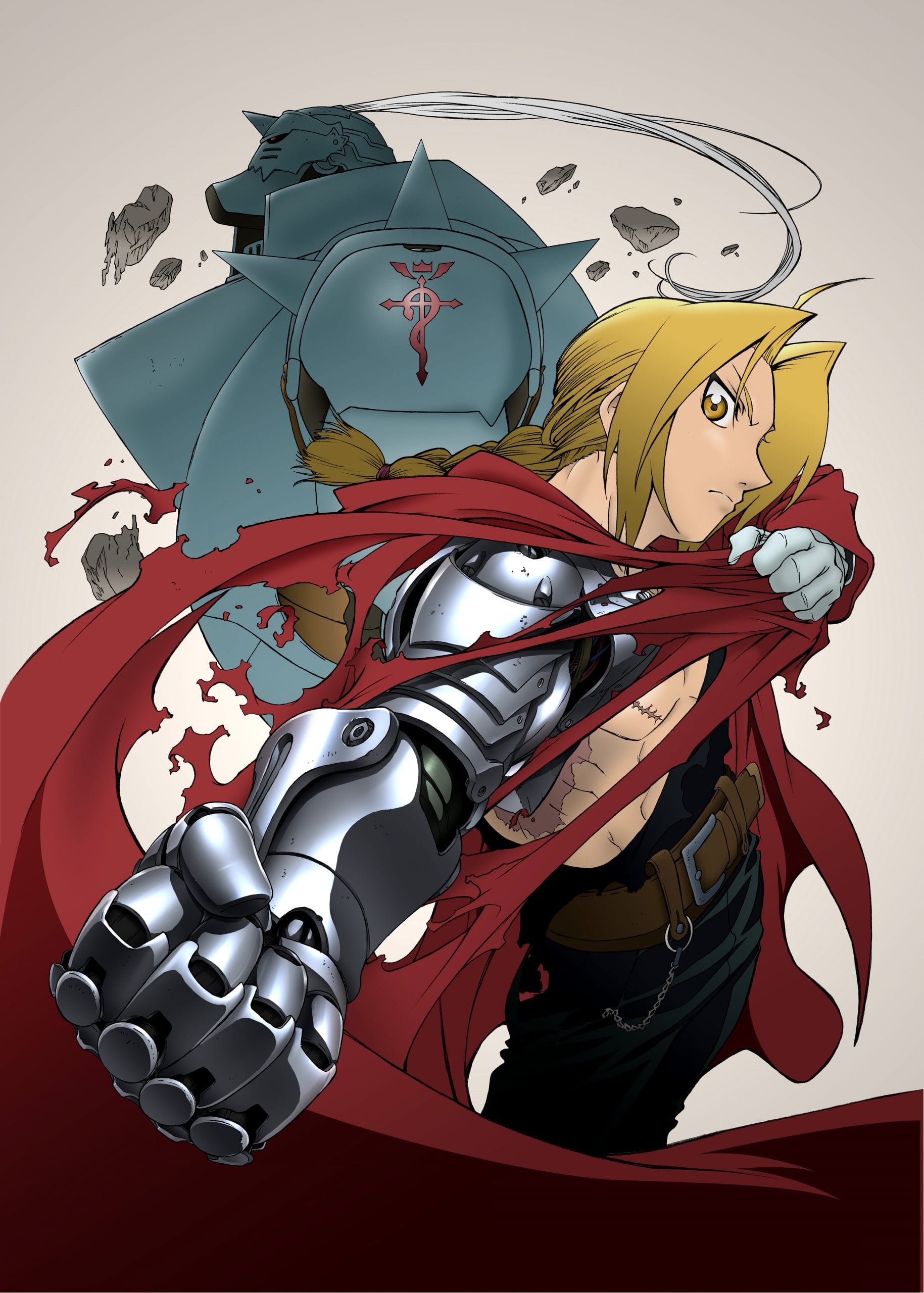
This isn’t blind fandom talking. It’s a case built on craft — the craft of Hiromu Arakawa, who gave us a protagonist who earns every victory, suffers every loss, and grows in ways that feel genuinely human. Ed isn’t a power fantasy. He’s a mirror. And that’s what makes him unforgettable.
Let’s break down exactly what makes this alchemist tick — his design as a character, the arc he travels, his bond with Alphonse, his very real flaws, and how he stacks up against the shonen MCs who came before and after him.
What Makes Edward Elric Unique as a Protagonist
Most shonen protagonists are defined by what they want. Naruto wants to be Hokage. Luffy wants to be King of the Pirates. These are external goals that drive external action. Edward Elric is defined by what he’s done — by a mistake he made as a child that cost his brother his body and cost himself an arm and a leg. His motivation is rooted in guilt and love, not ambition. That’s a fundamentally different emotional engine, and it changes everything about how you experience his story.
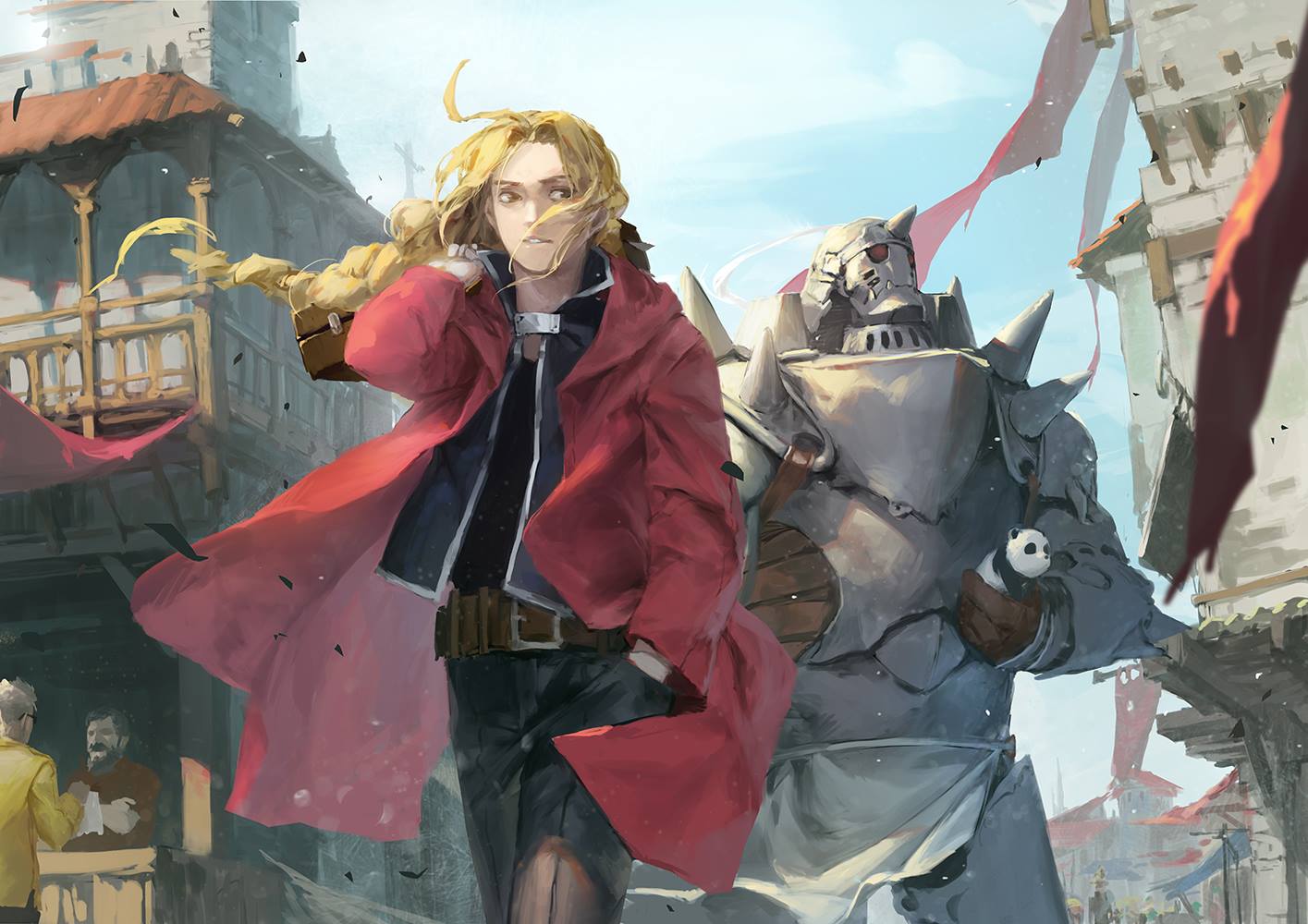
Ed is also, genuinely, brilliant. Not “anime smart” where the character explains something and everyone gasps. Arakawa built alchemy into the story as a real system with real rules — the law of equivalent exchange — and Ed operates within those rules in ways that constantly surprise. He doesn’t power through problems. He thinks through them. Watching him transmute his way out of a corner feels earned because you understand the cost of what he’s doing.
Then there’s the physicality. Ed’s automail arm and leg aren’t just cool design choices. They’re a permanent, visible reminder of his failure. Every time he fights, he carries that weight literally. Other shonen heroes get power-ups when the stakes rise. Ed gets by with ingenuity, stubbornness, and a body that’s been through the wringer. There’s no magic reserve that refills between arcs. What you see is what he has.
His relationship with authority is another standout trait. Ed is a State Alchemist — a military dog, as he’s frequently reminded — but he hates the system he works within. He uses his position as a tool, never as an identity. He refuses to become what the military wants him to be, which creates constant friction that drives the plot in ways passive protagonists never could. Ed doesn’t drift through the story. He pushes against it.
The Growth Arc: From Reckless Kid to True Alchemist
At the start of Fullmetal Alchemist: Brotherhood, Edward is fourteen years old and absolutely certain he knows best. He’s arrogant about his intelligence, dismissive of anyone who questions his methods, and laser-focused on getting Al’s body back by any means necessary. That focus is admirable, but his tunnel vision is a genuine flaw that leads him into some serious mistakes early on. He treats people as obstacles or assets, rarely stopping to consider the broader cost of what he’s chasing.
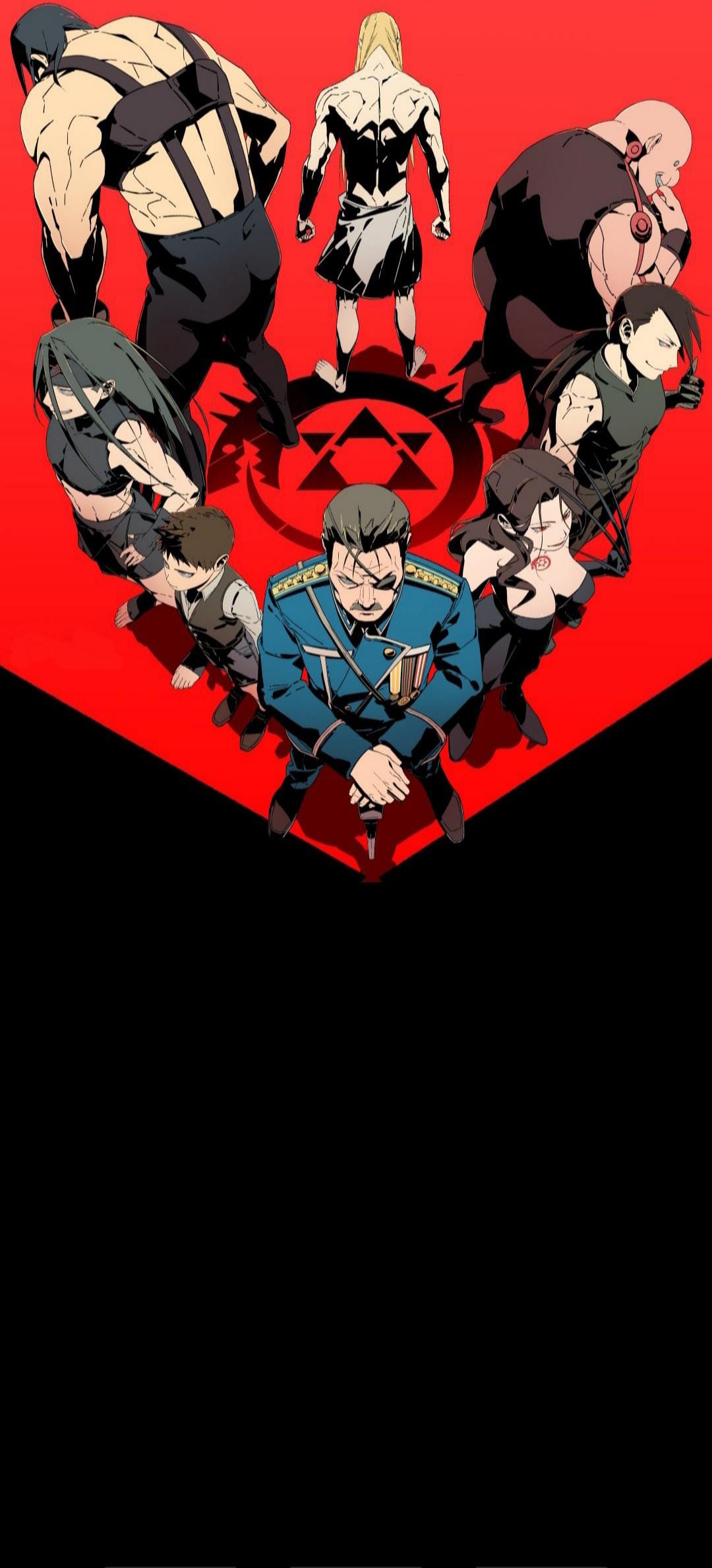
What the series does brilliantly is put Ed in situations where his narrow view of the world gets tested — hard. The people of Reole. Maes Hughes. Nina Tucker. Each encounter chips away at the idea that Ed can fix everything if he’s just smart enough and stubborn enough. The Nina Tucker arc in particular is one of anime’s most devastating gut-punches, and it works because it hits Ed in his core assumption: that alchemy is a tool for good in the right hands. He has to sit with the fact that brilliance without ethics is just a different kind of destruction.
By the time the final act hits, Ed has shifted from someone pursuing personal restoration to someone who understands that the world is bigger than his guilt. He still wants to restore Al. That never changes. But he’s grown enough to recognize that the path he takes matters as much as the destination. The moment he chooses to give up his gate — his alchemy, the thing that defines him — to bring Al back is one of the most character-consistent sacrifices in anime history. It’s not a plot twist. It’s the logical endpoint of everything he learned.
That arc from arrogant prodigy to genuinely wise young man is executed without any of the cheap shortcuts other shonen series rely on. Ed doesn’t have a mentor who dies to give him power. He doesn’t tap into a hidden reserve at the last second. He grows through confrontation, failure, and an increasing willingness to listen to people who challenge him — Winry, Scar, even Mustang. Growth through relationship rather than combat is rare in this genre, and FMA does it with real conviction.
The Brother Dynamic: Alphonse Elric and the Heart of the Story
You cannot do an honest Edward Elric character analysis without spending serious time on Alphonse. The relationship between these two brothers isn’t a subplot or a motivational device. It is the story. Everything Edward does — every dangerous mission, every moral compromise, every refusal to quit — traces back to the fact that he put his little brother’s soul in a suit of armor and cannot live with himself until that’s fixed.
What makes this dynamic special is that it’s not one-sided. Al isn’t just a goal for Ed to chase. He’s a full character with his own doubts, his own quiet courage, and his own philosophical depths. The tension the series mines from their dynamic — Al’s fear that he’s just a copy of a soul, Ed’s terror that his attempts to fix things are making them worse — is genuinely moving. These are two kids carrying adult-sized burdens, and their relationship is the emotional core that keeps you invested through 64 episodes and a feature film.
Ed’s protectiveness of Al is unconditional but never smothering. When Al begins to question his own existence and form his own moral conclusions, Ed doesn’t override him — he supports him, argues with him, and ultimately respects that his brother is his own person. That’s a nuanced sibling dynamic you almost never see in shonen anime, where younger siblings tend to be either comic relief or pure motivation fuel.
The fact that their bond is built on shared guilt rather than simple love gives it texture. Both brothers made the choice to attempt human transmutation. Both suffered for it. They don’t let each other off the hook, but they also refuse to abandon each other. That particular combination — accountability without abandonment — is the emotional backbone that elevates Fullmetal Alchemist above nearly every other series in the genre.
Ed’s Flaws: Why Being Wrong Makes Him Relatable
Here’s something the best shonen protagonists understand that the worst ones don’t: flaws aren’t obstacles to likability. They are the likability. Edward Elric is genuinely, sometimes frustratingly flawed — and that’s precisely why millions of fans connect with him on a level that feels personal.
He has a hair-trigger temper, especially around anything touching his height. Played for laughs early on, this tendency toward explosive reactions is actually rooted in something real: Ed uses anger as armor. When he doesn’t want to feel something — sadness, fear, helplessness — he gets loud instead. It’s a classic defensive mechanism, and Arakawa threads it through the comedy and the drama alike without letting it become a crutch.
His arrogance is a more serious flaw. Ed genuinely believes he’s the smartest person in most rooms, and he’s often right — which makes it harder for him to accept when he’s wrong. Early arcs show him bulldozing through situations where a little more humility would have helped, and he pays for it. Importantly, he doesn’t always learn the lesson cleanly. He backslides. He reverts to old instincts under pressure. That’s authentic character behavior, not the tidy lesson-learned template that weaker writing reaches for.
His stubbornness is both his greatest strength and his most dangerous quality. The refusal to quit that keeps him going through genuine hardship is the same refusal to reconsider that almost gets him killed more than once. Arakawa never lets the story pretend these are separate traits. They’re two faces of the same coin, and that moral complexity is what separates Ed from protagonists whose flaws are just quirks waiting to be resolved.
What the series gets absolutely right is that Ed’s flaws don’t make him a bad person. They make him a real one. He tries. He fails. He tries again differently. He hurts people he loves and has to sit with that, not just move past it. By the time the series ends, he hasn’t become perfect. He’s become better — which is all any of us can really aim for.
How Edward Elric Compares to Other Shonen MCs
Comparisons in anime fandoms are inevitable, and the “best shonen protagonist” debate has produced some legendary arguments. So where does Edward Elric actually land when you put him next to the heavyweights?
Take Naruto Uzumaki, the defining shonen protagonist of his era. Naruto’s appeal is universal — the underdog who earns respect through sheer persistence is one of storytelling’s oldest and most reliable engines. But Naruto’s arc is long, repetitive in spots, and leans heavily on power escalation and emotional speeches to carry its weight. Ed accomplishes more thematic depth in 64 episodes of Brotherhood than Naruto does across 500+. Ed’s wins feel earned because the system he operates in has real rules with real costs. Naruto’s wins increasingly feel like the narrative deciding it’s time for him to win.
Goku from Dragon Ball Z is a different type of comparison. Goku is a force of nature, not a character in the traditional sense — he exists to fight stronger opponents and embody pure martial spirit. That’s a valid archetype, but it’s not complex characterization. Ed is both a great fighter and a developed human being. He has an internal life that affects his external decisions. Goku famously doesn’t, and that’s fine for what DBZ is, but it’s a fundamentally different ambition.
Ichigo Kurosaki from Bleach is perhaps the closest comparison in terms of emotional motivation — Ichigo also fights primarily to protect rather than to achieve. But Ichigo’s character development stalls repeatedly across Bleach‘s run, often resetting after major arcs. Ed’s development is cumulative. Every experience builds on the last. Nothing is wasted or forgotten.
Against more recent protagonists like Tanjiro Kamado from Demon Slayer, Ed offers something Tanjiro — who is almost too pure — doesn’t: genuine moral friction. Tanjiro always does the right thing. Ed sometimes does the expedient thing, then has to wrestle with the cost. That wrestling is where character lives. Both are great in their contexts, but Ed’s context demands more of him and he delivers.
The Legacy of Fullmetal Alchemist’s Greatest Character
Edward Elric’s legacy in anime isn’t just measured in fan polls and cosplay popularity, though he dominates both. His real legacy is the standard he set for what a shonen protagonist can be when the writing refuses to take shortcuts.
Fullmetal Alchemist: Brotherhood is consistently ranked among the greatest anime series ever made, often sitting at number one on aggregate lists. That distinction belongs to the full ensemble, but Ed is the engine. Remove his specific combination of intellect, guilt, stubbornness, and emotional authenticity, and you have a different, lesser show. He’s not just the protagonist — he’s the philosophical center around which everything else orbits.
The law of equivalent exchange, the series’ central philosophical concept, is essentially a mirror held up to Ed himself. He believes in it absolutely at the start, learns its limits through suffering, and arrives at something more nuanced — that true alchemy, true human connection, doesn’t balance on a ledger. You give without guarantee of return. His arc is the thesis statement of the entire series.
His influence on subsequent anime is harder to trace directly but easy to feel. The post-Brotherhood era has produced more protagonists with genuine flaws, moral complexity, and earned growth than the decade before it. Shows like Attack on Titan, Vinland Saga, and Frieren occupy similar thematic territory — protagonists defined by what they’ve lost and what they owe — and while correlation isn’t causation, Ed helped prove there was an enormous audience hungry for that kind of storytelling.
For younger viewers encountering Fullmetal Alchemist for the first time, Ed still hits differently than almost anything else in the genre. Because he’s not aspirational in the traditional sense. He doesn’t show you what you could be if you had his power. He shows you what it looks like to be genuinely trying, to carry real weight, to love someone enough to sacrifice the thing you love most about yourself. That’s not a power fantasy. That’s something closer to the truth of being human.
And that’s why, when the dust settles on any serious shonen protagonist debate, Edward Elric’s name keeps coming up. Not because he wins every fight. Not because he’s the strongest or the most popular. But because he’s the most real — and in a genre built on extraordinary people doing extraordinary things, real is the rarest power of all.