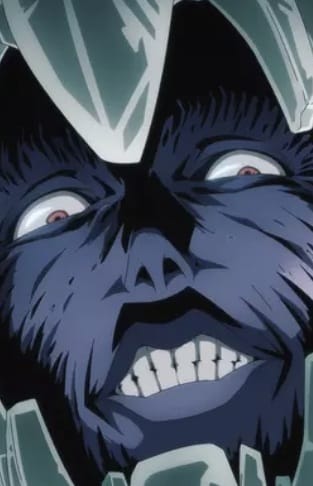
The Cell Saga represents Dragon Ball Z’s artistic peak—the arc where Akira Toriyama’s storytelling, character development, and thematic ambition aligned perfectly before the series’ later excesses diminished its craft. Spanning the Android/Cell arc (episodes 118-194 in Z), this saga delivers what many consider the franchise’s greatest moments. Here’s the complete analysis of why it’s DBZ’s peak.
The Android Threat: Villains With Purpose
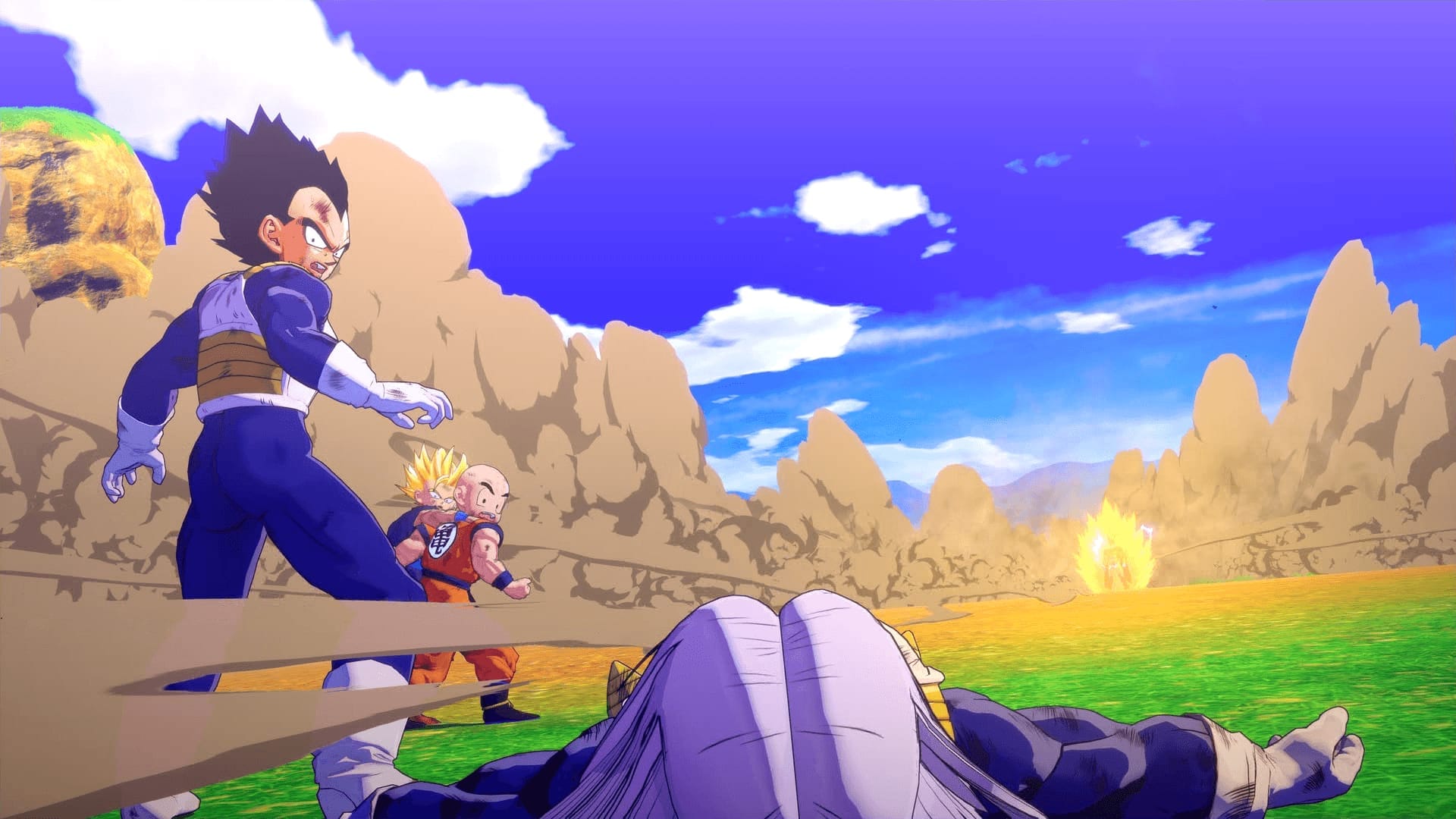
The saga begins with Future Trunks’s warning: androids will kill all the Z fighters in three years. This timeline-based threat structure creates unprecedented stakes—our heroes know death is coming and have fixed preparation time. The countdown creates tension that previous arcs’ immediate threats couldn’t match.
The androids themselves—17 and 18—break villain conventions. They’re not seeking universal domination or revenge; they’re bored teenagers looking for entertainment. Their casual attitude toward destruction makes them more unsettling than cackling conquerors. They kill Goku in the future timeline not for power but because fighting him seemed fun.
18’s humanity, demonstrated through her relationship with Krillin, complicates the hero/villain binary. She’s not evil—she’s amoral, capable of kindness when it suits her. This complexity rewards long-term engagement as 18 eventually joins the heroes’ side through genuine character evolution rather than redemption arc cliché.
Cell: The Perfect Villain
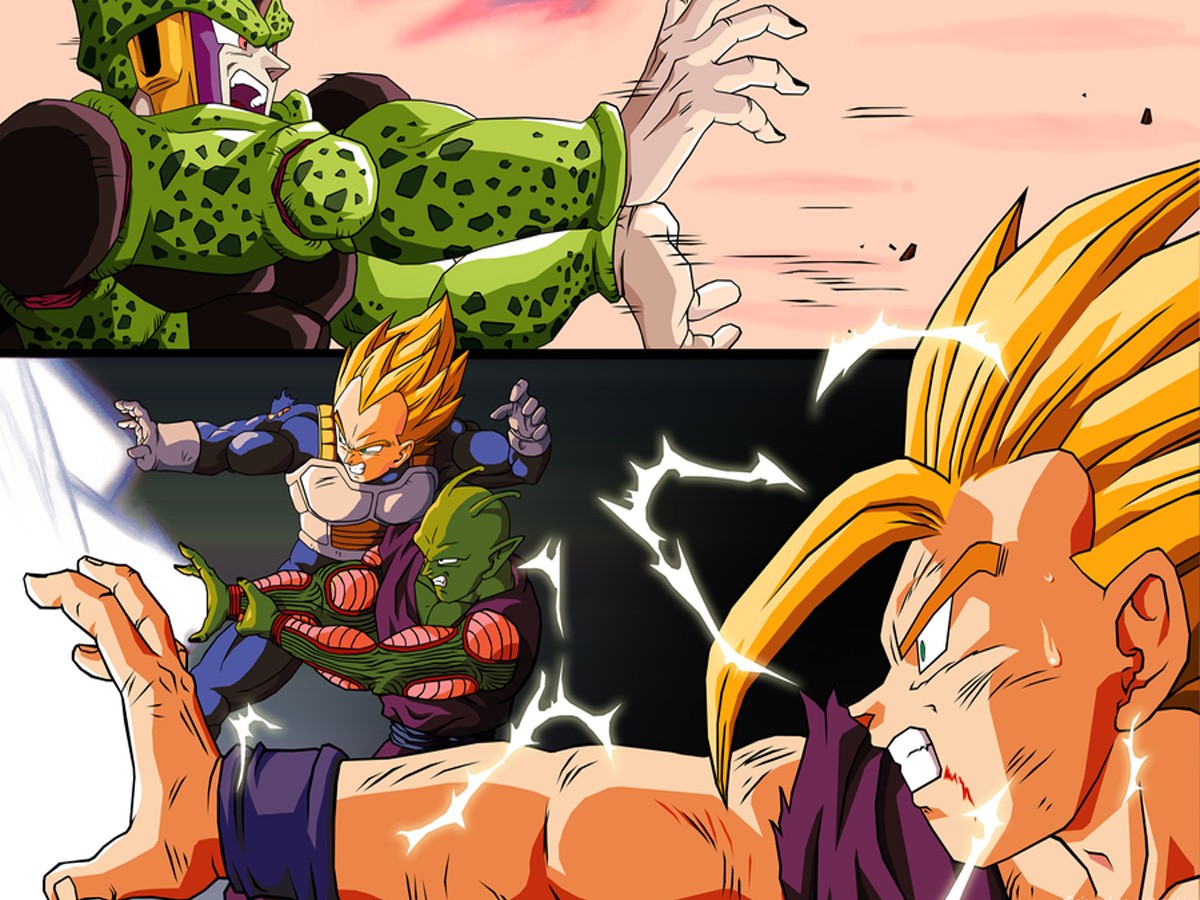
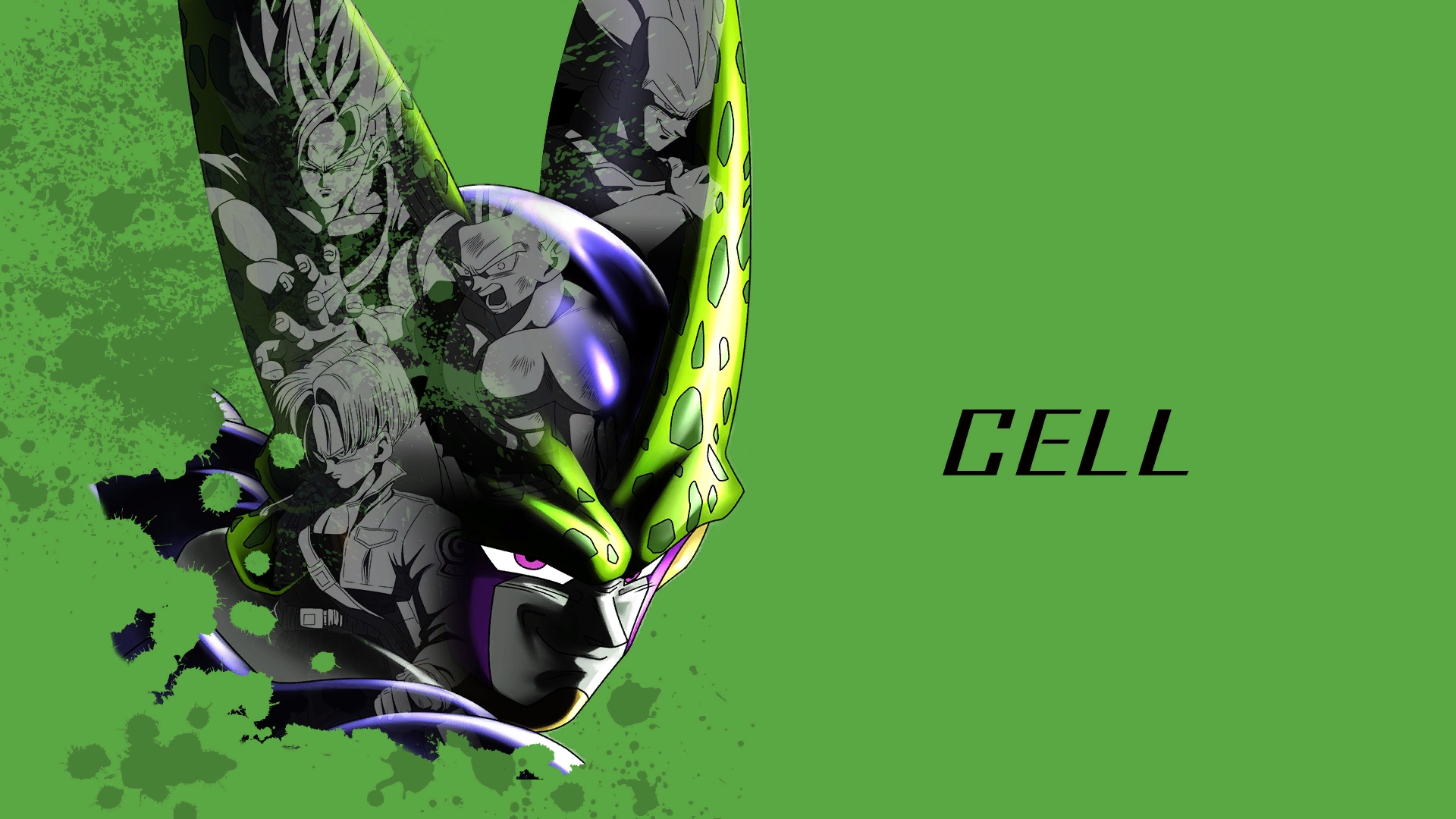
Cell synthesizes everything Dragon Ball Z built. Composed of cells from Goku, Vegeta, Piccolo, Frieza, and Cold, he represents the series’ history made antagonist. His ability to use everyone’s techniques—Kamehameha, Special Beam Cannon, Death Beam—creates a villain who feels like accumulated threat rather than new power introduction.
His evolution through forms mirrors the Saiyans’ transformation concept while adding horror elements. Imperfect Cell’s insectoid absorption of humans, Semi-Perfect Cell’s desperate hunt for 18, and Perfect Cell’s arrogant tournament—each form shifts both power level and personality, creating three distinct villain experiences within one character.
The Cell Games structure proves Cell’s confidence isn’t mere arrogance. He genuinely believes fair competition will prove his superiority. This belief—ultimately validated when he nearly wins—makes him formidable beyond raw power. Cell threatens because he’s right about his strength; his defeat requires circumstances he couldn’t anticipate.
Gohan’s Ascension: The True Protagonist
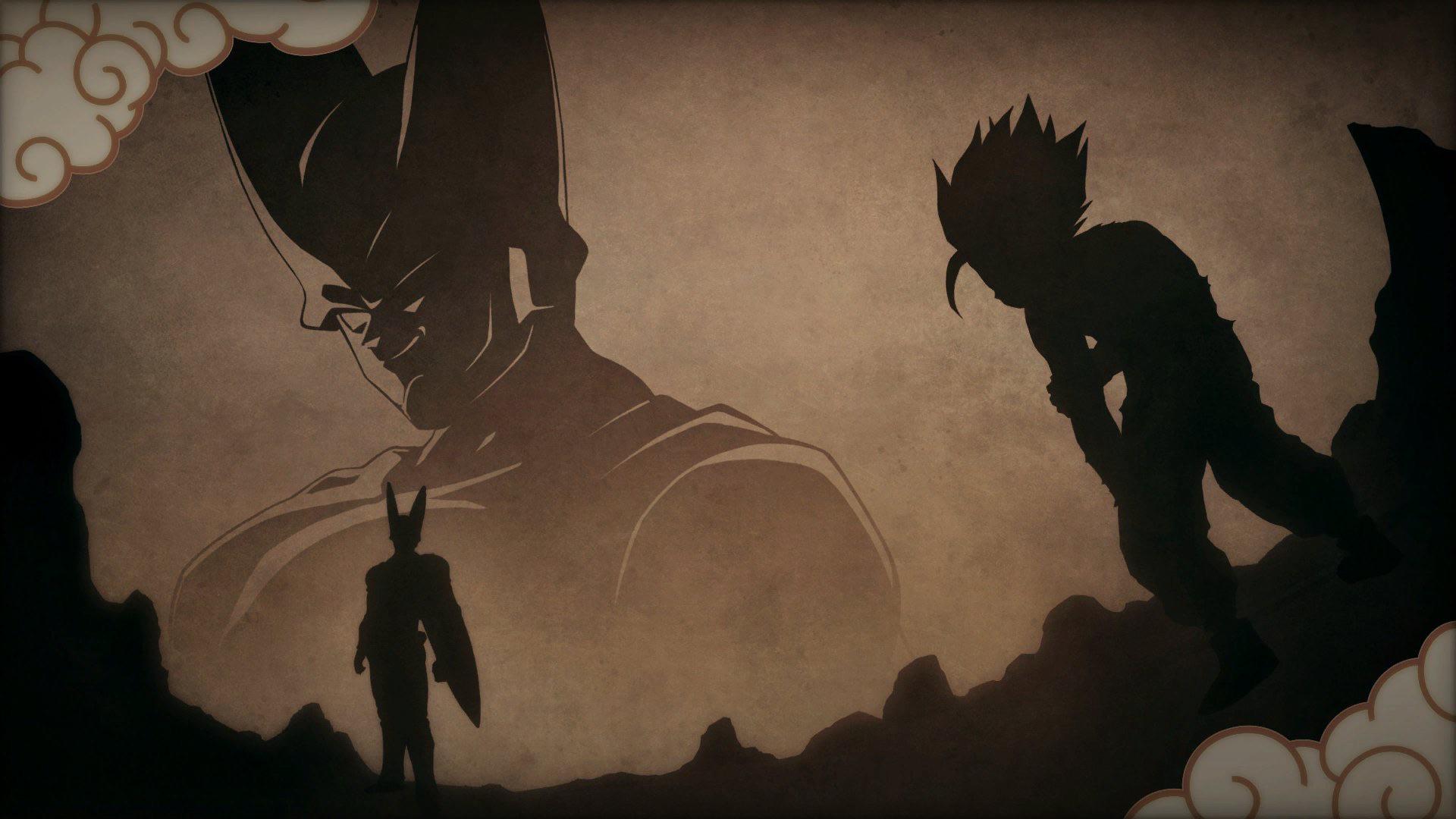
The Cell Saga belongs to Gohan. From the beginning, Dragon Ball has teased Gohan’s hidden potential—power that exceeds his father’s but requires emotional triggers to access. Cell becomes the catalyst that forces Gohan’s transformation from reluctant fighter to universe’s strongest warrior.
Goku’s decision to let Gohan fight Cell alone infuriates the other Z fighters but demonstrates perfect faith in his son. Goku knows Gohan’s potential; he’s spent years preparing his son for this moment. The father stepping aside for the son to exceed him inverts typical shonen structure where protagonists eternally center.
Gohan’s Super Saiyan 2 transformation, triggered by Android 16’s destruction and Cell’s torment of his friends, represents Dragon Ball’s most emotionally resonant power-up. The transformation isn’t achieved through training montage but through emotional breaking point. Gohan’s rage, accumulated across years of forced violence despite his peaceful nature, finally explodes.
The subsequent beatdown of Cell isn’t triumphant—it’s disturbing. Gohan, consumed by anger, tortures Cell rather than finishing him quickly. This sadism allows Cell to nearly destroy Earth through self-destruction. Gohan’s victory comes with failure; his indulgence in vengeance almost costs everything. Character complexity in Dragon Ball Z!
Goku’s Death: The Meaningful Sacrifice
Goku’s death against Cell, teleporting the self-destructing villain away from Earth, provides closure impossible through victory. The series’ protagonist sacrifices himself to correct his son’s mistake—taking responsibility for trusting Gohan with a burden the boy wasn’t ready to handle.
His decision to remain dead compounds the impact. Goku recognizes that his presence attracts threats to Earth; his friends might be safer without him. This selflessness—prioritizing Earth’s safety over reunion with family—demonstrates growth from the fight-obsessed Saiyan of earlier arcs.
The death also enables Gohan’s completion as protagonist. As long as Goku lives, Gohan remains “Goku’s son.” With Goku gone, Gohan must become Earth’s defender in his own right. The father’s death enables the son’s maturation—thematically appropriate even if later arcs undo it.
Vegeta’s Development: Pride Costs Everything
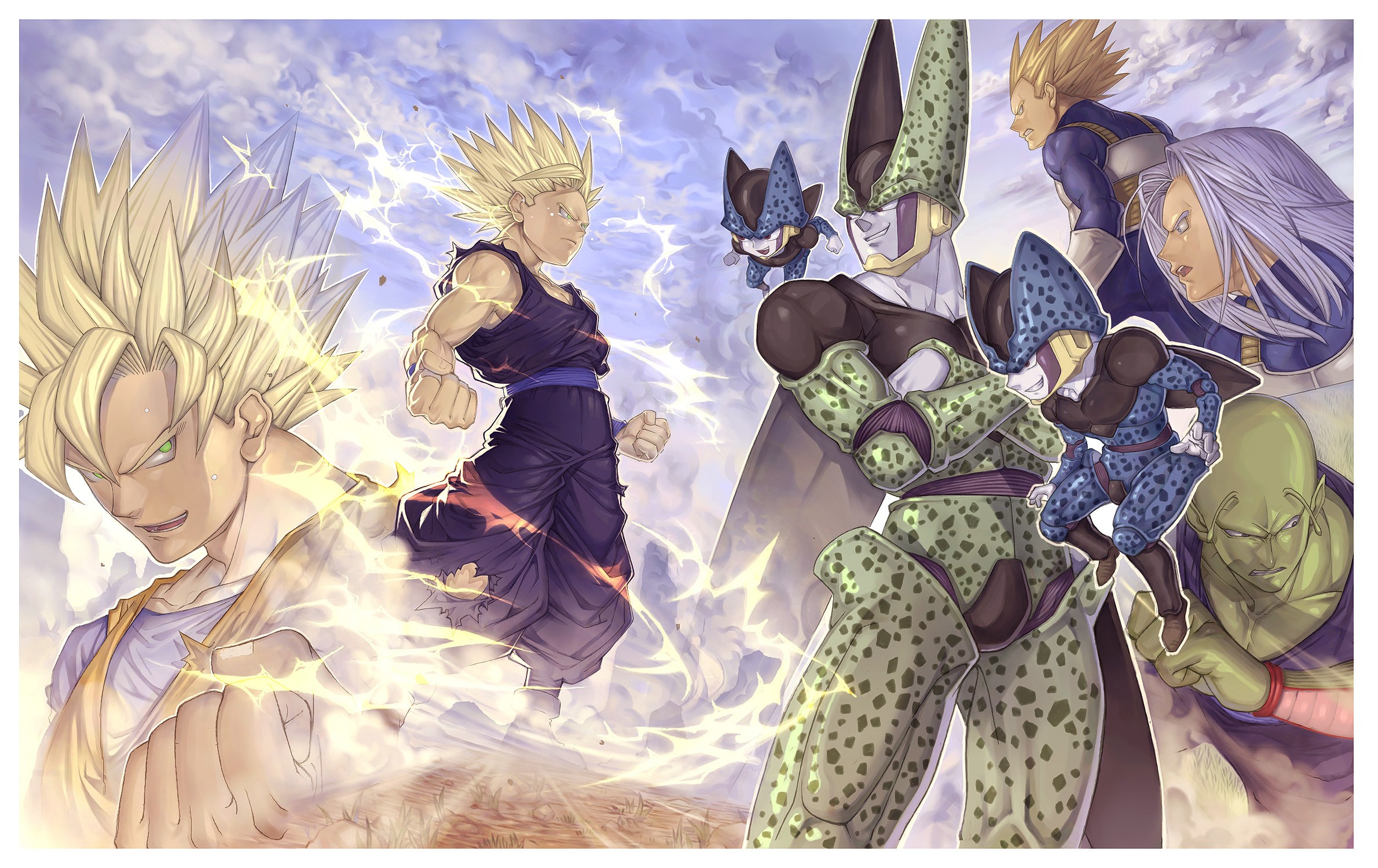
Vegeta’s Cell Saga arc demonstrates why he’s Dragon Ball’s most compelling character. His decision to allow Cell to reach Perfect form—pride demanding the strongest possible opponent—directly causes disaster. Cell’s completion, Trunks’s near-death, and eventual crisis all trace back to Vegeta’s ego.
His breakdown when Trunks dies, attacking Cell in helpless rage, reveals the emotional core beneath his pride. Vegeta, who claimed to care about nothing but strength, loses himself when his son is killed. The Prince of Saiyans, unable to save his child, proves he’s become something more than his Saiyan heritage dictated.
His distraction of Cell during the final beam struggle, enabling Gohan’s victory, completes his arc. Vegeta contributes to saving Earth not through superior power but through recognizing his role. He’s not the strongest; he can still matter. This acceptance, however temporary, represents genuine character growth.
Future Trunks: The Tragic Hero
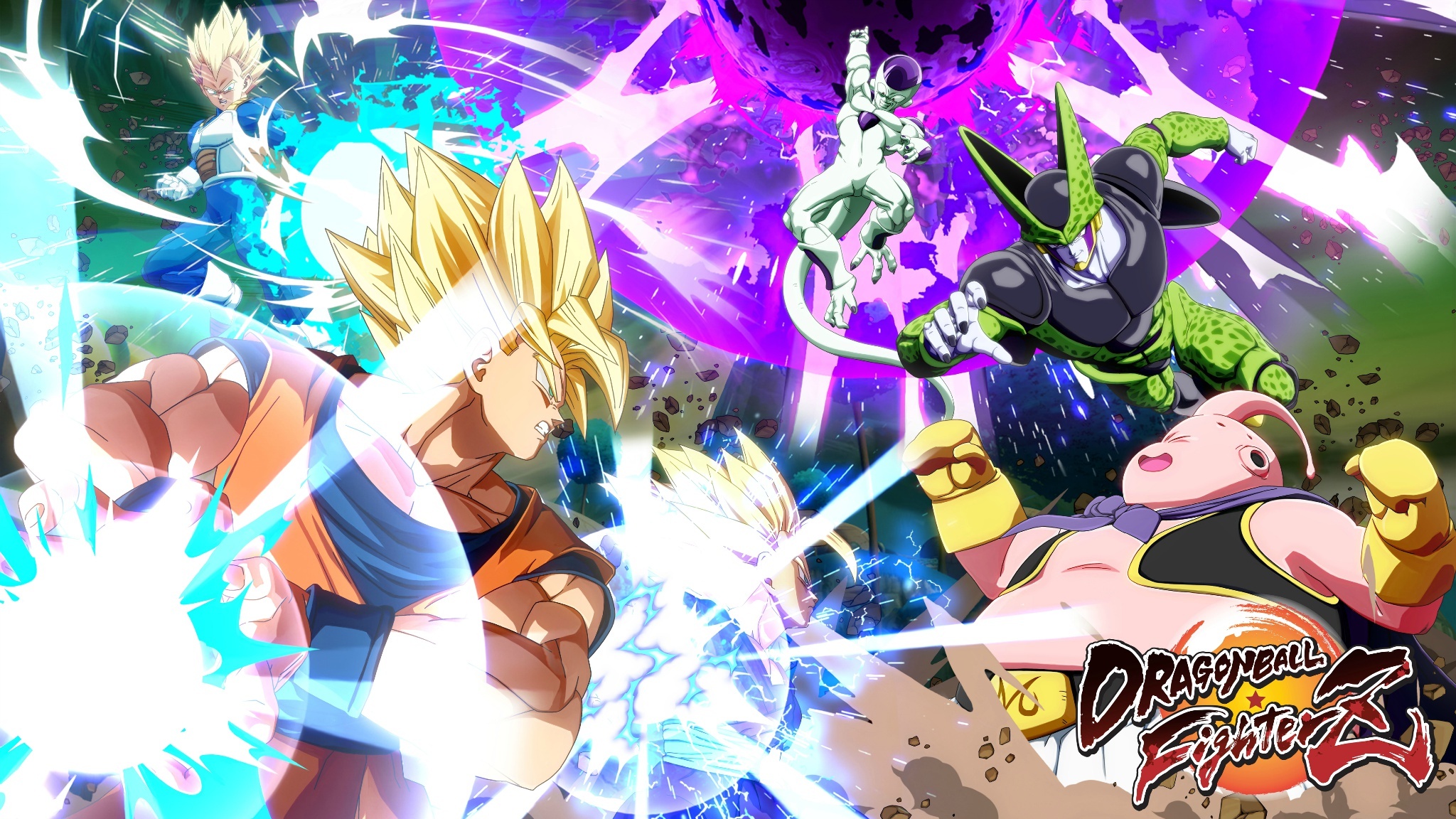
Trunks arrives from a devastated future, sole survivor of androids’ killing spree, to change history. His existence creates paradoxes the series never fully addresses—his intervention creates a new timeline without affecting his own—but the emotional weight transcends logical problems.
His relationship with Vegeta provides the saga’s most complex dynamic. Trunks idolizes a father he never knew; Vegeta can barely acknowledge a son he has no emotional connection to. Their gradual development—Vegeta’s rage at Trunks’s injury, Trunks’s hope that his father cares—builds to satisfying if understated resolution.
Trunks’s departure, returning to his devastated future with power enough to fix it, provides earned satisfaction. We don’t see his timeline restored, but we know he can accomplish it now. His arc concludes through capability rather than depicted victory—trust in the character replacing need for explicit resolution.
Animation and Direction
Toei’s Cell Saga production, while inconsistent as always, includes DBZ’s most iconic sequences. Gohan’s SSJ2 transformation, with its electric aura and cell-shaded stylization, defined Dragon Ball’s visual language going forward. The Father-Son Kamehameha, with Goku’s spirit supporting Gohan, became the series’ signature image.
Faulconer’s American score (for dubbed viewers) achieved perfect synergy with key moments. Whether or not you prefer it to the Japanese soundtrack, tracks like “Gohan Angers” and “Cell Kills Trunks” demonstrate score’s power to elevate animation. The music is as memorable as the images.
Why Later Arcs Diminish
The Buu Saga retreats from Cell Saga’s narrative ambition. Gohan’s development resets; Goku returns to reclaim protagonist status; new transformation tiers replace character-driven power-ups. The creative decisions that made Cell work get abandoned for safer formulaic approach.
Dragon Ball Super continues this regression. Endless transformations, tournament padding, and Goku’s centrality prevent the ensemble character development that made Cell meaningful. The franchise remains commercially successful but artistically diminished from its Cell Saga peak.
The Verdict
The Cell Saga represents Dragon Ball Z’s maximum potential—the point where action, character, and theme aligned before the series’ populist demands compromised its craft. Gohan’s arc from reluctant fighter to universe’s protector, achieved through emotional truth rather than power fantasy, demonstrates what shonen anime can accomplish when ambition matches execution.
For viewers exploring Dragon Ball, the Cell Saga is non-negotiable. For fans who’ve watched everything, it’s worth revisiting to remember what the franchise once achieved. Peak Dragon Ball Z isn’t just nostalgia—it’s genuinely excellent anime that earned its legendary status.
You Might Also Like
- Vegeta’s Character Arc: From Villain to Hero
- Levi Ackerman: Attack on Titan’s Humanity’s Strongest
- When Does Yuji Get His Power? Our Hero’s Super Strength