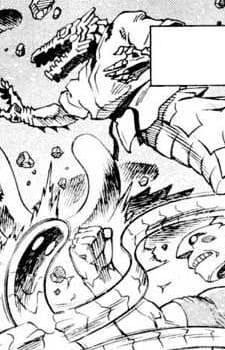
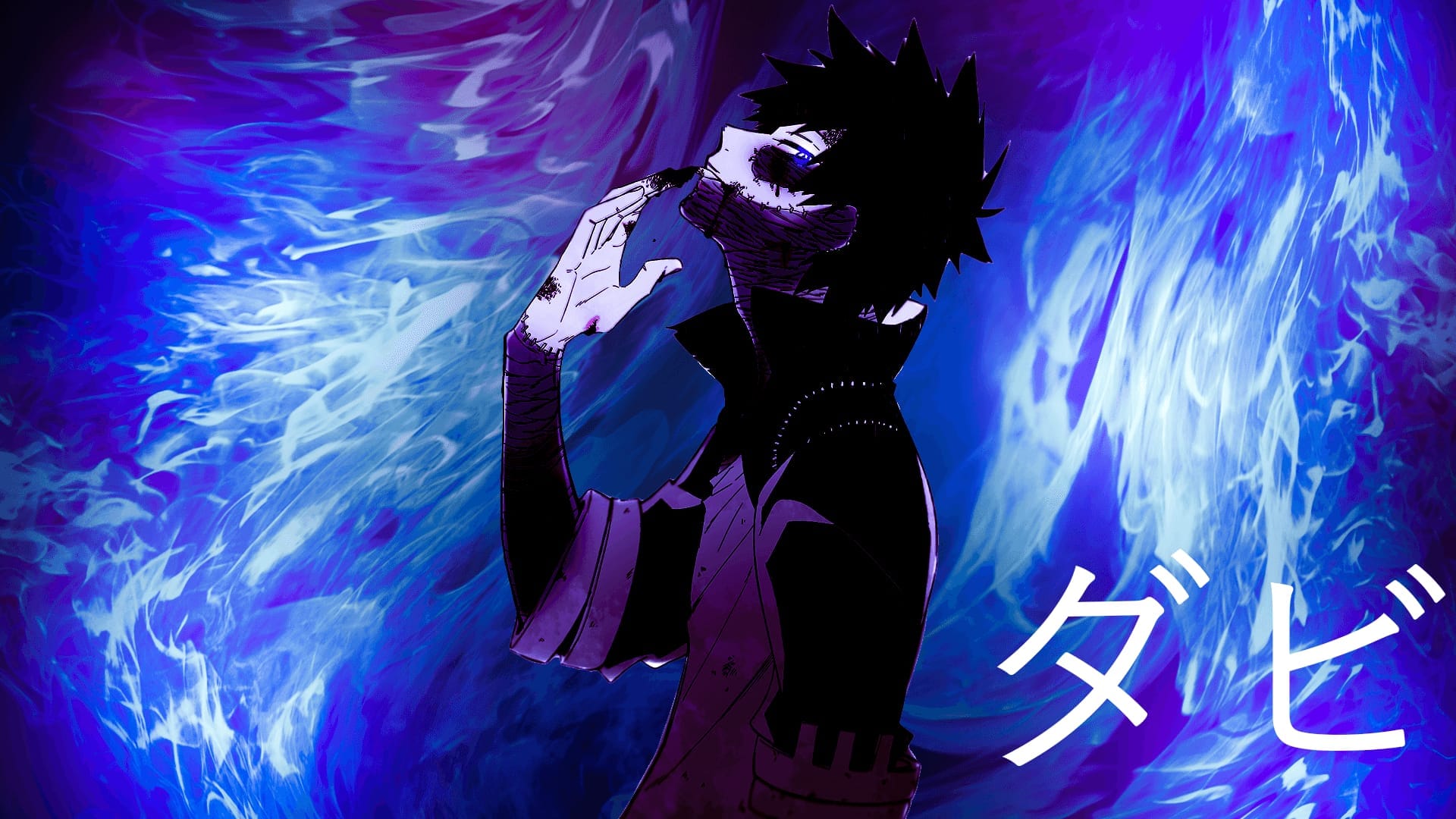
Dabi waited over 300 chapters to reveal his identity—and when he did, it broke My Hero Academia. The villain who seemed like edge-lord stereotype became the series’ most tragic figure: Touya Todoroki, Endeavor’s firstborn, proof that hero society’s brightest star produced his own monster.
The Todoroki Family Tragedy
Endeavor’s Eugenics Project
Endeavor married Rei specifically because her ice quirk would balance his fire, hoping to breed a child who could surpass All Might. This quirk marriage produced children as experiments—each one either success or failure in Endeavor’s obsession.
Touya was the first attempt. His fire burned hotter than Endeavor’s, but his body inherited his mother’s constitution—unable to withstand his own flames. He was powerful enough to feed Endeavor’s hope, fragile enough to guarantee suffering.
The Training
Endeavor trained young Touya relentlessly, then abruptly abandoned him when Shoto was born—the “successful” creation with both fire and ice. Touya went from everything to nothing overnight. The attention, the purpose, the father’s approval—all transferred to his younger brother.
The Death
Touya’s supposed death on Sekoto Peak came from using his quirk past its limits. His body could not handle his power; he burned himself trying to prove he still mattered to his father. The family was told he died.
He did not die. He woke up, scarred, alone, and full of rage that would ferment for years.
Dabi’s Identity
The Waiting Game
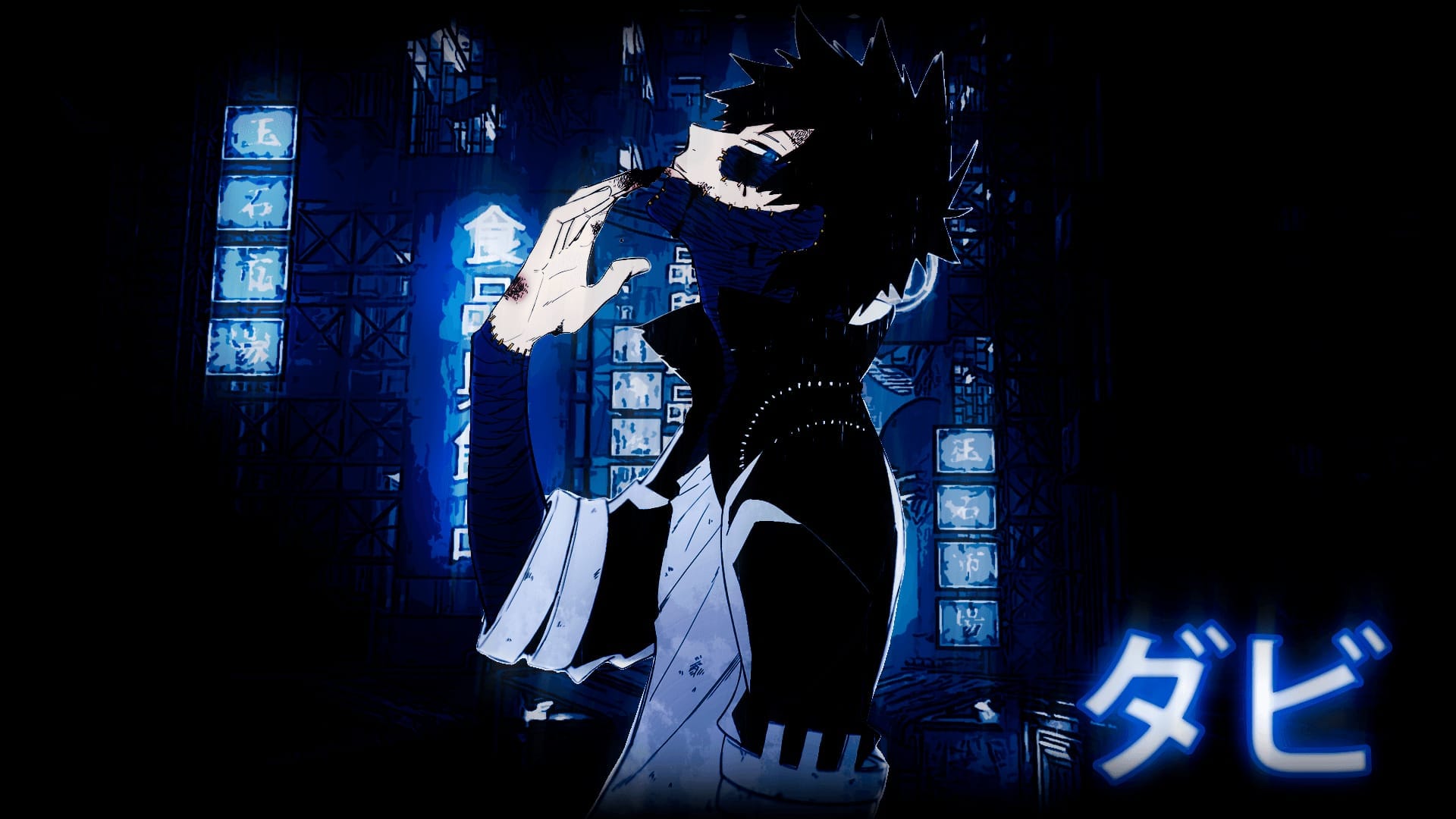
Dabi joins the League of Villains already knowing who he is and what he wants. His patience is remarkable—years of working toward one moment of maximum destruction. Every action builds toward revealing his identity when it will hurt the most.
The Reveal
Dabi broadcasts the truth during the Paranormal Liberation War: he is Endeavor’s son, proof that the Number One Hero abused his family to create weapons. The revelation is carefully timed to maximize damage—Endeavor’s moment of heroism becomes evidence of hypocrisy.
The broadcast includes footage of young Touya crying, wanting his father’s attention. This vulnerability weaponized is devastating. Dabi does not just expose Endeavor; he exposes the system that made Endeavor.
Impact on Hero Society
Public trust in heroes collapses after Dabi’s reveal. If the Number One Hero tortured his own children, what else are heroes hiding? Dabi’s goal is not just personal revenge—it is systematic destruction of hero society’s legitimacy.
Dabi’s Psychology
Frozen Development
Dabi is essentially the traumatized child who burned on Sekoto Peak. His psychology froze at the moment of betrayal. Every interaction filters through that child’s pain—the need to be seen, the rage at abandonment, the desperate desire to matter.
Self-Destruction as Weapon
Dabi’s flames destroy him. He knows this. His body is literally falling apart from quirk use. But his destruction becomes his argument: look what Endeavor created. His own death will be Endeavor’s fault, one final accusation.
Rejecting Redemption
When family members try to reach him, Dabi refuses connection. He has committed fully to destruction—accepting love now would mean admitting his path was wrong. He cannot afford that doubt.
This rejection is tragic precisely because it seems chosen rather than inevitable. Dabi could potentially return. He will not let himself.
Dabi vs. Shoto
The Inherited Burden
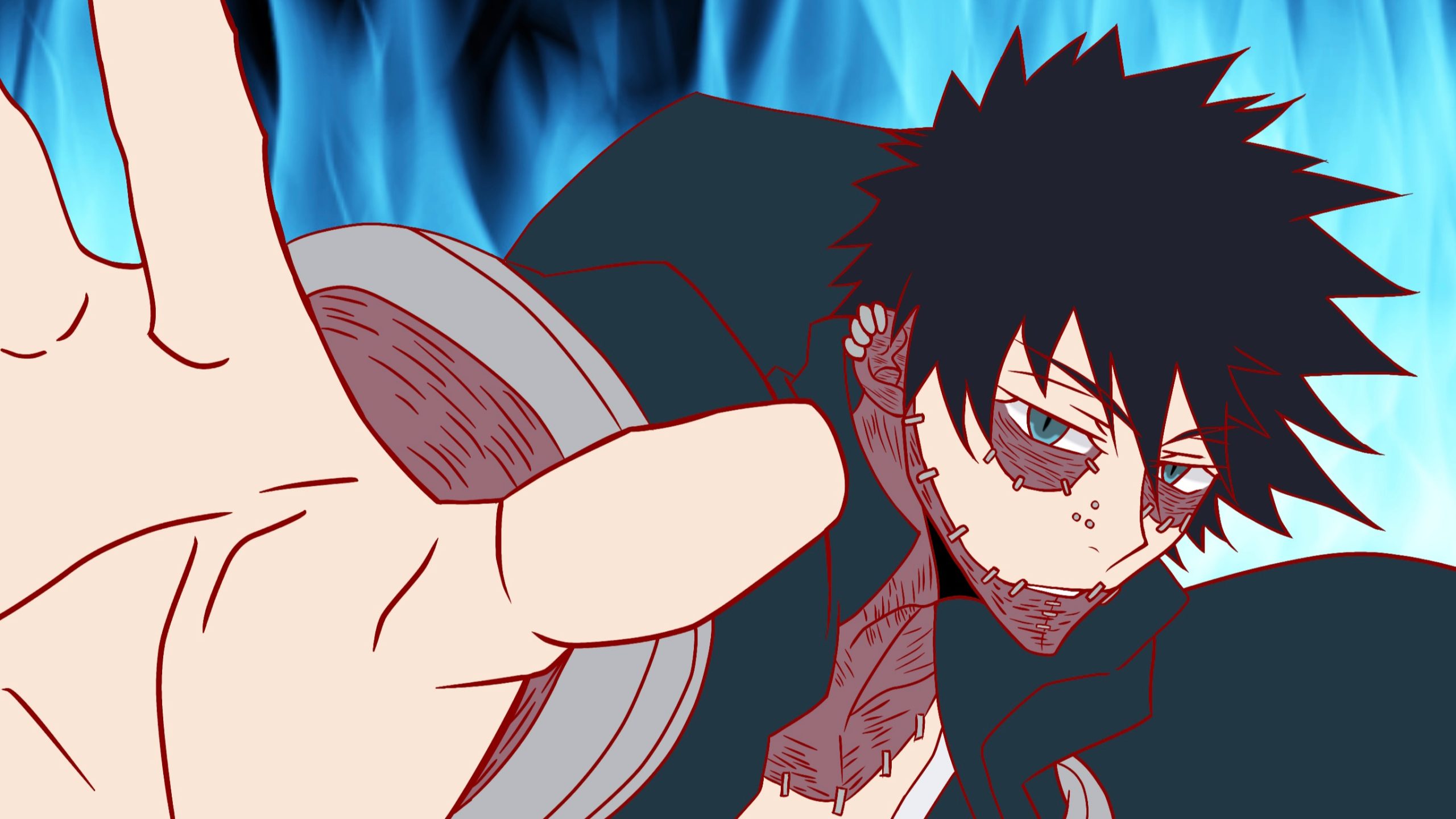
Shoto carries guilt for existing—his birth meant Touya’s abandonment. The brothers’ conflict is not personal hatred but structural tragedy. They were made to compete; one’s gain was other’s loss.
Different Responses
Both brothers were abused. Shoto chose heroism despite his father; Dabi chose villainy because of his father. The divergence illustrates that trauma does not determine outcome—but also that expecting victims to always “overcome” ignores reality.
Shoto’s path was enabled by support (his mother, eventually his siblings, his friends). Dabi had no support—he burned alone on that mountain and stayed alone for years. Environment matters.
The Final Confrontation
Their battle represents everything the Todoroki tragedy built toward. Shoto trying to save his brother while Dabi commits to mutual destruction is the conflict’s emotional core.
Dabi as Systemic Critique
Hero Society’s Product
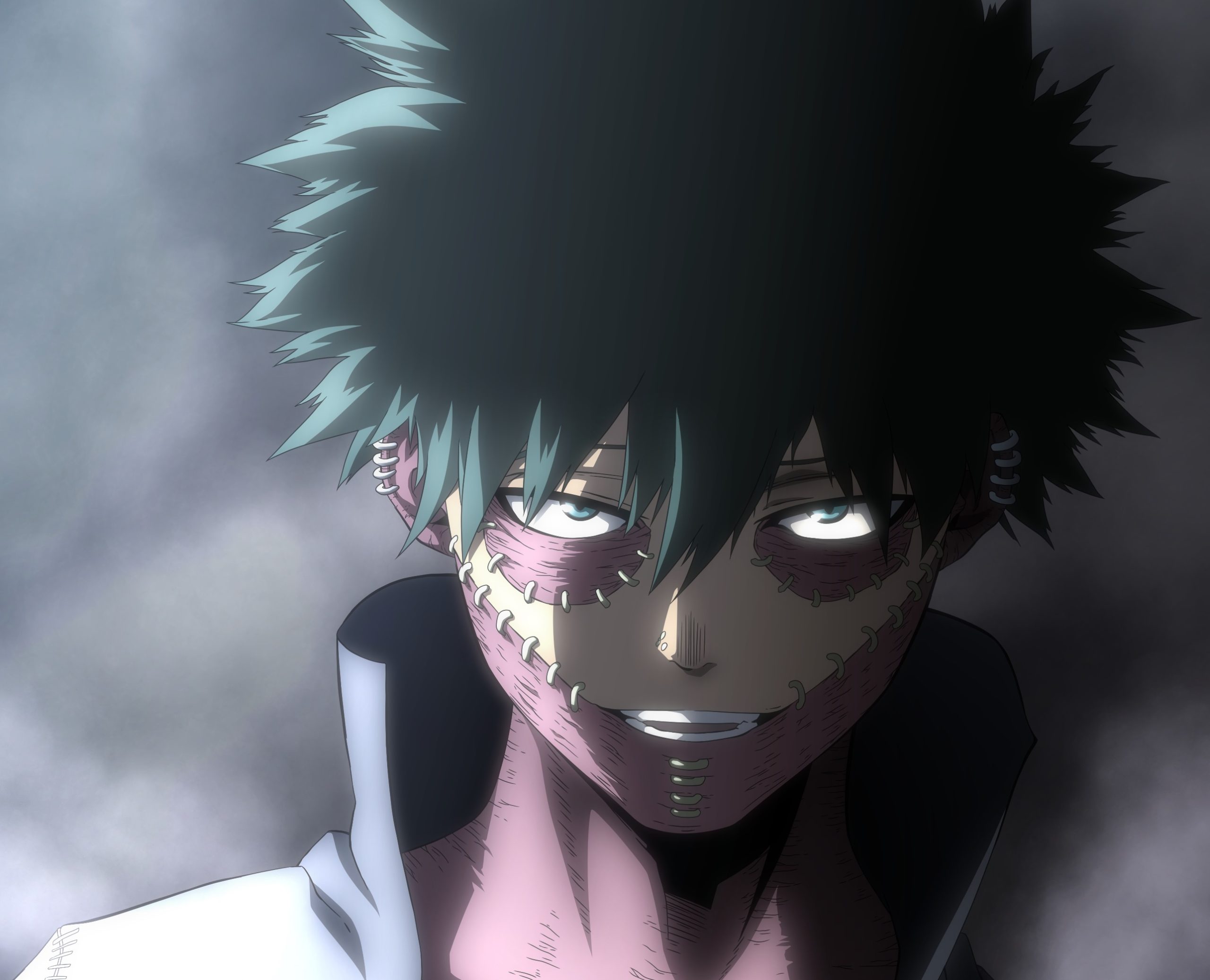
Dabi is not aberration—he is logical outcome. Hero society rewards strength above all; Endeavor’s obsession with surpassing All Might is that value taken to extreme but not illogical conclusion.
When Dabi exposes Endeavor, he exposes the system that incentivized Endeavor’s behavior. The problem is not one bad hero; it is a structure that produces such heroes.
Villain as Victim
MHA’s best villains are society’s failures: Shigaraki abandoned by heroes who should have saved him, Toga unable to get help for her quirk’s needs, Dabi created by hero society’s greatest product.
This does not excuse their actions but contextualizes them. Hero society’s claims to protect everyone ring hollow when its structures produce its own enemies.
Design and Performance
Visual Horror
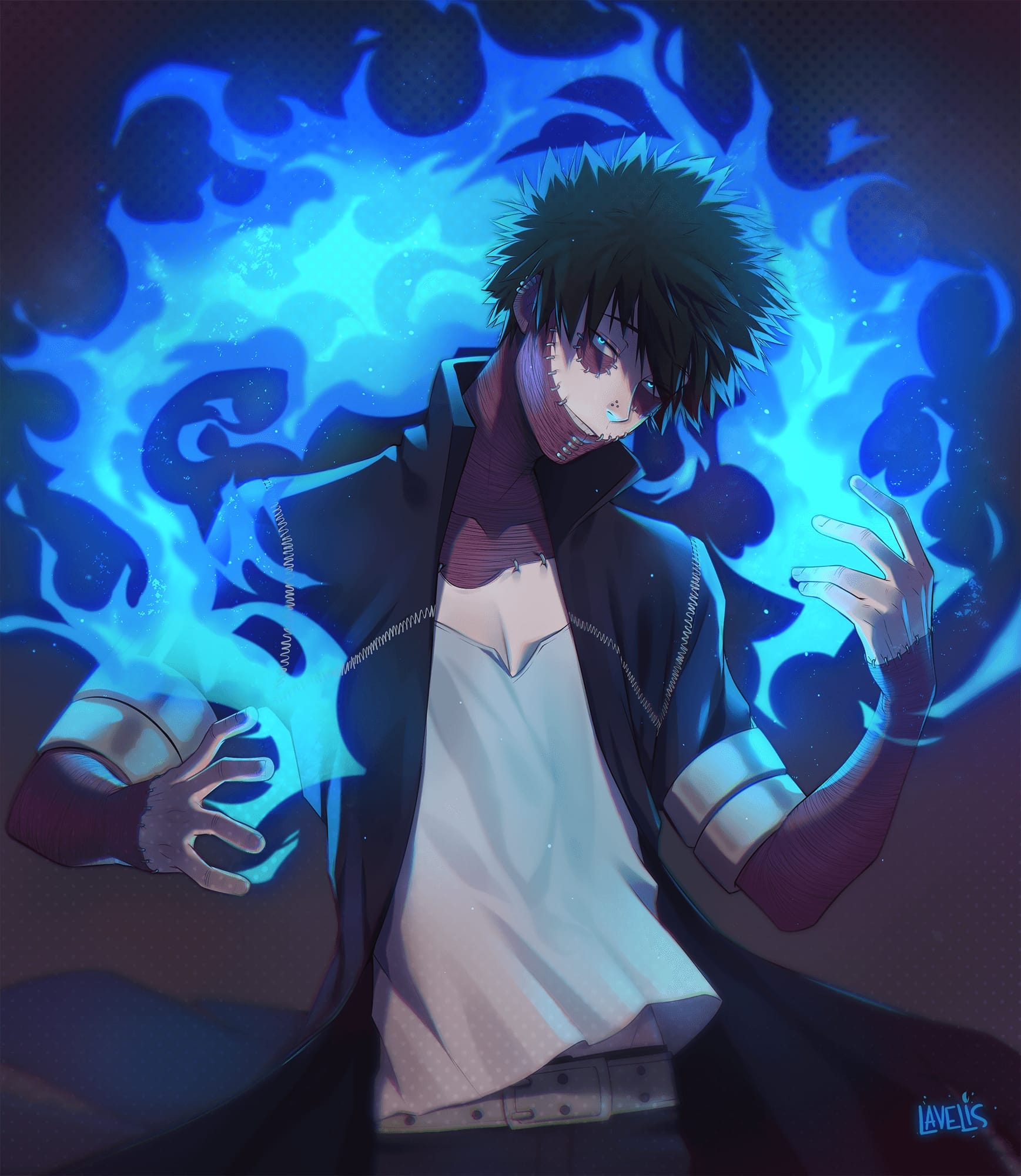
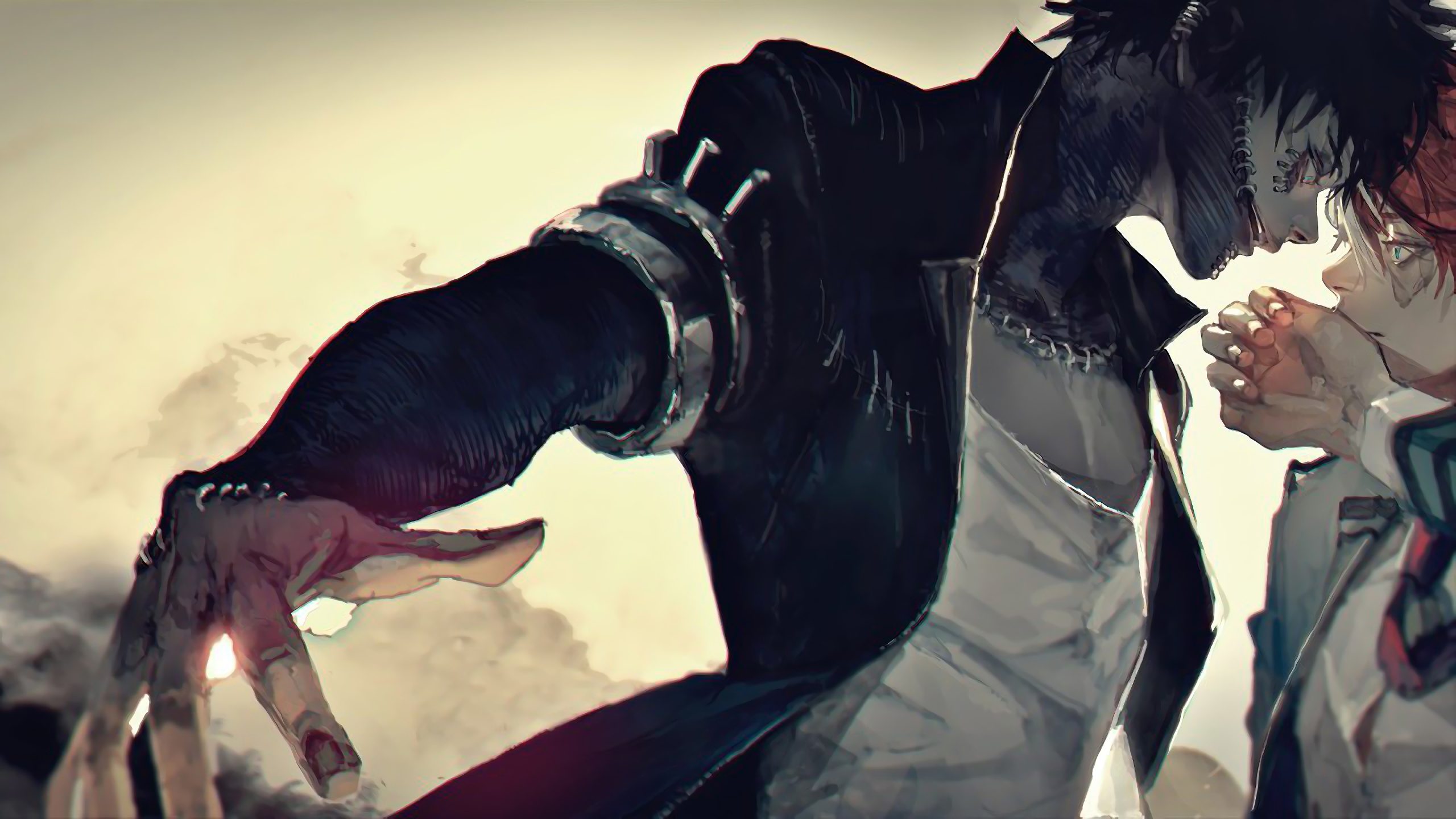
Dabi’s patchwork skin—burned flesh held together by surgical staples—visualizes his condition. He literally falls apart. The design communicates damage before any dialogue explains it.
The Performance
Dabi’s affected detachment cracks during emotional moments, revealing the hurt child underneath. The contrast between forced coolness and genuine pain makes his character work.
The Verdict
Dabi transforms from generic fire villain to MHA’s most potent tragic figure through one revelation and the weight of accumulated context. His existence indicts everything Endeavor represents—and by extension, the hero society that produced Endeavor.
When Dabi dances on that battlefield, broadcasting his pain to the world, he becomes more than villain. He becomes consequence. And that is far more disturbing than simple evil ever could be.
You Might Also Like
- Ochako Uraraka: My Hero Academia’s Underrated Heroine
- My Hero Academia Paranormal Liberation War: Full Breakdown
- My Hero Academia Quirk Singularity Theory Explained