Horror anime offers experiences live-action can’t match. Animation enables visual nightmares impossible to film, psychological terror freed from practical constraints, and atmosphere that lingers long after viewing. Whether you’re building a Halloween marathon or seeking year-round scares, these anime deliver genuine horror.
 naruto-anime-1771366916.webp” alt=”Naruto Uzumaki”>
Tier 1: Essential Horror Anime
Higurashi: When They Cry
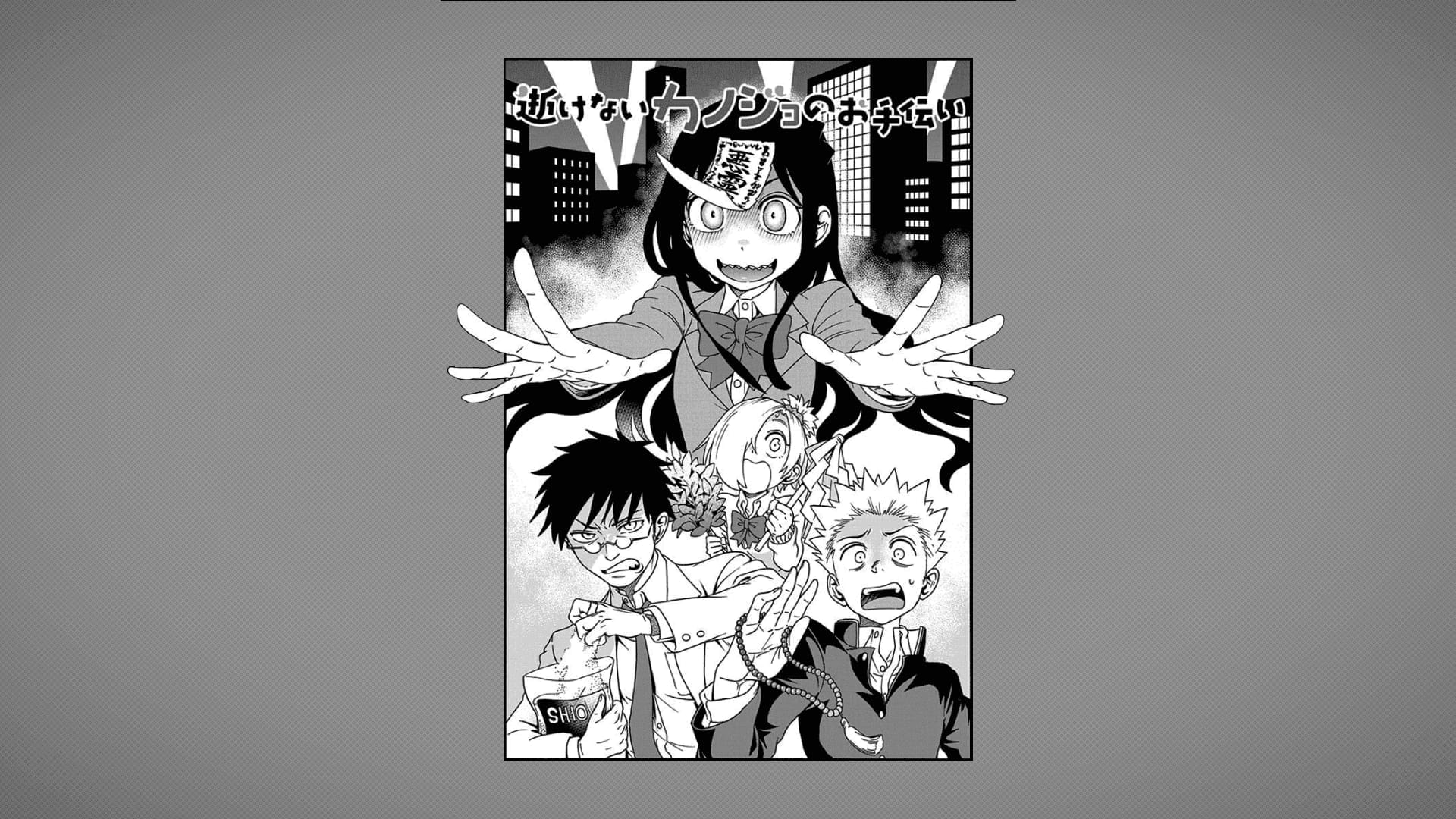
A group of friends in a small village. Summer festivals. Brutal murders. Higurashi’s genius is its structure: multiple arcs showing different outcomes, each revealing more about the underlying mystery. The violence is shocking, but the real horror is psychological—the paranoia, the uncertainty about who to trust.
Why it works: The contrast between cute character designs and extreme violence creates cognitive dissonance that amplifies horror. You never feel safe.
Watch order: Start with the original 2006 series, not the 2020 remake (which is actually a sequel).
Paranoia Agent
Satoshi Kon’s masterpiece about a serial attacker and the social pressures that created him. More psychological than visceral, Paranoia Agent examines how society produces its own monsters. The surreal direction keeps viewers unsettled throughout.
Why it works: The horror is internal—characters’ psychological states manifest externally. It’s disturbing because it’s relatable.
Perfect Blue
Also from Satoshi Kon: a pop idol’s transition to acting triggers psychological breakdown as reality and fiction blur. Influential on Western psychological thrillers (Black Swan owes obvious debts), Perfect Blue remains genuinely unsettling decades later.
Why it works: You can’t trust what you’re seeing. The disorientation mirrors the protagonist’s experience.
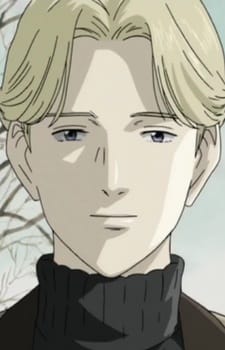
Mononoke
A medicine seller exorcises spirits by understanding their Form, Truth, and Reason. The striking art style—inspired by traditional Japanese art—creates unique visual horror. Each arc examines different aspects of human darkness.
Why it works: The aesthetic is gorgeous and terrifying simultaneously. Horror through beauty is rare and effective.
Tier 2: Excellent Horror
Shiki
Vampires arrive in an isolated village. What follows is systematic infection and societal collapse. Shiki’s horror comes from watching normal people make increasingly desperate—and morally questionable—choices as situation deteriorates.
Why it works: The slow build creates dread. By the time violence erupts, you’ve watched the village die socially before dying literally.
Another
A cursed classroom where death follows students systematically. Another delivers classic horror setup with solid execution. The mystery of “who is the extra student” drives narrative tension.
Why it works: Consistent atmosphere and creative deaths. It knows what kind of horror it is and delivers competently.
Junji Ito Collection
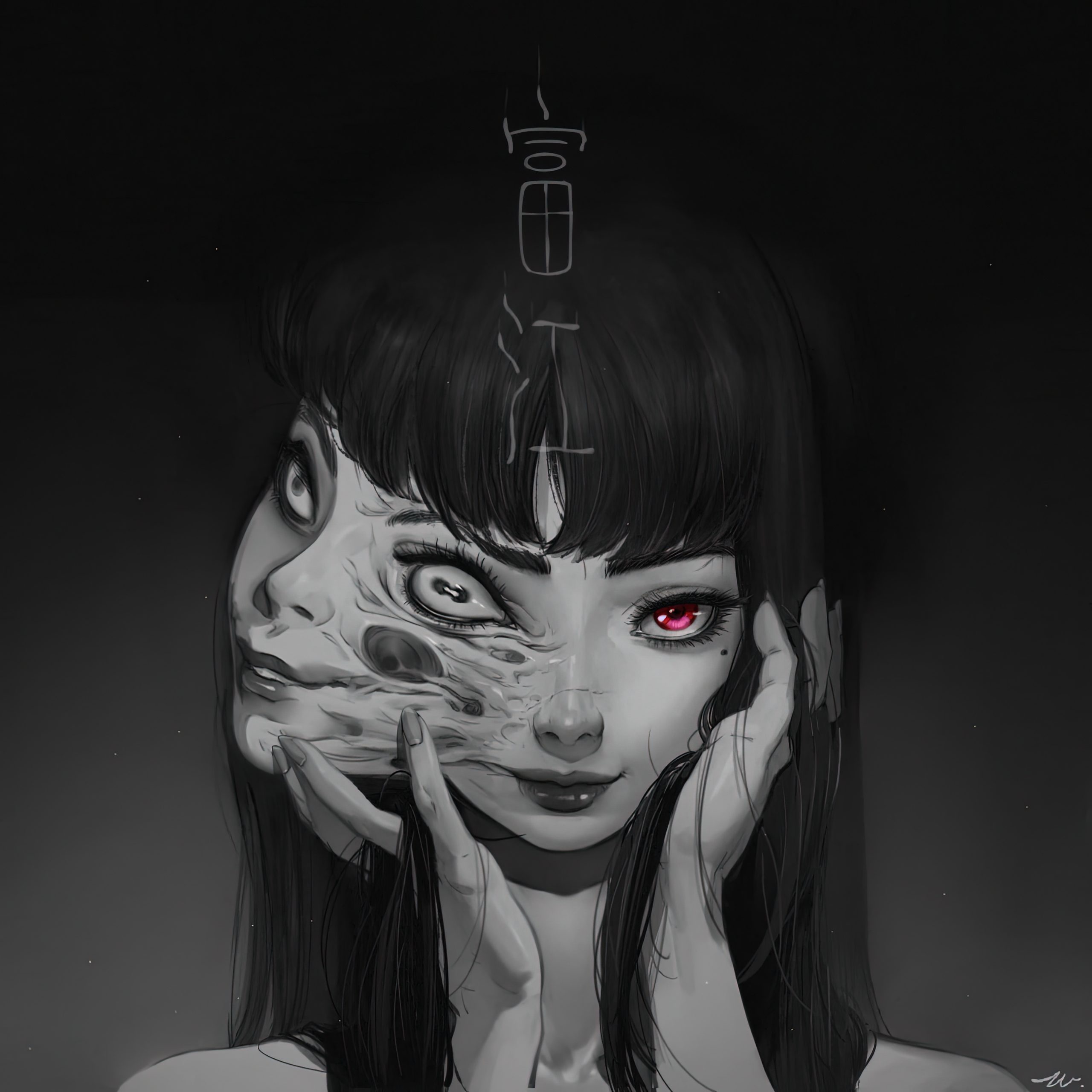
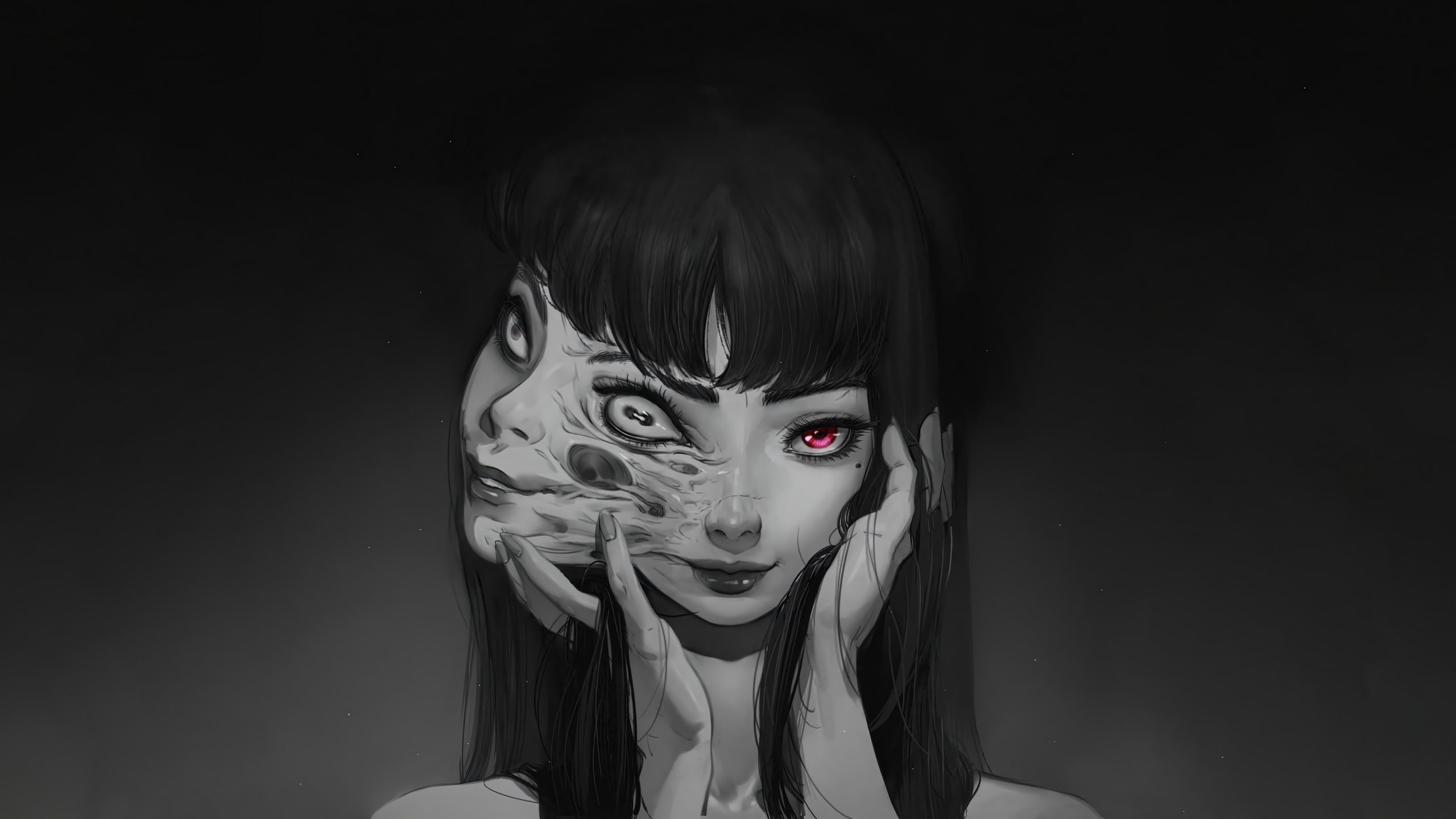
Adaptations of horror manga master Junji Ito’s short stories. Quality varies by episode, but the best segments capture Ito’s particular brand of cosmic horror and body horror. “The Long Dream” and “Tomie” segments are highlights.
Why it works: Ito’s horror concepts are genuinely original. Even imperfect adaptation can’t completely diminish his ideas.
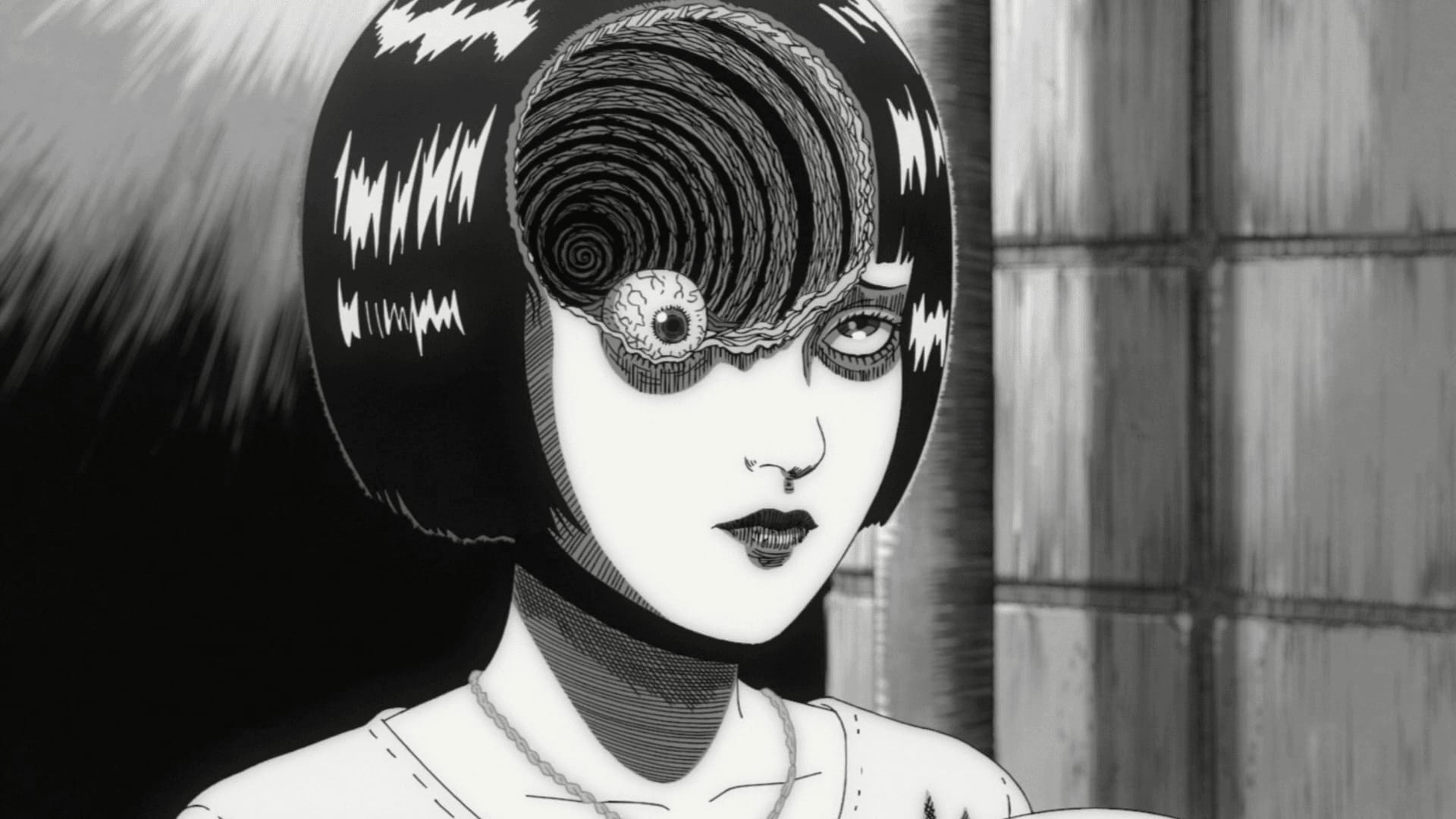
Uzumaki (2024)
The long-awaited adaptation of Ito’s spiral-obsession masterpiece. A town becomes infected with spirals, manifesting in increasingly disturbing ways. The animation captures Ito’s art better than previous adaptations.
Why it works: Spirals as horror concept sounds absurd—until you see what Ito does with it. The adaptation finally does the source material justice.
Tier 3: Specific Horror Flavors
For Psychological Horror
Serial Experiments Lain: More unsettling than scary. Identity dissolution through technology. The horror is existential—what happens when the self becomes undefined?
Monster: Psychological thriller about hunting a serial killer. Horror through human evil rather than supernatural threat.
For Body Horror
Parasyte: Alien parasites take over human bodies. The transformations are disturbing; the philosophical questions about humanity add depth.
Tokyo Ghoul (Season 1): A college student becomes half-ghoul. The horror of unwanted transformation and hunger for human flesh.
For Gore
Elfen Lied: Extreme violence and nudity from the first scene. Controversial but undeniably impactful. Not for everyone—know what you’re getting into.
Gantz: Death game with extreme violence. More action than horror, but the violence is horror-adjacent.
For Atmospheric Horror
Mushishi: Not horror exactly, but episodes feature deeply unsettling situations. The atmosphere creates unease even when nothing explicitly horrifying occurs.
Made in Abyss: Adventure anime with horror elements. The deeper you go, the more horrifying it becomes. Not what you expect from the art style.
Building Your Halloween Marathon
Short Marathon (6 Hours)
Perfect Blue (1.5 hours) → Mononoke episodes 1-2 (1.5 hours) → Another episodes 1-4 (1.5 hours) → Parasyte episodes 1-4 (1.5 hours)
All-Night Marathon (12 Hours)
Add Higurashi first arc (4 episodes), Shiki first arc (4 episodes), and Serial Experiments Lain (4 episodes) to the above.
Binge Weekend
Commit to completing Higurashi (26 episodes), Shiki (22 episodes), or Paranoia Agent (13 episodes) across a weekend for immersive horror experience.
Horror Anime Caveats
Fan Service Intrusion
Some horror anime include unnecessary fan service that undermines horror atmosphere. High School of the Dead is notorious for this. Preview or research before committing.
Uneven Adaptations
Junji Ito’s work is particularly difficult to adapt—his horror relies on static images that animation can struggle to capture. Some adaptations disappoint despite strong source material.
Content Warnings
Horror anime can include extremely disturbing content: suicide, abuse, sexual violence. Research specific shows if you have triggers. Horror should be enjoyably scary, not genuinely traumatic.
Why Anime Horror Works
Animation enables horrors impossible to film. Transformations, cosmic entities, psychological states—these visualize better animated than live-action. The medium removes the “that’s obviously fake” response that undermines live-action horror effects.
Additionally, anime horror often incorporates Japanese horror traditions (yurei, curse concepts, specific cultural fears) that feel fresh to Western audiences. The cultural difference adds unfamiliarity that enhances unease.
For Halloween or any season, horror anime offers experiences you won’t find elsewhere. The best examples linger in your mind long after viewing—which is exactly what horror should do.