Close your eyes and think about the moment Eren first transformed. Or when Spike walked into that final showdown. Or when the lanterns lit up in Your Name and everything shattered. You remember those moments so vividly — and a huge part of why is the music. The best anime soundtracks don’t just accompany the story, they ARE the story. They’re the invisible hand that grabs your chest and squeezes. No other visual medium on earth uses music as weaponized emotion the way anime does, and that’s not hype — that’s just the truth.
We’ve spent countless hours debating, rewatching, and crying into our headphones to bring you this definitive list of the best anime soundtracks of all time. These aren’t just good scores — they’re cultural landmarks. Each one redefined what an anime OST could do, proved that anime composers are operating on a different plane than most film composers, and burned themselves permanently into the memory of millions of fans worldwide. Whether you’re a lifelong otaku or just starting your anime journey (check out the best anime on Netflix to get started), these soundtracks are essential listening.
Buckle up. This is going to hit you in the feels.
1. Attack on Titan — Hiroyuki Sawano
Genre/Mood Tags: Epic · Orchestral · Intense · Cinematic | Composer: Hiroyuki Sawano

If you want to understand why the best anime soundtracks exist in their own category above everything else, just play “Vogel im Käfig” and watch someone who’s never seen Attack on Titan react to it. Hiroyuki Sawano didn’t just write music for Shingeki no Kyojin — he built a sonic universe so massive and so emotionally precise that the score became inseparable from the show’s identity. The signature Sawano formula — massive percussion layers, operatic German vocals, pulsing electronic undertones, soaring orchestral strings — hit audiences like a freight train and never let up through four seasons of increasingly devastating storytelling.
The Attack on Titan OST operates at two extremes simultaneously: there’s the apocalyptic grandeur of tracks like “Rittai Kidou” and “call your name,” which make you feel like the entire world is ending in slow motion, and then there’s the unbearable quiet tension of the character-driven pieces that land in the gaps between chaos. Tracks like “YouSeeBIGGIRL/T:T” became internet phenomena because they’re genuinely that powerful — drop that track over almost any intense scene and it ascends to another level. Sawano has scored plenty of shows (Guilty Crown, Kill la Kill, Aldnoah.Zero), but AoT is where his style clicked into perfect alignment with the source material’s energy.
The final season’s music pushed even further, incorporating harder electronic textures and more fractured, dissonant arrangements that mirrored the moral collapse of the narrative. Even the opening themes — Linked Horizon’s “Guren no Yumiya” and “Shinzou wo Sasageyo” — became anthems sung at sports events by people who’ve never watched a single episode. That’s cultural penetration at a level very few anime scores ever reach. Attack on Titan is, without question, one of the best anime soundtracks ever assembled.
Best Track: “YouSeeBIGGIRL/T:T” — Operatic, devastating, and utterly unforgettable. The track that broke the internet and deserved to.
2. Cowboy Bebop — Yoko Kanno & The Seatbelts
Genre/Mood Tags: Jazz · Blues · Rock · Eclectic · Timeless | Composer: Yoko Kanno
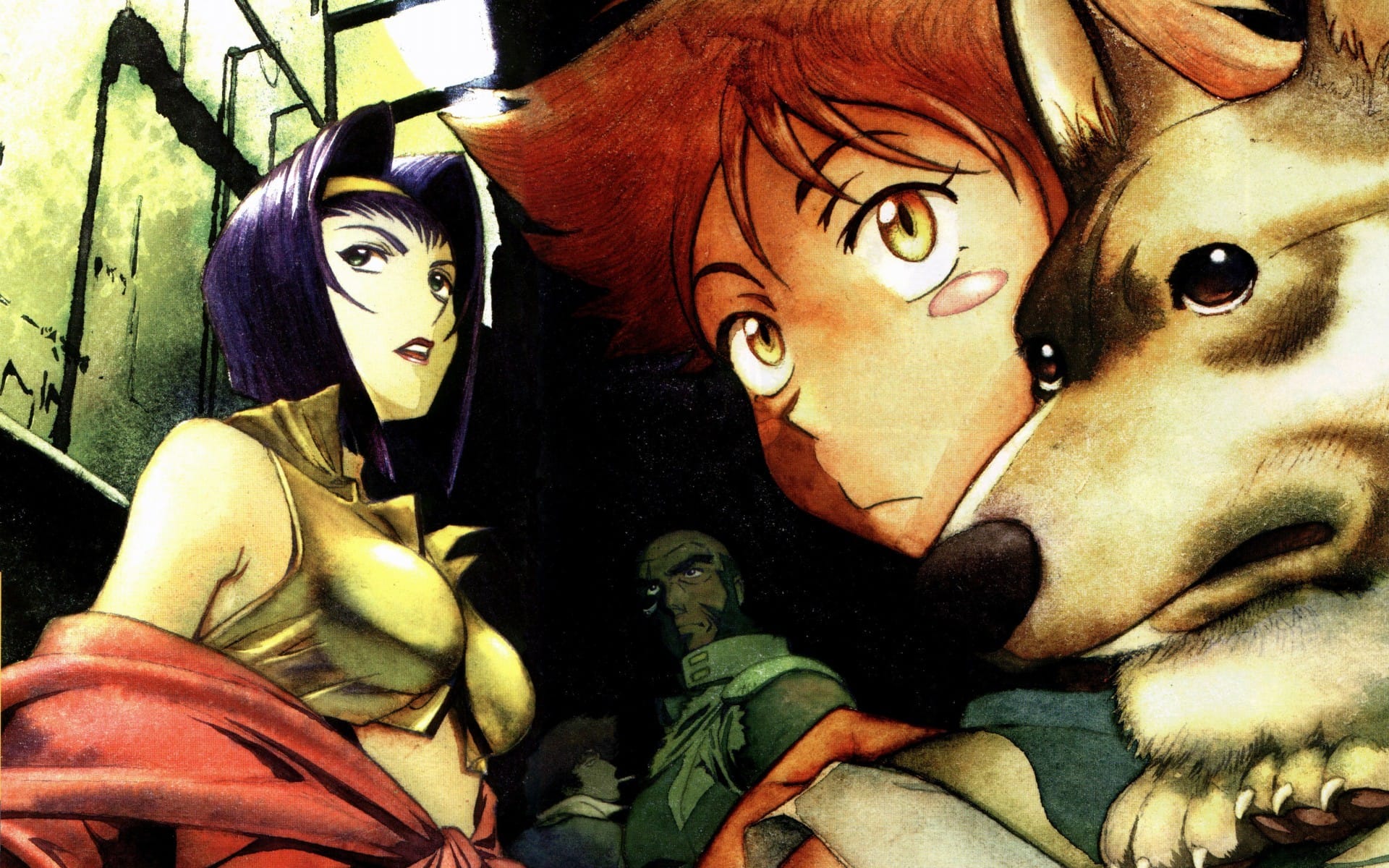
There is no conversation about the best anime soundtracks that doesn’t start — or at least pass through — Yoko Kanno’s masterpiece for Cowboy Bebop. Released in 1998, this soundtrack did something no other anime OST had dared: it said “genre is a prison” and then burned that prison down. Jazz, blues, hard rock, opera, folk, funk, reggae, classical — the Bebop OST moves between them with the casual confidence of someone who has already won every argument. Yoko Kanno assembled a full live band (The Seatbelts) and recorded music that doesn’t sound like a score — it sounds like the greatest playlist you’ve ever heard.
“Tank!” is the opening that launched a million “let’s go” moments and remains one of the most kinetically perfect pieces of music in animation history. “The Real Folk Blues” is a Japanese blues song that will ruin you emotionally if you’ve watched the finale. “Rain” hits like a gut-punch wrapped in a lullaby. “Space Lion” is among the most achingly beautiful pieces of music from any soundtrack, anime or otherwise — a saxophone elegy for characters we lost that says everything words couldn’t. And that’s just the surface. The Bebop OST has so much depth you can listen to it a hundred times and still catch something new.
What separates this from the rest of the best anime soundtracks isn’t just quality — it’s *vision*. Every track on this soundtrack feels like it was written for a specific soul, a specific moment, a specific shade of loneliness or joy or cool detachment. Watanabe gave Kanno creative freedom and she responded with something that transcended the medium. Decades later, Cowboy Bebop’s music still appears in playlists from people who’ve never touched anime. That’s the benchmark. That’s the bar.
Best Track: “Space Lion” — A saxophone meditation on loss that will hollow you out and fill you back up differently. Pure, wordless poetry.
3. Naruto / Naruto Shippuden — Yasuharu Takanashi & Toshio Masuda
Genre/Mood Tags: Emotional · Nostalgic · Epic · Adventurous | Composers: Yasuharu Takanashi & Toshio Masuda
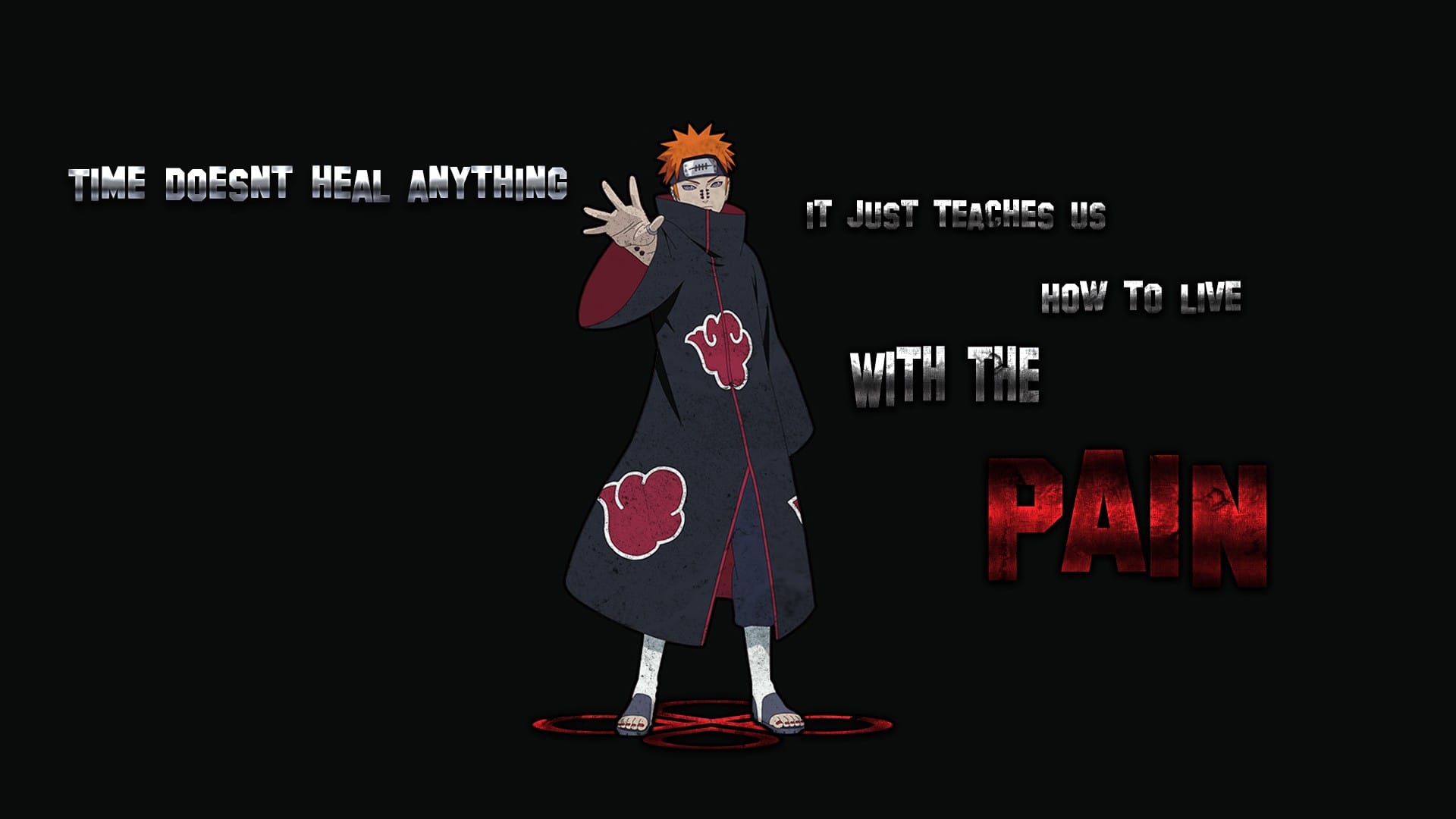
For millions of people — especially those who grew up in the 2000s — the Naruto soundtrack isn’t just music. It’s a time machine. The original Naruto score by Toshio Masuda established the emotional vocabulary of the series: the plucky energy of “Hokage-Naru-Mono,” the heartbreaking quiet of “Sadness and Sorrow,” the building power of “Strong and Strike.” These tracks are so deeply embedded in otaku culture that just hearing the first few notes triggers involuntary emotional responses. That’s not nostalgia talking — that’s just how powerful well-placed music becomes when you experience it during formative years.
Then Naruto Shippuden arrived, and Yasuharu Takanashi took the baton and elevated everything. The Shippuden OST is bigger, darker, more orchestral — matching the show’s shift toward higher stakes and deeper lore. “Girei” (the Pain theme) is genuinely one of the most menacing and beautiful villain themes in all of anime music history. It’s so good that even people who haven’t seen Naruto recognize it. “Silhouette” (by KANA-BOON) and “Blue Bird” (by Ikimono-gakari) are opening themes that defined generations of anime fans. And “Grief and Sorrow” — the acoustic guitar piece that plays during some of the show’s most devastating moments — is so simple and so perfect that it would be criminal to leave this franchise off any list of the best anime soundtracks.
The Naruto/Shippuden collection spans hundreds of tracks across nearly 800 episodes, and what’s remarkable is how consistently effective it remains. Whether it’s the pounding taiko drums of a major battle or the gentle shamisen of a quiet village scene, the music always serves the story perfectly. This franchise taught an entire generation of Western anime fans what it feels like when music and animation synchronize at the highest level. A cornerstone of the best anime soundtracks ever made.
Best Track: “Girei” (Pain’s Theme) — Seven notes of pure dread and grandeur. The moment this drops in the Pein arc, you know something legendary is happening.
4. Your Name / Kimi no Na wa — RADWIMPS
Genre/Mood Tags: Emotional · Romantic · Cinematic · J-Rock | Composer: RADWIMPS
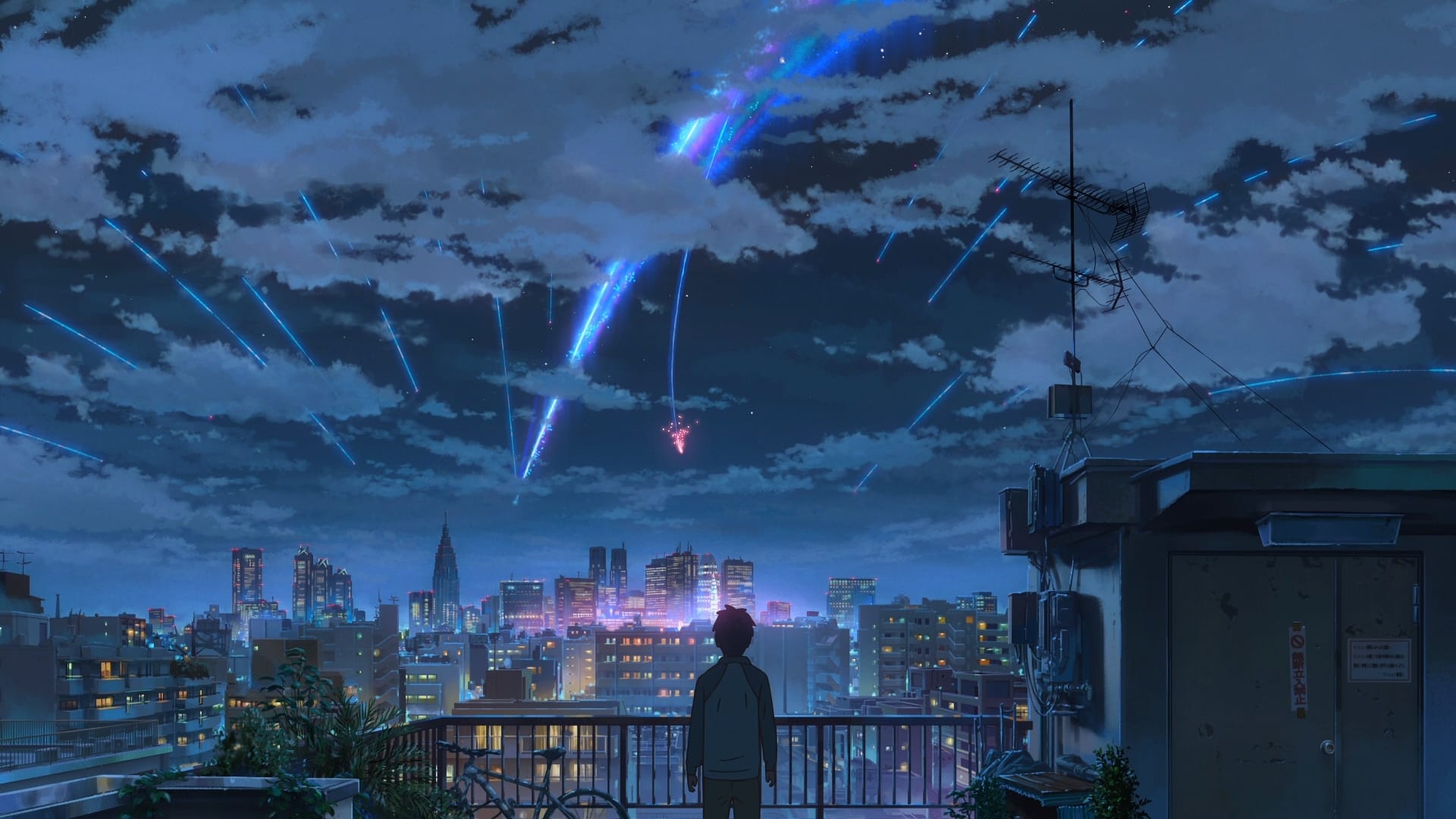
Makoto Shinkai films are essentially visual music — every frame composed like sheet music, every scene timed to emotional peaks and valleys. So when he handed the keys of Kimi no Na wa to RADWIMPS in 2016, the result was a fusion so complete that you genuinely cannot separate the film from its soundtrack. The RADWIMPS score isn’t just one of the best anime soundtracks of the past decade — it’s one of the best film scores of the 21st century, full stop. The combination of sweeping orchestral arrangements, electric rock energy, and vocalist Yojiro Noda’s raw, exposed delivery created something that felt simultaneously intimate and enormous.
“Sparkle” is the centerpiece — a track that builds from fragile piano to full orchestral rock climax in a way that mirrors the film’s own emotional journey. When it hits during the body-swap revelation sequence, it’s one of those rare cinematic moments where music and image achieve total synchronization and something genuinely transcendent happens on screen. “Zenzenzense” is a banger that sounds like pure joy in motion and became a massive J-Rock hit outside of the film’s context. “Nandemonaiya” is the quiet gut-punch that dismantles you at the end. Every track serves a specific emotional purpose, and none of them overstay their welcome.
What’s interesting about this OST is how it changed the conversation around anime film music. After Your Name, the idea of using a contemporary rock/pop band to score an animated film — rather than a traditional orchestral composer — became more widely accepted. RADWIMPS didn’t just write background music; they co-authored the emotional experience. If you haven’t listened to this soundtrack outside of the film, you’re missing out on something special. It belongs in any serious discussion of the best anime soundtracks of all time.
Best Track: “Sparkle (Orchestral Version)” — Three minutes and forty-three seconds of pure catharsis. The pinnacle of what anime music can make you feel.
5. Samurai Champloo — Nujabes & Fat Jon
Genre/Mood Tags: Lo-Fi Hip-Hop · Chill · Soulful · Innovative | Composers: Nujabes & Fat Jon
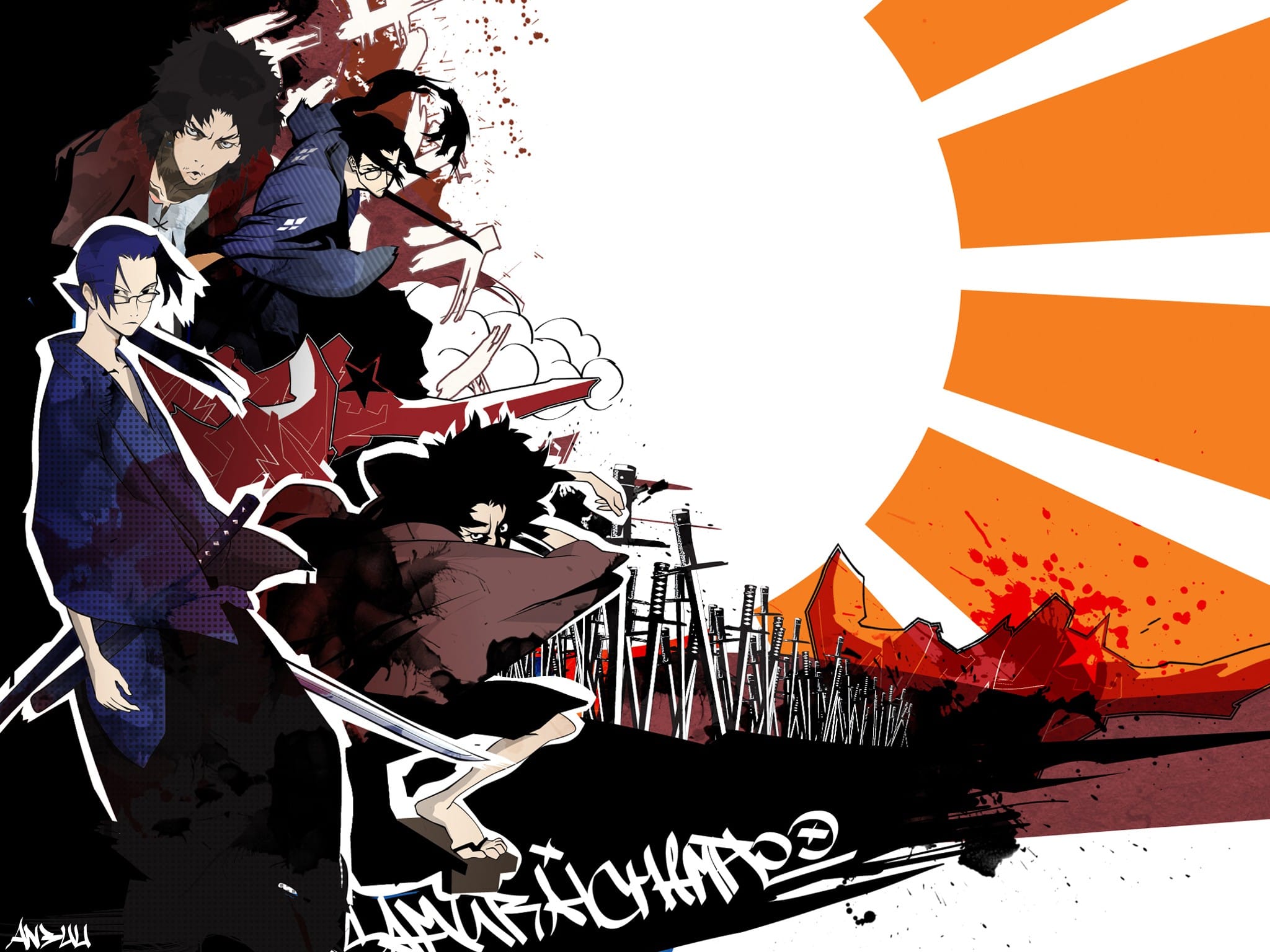
Before “lo-fi hip hop beats to study/relax to” became a YouTube genre with millions of subscribers, there was Nujabes scoring Samurai Champloo, and it was already perfect. The late Jun Seba (Nujabes) created a soundtrack for Shinichiro Watanabe’s samurai/hip-hop mashup that redefined what an anime score could sound like — dusty vinyl samples layered over jazz piano, boom-bap drum patterns, bass lines that breathe and flex, all drenched in a melancholy warmth that makes the music feel like it’s being played in a room somewhere just around the corner from you. This is one of those rare cases where the soundtrack made the show better AND made an entire genre more popular. It belongs among the best anime soundtracks ever recorded.
Tracks like “Battlecry” (the opening, featuring Shing02’s rap), “Shiki no Uta” (the ending, a soul-jazz meditation on the seasons of life), and the instrumental “Fly” are so perfectly constructed that they work as complete artistic statements outside of the show. “Luv(sic)” — technically a standalone Nujabes collaboration with Shing02 that appeared in the show — is essentially a lo-fi hip-hop masterpiece that has influenced thousands of producers who came after. Fat Jon’s contributions add a different flavor: warmer, more cartoonish in moments, but always deeply musical and grounded in genuine hip-hop craft.
The tragedy of Nujabes dying in a car accident in 2010 at age 36 makes this soundtrack even more bittersweet. He left behind a body of work that continues to grow in cultural influence — entire YouTube channels, Spotify playlists, and production communities trace their aesthetic DNA directly back to what he built here. Samurai Champloo’s music didn’t just soundtrack an anime; it helped birth a genre. The best anime soundtracks change music, not just anime. This one changed music.
Best Track: “Shiki no Uta” — A haunting, perfect ending theme that will follow you long after the credits roll. Nujabes at his most soulful.
6. Neon Genesis Evangelion — Shiro Sagisu
Genre/Mood Tags: Psychological · Orchestral · Haunting · Complex | Composer: Shiro Sagisu
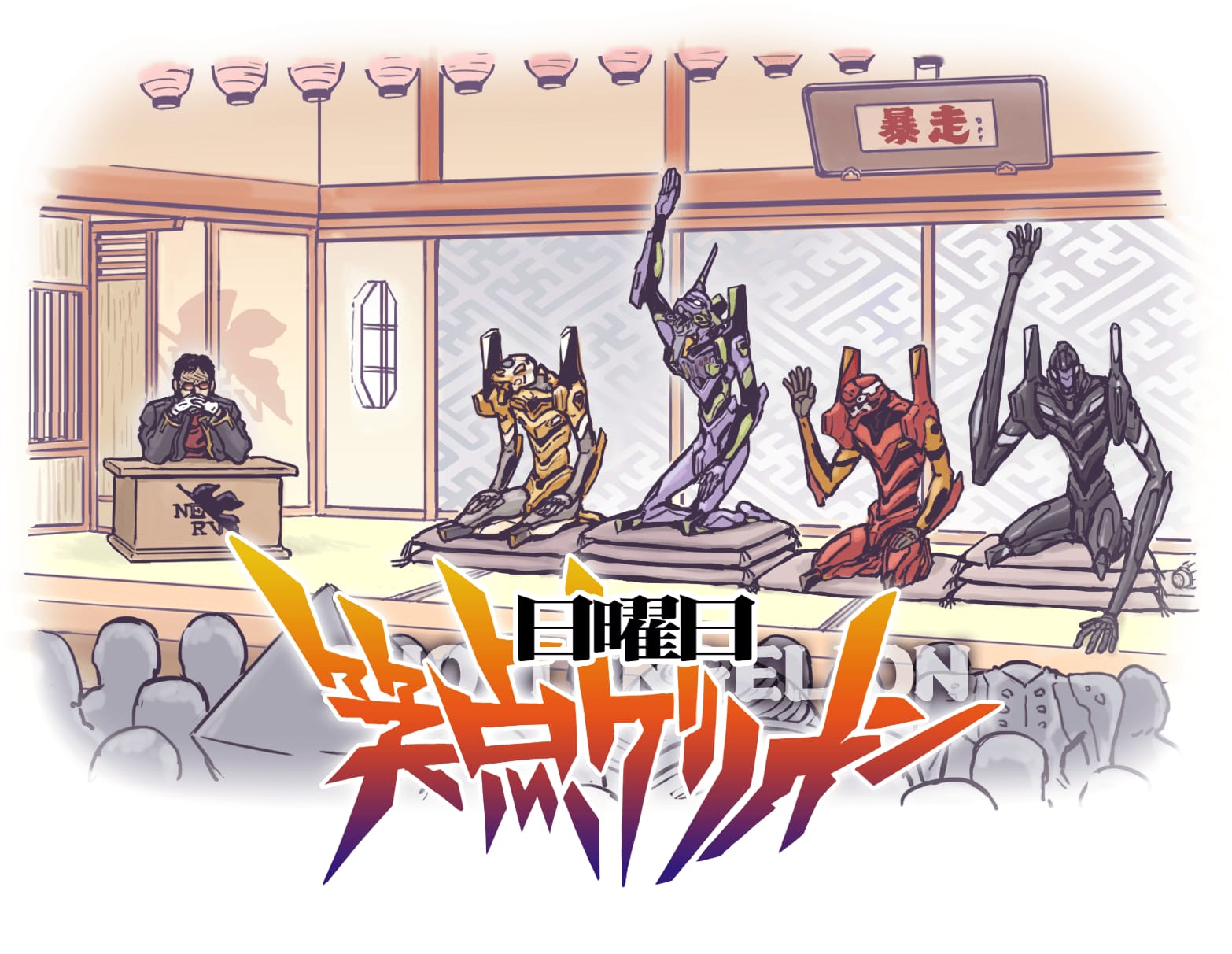
Neon Genesis Evangelion is one of the most psychologically demanding anime ever made, and Shiro Sagisu’s score is a perfect mirror of that complexity. The EVA OST is a collection of wild contrasts — Beethoven and Bach sit alongside jazz swing numbers, and militaristic march pieces segue into raw, atonal passages that make you feel like you’re watching the inside of Shinji’s anxiety in real time. This is not background music. This is confrontational music. It dares you to feel things you’d rather not examine, and that’s exactly what makes it one of the best anime soundtracks of its era and beyond.
The famous use of “Fly Me to the Moon” across multiple versions — jazz, bossa nova, orchestral — is genius in its irony. Here’s this breezy, romantic standard playing over the existential horror of a teenager piloting a giant bioweapon against eldritch creatures while his psyche collapses. It shouldn’t work. It absolutely works. Sagisu’s original compositions are equally striking: “A Cruel Angel’s Thesis” by Yoko Takahashi is one of the most recognizable anime opening themes in history (it showed up at Tokyo’s Olympic opening ceremony), while instrumental pieces like “Rei I” and the haunting string arrangements that accompany the quieter episodes create an atmosphere of dread that no monster design could achieve alone.
The Rebuild of Evangelion films expanded the sonic palette even further, with Sagisu incorporating bigger orchestral arrangements and new vocal pieces. But the original series score remains the definitive statement: raw, ambitious, sometimes chaotic, always emotionally precise. Just like Eva itself. The show’s status as a cultural touchstone is inseparable from what Sagisu built beneath it. When fans discuss the most iconic anime music of all time — the most shocking anime plot twists are often scored by the most daring composers, and Sagisu is proof of that.
Best Track: “Rei I” — A delicate, unnerving piano piece that captures the unknowable loneliness of Rei Ayanami better than any dialogue scene could.
7. Demon Slayer: Kimetsu no Yaiba — Yuki Kajiura & Go Shiina
Genre/Mood Tags: Epic · Emotional · Traditional Japanese · Orchestral | Composers: Yuki Kajiura & Go Shiina
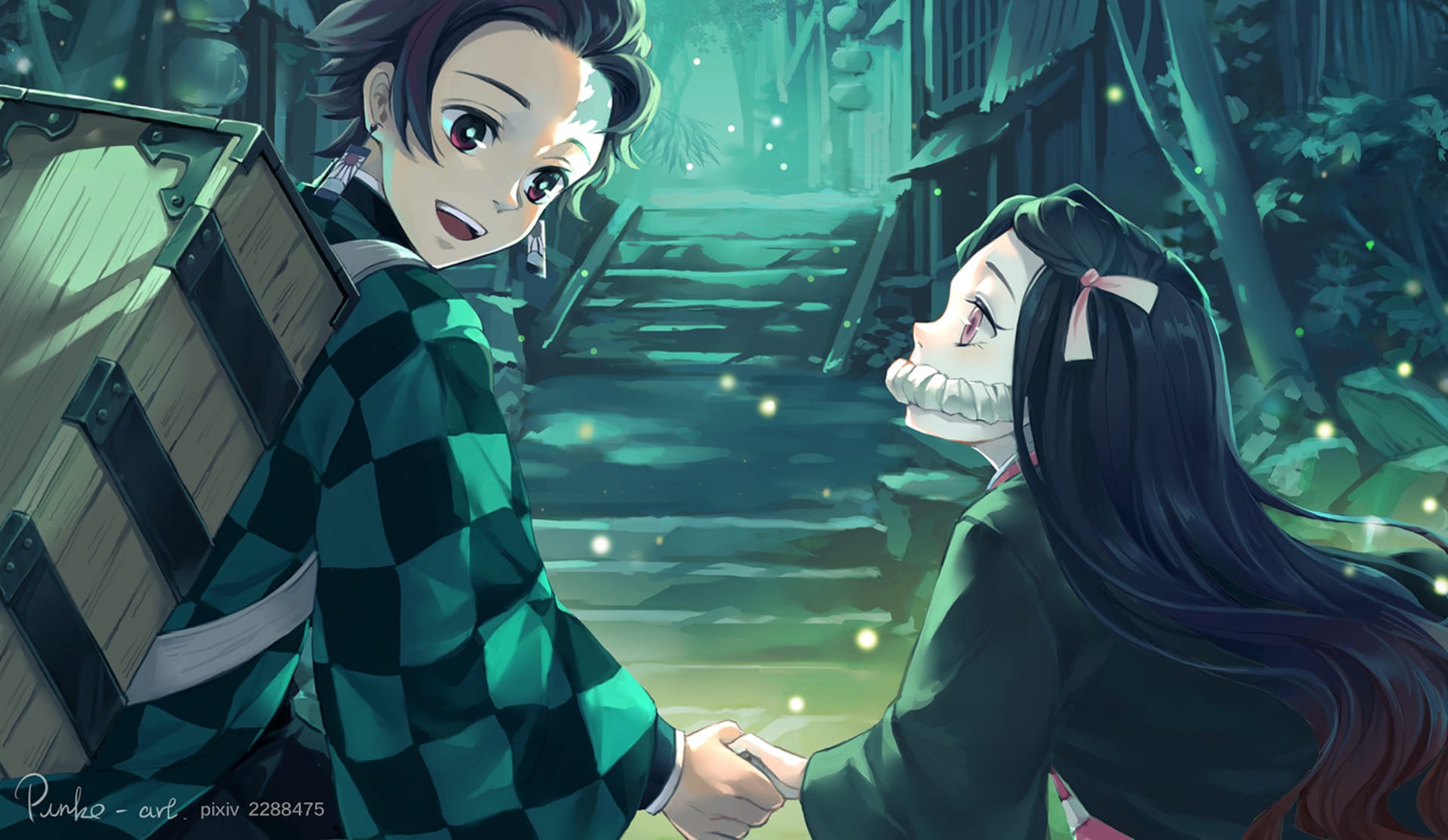
The moment “Kamado Tanjiro no Uta” plays for the first time in Demon Slayer, you understand what the show is really about. It’s not about demon-slaying tactics or cool sword styles — it’s about a boy carrying the weight of everyone he’s lost, moving forward anyway, with an aching tenderness that should be impossible for someone who fights monsters for a living. Yuki Kajiura and Go Shiina split the duties here, and the pairing is inspired: Kajiura brings her signature epic orchestral drama (she of Fate/Zero and Sword Art Online fame) while Go Shiina brings something more folkloric, more rooted in traditional Japanese tonality. Together they created what many fans consider one of the best anime soundtracks of the 2020s.
The Mugen Train arc’s music deserves special mention. When Rengoku faces Akaza and the orchestra erupts into that final confrontation theme, it’s one of the most perfectly synchronized music-action moments in recent anime history. The music doesn’t just accompany the fight — it *becomes* the fight, pushing and pulling with every strike, every breath, every moment of desperate resolve. That climax moved audiences to tears in theaters worldwide, and a huge part of that credit goes to how precisely the composers calibrated the emotional temperature. Kajiura and Shiina never let the music oversell or undersell — every note is exactly where it needs to be.
The Entertainment District Arc added Aimer’s “Zankyosanka” and “Asa ga Kuru” — two of the best anime opening/ending combinations in recent memory — and the in-episode score matched that energy beat for beat. Demon Slayer benefits enormously from ufotable’s animation prestige, but strip away the visuals and the music still hits just as hard on its own. This soundtrack has introduced an entirely new generation of anime fans to the idea that anime music can be genuinely world-class. It’s consistently ranked among the best anime soundtracks by new and veteran fans alike.
Best Track: “Kamado Tanjiro no Uta” — A tearjerker from the first note. Simple, devastating, and performed with such restraint that it feels like a prayer.
8. Fullmetal Alchemist: Brotherhood — Akira Senju
Genre/Mood Tags: Orchestral · Emotional · Adventurous · Triumphant | Composer: Akira Senju
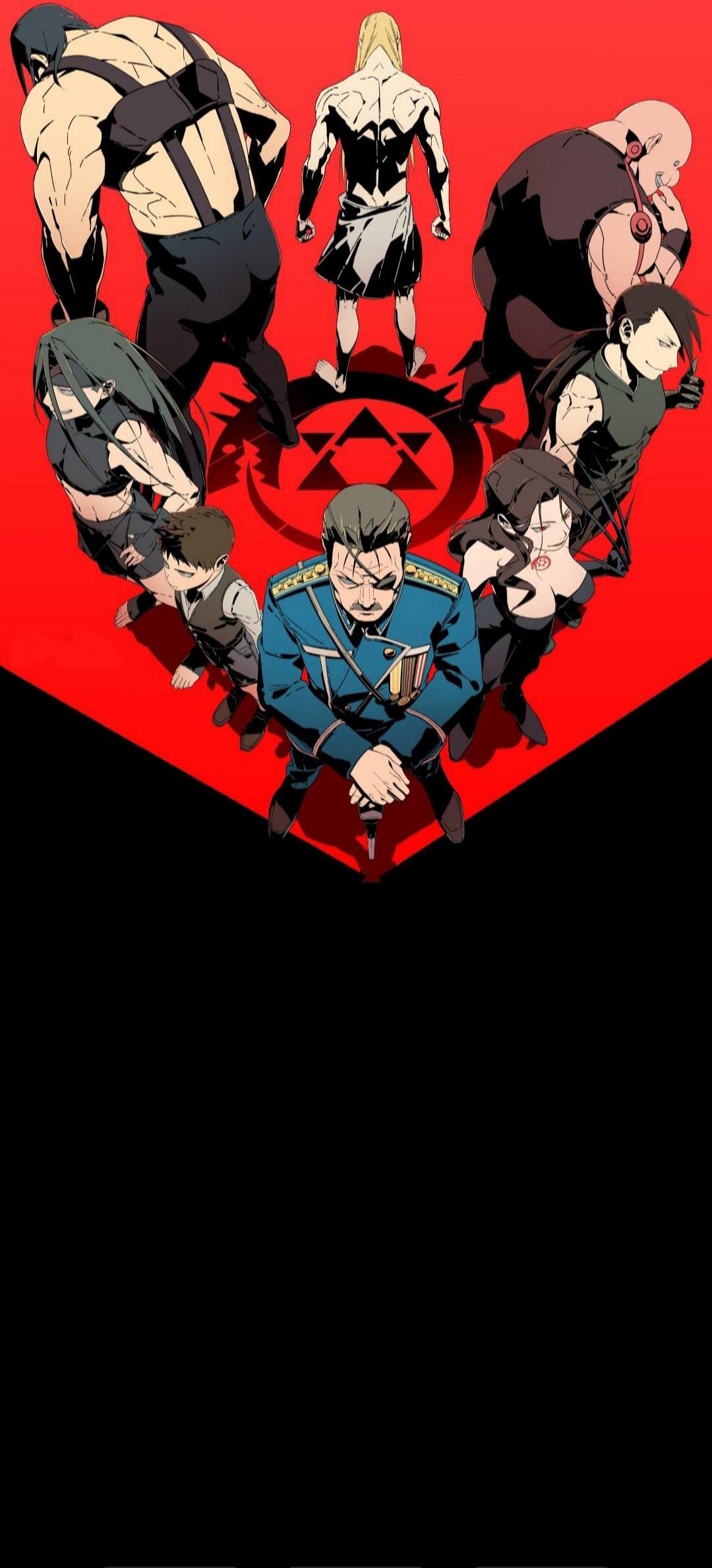
Fullmetal Alchemist: Brotherhood is routinely cited as the greatest anime ever made, and its soundtrack by Akira Senju deserves a massive share of that credit. Where many shonen anime scores lean heavily on hype and intensity, Senju built something more nuanced — an orchestral world (okay, not that word — an orchestral *world*) that honors the complexity of a story exploring war, sacrifice, family, and the nature of humanity. The FMAB OST swings between triumphant military marches, delicate chamber music, heartbreaking emotional piano pieces, and full-throttle orchestral battles with a fluency that takes serious compositional chops.
The “Battle Scherzo” and “Brothers” themes are the twin pillars of the score. “Battle Scherzo” is one of the most satisfying action themes in anime — it’s structured like a classical piece, with a clear subject and development, and it rewards repeated listening because the craft is genuinely there. “Brothers” is the emotional core: a flowing piano piece that represents Edward and Alphonse’s bond with such warmth and melancholy that it’s almost unfair. When it plays during their quieter moments together, the music says everything the brothers can’t quite put into words. And the ending theme “Uso” by SID is one of the finest anime endings ever written — haunting and intimate in a way that perfectly captured the show’s quieter heartbreak.
Brotherhood also features exceptional opening themes: “Again” by YUI, “Hologram” by NICO Touches the Walls, “Golden Time Lover” by Sukima Switch — each one a genuine hit that expanded the show’s emotional range. Senju’s score holds all of these elements together, providing a consistent emotional anchor even as the story spirals across continents and conflicts. It’s a masterclass in how to score a long-form narrative without losing the thread. Undeniably one of the best anime soundtracks from the golden era of Weekly Shōnen Jump adaptations.
Best Track: “Brothers” — A piano piece so emotionally loaded that it can reduce battle-hardened veterans of the FMA fandom to silent tears on command.
9. Made in Abyss — Kevin Penkin
Genre/Mood Tags: Wonder · Dread · Orchestral · Experimental | Composer: Kevin Penkin
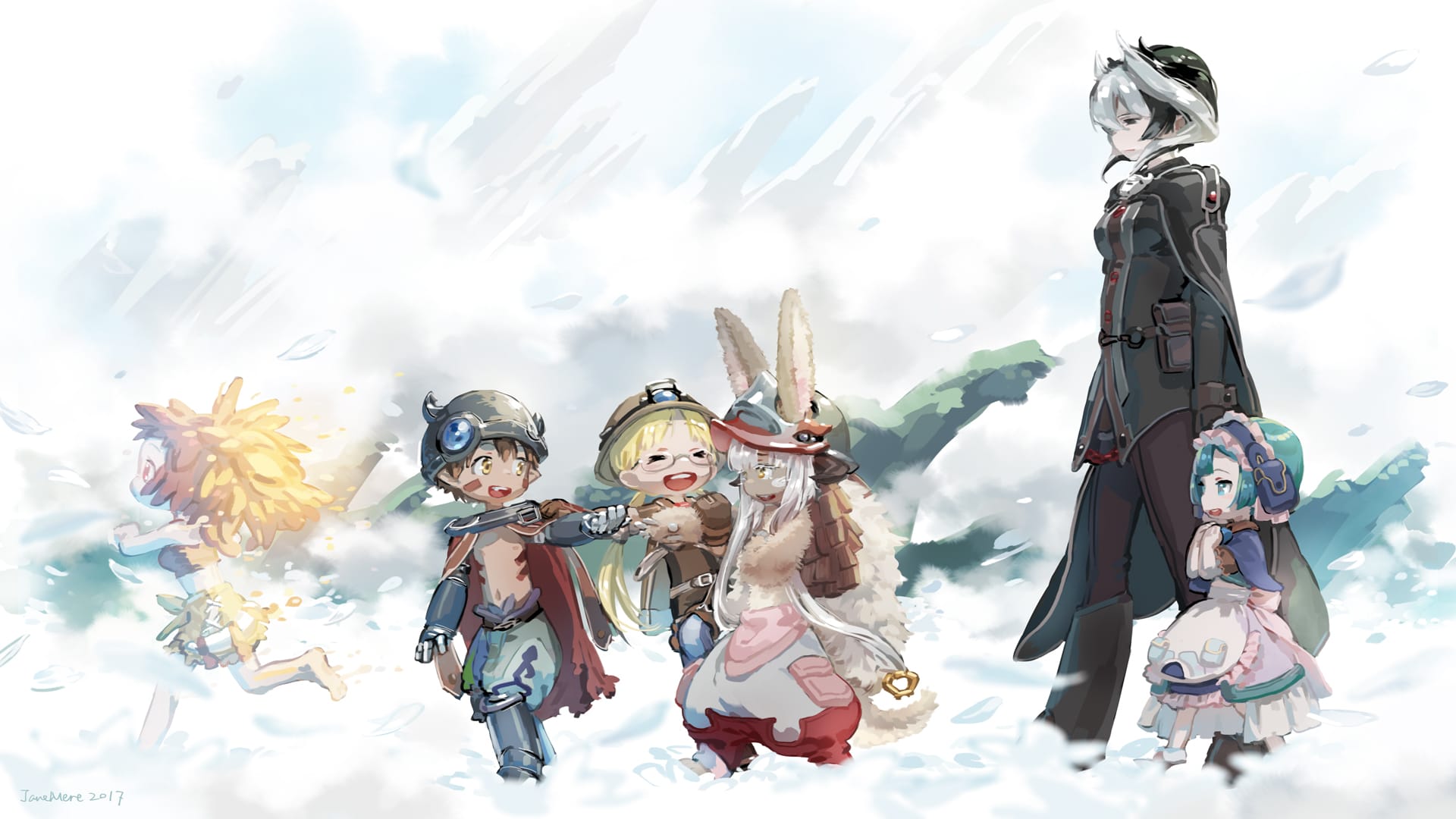
Made in Abyss is a show that looks like a children’s adventure and functions like psychological horror — and Kevin Penkin’s score is the exact sonic realization of that duality. The Australian composer produced something genuinely unlike anything else in anime music history: choral arrangements that shift from wonder to dread within the same measure, chamber music pieces that feel simultaneously ancient and alien, and a recurring motif structure that ties the show’s themes together with the coherence of a symphony. This is one of the most compositionally sophisticated entries on any list of the best anime soundtracks, and it’s routinely underrated simply because the show it scores isn’t as mainstream as the big shonen titles.
“The Hanged Man’s Song” — a choral piece that plays during the show’s most harrowing moments — is disturbing in the best possible way. It sounds like a children’s nursery rhyme filtered through nightmare logic, which is a perfect metaphor for the show itself. Penkin builds it with layered vocals that never quite resolve into comfort, keeping the listener permanently off-balance even as the melody is technically beautiful. Contrast that with tracks like “Mio” or the gentle, curious pieces that score Riko and Reg’s early descent, where the Abyss feels like pure discovery, and you understand how much range this score has.
The Dawn of the Deep Soul film and Season 2 continued to expand Penkin’s vision, adding new vocal pieces and further developing the choral language he established in Season 1. The score for Bondrewd’s arc is particularly stunning — music that makes a monster feel almost sympathetic, which mirrors the show’s deeply uncomfortable moral complexity. Made in Abyss might not be on every casual fan’s radar, but among people who care about anime music as a craft, Kevin Penkin’s work here is spoken of with genuine reverence. One of the most daring entries in the canon of best anime soundtracks.
Best Track: “The Hanged Man’s Song” — Beautiful, unsettling, and utterly unlike anything else in anime music. Once heard, never forgotten.
10. Violet Evergarden — Evan Call
Genre/Mood Tags: Emotional · Orchestral · Gentle · Devastating | Composer: Evan Call
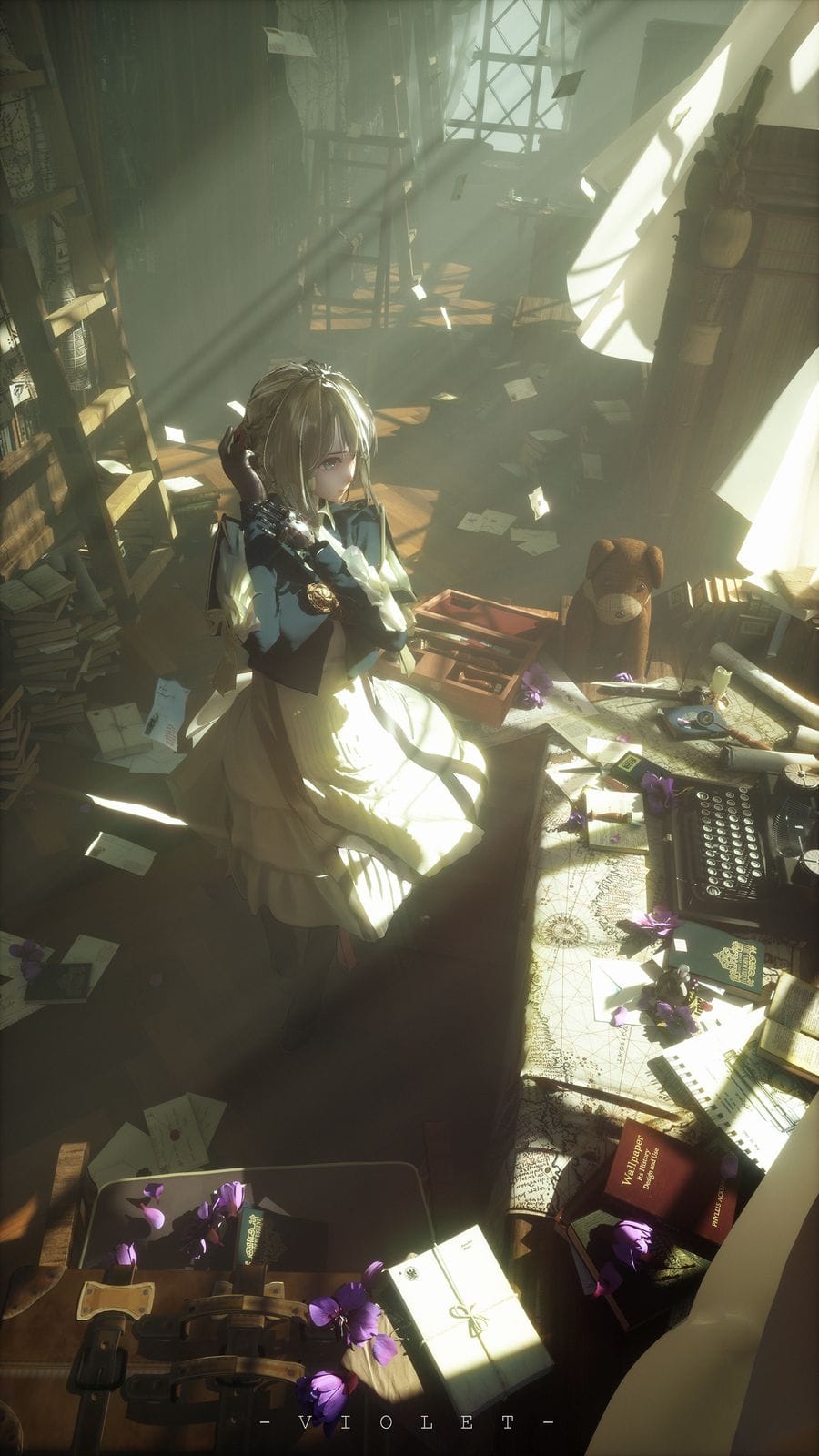
Violet Evergarden might be the purest expression of what a great anime score can do. Evan Call — an American composer based in Japan — wrote music for this show with such delicacy and emotional intelligence that it feels less like a film score and more like a handwritten letter. The story of a war veteran learning to understand human emotion through the act of writing letters is already an extraordinary premise, and Call’s music treats every moment with the same careful attention that Violet herself brings to her craft. This is why it makes every serious list of the best anime soundtracks: not because it’s flashy or bombastic, but because it’s *right*.
The string writing in the Violet Evergarden OST is among the finest in the medium. Call understands that strings can carry ambiguity in a way no other instrument family can — they can sound like longing and grief simultaneously, like hope that’s afraid to announce itself. The recurring theme “Violet Snow” (performed by Aira Yuuki) is a vocal piece that captures Violet’s emotional awakening with such precision that hearing it during the show’s most pivotal scenes feels like witnessing something genuinely private. The Violet Evergarden movie’s final act — scored with Call’s most expansive, cathartic music yet — produced one of the most emotionally devastating theatrical anime experiences in recent memory.
Call has continued working in anime since (he scored The Rising of the Shield Hero, among others), but Violet Evergarden remains his magnum opus. It’s the kind of score that makes non-anime fans stop and ask “wait, this is from a cartoon?” — not because it’s trying to impress, but because genuine emotional truth in music doesn’t require a live-action pedigree. If you want to introduce someone to the depth and beauty of anime music, Violet Evergarden is your first move. One of the best anime soundtracks for pure emotional resonance, full stop.
Best Track: “Across the Violet Sky” — An orchestral piece that builds from bare, fragile strings into a full emotional release. The sound of someone learning to feel again.
11. Jujutsu Kaisen — Hiroaki Tsutsumi & Yoshimasa Terui
Genre/Mood Tags: Intense · Modern · Hip-Hop Influenced · Dynamic | Composers: Hiroaki Tsutsumi & Yoshimasa Terui
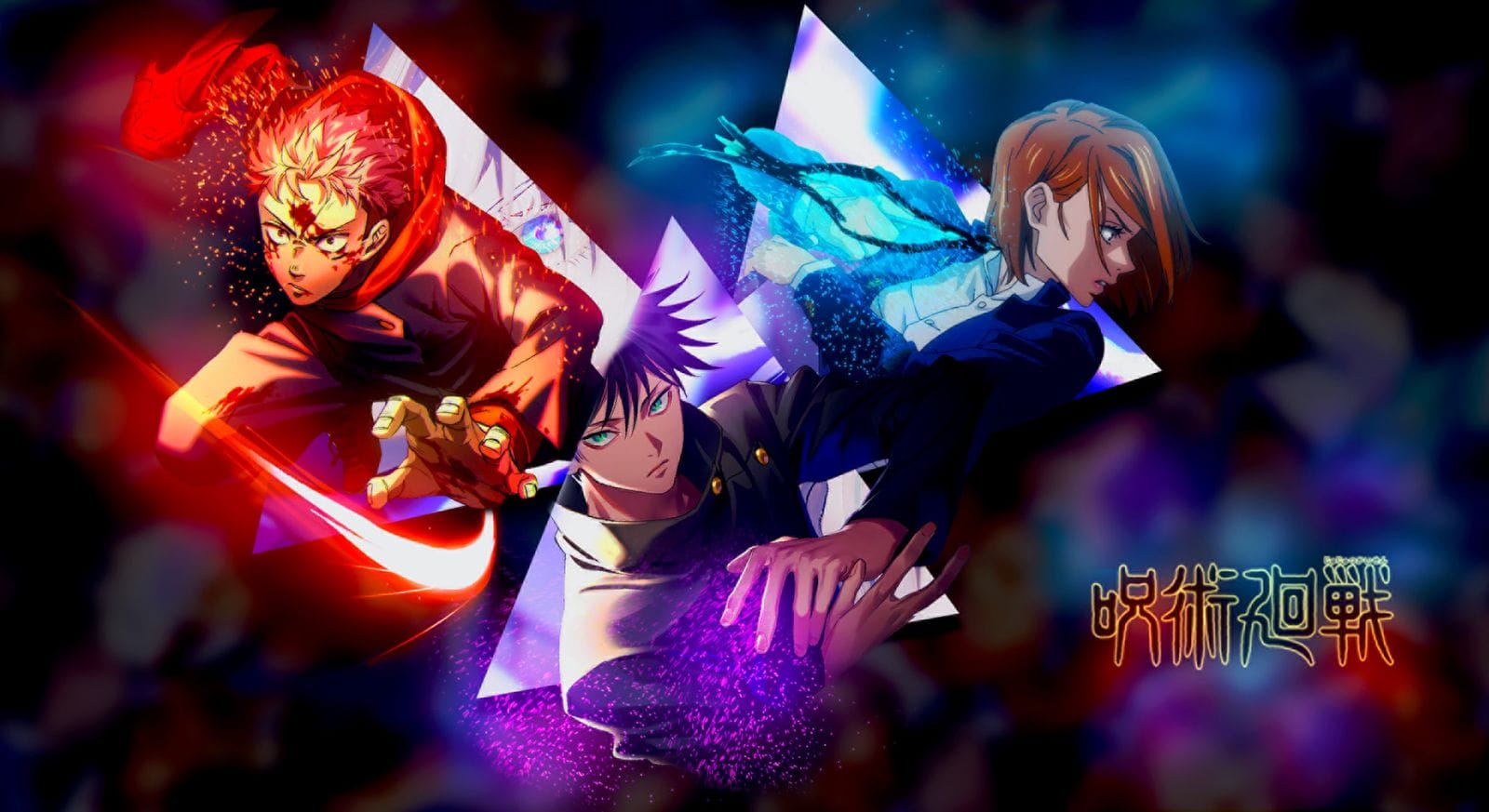
Jujutsu Kaisen arrived in 2020 and immediately established itself as one of the defining shonen anime of its generation — and the soundtrack by Hiroaki Tsutsumi and Yoshimasa Terui was a huge reason why. The JJK OST is contemporary in the best way: it borrows from hip-hop, trap, jazz, and orchestral traditions without feeling like it’s chasing trends. There’s a confidence to the music that matches Gojo’s own energy — it knows it’s elite, but it shows you why rather than just asserting it. The fight music in particular is some of the most sophisticated action scoring in recent anime, keeping pace with ufotable and MAPPA’s increasingly insane animation sequences.
The Yuji and Sukuna dynamic is brilliantly reflected in the music — Yuji’s themes carry warmth and urgency, a boy trying to do right by a curse he didn’t choose, while Sukuna’s musical motifs are all menacing elegance and deranged pleasure. The Domain Expansion battle music brings in these contrasting elements and fuses them into something chaotic and exciting. King Gnu’s “Ichizu” and “SPECIALZ” (opening themes for Season 2) are two of the best anime openings of their year, with “SPECIALZ” in particular hitting differently when you realize what’s coming in the Shibuya Incident arc — music and narrative in perfect sync.
What’s exciting about the JJK OST is its upward trajectory. The Shibuya Incident arc scoring escalated significantly from the first season, and fan consensus is that each major arc has pushed the composers further. The show’s ambition — featuring some of the best anime villains of all time — demands music that can make those villains feel genuinely threatening and fascinating, and the score delivers every time. This is one of the best anime soundtracks of its generation, and it’s still evolving.
Best Track: “Ryomen Sukuna” — A villain theme that oozes danger and charisma. Exactly the kind of music that makes you root for someone you absolutely should not root for.
12. Studio Ghibli / Joe Hisaishi — Spirited Away, Princess Mononoke & More
Genre/Mood Tags: Magical · Orchestral · Timeless · Emotional | Composer: Joe Hisaishi
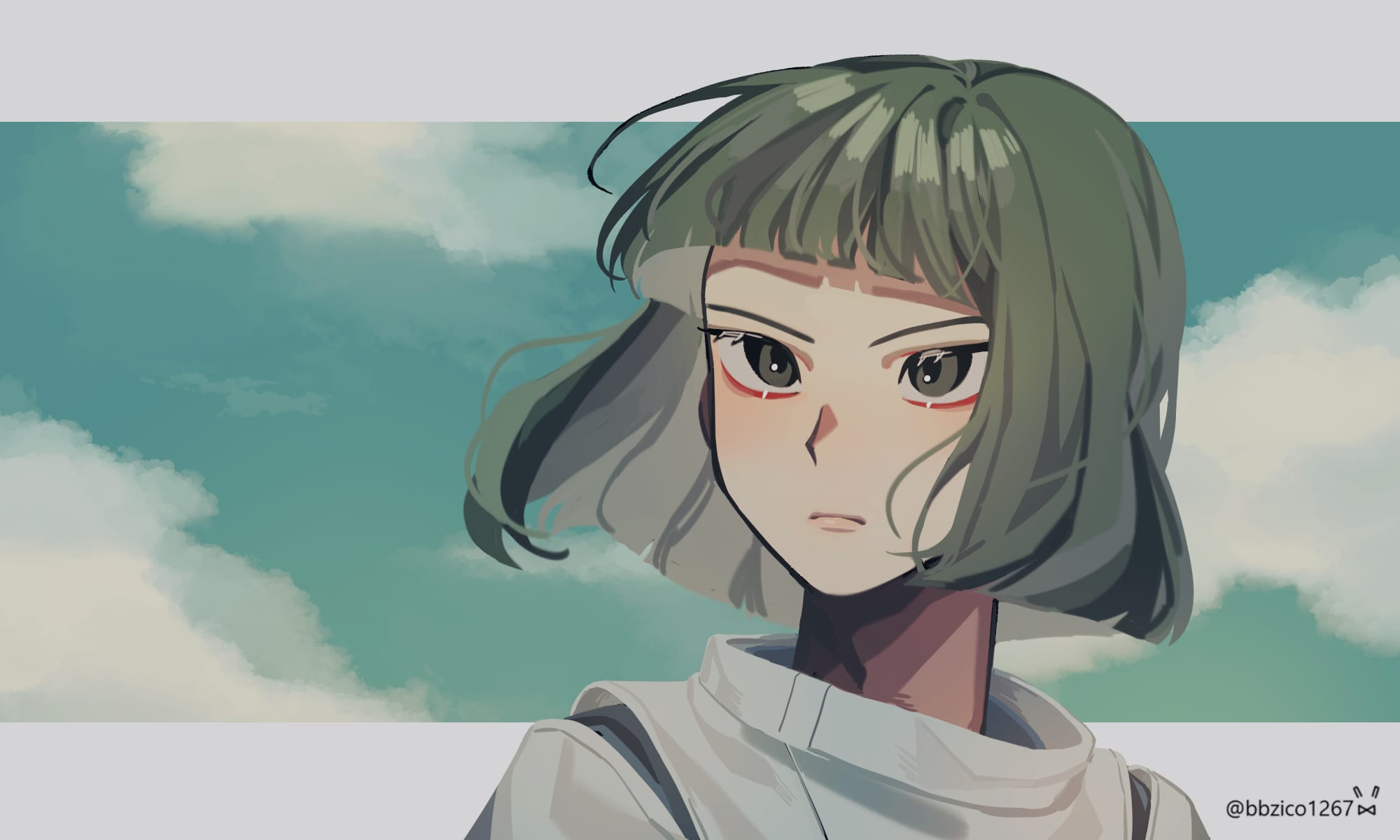
To talk about Studio Ghibli is to talk about Joe Hisaishi, and to talk about Joe Hisaishi is to talk about some of the most beautiful music ever written for animation — or, honestly, for anything. Hisaishi has been Hayao Miyazaki’s musical partner since Nausicaä of the Valley of the Wind in 1984, and over four decades they’ve created a body of work together that stands as one of the most extraordinary composer-director collaborations in cinematic history. The Ghibli catalogue represents not one entry on this list but a whole parallel universe of the best anime soundtracks, accessible to listeners of every age and background.
“One Summer’s Day” from Spirited Away is perhaps the most internationally recognizable piece of anime music ever written — a simple, searching piano melody that evokes childhood wonder, displacement, and the specific melancholy of realizing the world is bigger and stranger than you imagined. The Princess Mononoke score is Hisaishi at his most epic: sweeping choral arrangements, tribal percussion, and a main theme that manages to contain both the beauty of the natural world and the grief of its destruction. My Neighbor Totoro’s “My Neighbor Totoro” theme is so good that it became the literal logo of Studio Ghibli. Castle in the Sky, Kiki’s Delivery Service, Howl’s Moving Castle, The Wind Rises — every Ghibli film carries a Hisaishi score that is among the finest music in its genre.
What makes Hisaishi’s work singular is its accessibility without condescension. He writes music that children respond to instantly and that adults find increasingly complex and moving with each listen. The Spirited Away score, for instance, contains jazz elements, minimalist passages, and full orchestral set-pieces that reference everything from Western classical tradition to contemporary Japanese pop — yet it never feels academic or distancing. It just feels like magic. For anyone building a case that anime produces the best anime soundtracks in global entertainment, Joe Hisaishi is the strongest argument in your corner. He is, simply put, one of the greatest film composers alive.
Best Track: “The Name of Life (Inochi no Namae)” from Spirited Away — A vocal version of “One Summer’s Day” that makes the film’s core theme of identity and connection almost unbearably tender.
What Makes an Anime Soundtrack Great?
After all this, you might be wondering: what’s the actual formula? What separates a great anime score from a generic one? After listening to hundreds of anime OSTs and thinking hard about what elevates the best anime soundtracks to art, a few patterns emerge clearly.
Emotional precision over emotional volume. The best anime soundtracks don’t just try to make you feel *something* — they’re calibrated to make you feel the *exact right thing* at the exact right moment. Hiroyuki Sawano knows when to pull back so the impact of his biggest pieces lands harder. Evan Call knows that a single cello line can do more work than a full orchestra if the moment is right. Generic scores throw symphonic bombast at everything and hope some of it sticks. Great scores use silence as aggressively as sound.
Thematic coherence. The best anime soundtracks have identifiable musical DNA — motifs, harmonic languages, or rhythmic signatures that recur and develop across the runtime. When you hear a variation of Tanjiro’s theme played in a minor key during a battle, that’s not an accident — it’s storytelling through music. Kevin Penkin’s Made in Abyss score is particularly brilliant at this: the same melodic ideas appear in contexts ranging from joy to horror, and the shift in meaning is devastating precisely because you recognize the music from somewhere happier.
Risk-taking. Cowboy Bebop played jazz in a sci-fi anime. Samurai Champloo played hip-hop in a samurai anime. RADWIMPS scored a Shinkai film like a rock concert. Each of these decisions sounded insane on paper and was absolutely correct in practice. The best anime composers don’t ask “what’s safe?” They ask “what’s true?” — and then they chase that truth wherever it leads, even if it leads somewhere unexpected.
Service to story. Ultimately, an anime OST — no matter how beautiful or technically impressive — exists to serve the narrative. The best anime soundtracks make the story better, not just prettier. They clarify emotional stakes, deepen character relationships, and create the conditions for those moments that stick with you for years. When you remember a scene from Fullmetal Alchemist Brotherhood or Violet Evergarden or Attack on Titan, you remember it *with its music*. That inseparability is the mark of a truly great score.
The anime medium has attracted some of the most gifted and adventurous composers working today, and the result is a body of musical work that rivals — and in many cases surpasses — what you’ll find in Hollywood film, prestige TV, or the concert hall. If you haven’t explored the world of anime music beyond the shows you watch, you’re sitting on a goldmine. These are the best anime soundtracks because they’re simply the best soundtracks. Period.
FAQ: Your Anime Soundtrack Questions Answered
We get questions about anime music constantly from the community. Here are the ones that come up most often, with honest answers.
Q: What is the greatest anime soundtrack of all time?
A: This is an argument you could have forever, and it depends enormously on your taste and relationship with anime. If you want the most technically adventurous and genre-defying, Cowboy Bebop is hard to beat. If you want the most emotionally devastating, Violet Evergarden or Your Name might be your answer. If you want the most culturally impactful, Attack on Titan or Naruto have touched more people globally. There’s no single winner — but any honest list of the best anime soundtracks of all time includes all of these, and the debate is part of the fun.
Q: Can I listen to anime OSTs even if I haven’t watched the anime?
A: Absolutely, and honestly, you should. Many of the best anime soundtracks work as standalone listening experiences with zero anime context required. The Cowboy Bebop OST is just excellent jazz-blues-rock. The Ghibli scores are classical music of the highest order. The Samurai Champloo score essentially invented modern lo-fi hip-hop. If you’re new to anime music, we’d recommend starting with Nujabes, Joe Hisaishi, and Yoko Kanno — composers whose work stands comfortably alongside the best in any genre.
Q: Who are the most important anime composers working today?
A: Hiroyuki Sawano continues to dominate with shows like 86: Eighty Six and Vinland Saga alongside his AoT work. Yuki Kajiura (Demon Slayer, Sword Art Online, Fate/Zero) is arguably the most versatile and consistently excellent anime composer active. Kevin Penkin is the one to watch for ambitious, experimental work. Evan Call is building a remarkable catalogue. And for films, Joe Hisaishi remains in a class of his own, though younger composers like RADWIMPS are pushing the medium in exciting new directions.
Q: Where can I stream anime soundtracks legally?
A: Most major anime OSTs are available on Spotify, Apple Music, and Amazon Music. Ghibli music was famously unavailable on streaming platforms for years before finally appearing — and when it did, it immediately charted globally. YouTube has official channels for many major anime studios and music labels where you can stream OSTs in full. For deep cuts and less mainstream tracks, Last.fm’s anime soundtrack tag is an excellent resource for discovering new music based on what you already love. If you love a show enough to watch it twice, you love it enough to put its music in your regular rotation.
Conclusion: The Definitive Anime Music Experience
We’ve covered a lot of ground here: 12 extraordinary anime OSTs, 12 composers who treated animation not as a lesser medium but as a canvas for their most ambitious work. From Hiroyuki Sawano’s operatic bombast to Kevin Penkin’s experimental choral horror to Joe Hisaishi’s timeless orchestral poetry, the best anime soundtracks of all time represent a level of compositional ambition and emotional intelligence that the rest of the entertainment world is only beginning to catch up with.
The reason these scores matter — really matter — is that they fundamentally shape how we experience stories. The best anime soundtracks make us feel the weight of sacrifice before a character even speaks. They announce a villain’s arrival in a way that makes your hair stand up. They score a reunion between estranged siblings with such careful, aching tenderness that you have to pause the episode to collect yourself. Music in anime isn’t decoration. It’s architecture. It’s the invisible framework that holds everything up, and in the hands of composers like the ones on this list, it becomes something genuinely transcendent.
If you’ve been sleeping on any of these soundtracks, today is a great day to fix that. Pull up Spotify, put on “Space Lion” or “One Summer’s Day” or “Girei,” and let yourself get absolutely wrecked by the fact that a Japanese animated series composed music this good. That’s the thing about the best anime soundtracks — they make you feel proud to be a fan of this medium, proud to have spent thousands of hours in these worlds, proud to have let these stories and these songs become part of who you are.
The conversation doesn’t end here. Anime music is always evolving, always pushing further, always finding new ways to hit you somewhere you didn’t know was vulnerable. Whatever comes next — from the composers we know and the ones we haven’t discovered yet — we’ll be here listening with you. And if you want to keep exploring what makes this medium extraordinary, check out the best anime villains of all time — because great music and great antagonists go hand in hand more often than you’d think.
Now go put on your headphones and feel everything. That’s what the best anime soundtracks are for.