Spring 2026 is doing something that hasn’t happened in years — it’s stacking returning heavyweights on top of each other like a shonen bracket no one asked for but everyone needed. We’re talking Bleach finishing what it started, Re:Zero back in full tragedy mode, Steel Ball Run finally animated, Fire Force closing the loop on the Adolla Burst, and more. For anyone who cares about anime power systems, this season isn’t just good. It’s a graduate seminar.
But watching these shows back-to-back raises a question that rarely gets a straight answer: which of these systems is actually the most sophisticated? Which one has the deepest internal logic? And which ones are basically vibes with a cool name? Let’s get into it — system by system, no hype tax, just honest breakdowns and a final ranking.
For a full picture of every show airing this season, check out our Spring 2026 anime season complete guide.
Return by Death — Re:Zero’s Brutal Loop Engine
Return by Death isn’t a power in the traditional sense — Subaru can’t throw it at an enemy or use it to deflect a sword. It’s closer to a narrative constraint masquerading as an ability. When Subaru dies, he resets to a save point. He keeps his memories. Nobody else does. That’s the whole thing.
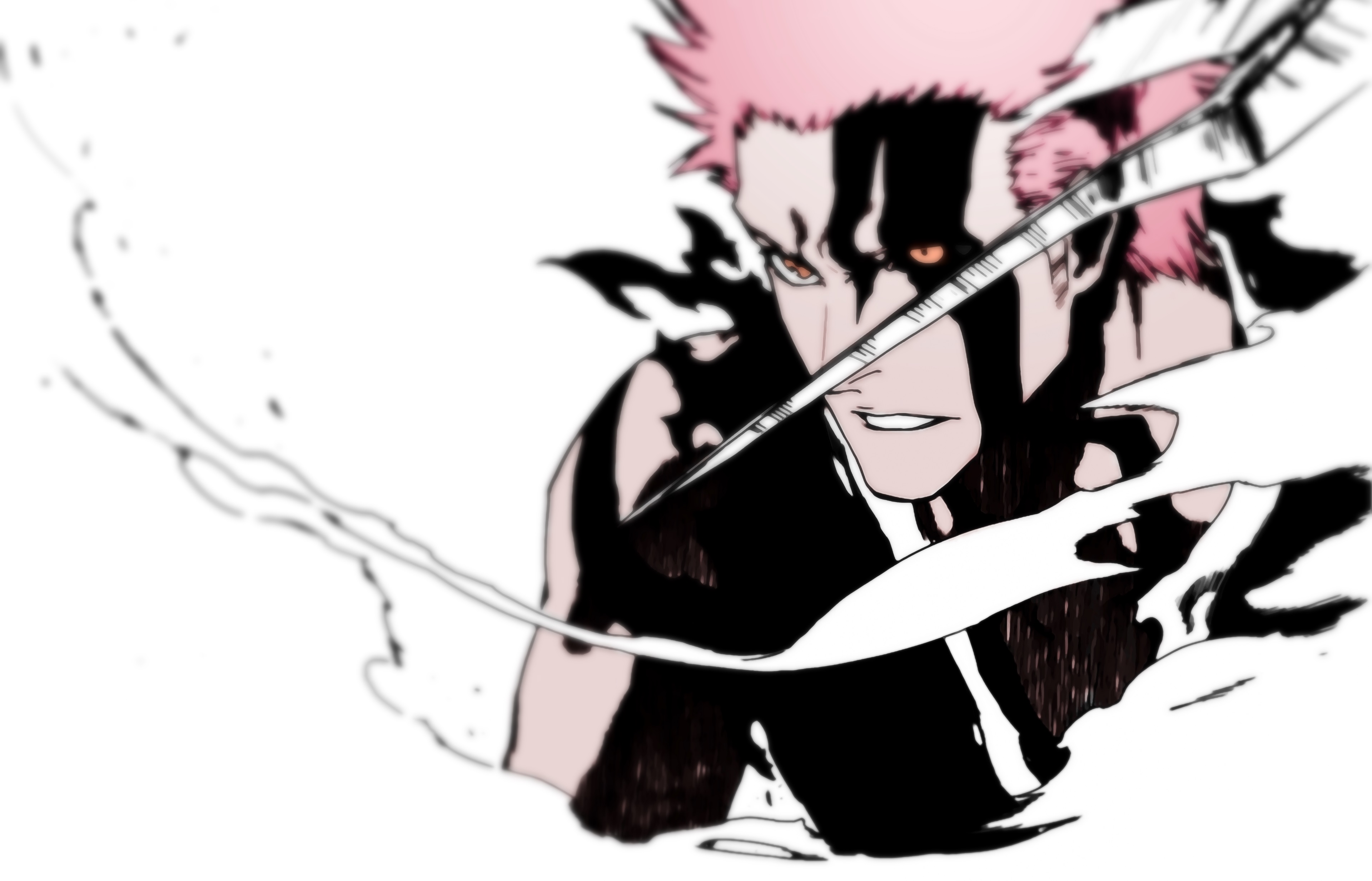
The elegance here is in what it costs. Every loop is a reminder that he watched people die, that he failed, that he carries trauma the people around him will never know happened. The “power” is inseparable from the psychological destruction it causes. Re:Zero Season 3 (and any continuation into Spring 2026) leans hard into this — Subaru isn’t just solving puzzles with resets, he’s being systematically broken by them.
There are structural rules that the series is careful about. The save point moves forward when Subaru experiences a moment of sufficient emotional weight or narrative significance — it’s fuzzy, deliberately, because Tappei Nagatsuki doesn’t want the audience gaming the logic. You never quite know where the checkpoint is until Subaru dies and finds out. That uncertainty is a storytelling choice, and it works.
The Authority of Greed that Subaru later acquires adds another layer, tying Return by Death to the witch’s soul fragments and the wider Witch of Envy lore. It’s no longer just a reset button — it’s part of a cosmological system involving the Witches of Sin, Od Laguna (the world’s mana source), and Satella’s obsessive love as a structural force. The deeper the series goes, the more Return by Death reveals itself as a symptom of something much larger.
Complexity rating: 8/10. The simplicity of the mechanic hides enormous depth in its consequences and lore implications.
Bankai and Zanpakuto — Bleach’s Soul-Bonded Arsenal
Zanpakuto are soul-bonded weapons. Each one has a name, a spirit that lives inside it, and two release states — Shikai (initial release) and Bankai (final release). To achieve Bankai, a Soul Reaper has to materialize their Zanpakuto spirit and subjugate it, a process that normally takes decades. Ichigo did it in three days with a life-threatening shortcut. That matters for understanding how his power is different from everyone else’s.
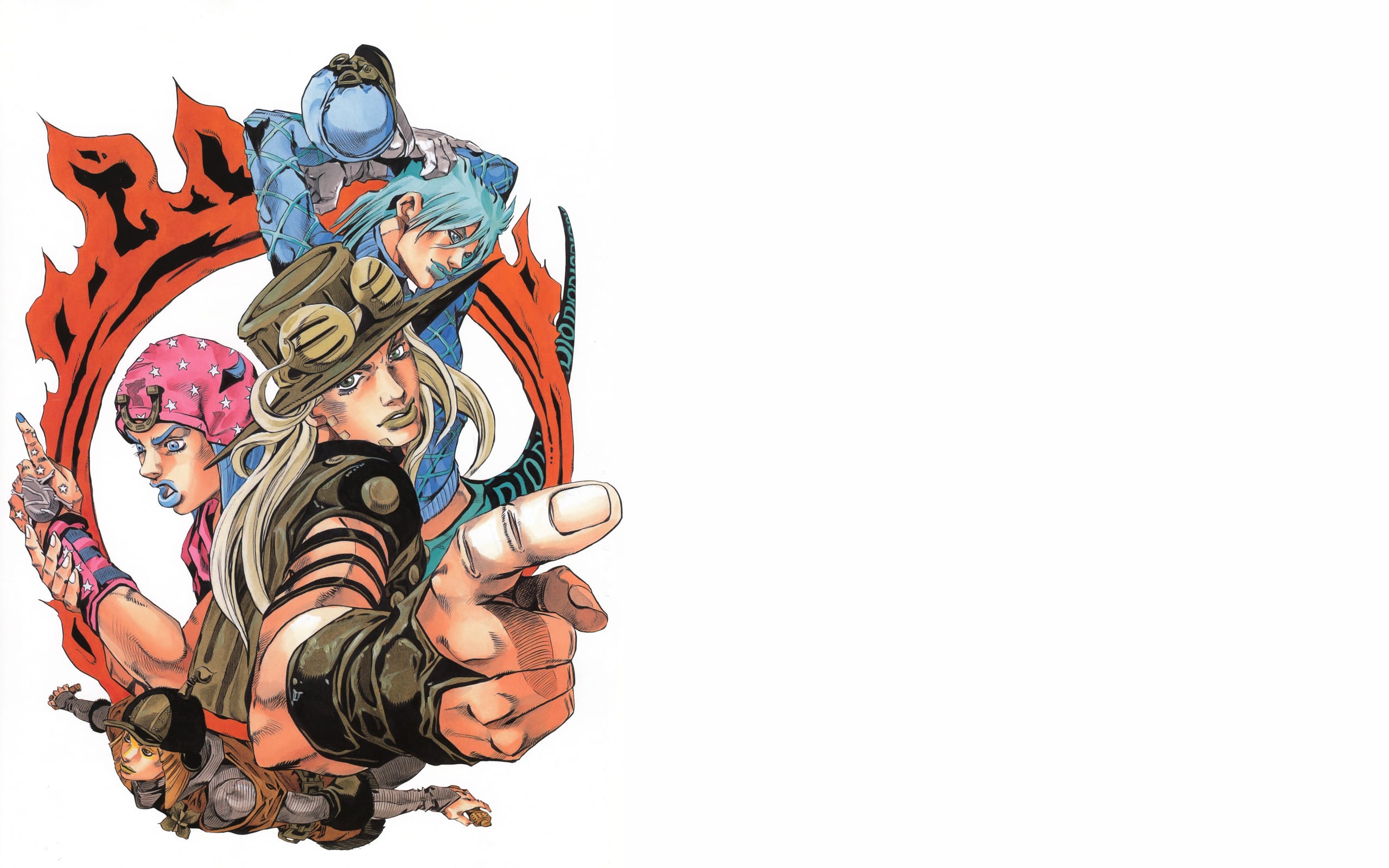
What makes the Zanpakuto system genuinely interesting is that the sword’s ability is a direct expression of its wielder’s soul. Rukia’s Sode no Shirayuki manifests as ice and cold because that reflects something true about her. Byakuya’s Senbonzakura — petals that become blades — fits his detached precision. Yamamoto’s Ryujin Jakka is just apocalyptic fire, which tracks for the oldest and most powerful Soul Reaper alive. The system has consistent internal logic: your weapon is you.
The Thousand-Year Blood War arc, which Bleach TYBW Season 4 is wrapping up in Spring 2026, introduces Quincy Medallions that can steal Bankai — and the counter to that, which Soul Reapers have to develop mid-war. That’s a system interacting with another system, generating new rules under pressure. Good worldbuilding does this. It doesn’t just explain the rules; it stress-tests them.
Ichigo’s final Bankai, Tensa Zangetsu in its true form, is the payoff of everything the series built — the Hollow within him, his Quincy blood, his Soul Reaper heritage, all of it merged. It’s not the most mechanically complex system on this list, but it might be the most emotionally loaded one.
Complexity rating: 7.5/10. The soul-expression logic is elegant and consistent; the ceiling of complexity comes from how many individual Zanpakuto the series has to track.
Stands — Steel Ball Run’s Gravity-Defying Combat Chess
Stands are psychic manifestations of fighting spirit, unique to each user, with abilities that range from “punch things really hard” to “rewrite the fundamental physics of cause and effect.” Steel Ball Run — now finally getting its full anime treatment, as covered in our Steel Ball Run anime guide — sits at the far end of that spectrum.
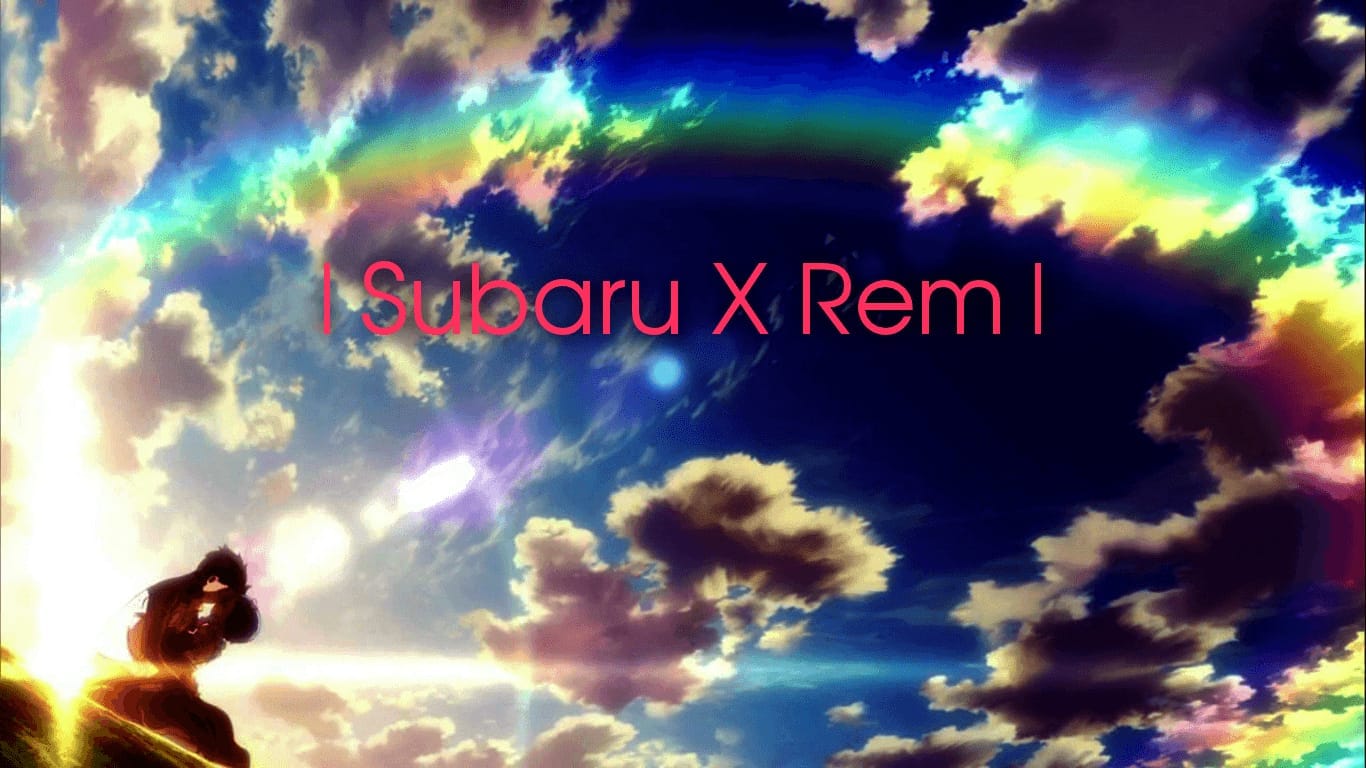
Johnny Joestar’s Tusk goes through four Acts, each one a genuine evolution of the same power: spinning nails as bullets, then infinite spin as a theoretical absolute. The concept of the “infinite rotation” tying into the golden rectangle and the mathematical underpinning of spin in the universe is either brilliant or completely insane depending on your tolerance for Araki’s particular brand of pseudoscience. Either way, it’s internally consistent within the story’s logic.
Gyro Zeppeli’s Ball Breaker and the Spin technique itself function as a counterpart to Hamon from the original JoJo timeline — but recontextualized. Spin here isn’t sunlight energy, it’s rotational force refined to a perfect Golden Ratio expression. That’s a significant thematic upgrade from “sunlight kills vampires.”
The villain Stands in SBR are equally layered. Funny Valentine’s Dirty Deeds Done Dirt Cheap (D4C) allows him to pull parallel universe versions of himself — and later, with D4C Love Train, redirect all misfortune away from himself and onto others via a dimensional barrier. The counter to that ability, and how Johnny has to think around it, is some of the most creative battle logic in any manga.
Stands are the most mechanically inventive system on this list because Araki continuously refuses to let any single ability be the final answer. Every Stand has a counter. Every fight is a puzzle about finding it.
Complexity rating: 9.5/10. The ceiling on Stand creativity is essentially Araki’s imagination, which has no visible ceiling.
Adolla Burst — Fire Force’s Pyrokinetic Singularity
Most fire power systems in anime are exactly what they sound like: make fire, throw fire, win. Enen no Shouboutai (Fire Force) spends its entire run complicating that. The Adolla Burst isn’t just fire that burns hotter — it’s fire that connects the user to the Adolla, a separate dimension that is effectively the origin of all spontaneous human combustion in this world.
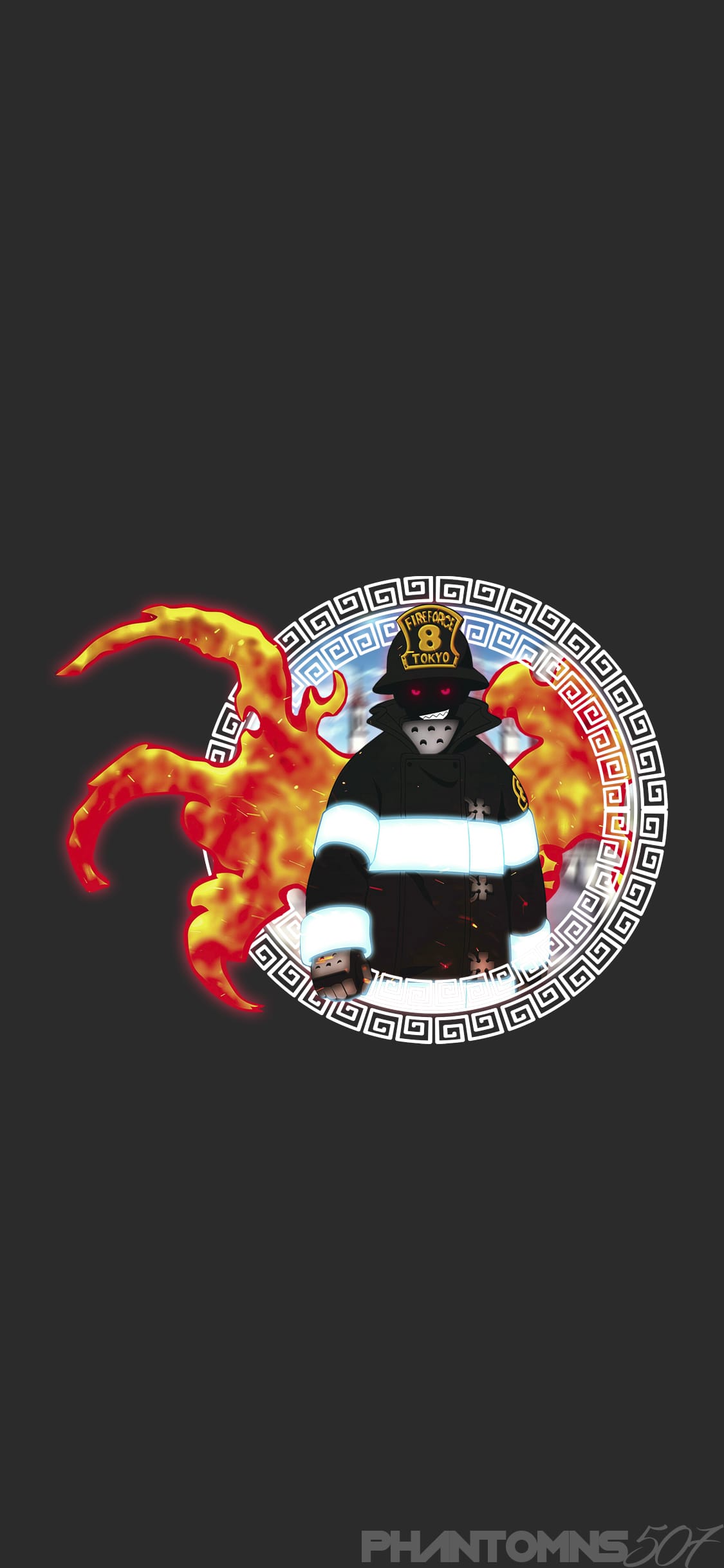
Shinra’s Adolla Burst lets him move at speeds approaching the speed of light (in the show’s logic, Mach 20+ is framed as approaching light speed, which isn’t accurate physics but is treated seriously within the story). More importantly, it gives him access to the Adolla Link — a mental/spiritual connection with other Burst users and with entities in the Adolla itself. That’s where the system gets interesting: it’s not just a power level, it’s a communication channel to something cosmological.
The final season, which we broke down in our Fire Force final season guide, reveals that the Adolla Burst is tied to the Evangelist’s plan to return the world to a state of pure flame — essentially a universe reset triggered by collecting enough Bursts. The power system is load-bearing for the plot’s entire endgame, not just a fight mechanic.
Eight individuals possess the Adolla Burst in the series. Each one activates differently, manifests differently, and connects to the Adolla in unique ways. Shinra’s is the most prominent, but the system is designed so that each Burst user represents a different facet of the same fundamental energy.
Complexity rating: 7/10. Conceptually ambitious; the connection to the cosmological plot elevates it above a standard pyrokinesis system.
Tao — Hell’s Paradise’s Body-as-Battlefield Philosophy
Tao in Jigokuraku (Hell’s Paradise) is a life energy system — but the framing is more grounded and philosophical than most. Every living thing has Tao, divided into Yin and Yang. The Tensen (the immortal beings on Shinsenkyo island) have achieved a perfect balance that makes them effectively unkillable through normal means. The only way to defeat them is to overwhelm their Tao with your own, targeting the specific “Tanden” point — the core of their Tao flow — which is located differently in each individual.

What separates Tao from generic “energy system” designs is how it’s grounded in the body. Gabimaru doesn’t just power up — he has to read his opponent’s Tao alignment, find the Tanden, and hit it with overwhelming counter-energy. That requires a different kind of combat intelligence: less “hit harder” and more “understand this body before you can break it.”
The system also forces character growth in a specific direction. To master Tao, a fighter has to reconcile their Yin and Yang natures — broadly, their will to destroy and their will to protect, or their connection to life versus death. For Gabimaru, a trained assassin who genuinely doesn’t know if he’s capable of caring about anything, that’s not just a power ceiling. It’s the entire character arc externalized as a training system.
The island itself runs on Tao. The flora and fauna have mutated around it. The Elixir of Life that everyone’s looking for is a concentrated Tao substance. It’s a world where the power system and the setting’s biology are the same thing.
Complexity rating: 7/10. Philosophically coherent and well-integrated with character development; slightly less mechanically varied than the top-tier systems.
Magic Knights, Anti-Magic, and the Great Sage — Black Clover and Slime’s Takes on Classic Frameworks
Black Clover’s magic system is built on a rule that exists to be broken. Everyone in this world has mana. Magic power scales with mana quantity and quality. The entire social hierarchy is built on it. Asta has zero mana — which, in a classic shonen inversion, is what makes him special. He wields Anti-Magic, a force that negates and cuts through any magic regardless of its power level. The Devil Liebe, bound to Asta, is the source of that Anti-Magic.
The Magic Knights framework itself — grimoires, spells, clover ranks (one-leaf through five-leaf) — is traditional enough that it gives Black Clover a readable baseline. New viewers can follow the power scaling. The Anti-Magic is the wildcard that keeps fights unpredictable: Asta can cancel spells that should be impossible to counter, which forces every villain to think around him rather than through him.
Devil Union, Asta’s later transformation, merges him with Liebe — which is less a new ability and more the logical endpoint of their relationship. It’s not a power boost dropped from the sky. It’s earned through the backstory of how Liebe and Asta’s mother were connected. That’s a system where the emotional architecture supports the power escalation, rather than the other way around.
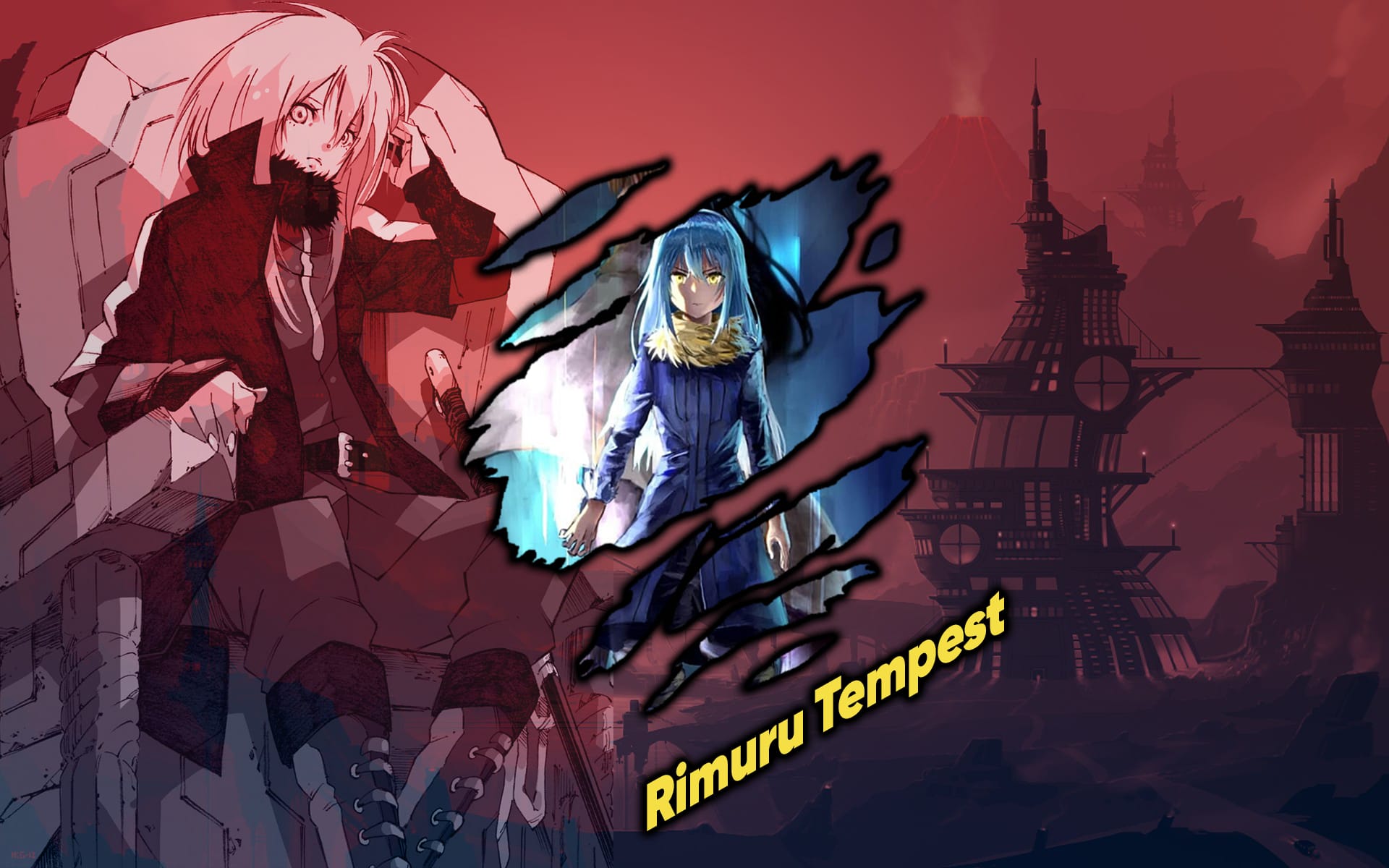
Rimuru Tempest in That Time I Got Reincarnated as a Slime operates differently — he’s a synthesis machine. His Great Sage (later evolved to Raphael, Lord of Wisdom) is an analytical system built into him that processes abilities he absorbs, breaks them down, improves them, and integrates them. It’s less about raw power and more about information processing speed. Raphael can solve problems in combat that would take human strategists hours, in real time.
The philosophical contrast here is clean: Asta negates. Rimuru absorbs and optimizes. One is a destroyer of systems; the other is a system that consumes other systems. Both are interesting responses to the “everyone has magic, one guy doesn’t fit the mold” setup that isekai and shonen lean on heavily.
Raphael specifically is worth noting because it represents one of the few AI-adjacent power systems in anime that isn’t framed as sinister or dehumanizing. It’s Rimuru’s internal advisor, his combat calculator, his emotional support structure in a world that keeps trying to kill him. For a series that’s often dismissed as low-stakes power fantasy, the Great Sage/Raphael arc is surprisingly thoughtful about what it means to have perfect information and still struggle.
Anti-Magic complexity rating: 6.5/10. Elegant in its negation logic; depth comes from the Devil system and Asta’s relationship with Liebe rather than the mechanics themselves.
Great Sage/Raphael complexity rating: 7/10. The information-processing angle is underrated; most viewers don’t clock how sophisticated the ability synthesis pipeline actually is.
Power System Complexity Rankings — Spring 2026 Edition
Putting a number on these isn’t about saying one show is better than another. It’s about what the system demands of its audience and what it offers in return — rule consistency, creative ceiling, integration with character and theme, and capacity for surprise without breaking logic. Here’s the full ranking:
- Stands (Steel Ball Run) — 9.5/10. The highest mechanical ceiling on this list, full stop. Araki’s refusal to let any Stand ability be an absolute is the design principle that separates JoJo from every other franchise. D4C Love Train being countered through applied narrative philosophy is the kind of thing that only works in JoJo, and it works completely.
- Return by Death (Re:Zero) — 8/10. The simplest mechanic with the deepest consequences. The psychological cost, the cosmological lore, and the way it integrates with Subaru’s character arc make it richer than it first appears. It’s a power system that’s also a metaphor for depression, and it earns that reading.
- Bankai/Zanpakuto (Bleach) — 7.5/10. Consistent internal logic, soul-expression framework that applies across hundreds of characters, and a narrative arc that stresses-tests the system under wartime conditions. The TYBW material specifically shows what happens when the rules get broken — and that’s exactly how you prove the rules were real to begin with.
- Great Sage/Raphael (Slime) — 7/10. Underrated because the show is soft-power fantasy. The ability synthesis pipeline and the information-processing framing are genuinely clever.
- Tao (Hell’s Paradise) — 7/10. Philosophically grounded and well-integrated with the setting. The body-as-battlefield logic and the character growth requirements keep it from being a pure energy-level system.
- Adolla Burst (Fire Force) — 7/10. The cosmological integration is strong; the execution in combat occasionally relies on speed escalation more than logic escalation, which caps the ceiling slightly.
- Magic Knights/Anti-Magic (Black Clover) — 6.5/10. The negation system is elegant and the social framework gives it weight. Depth improves significantly in later arcs when the Devil system expands the rules.
For a deeper read on how JoJo’s Stand system compares to other battle manga mechanics from a structural standpoint, CBR’s breakdown of the Stand system covers the core mechanics well if you want a primer before the Steel Ball Run anime starts.
Why This Season Matters for Power System Fans
There’s a version of this article that would just rank these shows by hype level, throw in some tier lists, and call it done. But the reason Spring 2026 is worth paying close attention to — beyond the obvious fact that it’s stacked — is that several of these systems are reaching their narrative endpoints simultaneously.
Bleach is closing. Fire Force is closing. Re:Zero is deep into material that recontextualizes everything. Steel Ball Run is the culmination of thirty-plus years of Araki refining his combat philosophy. That’s not normal. Usually this kind of convergence happens over a decade of seasonal catch-up. Right now it’s happening in a single cour, and that means viewers who’ve been following multiple franchises are about to watch several different design philosophies get their final stress tests at the same time.
Return by Death was always going to be about whether saving the people you love justifies the cost of watching them die a hundred times. Bankai was always going to be about whether a weapon that is your soul can be stolen or destroyed. Stands were always going to be about whether creative problem-solving can defeat absolute power. These aren’t just fight mechanics — they’re the questions their respective series were built around.
Spring 2026 is where the answers come due. That’s why it matters, and that’s why the power systems matter. Not just as fight mechanics. As the structural logic of what each series has been arguing for years.
Watch carefully. The system that wins isn’t always the most powerful one. It’s usually the one that was asking the right question the whole time.