The Best Anime Openings of All Time: Our Top 25 Ranked
There’s a specific feeling that hits when a great anime opening kicks in. The screen cuts to black, the first note drops, and you’re suddenly sitting up straighter, maybe mouthing the lyrics, definitely not skipping. The best anime openings of all time don’t just introduce a show — they are the show, compressed into 90 seconds of music, motion, and mood. They live in your head for years. You hear three seconds of one in a store and suddenly you’re 14 again, watching on a laptop at midnight.
This list ranks 25 openings that earned that status. Not just “good songs” — these are the ones that stopped conversations, launched bands into stardom, became synonymous with entire eras of anime. We’re going from heavy metal chaos to jazz swagger to gut-punch acoustic ballads. Every genre, every generation, every reason why anime music hits different.
Here’s how they stack up.
—
The Untouchable Top 5 — Best Anime Openings That Defined Generations
These aren’t just great anime openings. These are cultural events. The kind of songs your parents might recognize. The kind that showed up in live concerts, Olympics ceremonies, and every “best of” list since the internet existed. If you call yourself an anime fan and haven’t felt something during these, respectfully, check your pulse.
#1 — “A Cruel Angel’s Thesis” | Yoko Takahashi | Neon Genesis Evangelion (1995)
Artist: Yoko Takahashi
Show: Neon Genesis Evangelion
Thirty years later and this is still the answer when someone asks what the best anime opening of all time is. “A Cruel Angel’s Thesis” is not just a great song — it’s a thesis statement about what anime music could be. The brass stabs, the driving synth, Yoko Takahashi’s voice cutting through with this unhinged energy that somehow fits a show about children piloting giant robots through existential collapse. It shouldn’t work. It absolutely works.
Why it works: The song is brighter and more optimistic than anything in the actual show, and that contrast is the whole point. It’s a lie you willingly believe every single episode. The production is dense — layers of keys, strings, and percussion — but it never feels cluttered. Every instrument is doing a job.
Iconic moment: The trumpet fanfare right before “Zankoku na tenshi no yo ni” hits the chorus. That transition is anime history.
#2 — “Tank!” | The Seatbelts | Cowboy Bebop (1998)
Artist: The Seatbelts
Show: Cowboy Bebop
No lyrics. No exposition. No character intros. Just a big band jazz explosion that tells you exactly what kind of show you’re about to watch. Yoko Kanno assembled The Seatbelts specifically for Cowboy Bebop, and “Tank!” remains one of the single greatest pieces of music ever composed for animation — full stop. It swings. It punches. It grooves in a way that has no business being as tight as it is.
Why it works: Bebop’s animation team matched the music beat for beat — each cut synced to the brass, each transition tied to the drum fills. The result is one of the most technically precise anime sequences ever produced. And Kanno’s arrangement blends bebop jazz, big band, and Latin influences into something that doesn’t sound like a genre exercise — it sounds like a place.
Iconic moment: The full band explosion at 0:22 after the lone trumpet opens cold. That moment is Cowboy Bebop.
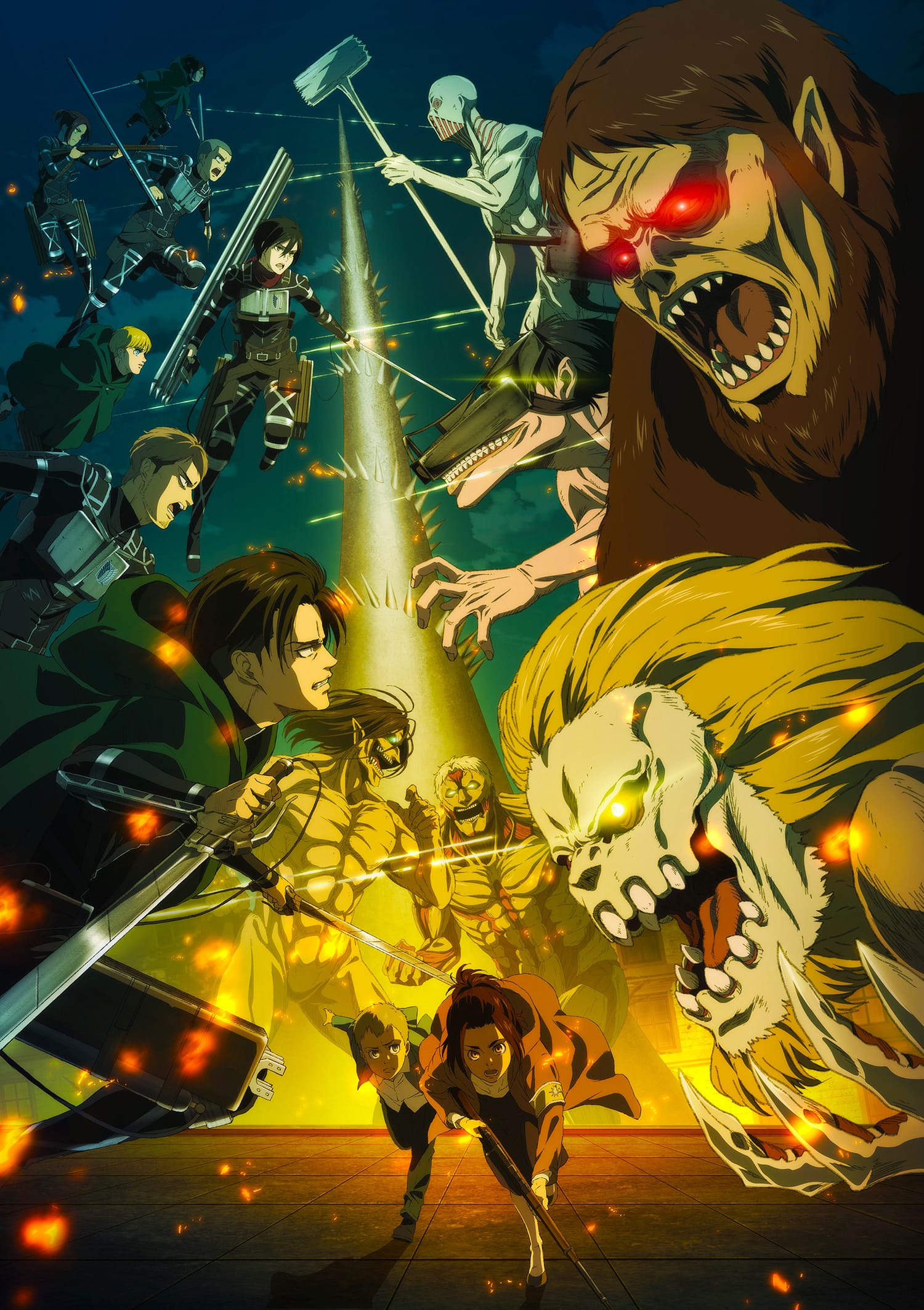
#3 — “Guren no Yumiya” | Linked Horizon | Attack on Titan Season 1 (2013)
Artist: Linked Horizon
Show: Attack on Titan
When Attack on Titan dropped its first episode in 2013, “Guren no Yumiya” turned the entire anime community into soldiers. This is one of the most aggressive, unhinged, perfectly calibrated hype machines in the history of the medium. Revo (of Sound Horizon) wrote a song that sounds like a battle hymn from a civilization fighting extinction — because that’s exactly what it is.
Why it works: The German lyrics were a wild swing that paid off completely. Combined with the choir, the military percussion, and the wall-to-wall kinetic animation, it creates a feeling of desperate urgency that no amount of exposition could deliver. You don’t need to know the plot. The opening is the plot.
Iconic moment: The moment the full choir erupts alongside the legion of Survey Corps troops launching into the air. That 20-second stretch made millions of people emotional before they knew a single character’s name.
#4 — “Again” | YUI | Fullmetal Alchemist: Brotherhood (2009)
Artist: YUI
Show: Fullmetal Alchemist: Brotherhood
FMA Brotherhood is one of the best anime series ever made, and “Again” set the bar immediately. YUI’s signature acoustic-pop style gets pushed into something rawer and more urgent here — the song starts intimate and explodes into one of the most satisfying chorus drops in anime opening history. The animation from BONES matched perfectly: alchemy circles forming, the brothers running, the weight of the world visible in every frame.
Why it works: The melody has this ache in it. YUI’s voice cracks in exactly the right places. The song is about regret and moving forward anyway — which is basically Edward Elric’s entire arc compressed into three and a half minutes. The synergy between music and narrative is rare.
Iconic moment: The overhead shot of Edward’s arm outstretched, alchemic energy spiraling, timed to the song’s climax. One of the cleanest shots in 2000s anime.
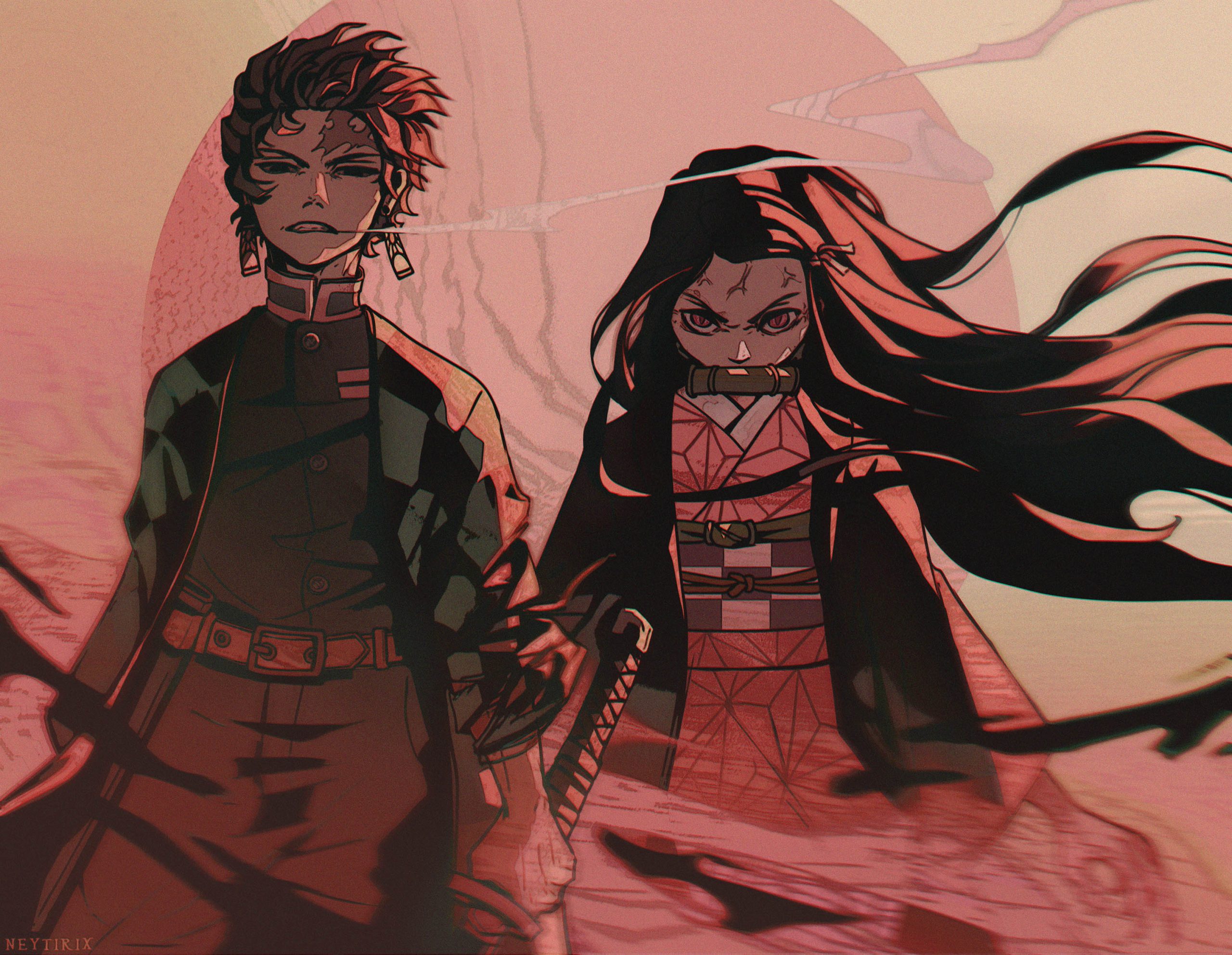
#5 — “Gurenge” | LiSA | Demon Slayer (2019)
Artist: LiSA
Show: Demon Slayer: Kimetsu no Yaiba
LiSA had been a certified anime music powerhouse for years before this. “Crossing Field” launched her career. But “Gurenge” made her a household name across Japan and pushed Demon Slayer into the mainstream in a way few anime have ever managed. The song is big, loud, emotional, and perfectly tuned to Tanjiro’s personality: persistent, powerful, driven by love.
Why it works: The production is massive — layered guitars, thunderous percussion, LiSA hitting notes that would humble most vocalists. The animation from ufotable is some of the most detailed TV anime ever produced, and the way water breathing effects are woven through the cut gives it a visual identity that no other opening has.
Iconic moment: LiSA’s voice cracking slightly on the final climax as Tanjiro’s eyes fill with determination. That imperfection makes it human.
—
Numbers 6 Through 10 — The Bangers That Built Eras
These are the openings that defined specific moments in anime fandom. They were the songs people learned on guitar, the ones that dominated AMVs, the ones that introduced entire generations to anime music. Every single one of these could be argued into the top five on a different day.
#6 — “Departure!” | Masatoshi Ono | Hunter x Hunter (2011)
Artist: Masatoshi Ono
Show: Hunter x Hunter (2011)
There is something deeply unhinged about how good “Departure!” is compared to how deceptively simple it looks on paper. It’s an adventure-pop song with clean production and Masatoshi Ono singing about going on a journey. And yet it hits like a freight train every single time. The song earns the genre shift from children’s adventure to war horror that Hunter x Hunter pulls off — because it never lies about what the show is at its core: a boy chasing his father.
Why it works: The sincerity. There’s no irony here, no edge. It’s pure. And that purity makes the brutal story arcs hit harder because you remember this song during them.
Iconic moment: Gon’s running silhouette against the sunset sky. Simple. Perfect.
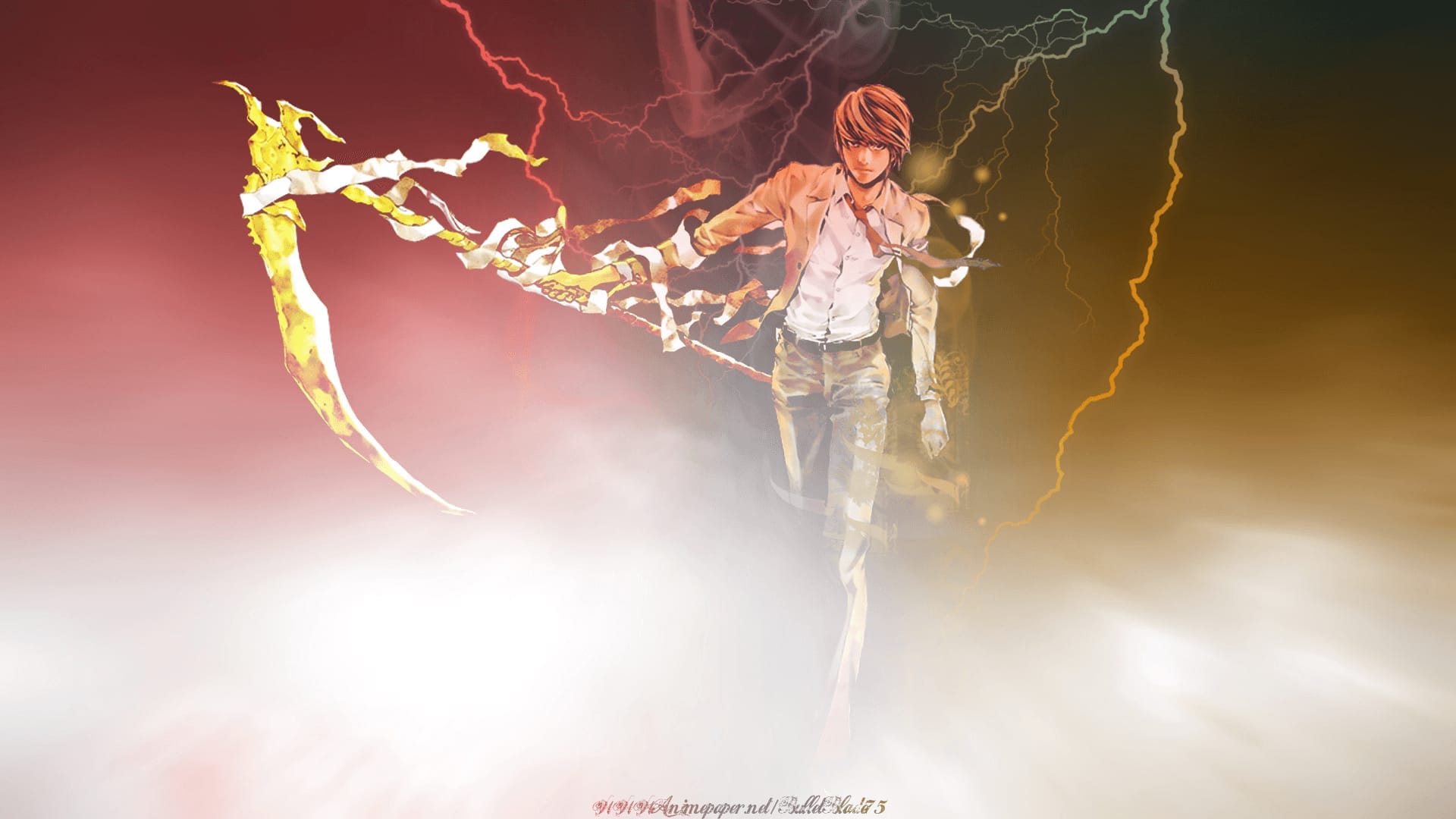
#7 — “The World” | Nightmare | Death Note (2006)
Artist: Nightmare
Show: Death Note
Death Note’s first opening is one of the most stylish things ever put in front of an anime. J-rock band Nightmare delivered a song that’s all tension and menace — distorted guitars, theatrical vocals, production that feels like it’s rotting at the edges in the best possible way. Light Yagami writing in the Death Note while feathers rain down and L lurks in the shadows is a masterclass in visual storytelling.
Why it works: The song sounds like a villain’s internal monologue. Which is exactly what it is. Every instrument choice feels deliberate — the static, the dissonance, the way the melody feels slightly off-center.
Iconic moment: The apple drop synced to the guitar riff. Twenty seconds of pure cinema.
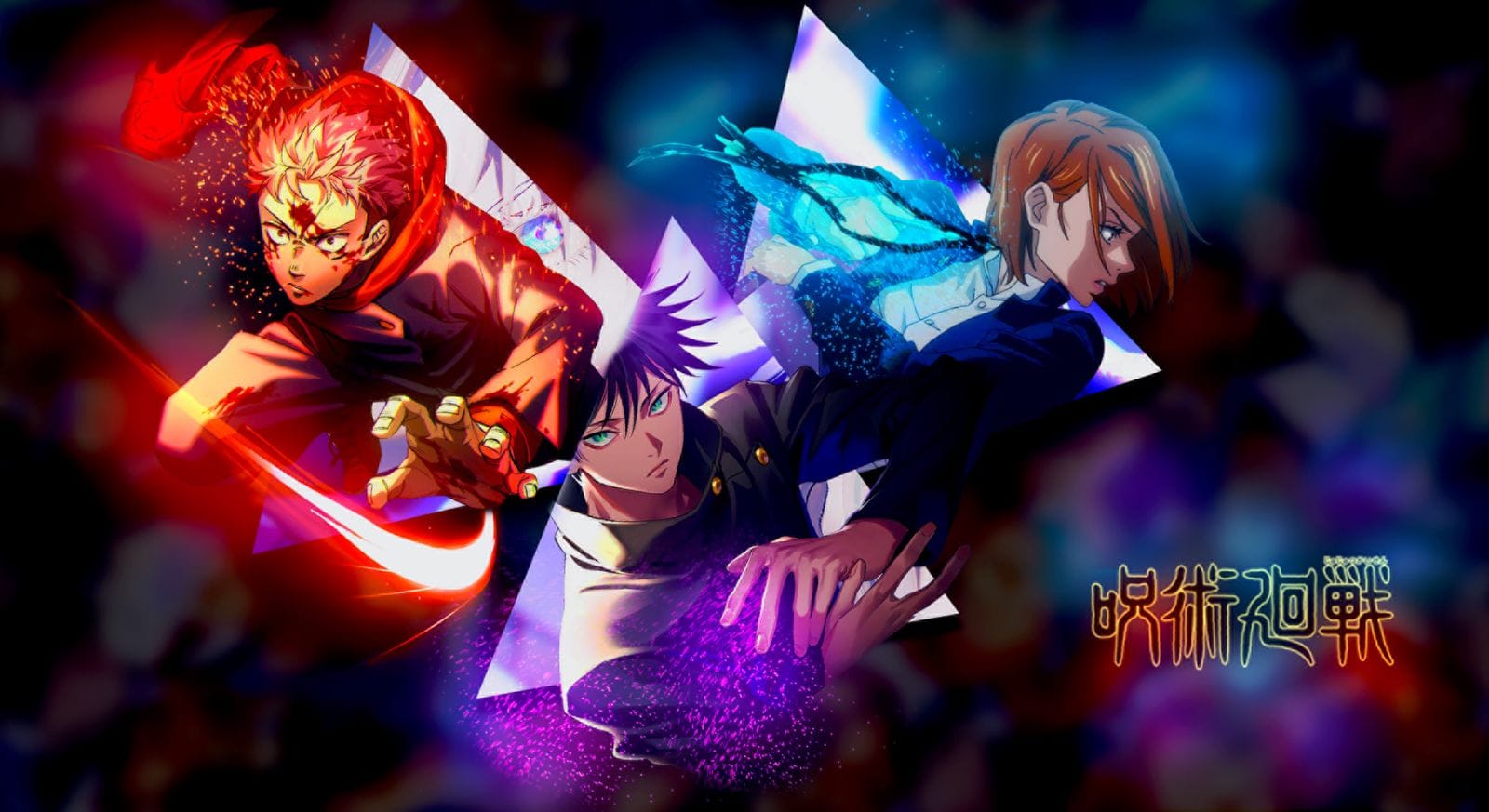
#8 — “Kaikai Kitan” | Eve | Jujutsu Kaisen (2020)
Artist: Eve
Show: Jujutsu Kaisen
Eve has been one of the most interesting artists in Japanese indie music for years. “Kaikai Kitan” brought him to an audience of tens of millions, and the song holds up completely under that pressure. It’s experimental, angular, with a production style that mixes acoustic guitar with glitchy electronic elements — and the animation from MAPPA is some of the most fluid and expressive ever paired with a JJK opening.
Why it works: The off-kilter rhythmic structure keeps you slightly off-balance, which mirrors the cursed energy chaos of the show. The chorus is huge but earned — the buildup is patient and methodical.
Iconic moment: Yuji’s Black Flash sequence animated to the chorus peak. That’s one of the defining animation moments of the 2020s.
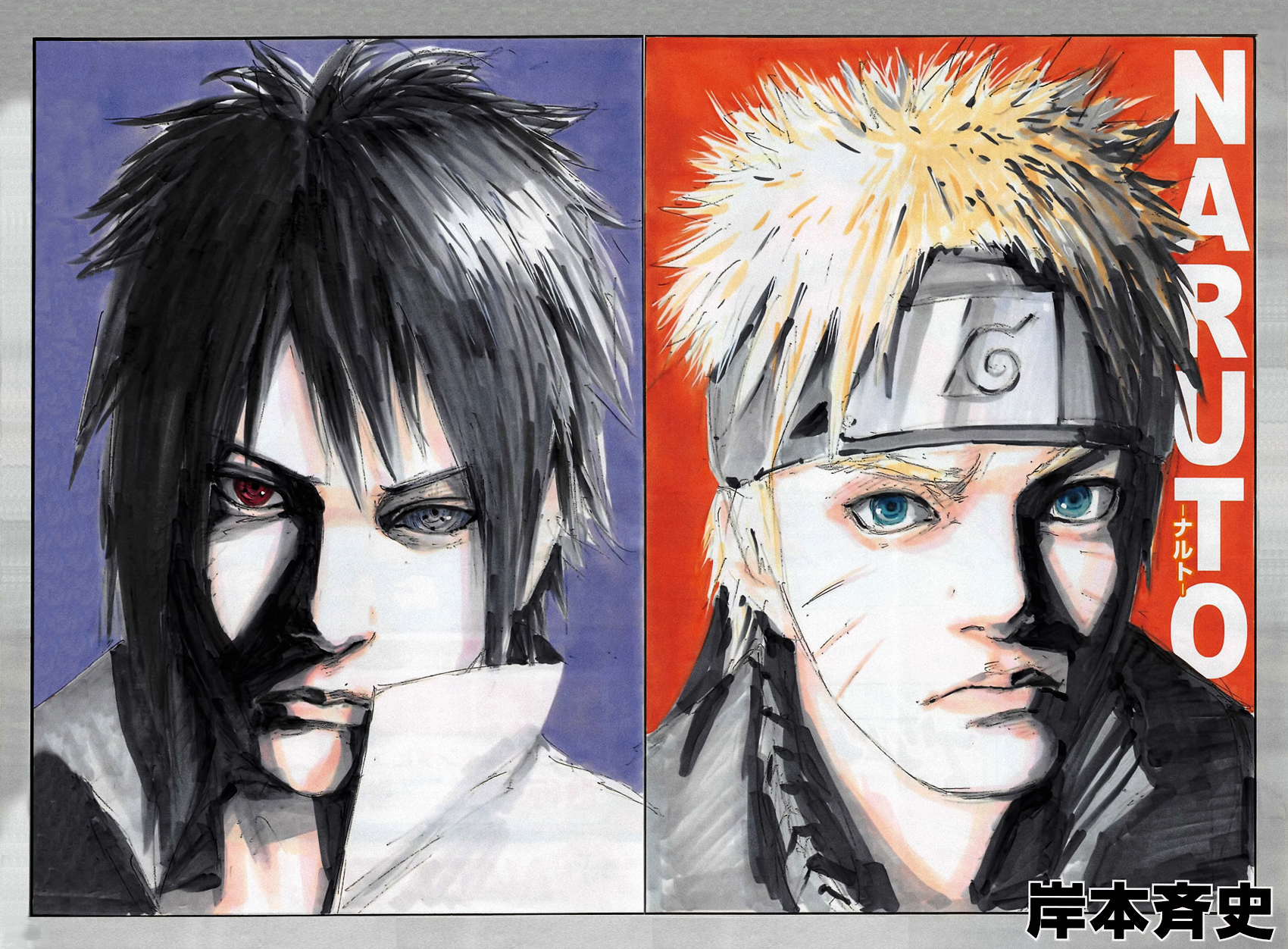
#9 — “R★O★C★K★S” | Hound Dog | Naruto (2002)
Artist: Hound Dog
Show: Naruto
The original Naruto opening. Before Shippuden, before the endless filler, before everything — there was this. A straight-ahead J-rock banger with guitars turned up loud and the energy of a kid who refuses to give up no matter what. “R★O★C★K★S” introduced millions of Western fans to anime music and to Hound Dog, a band that had been rocking Japan since the ’80s.
Why it works: It’s uncomplicated in the best way. Guitar, bass, drums, and a vocalist who sounds like he means every syllable. The animation is young Naruto running at full speed through the village rooftops — all you need to know.
Iconic moment: The full ninja squad lineup shot halfway through, everyone in their classic early-series designs. Pure nostalgia fuel.
#10 — “Asterisk” | Orange Range | Bleach (2004)
Artist: Orange Range
Show: Bleach
Orange Range was inescapable in 2004 Japan, and “Asterisk” gave them a permanent home in anime history. The song is fast-paced, slightly chaotic, and packed with personality — which matched Ichigo Kurosaki perfectly. The opening animation became one of the most parodied and referenced in anime history: the slow-motion hair flip, the Soul Society teases, the color-drenched chaos.
Why it works: The production is almost uncomfortably energetic. It moves fast enough that you’re always catching something new. The band’s mixture of rap verses and power-pop choruses was unusual for anime at the time and gave Bleach an identity separate from the Big Three competition.
Iconic moment: Ichigo’s slow-motion orange hair blowing back against the black background. Every anime fan over 30 just felt something.
—
Numbers 11 Through 16 — Deep Cuts That Hit Just as Hard
Ask any fan of the best anime openings of all time and these names will come up fast. These are the ones that didn’t just match their shows — they made the shows. Pull up any of these six tracks cold, no context, and they still land. That’s the standard.
#11 — “One Punch Man” | JAM Project | One Punch Man (2015)
Artist: JAM Project
Show: One Punch Man
JAM Project is Japan’s answer to “what if the most over-the-top super robot anime band of all time performed a song about a guy who’s bored of winning?” The result is 90 seconds of pure, uncut absurdity that’s also genuinely one of the hardest-hitting songs in the genre. The animation from Madhouse is still peak TV anime production — that infamous frame-perfect 24fps action animation that has never been fully replicated.
Why it works: The song is a joke and it’s completely serious at the same time, exactly like the show. JAM Project’s signature wall-of-sound approach — multiple lead vocalists, massive instrumentation — makes even Saitama’s disinterest feel epic.
Iconic moment: Saitama’s dead-eyed close-up while the guitars are absolutely ripping behind him.
#12 — “Unravel” | TK from Ling Tosite Sigure | Tokyo Ghoul (2014)
Artist: TK from Ling Tosite Sigure
Show: Tokyo Ghoul
TK’s falsetto is one of the most identifiable sounds in anime music, and “Unravel” might be the definitive example of why. The song builds from fragile and quiet to absolutely unhinged, mirroring Kaneki’s psychology perfectly. The piano-driven opening, the scream into the first chorus, the way the track feels like it’s physically coming apart — it’s surgical in how well it matches its source material.
Why it works: The vocal range demanded is genuinely extreme, which makes it a rite of passage for people learning to sing anime songs. The strings and the distorted guitar fighting each other in the back half of the track is a production choice that shouldn’t work and completely does.
Iconic moment: The slow red drip across Kaneki’s white hair as TK hits the first major falsetto peak.
#13 — “crossing field” | LiSA | Sword Art Online (2012)
Artist: LiSA
Show: Sword Art Online
Before “Gurenge,” before the stadium concerts, before everything — LiSA’s career was launched by this song. “crossing field” is one of the best anime openings of all time not just because of the song itself but because of what it did: it made LiSA a star and proved that anime music could have genuine crossover power. The song is technically impressive, melodically strong, and full of the desperate energy that SAO’s first arc runs on.
Why it works: The production is clean but muscular. LiSA’s voice has a roughness to it that keeps the song from becoming saccharine even when the melody dips into pop territory. The animation — players moving through Aincrad — builds genuine momentum.
Iconic moment: LiSA’s double-time delivery in the pre-chorus, stacking syllables impossibly fast before the hook opens up.
#14 — “Redo” | Konomi Suzuki | Re:Zero (2016)
Artist: Konomi Suzuki
Show: Re:Zero − Starting Life in Another World
Re:Zero’s first opening is a trap in the best way. “Redo” sounds like a straightforward isekai hype song — bright, energetic, filled with fantasy imagery. Then you’re three episodes in and the song’s title takes on entirely new meaning. Every time Subaru dies and everything resets, that word “redo” hits differently. It’s one of the most cleverly named anime openings ever created.
Why it works: Konomi Suzuki’s voice has a clarity that makes the song feel hopeful — and that hope is what makes Re:Zero’s darkness so effective. The opening lies to you, and you let it.
Iconic moment: Emilia’s hair spreading across the frame in slow motion as the chorus drops.
#15 — “Colors” | FLOW | Code Geass (2006)
Artist: FLOW
Show: Code Geass: Lelouch of the Rebellion
FLOW already had serious anime credentials from “GO!” in Naruto, but “Colors” is the superior song. The track is an absolute rocket — driving guitars, momentum that never lets up, and the kind of melody that plants itself in your brain with zero permission. Code Geass’s chess-and-rebellion aesthetic is perfectly matched by a song that sounds like a teenager who’s convinced he’s going to win.
Why it works: Lelouch is arrogant, brilliant, and doomed — and FLOW captures exactly that cocktail of emotions. The animation showing chess pieces and political machinations under all that kinetic energy is pitch-perfect.
Iconic moment: Lelouch turning dramatically with his Geass eye glowing as the guitar solo opens up.
#16 — “Black Rover” | Vickeblanka | Black Clover (2018)
Artist: Vickeblanka
Show: Black Clover
Black Clover has one of the most consistent opening rosters in recent anime history, but “Black Rover” stands above. Vickeblanka brings a raw, street-level energy that cuts through the fantasy setting and gets straight to Asta’s core: relentless, loud, refuses to stop. The song’s production feels slightly scuffed in the best possible way — like it was recorded by someone who had too much to say and not enough time to say it cleanly.
Why it works: It matches Asta’s screaming personality without being annoying. The guitar tone is thick and grimy. The chorus payoff is massive. For a show that got written off early, this opening did enormous work in building its community.
Iconic moment: Asta breaking through the magical ceiling with Zero as the distorted guitars peak.
—
Numbers 17 Through 21 — The Ones That Demand More Credit
The best anime openings of all time don’t always get their flowers immediately. These five should be mentioned in every serious conversation about the greatest the medium has offered — and a few of them are still waiting for the recognition they deserve.
#17 — “Hacking to the Gate” | Kanako Itō | Steins;Gate (2011)
Artist: Kanako Itō
Show: Steins;Gate
Steins;Gate is the kind of show that demands an opening as layered and strange as its story, and “Hacking to the Gate” delivers completely. Kanako Itō’s voice has an otherworldly quality here — cold, slightly detached, like someone receiving transmissions from timelines that haven’t happened yet. The song hides its hooks behind an experimental structure that takes a few listens to fully unpack. By episode ten, you understand every word differently.
Why it works: The song is designed to be reinterpreted. Lyrics that read as paranoid sci-fi imagery on episode one land as personal tragedy on episode twenty-two. The opening is a puzzle built for multiple viewings.
Iconic moment: The clock hands moving backwards under the orange sky as the synths wash in.
#18 — “Silhouette” | KANA-BOON | Naruto Shippuden (2014)
Artist: KANA-BOON
Show: Naruto Shippuden
Of the many, many openings Naruto Shippuden cycled through, “Silhouette” is the one fans kept coming back to. KANA-BOON’s crispy indie-rock sound was a perfect pivot from the heavier Shippuden openings — this one sounds like summer, like youth, like running toward something. The animation is also among the best the show ever produced.
Why it works: The rhythm guitar pattern is immediately addictive. The melody in the chorus is generous — wide intervals, easy to sing along with, emotionally direct. It doesn’t overthink anything.
Iconic moment: The Team 7 reunion silhouettes walking toward each other. Even after everything, still gets people.
#19 — “Wild Side” | ALI | Beastars (2019)
Artist: ALI
Show: Beastars
Beastars took a serious swing with its opening and it paid off massively. ALI’s “Wild Side” is a funk-jazz track that matches the show’s noir-adjacent urban setting perfectly while also being genuinely one of the slickest songs on this entire list. The stop-motion paper animation is visually unlike anything else in anime, and the contrast between the sophisticated music and the literal animal characters creates something that’s funny, cool, and unsettling all at once.
Why it works: The genre choice alone sets Beastars apart. Most shows would have gone with a rock track. “Wild Side” trusts the audience to handle something more unusual, and anime fans ran with it.
Iconic moment: The paper-cut Legosi stalking Haru through the city street as the bass line thumps underneath.
#20 — “Oath Sign” | LiSA | Fate/Zero (2011)
Artist: LiSA
Show: Fate/Zero
Yes, three LiSA entries. No, it’s not too many — she simply earned it. “Oath Sign” is arguable the most purely powerful of the three, a full-throttle rock track that makes the Holy Grail War feel like the world-ending event it actually is. ufotable’s animation for Fate/Zero was groundbreaking at the time and the opening sets that tone immediately: everyone is serious, everything is at stake, nothing is going to end well.
Why it works: LiSA sings this like she knows how the war ends. There’s grief built into the performance even when the instrumentation is triumphant. That tension is everything.
Iconic moment: Kiritsugu’s shadow walking away from fire as the guitar solo builds.
#21 — “Butter-Fly” | Koji Wada | Digimon Adventure (1999)
Artist: Koji Wada
Show: Digimon Adventure
For an entire generation of anime fans — specifically those who watched Digimon as kids — “Butter-Fly” is the song. Koji Wada’s earnest, soaring delivery of what is essentially a song about believing in yourself hits in a place that adult logic can’t quite reach. The Japanese version is dramatically more emotional than any dubbed version, and revisiting it as an adult is a genuine experience.
Why it works: Wada sang this like it mattered. The orchestral pop production is lush and generous. The animation — eight kids and their partners running toward the digital horizon — is simple by modern standards and still beautiful.
Iconic moment: The full group shot at the chorus where every kid and Digimon partner appears on screen together for the first time.
—
Numbers 22 Through 25 — Rounding Out the Greatest List in Anime Music
Any comprehensive look at the best anime openings of all time has to include these four. They each represent something distinct — a sound, a moment, a mood that no other opening captured. The list couldn’t exist without them.
#22 — “Blue Bird” | Ikimono-gakari | Naruto Shippuden (2008)
Artist: Ikimono-gakari
Show: Naruto Shippuden
Ikimono-gakari brought a completely different energy to Shippuden — lighter, more melodic, almost bittersweet in a way the show’s darker tone needed as counterbalance. “Blue Bird” became one of the most-covered anime songs in history, which tells you everything about how sticky the melody is. The vocals are warm and airy; the chord progression underneath is more sophisticated than it first appears.
Why it works: The opening animation follows Sasuke’s absence from Team 7 without a word of dialogue — pure visual storytelling. Pair that with a song about freedom and longing, and you have a complete emotional package.
Iconic moment: Naruto’s hand reaching toward the empty spot where Sasuke used to stand.
#23 — “My Soul, Your Beats!” | Lia | Angel Beats! (2010)
Artist: Lia
Show: Angel Beats!
Key/Visual Art’s emotional reputation is built partly on this opening. Lia’s piano-forward track is the kind of fragile thing that shouldn’t work as an action show opener — and Angel Beats! is very much an action show, sort of — but somehow the delicacy of the song makes everything hit harder. When the show goes emotional (which is often), you hear this music in your head and it compounds everything.
Why it works: The restraint. Most anime openings push. This one pulls. The orchestral swells are earned because the arrangement spends real time building toward them. The result is an opening that feels genuinely moving rather than manufactured.
Iconic moment: Angel (Kanade) sitting alone at the piano, feathers falling, the whole opening suspended in quiet.
#24 — “DAYS” | FLOW | Eureka Seven (2005)
Artist: FLOW
Show: Eureka Seven
FLOW shows up twice on this list because they belong here twice. “DAYS” is a coming-of-age anthem paired with what is probably the greatest surfboard-on-a-mecha animation sequence ever committed to film. Eureka Seven’s aesthetic — sky surfing, coral reefs, teenagers discovering themselves — demanded a song that felt like summer break and first love and the specific terror of not knowing who you are yet. FLOW nailed it.
Why it works: The song builds with genuine patience, which is unusual for an anime opening. The payoff at the full band entrance is worth every second of restraint that precedes it.
Iconic moment: Renton and Eureka airboarding in tandem while the chorus drops into open sky.
#25 — “Haruka Kanata” | Asian Kung-Fu Generation | Naruto (2003)
Artist: Asian Kung-Fu Generation
Show: Naruto
Asian Kung-Fu Generation are one of the great bands in Japanese rock history, and “Haruka Kanata” introduced them to the global anime audience. The song is fast, tight, and technically precise — AKFG’s guitar work is always a step ahead of what the genre demands, and here they’re playing at full speed. Naruto’s second opening gave the show a harder edge after “R★O★C★K★S” and proved that the series could handle a range of sounds.
Why it works: AKFG never condescended to their anime audience. This is the same band that would go on to make “Re:Re:” and “Rewrite” — rigorous, uncompromising rock music that happened to land in an anime context and was all the better for it.
Iconic moment: Young Naruto running at full sprint, eyes wide, everything ahead of him. Pure forward momentum.
—
What Makes an Anime Opening Truly Great?
After ranking 25 of the best anime openings of all time, a few things are clear. The openings that last — the ones people still talk about decades later — share a handful of qualities that go beyond “good song” or “cool animation.”
First, there’s the match between music and story. The best openings don’t just sit on top of a show — they decode it. “A Cruel Angel’s Thesis” makes Evangelion’s tragedy feel like hope, which is the most honest possible description of the show’s emotional experience. “Unravel” falls apart sonically in a way that mirrors Kaneki’s psychological collapse. When sound and narrative are in sync at this level, you feel it even when you can’t explain it.
Second, the iconic moment matters. Every great anime opening has a specific frame, a specific musical beat, a specific collision of image and sound that becomes the thing people remember. These moments are usually 2-5 seconds long. They’re the screenshot on every fan’s phone, the timestamp linked in every YouTube comment. They’re the reason the opening can’t be played a different way — that one moment is the whole thing.
Third, the best anime openings of all time always have an artist performing at something near their ceiling. LiSA on “Gurenge” is at her absolute limit — and it shows. TK from Ling Tosite Sigure on “Unravel” is doing things vocally that most singers can only approach in their best conditions. That strain, that commitment, is audible. It’s the difference between a great opener and an all-time opener.
And finally: time. Every opening on this list was good on day one. But the ones that sit at the top of this list became legendary because they hold up. Pull up “Tank!” right now. It doesn’t sound dated — it sounds like the best jazz band in an alternate dimension. That’s the final test. The best anime openings of all time aren’t the ones that were exciting when they dropped. They’re the ones that are still exciting now, and will be the next time you press play.
—
You Might Also Enjoy
- Best Anime Endings of All Time: The 20 That Made You Stay Through the Credits
- Best Anime Soundtracks Ever: From Yoko Kanno to Hiroyuki Sawano
- Best Shonen Anime of All Time: Every Essential Series Ranked
- Best Anime of the 2000s: The Golden Era Ranked and Revisited
- Every Attack on Titan Opening Ranked: From “Guren no Yumiya” to the Final Season