What Separates a Good Fight from a Legendary One
Not every anime fight earns the right to be called legendary. There are thousands of battles across decades of anime, and most of them are forgettable — two characters throwing punches until one falls down. The fights on this list are different. They hit different. And if you’ve seen them, you know exactly what I mean.
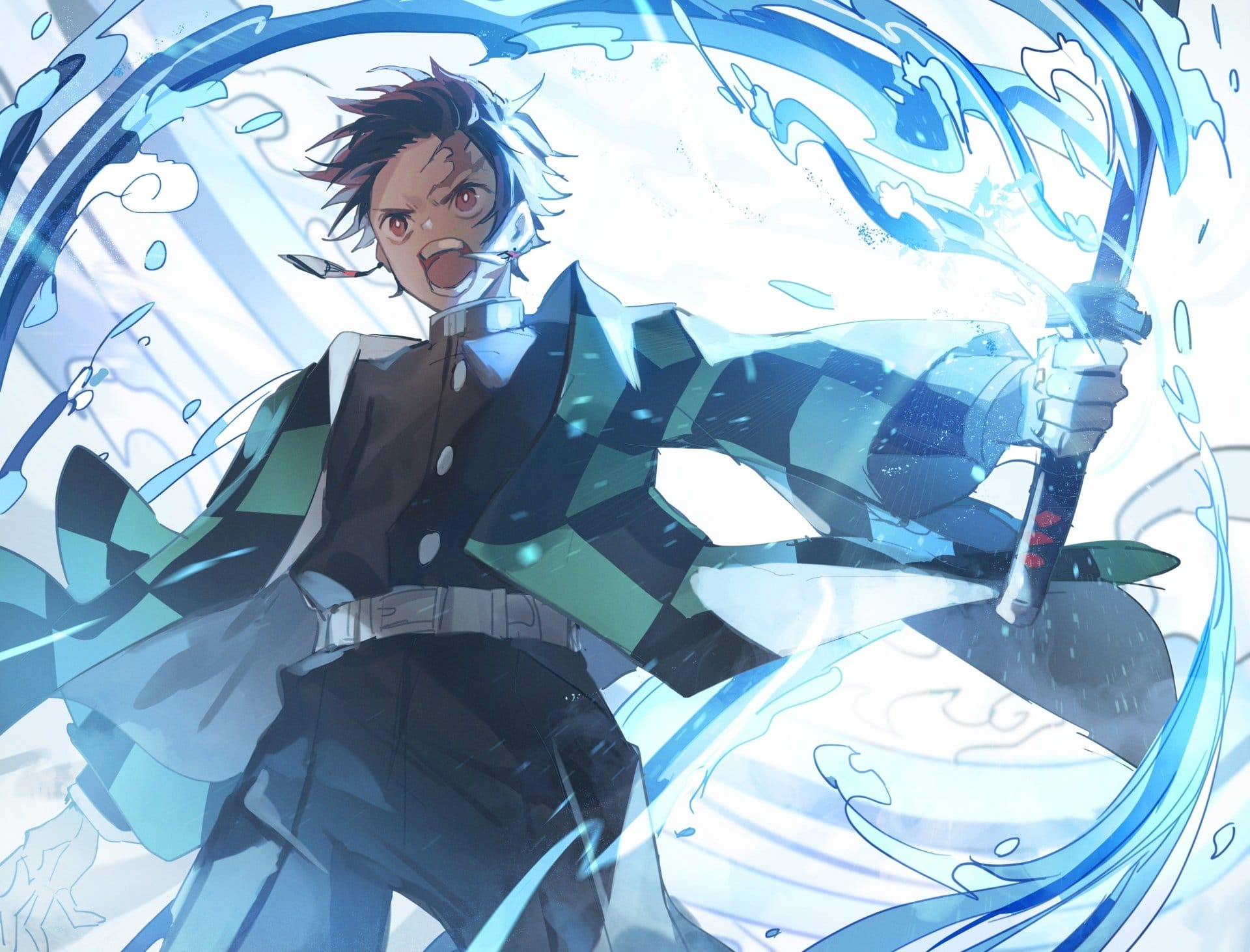
A truly legendary anime fight needs at least three of four things: animation quality that drops your jaw, emotional stakes that make the outcome matter, choreography that tells a story through movement alone, and music that locks the whole thing into your memory forever. The best fights have all four. They’re not just action sequences — they’re the moments an entire series has been building toward. They’re the scenes that made you pause the episode, sit in silence for a second, and then immediately rewatch them.
This list spans six decades of anime, from the foundational brawls of Dragon Ball Z to the digital-era spectacle of Jujutsu Kaisen. It pulls from shonen, mecha, seinen, and everything in between. These aren’t safe picks designed to avoid controversy — they’re the 15 fights I believe genuinely defined what anime combat can be. If your favorite didn’t make the cut, the comments exist for a reason.
Now let’s get into it. Ranked from great to immortal.
#15 — Spike Spiegel vs. Vicious | Cowboy Bebop
Series: Cowboy Bebop (1998) | Episode: “The Real Folk Blues, Part II”
Cowboy Bebop doesn’t really do fight scenes in the traditional sense. It does moments. And the final confrontation between Spike Spiegel and Vicious in the Red Dragon syndicate headquarters is the most cinematic four minutes in anime history. Two men. A staircase. Swords and guns. The fight itself barely lasts long enough to qualify as one, but that’s the entire point.
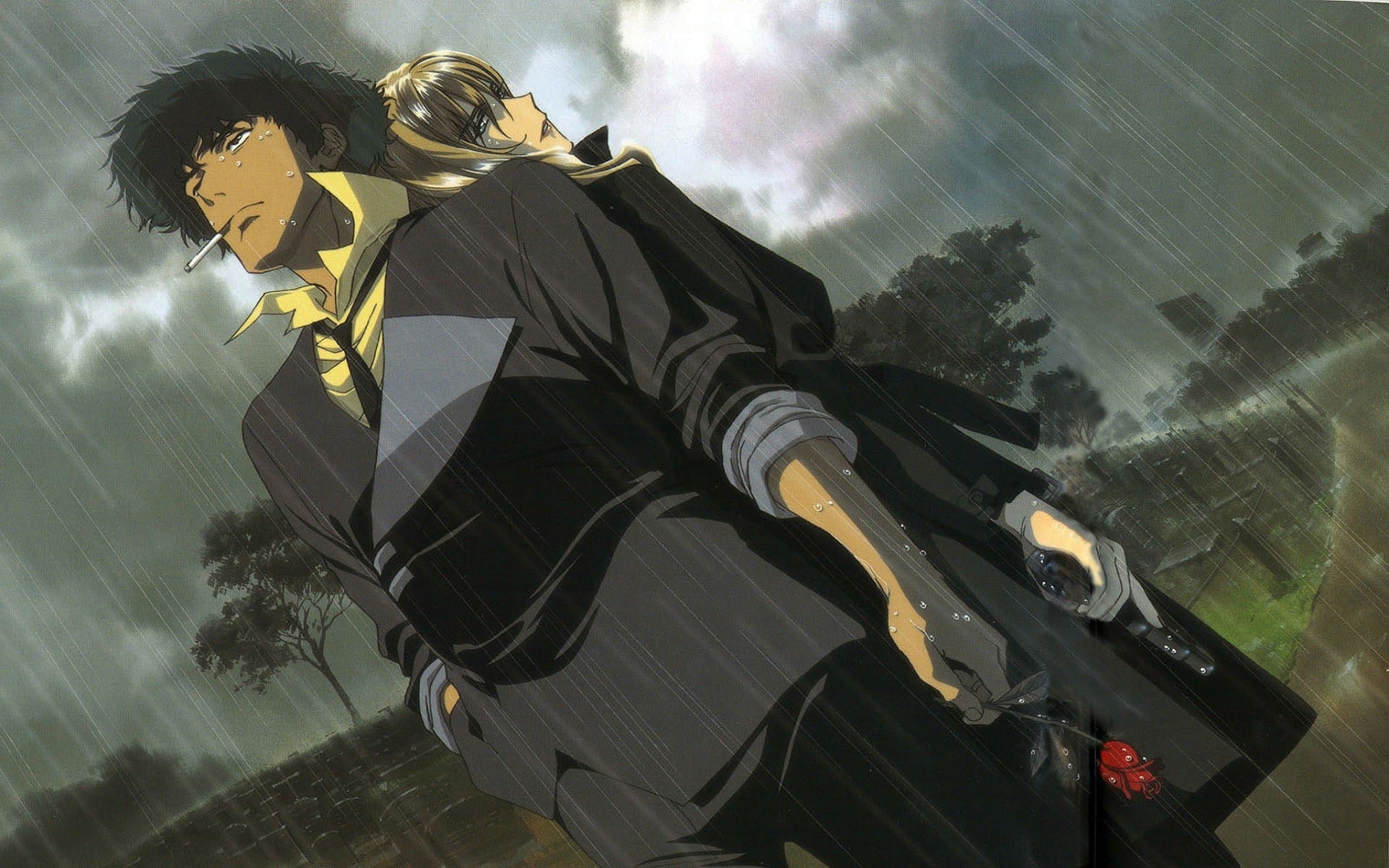
What makes this fight immortal is everything surrounding it. The slow-motion ascent up the stairs. The bodies of guards scattered below. Yoko Kanno’s “Blue” still echoing from the scene before. By the time Spike and Vicious finally face each other, you understand that this isn’t really a fight — it’s a funeral. The outcome almost doesn’t matter because both men are already dead inside. The actual exchange of blows is brutal and final, and Spike’s walk out into the light is one of anime’s greatest endings.
This fight ranks lower on pure technical merit — it’s short, there’s no elaborate choreography, and the animation budget was clearly spent elsewhere in the series. But it earns its place on this list because of what it accomplishes emotionally in such compressed time. Cowboy Bebop understood something most anime still haven’t figured out: sometimes the most powerful fight is the one you’ve been dreading the entire series. You can’t talk about great anime music and great anime fights without acknowledging that the soundtrack carries half the weight of every Bebop scene.
#14 — Denji vs. Makima | Chainsaw Man
Series: Chainsaw Man (2022) | Episode: “Culprit”
Chainsaw Man has the most nihilistic take on anime combat in recent memory, and the final fight between Denji and Makima is where that nihilism reaches its logical conclusion. This isn’t a clash of ideals. It’s not a power fantasy. It’s a traumatized kid who’s been controlled, manipulated, and hollowed out — and the only thing keeping him going is that he made a promise to his dog. That’s the entire emotional engine of this fight, and it’s absolutely brutal.
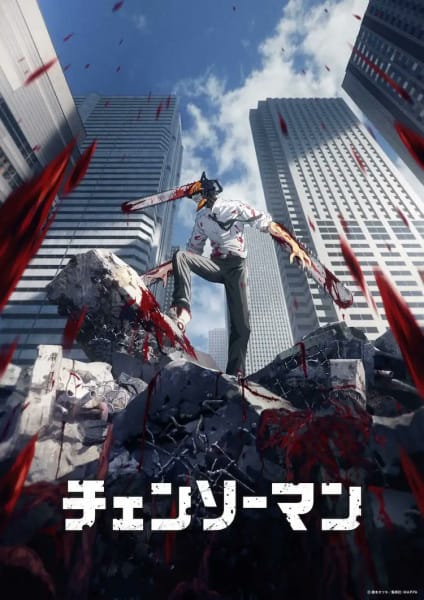
The genius of this battle is that Denji doesn’t win it through power. He wins it through the fact that Makima underestimated what it means to fight someone who has genuinely nothing left to lose. The whole sequence is grotesque and uncomfortable in ways that feel deliberate — Fujimoto designed it to be the anti-climax of all anti-climaxes, the fight that refuses to be satisfying in the traditional shonen sense. And somehow, that makes it more affecting than almost anything on this list.
MAPPA’s adaptation handled this moment with restraint, which was the right call. The manga version hits harder on pure visual terms, but the series’ final showdown still carries enough weight to earn a spot here. Makima is one of the most terrifying villains in modern anime — if you want to understand why the best anime villains make your skin crawl, start with her. The fight works because of her, not in spite of her.
#13 — Asuka vs. Mass Production Evas | End of Evangelion
Series: End of Evangelion (1997) | Final Film
Everything about Neon Genesis Evangelion is designed to make you feel uneasy, and the Asuka vs. Mass Production Eva sequence in End of Evangelion is the series at its most viciously beautiful. Unit-02 comes back to life. Asuka, running on pure rage and willpower, tears through nine mass-produced Evangelions in a sequence that is genuinely exhilarating — until it isn’t. Until the moment Gainax reminds you that this is Evangelion, and triumph is not something this franchise deals in.
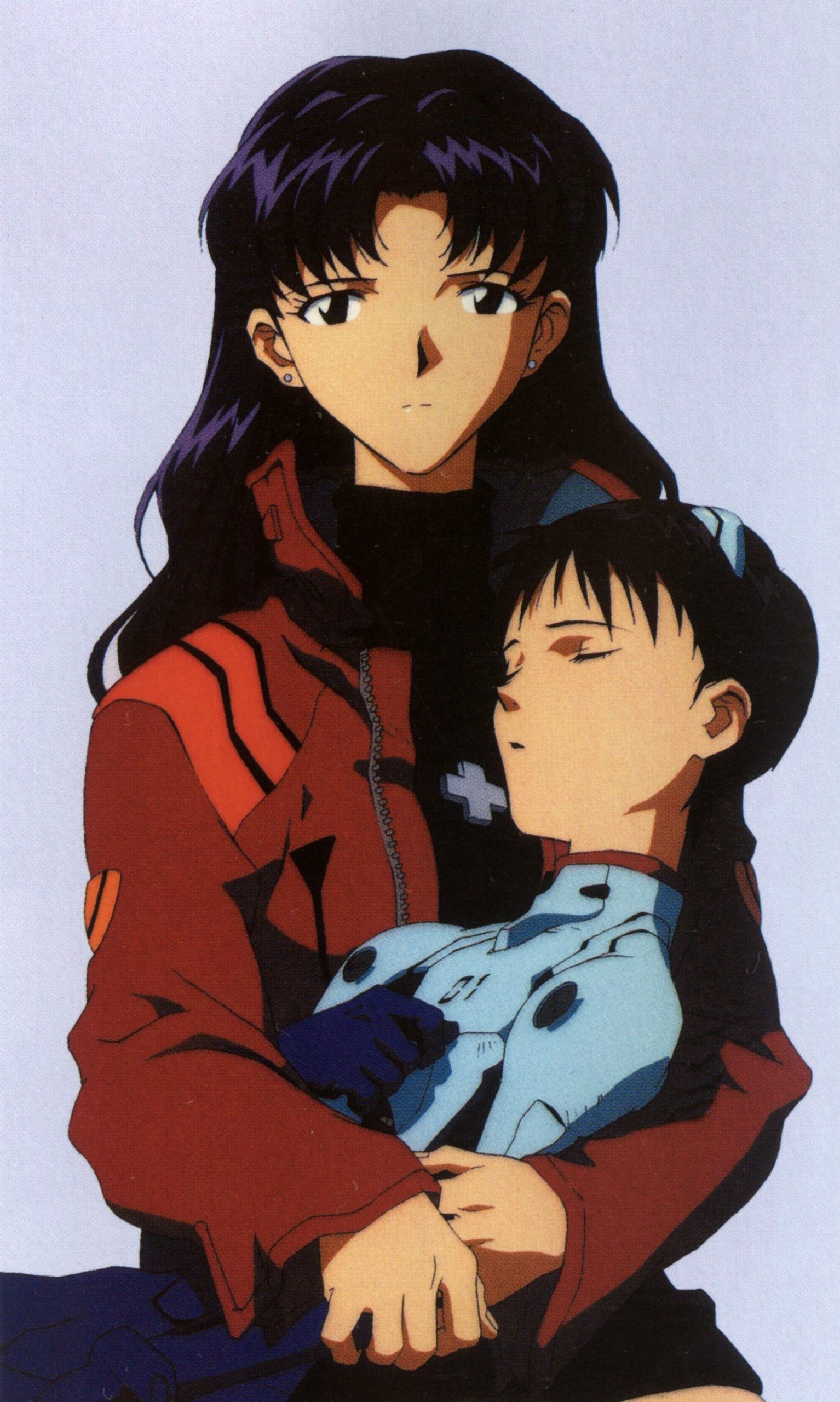
The animation in this sequence remains extraordinary nearly three decades later. The fluidity of Unit-02’s movements, the sheer violence of the kills, and then the sudden, devastating reversal — it’s a gut punch of tonal whiplash that you don’t recover from. Asuka finally finding her will to fight, finally declaring “I’ll kill you,” only to have it ripped away is the most Evangelion thing Evangelion has ever done. If you’ve spent time with the series understanding why Evangelion’s protagonists are so deliberately difficult, this moment lands even harder.
This sequence doesn’t rank higher only because its power is almost entirely dependent on everything that precedes it in the film. Out of context, it’s an incredible action sequence. In context, it’s a waking nightmare. Either way, it belongs on this list — it’s one of the only anime fights that makes me feel genuinely sick to my stomach, and that’s a compliment of the highest order.
#12 — Goku vs. Frieza | Dragon Ball Z
Series: Dragon Ball Z (1991) | Namek Arc
Yes, it takes forever. Yes, “five minutes” became the punchline to an entire era of anime. Yes, Namek is destroyed at least twice before anyone stops fighting. None of that matters, because when Goku finally transforms into a Super Saiyan and that golden aura erupts around him for the first time, anime changed permanently. There are two eras of anime power scaling: before that transformation and after it. Every “big power up” moment in every shonen that followed owes a direct debt to this scene.
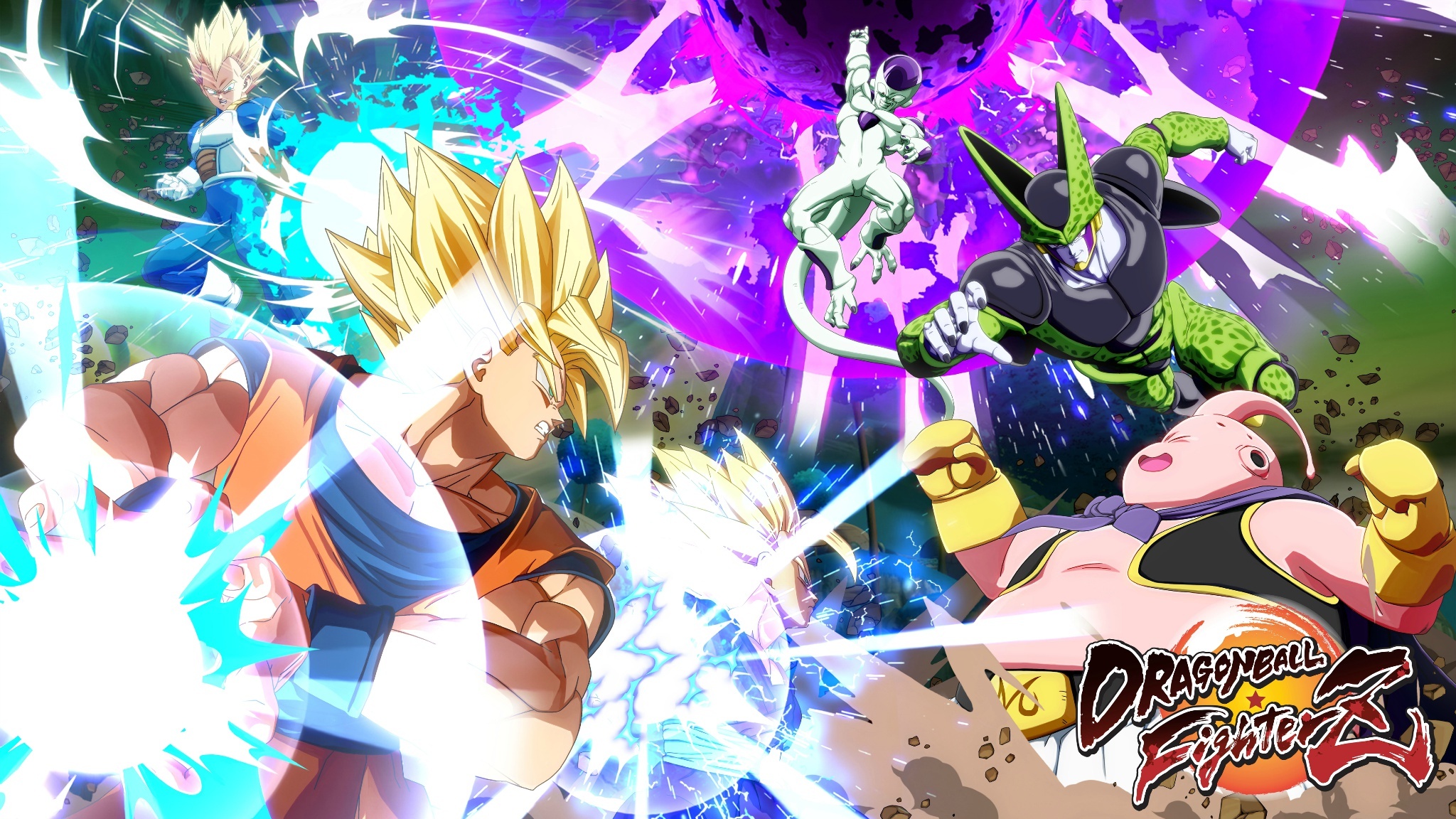
The Goku vs. Frieza fight is the foundational document of anime combat. It’s not the most technically brilliant fight on this list — DBZ’s animation was often stiff, and the pacing is objectively glacial — but it established every rule the medium still operates by. The villain who seems unbeatable. The hero who pushes past his limits. The transformation triggered by unbearable emotional loss. The moment the hero stops holding back. Frieza’s pure contempt for Goku, born from centuries of racial superiority, makes him one of anime’s greatest antagonists. The fight earns its place here on legacy alone.
What keeps it from ranking higher is that revisiting it today requires patience that modern audiences weren’t trained for. The actual animated combat, stripped of its cultural context, is workmanlike at best. But you can’t rank the best anime fights without including the fight that taught anime what a fight could mean. Frieza was the blueprint for every impossibly powerful villain who followed — and most of them have never been as cold or as satisfying to watch crumble.
#11 — All Might vs. All For One | My Hero Academia
Series: My Hero Academia (2018) | Season 3, Episode 10
My Hero Academia peaked here, and I’m not sure it ever fully recovered. The All Might vs. All For One fight in Kamino Ward is the moment the entire series had been building toward — the final, exhausted battle of a man who has been running on fumes for years, fighting one last time in front of the whole world because someone has to. Because he’s the Symbol of Peace, and symbols don’t get to retreat.
The animation in this episode is remarkable. Studio Bones poured everything into this sequence, and it shows in every frame. But the real power of this fight isn’t the animation — it’s the cost. All Might doesn’t win clean. He wins broken, his hero form depleted publicly for the first time, his secret exposed to the world. “I am here” becomes “you’re next, Midoriya” — and both lines hit equally hard because of what they reveal about the weight of heroism in this universe. The fight forces All Might to spend everything he has left, and there is no refilling that tank.
What elevates this above most MHA content is that it’s genuinely about something. It’s about what society demands of its heroes, what it means to be a symbol rather than a person, and the impossible loneliness of bearing the world’s hope alone. For one season, My Hero Academia understood that message at a bone-deep level. This fight is proof.
#10 — Ichigo vs. Ulquiorra | Bleach
Series: Bleach (2009) | Hueco Mundo Arc
Bleach is inconsistent. Anyone who tells you otherwise is being generous. But when it’s firing — really firing — there’s nothing in anime that looks quite like it, and the Ichigo vs. Ulquiorra fight is Bleach at the absolute peak of its powers. The second phase of this battle, triggered by Ulquiorra firing a Cero through Ichigo’s chest, is one of the most shocking escalations in anime history. What Ichigo becomes in those moments is genuinely frightening, and the show is smart enough to frame it as a horror scene rather than a triumph.
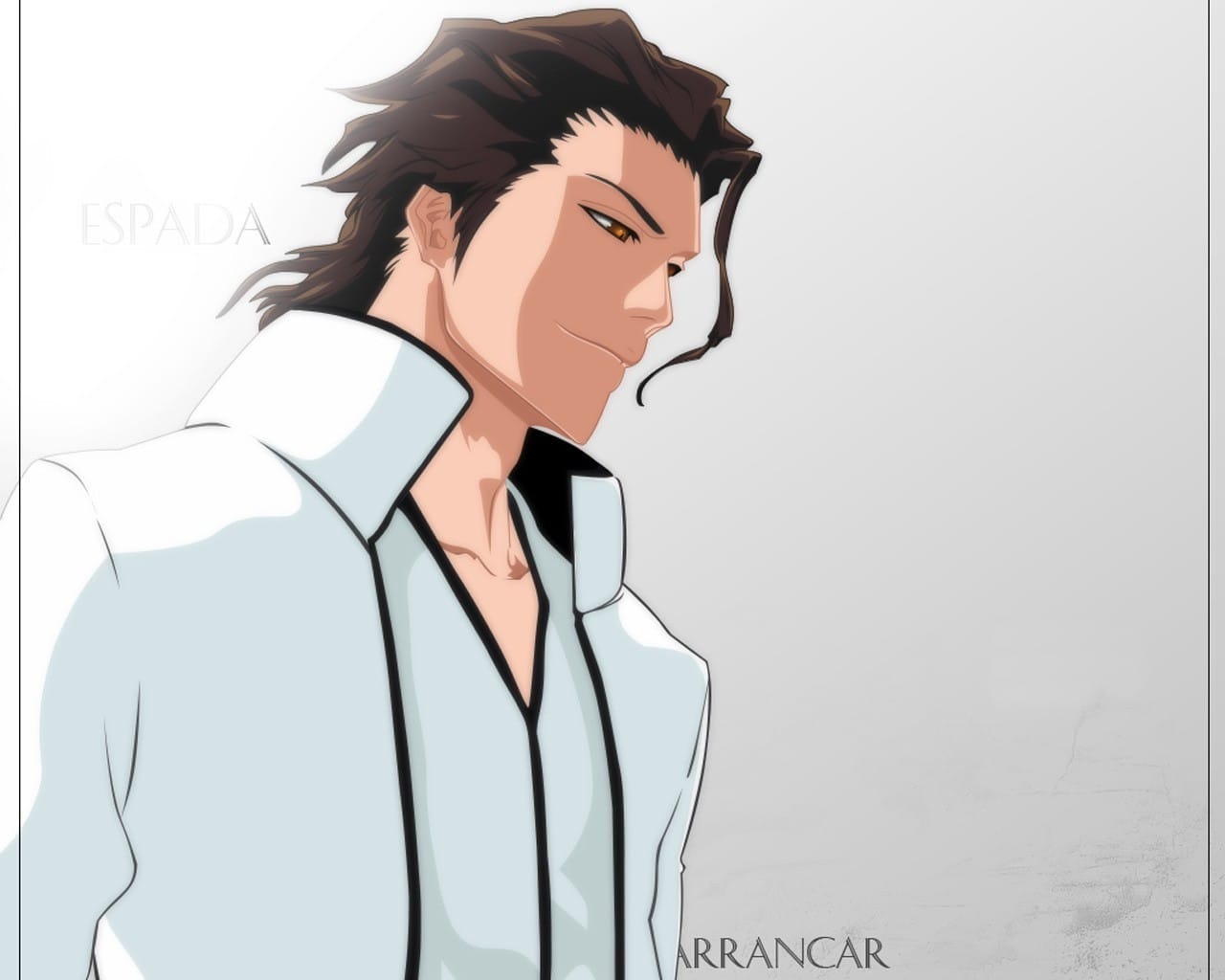
Hollow Ichigo’s emergence is visually unlike anything else in the series. The design is terrifying — all white, all instinct, no soul. The fight stops being a clash between two characters and becomes something more primal, more disturbing. Ulquiorra, who spent the entire arc as the embodiment of cold nihilism, finds something approaching emotion in his final moments. For a series frequently accused of being style over substance, this fight delivers both in a way that still gives fans chills fifteen years later.
The soundtrack choices in this sequence deserve specific praise. “Ulquiorra” and the subsequent tracks are among the best musical cues in the entire show, and Bleach has always known how to score a fight. The Thousand-Year Blood War arc is bringing Bleach back to prominence, but this fight is why longtime fans never truly left. It’s the argument for everything Bleach could have been if it trusted its darker instincts more consistently.
#9 — Tanjiro & Zenitsu vs. Daki & Gyutaro (Upper Moon Six) | Demon Slayer
Series: Demon Slayer: Entertainment District Arc (2021) | Episodes 9–10
Demon Slayer exists in a strange space: the story is relatively conventional, the characters are likable but not especially deep, and yet the animation is so staggeringly beautiful that it almost doesn’t matter. The Entertainment District finale — specifically the final confrontation with Daki and Gyutaro, Upper Moon Six — is Ufotable doing something no other studio on Earth could replicate at that moment in time.
The sequences involving Zenitsu are worth watching frame by frame. His Thunderclap and Flash technique, rendered with lightning effects that feel genuinely kinetic and three-dimensional, represents some of the finest hand-drawn animation of the modern era. Tanjiro’s battle with Gyutaro is brutal in ways the series’ more colorful aesthetic can’t fully mask — there’s real desperation in every exchange, a sense that any one of the Hashira and their allies could die at any second. The reason modern anime animation has reached these heights is studios like Ufotable pushing the ceiling on what’s technically possible.
What elevates this fight beyond pure spectacle is its emotional payoff. Gyutaro and Daki’s backstory lands at exactly the right moment, turning two genuinely threatening villains into something almost sympathetic. The fight ends not with triumphant music but with something quieter, more painful — a reminder that victory in Demon Slayer always costs something. If you want to see where the Demon Slayer story goes from here, the series has only kept raising the bar.
#8 — Levi vs. Beast Titan | Attack on Titan
Series: Attack on Titan (2019) | Season 3, Part 2, Episode 54
Levi Ackerman is the most efficient character in anime. Not the most powerful — there are dozens of characters who could erase him from existence with a thought. But in terms of movement economy, in terms of turning every single frame of animation into a statement about how a fighter moves when they’ve completely transcended human limitation, Levi is unmatched. The Beast Titan sequence in “Thunder Spears” demonstrates this with the kind of clarity that leaves jaws on the floor.
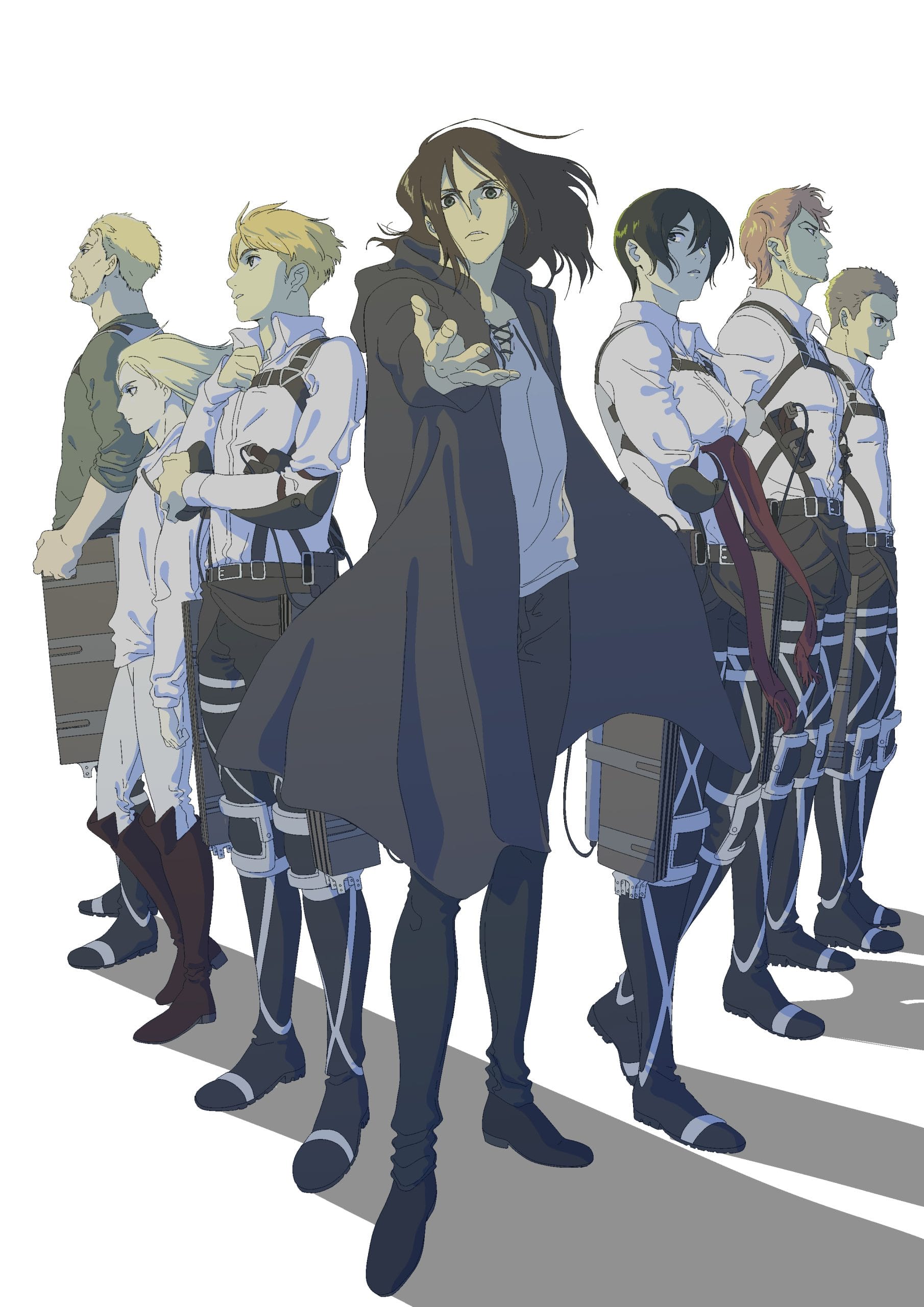
The fight is over in approximately 90 seconds. Levi cuts through an army of Titans, takes Zeke apart piece by piece with almost mechanical precision, and does it all while making it look effortless. The animation — handled by WIT Studio in what might be their single greatest sequence — is a technical marvel. Every movement is intentional. Every redirect, every cable deployment, every slash is choreographed with the obsessive logic of someone who has spent their entire life calculating exactly how to kill things before they can kill you.
What makes this sequence hurt is the context. Erwin’s death. The sacrifice of the entire Survey Corps’ last charge. Levi holding himself together through pure discipline while everything he’s ever led falls around him. The fight is the release valve for the episode’s accumulated grief — and then it ends quickly, efficiently, almost coldly, because that’s who Levi is. No celebration. No moment of triumph. Just the job, done.
#7 — Mob vs. Toichiro Suzuki | Mob Psycho 100
Series: Mob Psycho 100 (2019) | Season 2, “Boss Fight”
Mob Psycho 100 is one of the most underrated action series ever made, and the Mob vs. Toichiro fight in Season 2 is the most complete expression of everything the series does right. Mob, in 100% Gratitude mode, facing a man who has devoted his entire identity to being the most powerful psychic alive — it’s a clash of two completely different philosophies about what power means and who it belongs to.
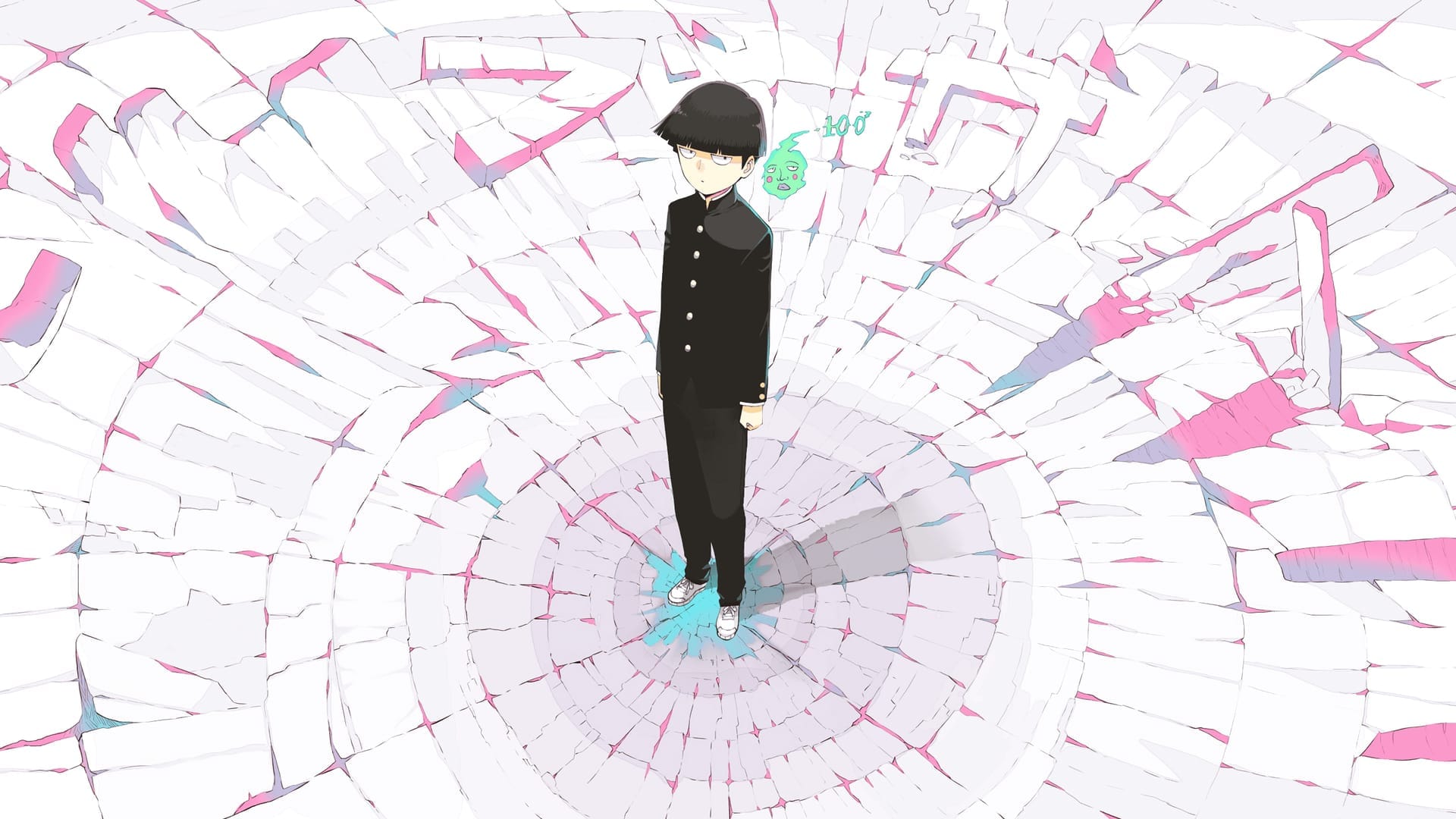
Bones animated this sequence with the kind of freewheeling, experimental energy that only comes when a studio genuinely loves the source material. The art style shifts during critical moments — pencil sketches, abstract color washes, hyperrealist inserts — in ways that mirror Mob’s emotional state without being gratuitous about it. Toichiro’s gradual breakdown from composed villain to desperate man is written all over his animation, and the contrast between his frantic escalation and Mob’s centered, quietly devastating power makes for one of anime’s most visually sophisticated fights.
The fight matters because Mob wins it without compromising who he is. He doesn’t explode into rage, he doesn’t tap into some dark power — he just radiates gratitude so genuinely that it overwhelms someone who built his entire life on supremacy. That’s the thesis of Mob Psycho in one sequence: emotional authenticity beats power. It’s the rare anime fight where the message and the spectacle are perfectly aligned, and it deserves far more recognition in these conversations.
#6 — Saitama vs. Boros | One Punch Man
Series: One Punch Man (2015) | Season 1, Episode 12
One Punch Man built its entire premise on a joke: the hero who is so strong that every fight ends immediately. For twelve episodes, the series milked that premise perfectly. And then it gave Saitama Boros — a villain who could actually take a punch — and turned everything on its head. The Saitama vs. Boros fight is the payoff of an entire series’ worth of setup, and it’s one of the most cathartic sequences in modern anime.
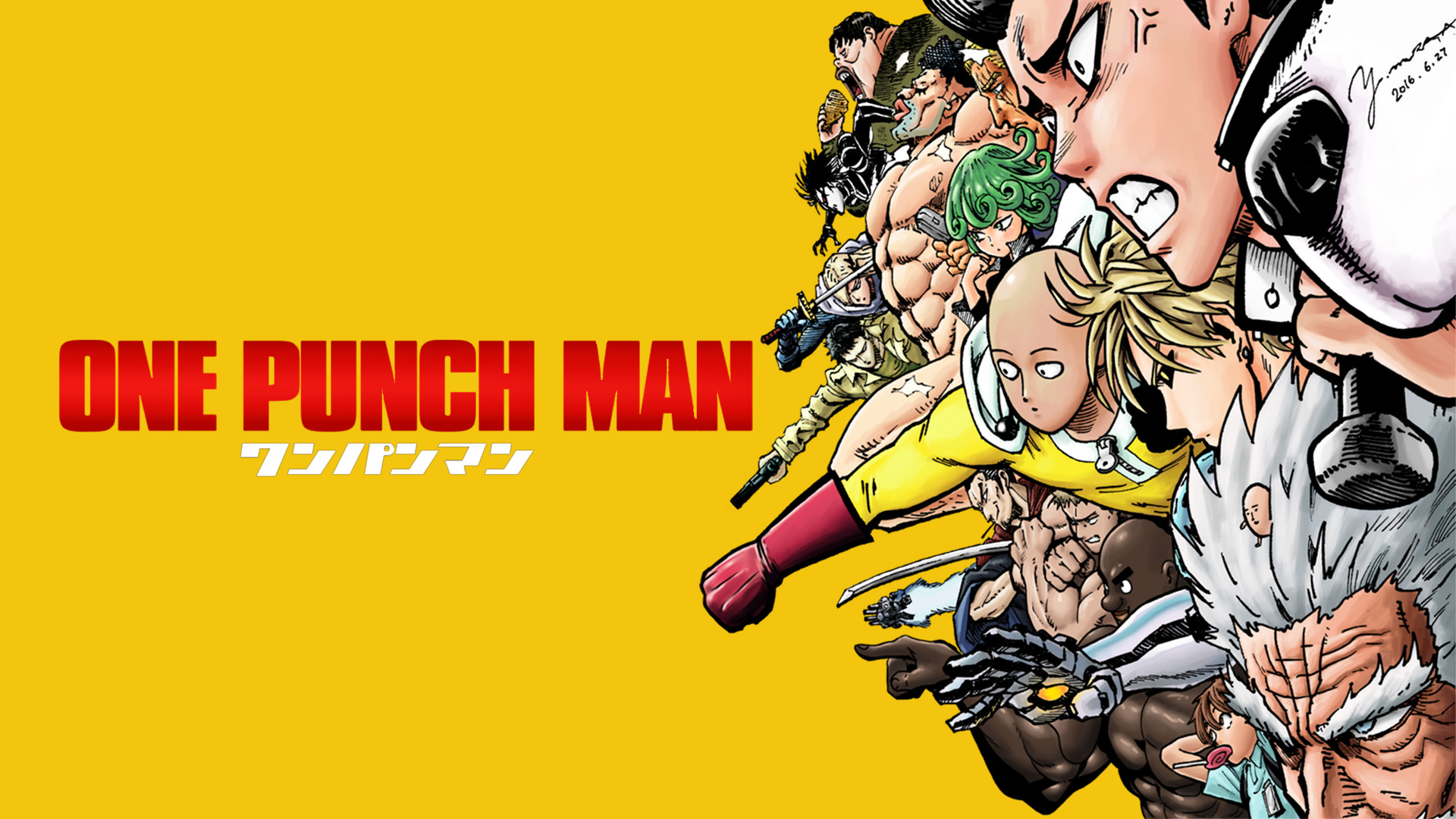
The animation, handled by Madhouse in one of their all-time performances, is genuinely spectacular. This is the fight where they got to cut loose after a season of deliberately holding back Saitama’s true capabilities. Boros regenerates from things that would end most anime protagonists. He pushes Saitama to the moon. He unleashes a move designed to destroy the planet. And Saitama punches him back from the lunar surface, mid-air, using what is almost certainly a restrained swing. The scale of it is absurd and thrilling in equal measure.
What keeps this fight from being pure spectacle is the quiet tragedy underneath it. Boros searched the universe for someone who could give him a real fight, and Saitama — who has been desperate for challenge his entire hero career — can’t fully give him that either. They’re the only two characters who understand the particular loneliness of being so powerful that nothing really tests you anymore. Boros deserved a harder fight, and Saitama deserved to feel it. Neither of them got what they wanted, and somehow, that makes the fight more moving than almost any conventional clash on this list.
#5 — Luffy Gear 5 vs. Kaido | One Piece
Series: One Piece (2023) | Wano Arc, Episode 1071
Anime fans waited twenty-five years for One Piece to show them what Luffy could truly do. Episode 1071 delivered something even the most optimistic among them couldn’t have fully anticipated. Gear 5 — Luffy’s awakened form, a manifestation of the Sun God Nika — is not a power-up in the traditional sense. It’s a philosophy. It’s the idea that the most powerful force in the universe is pure, unadulterated freedom, expressed through a combat style that runs entirely on joy and improvisation.
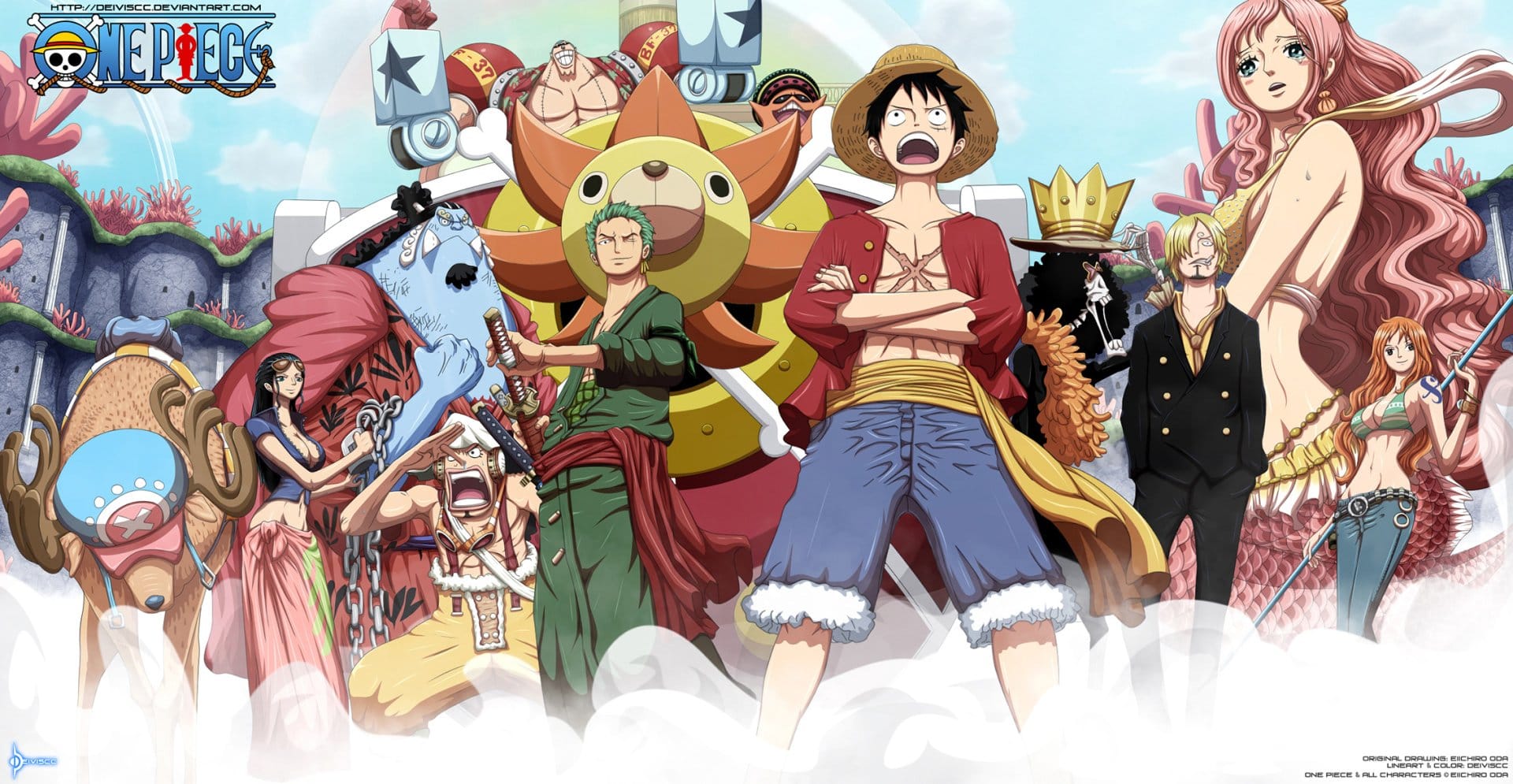
Toei Animation did something extraordinary here. They could have played Gear 5 straight — big aura, dramatic music, serious face. Instead, they leaned into the Looney Tunes energy of the transformation with absolutely no apology. The rubbery, exaggerated animation style, the intentionally retro color palette shift, the laugh — Nika’s laugh — echoing across the top of Onigashima while Luffy drags Kaido around like a cartoon villain. It should have been ridiculous. It was transcendent.
Kaido, who spent three arcs being the most physically overwhelming villain in modern shonen, gets handled with a kind of disrespectful ease that would feel wrong if Luffy weren’t so clearly having the time of his life. This fight matters because it earns its absurdity with twenty-five years of storytelling. You only appreciate how high Luffy is flying because you remember every time he hit the ground. One Piece’s best fights have always been about what freedom means and what it costs — and this one shows what it looks like when you finally stop paying.
#4 — Gon vs. Neferpitou | Hunter x Hunter
Series: Hunter x Hunter (2011) | Chimera Ant Arc
This is the most emotionally devastating fight on this list. Not the most technically impressive, not the most beautifully animated — those titles belong elsewhere. But nothing in anime has ever hit me quite like watching Gon sacrifice everything he is to become something capable of destroying Pitou, only to find out that the thing he was fighting for was already gone. The Chimera Ant Arc is one of the most ambitious narrative achievements in shonen history, and this moment is where the full weight of all that ambition crashes down.
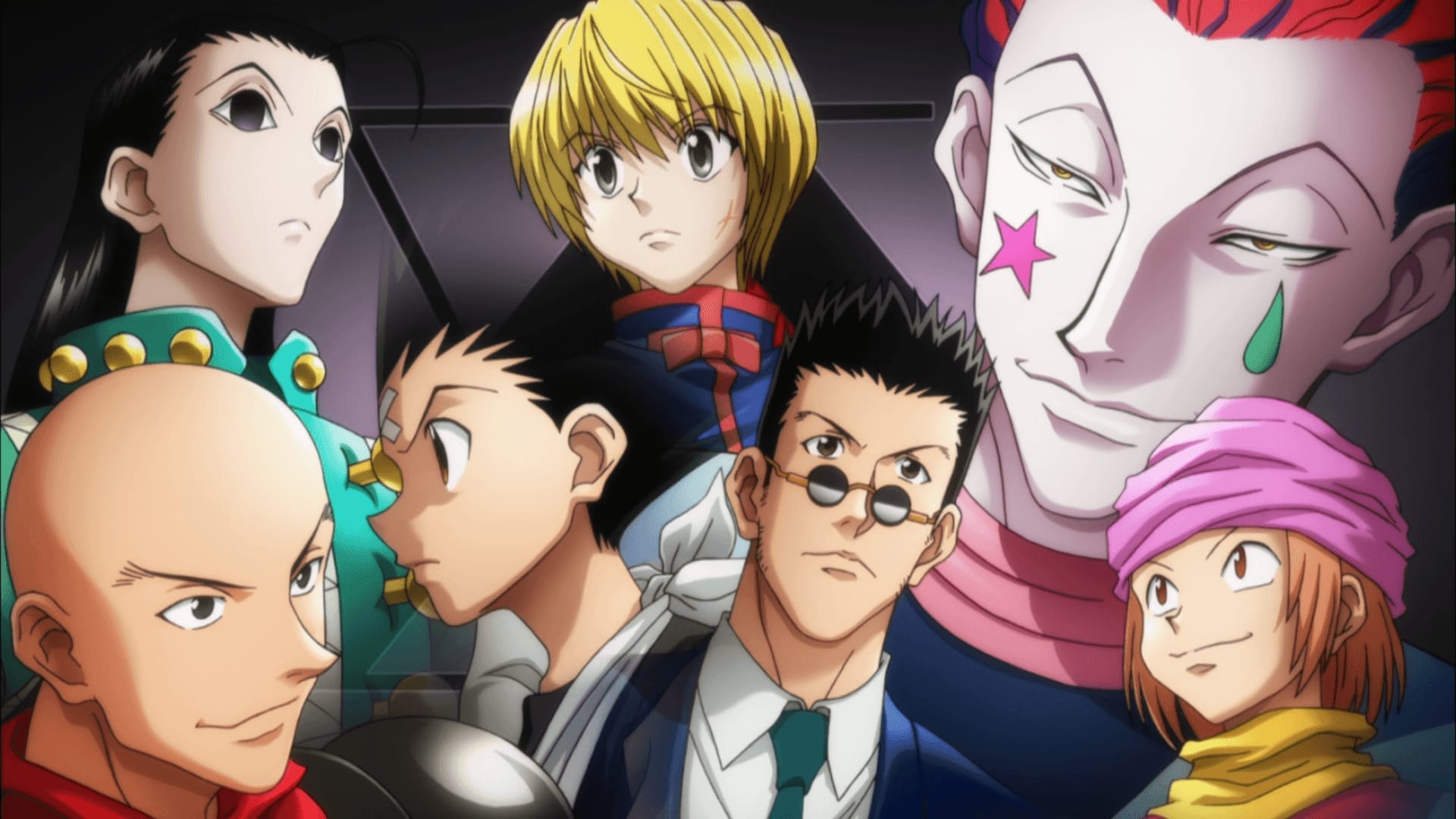
Gon’s transformation is disturbing in a way that the show fully intends. He burns through his entire lifespan — all the potential he had, all the future he could have lived — to stand before Neferpitou as something no longer recognizable as the bright, reckless kid we spent sixty episodes following. The fight itself is not long. It cannot be long, because this version of Gon doesn’t negotiate and doesn’t hold back. What he does to Pitou is brutal enough that the show doesn’t linger on it. The horror is in what it cost, not what it accomplished.
The Hunter x Hunter power system — Nen — makes this moment possible in a way that few other anime frameworks could support. Understanding how Nen differs from cursed energy helps explain exactly how catastrophic what Gon did actually is. The full Hunter x Hunter series is worth experiencing just to understand why this fight hits so hard — context is everything. Stripped of that context, it’s a powerful fight. With it, it’s one of anime’s most profound moments.
#3 — Rock Lee vs. Gaara | Naruto
Series: Naruto (2004) | Chunin Exams Arc, Episode 48
Before the big emotional finales, before the philosophical arguments between former friends, Naruto gave us Rock Lee vs. Gaara — and nothing in the series ever topped it. Not in what it meant to the audience, not in what it communicated about the show’s themes, and not in the purity of its emotional impact. A boy who was told he could never be a ninja. A monster who has never lost a fight. The weights coming off. That’s the entire setup, and it’s perfect.
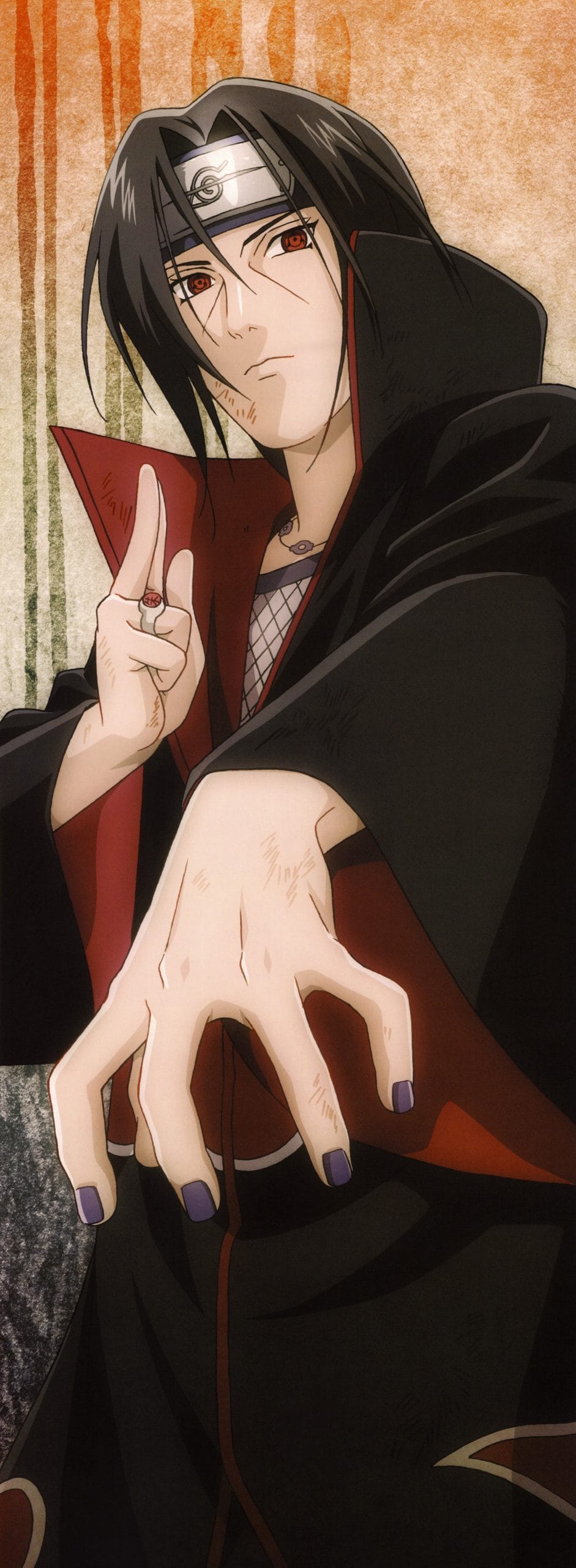
The animation in this episode is remarkable for 2004 television anime. Hiroaki Hirano’s key animation work on Rock Lee’s movement — the blur lines, the speed, the footwork — looked like nothing else on TV at the time. The Leaf Hurricane, the primary lotus, and then the Eight Inner Gates sequence landed like a revelation. Here was a character who had no special powers, no bloodline ability, no mystical energy beyond pure physical training — and he was the most terrifying thing in the room. That’s still one of anime’s best arguments: hard work, taken to its absolute limit, looks like a superpower.
What breaks your heart about this fight is that Lee wins it. He clearly wins it. And then Gaara gets up anyway, and nothing Lee did mattered. The weights that were supposed to represent his hardest training shatter on impact and don’t even slow Gaara down. The fight shifts from exhilarating to genuinely tragic in the span of thirty seconds, and the image of Lee unconscious with his leg bent the wrong way is one of anime’s most gut-punch images. This is the fight that taught an entire generation of anime fans what it meant to love a character who wasn’t the main protagonist.
#2 — Gojo vs. Sukuna | Jujutsu Kaisen
Series: Jujutsu Kaisen (2024) | Shinjuku Showdown Arc
The question going into this fight wasn’t who would win — it was whether any animation studio on Earth could do justice to it. MAPPA answered definitively. The Gojo vs. Sukuna fight across multiple episodes of the Shinjuku Showdown Arc is the most technically spectacular thing anime has ever produced. It is not an overstatement to say that this fight raised the floor for what modern anime animation is expected to look like. Every other studio in the industry watched these episodes and had to reckon with what Jujutsu Kaisen Season 2 had just done.
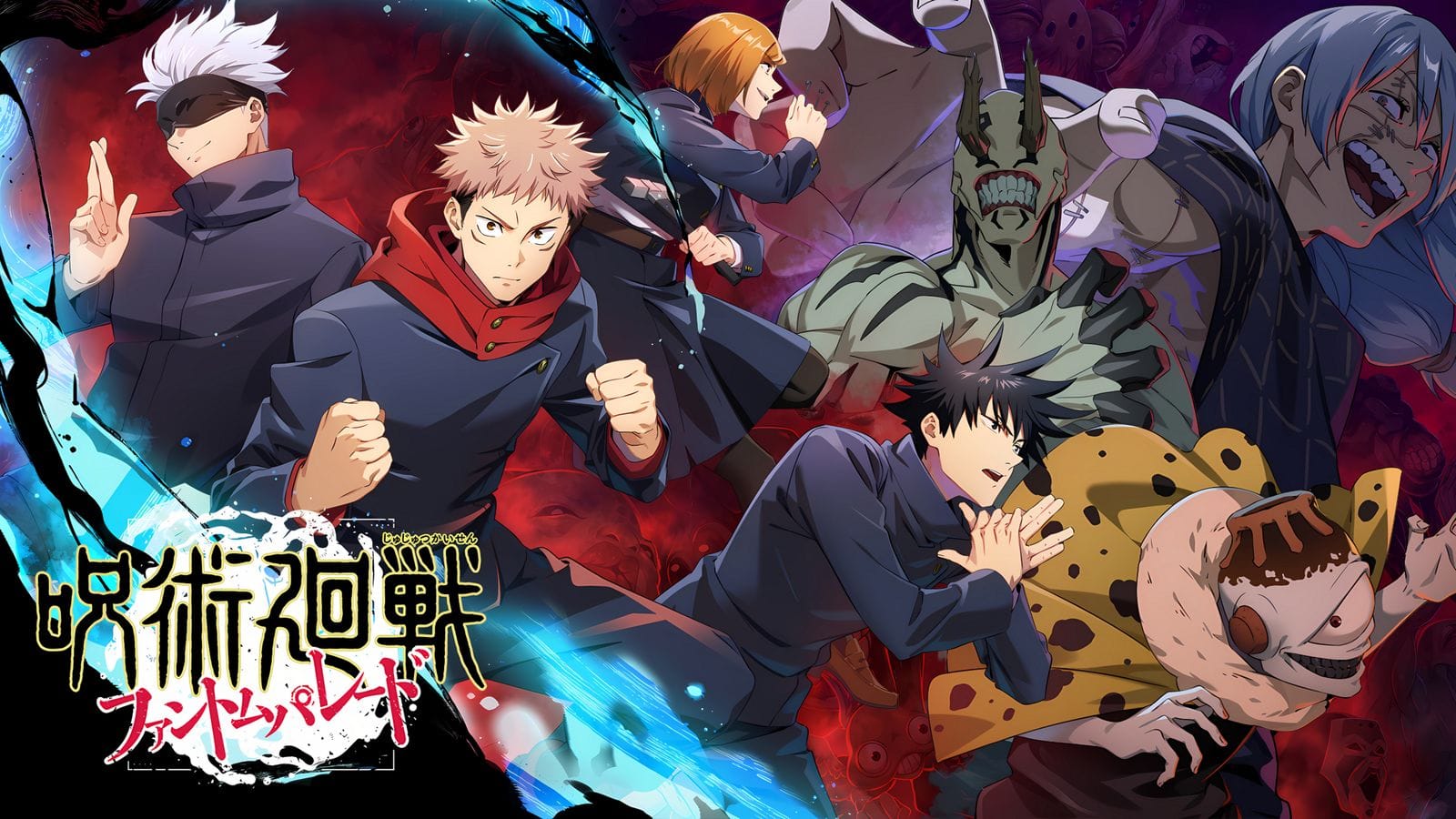
Gojo Satoru and Ryomen Sukuna are the two most powerful characters in the Jujutsu Kaisen universe, and the series spent years making both of them feel genuinely, incomprehensibly powerful before letting them fight. When they finally collide, the result feels appropriately world-ending. Hollow Purple vs. Sukuna’s domain expansion. Gojo’s Infinity pushed to its absolute limit. The fight rewards every hour you’ve invested in understanding how cursed energy works and why these two specifically are uniquely capable of hurting each other.
The reason this doesn’t rank first is that it’s almost too much — a technical masterpiece that occasionally loses its emotional grounding in the sheer volume of what it’s showing you. The outcome is devastating in ways the fandom is still processing, and the final images of this confrontation rank among the most memorable in modern anime. But for a fight to be the greatest, it needs to be something you can feel the moment it starts, carry through every exchange, and carry out of the room with you. This fight earns that feeling in its final minutes. The #1 fight earns it for every single second.
#1 — Naruto vs. Sasuke (Final Valley) | Naruto: Shippuden
Series: Naruto: Shippuden (2016) | Episodes 476–478
There was never really going to be a different answer. The final fight between Naruto and Sasuke at the Valley of the End is the most complete anime fight ever made — the one that hits every mark on every dimension simultaneously. Animation, stakes, emotion, music, meaning. It doesn’t just check every box; it defines what the boxes are. When people talk about what a landmark anime battle should accomplish, they’re describing this fight, whether they know it or not.
Studio Pierrot, for all the grief they’ve rightfully received over filler and budget animation, produced something miraculous across these three episodes. The fight between Naruto and Sasuke spans day, night, rain, and the ruins of their entire shared history. It moves through every mode — raw power, ninjutsu clashes, physical brawling, a final one-armed punch-for-punch exchange at the water’s edge — with complete fluency. The production knows exactly when to go big and exactly when to pull back to silence. The final exchange, with both of their dominant arms destroyed, two childhood friends reduced to throwing everything they have left with their off hands, is perfect. It’s as close to perfect as anime gets.
But this fight isn’t #1 because of the animation. It’s #1 because of what it means. Fifteen years of story, seventeen years of publication — all of it pointed toward two boys standing in the rain, unable to stop fighting each other and unable to truly be enemies. Sasuke doesn’t need to be defeated. He needs to be reached. Naruto doesn’t need to win. He needs Sasuke to come back. That distinction is everything. Most anime fights are resolved when someone falls down. This one is resolved when someone finally, after all this time, opens his eyes. The Chunin Exams fight between these two, all those years earlier, felt like a preview of something enormous. This was the thing itself — and it was worth every year of waiting.
The Fights That Almost Made the List
Any honest ranking has to acknowledge what didn’t make the cut. Izuku vs. Muscular (MHA, Season 3) is more viscerally exciting than All Might vs. All For One and almost made it. Meruem vs. Komugi isn’t technically a fight at all but emotionally devastates you in ways most fights never approach. Simon vs. the Anti-Spiral in Gurren Lagann is arguably the greatest mech fight ever animated. Edward vs. Greed (FMAB), Yusuke vs. Toguro (Yu Yu Hakusho), and the entirety of Vinland Saga’s combat scenes all have legitimate claims to this list.
The truth is that anime has been producing extraordinary fights for decades, and the medium’s best work has always been the result of artists who understood that choreography and emotion are not separate concerns — they’re the same thing. A fight scene tells you what a character is made of in a way that dialogue rarely can. The series have changed. The studios have changed. The animation technology has changed. But that truth has stayed constant across every era. We are, right now, living through one of the richest periods anime has ever seen, and the fights being produced today are proof that the medium has no ceiling in sight.
Argue with my ranking. That’s what comments are for.