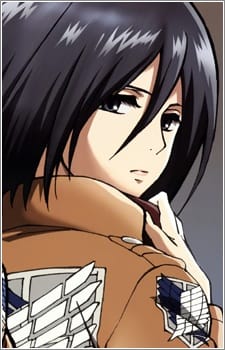
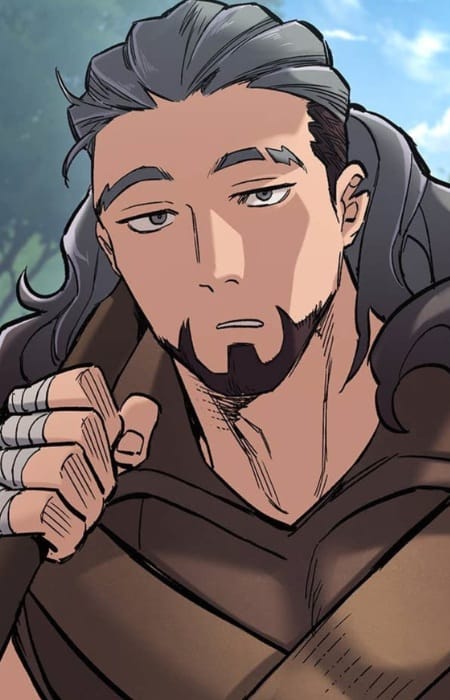
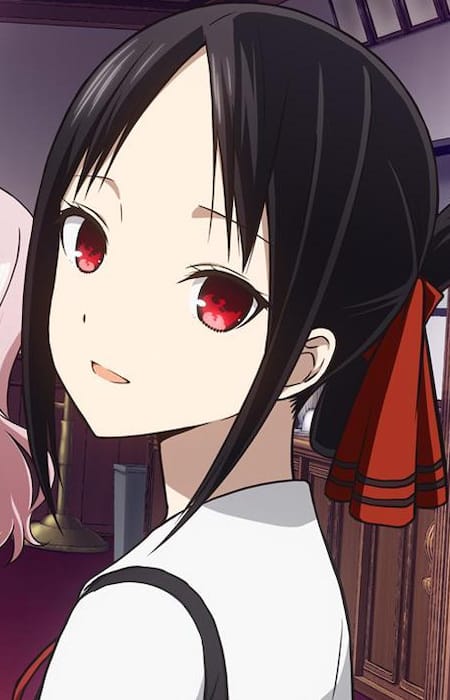
Kurapika: Hunter x Hunter’s Last Survivor

Kurapika walks a path anime rarely explores honestly: revenge that consumes rather than liberates. The last survivor of the Kurta Clan does not find peace through vengeance—he finds isolation, deterioration, and the slow death of everything else that matters. Hunter x Hunter uses Kurapika to examine what revenge actually costs. The Kurta Massacre Kurapika artwork … Read more
Dabi: My Hero Academia’s Tragic Villain

Dabi waited over 300 chapters to reveal his identity—and when he did, it broke My Hero Academia. The villain who seemed like edge-lord stereotype became the series’ most tragic figure: Touya Todoroki, Endeavor’s firstborn, proof that hero society’s brightest star produced his own monster. The Todoroki Family Tragedy Dabi artwork Endeavor’s Eugenics Project Endeavor married … Read more

Sanji: One Piece’s Gentleman Cook

Sanji represents One Piece’s most complex take on masculinity. The gentleman cook who refuses to hit women, whose dreams involve feeding people, whose power comes from legs he protects for cooking—Sanji defies shonen protagonist conventions while remaining definitively powerful. His character development across 1000+ chapters creates one of anime’s most nuanced male heroes. Monkey D. … Read more

Mikasa Ackerman: Attack on Titan’s Deadliest Soldier

Mikasa Ackerman kills more Titans than anyone except maybe Levi. Her combat prowess defines Attack on Titan’s action sequences. But reducing Mikasa to “Eren’s guardian” misses her actual character: a woman processing trauma through protective violence, whose journey involves learning that protection cannot prevent loss. The Ackerman Awakening Mikasa Ackerman artwork Origin Young Mikasa witnessed … Read more

The Problem with Anime Sequels

Sequels in anime face unique challenges. Unlike Western TV where continuation is expected, anime often adapts incomplete source material, relies on production committees with shifting priorities, and contends with staff availability across years-long gaps. Understanding why anime sequels succeed or fail helps manage expectations and appreciate the good ones.

How MAPPA Changed Modern Anime

MAPPA went from mid-tier studio to industry powerhouse in under a decade. Their transformation under founder Masao Maruyama (formerly of Madhouse) and subsequent productions have influenced how anime looks, how it gets made, and what audiences expect. Understanding MAPPA’s impact reveals broader shifts in the anime industry. Gojo Satoru from Jujutsu Kaisen The Studio’s Rise … Read more

Anime Openings vs Endings: Which Matter More?

Anime openings become cultural phenomena. Iconic songs, memorable animation, character introductions—openings define shows in ways endings rarely match. But this imbalance raises questions: do endings deserve more attention? What do each provide that the other cannot? Naruto Uzumaki The Opening Advantage OP ED artwork Itachi Uchiha from Naruto First Impressions Openings create first impressions. Before … Read more

Why Slice of Life Anime Matters

Slice of life anime gets dismissed as boring—shows where nothing happens, filler between action series. This dismissal misunderstands what slice of life achieves and why it matters. The genre offers something action anime cannot: genuine comfort, character depth, and reflection on ordinary existence. Defining the Genre Slice of Life artwork Slice of Life artwork What … Read more

The Rise of Korean Manhwa Adaptations

Korean manhwa adaptations have become anime’s fastest-growing source material category. Solo Leveling, Tower of God, The God of High School, Noblesse—Korean webtoons are reaching global audiences through Japanese animation studios. This trend represents significant shift in anime’s relationship with its source material origins. Why Manhwa Is Rising Korean Manhwa artwork Webtoon Format Korean manhwa developed … Read more