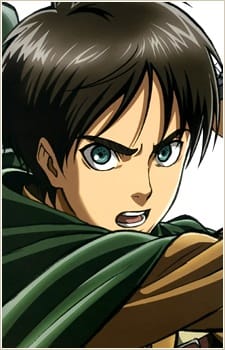
Attack on Titan spent three seasons establishing Paradis Island’s perspective: humanity fighting for survival, Titans as mindless monsters, the world ending at the walls. The Marley Arc inverts everything. Suddenly we are on the other side, and nothing looks the same.
The Perspective Shift
New Protagonists
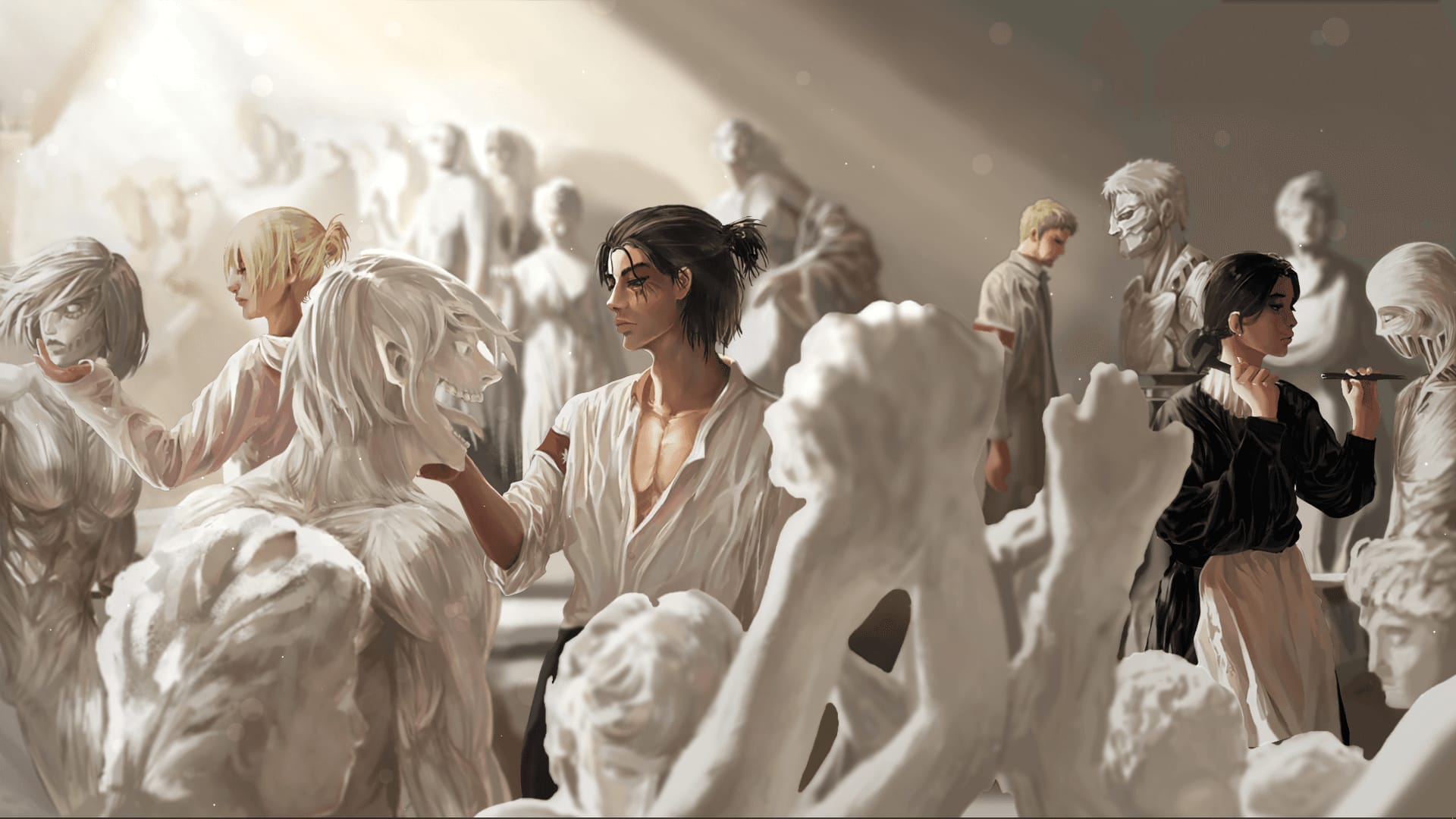
The arc opens following Warrior candidates in Marley—children training to inherit Titan powers and destroy Paradis. Falco, Gabi, and their fellow candidates are sympathetic, relatable, normal kids in a world that happens to consider Eldians subhuman.
This normalization is devastating. We have spent seasons hating Reiner and the Warriors; now we see them as children shaped by circumstances beyond their control.
Reiner’s Trauma
The arc’s first half focuses on Reiner’s psychological state: survivor’s guilt, PTSD, suicidal ideation. He is broken by what he did on Paradis, what he continues to do, and the impossibility of his position.
This humanization of the primary antagonist reframes the entire conflict. Reiner was not evil—he was a child soldier doing what he was told, believing what he was taught.
Marleyan Society
Eldians in Marley live in internment zones, wear armbands, face systematic discrimination. The parallels to historical oppression are intentional and uncomfortable. The people we have been rooting against are themselves oppressed.
Moral Complexity
No Clear Sides
Marley oppresses Eldians and plans genocide against Paradis. Paradis responds with the Rumbling threat and eventually actual genocide. Neither side holds moral high ground; both have legitimate grievances and monstrous responses.
This complexity is Attack on Titan’s central thesis: cycles of violence create situations without clean solutions. The arc makes this abstract concept viscerally real.
Gabi as Mirror
Gabi parallels early Eren: passionate, determined, certain of her worldview’s righteousness. Her hatred of Paradis Eldians mirrors Eren’s hatred of Titans. Watching her confront the limits of her perspective mirrors the audience’s own journey.
Her development through the arc demonstrates that indoctrination can be overcome—while also showing how difficult and painful that process is.
Historical Context
The arc reveals that Eldian oppression of Marley preceded current Marleyan oppression of Eldians. Generations of violence created the current situation. Neither side’s grievances are invalid; both sides have committed atrocities.
This historical depth prevents simple resolution. There is no clear victim to support, no obvious aggressor to condemn. History is cycles of harm.
The Declaration of War
Willy Tybur’s Speech
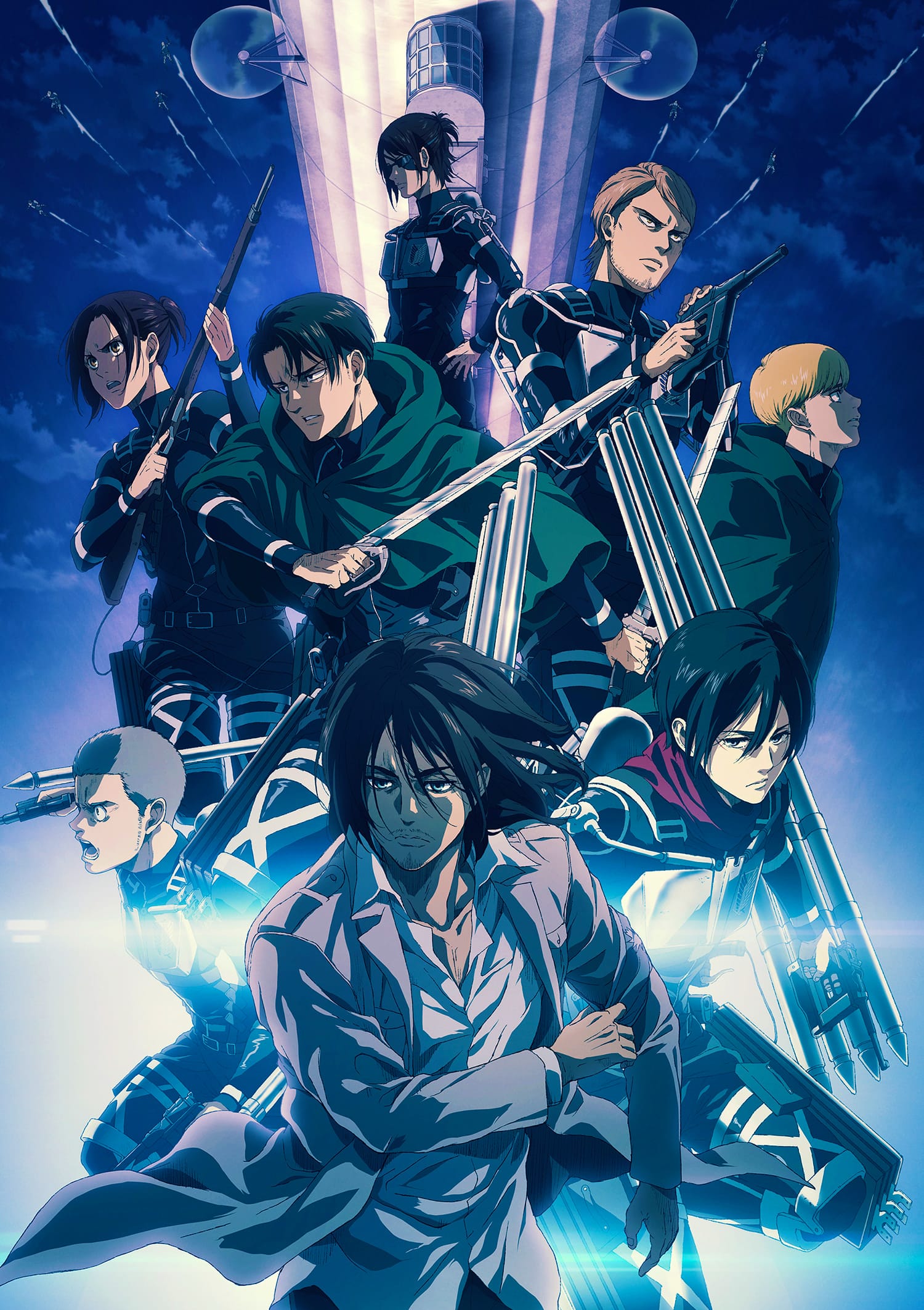
The arc climaxes with Willy Tybur’s public declaration of war against Paradis. His speech reveals historical truth while rallying the world against “island devils.”
Willy knows he will die—his martyrdom is calculated to unite the world. This manipulation is monstrous and possibly necessary given his understanding of Eren’s threat.
Eren’s Response
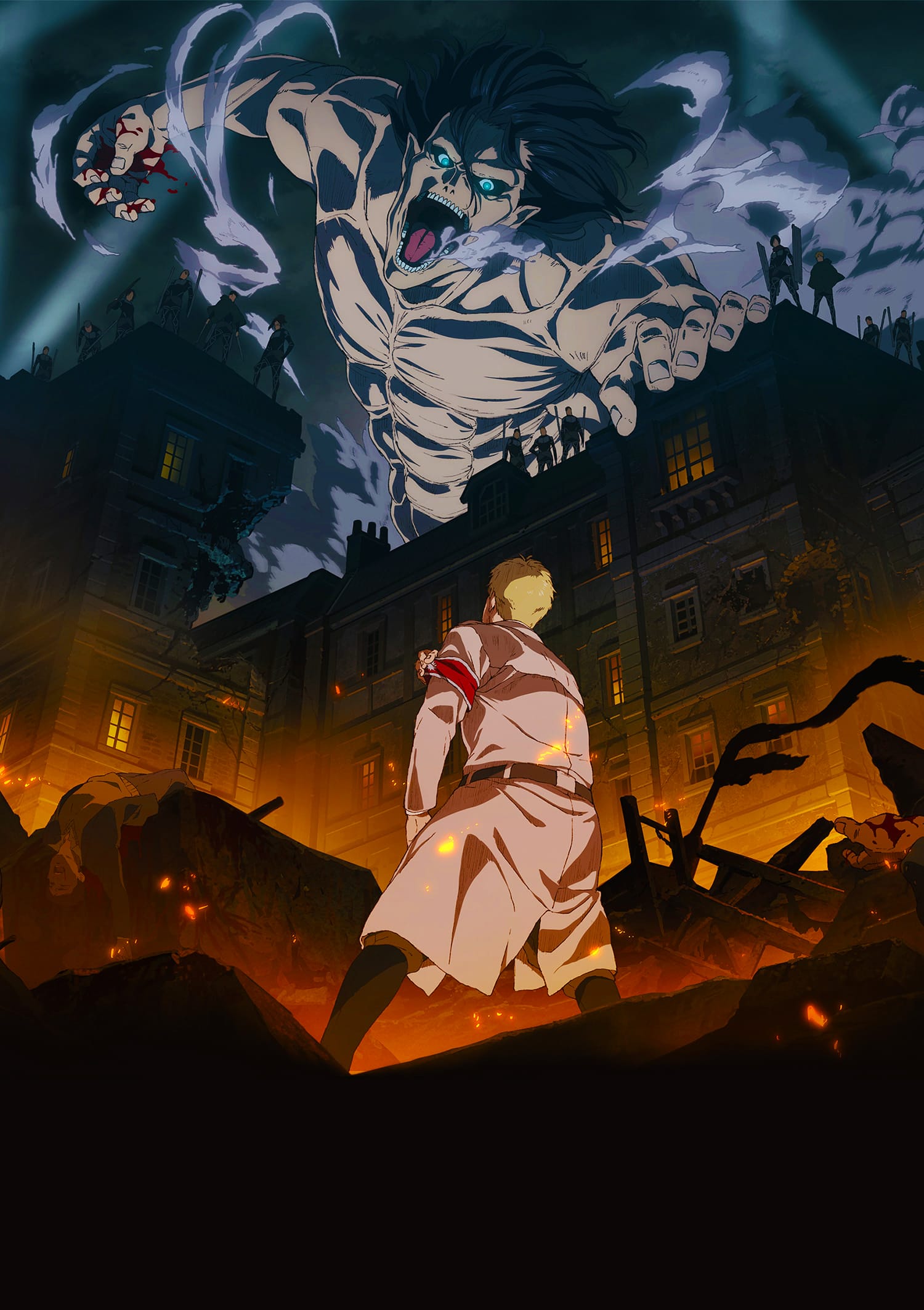
Eren transforms mid-speech, killing Willy and attacking the gathered civilians. For the first time, we watch Eren commit unambiguous terrorism from the victims’ perspective.
The perspective shift makes this attack feel different from previous Titan battles. These are not faceless enemies; they are people we have spent episodes knowing.
The Raid
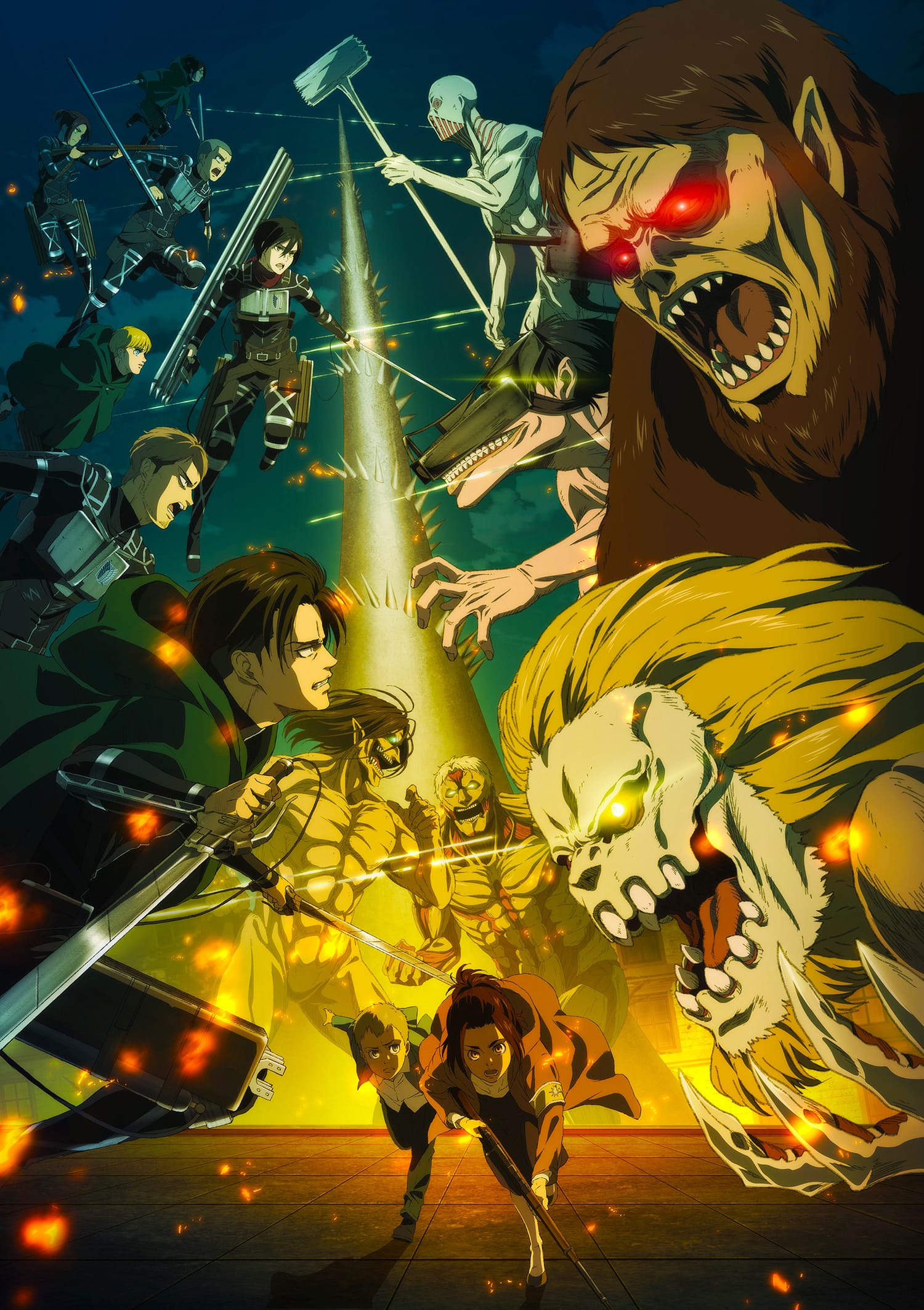
The Survey Corps’ raid on Liberio is war crime from Marleyan perspective. Friends and family die. Civilians die. The distinction between heroism and terrorism depends entirely on which side you view from.
Character Work
Zeke’s Motivation
Zeke’s euthanasia plan—sterilizing Eldians to end the cycle peacefully—emerges from genuine desire to end suffering. His solution is monstrous but his motivation is comprehensible.
This reveals that extreme solutions come from trauma and hopelessness, not evil. Zeke saw no other path; his plan reflects his despair.
Eren’s Transformation
The Eren who appears in Marley is not the boy we knew. Cold, calculating, willing to murder children—this Eren has made choices we do not yet understand.
The arc withholds his perspective deliberately. We see only what he does, not why. This mystery drives subsequent arcs while making the Marley Arc deeply unsettling.
Technical Excellence
MAPPA’s Debut
The Marley Arc marked MAPPA taking over from WIT Studio. The visual style shifted—more CGI titans, different aesthetic—while maintaining narrative quality.
Reception was mixed regarding visuals but the adaptation’s ambition was undeniable. MAPPA committed to completing Attack on Titan properly.
Pacing
The arc’s slow build serves its purpose. Spending time with Marleyans before the attack makes the attack meaningful. Rushing would have undermined the perspective shift’s impact.
Legacy
Series Redefinition
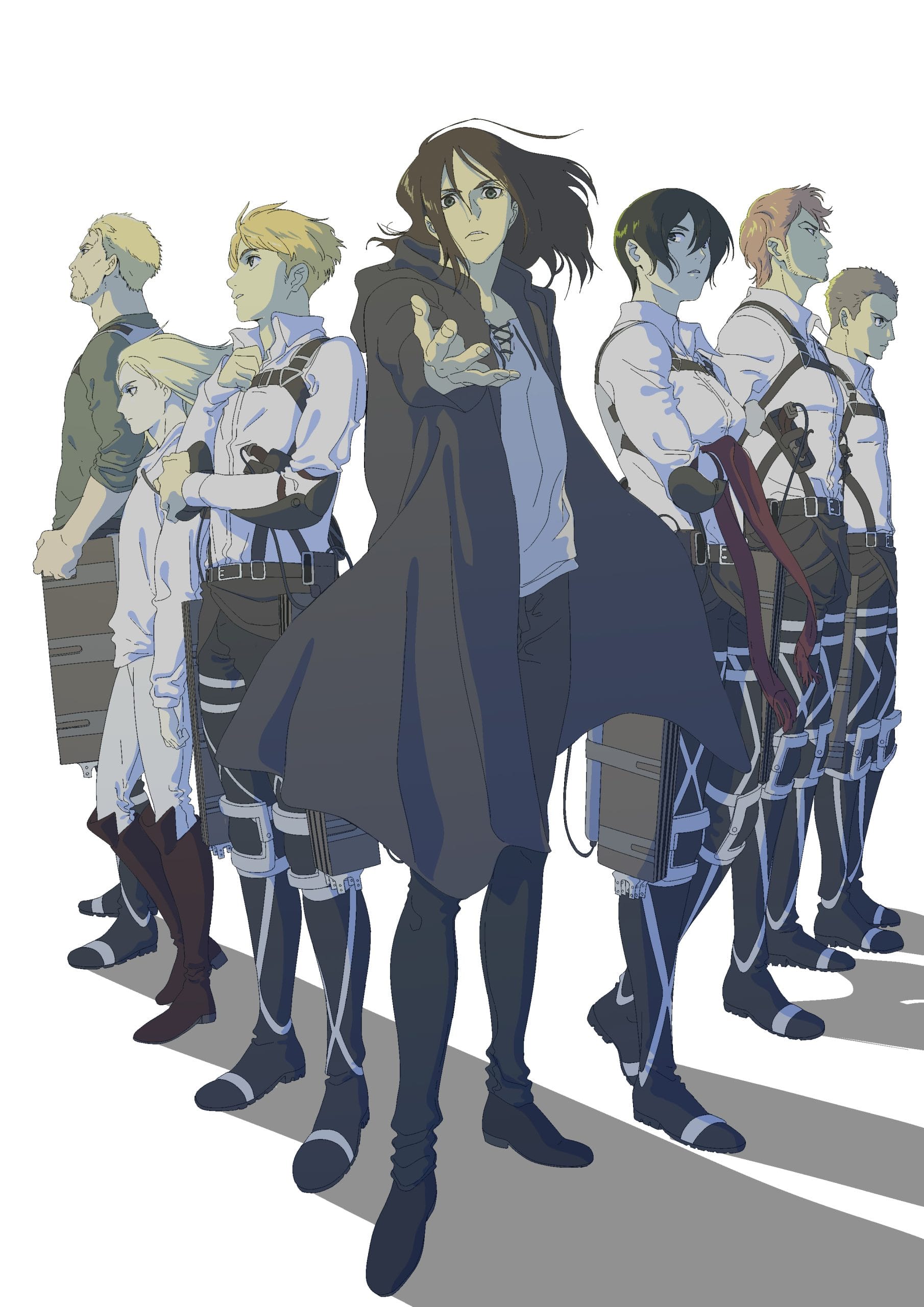
The Marley Arc transforms Attack on Titan from action anime to war drama. Everything after this arc operates differently—more morally ambiguous, more politically complex, more uncomfortable.
Some viewers preferred the simpler earlier seasons. Others consider this transformation the series’ greatest achievement. Neither view is wrong; the arc changed what Attack on Titan was.
Influence
The perspective shift technique—showing the other side of a conflict after establishing one perspective—has influenced subsequent anime. The Marley Arc demonstrated how to complicate simple narratives effectively.
The Verdict
The Marley Arc is Attack on Titan’s most challenging content. It asks viewers to empathize with enemies, question heroes, and accept that conflicts rarely have moral clarity.
This discomfort is the point. Attack on Titan became great not despite challenging its audience but because of it. The Marley Arc represents that challenge at its most intense.
You Might Also Like
- Levi Ackerman: Attack on Titan’s Humanity’s Strongest
- Attack on Titan Sequel Rumors: What We Know About AOT’s Future
- Attack on Titan Complete Watch Order 2026: From Walls to Freedom