Spring 2026 is shaping up to be one of the most villain-stacked anime seasons in recent memory. We’re not talking about run-of-the-mill antagonists who exist just to get punched in the face. We’re talking about the villains — the ones who gave you chills, broke your favorite characters, and in some cases, almost made you root for the wrong side. The comeback season is real, and it is loaded.
Whether you’ve been keeping up with every simulcast or you’re just now catching up on your backlog, this is your full rundown of the anime villains returning in Spring 2026 that you absolutely cannot sleep on. Ten villains. Ten reasons to clear your schedule.
For the full seasonal lineup, check out our Spring 2026 anime season complete guide — but right now, let’s talk about the bad guys.
1. Sosuke Aizen — Bleach: Thousand-Year Blood War, Season 4
If you had to pick one villain who permanently altered the DNA of shonen anime, it’s Aizen Sosuke. The reveal in Soul Society arc? One of the greatest gut-punch moments the genre has ever produced. And now, with Bleach: TYBW Season 4 confirmed for Spring 2026, the man in the chair is stepping back into the chaos of the Quincy War.
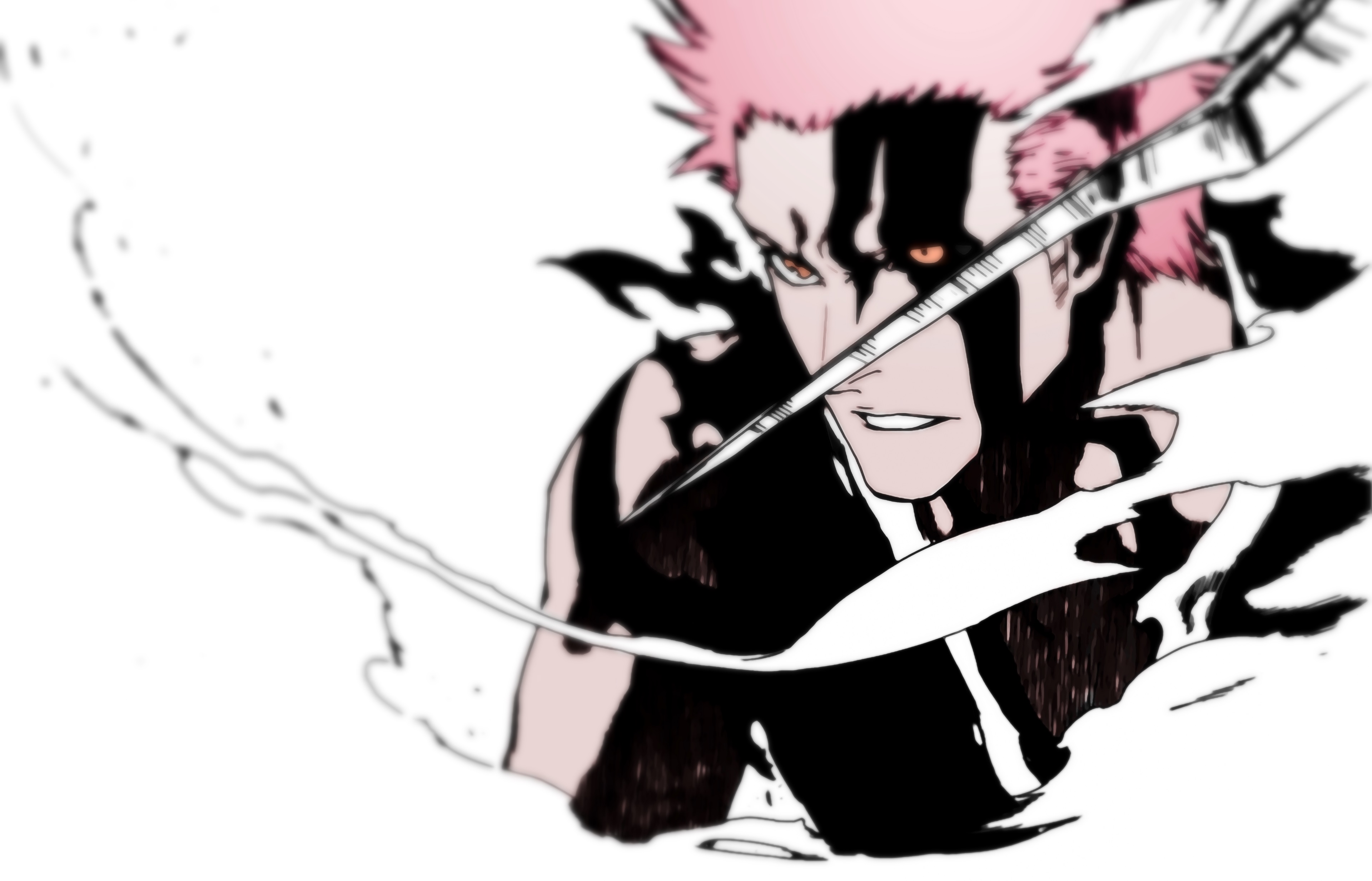
Aizen spent the first three TYBW seasons locked up in Muken — and he was still more relevant to the plot than most characters who were actually fighting. His eventual involvement in the final battle against Yhwach is the kind of narrative payoff that manga readers have been hyping for years. Anime-only fans are in for a treat they don’t even know is coming.
What makes Aizen’s return so compelling isn’t just raw power. It’s the psychological dimension. He doesn’t just win fights — he makes everyone around him feel like they’ve already lost before the first move. His Kyoka Suigetsu remains one of the most terrifying abilities ever conceived in battle manga. When this man unsheathes his zanpakuto, the rules change.
For a deep dive into what the final battle arc means for the TYBW storyline, read our full breakdown: Bleach TYBW Season 4 — The Final Battle.
Best moment so far: The Fake Karakura Town arc reveal where Aizen, Gin, and Tousen step through the Garganta without a single word. Pure cinema.
2. Funny Valentine & Diego Brando — JoJo’s Bizarre Adventure: Steel Ball Run
The Steel Ball Run anime adaptation has been one of the most anticipated projects in fandom for over a decade. Spring 2026 finally delivers — and with it comes the most complex villain duo in JoJo history. Funny Valentine, the 23rd President of the United States, is not a cackling monster. He is a man with a genuine ideology, a terrifying Stand, and the kind of charisma that makes you almost — almost — understand his worldview before you remember he’s willing to sacrifice the entire world for it.
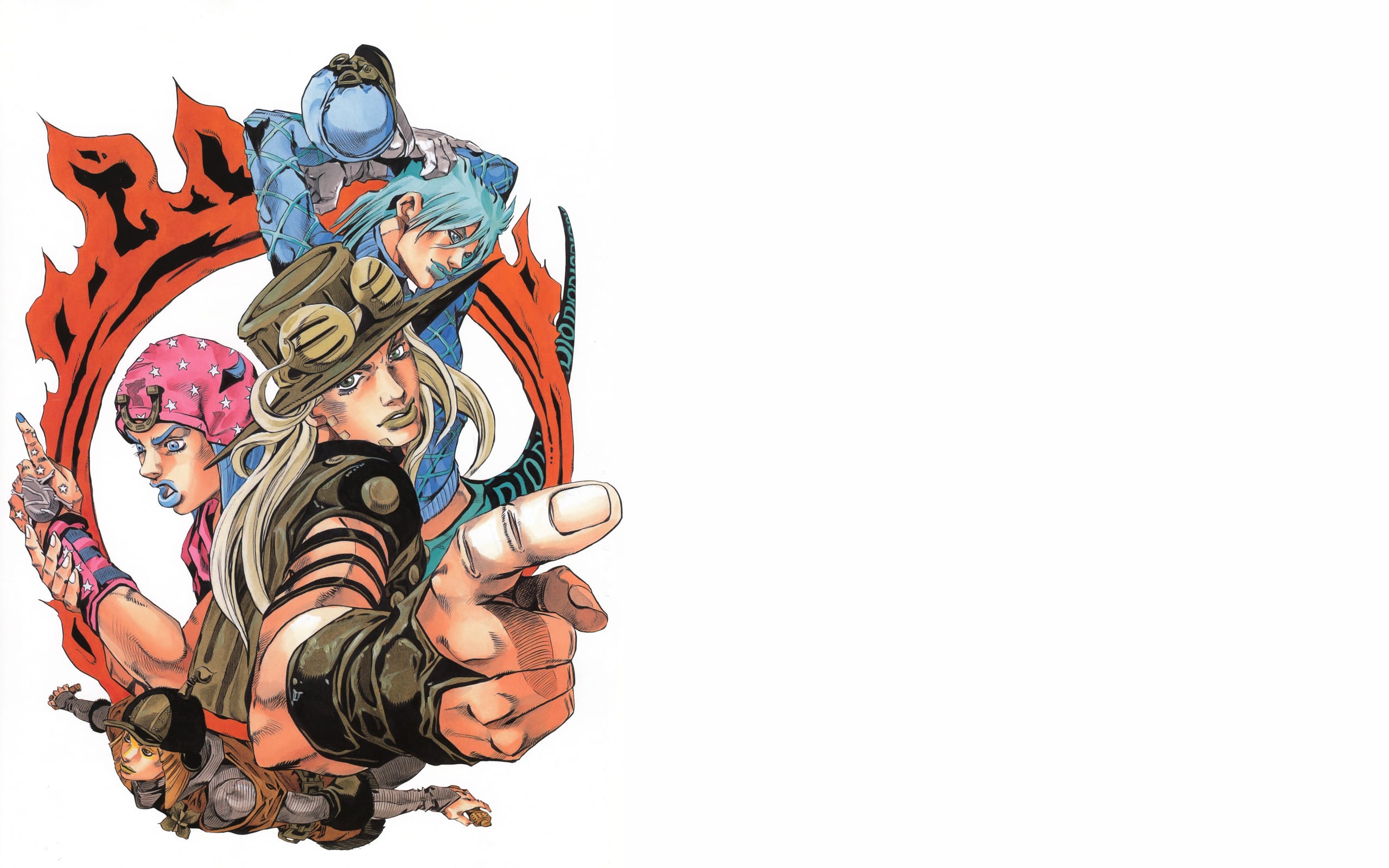
D4C (Dirty Deeds Done Dirt Cheap) is one of the most conceptually wild Stands Araki ever created. The ability to travel between parallel dimensions, to swap out himself for an alternate-universe version — it’s Stand power as a metaphor for political corruption and institutional evil. Valentine doesn’t think he’s a villain. That’s what makes him so dangerous.
Then there’s Diego Brando, the alternate-universe Dio who competes in the Steel Ball Run race. Diego is Dio stripped of the supernatural luck that made the original nearly invincible, rebuilt as someone who clawed his way to greatness through sheer ruthless will. Watching Diego and Johnny Joestar’s rivalry develop across this arc is one of the great slow burns in manga history.
Steel Ball Run is widely considered the peak of JoJo’s Bizarre Adventure as a series. If the adaptation maintains even half the emotional weight of the source material, this is going to be the anime of the year, full stop.
Best moment in the manga: Valentine’s monologue about the nature of happiness and national destiny. It hits different when you actually think about it.
3. Petelgeuse Romanee-Conti — Re:Zero Season 3
The Archbishop of Sloth hasn’t shown his unsettling face in a while, but Re:Zero Season 3 brings the Witch Cult back into full focus — and with it, more context on Petelgeuse and the Fingers that made his arc one of the most disturbing in the series. If you’ve been following our Re:Zero Season 3 coverage, you already know what’s coming. If you haven’t — brace yourself.
Petelgeuse works because he’s genuinely unhinged in a way that feels earned rather than cartoonish. His obsession with “diligence,” his hollowed-out reverence for Satella, the way he twitches and giggles through scenes that should be terrifying — he’s the villain who made Re:Zero feel genuinely dangerous. Subaru can die and reset, but Petelgeuse made every loop feel like it could end in total psychological collapse.
Season 3 revisits threads from the Witch’s Gospel and expands the Archbishop mythology significantly. Fans who’ve read the light novels know that the deeper you go into what Petelgeuse actually was — and what he lost — the sadder and stranger the whole thing becomes. This is body horror wrapped in existential tragedy, and it works.
Best moment: The Unseen Hand reveal. Subaru watching it happen and still not being able to stop it. Pure dread.
4. Diablo — That Time I Got Reincarnated as a Slime, Season 4
Technically, Diablo serves Rimuru. Technically. But calling him a straightforward ally undersells just how menacing this character is when the gloves come off. One of the original Primordial Demons, now operating as Rimuru’s secretary with barely contained power and an unsettling enthusiasm for “handling things” in ways his master might not explicitly approve of.
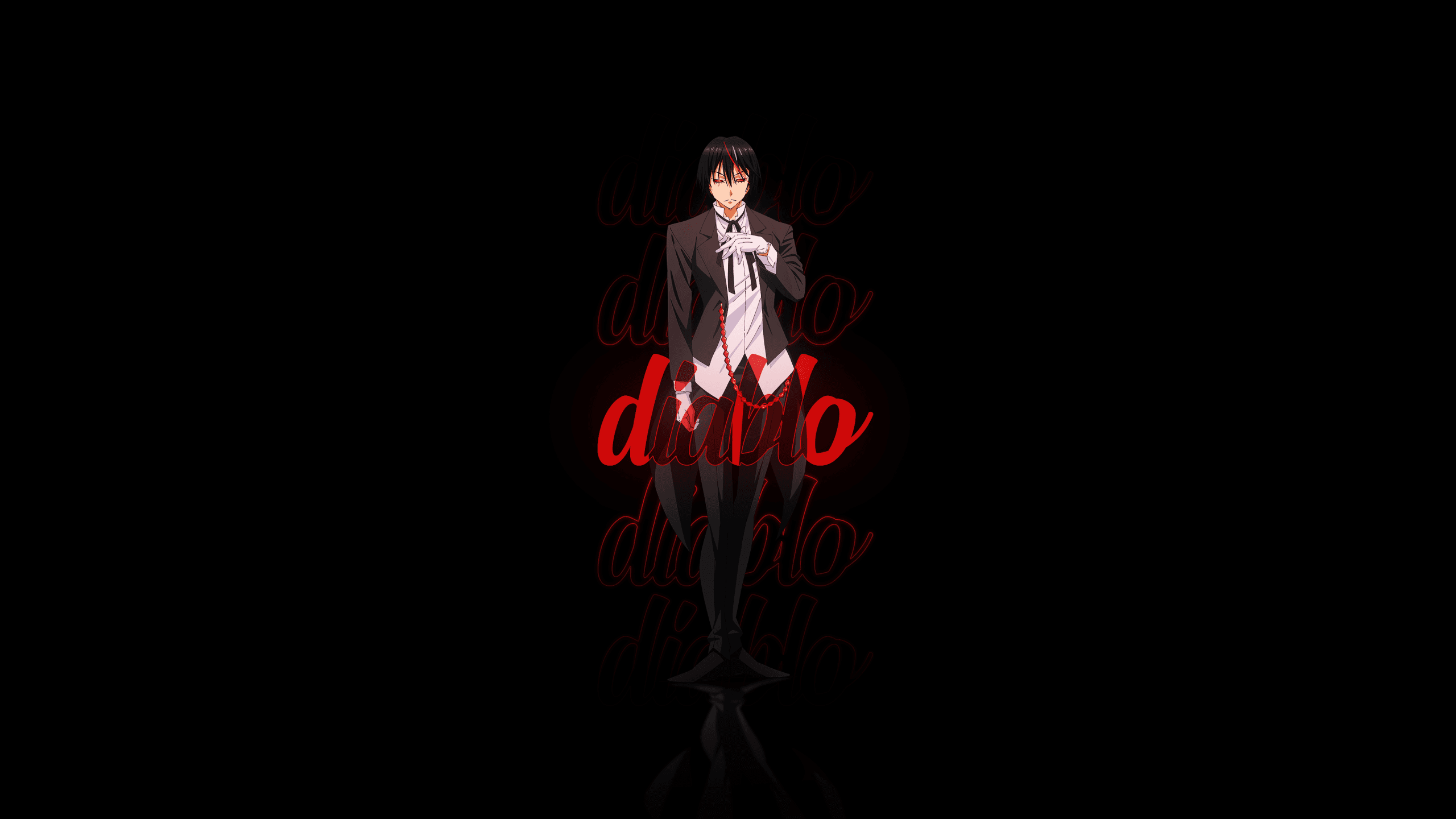
Slime Season 4 digs into the larger conflict with the Eastern Empire and the forces that view Tempest as a threat to be neutralized. This is where Diablo gets to stretch. His combat sequences in the manga are staggering — the kind of effortless, overwhelming dominance that makes you remember this guy was a Primordial long before he decided Rimuru was interesting enough to follow.
What separates Diablo from most overpowered characters is the ambiguity. He’s loyal, yes. But his loyalty comes with its own agenda, its own sense of aesthetics, and a willingness to do things that Rimuru would probably prefer not to know about. He’s the fun villain-who-isn’t-a-villain, and Season 4 gives him room to breathe.
Best moment: His formal introduction to Clayman. The way he doesn’t even bother to act threatened. Absolute villain energy from someone who’s supposedly on the good guys’ side.
5. Ryuuen Kakeru — Classroom of the Elite: Year 2
Classroom of the Elite has always excelled at giving its antagonists real depth, but Ryuuen Kakeru is the character who most consistently walks the line between villain and force-of-nature. In Year 1, he was the guy you hated — the class rep who ruled through fear and violence, who treated his own classmates as pieces to move. Then Ayanokoji dismantled him completely.
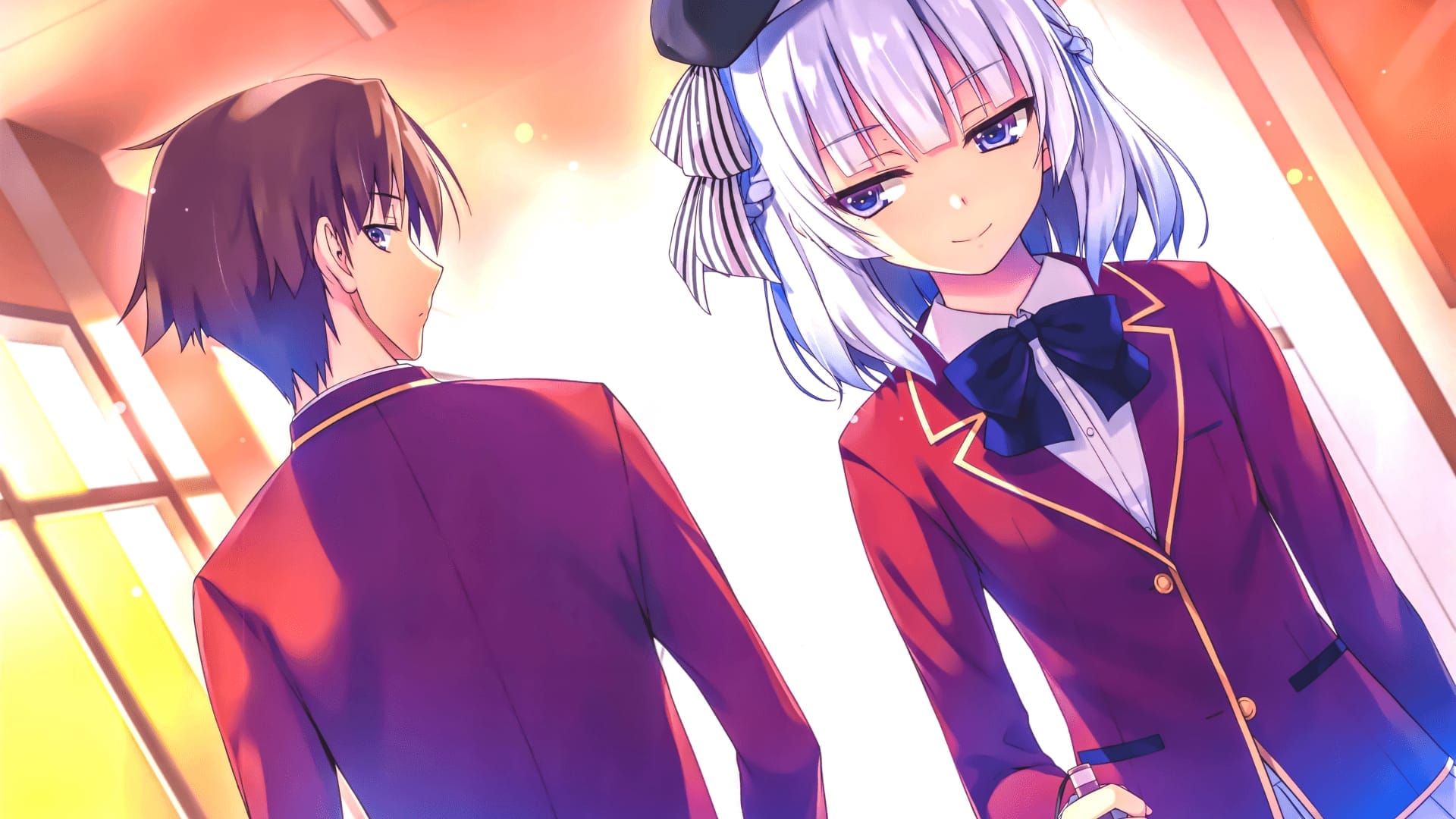
What happens to someone like Ryuuen after that? That’s what Year 2 explores. And the answer is: he evolves. He doesn’t get softer. He gets sharper. Ryuuen’s arc in the Year 2 arcs is about a predator recalibrating — learning to operate in a world where he now knows Ayanokoji exists, and deciding what to do with that information.
He’s not the same obstacle he was. He’s a different kind of problem. And frankly, a more interesting one. COTE does “reformed villain who’s still kind of a threat” better than almost any series in the psychological thriller corner of anime, and Ryuuen is the best example of that dynamic in the whole cast.
Best moment: His conversation with Ayanokoji after the reveal. Two people who’ve sized each other up correctly having the most honest exchange in the entire series.
6. Naraka — Hell’s Paradise: Jigokuraku, Season 2
Hell’s Paradise Season 1 dropped one of the most stylistically distinct anime of that year and then left us deep in the thick of the island’s secrets. Season 2 picks up at a point in the manga where the nature of Shinsenkyo — and the horrors maintaining it — becomes undeniable. Naraka’s expanded role connects directly to the larger mythology of the island’s rulers and the cost of immortality.

What makes Naraka compelling is that he’s a villain defined entirely by his relationship to death. In a story about criminals, executioners, monsters, and immortals, he represents something specific: the cruelty of a system that decides who lives and who doesn’t based on utility. His fight sequences are brutal in the particular Hell’s Paradise way — where the violence isn’t just visceral, it’s philosophical.
Season 2 is expected to push into the Tensen Courtyard arcs, which are some of the densest and most visually ambitious material in the manga. Naraka’s presence grounds the supernatural chaos in something recognizably human and recognizably awful.
Best moment: His execution technique and the way the manga frames the aesthetic of it — beautiful and grotesque simultaneously, exactly what Hell’s Paradise does best.
7. Asmodeus — Black Clover: Final Arc
Black Clover’s final arc has been escalating at a pace that makes every previous power ceiling look quaint. Asmodeus, one of the highest-ranking Devils in the underworld hierarchy, represents the series going full throttle on its devil lore — and the Spring 2026 adaptation is catching up to material that manga readers have been desperately wanting animated for years.
What sets Asmodeus apart from the parade of devils Black Clover has deployed is the sheer scope. Lower-ranked devils were threats. Asmodeus is a reckoning. The fights involving the top-tier devils operate at a scale that makes the early seasons feel like sparring practice, and the visual potential — with Studio Pierrot putting serious resources into this final stretch — is enormous.
Black Clover has always been at its best when it commits completely to the hypeness without apology. Asmodeus is the series committing. No irony, no restraint, just full-send demonic antagonism with a design that goes hard enough to become an instant classic.
Best moment to come: The first full reveal of Asmodeus’s power scale in direct confrontation. Manga readers know. Anime-only fans are going to lose it.
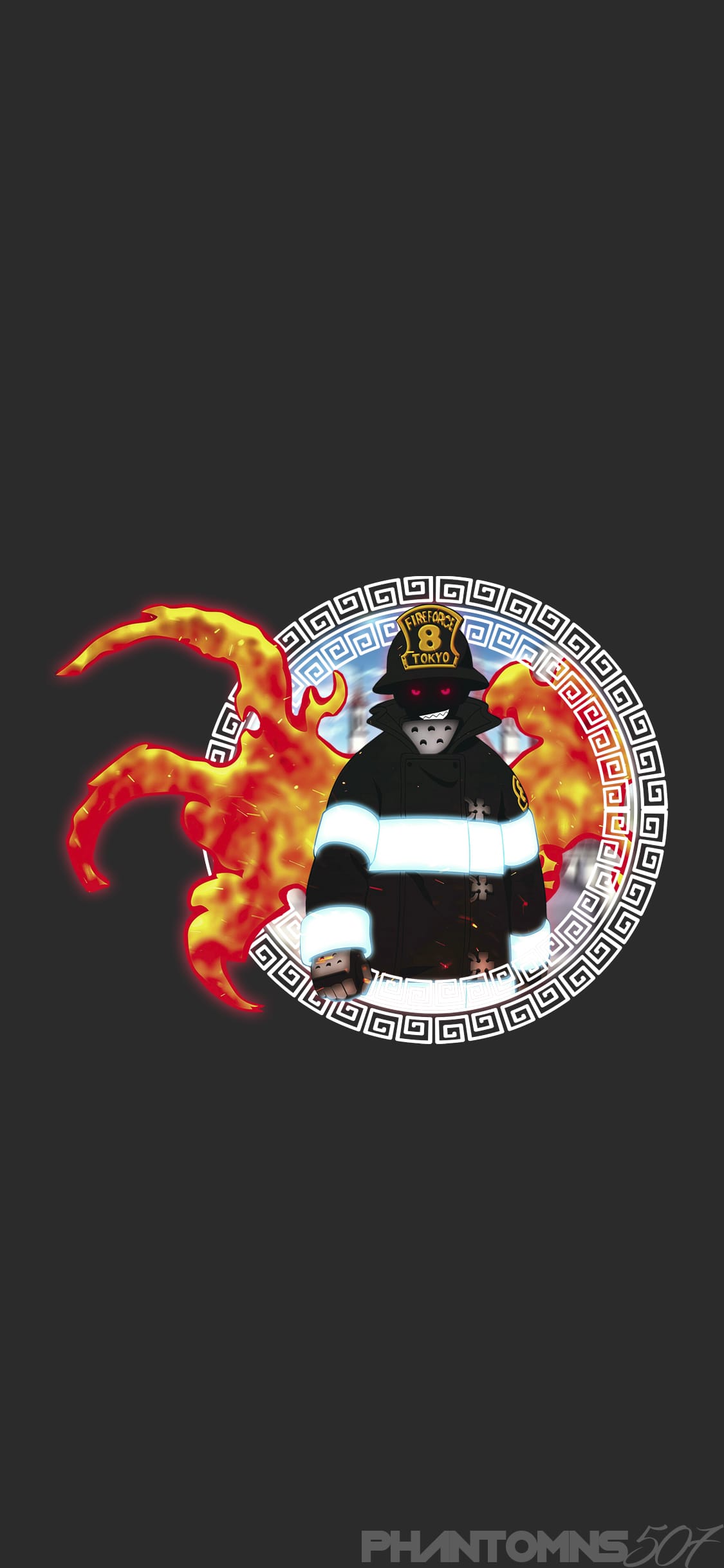
8. Tojiro Rekka & the White-Clad Leadership — Fire Force: Final Season
Fire Force’s final season is doing something genuinely ambitious: it’s paying off years of mythology-building about the Great Cataclysm, the origins of the Adolla, and the true nature of the world Shinra inhabits. The White-Clad, led by figures like Tojiro, aren’t just antagonists — they’re the story’s counter-argument to everything Company 8 stands for.
Tojiro specifically represents the series’ darkest thematic territory. His fanaticism isn’t just religious extremism for flavor — it’s rooted in a worldview that the narrative actually takes seriously enough to engage with. Fire Force has always been interested in the gap between institutional faith and genuine spiritual experience, and the final season forces that conversation to a conclusion.
David Production’s work on Fire Force has been visually spectacular throughout, and the final arc is the story at its most mythologically ambitious. If you’ve been watching from the beginning and wondering where it all leads — this is it.
Best moment: The Rekka revelation in early Fire Force remains one of the most effective villain unmasking scenes the series has to offer. The final season needs to top it. Based on the source material, it does.
9. Dr. Xeno — Dr. Stone: Final Arc
Dr. Xeno is the rarest species of anime villain: someone who is genuinely, irreducibly right about important things while being dangerously wrong about others. A scientist of Senku’s caliber, with Senku’s love of discovery and problem-solving, but with an entirely different conclusion about what humanity should do with that knowledge. Where Senku wants to rebuild civilization for everyone, Xeno wants to rebuild it for the worthy — filtered through his own ruthless hierarchy of competence.
The America arc of Dr. Stone put Xeno in direct conflict with the Kingdom of Science in ways that went beyond physical confrontation. It was a battle of ideologies conducted through engineering and chemistry, and it was some of the most intellectually satisfying material the series has produced. The final arc brings that confrontation toward its conclusion, and Xeno’s arc specifically is about what happens when a brilliant man is forced to actually examine the consequences of the system he’s building.
Dr. Stone doesn’t do shallow villains, but Xeno is its most textured one. His presence elevates every scene he’s in simply by asking the question: what does “civilization” actually mean, and who decides?
Best moment: The first direct communication between Xeno and Senku — two scientists who understand each other completely and want opposite things. Magnificent.
10. The Witch Cult’s New Archbishops — Re:Zero Season 3 (Expanded)
Re:Zero Season 3 doesn’t just bring back Petelgeuse — it expands the Archbishop roster in ways that fundamentally change how dangerous the Witch Cult feels as an organization. Lye Batenkaitos (Gluttony), Louis Arneb, and Roy Alphard collectively represent a threat that’s qualitatively different from Sloth: they don’t just kill people, they erase them. Names, memories, experiences — devoured and gone.
The Gluttony Archbishops are arguably the most psychologically disturbing antagonists Re:Zero has deployed, because their power attacks something that Return by Death can’t simply reset: the memories others have of the people who were eaten. Subaru’s usual lifeline doesn’t fully protect against this, and watching him navigate a threat that Return by Death doesn’t cleanly solve is some of the best writing in the series.
Season 3 is expected to cover the Arc 5 material in Pristella — which is Re:Zero going full blockbuster, throwing everything at the wall at once and somehow making it all land. The Archbishop appearances in this arc are coordinated in a way that makes them feel like a genuine strategic force rather than random encounters, and the writing pays off character threads from as far back as Season 1.
If you want context on where Season 3 is headed and what the Archbishop confrontations mean for the larger story, our Re:Zero Season 3 complete guide has everything you need.
Best moment to come: The Pristella waterway sequence. Anime-only fans are completely unprepared. Read nothing. Trust nothing. Just watch.
Why Spring 2026 Villains Hit Different
What makes this lineup remarkable isn’t just the volume — it’s the quality. These aren’t one-note antagonists who exist to make the protagonist look good. Every villain on this list has a perspective, a coherent internal logic, and (in most cases) a genuine argument that the story treats seriously before dismantling it.
Aizen’s controlled contempt for the Gotei 13’s hypocrisy. Valentine’s warped patriotism that would sacrifice anything for national destiny. Xeno’s meritocratic nightmare vision of a rebuilt world. These are villains whose worldviews are worth engaging with — which is exactly what separates good antagonists from great ones.
There’s also something poetic about so many of them returning simultaneously. Spring 2026 feels like anime is cashing in all its villain chips at once, giving fans the kind of density that usually only happens at a franchise’s peak. Multiple series are hitting their final or near-final arcs. Multiple antagonists are meeting their reckoning. Multiple storylines that started years ago are coming home.
For context on what else is dropping this season beyond the villains, the Spring 2026 complete anime guide has the full breakdown — new series, continuations, and everything in between.
And if all this talk of iconic antagonists has you wanting to rank the greats across all of anime history, we’ve done exactly that: check out our list of the best anime villains of all time. Fair warning: it will start arguments.
How to Watch It All This Season
With this many marquee returns dropping in the same seasonal window, scheduling matters. Here’s a rough watchability priority for anyone who can’t do everything simultaneously:
- Can’t miss: Bleach TYBW S4 (Crunchyroll), Steel Ball Run (Crunchyroll/Netflix TBD), Re:Zero S3 (Crunchyroll)
- Must follow: Dr. Stone final arc, Black Clover final arc, Fire Force final season
- Weekly essential: Slime S4, Classroom of the Elite Year 2, Hell’s Paradise S2
Realistically, you’re looking at clearing roughly 12-15 hours a week to stay current across all of these. That’s not a casual watch list — that’s a calling. The good news is that the villain content alone justifies every minute.
For simulcast streaming schedules, LiveChart.me has consistently reliable airing times updated in real time across all major platforms.
Final Verdict: This Is a Season for Villain Lovers
Spring 2026 is not subtle about what it’s offering. It’s stacking the antagonist roster like someone looked at the next twelve weeks of anime and decided the arc of history was bending toward wickedness. And honestly? We’re here for it.
The best anime villains aren’t just obstacles. They’re the part of the story that asks the hardest questions — about power, about ideology, about what people are willing to do for what they believe in. Every villain on this list earns that definition. Every return on this list is worth watching not just for the action, but for what it says about the series they inhabit.
Set your alerts, clear your schedules, and keep your composure when Aizen smiles at you through the screen. It won’t be easy. But it’s going to be worth it.