Here’s the thing nobody in anime circles likes to admit: sometimes the dub is just better. Not “good enough if you’re eating dinner.” Not “acceptable for a casual rewatch.” Actually, legitimately, objectively better than reading subtitles. The voice acting hits harder, the performances feel more natural, and the characters come alive in ways the original Japanese simply doesn’t pull off as well.
Sub purists are going to close this tab. That’s fine. For everyone else — the people willing to admit that English voice acting has had some genuinely transcendent moments — this list is for you. These are the 10 anime that are better dubbed than subbed, ranked with zero apologies.
1. Cowboy Bebop — The Dub That Set the Standard
If you want one example that proves anime can be better dubbed than subbed, start here. Cowboy Bebop’s English dub, recorded by Animaze and directed by Mary Elizabeth McGlynn, didn’t just translate a show — it created a new cultural artifact.
Steve Blum as Spike Spiegel is one of those perfect casting moments that you can’t unsee once you’ve heard it. Blum’s voice carries a particular kind of bored cool — the world-weary drawl of a man who’s seen too much and cares just enough to keep moving. His performance turns Spike from an anime protagonist into something closer to a film noir detective. The Japanese version is great. The English version is a different (and better) experience.
Wendee Lee as Faye Valentine brings the right amount of sharp cynicism without sliding into caricature, and Beau Billingslea’s Jet Black has a weathered warmth that makes every scene he anchors feel lived-in. This is the gold standard. Every conversation about anime better dubbed than subbed starts and ends here.
Standout performance: Steve Blum (Spike Spiegel)
Credit: ADR Director Mary Elizabeth McGlynn, Animaze Studios
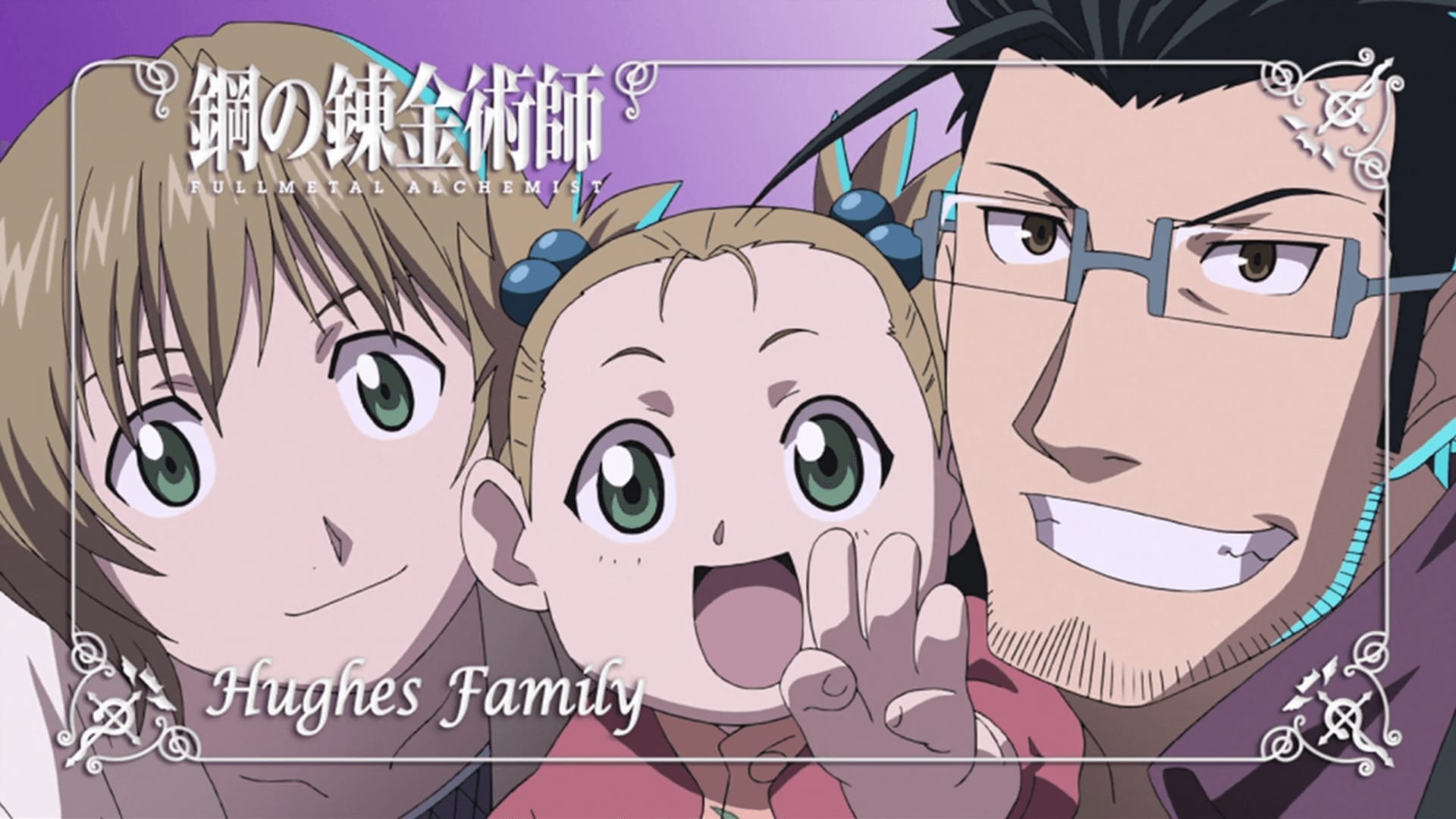
2. Fullmetal Alchemist: Brotherhood — Vic Mignogna Owns This Role
Some dubs are good. Some dubs are indistinguishable from the original in terms of quality. Brotherhood’s English dub, produced by Funimation, falls into a rare third category: the dub that actually makes the emotional punches land harder.
Vic Mignogna’s Edward Elric walks a razor’s edge between teenage arrogance and genuine vulnerability. In a show that’s asking you to cry roughly every four episodes, having a lead performance that earns those tears matters enormously. Mignogna makes Ed’s rage feel real and his grief feel earned in a way that translates even better in English.
Travis Willingham as Roy Mustang adds another layer — his version of the Flame Alchemist has the precise mix of smugness and buried anguish that makes Mustang one of anime’s best supporting characters. Funimation’s production team, led by director Mike McFarland, deserves enormous credit for keeping quality consistent across 64 episodes. This is the benchmark for long-form dub work.
Standout performance: Vic Mignogna (Edward Elric), Travis Willingham (Roy Mustang)
Credit: ADR Director Mike McFarland, Funimation
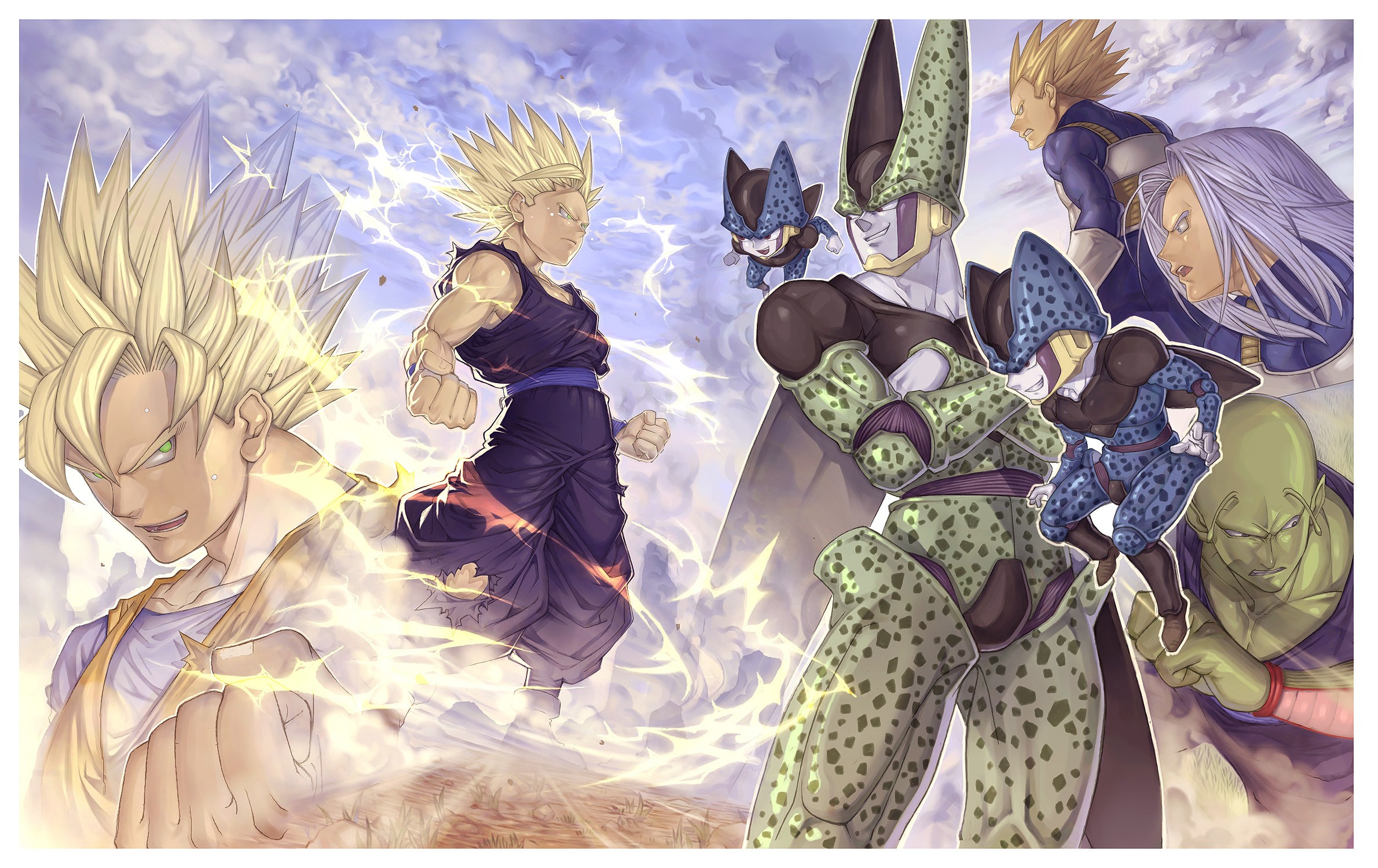
3. Dragon Ball Z — Because That’s Just How You Heard It First
Look, subjectivity plays a huge role in which dubs feel “right,” and Dragon Ball Z proves that point completely. For an entire generation of Western fans, Dragon Ball Z simply sounds like Funimation’s English cast. Any other version feels like a cover band playing the original songs.
Sean Schemmel’s Goku is a cultural icon at this point. The man’s iconic screams during Super Saiyan transformations have been memed, referenced, and remixed so many times that they’ve become embedded in pop culture DNA. Christopher Sabat pulling double duty as Vegeta and Piccolo is quietly one of the most impressive feats in dubbing history — two completely distinct performances from one voice.
Yes, the original Ocean Group dub has its devotees, and yes, the Funimation scripts took liberties that modern fans sometimes side-eye. But if you grew up watching Toonami on Saturday mornings, this dub isn’t just acceptable — it’s the definitive version. The energy, the intensity, the bombast. Dragon Ball Z in Japanese is a great show. In English, it’s a childhood religion.
Standout performance: Sean Schemmel (Goku), Christopher Sabat (Vegeta/Piccolo)
Credit: ADR Director Christopher Sabat, Funimation
4. Black Lagoon — Gritty, Sharp, and Perfectly Cast
Black Lagoon is an anime about criminals, pirates, and mercenaries doing horrible things in a lawless port city in Southeast Asia. It’s loud, violent, and completely committed to its pulpy genre roots. The English dub, produced by Geneon, leans into all of that with zero hesitation.
Maryke Hendrikse as Revy is the beating heart of what makes this dub exceptional. Revy is a character who could easily come across as one-note — all aggression and no depth. Hendrikse finds the fractured humanity underneath the rage, making Revy genuinely compelling rather than just a cool girl who shoots people. Her line deliveries have a raw quality that fits the show’s aesthetic perfectly.
Brad Swaile as Rock grounds the series as the audience surrogate thrown into this world, and his measured, slightly stunned performance creates the perfect contrast to everyone around him. If you watch Black Lagoon subbed, you get a great show. If you watch it dubbed, you get that plus a cast that sounds like they actually live in Roanapur.
Standout performance: Maryke Hendrikse (Revy)
Credit: Geneon Entertainment USA
5. Trigun — Johnny Yong Bosch Before He Was Everywhere
Trigun’s English dub from Geneon caught Johnny Yong Bosch at a pivotal moment in his career — right when he was developing the range that would eventually make him one of the most recognizable voices in the industry. His Vash the Stampede navigates the character’s wild tonal swings with real skill.
Vash is a trick character. On the surface, he’s a comedic goofball who trips over his own cape. Underneath that, he’s a deeply traumatized immortal carrying centuries of guilt. Nailing both modes in the same performance is hard. Bosch pulls it off. The moments when Vash’s mask slips and the genuine anguish underneath shows through hit harder in English than in the Japanese version, where the shifts can feel slightly abrupt.
Jeff Nimoy’s direction keeps the English version honest to the show’s themes without losing the humor that makes Trigun watchable in its slower episodes. This is a dub that respects the source material while also understanding what English-speaking audiences need from it.
Standout performance: Johnny Yong Bosch (Vash the Stampede)
Credit: ADR Director Jeff Nimoy, Geneon Entertainment
6. Ghost Stories — The Legendary Gag Dub
Ghost Stories is a special case. The original Japanese anime is a perfectly acceptable, largely forgettable children’s horror series from 2000. The English dub, produced by ADV Films, is one of the funniest things ever committed to animation. It’s not the same show. It’s barely the same concept. It’s genuinely better.
ADV received the licensing rights with one condition: keep the core plot points. Everything else was apparently fair game. The result is an improv comedy where the voice cast, led by ADR writers Steven Foster and Leraldo Anzaldua, turned a mediocre kids’ show into a sharp, absurdist, deeply irreverent comedy that still holds up. Ghost Stories’ English dub is the most creative act of adaptation in anime history.
Monica Rial, Chris Patton, and Greg Ayres bring a chaotic energy to their performances that makes every episode unpredictable. There’s no other dub quite like it. If you’ve only watched Ghost Stories subbed, you’ve seen a completely different — and considerably worse — show.
Standout performance: The entire ensemble cast
Credit: ADR Writers Steven Foster & Leraldo Anzaldua, ADV Films
7. Soul Eater — Laura Bailey Doing What Laura Bailey Does
Soul Eater’s English dub from Funimation is the kind of production that reminds you how much a great cast elevates a good show. The series has an eccentric, stylized energy — death gods and weapon-humans and a school on top of a skull — and the English cast commits to the weirdness completely.
Laura Bailey as Maka Albarn brings a focused intensity that grounds the show when it threatens to fly apart into pure chaos. Micah Solusod as Soul Eater Evans captures the character’s cool-guy facade and the genuine warmth underneath it. And Maxey Whitehead as Crona — a character defined by anxiety, isolation, and an inability to handle the world — gives one of the most quietly affecting performances in Funimation’s catalog.
The show’s villain work also stands out. John Swasey as Lord Death somehow makes a comedy character feel genuinely imposing, and when the show asks him to shift into something darker later in the run, he delivers. Solid top-to-bottom production that makes Soul Eater’s English version a real upgrade over reading the subtitles.
Standout performance: Laura Bailey (Maka), Maxey Whitehead (Crona)
Credit: ADR Director Caitlin Glass, Funimation
8. Baccano! — The One Where the Dub Actually Makes the Structure Work
Baccano! is a deliberately complex show. It jumps between multiple timelines, multiple protagonists, and multiple interlocking storylines set on a cursed train in the 1930s. Following it requires focus. The English dub, also from Funimation, does something clever: the American period setting means English voices feel completely organic in a way that Japanese dialogue simply doesn’t.
When characters speak with Chicago accents and New York street slang in English, the 1930s gangster setting clicks into place. The subbed version, no matter how good the performances are, creates a small cognitive gap — you’re reading American period dialogue while hearing Japanese. The dub closes that gap entirely.
Bryan Massey as Isaac and Caitlin Glass as Miria are a comedic double act that propels the show through its denser passages. J. Michael Tatum as Ladd Russo finds genuine menace inside the character’s theatrical lunacy. Baccano! is one of the clearest cases in the anime better dubbed than subbed conversation precisely because the setting does so much work for the English production.
Standout performance: J. Michael Tatum (Ladd Russo), Bryan Massey (Isaac)
Credit: ADR Director Tyler Walker, Funimation
9. Hellsing Ultimate — Crispin Freeman Is Alucard, Full Stop
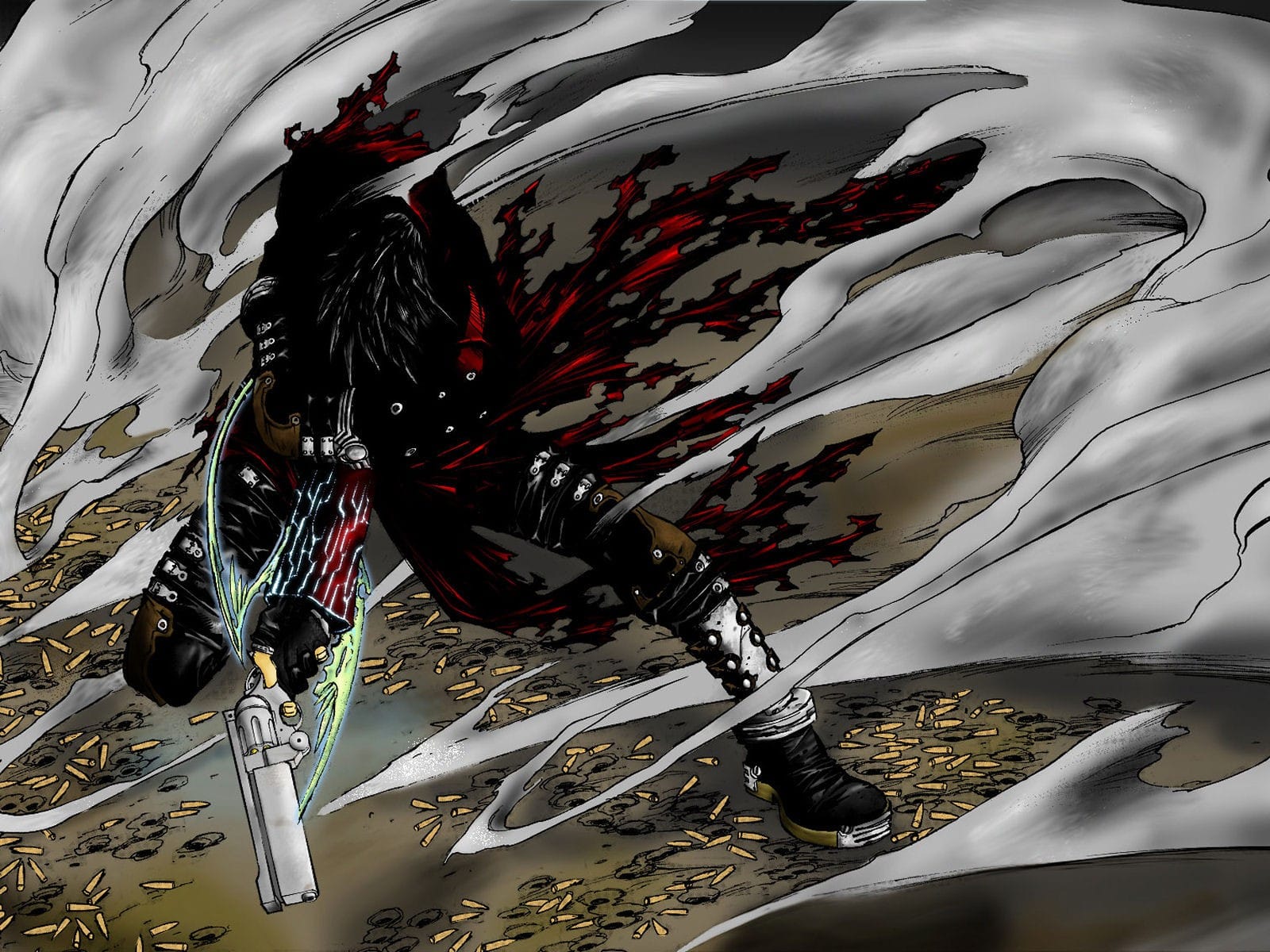
Crispin Freeman’s performance as Alucard in Hellsing Ultimate isn’t just good dubbing. It’s one of the great villain-protagonist performances in animation, period, medium irrelevant. Freeman makes Alucard genuinely frightening — an ancient monster wearing the thin costume of someone who works for humans — while also finding the character’s dark, bottomless amusement at everything around him.
The scenes where Alucard cuts loose are more terrifying in English. Freeman’s delivery during the Millennium confrontations has a controlled power that builds dread episode by episode. Victoria Harwood as Sir Integra Hellsing matches him scene for scene — her cold authority makes the dynamic between master and ancient servant feel real rather than convenient.
Hellsing Ultimate is a show about gothic horror and overwhelming violence. The English dub, produced through Funimation after the original Geneon release, leans into the theatrical operatic quality of the material. It sounds exactly like a pulp horror epic should. Watch it dubbed, at night, with the lights off.
Standout performance: Crispin Freeman (Alucard)
Credit: Taliesin Jaffe (original Geneon dub), Funimation (Ultimate OVA)
10. JoJo’s Bizarre Adventure — Warner Bros. Pulled It Off
JoJo’s Bizarre Adventure is an absurd show. It’s intentionally, gloriously absurd — muscled men screaming about honor, bizarre Stands with stranger names, and dramatic poses around every corner. The English dub, produced by Warner Bros. Animation, understood the assignment: play it completely straight, let the absurdity do its own work.
Matthew Mercer as Jotaro Kujo nailed it. Jotaro is a character of minimal words and maximum impact, and Mercer’s low-key intensity gives weight to every line. When Jotaro speaks, you listen. Richard Epcar’s Dio Brando is pure theatrical menace — campy in the best possible way, fully committed to the villain’s operatic self-regard.
The dub’s biggest strength is consistency across a cast of wildly different archetypes. Every Joestar feels distinct, every villain feels threatening, and the escalating strangeness of each arc never causes the performers to break. If you’ve been holding out on the JoJo dub because you started with subs, give it an honest shot. It holds up. For anyone ranking anime better dubbed than subbed, Part 3 onward is essential evidence.
Standout performance: Matthew Mercer (Jotaro), Richard Epcar (Dio)
Credit: Warner Bros. Animation dubbing team
The Verdict: Sub vs. Dub Is the Wrong War
The sub vs. dub debate has dragged on for decades, and it’s mostly a waste of energy. The real question is always: which version of this specific show is the better viewing experience? Sometimes that’s subs. Sometimes — as proven by every entry on this list — it’s the dub.
Great dubbing requires the same thing great acting always requires: casting that fits, direction that shapes performance, and a production that understands what the source material is actually about. When all three come together, you get Steve Blum’s Spike, Crispin Freeman’s Alucard, and Ghost Stories’ completely unhinged English script. You get anime that doesn’t just survive translation — it thrives in it.
Whether you’re a longtime fan who grew up on Toonami or someone exploring these shows for the first time, these are the anime better dubbed than subbed that belong on your watchlist. Start with Bebop. End with Ghost Stories. Try not to lose your mind somewhere in the middle.