A great villain makes or breaks an anime. While heroes give us someone to root for, it’s the best anime villains who create the tension, raise the stakes, and force our protagonists to grow beyond their limits.
After decades of watching anime, I’ve seen hundreds of antagonists. Most are forgettable. But a select few transcend the role of “bad guy” to become iconic characters in their own right—complex, terrifying, and sometimes even sympathetic.
Here are the ten greatest anime villains of all time, ranked by their impact, depth, and sheer menace. These are the antagonists who defined their series and left permanent marks on anime history.
What Makes a Great Anime Villain?
Before we dive into the list, let’s define what separates legendary villains from generic bad guys:
- Motivation – The best villains believe they’re right. Their goals make twisted sense from their perspective.
- Presence – When they appear on screen, everything changes. The music shifts. The heroes tense up. The audience leans forward.
- Challenge – They push the protagonist to their absolute limit, forcing growth and sacrifice.
- Memorability – Years later, you still remember their voice, their look, their signature moments.
- Complexity – The greatest villains aren’t pure evil—they have depth, backstory, and sometimes even sympathetic qualities.
Every villain on this list excels in all five areas. Let’s begin.
10 Greatest Anime Villains of All Time
1. Light Yagami (Death Note) – The Protagonist Villain
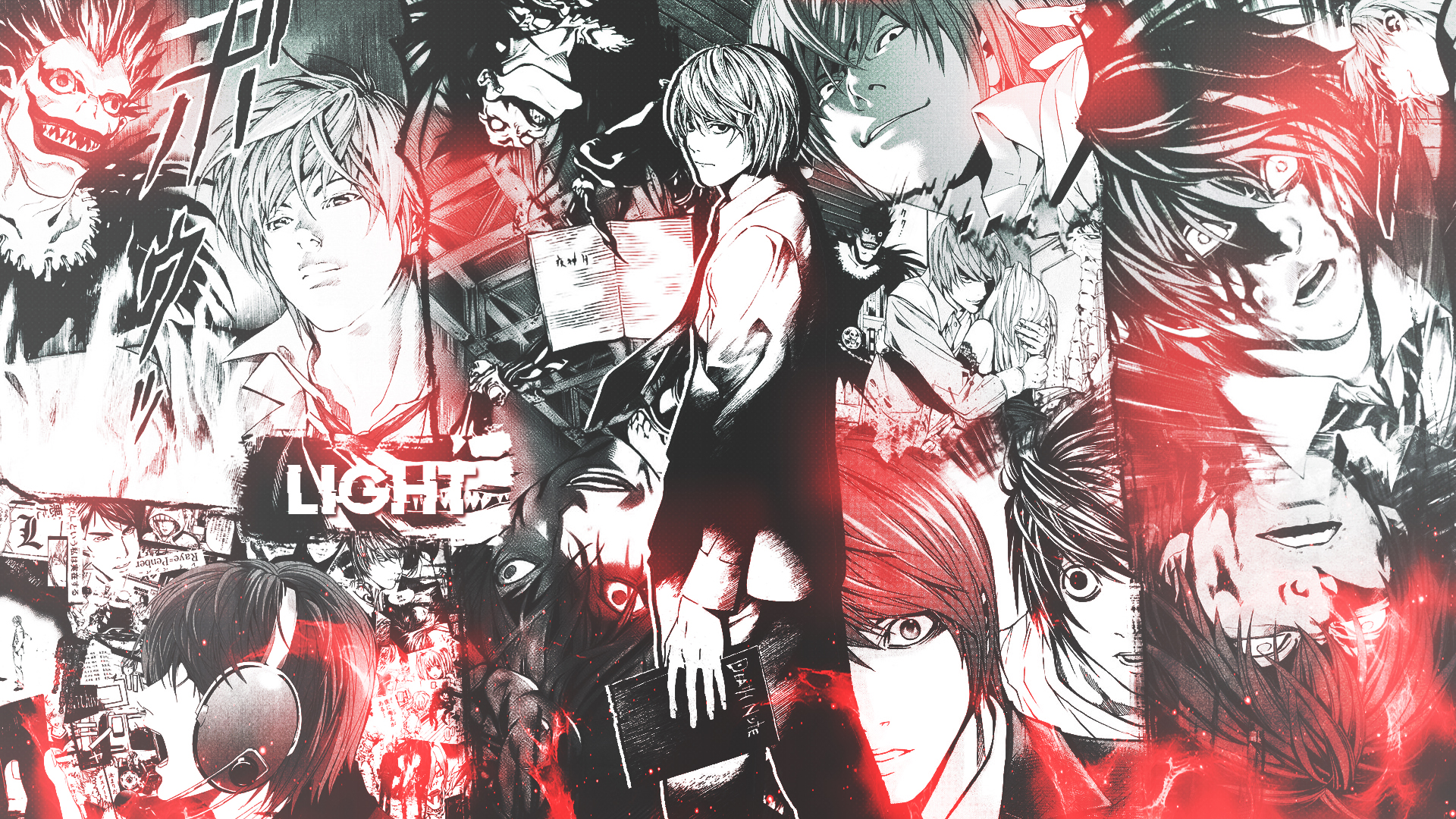
Light Yagami isn’t just a villain—he’s the main character. Death Note pulls off the rare feat of making us root for and against the same person simultaneously. We watch his entire journey from idealistic honor student to megalomaniacal god-complex, and somehow we’re invested every step of the way.
What starts as a seemingly noble goal—eliminating criminals to create a utopia—gradually corrupts into something far darker. Light doesn’t just want to punish the wicked; he wants to be worshipped for it. The moment he writes his first innocent victim’s name, he crosses a line he can never uncross. And he doesn’t even hesitate.
The cat-and-mouse game between Light and L remains one of anime’s greatest intellectual battles. Two geniuses, each trying to expose the other without revealing themselves. The tension is unbearable in the best way possible.
Most Chilling Moment: The potato chip scene. Light writes names in the Death Note while simultaneously eating chips to prove he’s just a normal student watching TV. The dramatic internal monologue, the classical music, the sheer audacity—it’s both ridiculous and genuinely unsettling.
Why He’s #1: Light proves that the scariest villains aren’t monsters—they’re humans who believe they’re saving the world. We’ve all thought “wouldn’t it be better if certain people just… weren’t around?” Light takes that thought to its logical, terrifying conclusion.
2. Johan Liebert (Monster) – The Perfect Psychopath
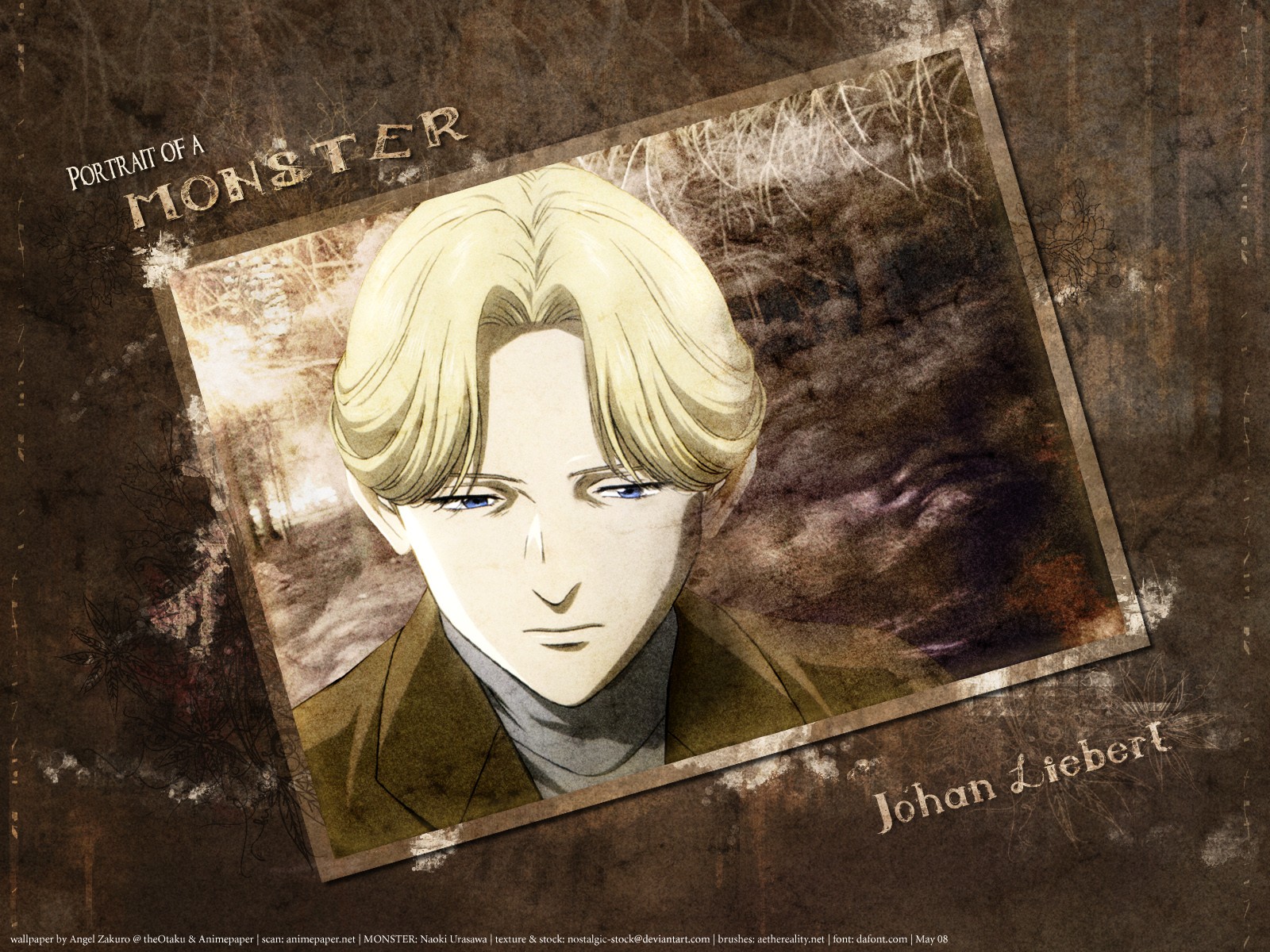
If Light Yagami is a villain you understand, Johan Liebert is a villain you can never fully comprehend. He doesn’t kill for power, wealth, or revenge. He kills because he can. Because it interests him. Because he wants to see what happens when you remove all the pieces from the board.
Monster is a psychological thriller that asks a terrifying question: what if evil were beautiful, charming, and impossible to catch? Johan is blonde, blue-eyed, soft-spoken, and universally beloved by everyone he meets. He’s the kind of person who makes you feel special just by paying attention to you. And then he destroys your life without a second thought.
What makes Johan truly horrifying is his philosophy. He doesn’t want to rule the world—he wants to be the last one standing when it ends. He manipulates people into suicide, turns children into killers, and orchestrates massacres from the shadows. All while smiling that gentle, empty smile.
Most Chilling Moment: The rooftop conversation where Johan casually describes his vision of “the scenery for a doomsday”—a world where only he remains, looking out at absolute nothingness.
Why He’s Legendary: Johan Liebert is anime’s most realistic portrayal of pure sociopathy. No supernatural powers. No world-conquering schemes. Just a human being who fundamentally doesn’t value human life—including his own.
3. Griffith (Berserk) – The Betrayer
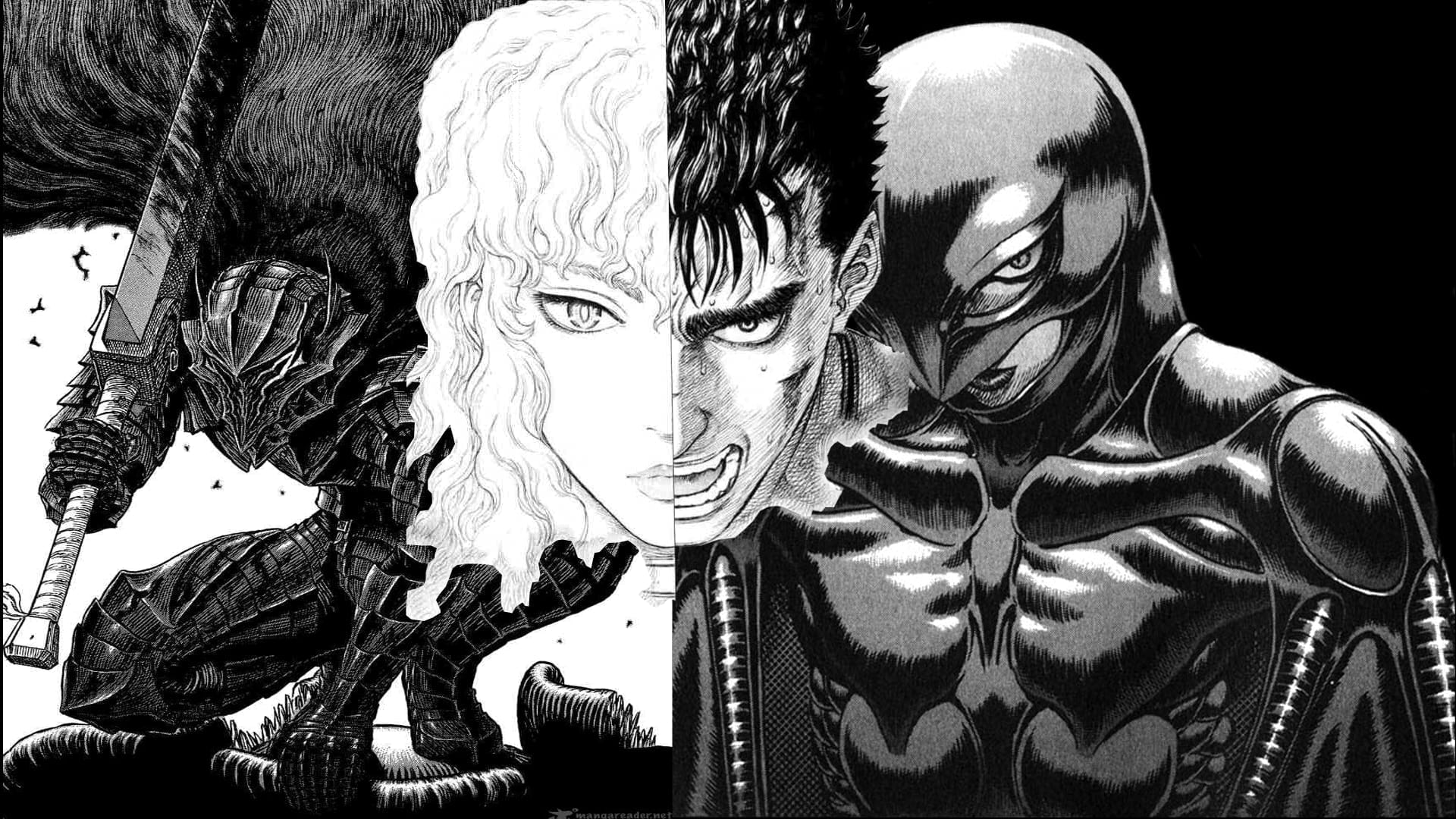
Griffith starts as someone you admire. He’s beautiful, brilliant, charismatic, and driven. He leads the Band of the Hawk with absolute confidence, inspiring fierce loyalty from his followers. Guts, the protagonist, considers him his only true friend.
And then the Eclipse happens.
No anime betrayal comes close to what Griffith does. Faced with the ruins of his dream, he makes a choice that damns everyone who ever believed in him. He sacrifices his entire army—every man and woman who would have died for him—to demons, all to become a god. And he does it with full awareness of what he’s giving up.
What elevates Griffith beyond simple villainy is that you understand why he does it. His dream was his entire identity. Without it, he’s nothing. The tragedy is that his ambition, which once inspired an army, becomes the very thing that destroys them.
Most Chilling Moment: The Eclipse. The entire sequence. If you know, you know. If you don’t, nothing I say can prepare you.
Why He’s Unforgettable: Griffith represents the dark side of ambition—the willingness to sacrifice everything and everyone for a dream. He’s not evil because he’s cruel; he’s evil because he genuinely believes his dream is worth any price.
4. Frieza (Dragon Ball Z) – Pure Evil Perfected
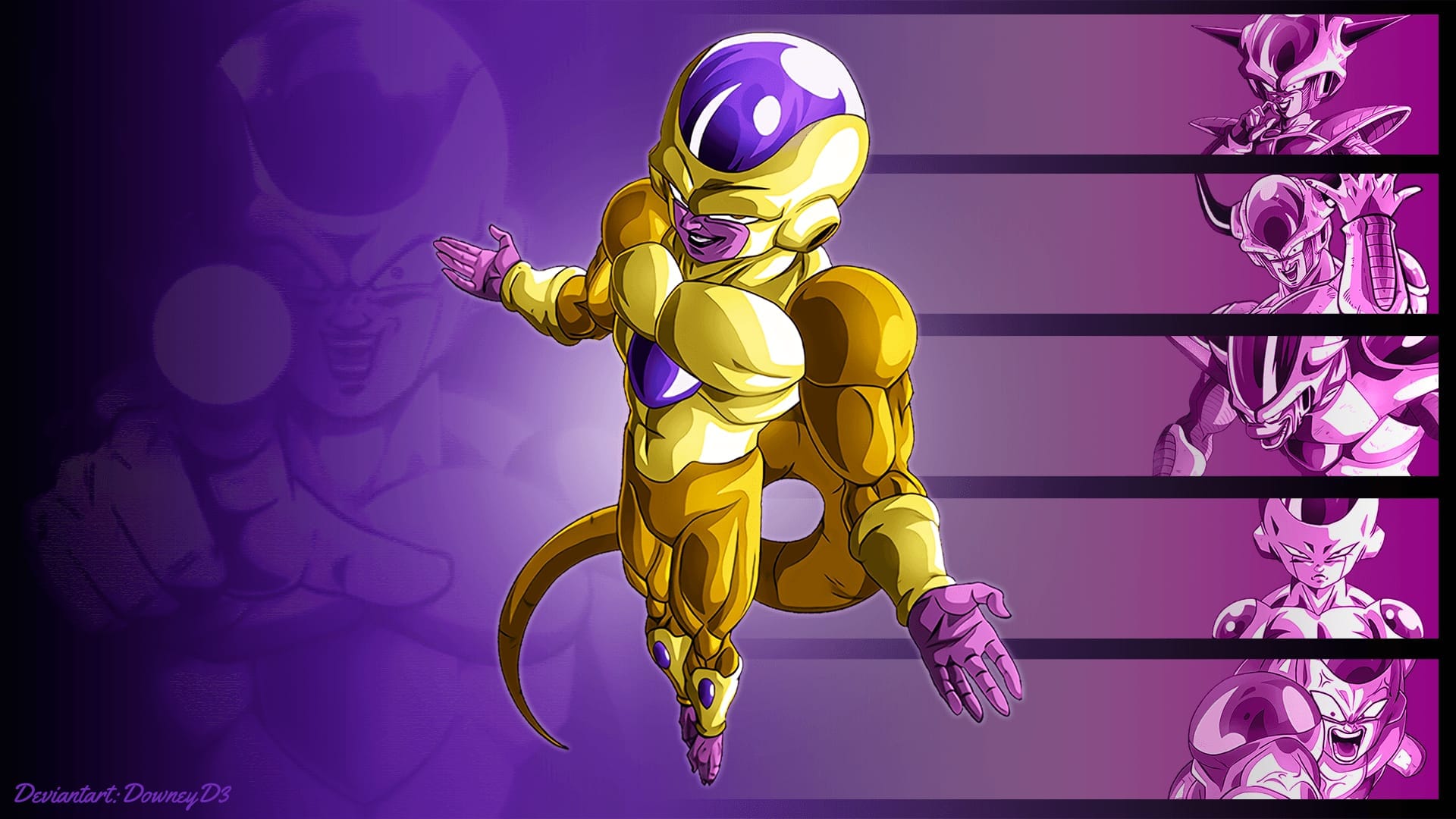
Frieza set the template for anime villains. Before him, most antagonists were powerful but one-dimensional. Frieza brought sophistication to sadism—polite speech, refined manners, and absolutely zero mercy. He speaks to his victims like a disappointed aristocrat addressing servants who have failed him.
He destroyed Planet Vegeta and the entire Saiyan race for fun—and also because he was slightly worried they might one day challenge him. He killed Krillin slowly, deliberately, just to make Goku angry enough to be interesting. He has five transformation forms because one isn’t terrifying enough.
What makes Frieza work is his theatrical cruelty. He doesn’t just defeat his enemies; he humiliates them first. He compliments their efforts before crushing them. He genuinely seems to enjoy giving hope before snatching it away.
Most Chilling Moment: Casually destroying Planet Vegeta from his hover chair while sipping wine. The death of billions treated as a minor administrative task.
Why He’s Iconic: Frieza is proof that sometimes, pure evil is more compelling than complex motivation. He’s not tragic. He’s not misunderstood. He’s just genuinely, delightfully terrible—and we can’t look away.
5. Madara Uchiha (Naruto Shippuden) – The Ultimate Final Boss
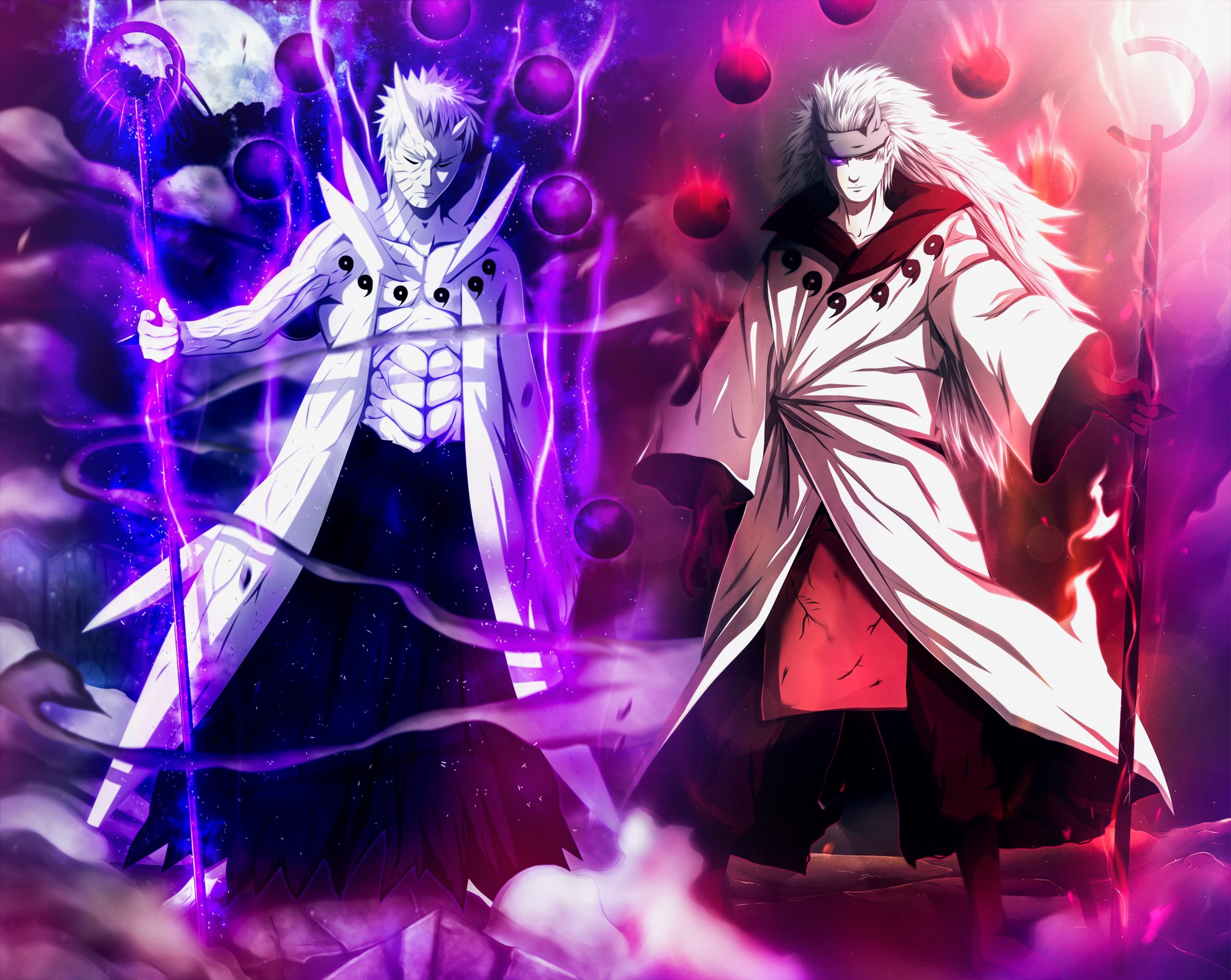
The entire Naruto series built toward one man: Madara Uchiha. Hyped for literally hundreds of episodes, referenced in hushed tones, treated as a legend even among legends. When villains are scared of someone, you know they’re serious.
And when Madara finally entered the Fourth Great Ninja War, he actually exceeded expectations. He solo’d the entire shinobi alliance like it was a warm-up exercise. Thousands of elite ninja, the five Kage, reanimated legends—none of them could touch him. He was so overpowered that the only dramatic tension was watching HOW he would win.
His philosophy adds depth to the power. Madara doesn’t want destruction for its own sake—he wants peace. His method is the Infinite Tsukuyomi, a genjutsu that traps everyone in a dream world where they get everything they want. No more war. No more suffering. Just eternal, false happiness.
Most Chilling Moment: “Would you like these clones to use Susanoo or not?” Madara casually asking his enemies how badly they want to lose.
Why He’s Legendary: Madara is what happens when the hype is real. Every power-up felt earned, every victory felt inevitable. He made an entire war feel like a single boss fight.
6. Sōsuke Aizen (Bleach) – The Puppetmaster
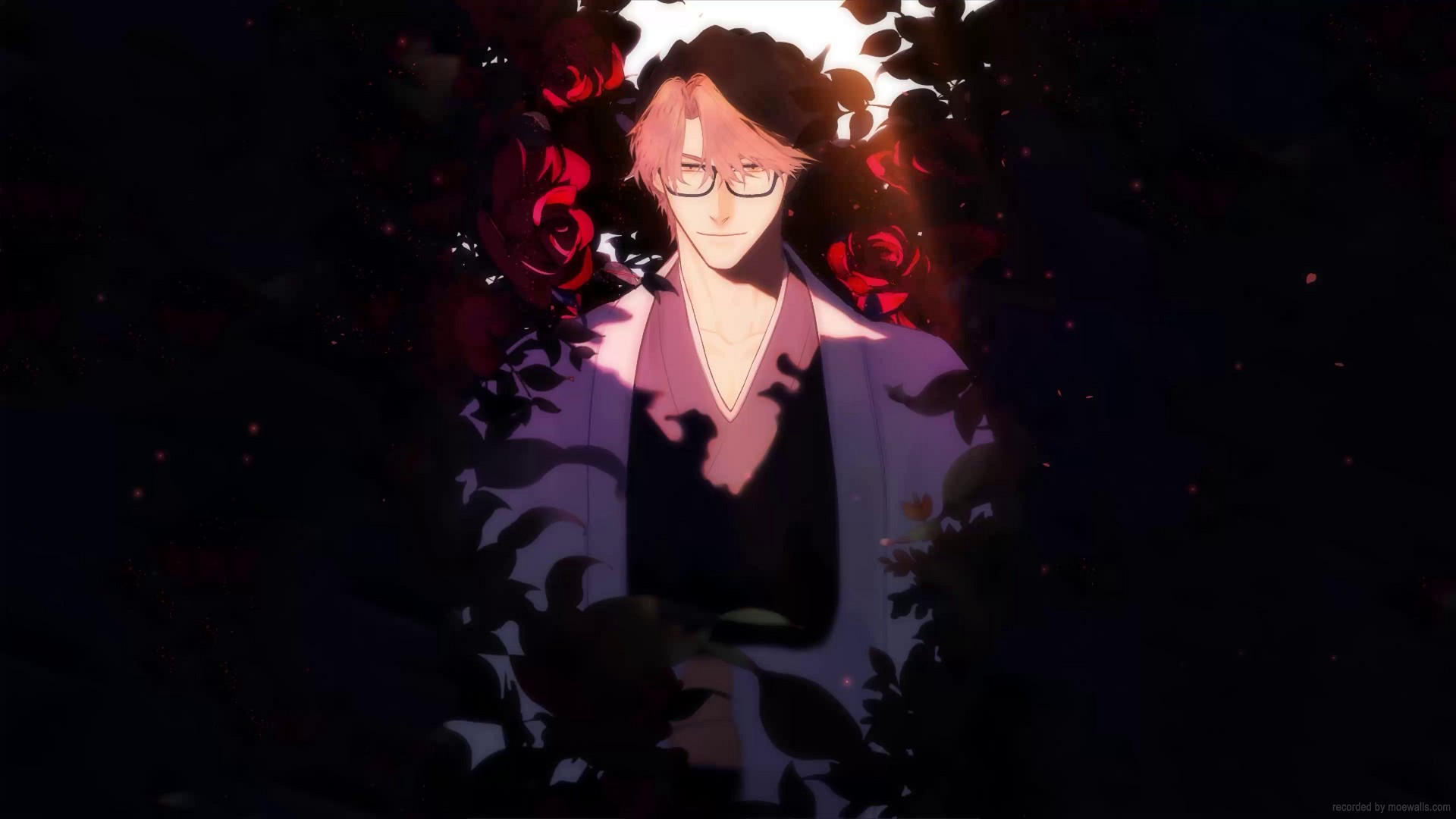
“Since when were you under the impression that you weren’t under my hypnosis?”
That single line encapsulates everything about Aizen. He spent decades pretending to be a mild-mannered captain—kind, scholarly, beloved by his subordinates. Then he revealed himself as the mastermind behind virtually every tragedy in Bleach’s history. And he did it with the most satisfying villain transformation in anime: glasses off, hair slicked back, gentle smile turned predatory.
Aizen’s Zanpakuto, Kyoka Suigetsu, creates perfect illusions. Once you’ve seen its release, you can never trust your senses again. Everything you see, hear, or feel could be fake. Fighting Aizen isn’t just dangerous—it’s philosophically terrifying. How do you beat someone who controls your reality?
What makes Aizen particularly compelling is his absolute confidence. He’s not arrogant in a fragile way; he genuinely has calculated every possibility and found himself superior in all of them. When he tells you that you’re part of his plan, he’s not boasting—he’s stating fact.
Most Chilling Moment: The reveal that he’d orchestrated events from before the series even began, including Ichigo’s entire existence.
Why He’s Terrifying: You can’t trust anything when fighting Aizen. Reality itself becomes unreliable. And he’s been planning this longer than you’ve been alive.
7. Meruem (Hunter x Hunter) – The Villain Who Found Humanity
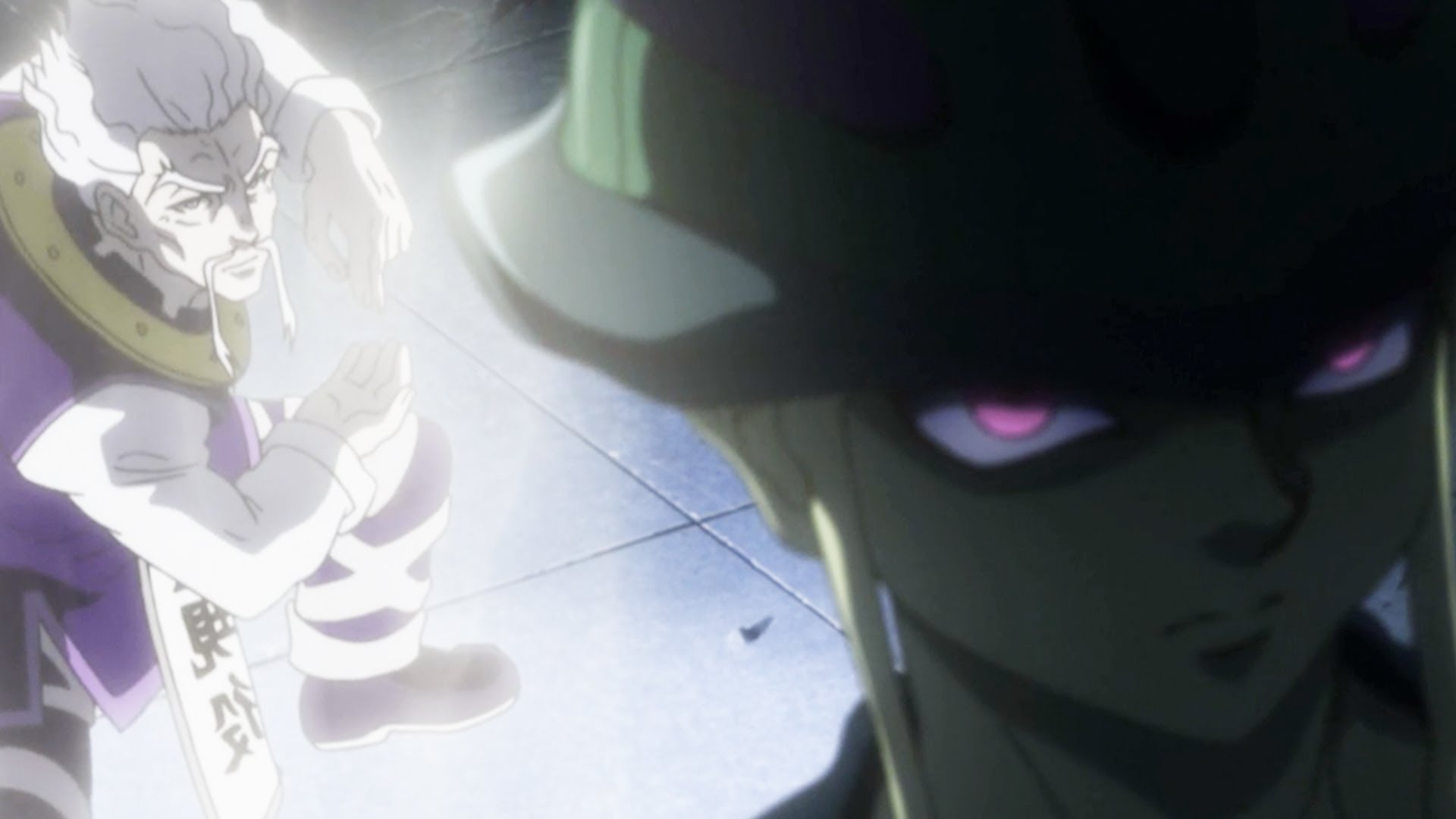
Meruem starts as the ultimate monster—a Chimera Ant King born to view humans as nothing more than food. He kills his own subordinates for minor annoyances. He speaks of humanity with the casual disdain we might reserve for insects. He is, by design, the apex predator.
And then he plays Gungi with a blind girl named Komugi.
The Chimera Ant arc is a masterpiece because Meruem’s character development inverts every expectation. Through endless games with Komugi—a human he could kill with a thought—he discovers something his biology never accounted for: genuine connection. He can’t beat her at Gungi. He can’t understand why she matters to him. He can’t stop himself from caring.
By the end, the “monster” displays more humanity than many humans in the series. His final moments with Komugi are genuinely heartbreaking—two beings who found each other against all odds, spending their last hours doing the only thing that ever mattered: playing one more game.
Most Chilling Moment: Casually tearing off his own arm to punish himself for allowing Komugi to be injured.
Why He’s Special: Meruem proves that the best villains aren’t static—they can grow, change, and make us cry. He started as a monster and died as something tragically beautiful.
8. Dio Brando (JoJo’s Bizarre Adventure) – The Immortal Menace
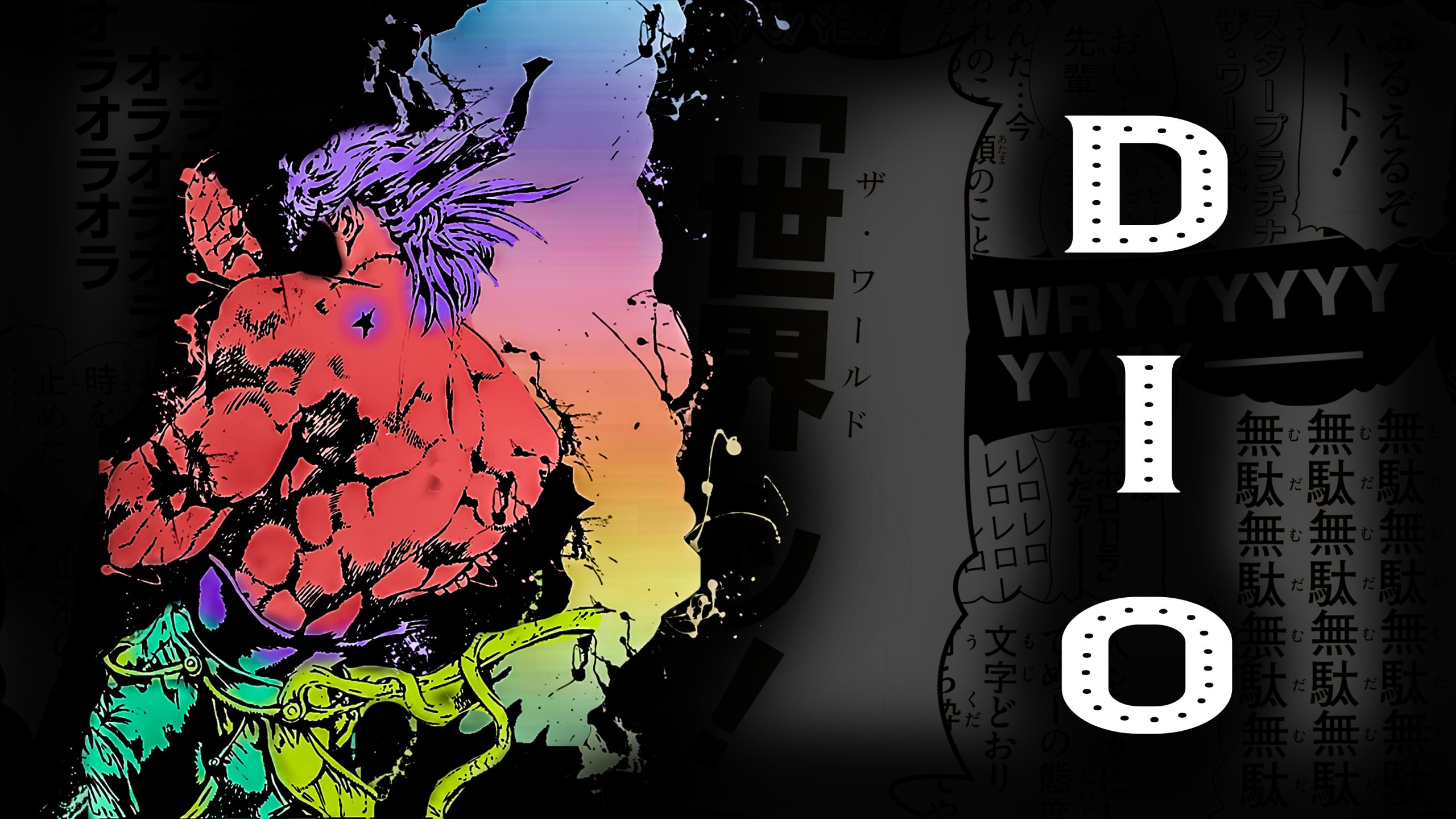
“You thought your first kiss would be JoJo, but it was me, DIO!”
Dio Brando transcends the concept of anime villain to become a cultural phenomenon. He’s been memed into immortality, quoted endlessly, and remains relevant decades after his introduction. But beneath the memes is a genuinely menacing character who terrorized the Joestar family across generations.
What makes Dio work is his absolute commitment to being evil. He’s not conflicted. He’s not tragic. He saw humanity’s potential for greatness and decided he wanted it all for himself. From poisoning his adoptive father to stealing Jonathan’s body to stopping time itself, Dio’s ambition has no ceiling.
His theatrical nature makes every appearance memorable. The “WRYYY!” battle cry. The casual “MUDA MUDA MUDA” while pummeling opponents. The way he treats time-stop like a magic trick he’s showing off. Dio isn’t just fighting—he’s performing.
Most Chilling Moment: “ZA WARUDO!” The first time Dio stops time, completely inverting the power dynamic in an instant.
Why He Endures: Dio is pure charisma weaponized. He’s so extra, so over-the-top, so committed to his villainy that you can’t help but be entertained. He’s the villain who knows he’s the villain and is having the time of his (eternal) life.
9. Pain/Nagato (Naruto Shippuden) – The Cycle of Hatred
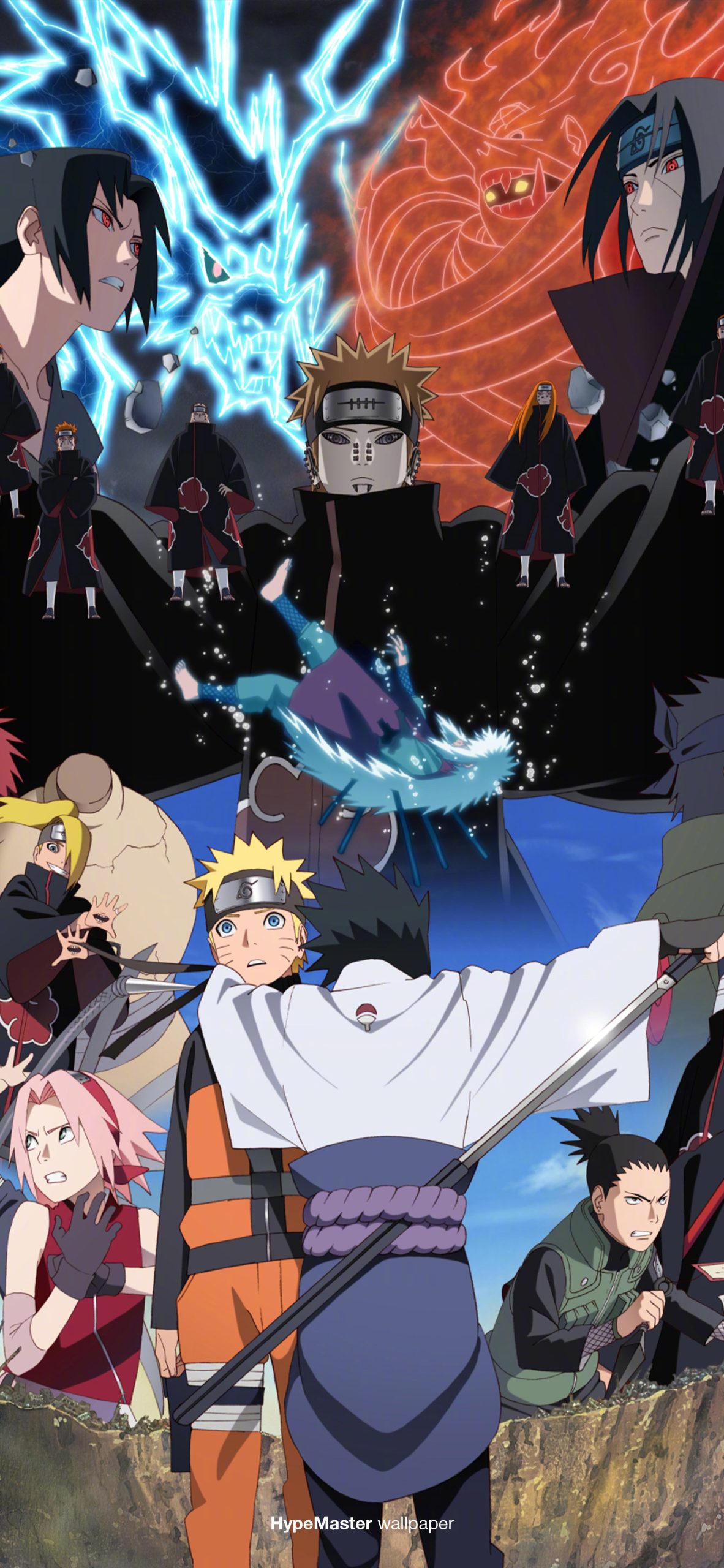
“Do you understand pain now?”
Pain represents something rare in shonen anime: a villain with a coherent political philosophy. Born in a small nation caught between warring superpowers, Nagato watched his parents die, his best friend sacrifice himself, and his country used as a battlefield for others’ conflicts. His conclusion? The only way to end war is to make everyone understand suffering equally.
The Assault on Konoha arc showcases Pain at his most terrifying. A single ninja reducing the most powerful hidden village to rubble. The Six Paths of Pain moving in perfect coordination, each with devastating abilities. The moment he flattens Konoha with a single Shinra Tensei remains one of the most shocking displays of power in the series.
But it’s his ideology that elevates Pain above typical villains. His “cycle of hatred” speech resonates because it’s uncomfortably true. Violence begets violence. Revenge creates more victims who want revenge. He’s not wrong—he’s just taken a correct observation to a monstrous conclusion.
Most Chilling Moment: “My pain is greater than yours.” Nagato’s response to Naruto’s suffering, delivered with absolute certainty.
Why He Resonates: Pain is the villain who makes you argue with yourself. You disagree with his methods, but you can’t entirely dismiss his reasoning. That moral ambiguity is rare and valuable.
10. Shigaraki Tomura (My Hero Academia) – The Inheritor of Evil
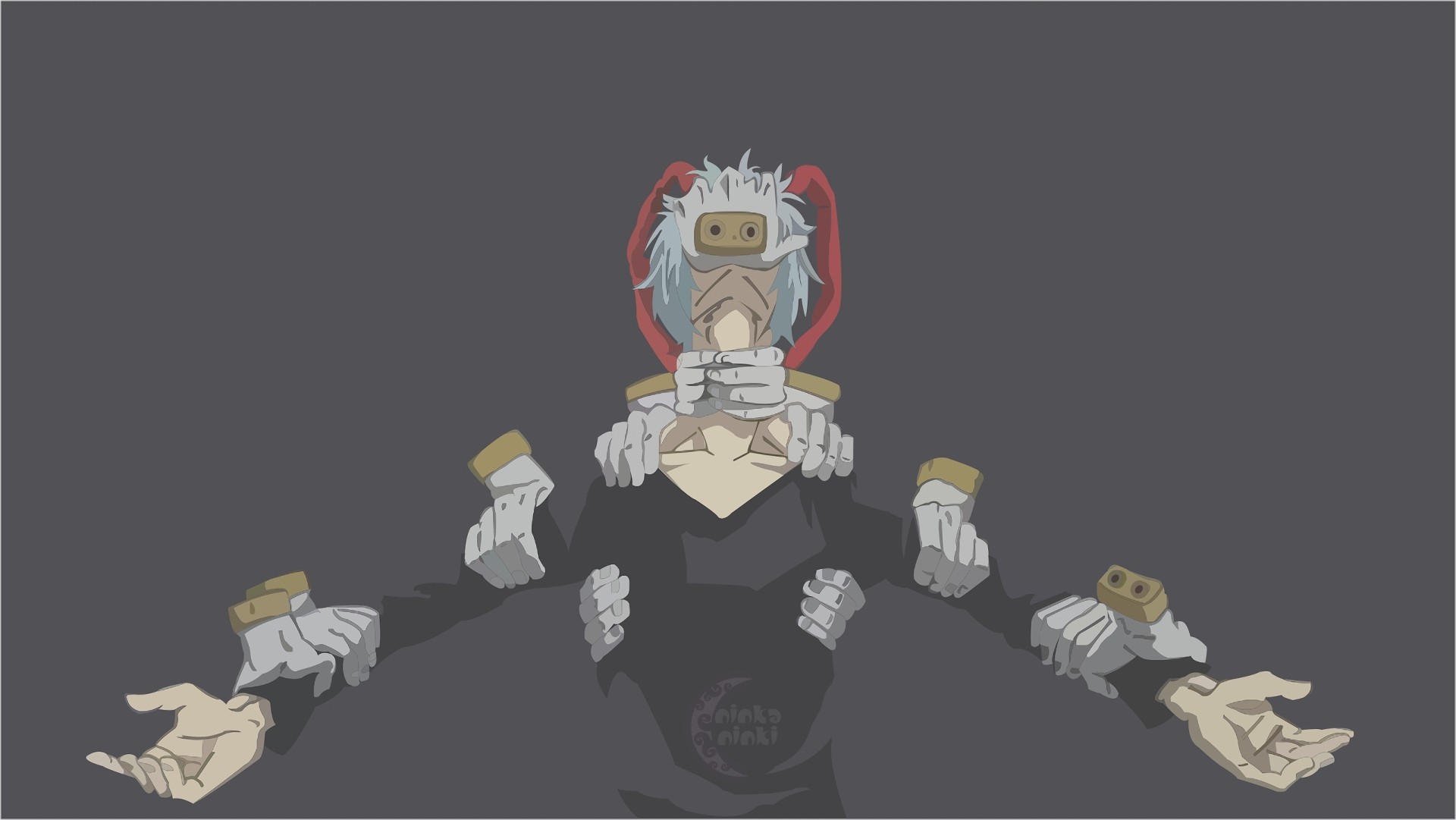
Shigaraki Tomura begins as almost pathetic—a manchild scratching his neck, throwing tantrums, playing at villainy without truly understanding it. He’s deliberately underwhelming compared to the polished, powerful All Might. That’s the point.
My Hero Academia is the story of two successors: Deku inheriting One For All and the legacy of heroism, Shigaraki inheriting All For One and the legacy of destruction. Watching Shigaraki grow from tantrum-throwing amateur to genuine apocalyptic threat mirrors Deku’s journey in the darkest possible way.
His backstory—a child whose quirk awakened by destroying his entire family, then groomed by the ultimate evil—generates genuine sympathy. Society failed Tenko Shimura long before he became Shigaraki Tomura. That failure doesn’t excuse his atrocities, but it contextualizes them in ways that make him more than a simple monster.
Most Chilling Moment: The full awakening of his Decay quirk, reducing everything in a massive radius to dust with a single touch.
Why He Matters: Shigaraki represents what happens when heroic society’s cracks swallow someone whole. He’s a dark mirror to Deku—proof that circumstances, not just character, can determine whether someone becomes a hero or a monster.
What These Villains Teach Us
Looking at this list, patterns emerge. The greatest anime villains share common traits that transcend their individual series:
They believe they’re the hero. Light thinks he’s saving the world. Madara wants eternal peace. Meruem believes in natural selection. Pain wants to end all war. Even Frieza sees himself as maintaining galactic order. Villains who know they’re evil are boring. Villains who think they’re right are terrifying.
They have presence. When Aizen removes his glasses, when Madara enters the battlefield, when Frieza transforms, when Dio stops time—these moments become cultural touchstones. Great villains command every scene they’re in.
They force growth. Goku achieved Super Saiyan because of Frieza. Naruto mastered new techniques because of Pain. Ichigo unlocked his potential because of Aizen. The hero’s journey requires a worthy adversary.
They represent something larger. Johan represents the void of meaning. Griffith represents corrupted ambition. Shigaraki represents society’s failures. The best villains aren’t just threats—they’re themes made flesh.
The Takeaway
Anime has given us some of fiction’s greatest villains. From Light’s intellectual chess games to Frieza’s theatrical cruelty, from Aizen’s mind games to Meruem’s unexpected humanity, from Johan’s empty horror to Griffith’s devastating betrayal—these antagonists elevate their respective series from good to legendary.
The best part? This list could easily be twice as long. Anime continues to produce compelling villains who challenge our heroes and our expectations. Each new generation brings fresh takes on what it means to be the bad guy.
Who’s your favorite anime villain? Did your pick make the list? Let us know—the debate over anime’s greatest antagonists is one that will never truly end.
Now if you’ll excuse me, I need to rewatch that Death Note potato chip scene for the hundredth time. It never gets old.