
Modern anime animation has reached heights previous generations couldn’t have imagined. Demon Slayer’s Hinokami Kagura sequence, JJK’s domain expansions, Attack on Titan’s ODM gear choreography—weekly television anime now delivers moments that would have been feature-film quality a decade ago. But why has anime gotten so visually impressive? The answer involves technology, talent, economics, and industry evolution working together.

The Digital Revolution Transformed Production
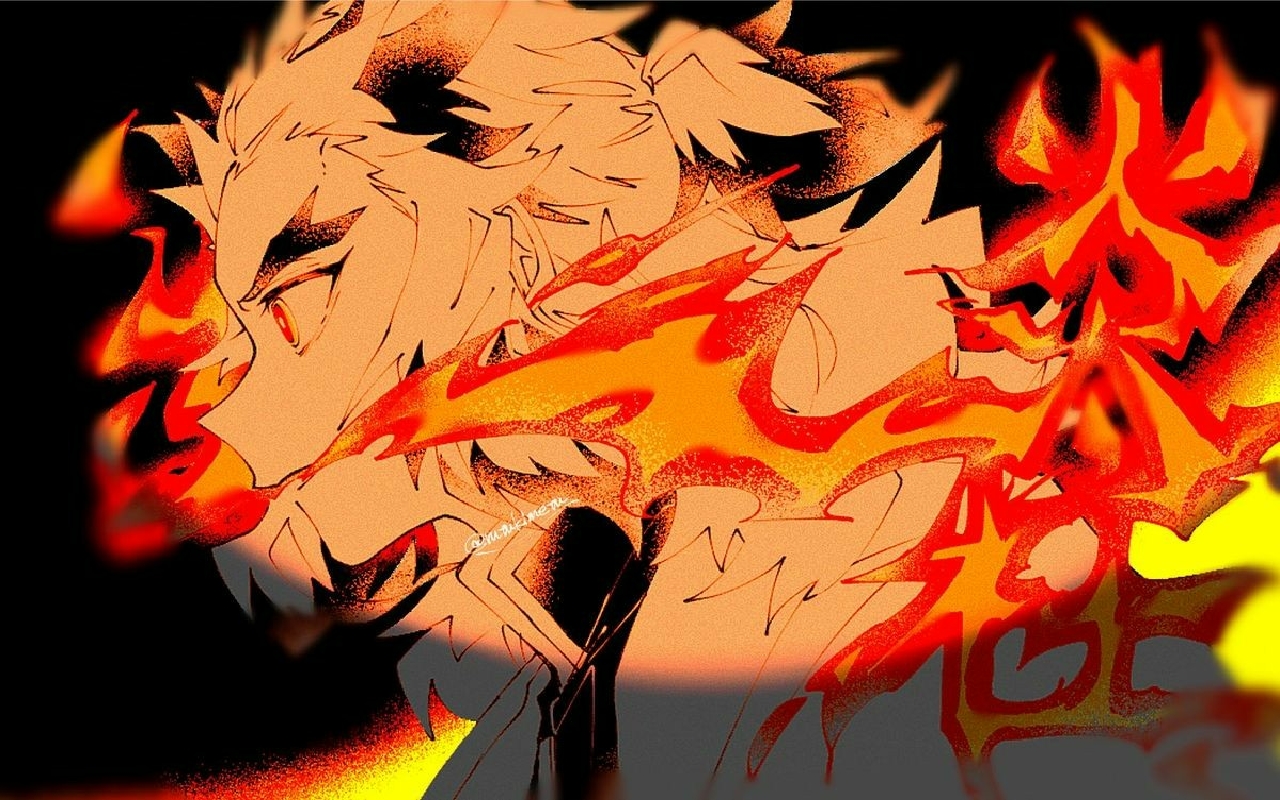
From Cel to Digital
Traditional anime required painting every frame on transparent celluloid sheets. This was labor-intensive, expensive, and limited color options. The transition to digital production, completed roughly by the mid-2000s, eliminated these constraints.
Digital coloring offers unlimited palette options without additional cost. Compositing layers became trivially easy compared to physical cel stacking. Error correction that once required repainting now takes minutes. The basic production workflow became faster, cheaper, and more flexible.
Software Capabilities
Software tools enable effects that were prohibitively difficult in traditional animation. Digital effects like glow, blur, particle systems, and complex lighting can be applied across entire sequences without frame-by-frame painting. The “Ufotable look”—heavy effects work that defines Demon Slayer’s style—would be impossible without digital post-processing.
Animation software also enables non-destructive editing. Animators can experiment, revise, and iterate in ways that would have been impractical with physical materials. This creative freedom often translates to more ambitious visual choices.
Digital Distribution of Workload
Modern production distributes work globally. Key animation might happen in Tokyo while in-between work goes to studios in Korea or Vietnam. Digital file transfer makes this seamless. Studios can scale up production quickly by adding freelancers who work remotely.
The Rise of Elite Studios

Ufotable’s Vertical Integration
Ufotable achieves consistent quality through an unusual model: they handle most production in-house. Unlike studios that outsource heavily, Ufotable controls animation, digital effects, and compositing under one roof. This integration creates their distinctive style and maintains quality across episodes.
Their investment in digital photography (compositing and effects) sets industry standards. When other studios try to match Demon Slayer’s visuals, they’re chasing Ufotable’s established pipeline.
MAPPA’s Ambitious Scaling
MAPPA has become synonymous with high-profile adaptations: Attack on Titan’s final seasons, Jujutsu Kaisen, Chainsaw Man, Vinland Saga. They attract talented animators to challenging projects and maintain quality across multiple simultaneous productions.
Their model involves taking on ambitious projects that animators want to work on, then delivering through sheer talent density and managed crunch. Whether this is sustainable remains debated, but the visual results are undeniable.
Kyoto Animation’s Consistency
Before the tragic 2019 arson attack, KyoAni set standards for character animation quality. Their in-house training, employee (not freelancer) model, and emphasis on animation fundamentals produced distinctively smooth, emotionally expressive work. Their influence persists across the industry.
Sakuga Culture and Specialized Talent
The Sakuga Community
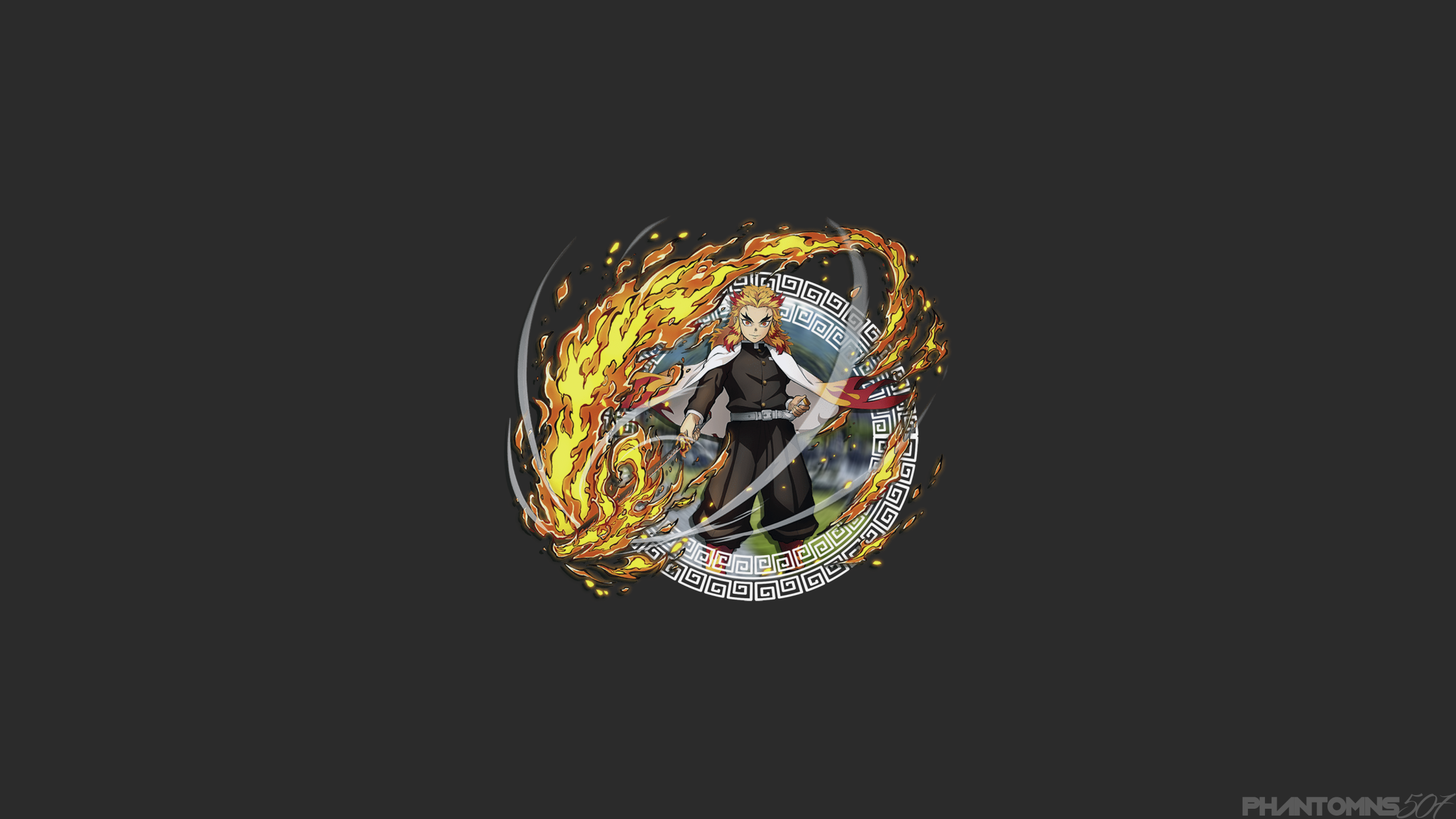
“Sakuga”—exceptional animation—has become a focus of dedicated online communities. Sites like Sakugabooru document impressive animation cuts and identify the animators responsible. This attention elevates the profile of individual animators and creates incentives for standout work.
Key animators now have fan followings. When Yutaka Nakamura (legendary action animator) or Norio Matsumoto works on a sequence, fans notice. This recognition drives talented animators toward ambitious projects.
Freelance Flexibility
Top animators often work freelance, contributing to multiple studios. A single show might feature cuts from the best action animators in the industry. Episode directors recruit talent for specific sequences, creating all-star episodes that showcase the medium’s best capabilities.
Economic Drivers

Global Market Demand
International streaming has transformed anime economics. When Demon Slayer succeeds globally, it justifies higher production budgets for similar projects. The potential audience for premium anime is now billions, not millions. This expanded market supports more expensive productions.
Production Committee Competition
Production committees (the financing coalitions behind anime) compete for popular manga and light novel adaptations. Winning a property like Jujutsu Kaisen or Spy x Family means promising high production quality. This competition drives investment in better animation.
Merchandise Revenue
Anime isn’t just entertainment—it’s merchandise engine. Better animation creates more passionate fans who buy more merchandise. The visual quality investment pays returns through figure sales, Blu-rays, and licensed products.
Hybrid Techniques

CG Integration
Modern anime seamlessly blends 2D and 3D elements. Background vehicles, environmental effects, and complex mechanical elements often use CG that viewers don’t notice. This hybrid approach maintains hand-drawn character aesthetics while enabling impossible camera movements and environmental complexity.
Rotoscope and Reference
Studios increasingly use real movement reference for complex choreography. Martial arts sequences might reference actual fighters. Dance scenes might trace motion-capture data. This foundation grounds animation in believable physics.
Caveats and Costs
Not Everything Looks Great
For every Demon Slayer, dozens of anime have modest budgets and look accordingly. The impressive productions that gain attention aren’t representative of industry-wide quality. Seasonal anime varies enormously in visual ambition.
Human Cost
Beautiful animation sometimes comes from overworked staff. The industry’s labor problems are well-documented. When celebrating visual achievements, acknowledging the workers who create them—often under difficult conditions—matters.
Sustainability Questions
Whether current production quality is sustainable remains unclear. Studios taking on multiple ambitious projects simultaneously risk burnout and quality collapse. The industry may need structural changes to maintain current standards long-term.
The Result: A Visual Golden Age
Modern anime’s visual quality reflects decades of accumulated expertise, digital tools that enable previously impossible effects, global economic incentives for premium production, and concentrated talent at elite studios.
Television anime now regularly achieves what required feature budgets before. Fans accustomed to current quality might not realize how exceptional it is historically. The medium’s visual capabilities have never been stronger.
Whether this represents sustainable progress or a peak before correction remains to be seen. For now, we’re living through a period where anime looks better than it ever has—and that’s worth appreciating.
You Might Also Like
- MAPPA vs Ufotable: Animation Studio Breakdown
- How MAPPA Changed Modern Anime
- Top 10 Female Characters in Modern Anime