Modern anime fans often start with current simulcasts and recent hits. But anime’s history stretches back decades, and some of the medium’s greatest achievements predate current trends. Getting into older anime can feel intimidating—where do you start? What holds up? Here’s your essential guide to exploring anime’s rich past.
Why Watch Older Anime
Understanding the Foundation
Modern anime references, subverts, and builds upon its predecessors constantly. Understanding where tropes originated enriches appreciation of current series. When My Hero Academia references classic heroes, knowing those classics deepens the experience.
Different Storytelling Approaches
Older anime often takes different narrative approaches than contemporary series. Pacing, structure, and thematic focus shift across eras. Experiencing this variety expands your understanding of what anime can be.
Genuine Quality
Classics earned their status. The best older anime remains excellent regardless of age. Nostalgia isn’t why people still recommend Cowboy Bebop—it’s genuinely one of anime’s best works.
Entry Points by Era
1980s: Theatrical Ambition
Akira (1988): The cyberpunk film that proved anime could be cinema. Its animation quality still impresses; its influence on subsequent media is incalculable. Essential viewing for anyone interested in anime history.
Nausicaä of the Valley of the Wind (1984): Hayao Miyazaki’s ecological epic that established Studio Ghibli’s thematic concerns. Gorgeous hand-drawn animation, nuanced environmental messaging, and a powerful female protagonist.
Castle in the Sky (1986): Ghibli’s adventure masterpiece. More accessible than some Miyazaki films, it captures pure adventure joy while exploring familiar themes.
Grave of the Fireflies (1988): Devastating anti-war drama. Watch once, be permanently affected. Not easy but profoundly important.
1990s: The Golden Age
Neon Genesis Evangelion (1995): The series that changed everything. Its deconstruction of mecha anime, psychological depth, and controversial ending sparked decades of discourse. Watch the original series first; the rebuild films offer alternate interpretations.
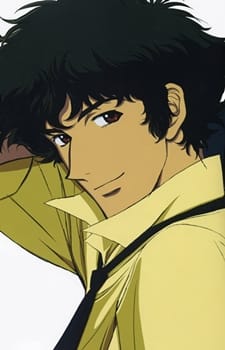
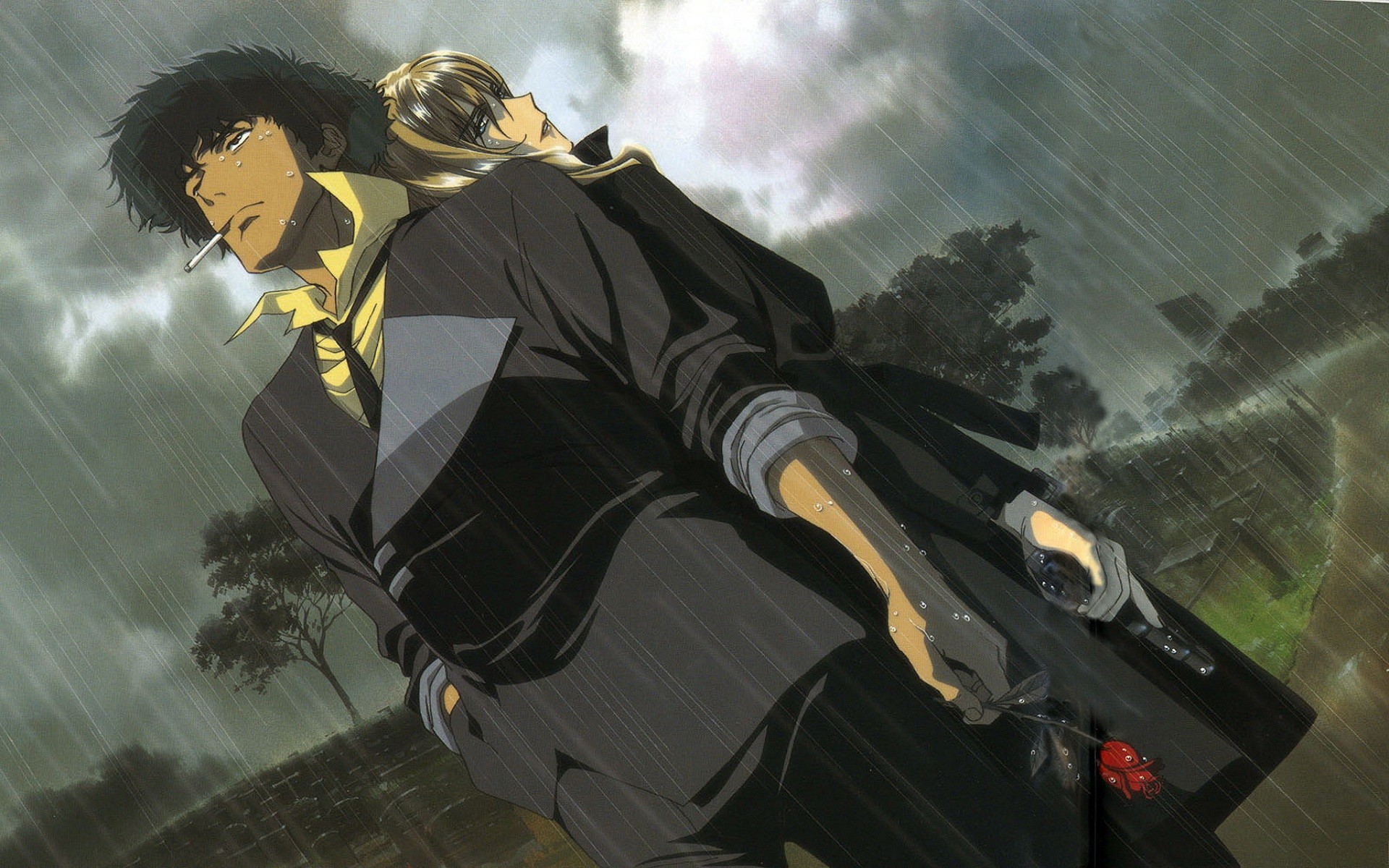
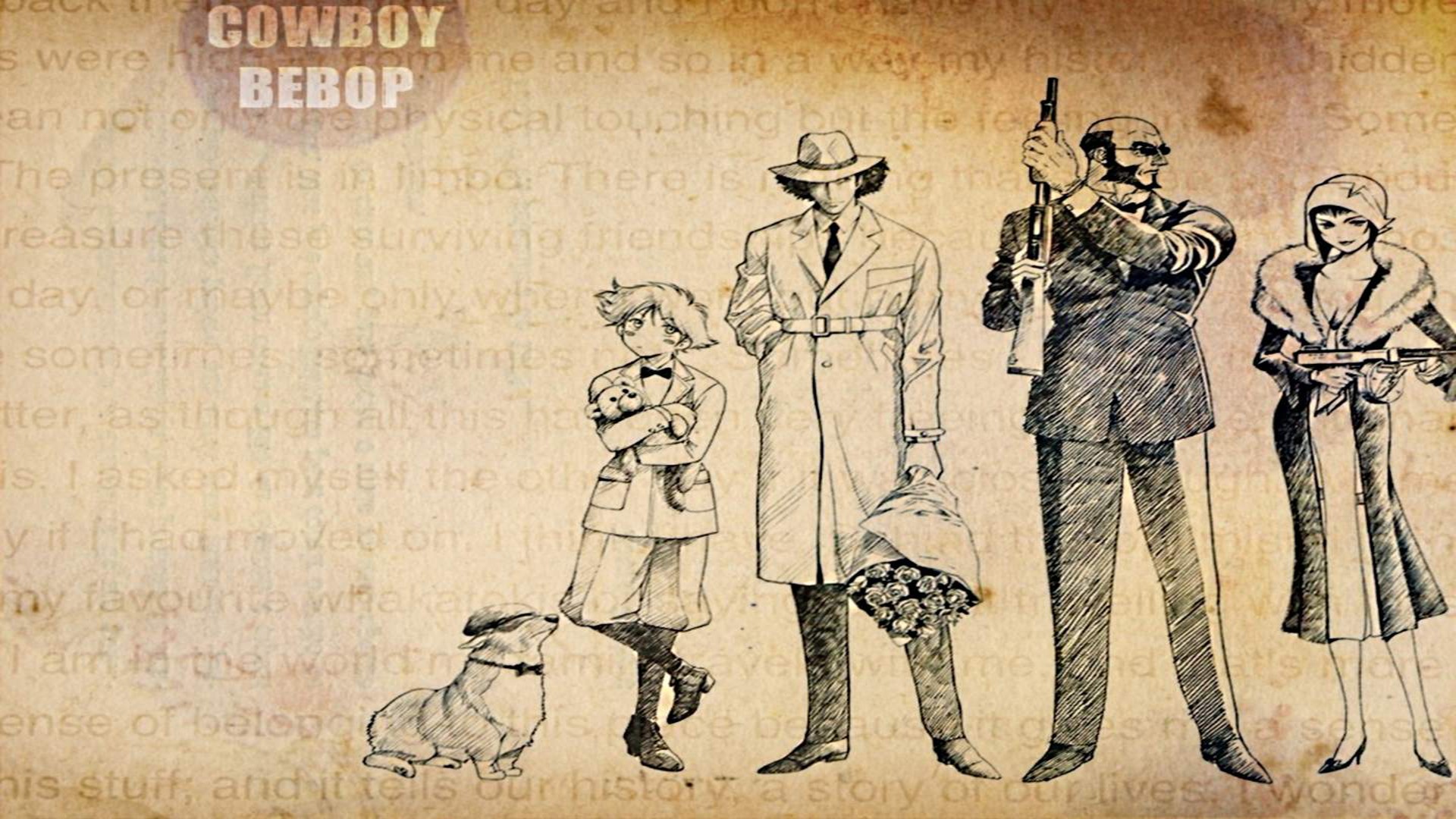
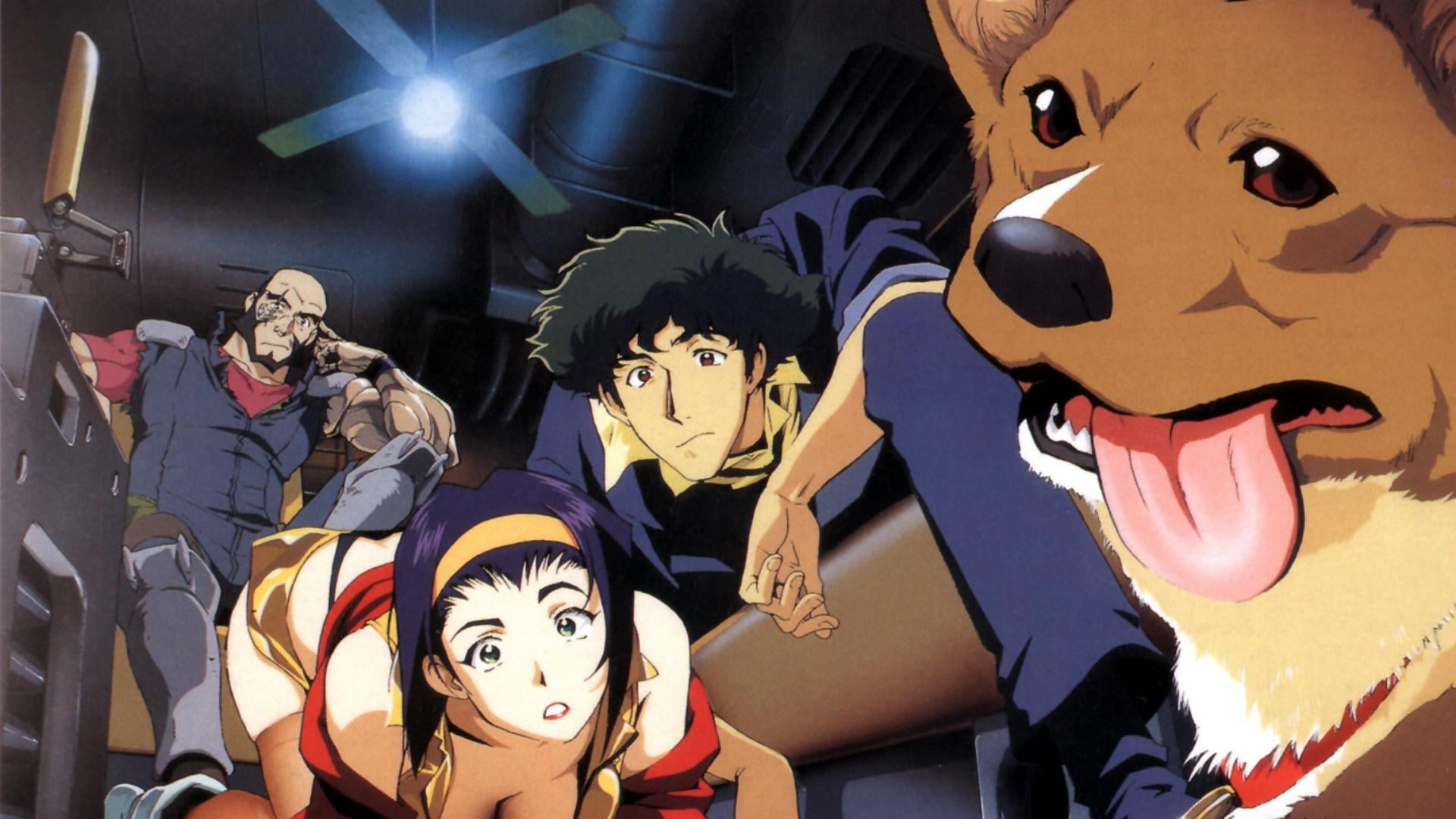
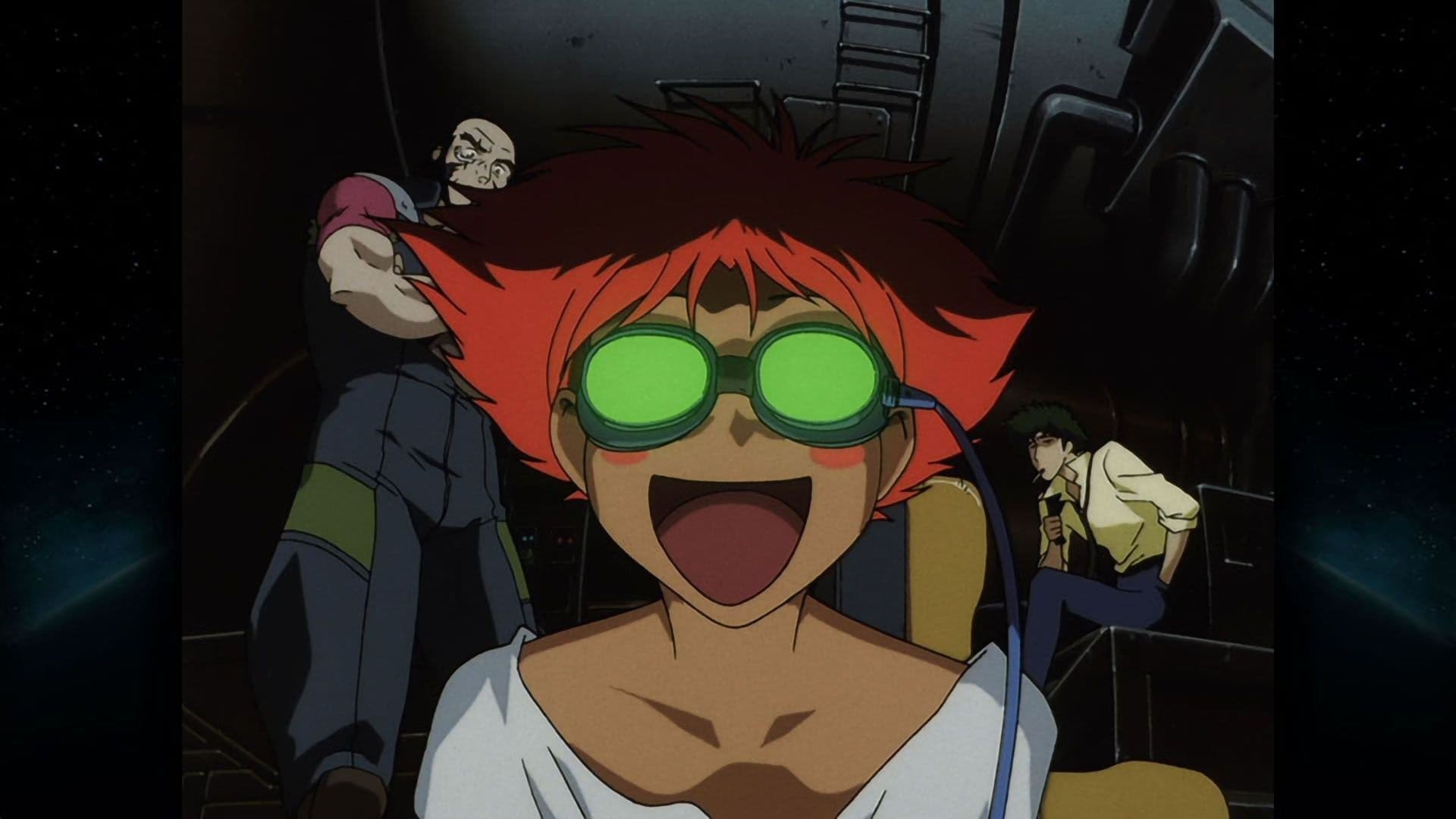
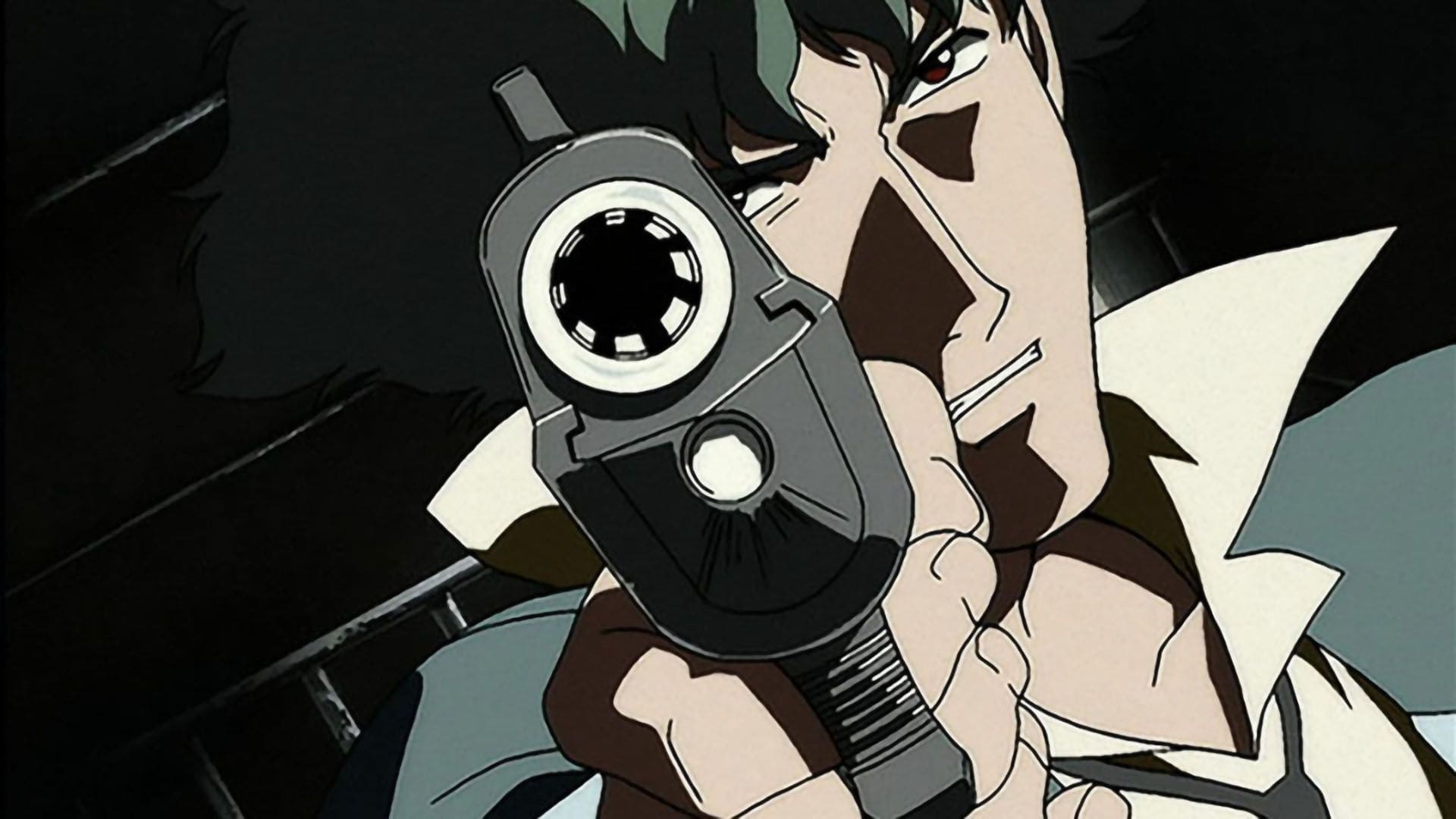
Cowboy Bebop (1998): Jazz-infused space western that transcends anime fandom. Its episodic structure, mature themes, and incredible soundtrack create something timeless. Many consider this anime’s greatest series.
Ghost in the Shell (1995): Cyberpunk philosophy that influenced The Matrix and countless others. Its questions about identity and consciousness remain relevant. The film is accessible; the Stand Alone Complex series offers deeper exploration.
Serial Experiments Lain (1998): Experimental psychological thriller exploring internet identity before social media existed. Challenging but rewarding for those seeking something different.
Princess Mononoke (1997): Miyazaki’s epic meditation on nature, industry, and moral complexity. No clear villains—only perspectives in conflict. One of animation’s genuine masterpieces.
Early 2000s: Digital Transition
Spirited Away (2001): Ghibli’s Oscar winner and highest-grossing anime film of its time. Accessible fantasy that works for all ages while carrying deeper themes about identity and greed.
FLCL (2000): Six episodes of pure creative chaos. Coming-of-age story wrapped in absurdist humor and incredible animation. Nothing else feels like FLCL.
Samurai Champloo (2004): Cowboy Bebop’s spiritual successor swaps jazz for hip-hop and space for Edo Japan. Same episodic brilliance, different aesthetic.
Fullmetal Alchemist (2003) / Brotherhood (2009): The original series diverges from manga into darker territory; Brotherhood follows source material completely. Both have merit—watch both if you love either.
Monster (2004): Psychological thriller following a surgeon hunting the killer he once saved. Slow burn but masterfully constructed. For mature viewers seeking non-action anime.
Genre-Specific Classics
Mecha
Mobile Suit Gundam (1979): The original real robot anime. Older animation might challenge modern viewers, but it founded an entire subgenre. The compilation films offer condensed entry.
Macross (1982): Music, love triangles, and transforming fighters. Its influence on both mecha and idol anime is enormous.
Magical Girl
Sailor Moon (1992): The magical girl series that conquered the world. Its influence on the genre and representation for young girls was revolutionary. R season is the high point.
Cardcaptor Sakura (1998): CLAMP’s magical girl masterpiece. Gentle, progressive, beautifully crafted. Often considered the genre’s peak.
Sports
Slam Dunk (1993): Basketball anime that made the sport popular in Japan. Recent film update brought it back to prominence, but the original series started the legend.
Comedy
Great Teacher Onizuka (1999): Former delinquent becomes teacher. Comedy with surprising emotional depth. Its influence on school comedy anime persists.
Approaching Older Animation
Adjust Expectations
Animation quality varies significantly across eras. Earlier works have lower frame rates, different coloring techniques, and less dynamic movement than modern productions. This isn’t automatically worse—it’s different. Hand-painted cels have warmth digital production sometimes lacks.
Context Matters
Some older anime includes elements considered problematic by contemporary standards. Historical context helps: what was progressive in 1990 might seem dated in 2026. This doesn’t require approval—just understanding.
Pacing Differences
Older anime often moves differently than current series. Episode counts were higher; stories took longer to develop. This creates different viewing experiences—not worse, but requiring different engagement.
Finding and Watching
Streaming Availability
Crunchyroll and HIDIVE have growing classic libraries. Netflix carries Ghibli films in many regions. Availability varies by country—some classics require creative access solutions.
Physical Media
Blu-ray releases often include remastered versions of classics. For series you love, physical ownership ensures permanent access as streaming licenses change.
Quality Considerations
Remastered versions typically look better than original broadcasts. However, some fans prefer original presentations. Research specific releases to find your preference.
Building Your Classic Watchlist
Start with your interests
Love action? Start with Cowboy Bebop. Prefer drama? Try Monster. Interested in psychology? Watch Evangelion. Let current preferences guide classic exploration.
Don’t force it
Not every classic works for every viewer. If something isn’t clicking, try another era or genre rather than forcing completion. Classics aren’t obligations—they’re opportunities.
Pace yourself
You don’t need to watch everything immediately. Treat classic exploration as ongoing project rather than checklist to complete.
The Reward
Exploring anime history transforms how you experience current anime. You’ll catch references, understand genre evolution, and appreciate what modern creators achieve. The classics earned their status—give them the chance to earn your appreciation too.