
Blue Lock arrived with controversy: could a sports anime premise this ridiculous work? Egoist soccer, Battle Royale-style elimination, protagonists explicitly told selfishness wins games? Against all odds, Blue Lock Season 1 delivered one of the most addictive sports anime experiences in years. Here’s our complete review of its first season.
The Premise: Ego Over Teamwork
A Radical Experiment
Japan has failed to win the World Cup despite talent. The solution proposed by enigmatic coach Jinpachi Ego: isolate 300 high school strikers, pit them against each other in survival-style competition, and produce one perfect egoist striker who can carry the national team to victory.
The premise inverts traditional sports anime values. Rather than teamwork and friendship, Blue Lock elevates selfishness as the core virtue. Players must prioritize their own goals over team success. It’s philosophically provocative—and creates immediate narrative tension.
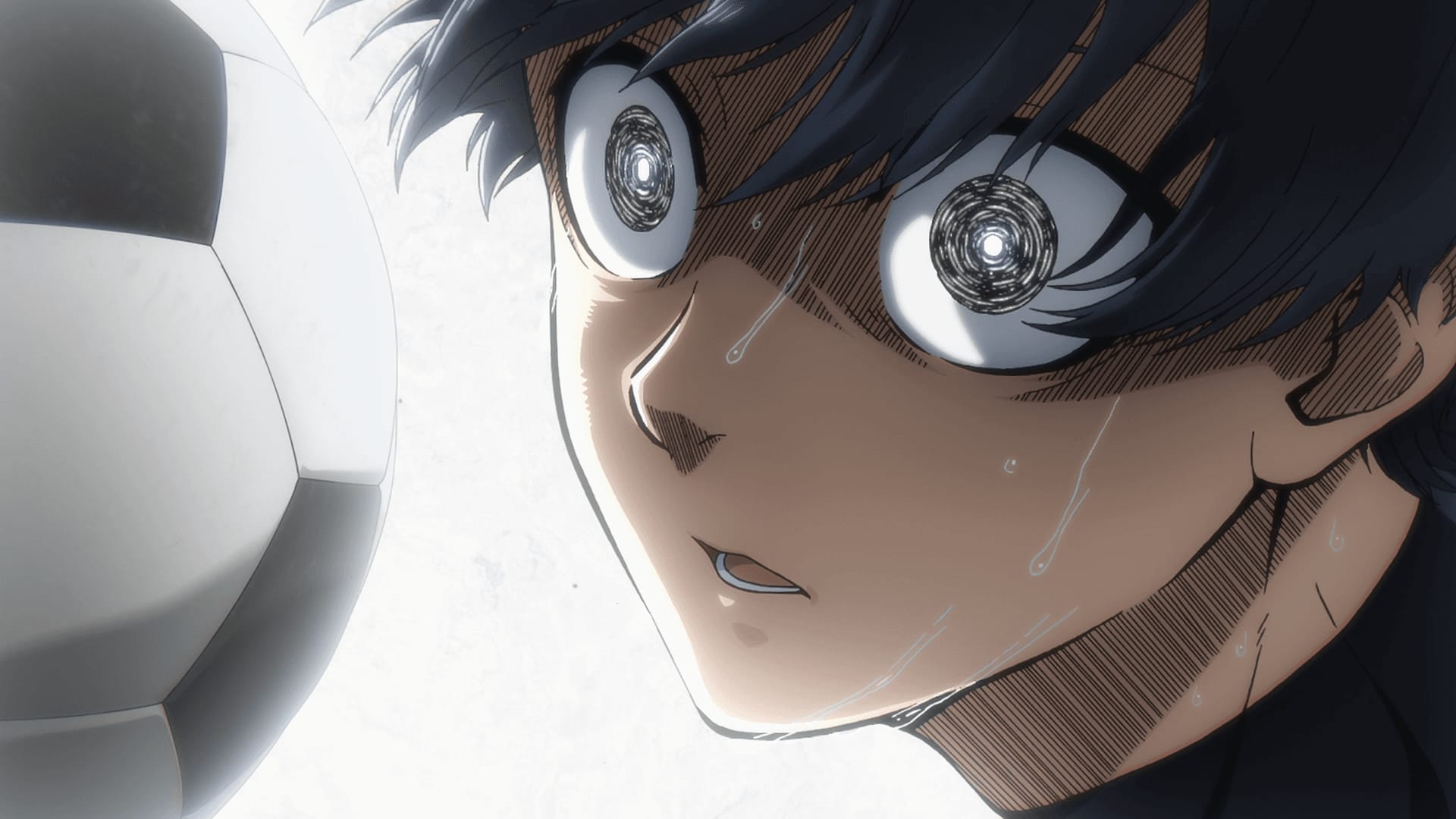
Yoichi Isagi: The Thinking Striker
Protagonist Isagi lacks raw talent compared to his rivals. What he possesses is spatial awareness and analytical thinking—the ability to read games, predict movements, and position himself for decisive moments. His growth comes not from training montages but from evolving his game sense.
This makes Isagi a refreshingly different sports protagonist. He’s not a prodigy discovering hidden abilities or an underdog gaining strength through determination alone. He’s a strategist learning to weaponize intelligence against more physically gifted opponents.
Animation and Production
8bit Studio’s Achievement
Studio 8bit delivered consistently impressive animation throughout Season 1. Soccer matches maintain fluidity; character expressions capture the psychological intensity Blue Lock demands. The production avoided the quality drops that plague many sports anime—crucial for maintaining tension across elimination rounds.
Visual Style
Blue Lock’s visual presentation emphasizes mental states. Characters’ eyes transform during peak moments; auras and visual metaphors represent awakening abilities. This stylization might alienate viewers expecting realistic sports depiction, but it perfectly matches the series’ heightened reality.
Action Clarity
Soccer is difficult to animate excitingly—11 players moving simultaneously across a large field creates visual chaos. Blue Lock solves this by focusing on decisive moments: dribbles past defenders, crucial passes, goal-scoring opportunities. The editing creates rhythm that makes matches genuinely thrilling.
Character Development
The Rivals
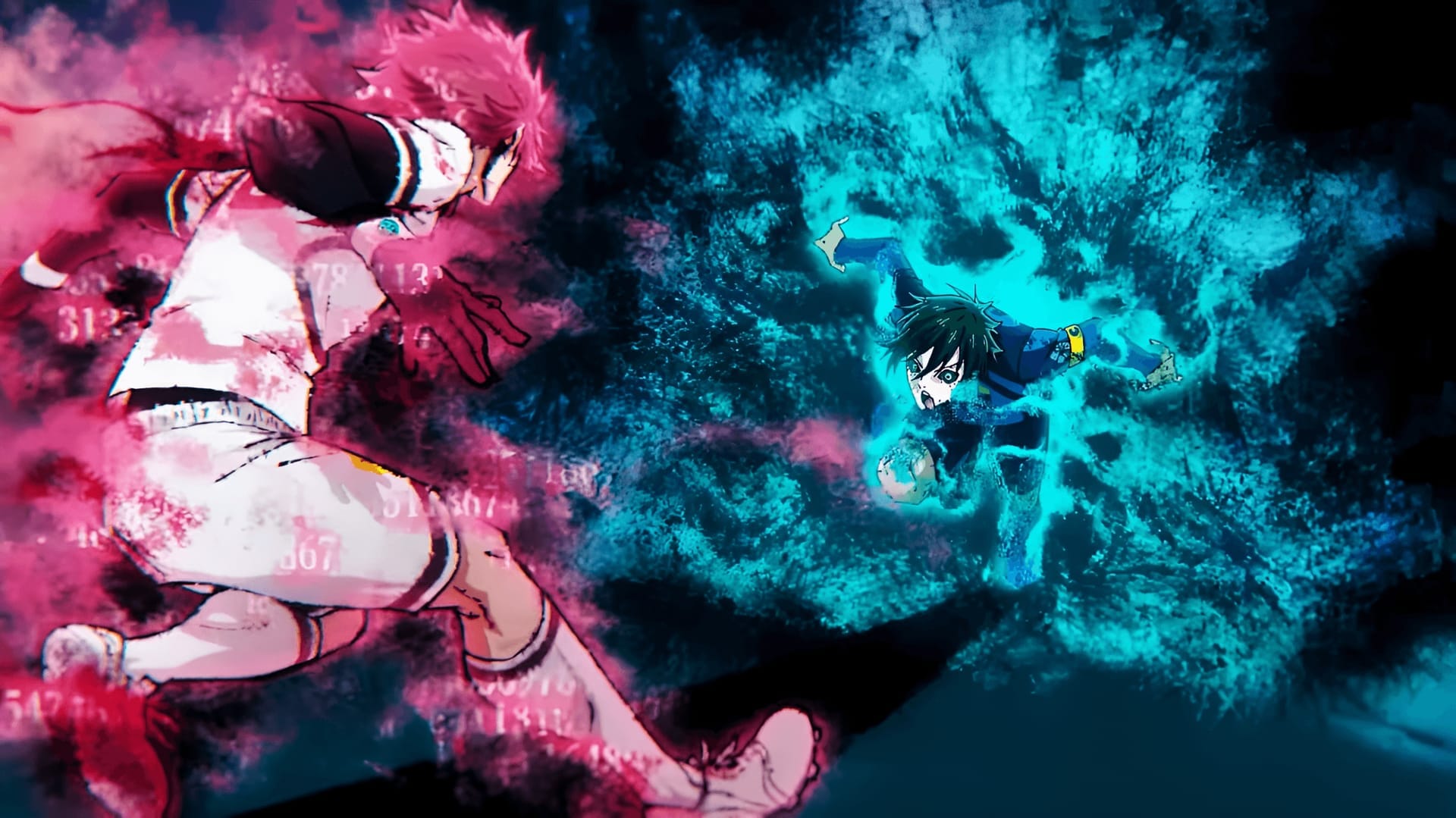
Bachira Meguru: The creative genius who plays soccer for pure joy. His backstory involving an imaginary “monster” explains his unconventional style. Bachira’s chemistry with Isagi creates the season’s most compelling relationship—rivals who enhance each other.
Nagi Seishiro: The genius who finds everything “a hassle” yet possesses transcendent talent. His arc from apathetic prodigy to invested competitor provides satisfying development. Nagi became the breakout fan favorite for good reason.
Rin Itoshi: The antagonist striker driven by hatred for his brother. Rin’s abilities exceed everyone else’s in Season 1; his psychological complexity makes him more than simple villain. The brother dynamics set up future arcs effectively.
Reo Mikage: The wealthy perfectionist whose attachment to Nagi creates both strength and weakness. His reaction to Nagi’s evolution is one of Season 1’s most emotionally resonant arcs.
Supporting Cast Depth
Blue Lock’s structure requires rapid introduction of many characters. Some receive minimal development, but the series wisely focuses on a core group while hinting at others’ potential. This restraint prevents overwhelming viewers while maintaining roster interest.
Thematic Exploration
The Ego Philosophy
Jinpachi Ego’s philosophy is deliberately provocative. His arguments that strikers must be selfish, that teamwork is excuse for weakness, that individual brilliance matters more than collective effort—these challenge sports anime orthodoxy.
The series doesn’t entirely endorse Ego’s extremism. Isagi’s best moments often involve synthesis: using teammates to create his own opportunities, elevating others to elevate himself. The tension between pure egoism and functional teamwork provides ongoing philosophical development.
Competition and Identity
Blue Lock explores how competition reveals and shapes identity. Characters discover who they are through pressure. Some break; others transform. The elimination structure creates genuine stakes—failure means leaving Blue Lock forever, dreams ended.
Pacing and Structure
The Survival Game Format
Season 1 covers multiple selection phases, each with different rules and team compositions. This variety prevents formula fatigue. Each arc introduces new characters, challenges, and growth opportunities while maintaining core tensions.
Match Rhythm
Matches balance action and analysis. Internal monologue explains tactical thinking; flashbacks illuminate character motivations during crucial moments. This rhythm might frustrate viewers wanting continuous action but creates emotional investment that pure spectacle couldn’t achieve.
Cliffhangers Done Right
Blue Lock’s episode endings consistently create genuine anticipation. The series understands how to end episodes at peak tension moments. Binge-watching is difficult to resist.
Criticisms
Repetitive Structure
The “play match, eliminate losers, advance winners” cycle does repeat. While each match has distinct character focus, the structure itself doesn’t evolve much within Season 1.
Some Character Underdevelopment
Not every introduced character receives adequate development. Some eliminations feel arbitrary because we haven’t connected with eliminated players. The large cast makes this inevitable but still disappointing.
Soccer Accuracy Debates
Blue Lock isn’t realistic soccer. Its physics, player abilities, and strategic concepts stretch believability. This bothers some viewers more than others—Blue Lock isn’t trying to be simulation.
Comparison to Other Sports Anime
Versus Haikyuu!!
Haikyuu prioritizes team dynamics and wholesome competition. Blue Lock prioritizes individual psychology and ruthless elimination. Different philosophies, both excellent—they’re not really competing for the same space.
Versus Kuroko’s Basketball
Kuroko embraces supernatural abilities openly. Blue Lock’s abilities are exaggerated but theoretically human. Blue Lock’s psychological focus also differs from Kuroko’s action emphasis.
Season 1 Verdict
Rating: 8.5/10
Blue Lock Season 1 succeeds by embracing its ridiculous premise fully. It doesn’t apologize for its extremism; it explores what that extremism means for characters and viewers. The result is genuinely addictive sports entertainment.
Strong production values, compelling character dynamics, and philosophical ambition elevate Blue Lock above typical sports anime. Its flaws—repetitive structure, uneven character development—are minor compared to its achievements.
For sports anime fans, Blue Lock is essential viewing. For non-sports-anime fans curious about the genre, Blue Lock’s unique approach might be the entry point that works. It’s not trying to be Haikyuu—it’s trying to be something the genre hadn’t seen before. It succeeded.
Looking Forward: Season 2
Season 1 ends with Blue Lock’s structure transforming. The upcoming international competition promises new challenges and character introductions. If the studio maintains quality, Blue Lock’s best arcs may still be ahead.
You Might Also Like
- Blue Lock Review: Soccer Anime Reimagined
- Blue Lock: Who Will Be the Striker?
- Solo Leveling Season 1 Review