
Solo Leveling arrived as the most anticipated manhwa adaptation in years. The Korean webtoon’s massive global following demanded an anime that matched their imagination. Did A-1 Pictures deliver? Season 1 provided stunning action sequences, faithful adaptation, and the power fantasy viewers craved—while also revealing the source material’s limitations. Here’s our complete review.
The Premise: Weakest to Strongest
Sung Jinwoo’s Awakening
In a world where “Hunters” with supernatural abilities battle monsters from dimensional gates, Sung Jinwoo is the weakest—the “World’s Weakest Hunter” who risks his life for minimal pay because he has no better options. Everything changes when a double dungeon nearly kills him but instead grants him a unique power: the System, a game-like interface that allows him to level up without limits.
The premise is quintessential power fantasy. Jinwoo starts pathetic and grows godlike. There’s no shame in enjoying this trajectory—it’s satisfying precisely because it fulfills universal fantasies of transformation and capability.
The System Mechanic
Jinwoo’s System mirrors RPG mechanics: quests grant experience, levels increase stats, items enhance capabilities. This gamification adds structure to his growth while providing natural plot progression. Each quest pushes him toward greater power; each level visualizes his improvement.
The mechanic works for adaptation because it’s inherently visual. Stat screens, level-up notifications, and reward announcements translate directly from manhwa to anime.
A-1 Pictures’ Achievement
Animation Quality
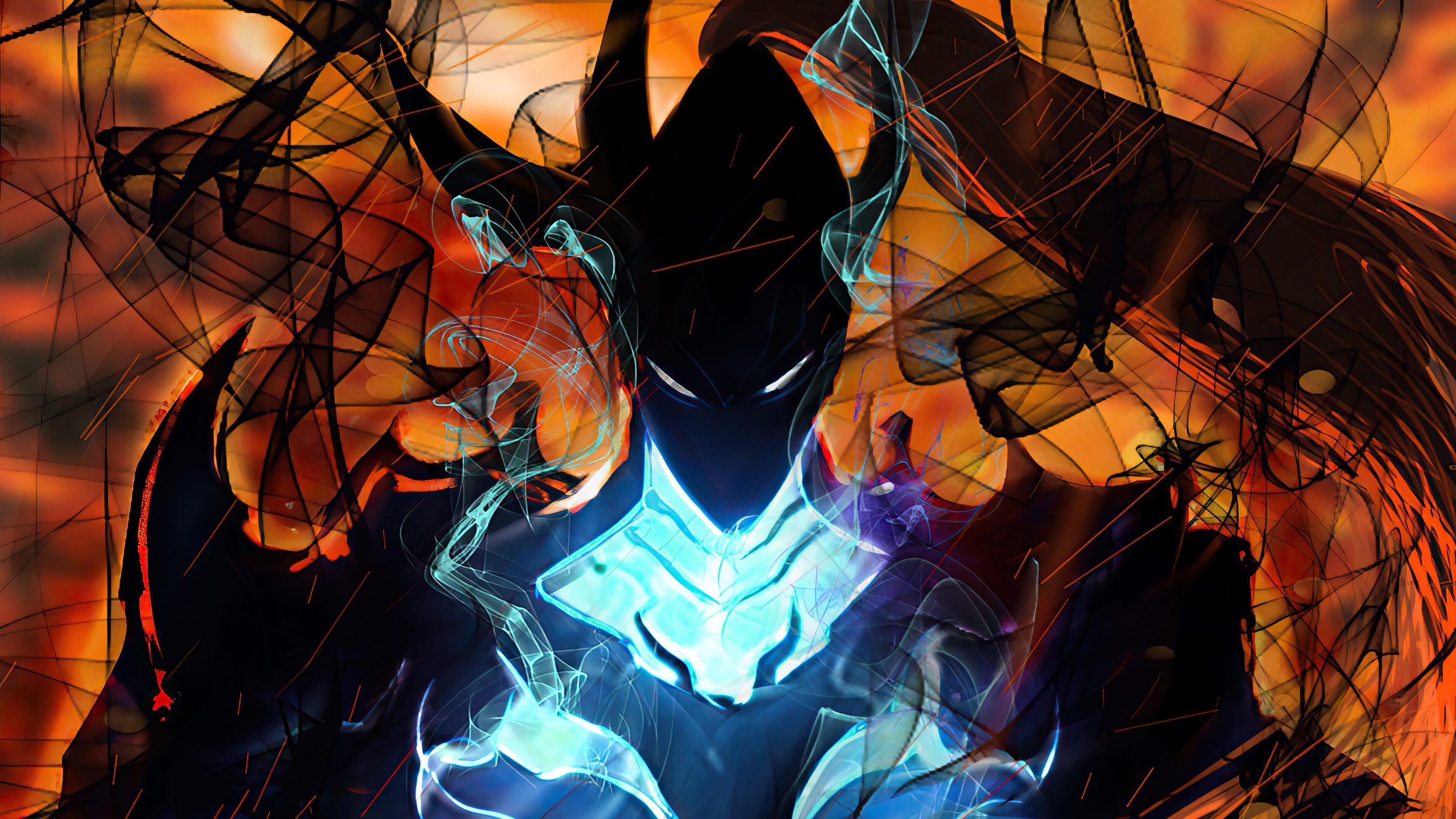
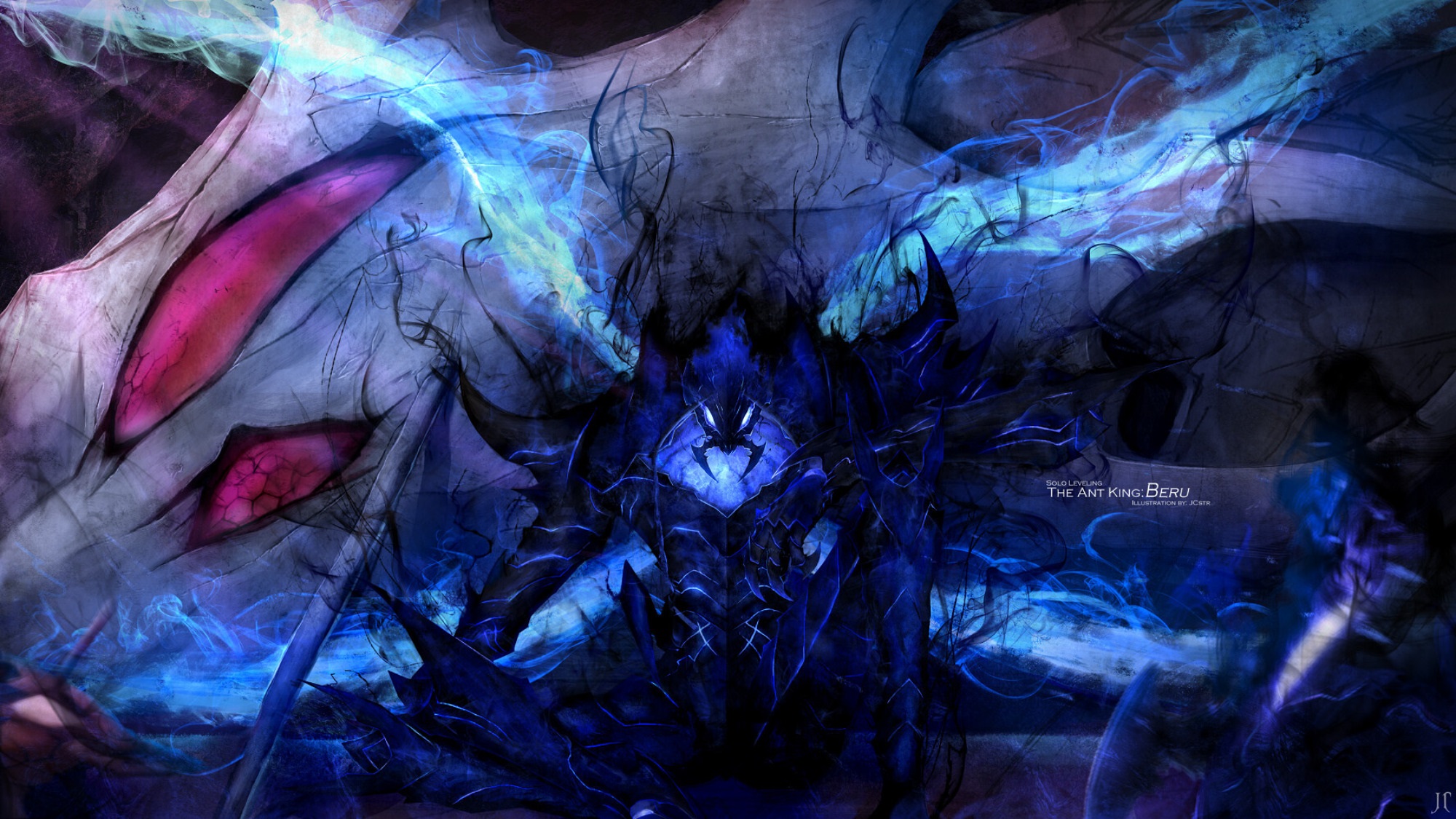
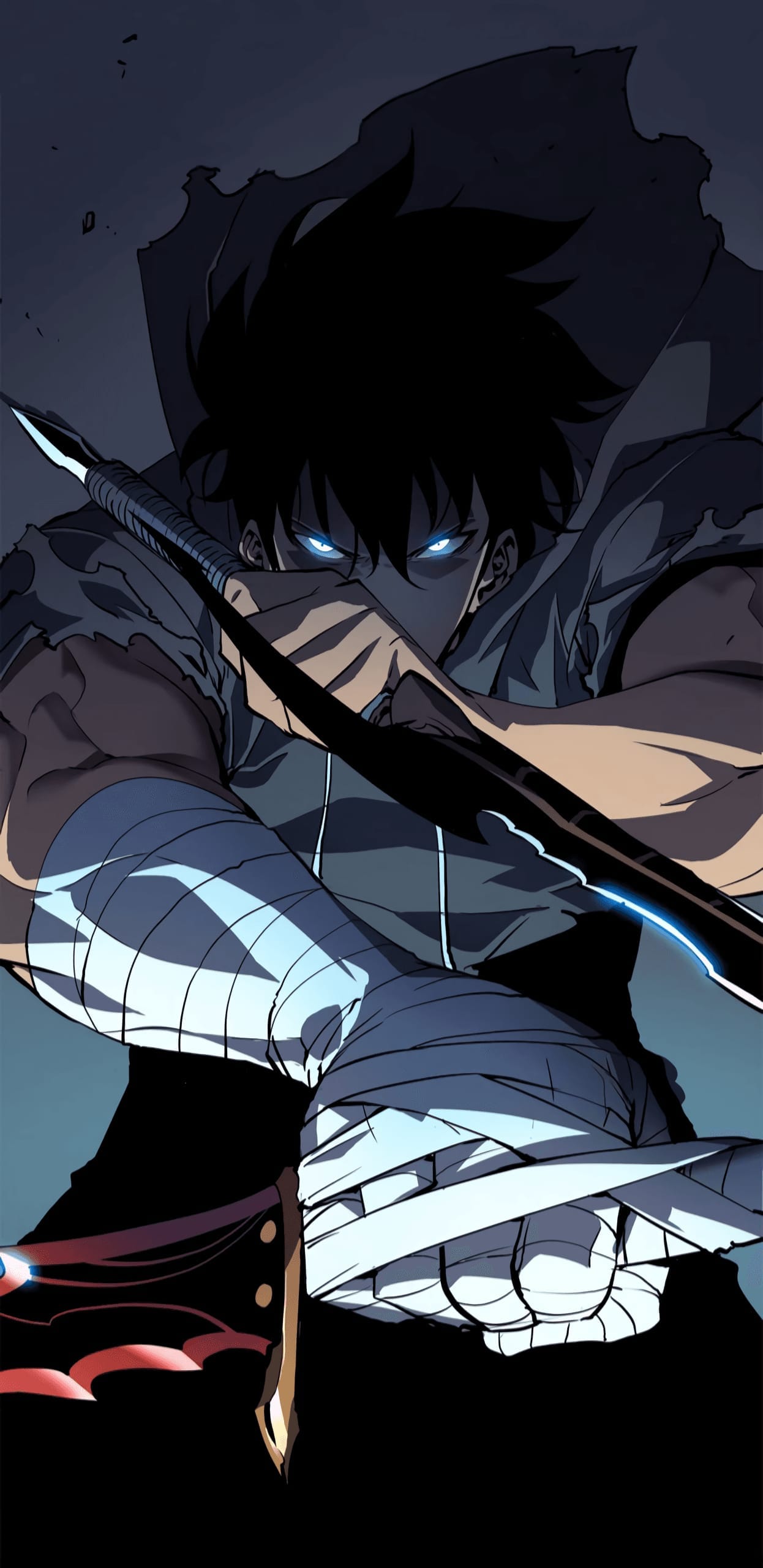
A-1 Pictures committed resources to Solo Leveling, and it shows. Action sequences—particularly the demon castle arc battles—achieve spectacular fluidity. Jinwoo’s shadow powers receive particularly impressive treatment; the black tendrils and summoned soldiers create striking visual contrast.
The studio understood that Solo Leveling lives or dies on its action. By prioritizing these sequences, they delivered what fans wanted most: their favorite moments animated with care.
Adapting Korean Source Material
Manhwa adaptation presents unique challenges. Vertical scrolling formats don’t translate directly to horizontal screens; art styles differ from typical anime aesthetics. A-1 Pictures navigated these issues effectively, maintaining the manhwa’s visual identity while making it work as anime.
Tomori Kusunoki as Jinwoo
Voice casting Jinwoo required capturing both his early vulnerability and later intimidation. Tomori Kusunoki delivers the range—weak Jinwoo sounds genuinely pathetic; powerful Jinwoo carries menacing weight. The performance elevates material that could have felt one-note.
What Works: The Power Fantasy Done Well
Satisfying Progression
Watching Jinwoo grow from desperately fleeing weak monsters to casually annihilating dungeon bosses is genuinely satisfying. The show understands its appeal and delivers it effectively. Battles that would have been impossible early in the season become trivial by its end.
The Arise Mechanic
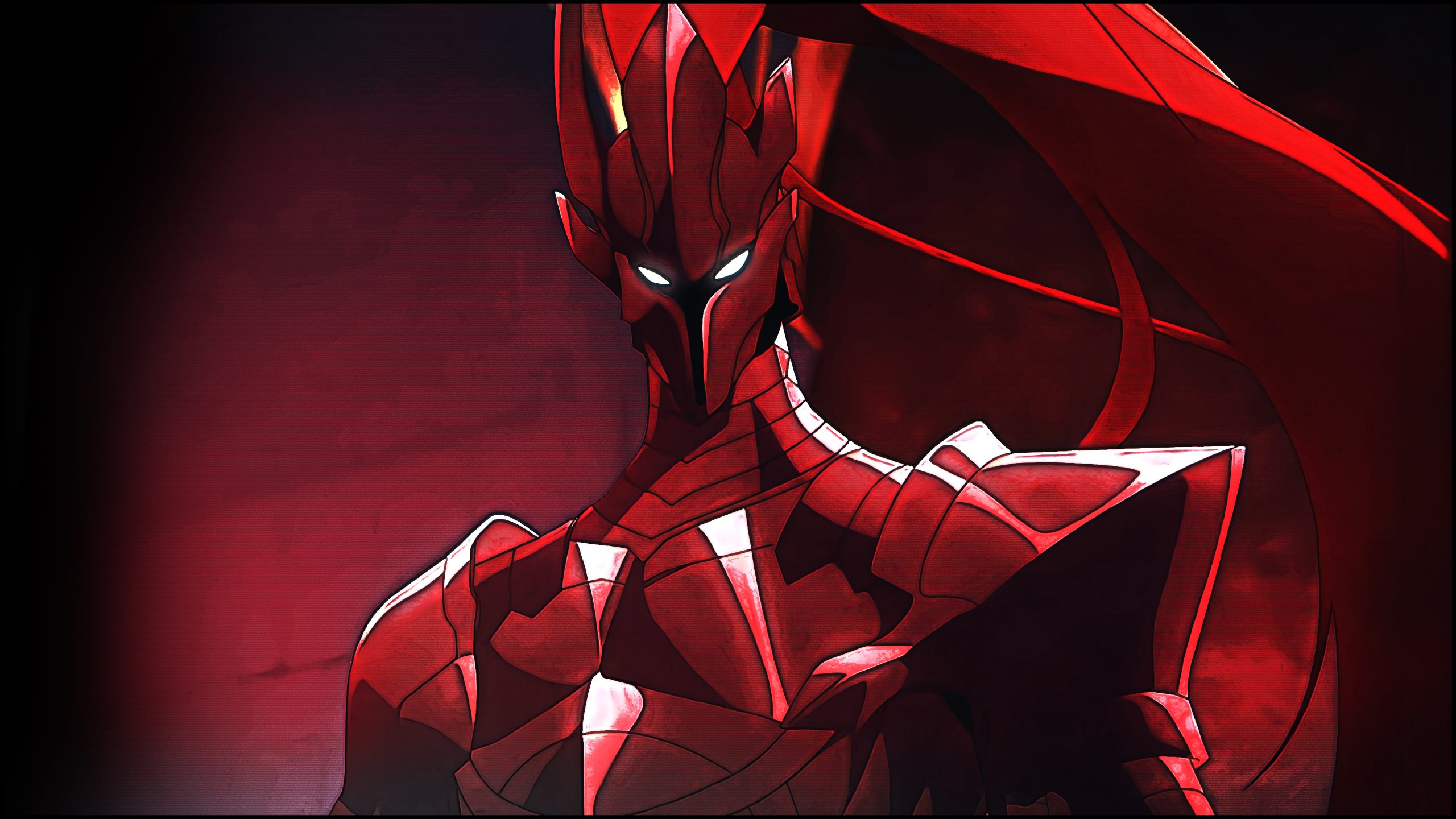
Jinwoo’s ability to resurrect defeated enemies as shadow soldiers creates the series’ most distinctive element. When he first uses “Arise” to claim an enemy, when his shadow army first deploys in combat—these moments deliver the spectacle Solo Leveling promises.
Jinwoo’s Cold Evolution
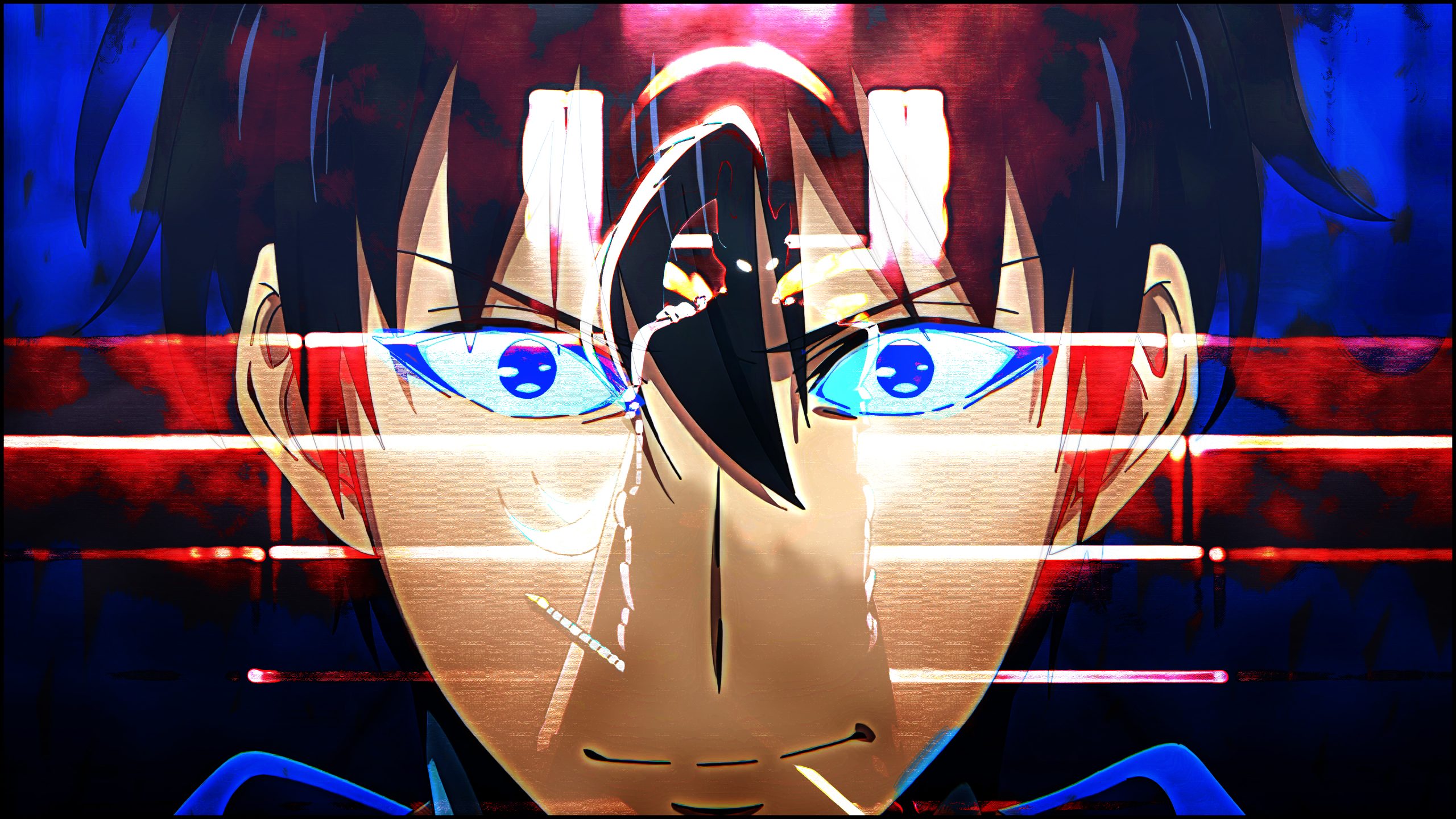
As Jinwoo powers up, he becomes increasingly ruthless. The “World’s Weakest” who begged for his life transforms into someone who executes enemies without hesitation. This psychological shift adds dimension to what could have been simple power acquisition.
What Struggles: Inherent Limitations
Supporting Cast Weakness
Solo Leveling focuses almost exclusively on Jinwoo. Other characters exist to react to him, threaten him (temporarily), or need saving by him. The guild members, his family, potential romantic interests—none receive substantial development. This is source material limitation, not adaptation failure.
Narrative Simplicity
The plot follows a clear pattern: Jinwoo encounters challenge, overcomes challenge, levels up, repeat. There’s minimal complexity—no moral dilemmas, no meaningful setbacks, no thematic depth beyond “getting stronger is cool.” If you want more from your anime, Solo Leveling won’t provide it.
The Overpowered Problem
As Jinwoo grows stronger, tension diminishes. By season’s end, few threats feel genuinely dangerous. The series must continually introduce stronger opponents, but the pattern becomes predictable. Power fantasy satisfaction trades against dramatic engagement.
Pacing and Structure
Arc Coverage
Season 1 covers the introduction through the Red Gate arc and demon castle sequences. The pacing maintains momentum without feeling rushed—important beats receive appropriate weight while avoiding the padding that plagues some adaptations.
Cliffhanger Endings
Episodes end at tension peaks, encouraging continued viewing. The season finale particularly positions Season 2 effectively. This structure works for binge-watching while maintaining weekly engagement.
Production Elements
Hiroyuki Sawano’s Score
The legendary composer brings his typical bombast to Solo Leveling. His style—epic, dramatic, instantly recognizable—fits the material perfectly. When action peaks, Sawano’s score elevates it further.
Opening and Ending
The opening effectively establishes tone and showcases animation quality. The ending provides contrast with more contemplative visuals. Both serve their purposes without becoming skippable.
Comparison to Other Power Fantasies
Versus Overlord
Overlord has a similarly overpowered protagonist but invests more in world-building and supporting cast. Solo Leveling maintains tighter focus on the singular power fantasy.
Versus That Time I Got Reincarnated as a Slime
Slime provides warmth and community-building alongside its power fantasy. Solo Leveling is colder, more focused on individual ascension.
Solo Leveling’s Niche
Solo Leveling delivers pure power fantasy with minimal distractions. If that’s what you want, nothing does it better. If you want more complexity, other options exist.
Season 1 Verdict
Rating: 7.5/10
Solo Leveling Season 1 accomplishes exactly what it sets out to do. It adapts beloved source material faithfully, delivers spectacular action, and provides satisfying power fantasy progression. Within its genre, it’s excellent.
Its limitations—thin characterization, simple narrative, diminishing tension—are inherent to the source material rather than adaptation failures. Viewers seeking depth will be disappointed; viewers seeking spectacle will be thrilled.
For power fantasy fans, Solo Leveling is essential viewing. For everyone else, your enjoyment depends entirely on how much you appreciate watching a protagonist become godlike. There’s no shame in either position.
Looking Forward: Season 2
Season 2 promises larger scale conflicts, expanded world-building, and continuation of Jinwoo’s ascension. If A-1 Pictures maintains quality, Solo Leveling’s best arcs are still ahead. The manhwa readers know what’s coming; anime-only viewers have much to anticipate.
You Might Also Like
- Solo Leveling Season 1 Review: Does It Live Up to the Manhwa?
- Will Solo Leveling Get a Season 3? Everything We Know (2026)
- Will Solo Leveling Get a Season 3? Everything We Know (2026)