
Vinland Saga Season 2 did something unprecedented for an action-focused anime: it abandoned action almost entirely. The Farmland Saga arc, which comprises Season 2, replaces Viking raids with agricultural labor and transforms revenge-driven protagonist Thorfinn into a pacifist working through trauma. This creative gamble divided audiences but cemented Vinland Saga’s status as one of anime’s most ambitious narratives. Here’s our complete review.
The Radical Premise Shift
From Warrior to Slave
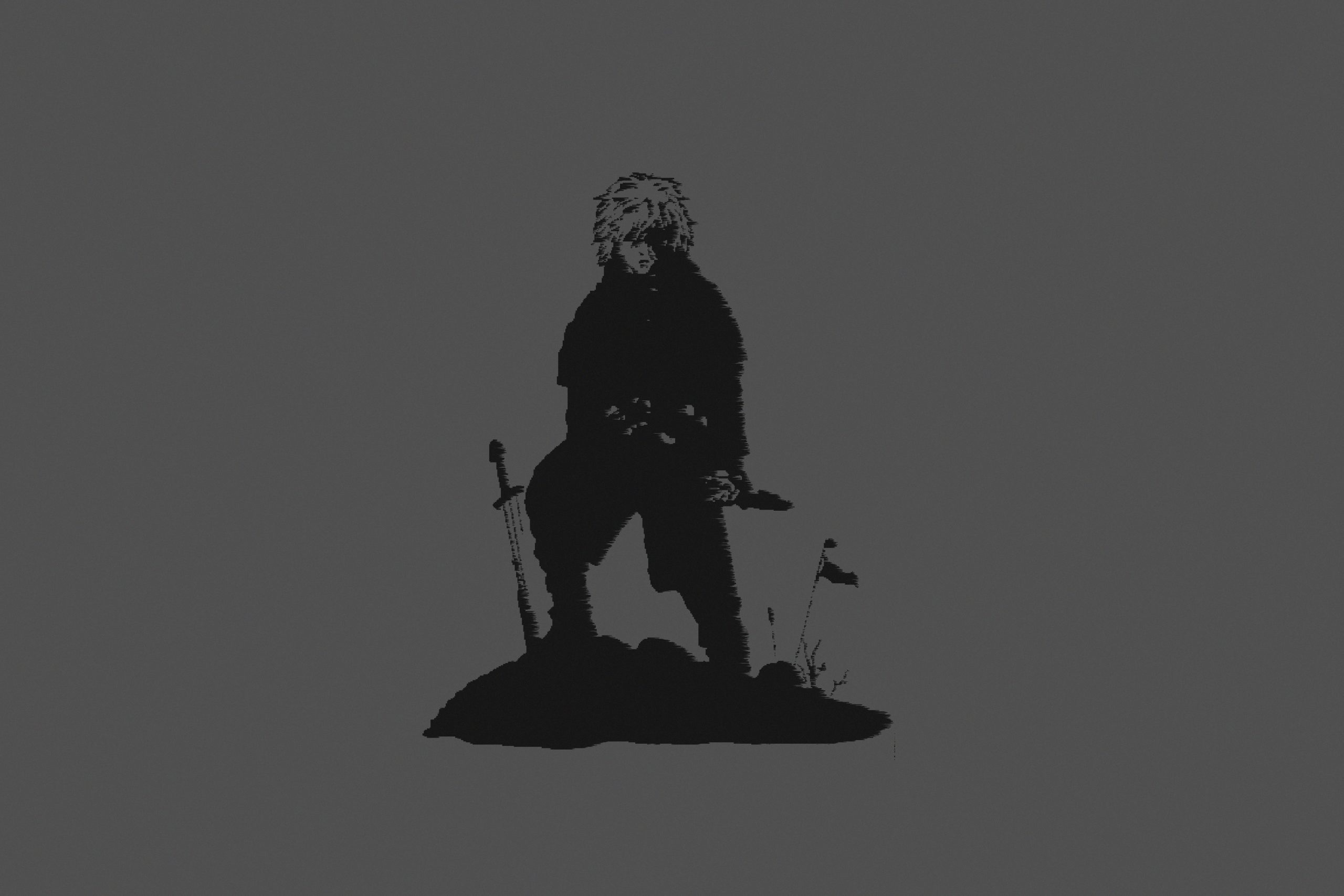
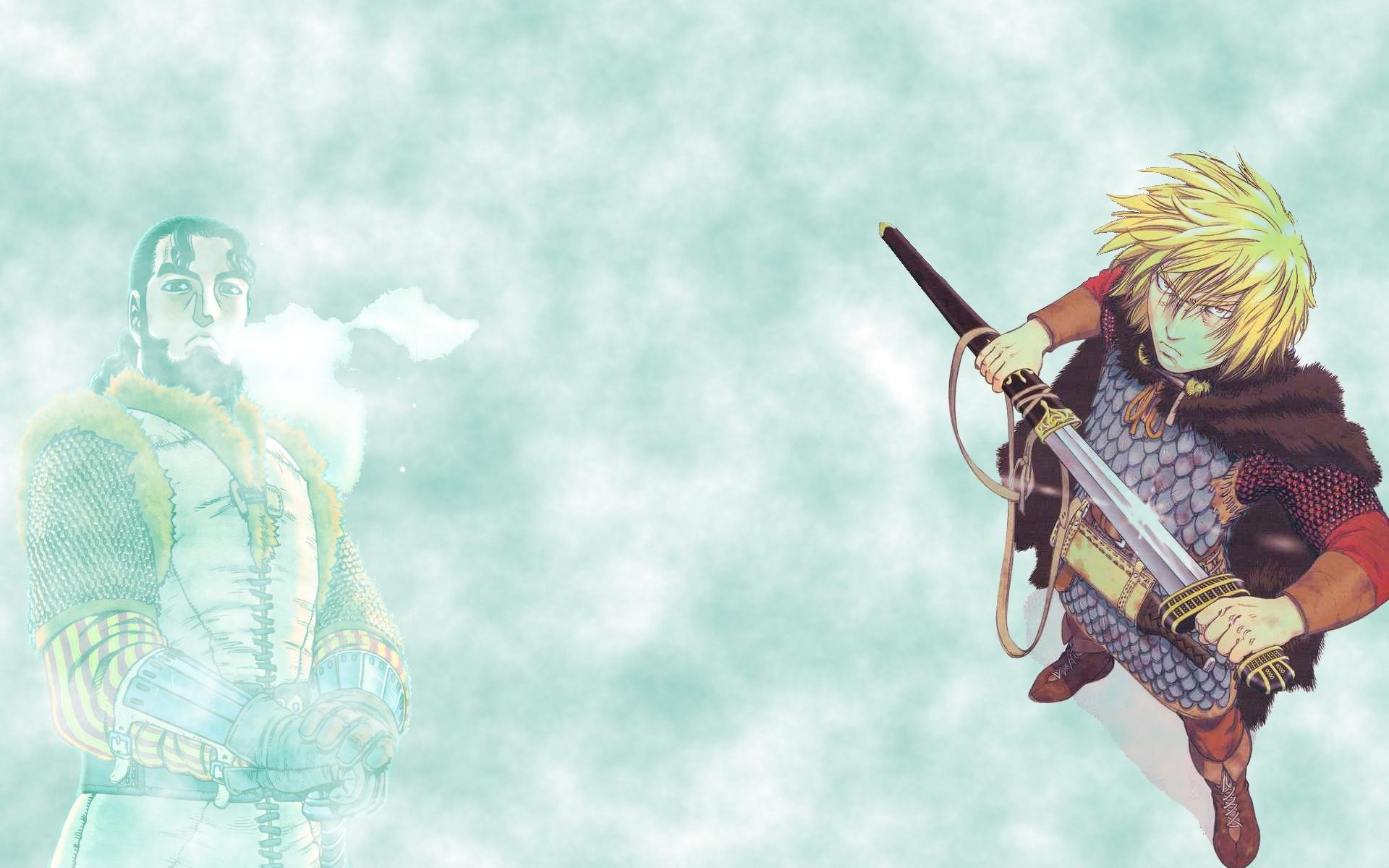
Season 1 ended with Askeladd’s death and Thorfinn’s purpose destroyed. Season 2 picks up years later with Thorfinn as a slave—empty, purposeless, going through motions of existence without will. He’s bought by Ketil, a wealthy farmer, and assigned to work clearing land.
The protagonist who murdered his way through Season 1 now refuses to fight entirely. When fellow slave Einar wants him to resist their treatment, Thorfinn won’t participate. The trauma of his past has left him incapable of violence—or much else.
Einar’s Introduction
New character Einar serves as both companion and contrast to Thorfinn. Where Thorfinn has seen too much violence, Einar’s experience is fresher—his family was killed, his village destroyed. His anger is active where Thorfinn’s is suppressed.
Their relationship forms Season 2’s emotional core. Einar’s frustration with Thorfinn’s passivity, his gradual understanding of Thorfinn’s trauma, their mutual growth through shared labor—this friendship carries the narrative.
Thematic Depth
The Meaning of Violence
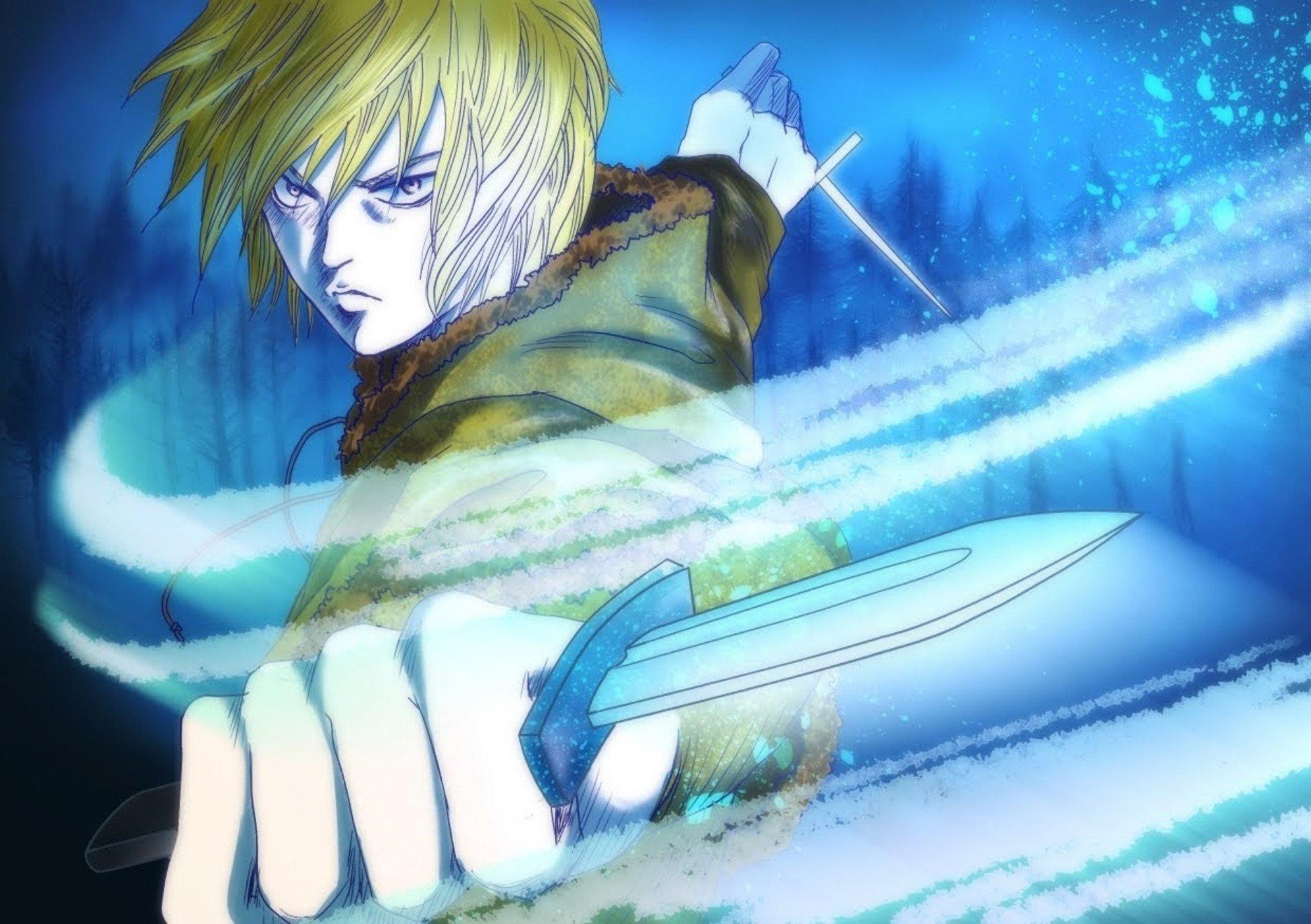
Season 1 presented violence as Thorfinn’s only language—he communicated through swords, measured value through kills. Season 2 examines violence’s aftermath. What does a person become after years of murder? Can someone who defined themselves through destruction find alternative purpose?
The answer isn’t simple. Thorfinn’s pacifism initially stems from trauma, not principle. He doesn’t refuse to fight from conviction; he’s simply broken. His genuine philosophical evolution toward non-violence takes the entire season to develop.
Redemption and Forgiveness
Thorfinn must confront what he’s done. The people he killed had families, dreams, significance. His revenge quest wasn’t heroic—it was murder multiplied. Season 2 forces both Thorfinn and viewers to sit with this reality.
The question of whether such a person deserves redemption drives the narrative. Can someone who’s committed atrocities become good? Should they be forgiven? Vinland Saga doesn’t provide easy answers but takes the questions seriously.
Building vs. Destroying
Thorfinn and Einar’s labor—clearing land, planting wheat, creating something from nothing—provides metaphor for reconstruction. After a life of taking, Thorfinn learns to give. Agriculture becomes therapy, creation as antidote to destruction.
Character Development

Thorfinn’s Transformation
Watching Thorfinn process trauma across 24 episodes is remarkable character work. His nightmares featuring the men he’s killed. His gradual ability to speak about his past. His realization that Askeladd—his hated enemy—was also his greatest teacher. His adoption of Thors’ philosophy that true warriors don’t need enemies.
By season’s end, Thorfinn has genuinely changed. Not through training montage or power-up, but through reflection, relationship, and labor. It’s anime’s most realistic character development.
Snake and the Farmstead
The farm’s guard captain Snake provides connection to Season 1’s action. His mysterious past hints at larger world; his protection of the farm creates stakes. When violence finally returns, Snake’s presence justifies it narratively.
Ketil’s Family
The farm’s ownership family—Ketil, his sons, his secret concubine Arnheid—provide character drama independent of Thorfinn. Arnheid’s backstory as former noblewoman enslaved for love becomes the season’s most tragic subplot.
MAPPA’s Production
The Animation Challenge
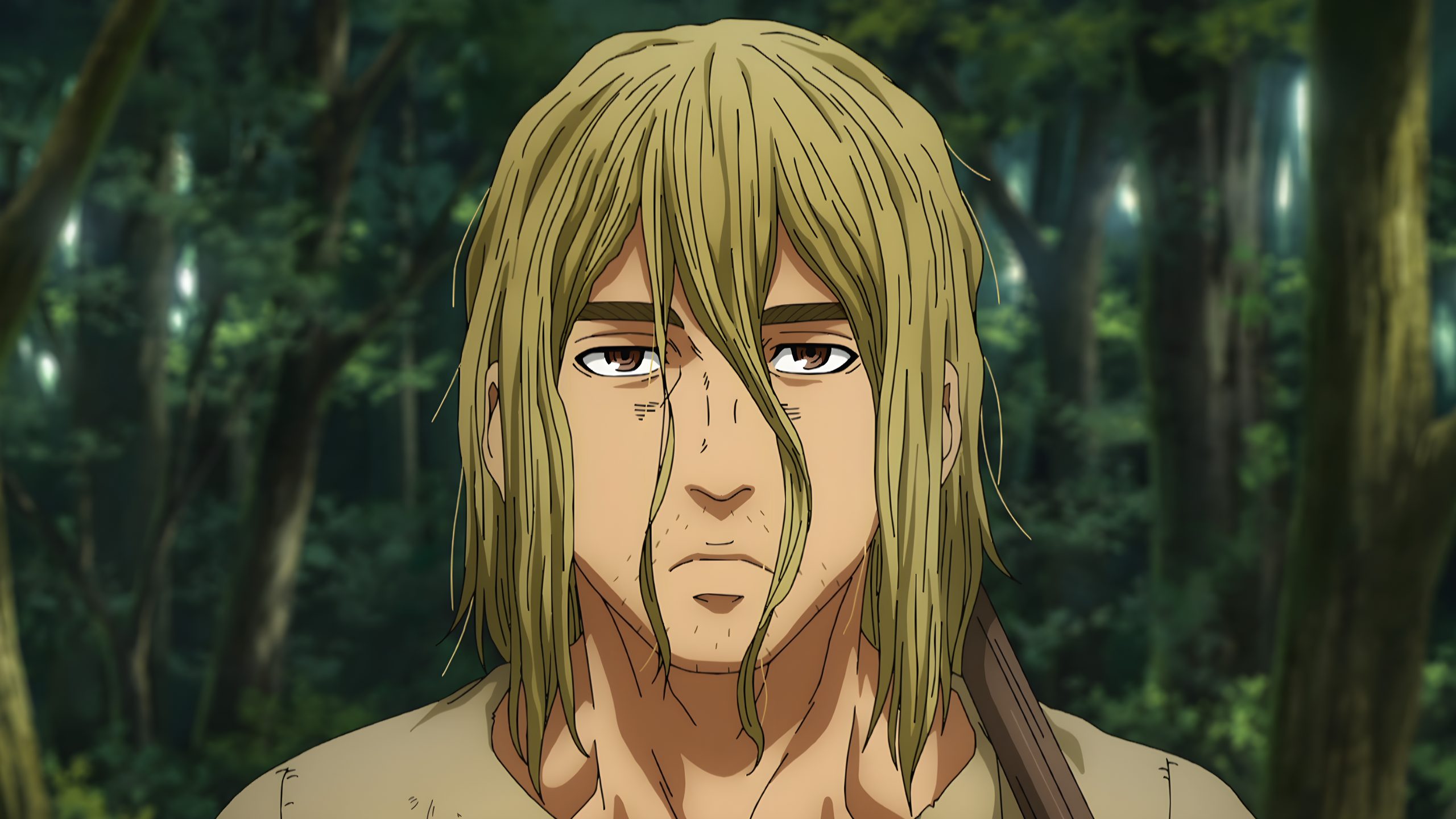
Season 2 required animating farming, conversations, and trauma processing rather than battles. MAPPA’s character animation excels—facial expressions, body language, subtle emotional communication carry scenes without action spectacle.
When violence does occur—Arnheid’s backstory, the farm’s defense, specific confrontations—MAPPA delivers impactful sequences. The restraint makes these moments more powerful.
Visual Choices
The pastoral Danish setting receives loving attention. Wheat fields, forests, the gradual cultivation of land—these environments visualize the season’s themes. The show looks different from Season 1 because it’s about different things.
Pacing Considerations
The Slow Burn Controversy
Season 2 moves slowly. Viewers expecting Season 1’s action pace will be disappointed—some episodes feature minimal plot progression, focusing instead on character interaction and thematic development.
This pacing is intentional and appropriate. Trauma processing takes time; rushed recovery would feel false. But viewers seeking entertainment rather than meditation may struggle.
24-Episode Structure
The season’s length allows thorough exploration without padding. Major beats receive appropriate weight; character relationships develop naturally. The arc justifies its runtime.
Comparison to Season 1
Different Goals
Season 1 was historical action drama. Season 2 is psychological reconstruction narrative. Comparing them as similar products misses the point—they’re attempting different things.
Complementary Experience
Season 2 recontextualizes Season 1. The violence that seemed cool in action context becomes tragic when we see its aftermath. Askeladd’s lessons gain weight through Thorfinn’s memories. The seasons work together as complete statement.
Critical Reception
Critical Acclaim
Reviewers and literary-minded viewers praised Season 2’s ambition. Comparisons to literary fiction, appreciation for its thematic seriousness, and recognition of its character work dominated positive responses.
Audience Division
General audiences divided. Many who loved Season 1’s action felt betrayed by Season 2’s pacing. Dropout rates were significant. The season works better as complete experience than weekly viewing.
The Climax
Arnheid’s Arc
Without spoiling specifics, Arnheid’s story provides Season 2’s most emotionally devastating content. Her tragedy forces Thorfinn to confront what pacifism means when someone you care about suffers.
Thorfinn’s Resolution
The season’s final episodes deliver catharsis earned through 24 episodes of development. Thorfinn’s articulation of his new purpose—to create a land without war or slavery—provides direction for future seasons.
Season 2 Verdict
Rating: 9/10
Vinland Saga Season 2 is anime at its most literary. Its willingness to sacrifice commercial appeal for artistic integrity is remarkable. The character work rivals the best prestige television. The thematic depth exceeds most anime.
But it’s not for everyone. Viewers seeking action, rapid pacing, or entertainment will be disappointed. Season 2 demands patience and engagement it doesn’t return in conventional satisfaction.
For those who engage on its terms, Vinland Saga Season 2 is a masterpiece—proof that anime can tackle serious themes with serious technique. It’s one of the medium’s highest achievements.
Looking Forward
With Thorfinn’s purpose established, future seasons promise new adventures. The historical context—exploring, encountering indigenous peoples, building—offers rich material. If MAPPA continues, Vinland Saga’s complete adaptation will be legendary.
You Might Also Like
- Vinland Saga Season 2: Farmland Arc Masterpiece
- Askeladd: Vinland Saga’s Most Complex Villain
- Attack on Titan vs Vinland Saga: Historical Anime Showdown