
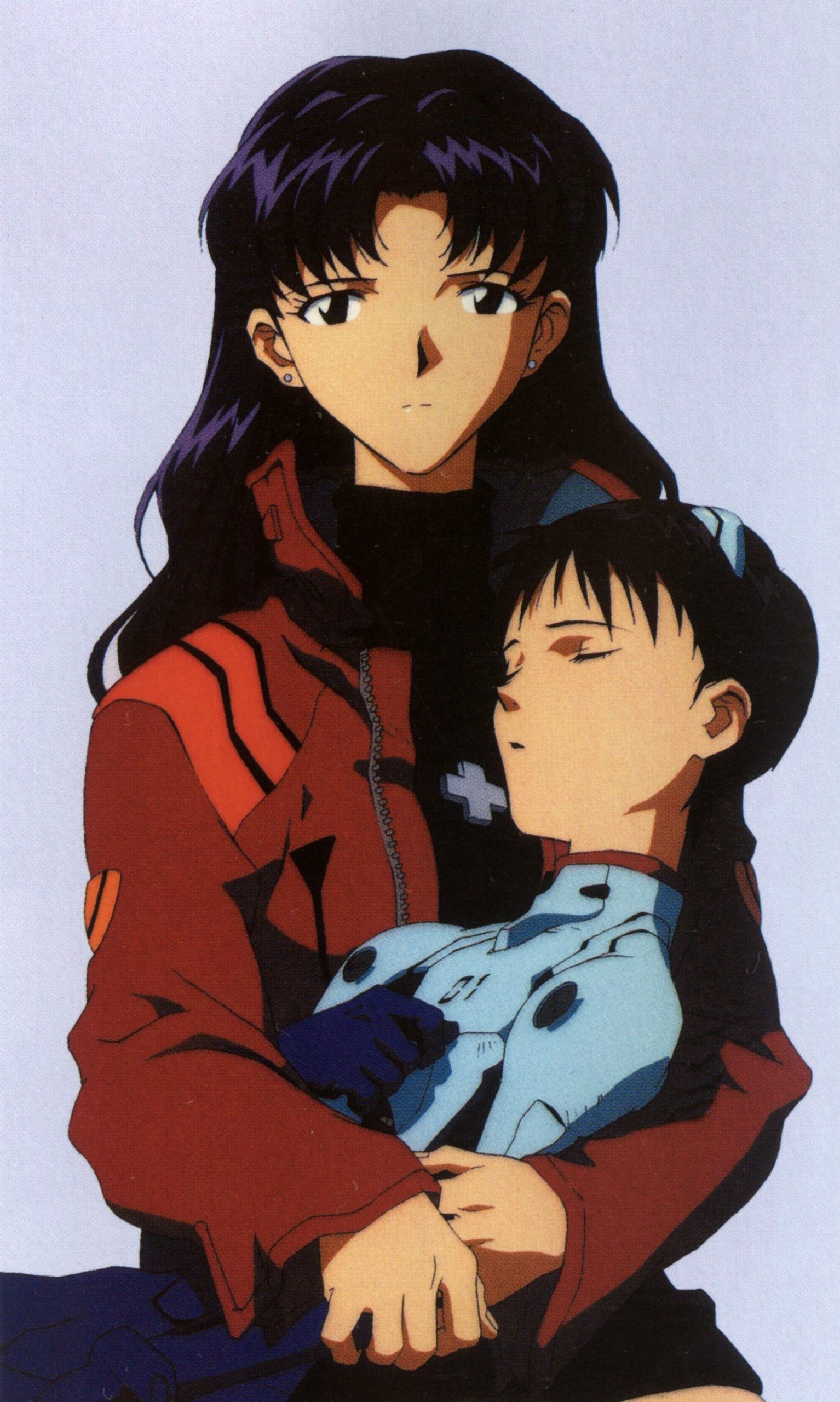
Shinji Ikari is anime’s most divisive luffy-the-ultimate-shonen-protagonist-battle/”>protagonist. The 14-year-old pilot of Evangelion Unit-01 has been called everything from realistic depiction of trauma to insufferably whiny. Understanding why Shinji generates such strong reactions—positive and negative—reveals what makes Neon Genesis Evangelion revolutionary. Here’s a comprehensive look at anime’s most controversial hero.
Not Your Typical Mecha Pilot

Deliberate Subversion
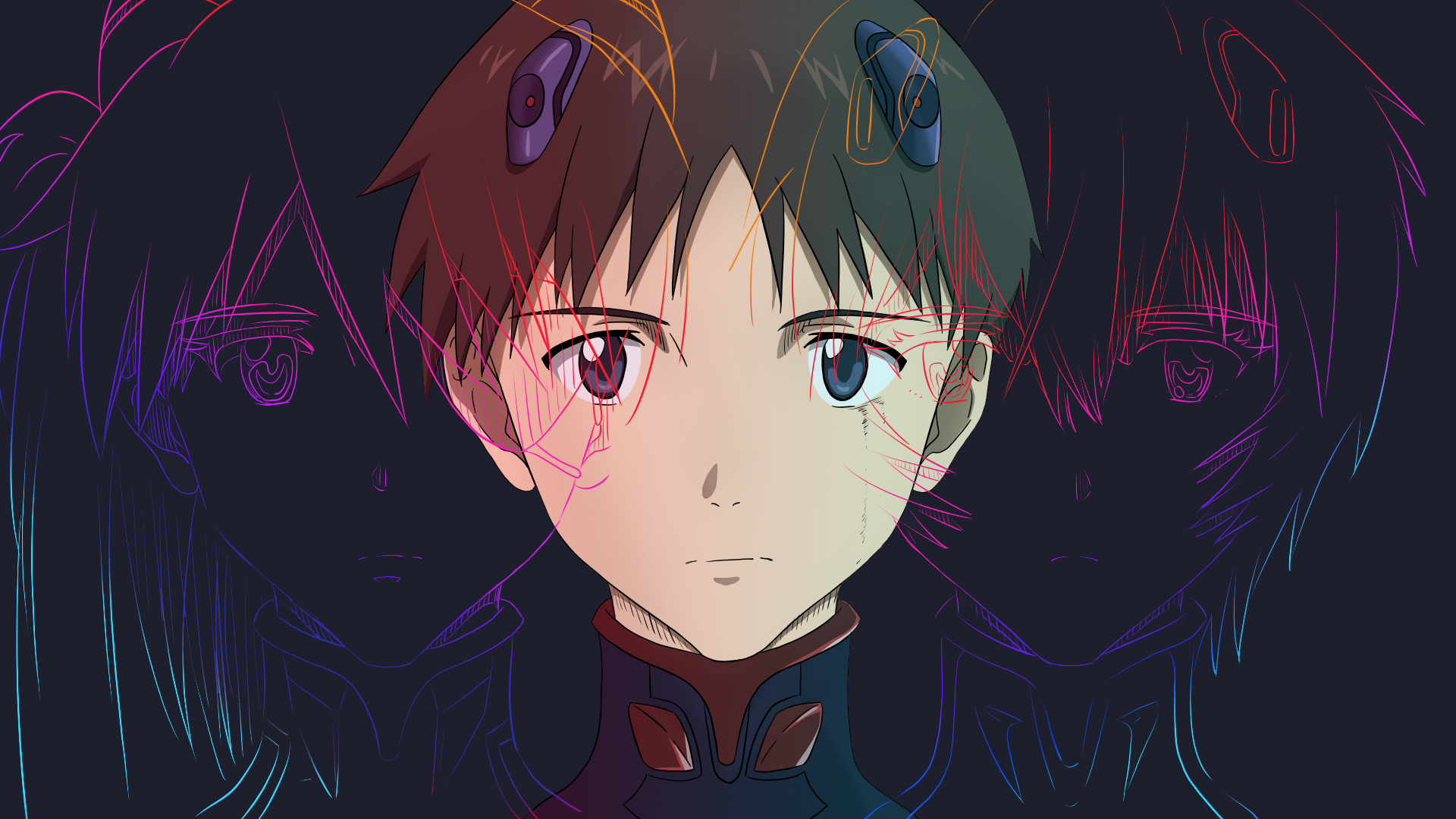
Shinji was designed to invert mecha protagonist expectations. Where Amuro Ray or Koji Kabuto eventually embrace their roles as robot pilots, Shinji never fully accepts his. He pilots Eva because of external pressure—guilt, manipulation, desperate need for approval—not heroic calling. This subversion was intentional and foundational to Evangelion’s premise.
Creator Hideaki Anno specifically wanted a protagonist who didn’t want to be there. Traditional mecha heroes model healthy response to impossible situations; Shinji models what real traumatized children might actually do.
The Central Question
Evangelion asks: “Why would anyone get in the robot?” Shinji’s struggle with this question drives the series. His repeated decisions to pilot despite not wanting to—and his eventual refusal—explore what combination of manipulation, duty, connection, and desperation would be required to make a child fight humanity’s wars.
Psychological Realism
Abandonment Trauma
Shinji’s mother died (was absorbed into Eva-01) when he was young. His father Gendo abandoned him immediately after. For ten years, Shinji had no family contact until Gendo summoned him to pilot Eva. This isn’t backstory—it’s the wound that defines everything Shinji does.
Children abandoned by parents develop specific patterns: desperate need for approval, fear of rejection so intense they preemptively withdraw, inability to believe anyone actually wants them. Shinji demonstrates all of these accurately.
Depression Representation
Shinji exhibits textbook depression symptoms: anhedonia (inability to enjoy things), social withdrawal, self-loathing, passive suicidal ideation. His famous line—”I mustn’t run away”—is depression mantra, forcing himself to act through emptiness rather than motivation.
For viewers who’ve experienced depression, Shinji’s portrayal resonates painfully. For those who haven’t, it can seem like simple weakness. This gap explains much of the character divide.
The Hedgehog’s Dilemma
Ritsuko explains Shinji’s condition through the “Hedgehog’s Dilemma”: wanting closeness but fearing the pain connection brings. Shinji desires relationships but believes he’ll hurt others or be hurt. This belief becomes self-fulfilling—he pushes people away to avoid pain, creating the isolation he fears.
The Controversial Moments
“Get in the Robot”
Fans frustrated with Shinji’s reluctance created the “get in the robot” meme. From their perspective, people are dying while Shinji mopes. Why can’t he just do his job?
The counterargument: Shinji is a child asked to experience death regularly while receiving no emotional support. His reluctance is healthy response to insane demands. The adults around him are the problem, not his reasonable reaction to their failures.
Hospital Scene (End of Evangelion)
The film opens with Shinji’s infamous action beside comatose Asuka. Anno deliberately included this disturbing moment to show how far Shinji has fallen. It’s not meant to be sympathetic—it’s meant to demonstrate his complete psychological collapse.
Whether this scene serves narrative purpose or represents gratuitous shock divides audiences. Its deliberate ugliness is the point; whether that point justifies the depiction remains debatable.
The Ending Choices
Both Evangelion endings center on Shinji’s choice to accept or reject humanity. The series ending (congratulations scene) shows psychological acceptance. End of Evangelion shows his rejection then reconsideration. Both explore what it means for Shinji to choose existence despite pain.
Relationships
Gendo: The Absent Father
Shinji’s relationship with Gendo drives his psychology. Everything Shinji does connects to desperate desire for paternal approval he’ll never receive. Gendo uses this need manipulatively, making Shinji complicit in his own exploitation.
The tragedy: Gendo does care about Shinji, in his deeply broken way. But his inability to express emotion perpetuates the cycle of trauma. Father and son wound each other through mutual inability to connect.
Rei: The Mirror
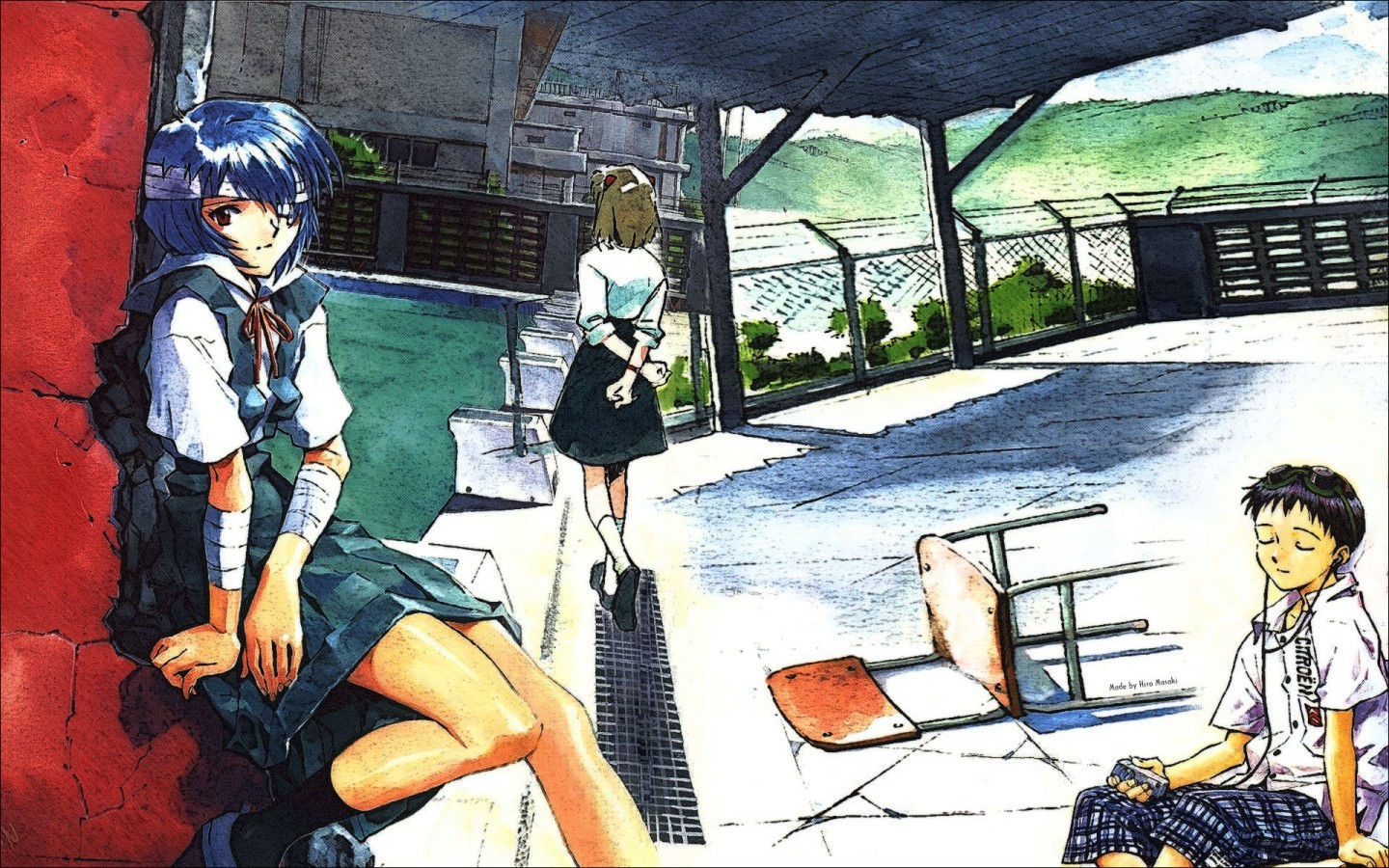
Rei reflects Shinji’s emotional deadness back at him. Her placid acceptance of everything contrasts his tortured reluctance, yet they recognize kinship. Rei’s connection to his mother adds Oedipal complexity Freudian analysis could spend volumes exploring.
Asuka: The Foil
Asuka represents everything Shinji isn’t: confident, aggressive, actively seeking validation. Their conflict stems from similarity they’d never admit—both are damaged children performing for adult approval. Their failed connection represents the hedgehog’s dilemma perfectly.
Kaworu: The Acceptance
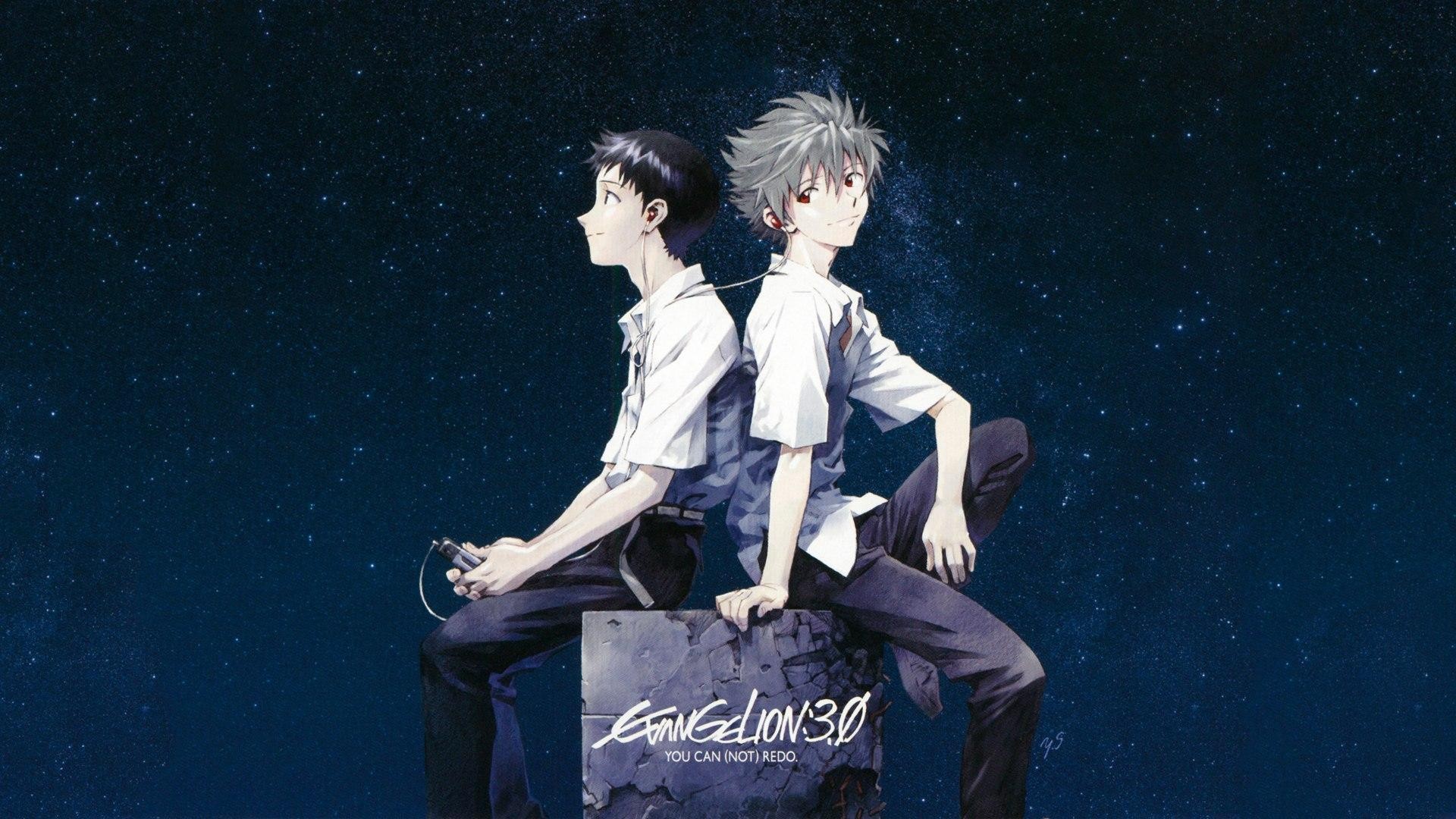
Kaworu offers Shinji unconditional acceptance. Their brief relationship provides the emotional connection Shinji desperately needs—which makes Kaworu’s death (by Shinji’s hand) devastating. The one person who loved him, Shinji had to kill. This breaks him completely.
Critical Reassessment
Contemporary Reception
When Evangelion aired, Shinji frustrated viewers expecting traditional heroes. His passivity and emotional instability seemed like character flaws rather than intentional design.
Modern Understanding
As mental health discourse expanded, Shinji became recognized as accurate trauma portrayal. Contemporary viewers often appreciate the realism that frustrated 1990s audiences. The character hasn’t changed; cultural context for receiving him has.
The Anno Connection
Hideaki Anno created Shinji during his own depression. The character reflects Anno’s genuine psychological state, making Shinji possibly anime’s most autobiographical protagonist. Whether Shinji is sympathetic depends partly on whether you believe art should portray depression authentically even when uncomfortable.
Why Shinji Matters
Shinji Ikari is important precisely because he’s controversial. He proved anime protagonists could be psychologically complex, realistically flawed, and commercially successful. Every anime protagonist who struggles with mental health owes something to Shinji’s precedent.
Whether you find him frustrating or relatable, cowardly or realistic, his impact on anime is undeniable. Shinji changed what protagonists could be—and that contribution transcends whether any individual viewer likes him.