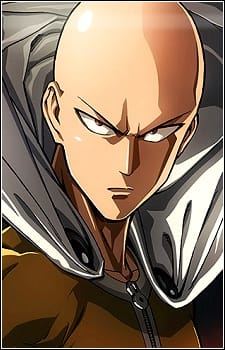
Saitama can defeat any opponent with a single punch. This premise should make One Punch Man the most boring anime imaginable. Instead, Saitama’s absolute power creates one of the medium’s most thoughtful explorations of purpose, fulfillment, and what it means to be a hero. Here’s why anime’s strongest character is also one of its most compelling.
The Premise: Power Without Purpose
Strength Through Training
Saitama became invincible through ordinary training: 100 push-ups, 100 sit-ups, 100 squats, and a 10km run every day. No supernatural origin, no genetic gift, no magical awakening—just relentless, mundane exercise until his body transcended human limits.
This absurd explanation is part of the joke. ONE refuses to explain Saitama’s power through typical anime logic. The how doesn’t matter; the consequences do.
Victory’s Hollowness
Saitama achieved his dream of becoming so strong that no enemy could challenge him. He got exactly what he wanted. And it’s made him miserable. Every battle ends in one punch; every threat proves trivial; every anticipation of challenge ends in disappointment.
This existential situation provides the series’ emotional core. Saitama has everything except purpose. His strength—the thing heroes are supposed to want—is the source of his suffering.
Existential Themes
The Search for Meaning
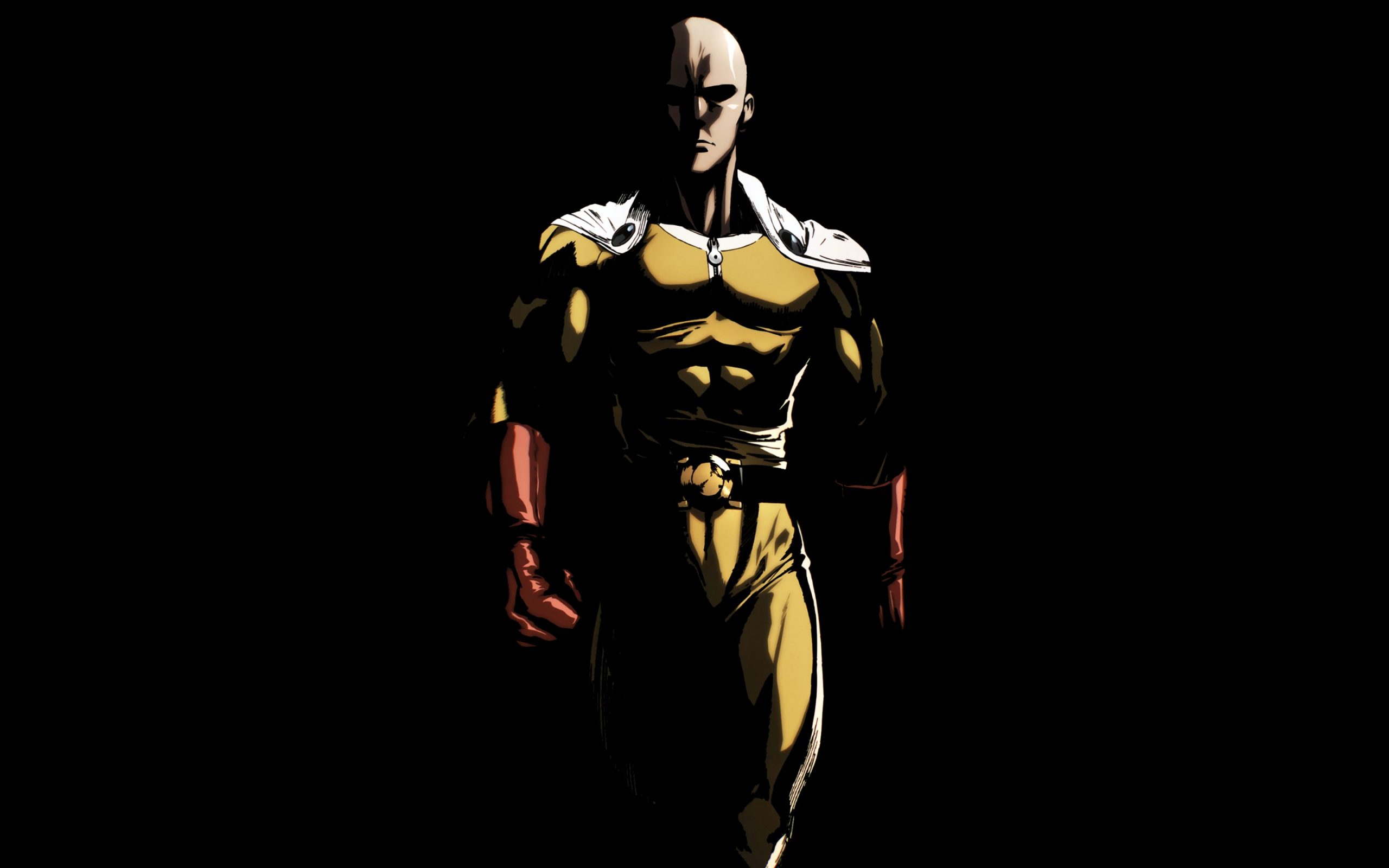
Saitama’s journey isn’t about getting stronger—it’s about finding reason to continue when your goal has been achieved. What comes after “happily ever after”? What do you do when the struggle that defined you ends?
These questions resonate beyond power fantasy. Anyone who’s achieved a major goal and felt emptiness afterward recognizes Saitama’s condition. Success without continued purpose leads to existential crisis.
Identity Beyond Achievement
Saitama was defined by his aspiration to be strong. Without that aspiration, who is he? The series explores how he rebuilds identity through relationships (Genos), community (Hero Association), and simply continuing to act heroically despite lack of personal satisfaction.
Boredom as Curse
Saitama’s boredom isn’t played purely for comedy. His blank expression during battles that should terrify him, his inability to feel the excitement others experience, his monotone reactions to extraordinary events—these show genuine psychological impact of his condition.
Character Relationships
Genos: The Disciple
Cyborg hero Genos declares himself Saitama’s disciple, determined to learn the secret of his strength. Their relationship provides much of the series’ humor—Genos takes everything seriously while Saitama remains indifferent—but also genuine warmth.
Genos gives Saitama someone to interact with, someone who sees his strength as admirable rather than isolating. Their domestic scenes (Genos cleaning, Saitama playing video games) create found family dynamic that contrasts the series’ explosive action.
King: The False Hero
King, supposedly the strongest human, is actually powerless—his reputation came from accidentally receiving credit for Saitama’s victories. Their friendship explores authentic versus perceived strength. Saitama doesn’t care about King’s deception; he enjoys having someone to play video games with.
Bang: Respect Between Generations
Silver Fang Bang recognizes Saitama’s true power when other heroes miss it. His respect provides validation Saitama doesn’t seek but perhaps needs—acknowledgment from someone competent enough to understand what he’s seeing.
Hero Association Commentary
Bureaucratic Heroism
The Hero Association ranks heroes by metrics that often miss actual heroism. Saitama ranks low (Class B) despite being objectively strongest because he doesn’t play political games or seek publicity. The system fails to recognize genuine heroism.
This critique extends to real-world meritocracy failures. Competence doesn’t automatically receive recognition; performance often matters less than visibility.
What Makes a Hero?
Various heroes pursue heroism for different reasons: fame, money, duty, trauma response. Saitama became a hero “for fun”—the least impressive motivation. Yet his actions are the most genuinely heroic: protecting people without expecting reward or recognition.
The series argues that motivation matters less than action. Saitama’s “unheroic” motivation produces the most heroic outcomes.
Comedy and Pathos Balance
The Joke That Works
One Punch Man’s central joke—buildup to fight, immediate anticlimax—could get old quickly. Instead, the series varies how it presents this pattern. Sometimes it’s pure comedy; sometimes Saitama’s disappointment carries genuine sadness; sometimes the focus shifts to other characters’ struggles while Saitama waits for challenge that won’t come.
Supporting Cast Depth
The series invests heavily in other heroes’ struggles. When Mumen Rider fights hopelessly against Sea King, it’s genuinely moving—a weak hero giving everything despite certain defeat. These characters experience the tension Saitama can’t, providing emotional stakes the protagonist’s power would otherwise eliminate.
Saitama’s Design
Deliberate Blandness
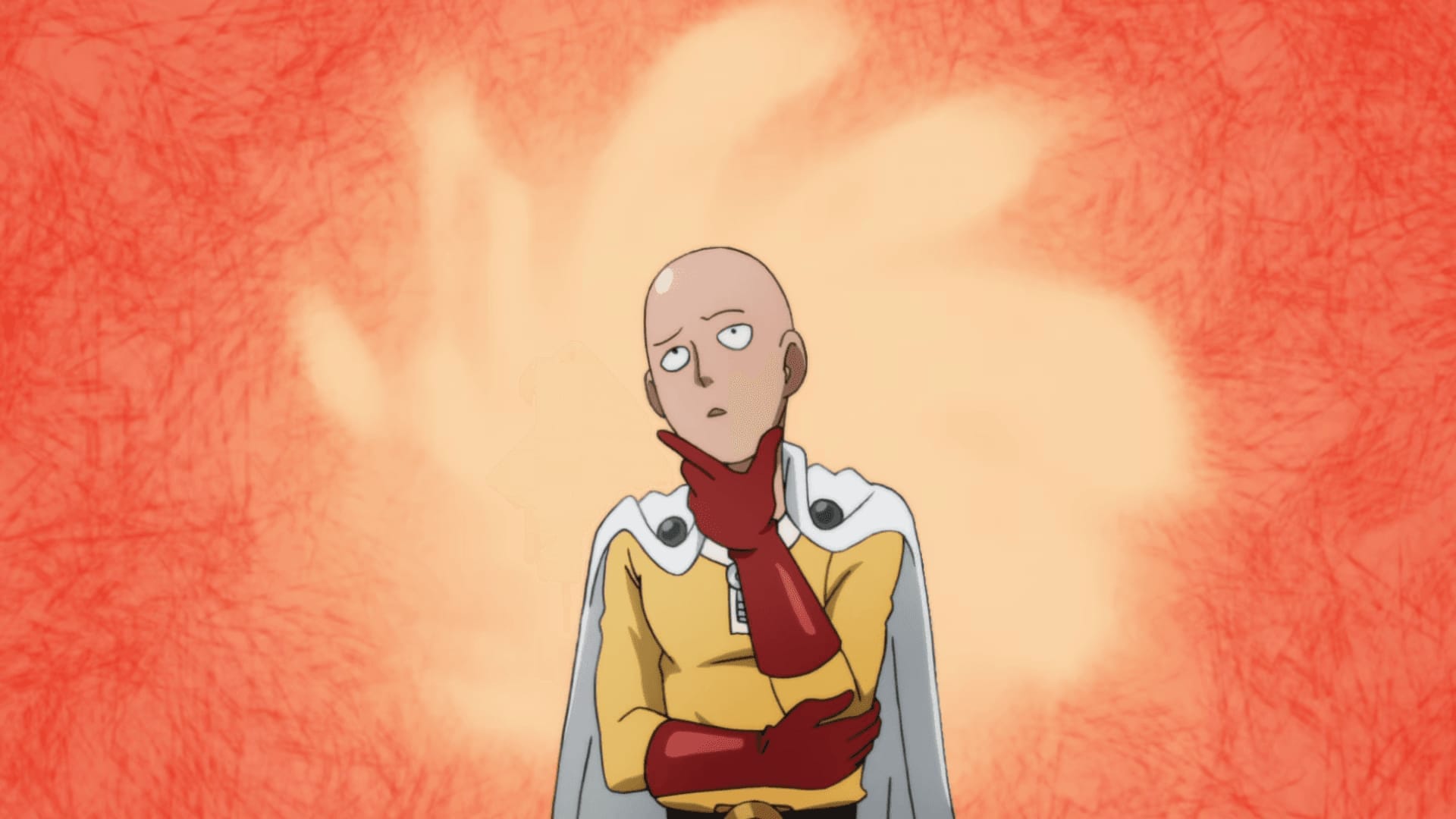
Saitama’s design—bald head, plain face, simple costume—contrasts sharply with elaborate character designs around him. He looks like background character, which is precisely the point. His extraordinary power comes in ordinary package.
The shifting art style between serious and comedic moments visually represents tonal transitions. Detailed Saitama appears during rare serious moments; simple Saitama accompanies comedy.
Manga vs. Anime
ONE’s Webcomic
ONE’s original webcomic features intentionally crude art that emphasizes comedy through contrast. The humor works differently than polished versions.
Murata’s Manga
Yusuke Murata’s redraw brings stunning artwork while maintaining ONE’s story. The combination of beautiful art and comedic anticlimax creates unique reading experience.
Madhouse’s Season 1
The first anime season is considered exceptional—fluid animation, perfect comedic timing, faithful adaptation. It set standards subsequent seasons struggled to match.
Why Saitama Works
Saitama works because his power creates problems rather than solving them. His struggle isn’t external (no enemy can challenge him) but internal (finding meaning despite this). This inversion of power fantasy tropes creates genuinely thoughtful meditation on purpose disguised as superhero parody.
He’s funny because he’s bored by things that should be exciting. He’s sad because his dream came true. He’s compelling because his situation asks questions viewers recognize: What happens when you get what you wanted? What comes after the happy ending?
One Punch Man wouldn’t work with any other protagonist. Saitama’s specific combination of absolute power and existential emptiness is the series. He’s anime’s strongest—and most unexpectedly philosophical—hero.