
Your favorite anime ended on a cliffhanger two years ago. No Season 2 announcement. Meanwhile, shows you’ve never heard of get third and fourth seasons. The system determining which anime receive continuations seems random—but it isn’t. Understanding why some anime get multiple seasons reveals the complex economics behind anime production.

The Production Committee Model
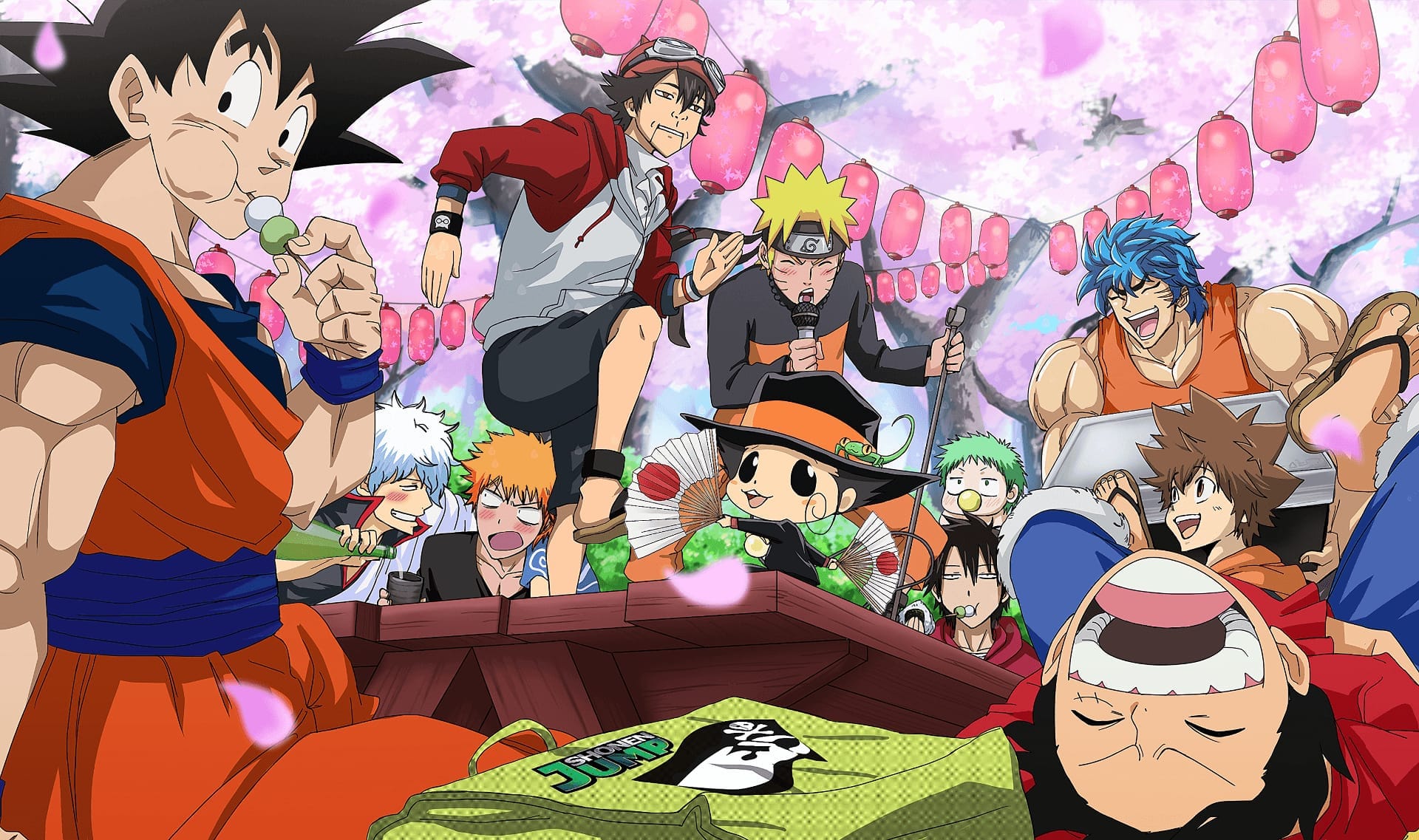
How Anime Gets Made
Most anime is funded by production committees—coalitions of investors including publishers, music labels, merchandise companies, and streaming platforms. These committees bear production costs and share profits. Each member’s investment determines their share of revenue and decision-making power.
Crucially, production committees make sequel decisions, not studios. A studio might desperately want to continue a beloved project, but if the committee doesn’t greenlight funding, nothing happens.
What Committees Want
Committees want return on investment. This means: source material sales (manga, light novels), merchandise revenue (figures, clothing), Blu-ray sales, streaming revenue, and licensing fees. An anime that drives these metrics gets sequels; one that doesn’t gets forgotten.
Revenue Streams That Matter
Source Material Sales
Anime often exists to boost manga or light novel sales. If a show causes source material to fly off shelves, its purpose is achieved. Sequels become tools for continued sales promotion rather than narrative completion.
This explains why adaptations sometimes end mid-story: the anime’s job was to create manga readers, not provide complete animated experience. Once sales boost is achieved, continuation depends on whether another boost is needed.
Merchandise Performance
Character goods—figures, apparel, accessories—generate significant revenue for some properties. Anime with merchandise-friendly characters and designs are more likely to receive sequels because continuation maintains merchandise sales.
This factor explains why some “popular” anime don’t get sequels while seemingly less popular ones do. Merchandise revenue doesn’t always correlate with online discussion or critical reception.
Physical Media Sales (Japan)
Japanese Blu-ray sales historically determined sequel potential heavily. This is changing as streaming revenue grows, but physical sales remain important. Expensive Japanese Blu-rays provide substantial per-unit revenue that streaming can’t match.
Western fans who don’t buy Japanese Blu-rays sometimes wonder why their enthusiasm doesn’t translate to sequels. The answer: Japanese sales matter more to production committees than international streaming numbers.
Streaming Revenue
Global streaming has changed calculations. When platforms like Crunchyroll or Netflix provide substantial licensing fees or co-production funding, this influences sequel decisions. Popular streaming performance increasingly matters.
However, streaming revenue per viewer is much lower than physical sales per buyer. A million streamers might generate less revenue than fifty thousand Blu-ray buyers. The economics are shifting but haven’t equalized.
Why Popular Shows Don’t Get Sequels
No More Source Material
Anime can’t continue beyond its source material without anime-original content. If manga or light novel releases slowly or goes on hiatus (Hunter x Hunter, anyone?), anime waits. The source simply doesn’t exist to adapt.
Committee Changes
Production committees for different seasons may have different compositions. If key members don’t return, sequel funding doesn’t materialize. Business relationship changes can kill continuations.
Studio Availability
Studios have limited capacity. If the original studio is unavailable (due to other projects or closure), finding replacement that can match quality is difficult. Some properties prefer waiting for the right studio over accepting diminished production.
Diminishing Returns
First seasons often generate the largest sales boost. Subsequent seasons may produce smaller incremental gains. If the cost of production exceeds expected revenue increase, sequels don’t make financial sense even for popular properties.
The Promotional Purpose Was Served
If anime was primarily advertisement for source material, and source material sales are now strong, the anime’s purpose is complete. Continuing serves no business goal even if fans want more.
Why Unexpected Shows Get Sequels
Passionate Investors
Sometimes committee members personally love a property enough to fund continuation despite marginal economics. Passion projects exist—they’re just rare.
Long-Term Franchise Potential
Some properties are investments in franchise building. Early seasons may not be profitable but establish fanbase for eventual profitability. Committees sometimes think long-term.
Licensing Deals
International platforms bidding for exclusive content can fund sequels that Japanese market alone wouldn’t justify. Global streaming has enabled continuations that purely domestic economics wouldn’t support.
What Fans Can Do
Buy Stuff
Revenue drives decisions. Buying official merchandise, Blu-rays, and source material demonstrates demand in language production committees understand. Streaming views matter less than actual purchases.
Japanese Market Matters More
Unfortunately for international fans, Japanese market performance typically matters more. Efforts to influence sequel decisions are more effective when directed at Japanese revenue streams.
Campaigns Sometimes Work
Fan campaigns occasionally influence decisions—particularly if they demonstrate organized purchasing commitment. Young Justice fans famously bought merchandise to prove demand. Anime fans have sometimes achieved similar results.
Patience
Some sequels take years to materialize. Rights situations change, funding opportunities emerge, anniversaries prompt re-evaluation. Properties considered “dead” sometimes resurrect unexpectedly.
The Changing Landscape
Streaming Influence Growing
As streaming revenue grows relative to physical sales, international audience preferences will influence decisions more. This shift is happening gradually—don’t expect overnight change.
Global Co-Production
International co-production funding can enable projects that Japanese market alone wouldn’t support. This trend may continue, creating more globally-oriented sequel decisions.
Creator Ownership
Creators with more IP control can make different decisions than traditional production committees. As creator leverage increases, sequel decisions may change.
The Reality Check
Anime sequel decisions are business decisions. Critical acclaim, fan passion, and narrative completion needs don’t override financial calculations. Understanding this system helps manage expectations about which shows will continue.
The good news: more anime gets made now than ever before. Even if your specific favorite doesn’t continue, similar content probably exists. The industry produces enough that most preferences find satisfaction somewhere.
The system isn’t fair to every property. But understanding it helps appreciate what does get made and why.
You Might Also Like
- Blue Lock Season 1 Complete Review
- Solo Leveling Season 1 Review
- Vinland Saga Season 2: The Peaceful Arc