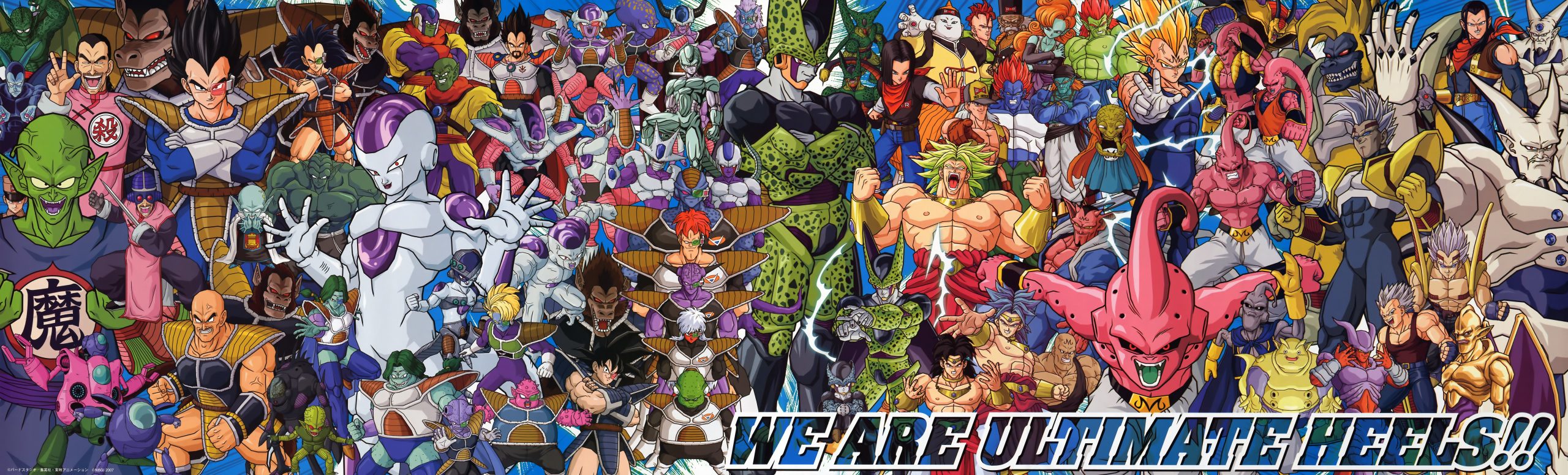
“Villain arc” has become fan shorthand for moments when antagonists receive focus, development, and sometimes sympathy. These arcs frequently outshine protagonist content—generating more discussion, more emotional investment, and more memorable moments. Here’s why villain arcs consistently deliver better storytelling than hero arcs.
 naruto-anime-1771366916.webp” alt=”Naruto Uzumaki”>
The Structural Advantage
Novelty Factor
Heroes occupy most screentime by design. When villains finally receive focus, the shift feels fresh. After dozens of episodes from protagonist perspective, experiencing the story through antagonist eyes provides welcome variety. This novelty creates engagement that routine hero content can’t match.
Compressed Development
Villain arcs must accomplish more in less time. Hero development stretches across entire series; villain development concentrates into dedicated arcs. This compression forces efficiency—every scene must matter. The result is tight, purposeful storytelling without padding.
Permission to Be Dark
Hero arcs often feel constrained by audience expectations. Protagonists should be likeable; their flaws should be sympathetic; their actions should be defensible. Villains face no such constraints. Writers can explore genuinely dark psychology without worrying about audience rejection.
Emotional Complexity
Tragedy Works Better Than Triumph
Most hero arcs build toward triumph—overcoming obstacles, achieving goals, defeating enemies. Villain arcs often build toward tragedy—showing how reasonable people became monsters. Tragedy tends to be more emotionally resonant than triumph. We expect heroes to win; we don’t expect villains’ suffering.
Sympathy Through Context
Villain backstories recontextualize antagonism. The person who seemed simply evil reveals understandable motivations. This shift—from hatred to sympathy—creates stronger emotional response than maintaining consistent approval of heroes.
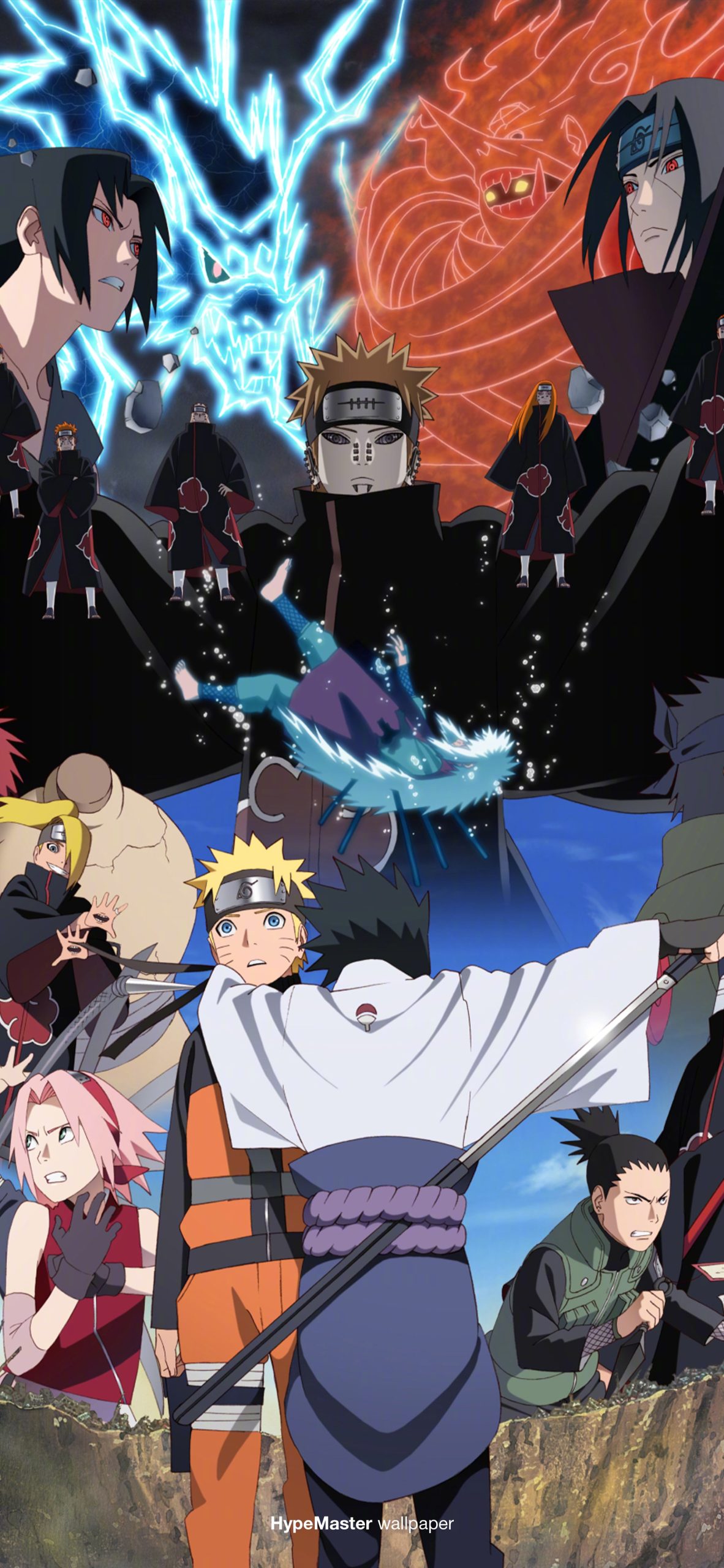
Pain’s backstory in Naruto transforms him from obstacle to tragic figure. Doflamingo’s childhood trauma explains his cruelty without excusing it. These revelations create complex emotional states heroes rarely generate.
Moral Ambiguity
Villain arcs often force moral ambiguity heroes avoid. When we understand why someone became villain, easy judgments become impossible. This discomfort is productive—it makes viewers think rather than simply consume.
Iconic Examples
Itachi’s Truth (Naruto)
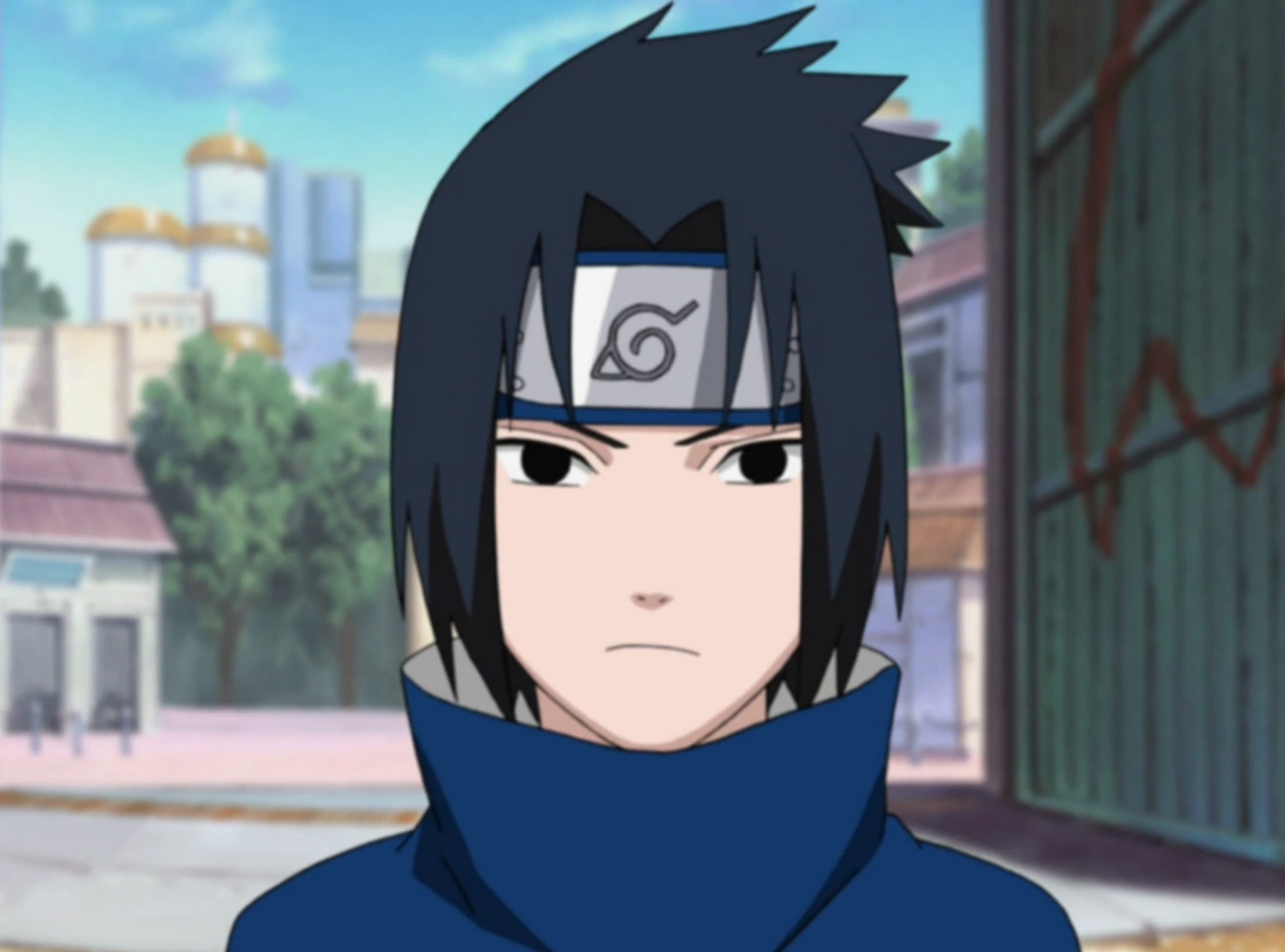
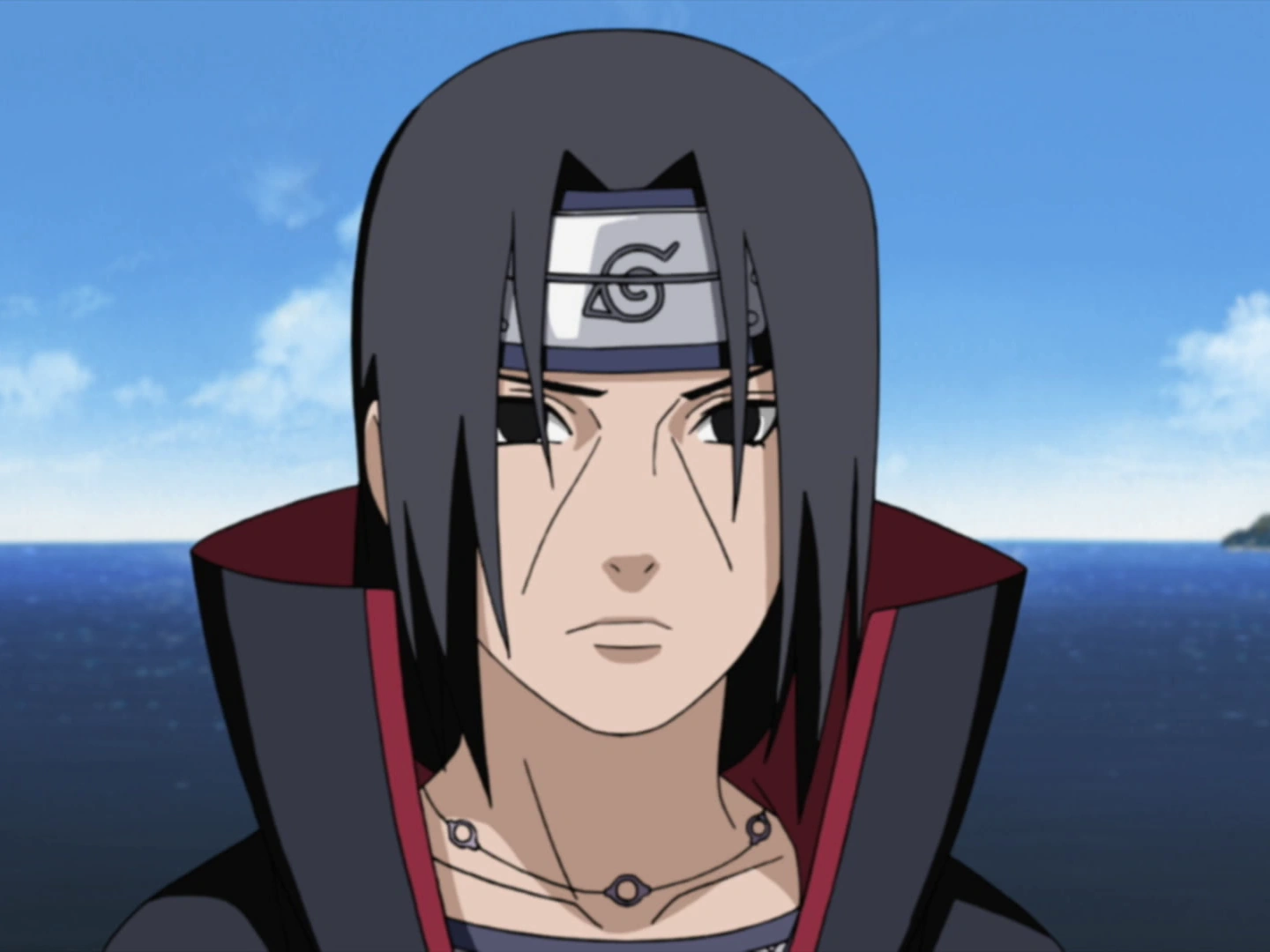
Itachi seemed pure villain for hundreds of chapters. The revelation that he massacred his clan to prevent worse catastrophe—sacrificing his reputation and relationship with Sasuke to protect Konoha—completely recontextualized his character. This villain arc is arguably Naruto’s most discussed plot element.
Reiner’s Perspective (Attack on Titan)
The Marley arc’s shift to Reiner’s viewpoint transformed Attack on Titan’s moral landscape. Suddenly the “enemy” had faces, relationships, and understandable motivations. Reiner’s guilt and trauma made him more sympathetic than many protagonists.
Meruem’s Evolution (Hunter x Hunter)
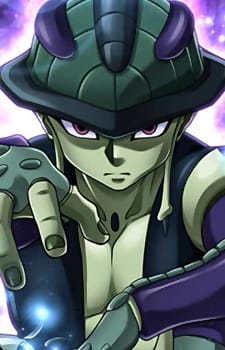
The Chimera Ant King began as pure threat—eating humans, killing servants, pursuing domination. His relationship with Komugi transformed him into the arc’s most compelling character. His death scene with her is Hunter x Hunter’s emotional peak.
Dabi’s Reveal (My Hero Academia)
The revelation that Dabi is Endeavor’s son—driven to villainy by his father’s abuse—reframed the entire Todoroki family narrative. The broadcast of his truth was MHA’s most impactful moment.
Thorfinn as “Villain” (Vinland Saga)
Vinland Saga’s first season presents Thorfinn as protagonist, but he’s actually antagonist to his own better nature. Season 2’s examination of this—treating his violence as the evil it was—provides the series’ best material.
Why Hero Arcs Often Fall Short
Expectation of Victory
We know heroes will ultimately win. This expectation reduces tension. Villain arcs can end in death, defeat, or redemption—the outcome is genuinely uncertain.
Maintaining Likability
Heroes must remain likeable. This limits how dark their psychology can go, how questionable their decisions can be. The constraint produces safer, less interesting character work.
Power Fantasy Obligations
Shonen protagonists often serve power fantasy—viewer identification through competence and victory. This obligation pushes toward wish fulfillment rather than character complexity. Villains aren’t power fantasy vehicles and can therefore be more human.
Repetitive Structure
Hero arcs follow recognizable patterns: face challenge, struggle, overcome, grow. This structure works but becomes predictable. Villain arcs aren’t bound by these expectations and can structure differently.
What Good Hero Arcs Learn
Allowing Darkness
The best hero arcs let protagonists fail morally. Eren’s transformation in Attack on Titan, Gon’s rage against Pitou—these moments work because they abandon hero constraints temporarily.
Genuine Consequence
Hero arcs that allow permanent loss approach villain arc emotional impact. When heroes pay real costs, their stories gain weight.
Moral Complexity
Heroes with genuinely questionable motivations (Lelouch, Light Yagami) create engagement that straightforwardly heroic protagonists can’t. These anti-hero arcs borrow villain arc techniques.
The Balance
Effective storytelling needs both. Villain arcs work partly because they contrast with hero arcs. A series of only villain content would lose its impact through overexposure. The hero-villain dynamic creates space for both to function.
But recognizing that villain arcs often deliver superior storytelling helps appreciate what makes them work—and perhaps push hero arcs toward similar complexity.
The Takeaway
Villain arcs succeed because they’re free from protagonist constraints. They can be dark, tragic, morally ambiguous, and structurally unexpected in ways hero arcs typically aren’t. This freedom produces some of anime’s best storytelling.
When you find yourself more invested in the villain than the hero, you’re not being contrarian—you’re responding to better writing. Villain arcs earn that investment through craft that hero arcs could learn from.
You Might Also Like
- Anime Adaptation vs Original: Which Is Better?
- Why Anime Fights Are Better Than Marvel
- One Piece vs Naruto: Which Is the Better Long-Running Anime?