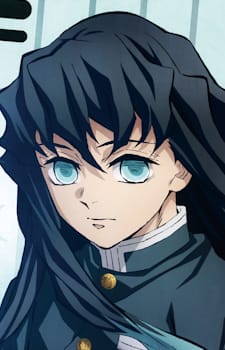
Demon Slayer’s third season brought the Swordsmith Village Arc to life with Ufotable’s trademark visual excellence. This arc diverges from earlier seasons’ formula, focusing on new characters while developing existing ones. Here’s our complete analysis of what the Swordsmith Village Arc achieves and where it stands in Demon Slayer’s overall story.
What This Arc Is About
The Setup
Tanjiro travels to the hidden Swordsmith Village to get his sword repaired after the Entertainment District battle. The village—kept secret to protect the artisans who create Demon Slayer Corps weapons—becomes target for Upper Moon demons seeking to cripple the Corps permanently.
The Stakes
Without swordsmiths, the Demon Slayer Corps can’t maintain or replace their specialized Nichirin blades. This attack targets the organization’s infrastructure rather than its fighters directly—a strategic shift that raises tension.
New Characters
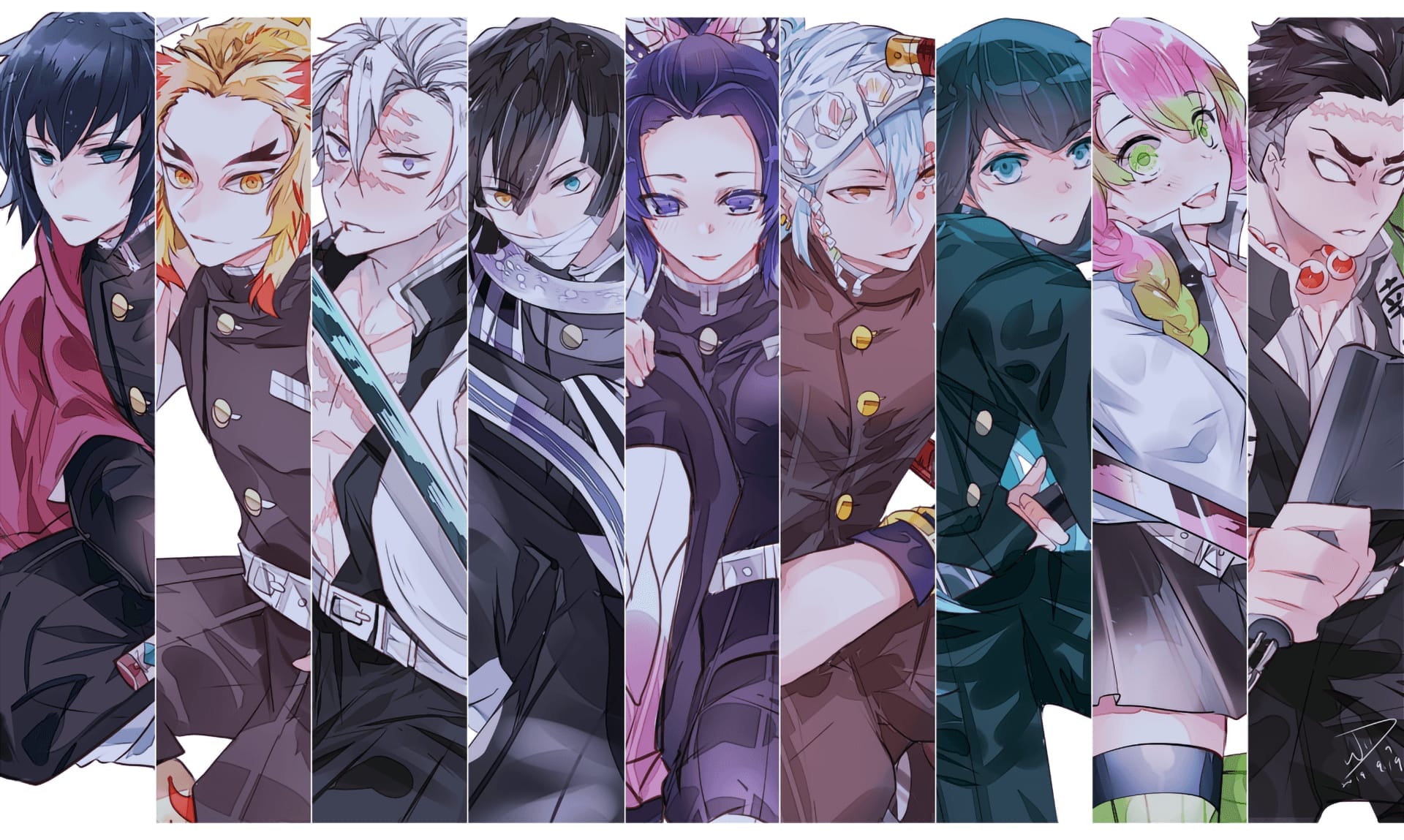
The arc introduces (or fully develops) two Hashira: Mitsuri Kanroji (Love Hashira) and Muichiro Tokito (Mist Hashira). Both receive substantial screen time and character development rarely given to side characters in earlier seasons.
The Upper Moons
Hantengu (Upper Moon Four)
Hantengu’s ability splits him into emotion-based clones: Sekido (anger), Karaku (pleasure), Aizetsu (sorrow), and Urogi (joy). Each clone fights independently with different powers. The demon’s true body hides while clones distract opponents.
This gimmick creates strategic challenge—defeating clones accomplishes nothing while the main body remains hidden. The solution requires understanding the ability’s mechanics, not just overpowering opponents.
Gyokko (Upper Moon Five)
An artistic demon who creates grotesque “art” from human bodies and manifests through porcelain vases. His fight with Muichiro showcases the Mist Hashira’s abilities while exploring his tragic backstory.
Gyokko’s aesthetic—beautiful ceramics containing horrific imagery—represents Demon Slayer’s recurring juxtaposition of beauty and horror.
Character Development
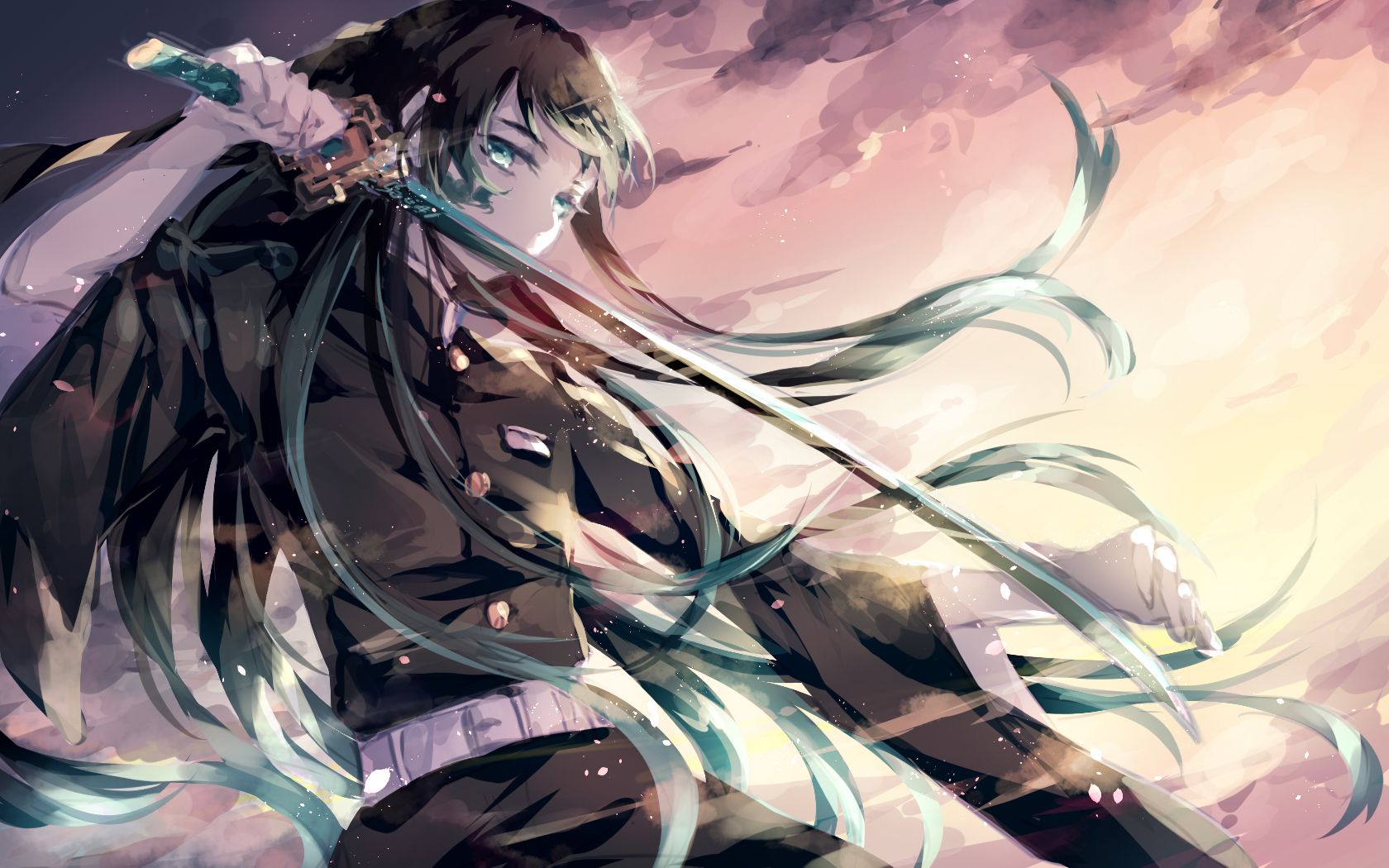
Muichiro Tokito
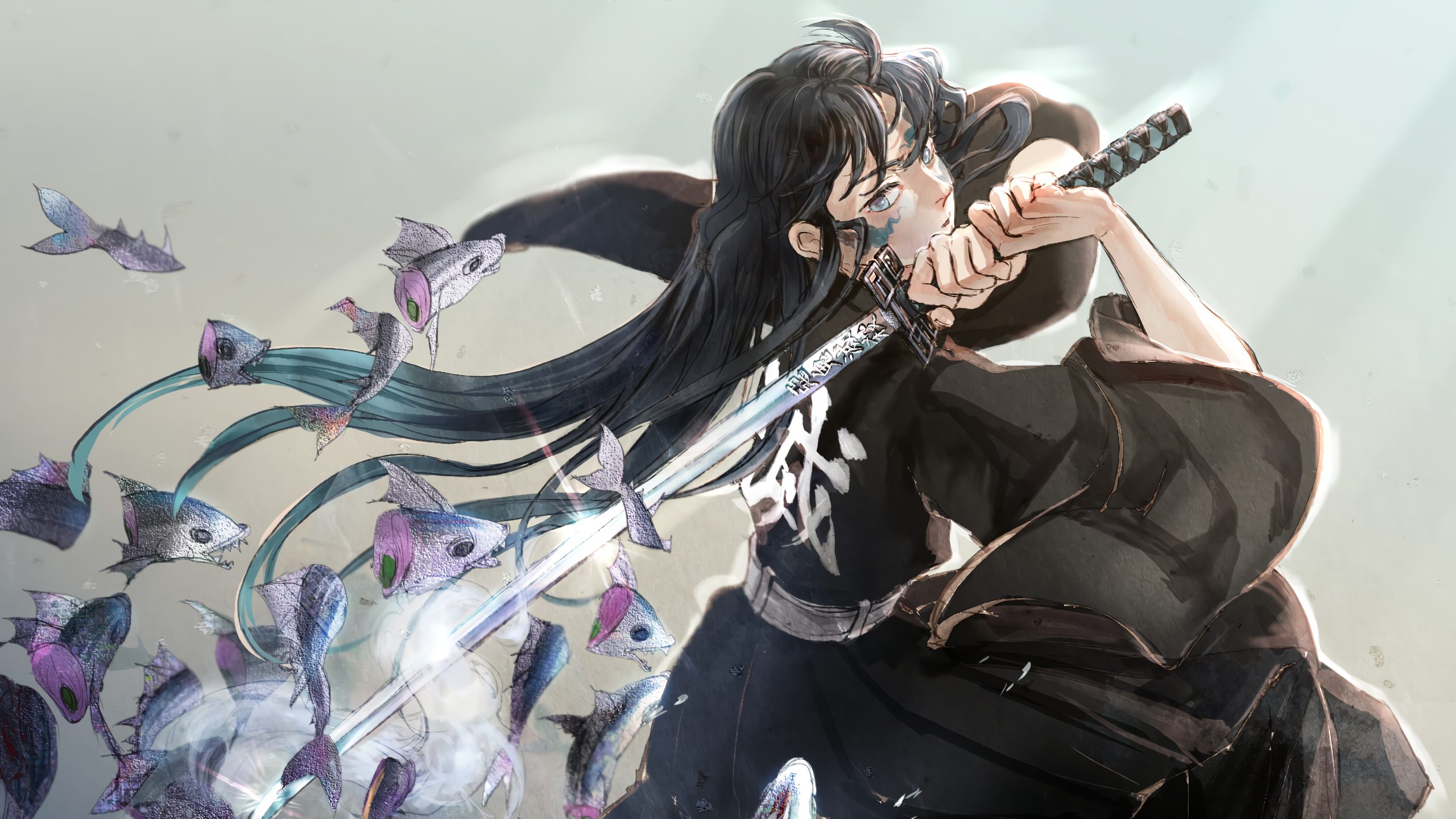
The Mist Hashira begins the arc seemingly emotionless, indifferent to others’ suffering. Through his battle with Gyokko and recovered memories, we learn his tragic backstory: twin brother’s death, amnesia from trauma, and repressed grief.
His transformation from cold efficiency to emotional presence provides the arc’s most satisfying character work. By the end, Muichiro is fully realized character rather than mysterious figure.
Mitsuri Kanroji
The Love Hashira’s combat abilities finally receive proper showcase. Her unique fighting style—flexible blade manipulation enabled by abnormal muscle composition—creates visually distinctive action sequences.
More importantly, her backstory explores themes of self-acceptance. Mitsuri felt her unusual strength made her unmarriageable; the Demon Slayer Corps gave her place where her “abnormality” became asset.
Tanjiro and Nezuko
Tanjiro continues developing his techniques, receiving new sword and awakening abilities. But this arc belongs to other characters—Tanjiro supports rather than dominates.
Nezuko’s role creates the arc’s most surprising moment, expanding understanding of her demon nature and potential.
Genya Shinazugawa
Wind Hashira’s brother receives significant development. His unique combat method—eating demons to temporarily gain their abilities—and complicated relationship with his brother add depth to previously minor character.
Themes Explored
Legacy and Inheritance
The Swordsmith Village represents generational knowledge passed down through centuries. The ancient training doll, the secret techniques, the handed-down skills—all speak to inheritance of tradition.
This theme extends to Hashira. Muichiro carries his brother’s memory. Mitsuri found purpose through accepting her inherited traits. The demons themselves represent corrupted legacies.
Hidden Strength
Characters reveal strength they concealed or didn’t know they possessed. Muichiro’s memory recovery unlocks his potential. Mitsuri stops holding back. Even the swordsmiths show courage defending their village.
The Cost of War
The arc doesn’t shy from showing damage. Swordsmiths die. Characters are maimed. Victory requires sacrifice. This isn’t sanitized conflict.
Animation and Production
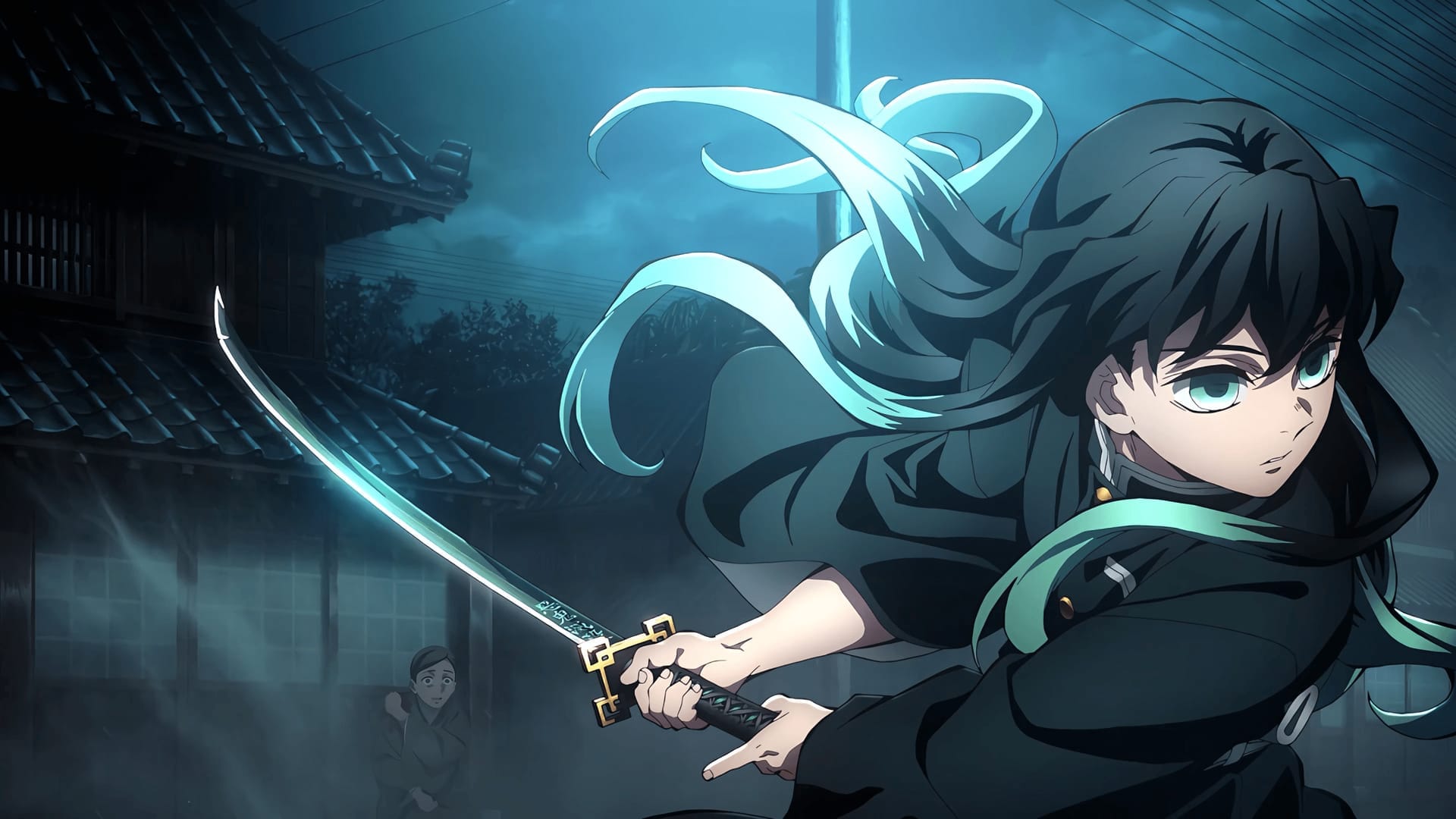
Visual Excellence
Ufotable maintains their standard: gorgeous backgrounds, fluid action, creative visual representation of techniques. The Love Breathing and Mist Breathing styles particularly benefit from animation that static images can’t capture.
Episode Length
Several episodes run longer than standard anime length, allowing extended action sequences without cutting content. The premiere and finale particularly benefit from expanded runtime.
CGI Integration
The Upper Moon demons involve more CGI than previous antagonists. Integration quality varies—sometimes seamless, occasionally noticeable. Overall, the production maintains quality despite ambitious designs.
Criticisms
Pacing Debates
Some viewers felt the arc moved slowly, particularly in middle episodes. The Hantengu fight extends across multiple episodes with repeated strategic attempts. Whether this is “thorough” or “dragged out” depends on viewer preference.
Supporting Trio Absence
Zenitsu and Inosuke are largely absent from this arc. Viewers attached to the core group may miss their dynamic. The arc focuses elsewhere—a valid choice, but one that changes the feel.
Villain Development
Gyokko and Hantengu receive less sympathetic backstory than previous demons. Their tragic pasts exist but feel less developed. For viewers who appreciated Demon Slayer’s antagonist complexity, this arc delivers less.
How It Fits the Larger Story
Setup for Finale
The Swordsmith Village Arc is penultimate major arc before the final battle. It develops characters who’ll be crucial in the endgame and establishes stakes for the conclusion.
Power Escalation
Multiple Hashira awakening new abilities indicates the approaching finale requires unprecedented power. The strength demonstrated here previews what’ll be necessary against Muzan.
Narrowing Scope
The Upper Moons are being eliminated. Each defeat reduces Muzan’s forces and brings the final confrontation closer. The Swordsmith Village victories significantly impact the war’s trajectory.
The Verdict
The Swordsmith Village Arc succeeds at character development while maintaining Demon Slayer’s action excellence. It’s a transition arc—setting up the finale rather than delivering it—but that transition is handled with care.
For fans invested in Demon Slayer’s characters, this arc provides payoff for patience. For those primarily interested in action, the Hashira battles deliver spectacle. The arc serves its purpose in the larger story while standing as compelling content on its own.
You Might Also Like
- Demon Slayer Entertainment District Arc: A Visual Masterpiece
- Zenitsu Agatsuma: Demon Slayer’s Unlikely Hero
- Demon Slayer Breathing Techniques: Complete Guide to Every Style