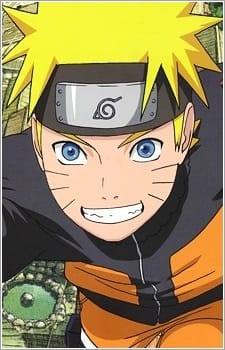
Fifteen years of rivalry. Hundreds of episodes of parallel development. The series’ central relationship reaching its conclusion. The final Naruto vs Sasuke fight at the Valley of the End delivers everything the series built toward—not through flashy techniques (though those exist) but through emotional payoff rooted in genuine character work.
 naruto-anime-1771366916.webp” alt=”Naruto Uzumaki”>
The Setup: Why They Fight
Sasuke’s Revolution
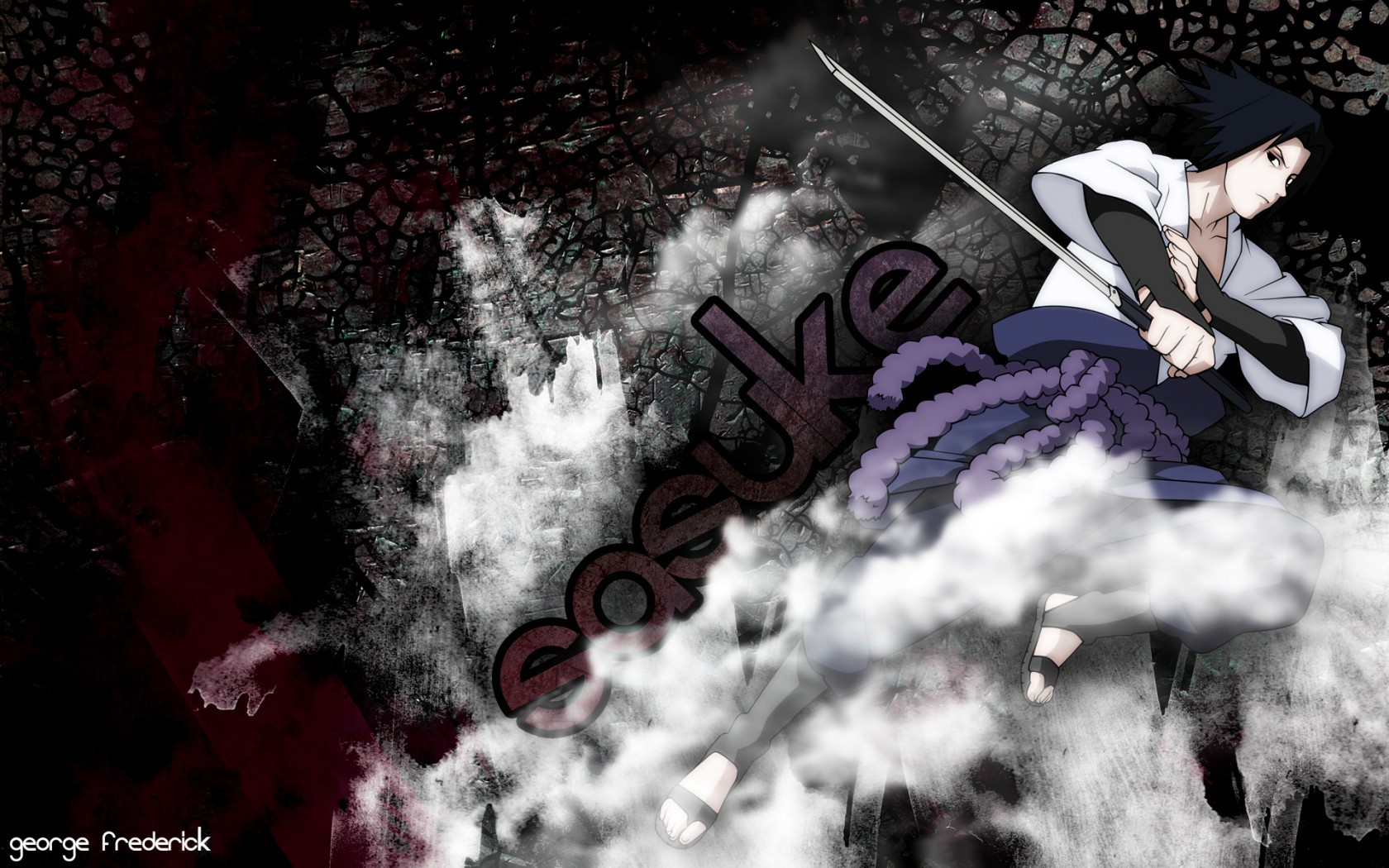
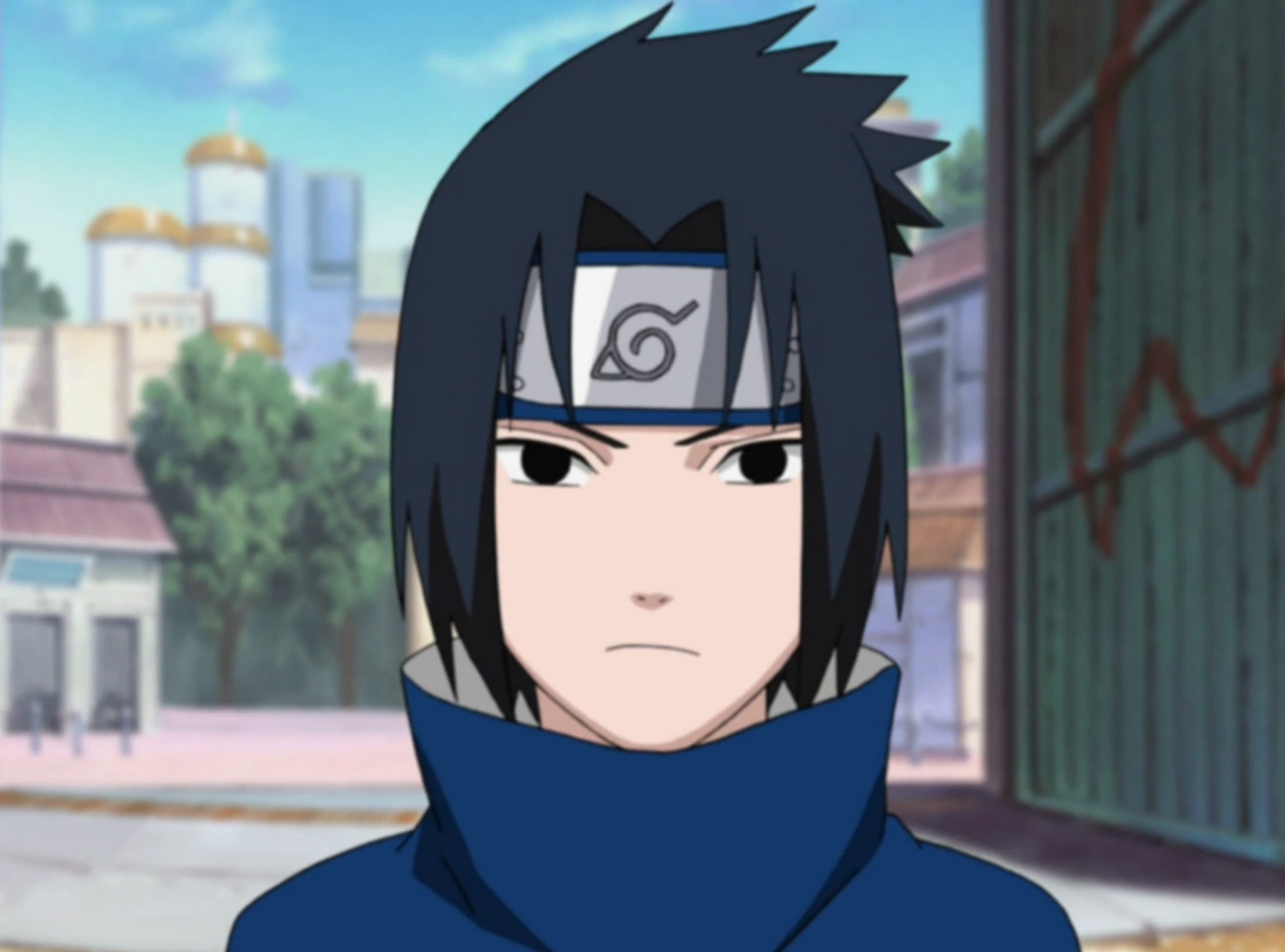
After helping defeat Kaguya, Sasuke announces his intention to kill the five Kage and reshape the shinobi world. His plan: become universal enemy that unites all nations against him, creating peace through shared hatred. He’ll be the darkness so others can be light.
This isn’t madness—it’s logic twisted by trauma. Sasuke’s solution addresses real problems (shinobi system perpetuates violence) through methods he understands (his entire life has been shaped by hatred).
Naruto’s Response
Naruto can’t accept Sasuke’s path. Not because it’s strategically flawed (though it is) but because it means losing Sasuke forever. Naruto’s motivation isn’t saving the world—it’s saving his friend.
This personal stake makes the fight matter. It’s not cosmic battle between ideologies; it’s two boys who grew up alone finding each other and refusing to let go.
Return to the Valley
They fight where they fought before—the Valley of the End, where Hashirama and Madara’s statues face off. The location is deliberate: history repeating, except this time the outcome can be different.
The Fight Itself
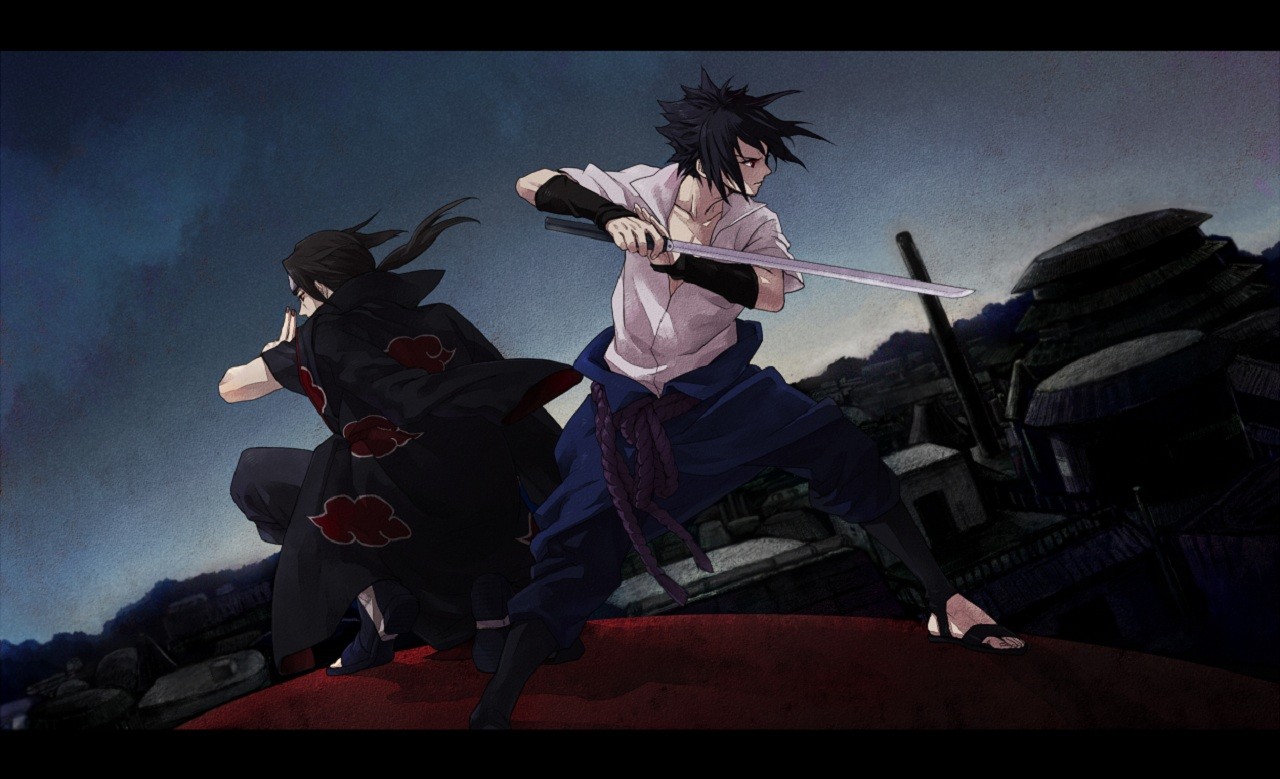
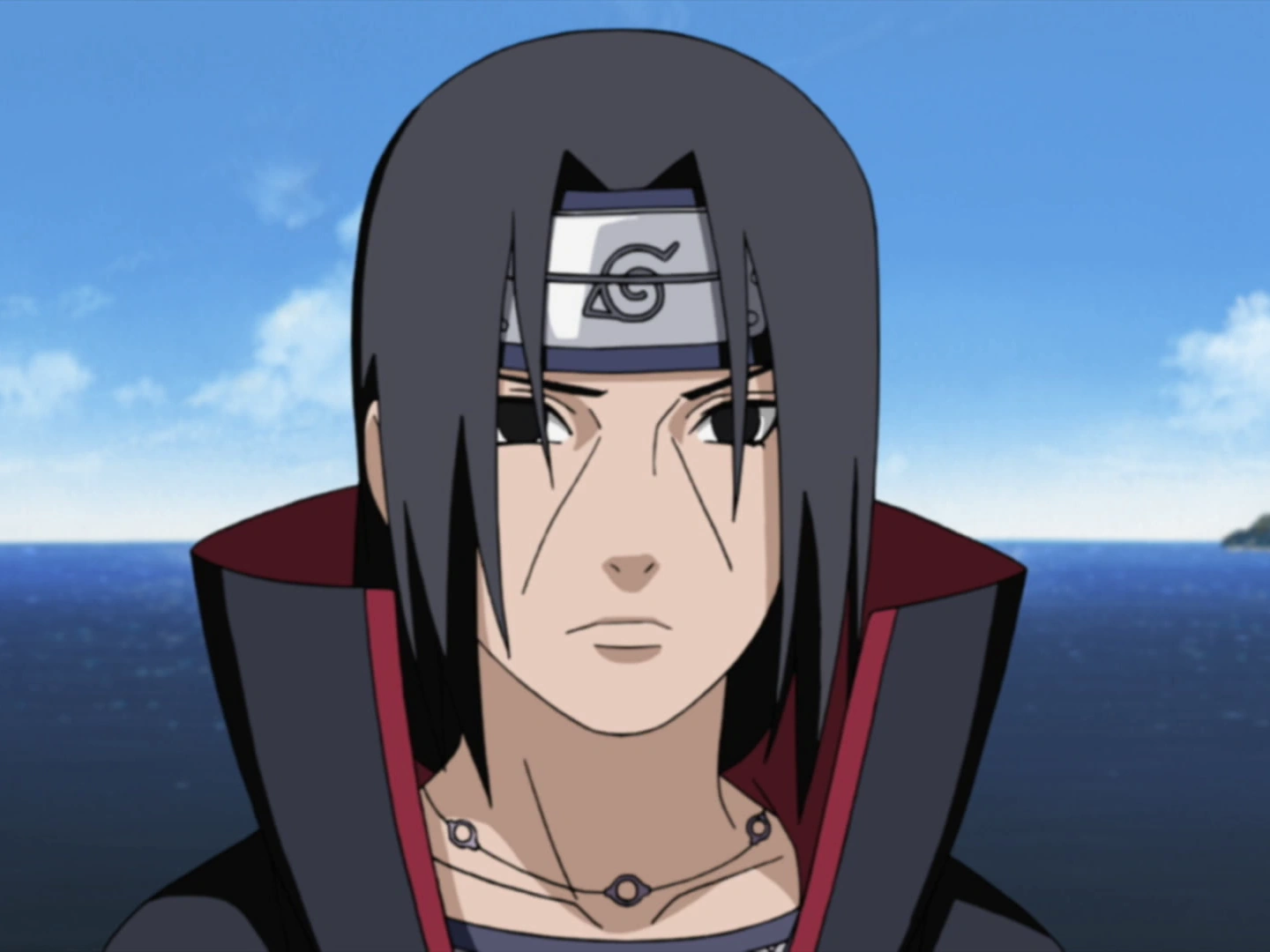 Itachi Uchiha from Naruto”>
Full Power
Both combatants use everything: Kurama avatar, Perfect Susanoo, Six Paths techniques, everything accumulated over 700 chapters. The scale is godlike—these two have become the strongest shinobi alive.
But the fight deliberately descends from this scale. They exhaust their chakra, lose their enhanced forms, and eventually fight with fists alone. The regression is thematic: beneath all their power, they’re still Naruto and Sasuke.
Key Moments
Bijuu Clash: Kurama avatar versus Susanoo with captured tailed beasts creates the fight’s most visually spectacular moment—but it’s just opening.
Indra’s Arrow vs. Rasenshuriken: Their ultimate techniques collide in mutual destruction. Neither overpowers the other—they’re equals.
The Taijutsu Finale: Depleted of chakra, they punch each other until neither can stand. This matters more than the earlier spectacle because it’s just them—no Kurama, no Susanoo, just will.
Animation Excellence
Studio Pierrot saved their best for this fight. The animation quality spikes dramatically, with key animators delivering sequences that rival theatrical productions. The investment shows—this fight matters, and the production treats it accordingly.
The Emotional Core
Flashbacks That Work
The fight intersperses flashbacks throughout, but they’re not padding—they’re context. Young Naruto and Sasuke at the academy, their rivalry’s origin, moments of genuine friendship beneath the competition. These memories inform present violence.
When they’re punching each other bloody, we remember them as lonely children who found each other. The contrast makes the fight unbearable in the best way.
“I Wanted to Be Your Friend”
The crucial revelation: young Sasuke saw Naruto’s loneliness and recognized himself. He wanted to approach but feared weakness, feared connection. Their rivalry began because Sasuke couldn’t admit he wanted friendship.
This recontextualizes their entire relationship. Every clash, every competition, every attempt to surpass each other—it was connection dressed as conflict. They’ve always been friends; they just couldn’t say it.
“I Lose”
Sasuke finally admits defeat—not of strength (they fought to stalemate) but of ideology. Naruto’s persistence, his refusal to give up on Sasuke despite everything, proves that bonds can survive hatred.
Sasuke wanted to be alone because alone meant safe. Naruto proved that companionship is worth the risk. The fight’s true victory is Sasuke accepting connection again.
The Aftermath
Lost Arms
Both lose an arm from the final clash—Naruto’s right, Sasuke’s left. The symbolism is obvious (they need each other to be complete) but effective. Their mutual damage represents their mutual responsibility for the relationship’s difficulty.
Reconciliation
Lying in their blood, unable to fight further, they finally talk honestly. Years of subtext becomes text. The emotional release earns its catharsis through fifteen years of buildup.
Sakura’s Arrival
Sakura healing both of them, crying over their reconciliation, represents Team 7’s restoration. The bonds broken at the series’ midpoint finally repair.
Why It Works
Earned Payoff
This fight works because everything preceding it matters. The childhood loneliness, the Chunin Exam acknowledgment, the first Valley fight, Sasuke’s descent, Naruto’s persistence—all of it pays off here. You can’t replicate this impact in a shorter series.
Ideological Clarity
Despite Naruto’s sometimes muddled politics, this fight has clear stakes: connection versus isolation, hope versus despair. Neither character is simply wrong—their positions emerge from real trauma. The resolution validates both while choosing Naruto’s path.
Technical Excellence
The animation, choreography, and direction meet the moment’s demands. After years of inconsistent production, Naruto’s final important fight receives appropriate treatment.
The Legacy
This fight defines shonen rivalry. Goku and Vegeta preceded it; countless others followed. But Naruto and Sasuke’s bond—built over years, tested repeatedly, culminating in this desperate beautiful violence—sets the standard.
If you watched Naruto from the beginning, this fight is why you stayed. If you’re watching for the first time, this is what everything builds toward. Either way, it delivers.
You Might Also Like
- Madara Uchiha: Naruto’s Greatest Villain
- Naruto Pain Arc: The Defining Moment
- Itachi Uchiha: Naruto’s Most Tragic Hero