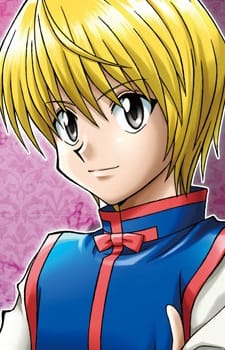
Kurapika walks a path anime rarely explores honestly: revenge that consumes rather than liberates. The last survivor of the Kurta Clan does not find peace through vengeance—he finds isolation, deterioration, and the slow death of everything else that matters. Hunter x Hunter uses Kurapika to examine what revenge actually costs.
The Kurta Massacre
What Happened
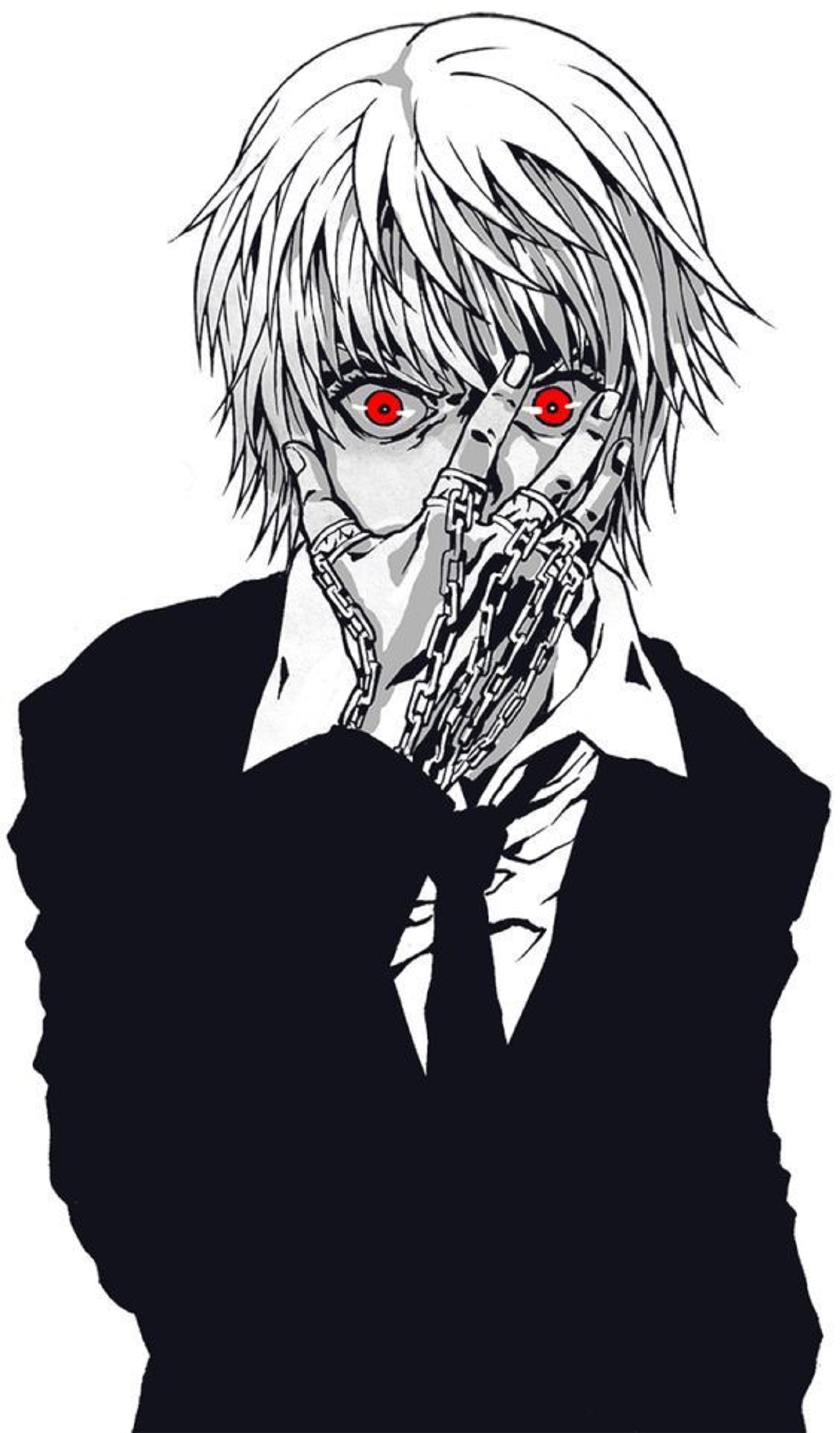
The Phantom Troupe slaughtered the entire Kurta Clan for their Scarlet Eyes—irises that turn crimson with intense emotion, prized by collectors. Kurapika returns from his journey to find his village destroyed, his people’s eyes harvested and sold.
This trauma is complete: no survivors besides himself, no remains to bury properly, and the knowledge that his people’s final moments of terror made their eyes more valuable to collectors.
The Weight
Kurapika does not just want revenge—he wants to reclaim the Scarlet Eyes, giving his clan members proper rest. This additional burden distinguishes him from simpler revenge protagonists. His goals require infiltrating the underworld’s highest echelons, not just finding and killing the Troupe.
Nen and Sacrifice
Chain Jail and Emperor Time
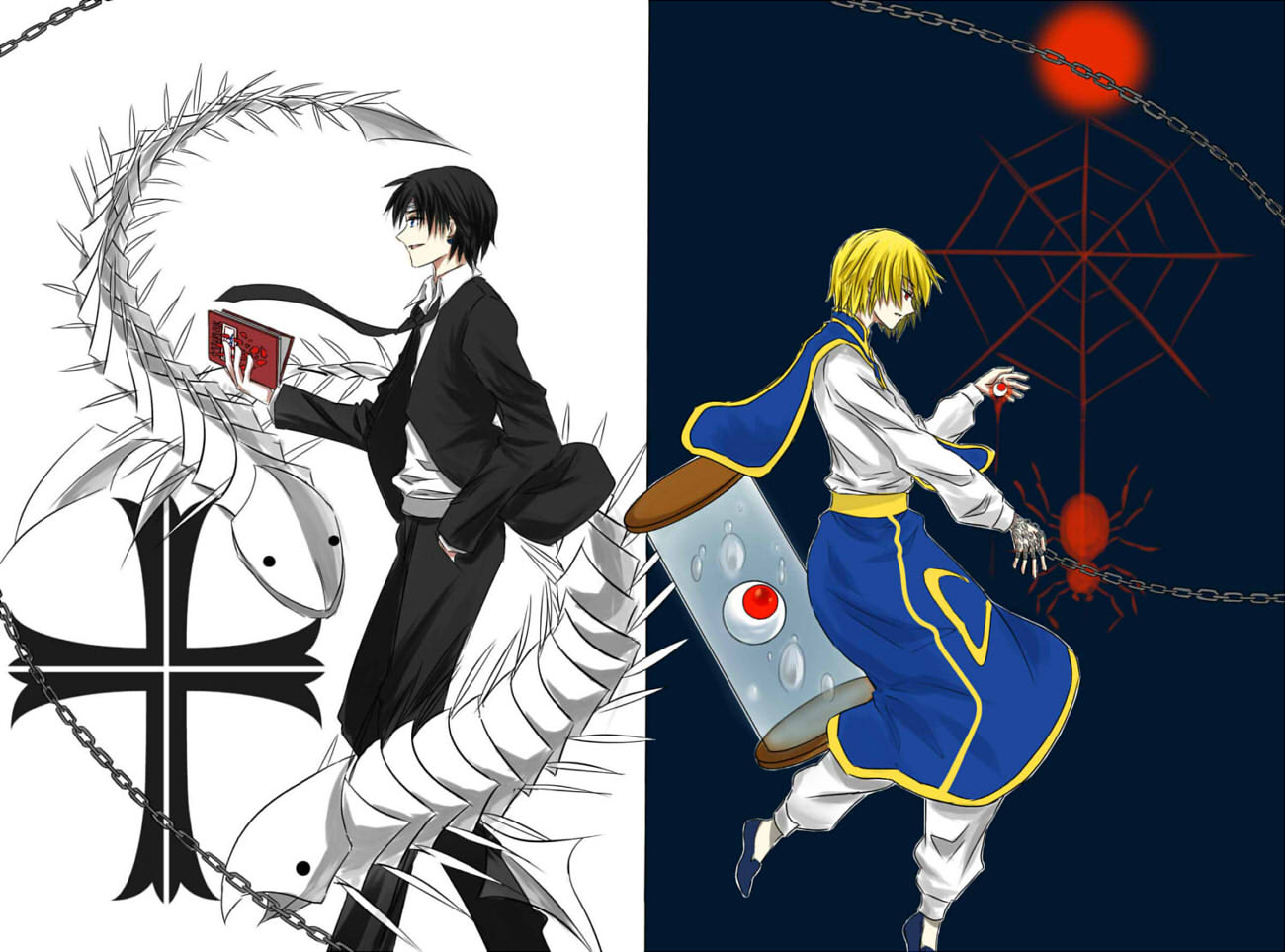
Kurapika’s Nen abilities are explicitly designed for revenge against the Phantom Troupe. Chain Jail only works on Troupe members—absolute restriction enables absolute power. This limitation reflects his singular obsession.
Emperor Time forces his eyes scarlet, accessing all Nen types at 100% efficiency—normally impossible. But every second costs one hour of his lifespan. His power literally kills him.
The Trade
Kurapika accepts this exchange. His life for the Troupe’s deaths, his future for his past’s honor. This is not tragedy inflicted upon him—it’s tragedy he chooses. His agency in self-destruction makes it worse.
Character Development
Yorknew City Arc
Kurapika’s peak appearance showcases his determination and intelligence. He outmaneuvers the Phantom Troupe, captures Chrollo, and negotiates from strength. His competence seems like victory.
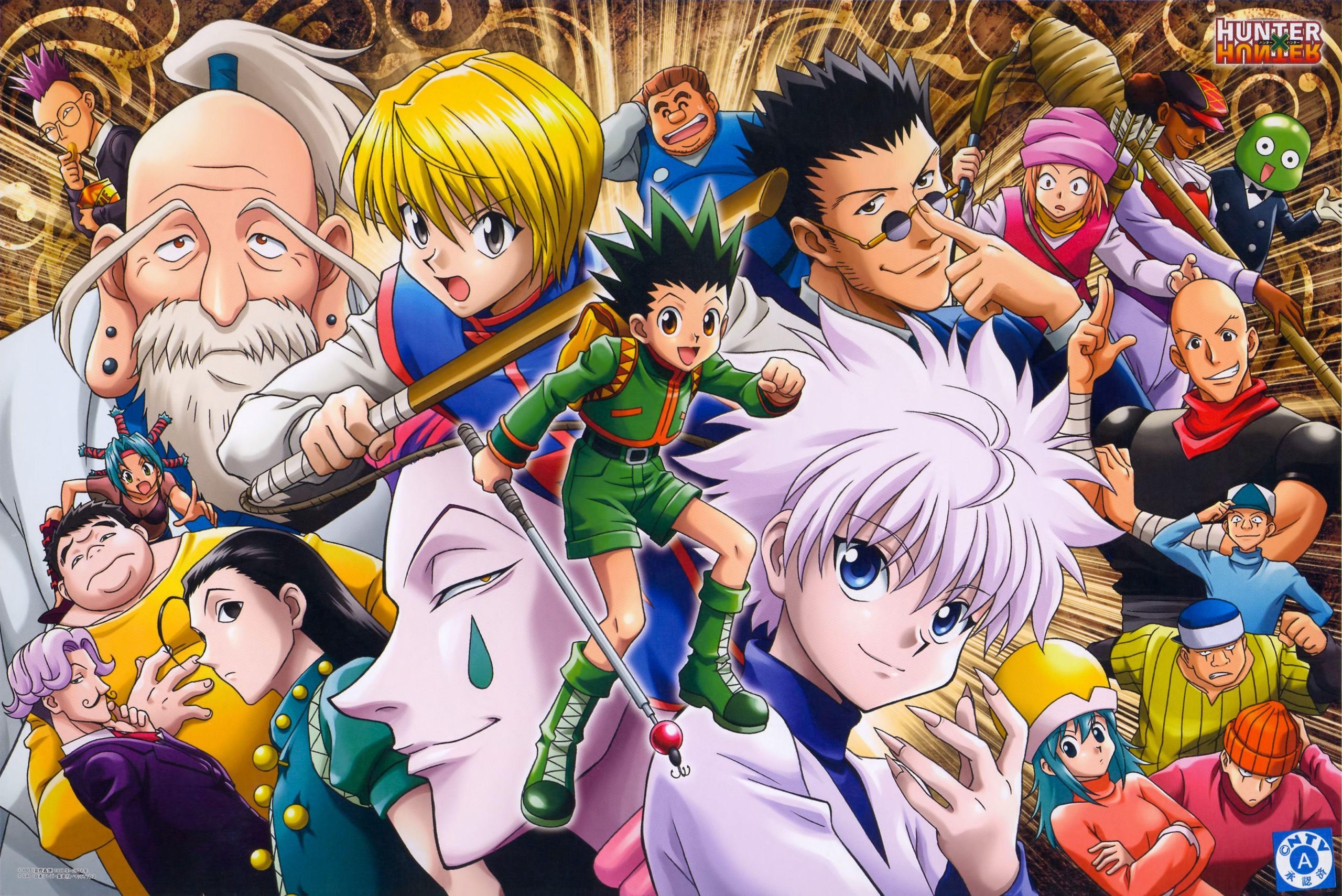
But victory costs him his connection to Gon, Killua, and Leorio. He distances himself from friends to protect them from his enemies—or perhaps to focus entirely on revenge. Either way, bonds fray.
Post-Yorknew Absence
Kurapika largely disappears from the story after Yorknew. While Gon and Killua have adventures, Kurapika works in shadows, collecting Eyes, shortening his life. His absence represents the isolation revenge demands.
Succession Contest Arc
Kurapika returns in the manga’s ongoing arc, still pursuing Scarlet Eyes while entangled in Kakin’s royal succession. His health visibly deteriorates; his isolation deepens. The revenge that seemed empowering in Yorknew now clearly consumes him.
Relationships Sacrificed
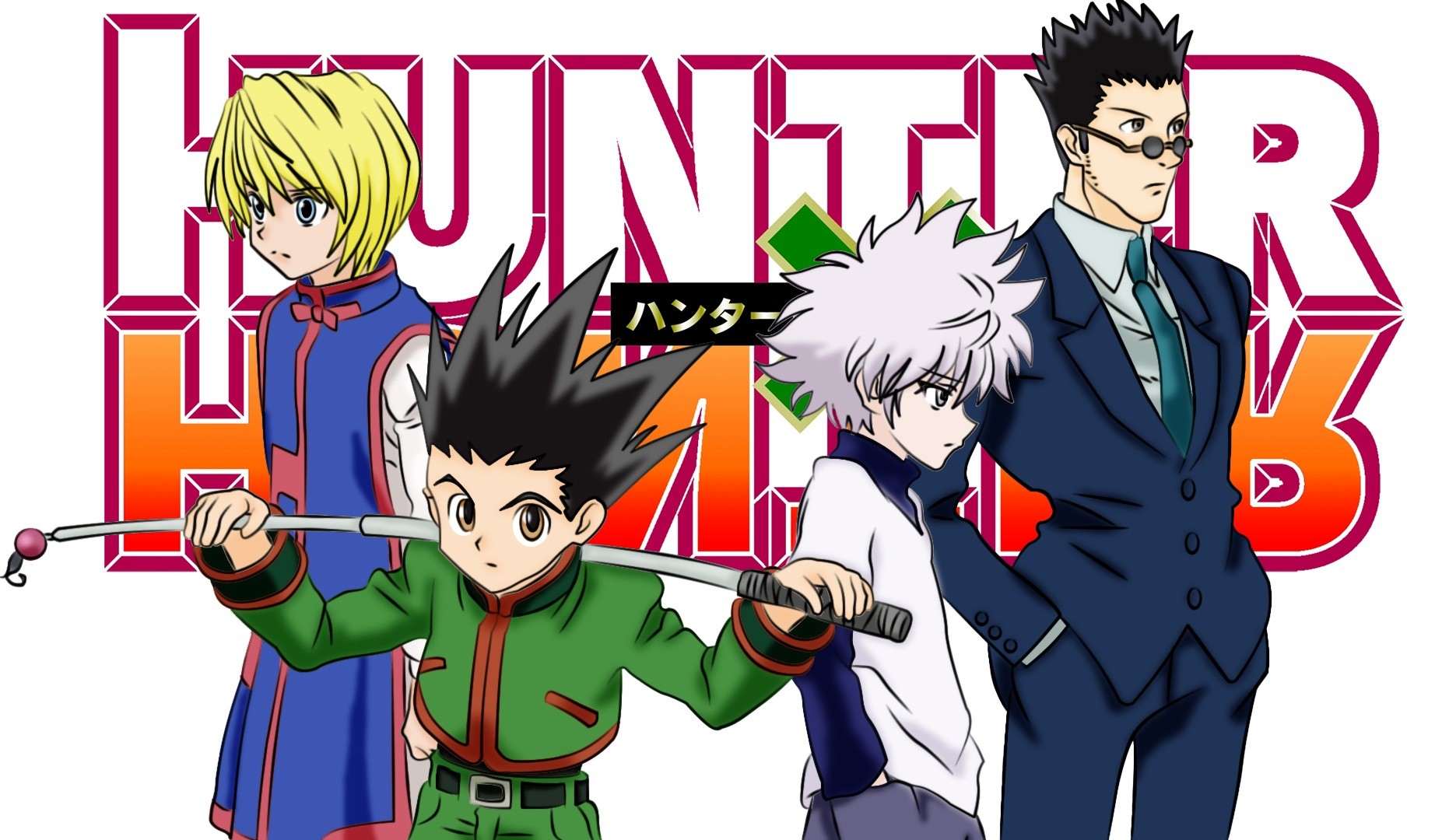
Gon, Killua, Leorio
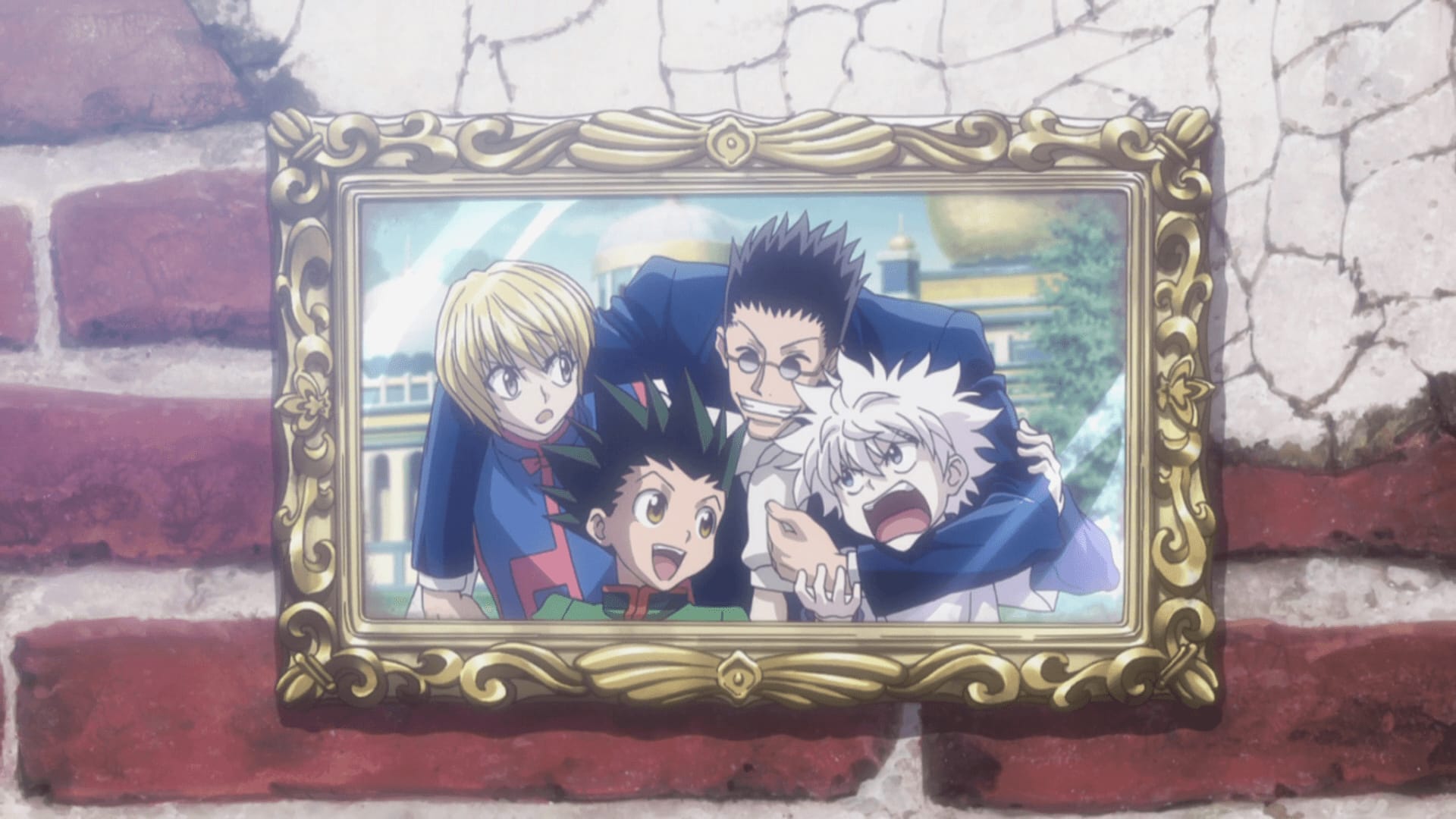
The four protagonists start together but Kurapika separates himself. He values these friendships—his concern for them is genuine—but he will not let them interfere with his mission or be endangered by his enemies.
This protection reads as rejection. Kurapika chooses dead clan over living friends, past over present. The choice is understandable and heartbreaking.
Pairo
Kurapika’s childhood friend Pairo, shown in flashbacks, represents what Kurapika lost. Their dream of seeing the world together dies with the clan. Kurapika’s current journey is dark mirror of that innocent plan.
Melody
Fellow bodyguard Melody is closest thing Kurapika has to new connection. Her concern for him, her attempts to reach past his defenses, represent what he could have if he chose differently. He does not choose differently.
Togashi’s Revenge Critique
No Catharsis
Kurapika kills Phantom Troupe members. It does not help. The Eyes remain scattered. His clan remains dead. The satisfaction he expects never comes because revenge cannot undo loss—it can only add to it.
Moral Complexity
The Phantom Troupe members are murderers—but they are also people with bonds to each other. Kurapika’s hatred is justified, but Togashi refuses to make the Troupe simply evil. This complexity denies simple satisfaction from their deaths.
Self-Destruction as Choice
Kurapika chooses his path repeatedly. He could stop. He could prioritize his life and friendships. He does not because the choice to stop feels like betraying his clan. This impossible position—staying on path that kills him because leaving it feels worse—is Togashi’s thesis on revenge.
Design and Presentation
Visual Identity
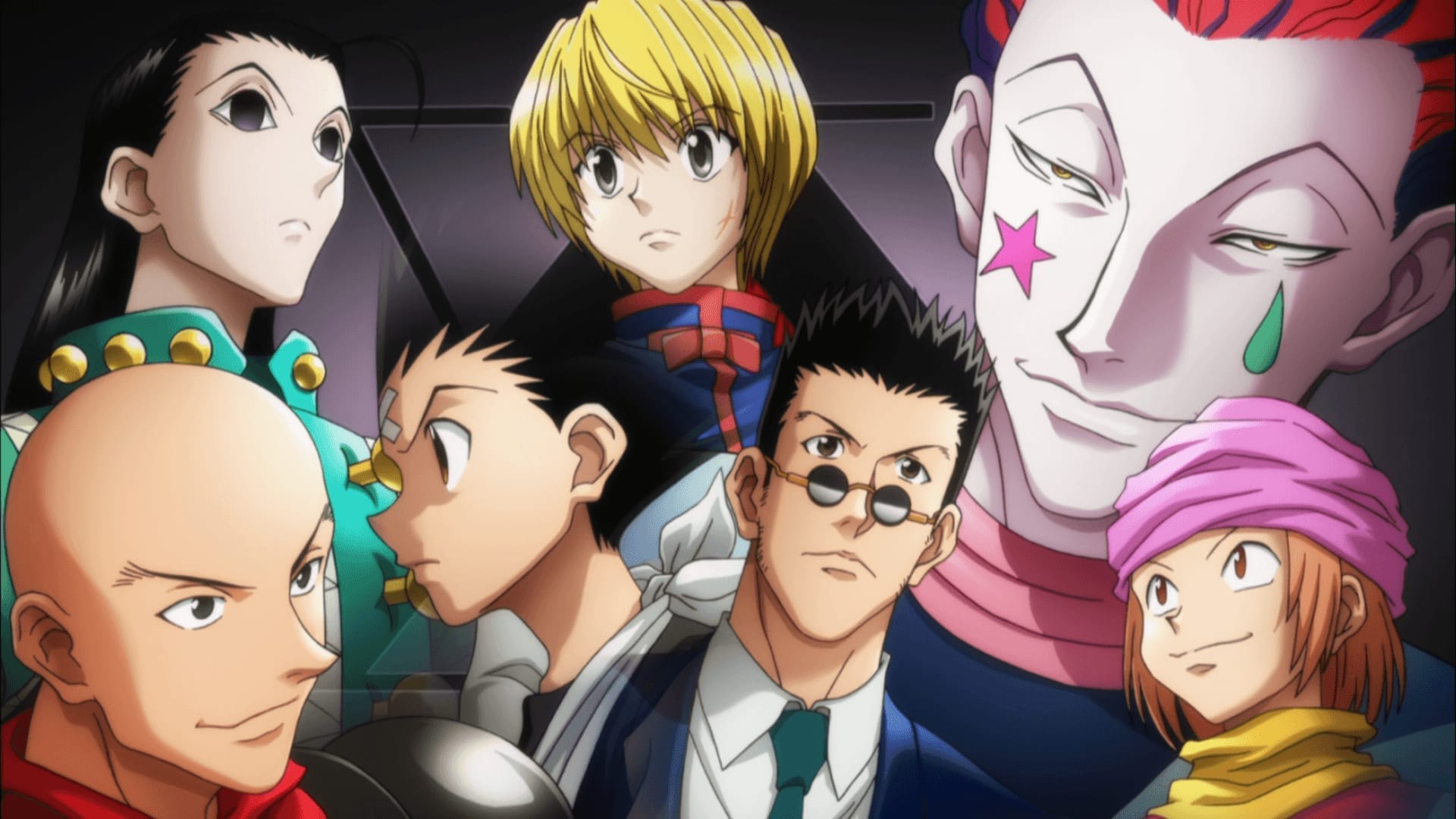
Kurapika’s design—blond hair, chains, the hidden scarlet eyes—communicates dual nature. He appears composed, even gentle. The eyes reveal what he hides: rage that defines him more than calm exterior suggests.
Gender Ambiguity
Kurapika’s androgynous appearance is deliberate. Togashi refuses to make him conventionally masculine action hero despite his role. This visual choice reinforces that Hunter x Hunter subverts expectations.
The Unanswered Question
Will Kurapika survive his revenge? The manga’s ongoing status leaves this uncertain. His lifespan drains with every Emperor Time use; his health fails; his isolation deepens. Complete victory—all Eyes reclaimed, all Troupe dead—might leave him with nothing: no time, no health, no connections.
Perhaps that is the point. Revenge fulfilled does not create happy ending. It creates ending—period. Kurapika might succeed and have nothing left to enjoy success with.
The Verdict
Kurapika is anime’s most honest revenge protagonist because Hunter x Hunter refuses to pretend revenge works. His journey is not heroic—it is tragic. His power is not gift—it is transaction. His isolation is not noble—it is loss.
When Kurapika reappears with eyes darker and face gaunter than before, we see revenge’s true price: not just what it takes from enemies, but what it takes from the one seeking it. That honesty makes Kurapika unforgettable.
You Might Also Like
- Hisoka: Hunter x Hunter’s Wildcard Villain
- Hunter x Hunter Chimera Ant Arc: Masterpiece
- Killua Zoldyck: Hunter x Hunter’s Assassin With a Heart