
Ochako Uraraka deserved better from My Hero academia-paranormal-liberation-war-breakdown/”>Academia. The gravity-defying heroine who started as interesting character with economic motivations became increasingly sidelined, her arc reduced to romantic feelings for Deku. Yet beneath the missed opportunities, Uraraka represents something valuable: a working-class hero whose motivations are practical rather than idealistic.
The Economic Hero
Why She Wants to Be a Hero
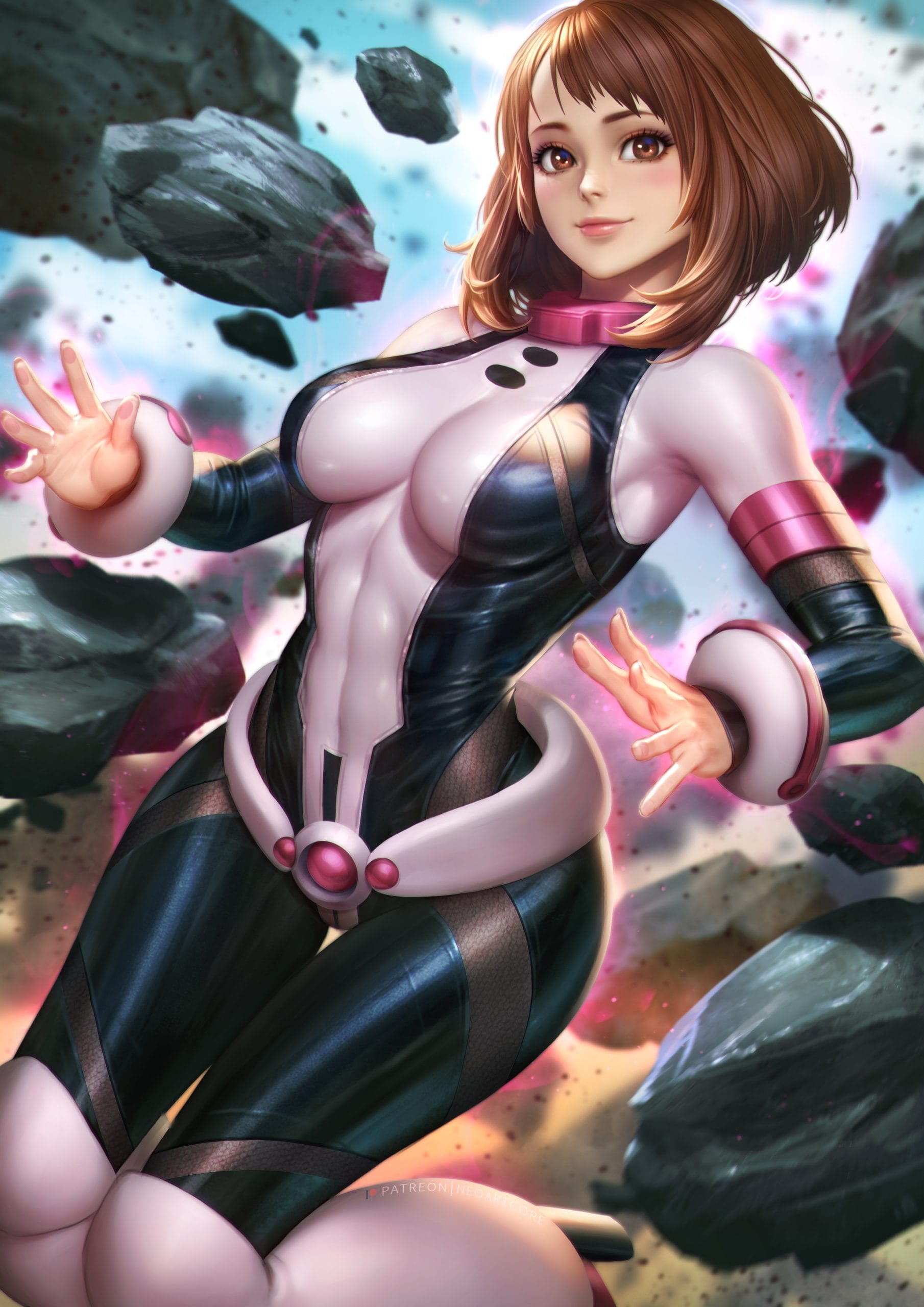
Uraraka’s motivation is money. Her parents run a struggling construction company; she wants to become a hero to support them financially. This pragmatic goal distinguishes her from classmates with idealistic motivations—Deku wants to save people, Bakugo wants to be number one, Todoroki wants to escape his father’s shadow.
There is nothing wrong with wanting financial security. Uraraka’s motivation is honest about what hero work provides: fame, status, and economic reward. She wants those rewards for her family, not personal glory.
Class Consciousness
Uraraka understands economics in ways wealthy classmates do not. Her frugality (sleeping in a cheap apartment, being careful with money) reflects real financial constraints. MHA occasionally acknowledges class differences between students; Uraraka embodies this awareness.
Missed Exploration
This economic angle could have developed into fascinating exploration of hero society’s capitalism—who becomes heroes, who benefits, how wealth distributes. Instead, the manga largely abandoned this thread for romance subplot.
Quirk and Combat
Zero Gravity
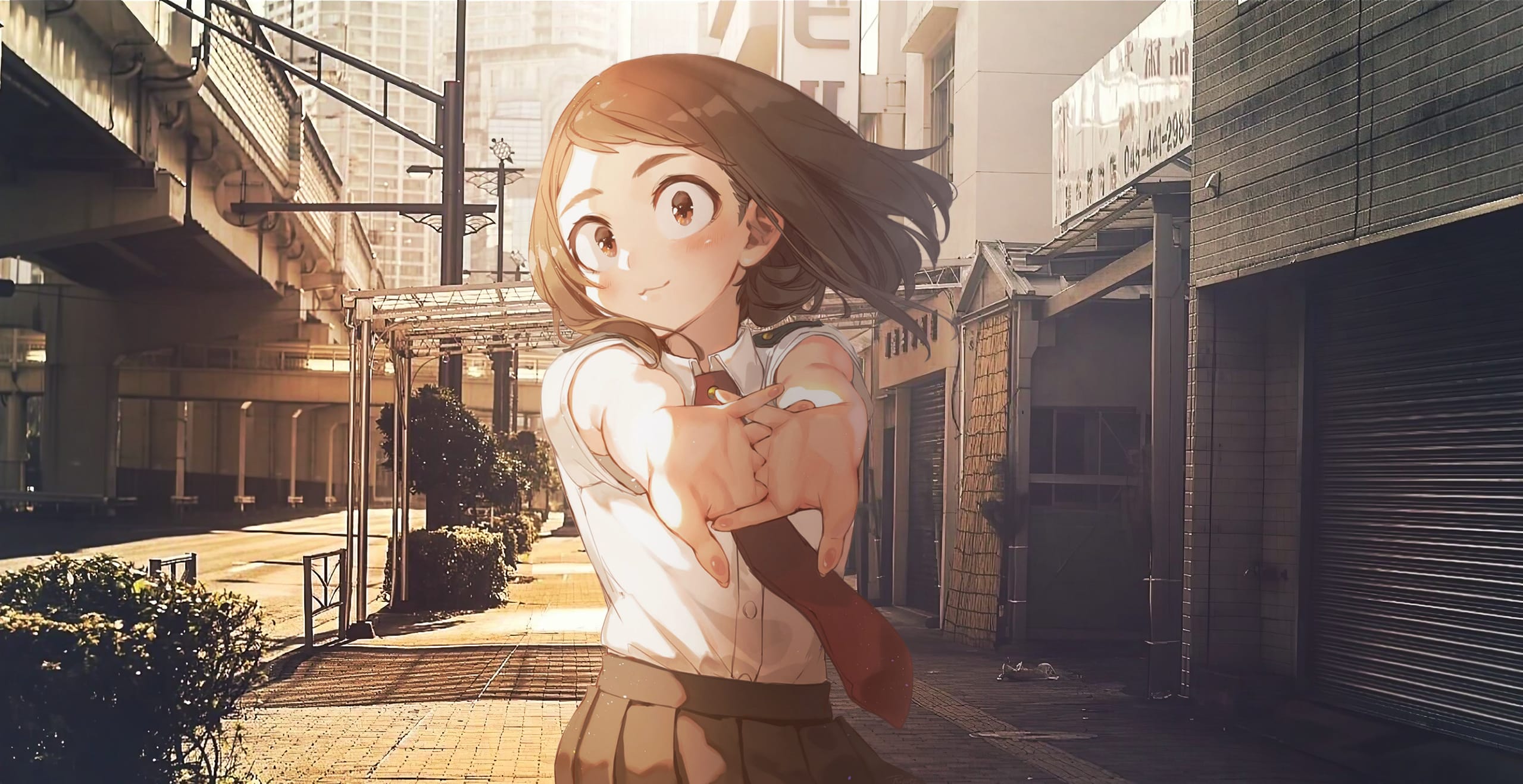
Uraraka’s quirk removes gravity from objects she touches (up to certain weight, causing nausea if overused). The quirk is creative in application—floating debris, enabling mobility, rescue operations—but limited in direct combat against powerful opponents.
Gunhead Martial Arts
Recognizing her quirk’s combat limitations, Uraraka trained with Gunhead to develop close-quarters combat skills. This proactive approach to addressing weakness shows intelligence and initiative.
Combat Performance
Her Sports Festival fight against Bakugo remains a highlight: losing but demonstrating strategic thinking and determination. She does not win, but she earns respect by fighting intelligently against superior opponent.
Character Development
Early Promise
Early Uraraka has clear arc: practical girl learning heroism involves more than money, developing genuine investment in protecting others while maintaining economic goals. This balance between pragmatism and idealism was compelling.
The Romance Turn
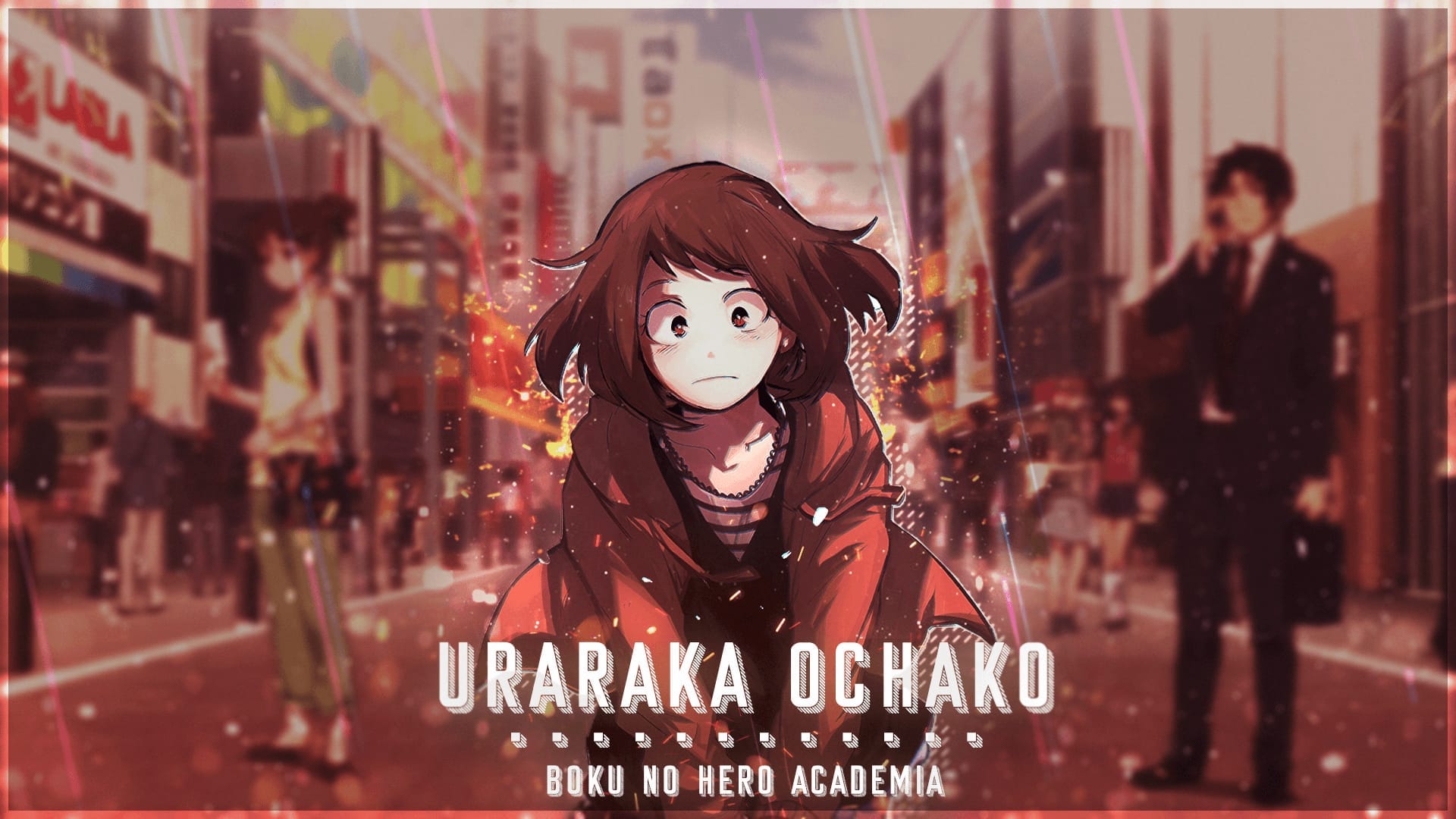
Uraraka’s feelings for Deku became increasingly prominent, eventually dominating her characterization. Her internal monologue shifted from career goals and heroic development to romantic feelings. This narrowed her character significantly.
Toga Confrontation
Her scenes with Toga represented partial recovery—grappling with what it means to save villains, to extend heroism beyond defeating enemies. These moments hinted at depth that could have been explored more.
The Missed Potential
Economic Critique
Hero society in MHA has significant economic implications: hero agencies operate as businesses, ranking determines income, popularity affects career. Uraraka’s perspective could have interrogated this system meaningfully.
What happens to heroes who are skilled but unpopular? How do economic incentives affect hero behavior? What class dynamics exist between heroes from wealthy versus poor backgrounds? Uraraka was positioned to explore these questions.
Support Role Development
Uraraka’s quirk suits rescue and support more than direct combat. Leaning into this specialization—becoming exceptional rescue hero rather than all-around fighter—could have provided unique niche among the cast.
Romantic Arc Done Differently
Romance is not inherently bad character development. But Uraraka’s feelings for Deku could have complemented rather than replaced other development. Romance alongside career ambition and philosophical growth would have created fuller character.
What Worked
Friendship with Tsuyu
Uraraka’s friendship with Tsuyu Asui provided warmth and normalcy. Their scenes together feel genuine—two young women supporting each other through hero training. This relationship deserved more focus.
Determination
Uraraka does not give up. Whether fighting Bakugo or confronting Toga or working through feelings she cannot act on, she persists. This determination is admirable even when underwritten.
Design
Her hero costume design is practical for her quirk. Her visual design is memorable without being over-sexualized (relatively rare for female characters in the genre). She looks like hero rather than fan service.
Comparisons
Versus Other Female Characters
MHA’s female characters generally received less development than male counterparts. Uraraka shares this problem with Tsuyu, Momo, and others—promising characters whose arcs never fully materialized.
Versus Deku
Comparing Uraraka’s development to Deku’s reveals the disparity. Deku receives philosophical growth, multiple mentors, power escalation, and narrative focus. Uraraka receives romantic subplot and occasional action scenes.
The Verdict
Ochako Uraraka is underrated because she is underwritten. The character Horikoshi created had potential for unique perspective on hero society—the working-class hero whose motivations are practical, whose quirk suits helping over fighting, whose economic awareness could critique the system she enters.
That character appears in glimpses. What we got instead is competent heroine whose most prominent trait became romantic feelings for the protagonist. This is not Uraraka’s failure—it is the narrative’s failure to use her potential.
She deserved better. The glimpses of who she could have been make what she became frustrating rather than satisfying.
You Might Also Like
- Dabi: My Hero Academia’s Tragic Villain
- My Hero Academia Paranormal Liberation War: Full Breakdown
- My Hero Academia Quirk Singularity Theory Explained