
MAPPA went from mid-tier studio to industry powerhouse in under a decade. Their transformation under founder Masao Maruyama (formerly of Madhouse) and subsequent productions have influenced how anime looks, how it gets made, and what audiences expect. Understanding MAPPA’s impact reveals broader shifts in the anime industry.
The Studio’s Rise
Origins
Masao Maruyama founded MAPPA in 2011 after leaving Madhouse. The studio’s early work (Kids on the Slope, Terror in Resonance) showed quality but did not achieve mainstream breakthrough. MAPPA remained respectable but not exceptional.
The Turning Point
Yuri!!! on Ice (2016) demonstrated MAPPA’s potential: gorgeous figure skating animation, international popularity, cultural impact beyond typical anime audiences. The production proved the studio could deliver spectacle while maintaining character work.
The Expansion
Attack on Titan’s Final Season, Jujutsu Kaisen, and Chainsaw Man established MAPPA as powerhouse. The studio took on projects other studios could not or would not handle, delivering ambitious productions that defined their era.
What MAPPA Does Differently
Visual Ambition
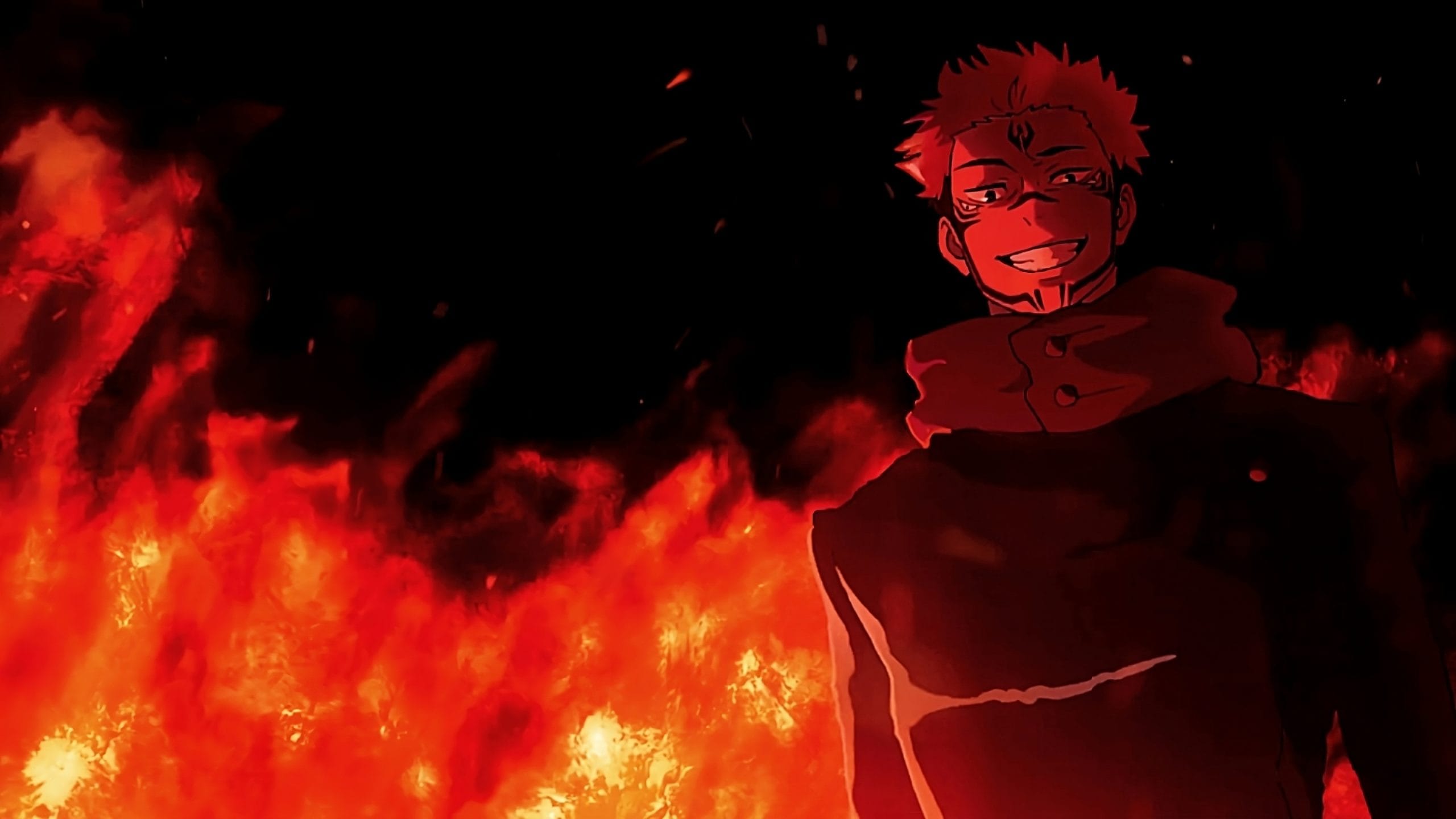
MAPPA’s productions aim for visual excellence: fluid action sequences, detailed backgrounds, expressive character animation. They push what television anime can achieve, approaching theatrical quality in weekly episodes.
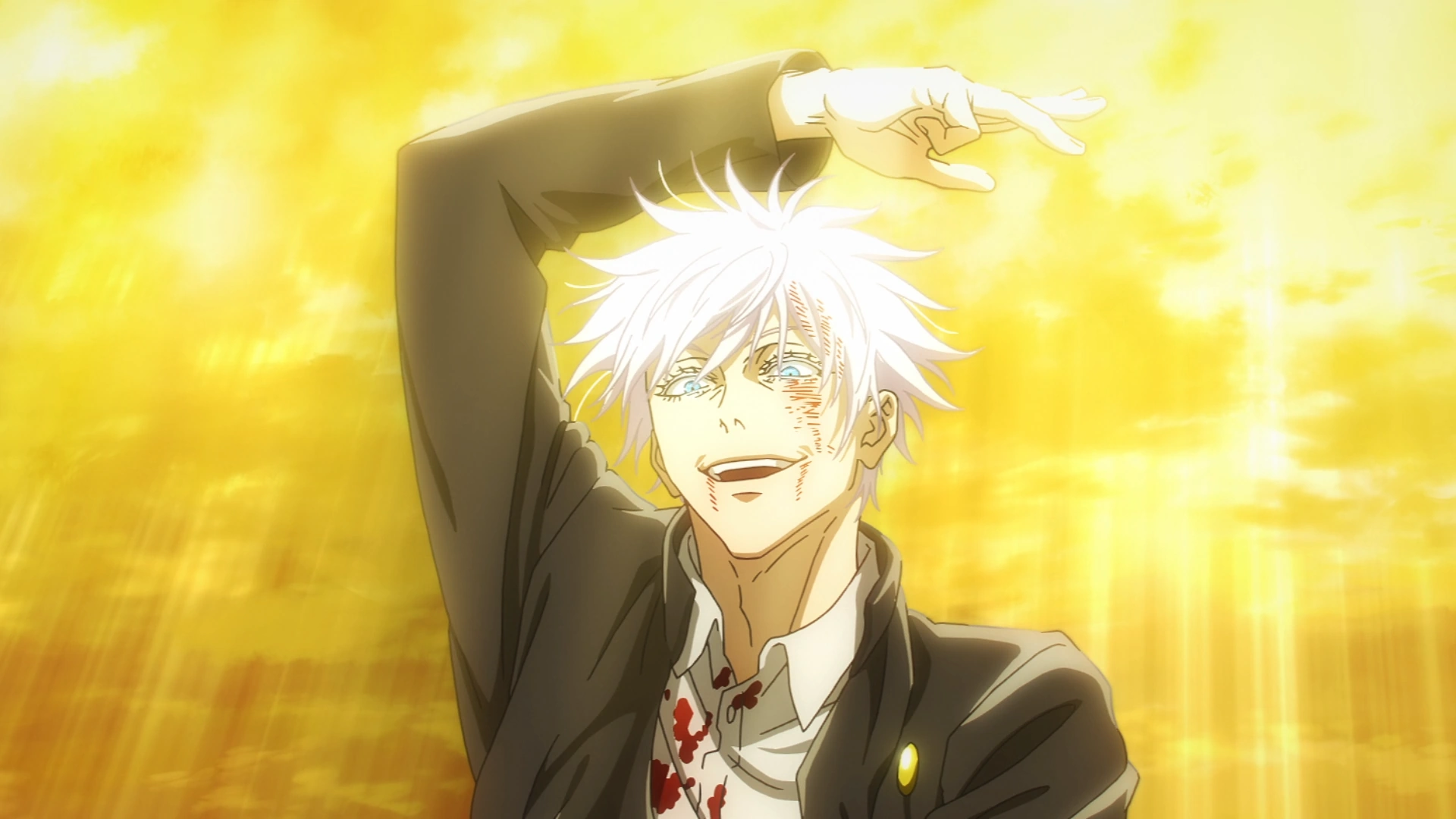
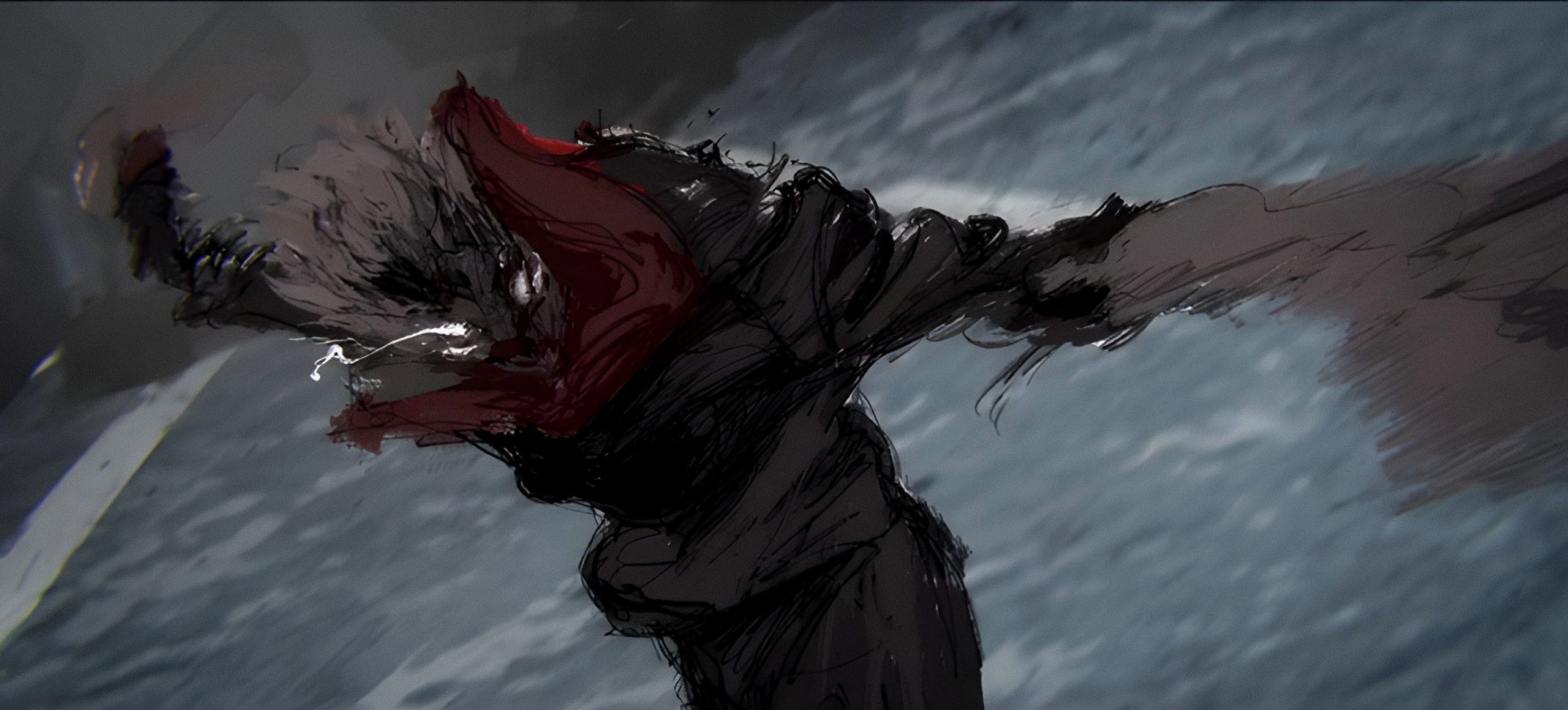
This ambition shows in Jujutsu Kaisen’s fights, Attack on Titan’s titan battles, and Chainsaw Man’s horror sequences. Each project showcases animation that commands attention.
Diverse Portfolio
MAPPA does not specialize narrowly. Sports anime (Yuri on Ice), action (JJK), horror (Chainsaw Man), drama (To Your Eternity), sequels (AOT), originals (Zombie Land Saga)—their range demonstrates versatility unusual for anime studios.
CGI Integration
MAPPA developed distinctive CGI approach, particularly for Attack on Titan’s titans and Chainsaw Man’s devil designs. Their integration is not always seamless but represents genuine attempt to expand animation possibilities.
Industry Impact
Raised Expectations
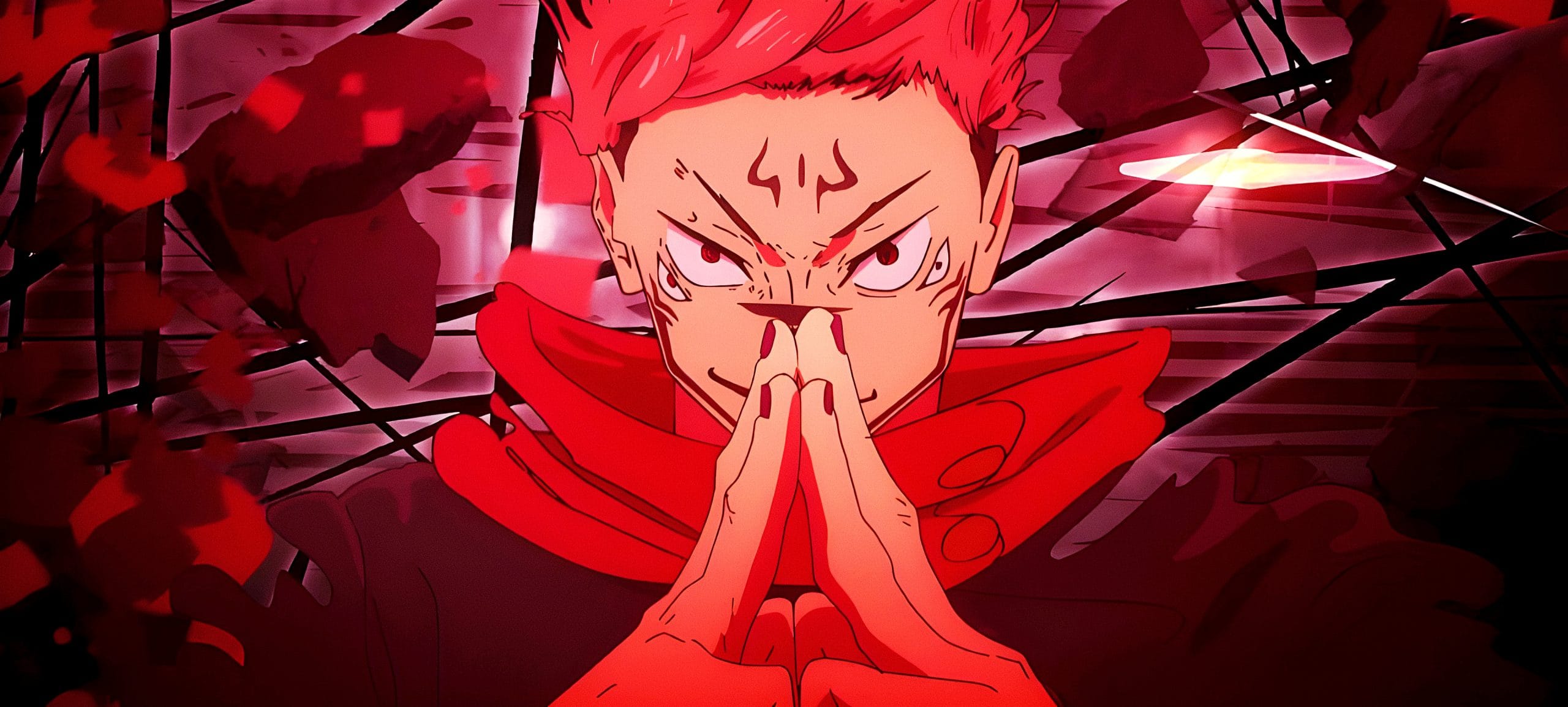
MAPPA’s visual quality raised audience expectations industry-wide. Viewers now expect television anime to look exceptional; adequate production no longer satisfies audiences accustomed to MAPPA-level work.
This creates pressure throughout the industry: studios must compete with MAPPA’s standards or face unfavorable comparisons.
Production Challenges
MAPPA’s output volume raises concerns about working conditions. Multiple high-profile productions simultaneously strain any studio. Reports of difficult conditions and animator strain have accompanied their success.
The studio’s ambition comes with costs—whether those costs are sustainable remains debated.
Talent Attraction
MAPPA attracts talented animators wanting to work on high-profile projects. This creates talent concentration that benefits MAPPA while potentially draining other studios.
Key Productions Analysis
Attack on Titan: Final Season
Taking over from WIT Studio, MAPPA inherited immense expectations. Their version differs—more CGI titans, different visual style—but maintained narrative quality while handling source material’s increasing complexity.
The production demonstrates MAPPA can handle prestige sequels, adapting to existing aesthetics while adding their approach.
Jujutsu Kaisen
JJK showcased MAPPA at their action-animation best. The Shibuya Incident arc in particular delivered spectacle that defined seasonal viewing. Character designs translate well; fights have weight and creativity.
This production established MAPPA as go-to studio for action manga adaptations.
Chainsaw Man
Chainsaw Man’s adaptation divided fans: exceptional animation but controversial direction choices (more grounded, less comedic than manga). The production demonstrated MAPPA’s willingness to interpret source material rather than merely translate it.
Whether this interpretation improved or diminished the story depends on viewer preference, but the ambition was undeniable.
Criticisms
Overextension
MAPPA arguably takes on more than sustainable. Multiple high-profile productions create scheduling pressures that can affect quality. Some productions show signs of strain that unlimited resources might have prevented.
Working Conditions
Industry observers note concerning patterns: rushed schedules, animator complaints, the cost of ambition on workers. MAPPA’s success does not exist separately from labor concerns in the anime industry.
Style Over Substance Accusations
Critics argue MAPPA prioritizes visual spectacle over adaptation faithfulness or narrative coherence. Whether this is fair criticism or unreasonable expectation depends on the specific production.
The Broader Picture
Industry Transformation
MAPPA represents broader industry shifts: global audience expectations, streaming revenue possibilities, and the demand for consistent high-quality production. They did not create these conditions but capitalized on them effectively.
Sustainability Questions
Whether MAPPA’s model—ambitious projects, rapid output, visual excellence—is sustainable long-term remains uncertain. The industry watches whether they can maintain quality while addressing production concerns.
Competition Response
Other studios respond to MAPPA’s success by attempting similar visual ambition. This raises industry quality overall while potentially spreading the same sustainability concerns.
The Verdict
MAPPA changed modern anime by demonstrating what television production could achieve and making audiences expect it. Their productions define the current era; their influence shapes what comes next.
This impact comes with complications: labor concerns, sustainability questions, the pressure of expectations. MAPPA’s legacy will depend on whether they address these issues while maintaining the quality that made them influential.
For now, watching MAPPA production means watching anime at its most visually ambitious. Whether that ambition is sustainable or admirable given its costs is a question viewers must answer for themselves.
You Might Also Like
- Attack on Titan Complete Watch Order 2026: From Walls to Freedom
- Attack on Titan Complete Watch Order 2026: From Walls to Freedom
- Gojo Satoru: The Complete Character Analysis – Powers, Philosophy & Legacy