
Anime openings become cultural phenomena. Iconic songs, memorable animation, character introductions—openings define shows in ways endings rarely match. But this imbalance raises questions: do endings deserve more attention? What do each provide that the other cannot?

The Opening Advantage
First Impressions
Openings create first impressions. Before plot develops or characters establish, the opening tells viewers what to expect: tone, energy, aesthetic. A great opening sells the show; a poor one creates uphill battle.
This positioning matters psychologically. Viewers arrive fresh, attention focused. The opening commands focus that endings—following plot events—cannot equally claim.
Hype Generation
Openings build anticipation. The music, the action, the character showcases—all prime viewers for the episode. This emotional preparation enhances whatever follows.
Classic openings (Naruto’s “Blue Bird,” Attack on Titan’s “Guren no Yumiya,” JJK’s “Kaikai Kitan”) become inseparable from series identity. They generate excitement that carries through viewing.
Musical Prominence
Opening songs receive more attention from artists and labels. High-profile musicians create openings hoping for breakout hits. This investment produces memorable music that defines series soundscape.
Endings often receive less prominent artists or less memorable compositions. The imbalance is self-reinforcing: openings get attention, so they get investment, so they deserve attention.
The Ending Advantage
Emotional Processing
Endings provide decompression space. After dramatic events, the ending allows emotional processing. Its slower pace, different tone, and contemplative nature serve psychological function openings cannot.
The best endings enhance what preceded them. Watching Attack on Titan’s darker endings after brutal episodes deepens emotional impact. The transition matters.
Artistic Freedom
Endings have less commercial pressure. Without needing to sell the show immediately, endings can experiment: unusual visual styles, unexpected musical choices, narrative perspectives openings avoid.
This freedom produces some anime’s most creative sequences. Endings like Spy x Family’s “Comedy” or Mob Psycho 100’s various EDs use their position for artistic expression openings cannot risk.
Character Focus
Endings often focus on characters differently—quieter moments, everyday activities, emotional states rather than action. This complementary perspective enriches character understanding.
Iconic Openings
Attack on Titan – “Guren no Yumiya”
Linked Horizon’s explosive track defined an era. The choir, the intensity, the visual spectacle—this opening became cultural touchstone beyond anime fandom.
Death Note – “What’s Up People”
Maximum the Hormone’s chaotic track matches Death Note’s psychological intensity. The opening’s visual darkness and musical aggression announce the show’s nature immediately.
Cowboy Bebop – “Tank!”
The jazz instrumental establishes Bebop’s unique identity. No vocals needed—the style communicates everything about what follows.
Neon Genesis Evangelion – “A Cruel Angel’s Thesis”
Arguably anime’s most recognized opening. The contrast between upbeat music and series’ darkness creates memorable dissonance. Karaoke staple decades later.
Underrated Endings
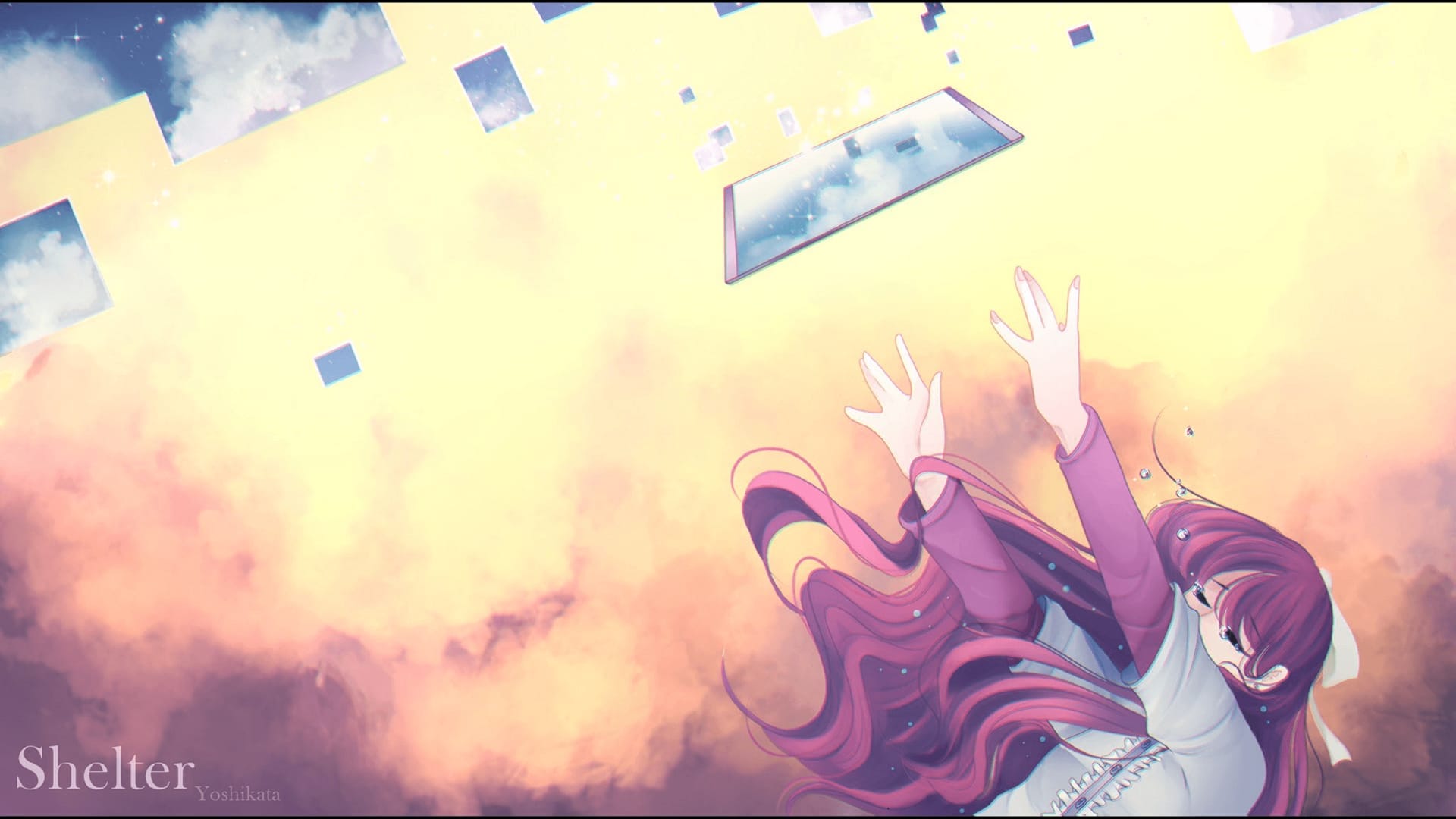
Mob Psycho 100 Endings
Each season features creative endings: different art styles, character perspectives, emotional tones. They enrich understanding of Mob’s world beyond the main narrative.
Samurai Champloo – “Shiki no Uta”
MINMI’s ending perfectly captures Champloo’s blend of historical and contemporary. The melancholy tone provides perfect episode closure.
Monster – “For the Love of Life”
David Sylvian’s contemplative track matches Monster’s psychological depth. The ending provides necessary breathing room after tense episodes.
Spy x Family – “Comedy”
Gen Hoshino’s track became massive hit. The ending showcases family moments that complement the show’s action-comedy balance.
When Endings Outshine Openings
Mushishi
Mushishi’s endings often surpass its openings through pure atmosphere. The contemplative nature suits ending position perfectly.
Vinland Saga Season 2
The second ending captures Thorfinn’s journey toward peace better than any opening could. Its emotional resonance depends on positioning after episode content.
Your Lie in April
The endings’ emotional weight compounds across the series. Knowing what is coming makes them increasingly devastating.
The Skip Debate
Skipping Openings
Many viewers skip openings after initial watch, especially when binging. The repetition loses impact; time saved accumulates. This is reasonable but misses how openings set episode tone.
Skipping Endings
Ending skipping is more common and more defensible. When binging, the drive to continue overpowers need for decompression. Yet this habit means missing creative content designed for that moment.
Changing Openings/Endings
Some shows change OPs and EDs between arcs, rewarding viewers who do not skip. Attack on Titan’s evolution through multiple openings tracks narrative development. Skipping means missing this progression.
Production Considerations
Budget Allocation
Openings often receive more budget than endings. The commercial logic is clear: openings sell; endings close. This investment difference shows in animation quality.
Spoiler Balance
Openings must tease without spoiling. This constraint requires careful visual design—showing enough to interest while hiding enough to preserve surprises. Endings face less pressure.
Length Standardization
Both openings and endings typically run 90 seconds. This standardization enables episode timing consistency but limits artistic exploration. Some shows (especially movies) break this format to effect.
The Verdict
Openings matter more commercially and culturally. They sell shows, become hits, define series identities. This prominence is earned through positioning and investment.
But endings deserve more attention than they receive. Their emotional function, artistic freedom, and character focus contribute meaningfully to viewing experience. Dismissing them misses content creators designed specifically for that moment.
Neither matters more inherently—they serve different purposes. Appreciating both enriches how you experience anime. Do not skip either reflexively; give each the attention their creators intended.
You Might Also Like
- Attack on Titan Complete Watch Order 2026: From Walls to Freedom
- Attack on Titan Complete Watch Order 2026: From Walls to Freedom
- Attack on Titan vs Vinland Saga: Historical Anime Showdown