
Slice of life anime gets dismissed as boring—shows where nothing happens, filler between action series. This dismissal misunderstands what slice of life achieves and why it matters. The genre offers something action anime cannot: genuine comfort, character depth, and reflection on ordinary existence.
Defining the Genre
What Slice of Life Is
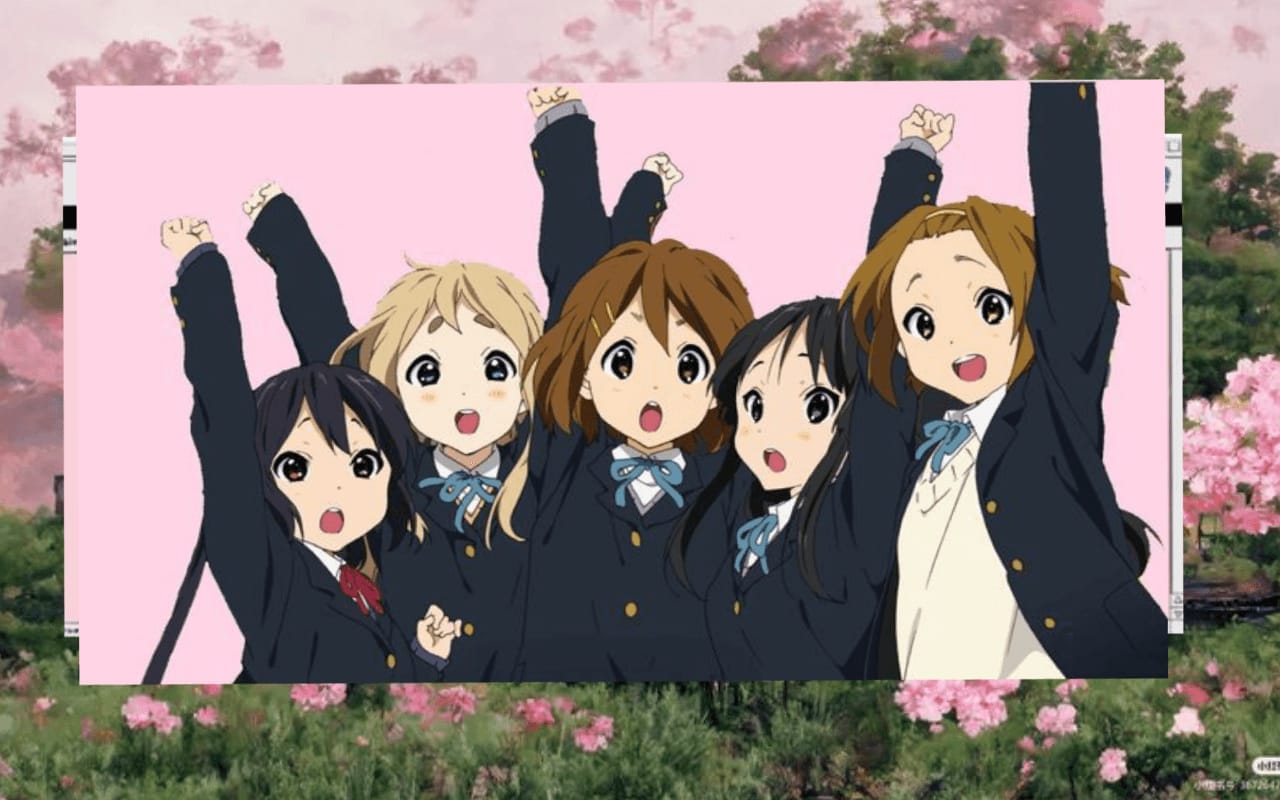
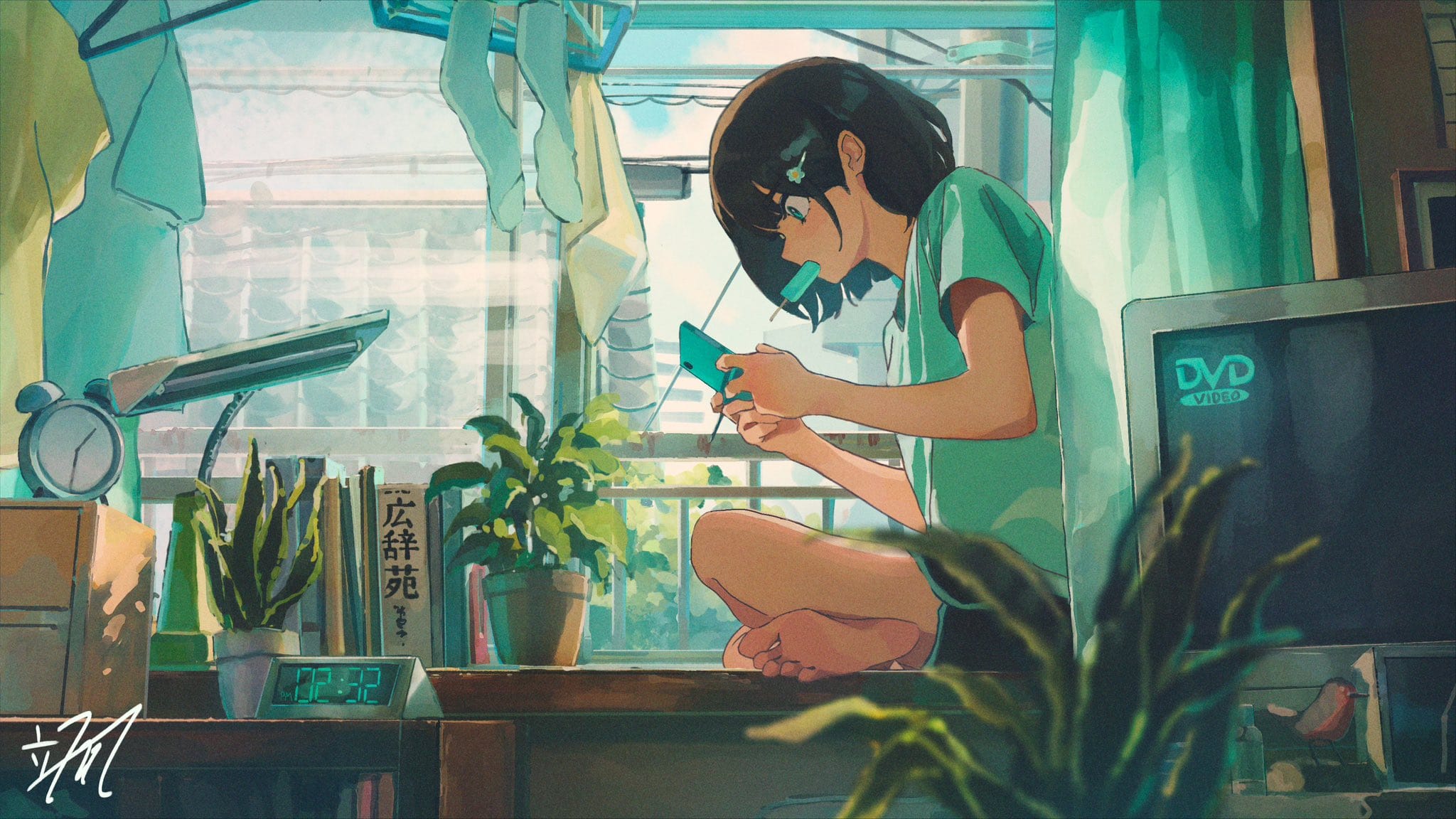
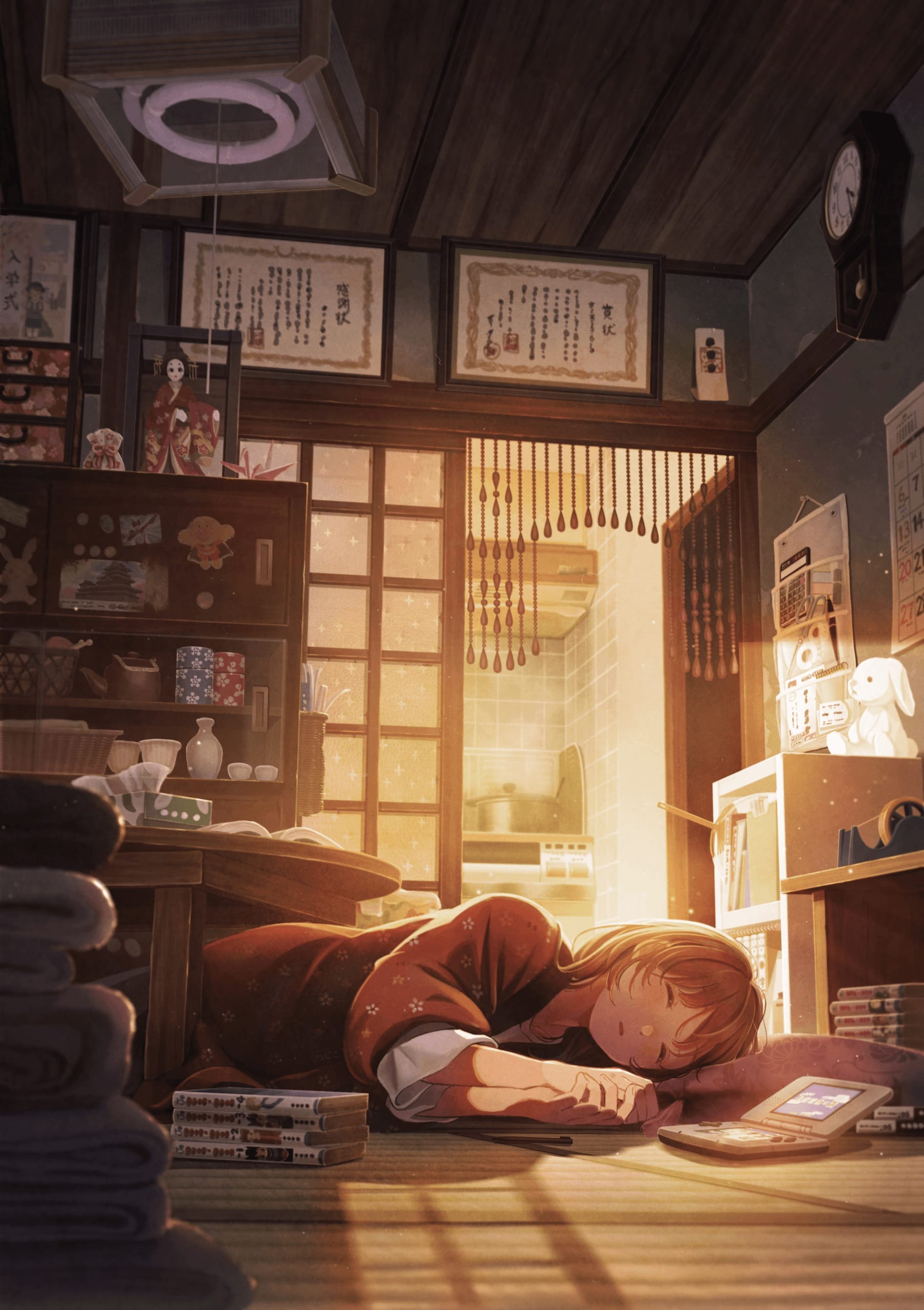
Slice of life depicts everyday existence without dramatic stakes. No world-ending threats, no tournaments, no villains to defeat. Characters go to school, work jobs, maintain relationships, experience seasons. The drama comes from ordinary human situations.
This definition is deliberately loose. Slice of life encompasses comedy (Nichijou), drama (March Comes in Like a Lion), healing (Mushishi), and combinations thereof.
What It Is Not
Slice of life is not inherently slow or boring. The best examples have rhythm, humor, and emotional stakes appropriate to their scope. Ordinary life contains drama; the genre simply scales appropriately.
The Comfort Function
Iyashikei (Healing Anime)
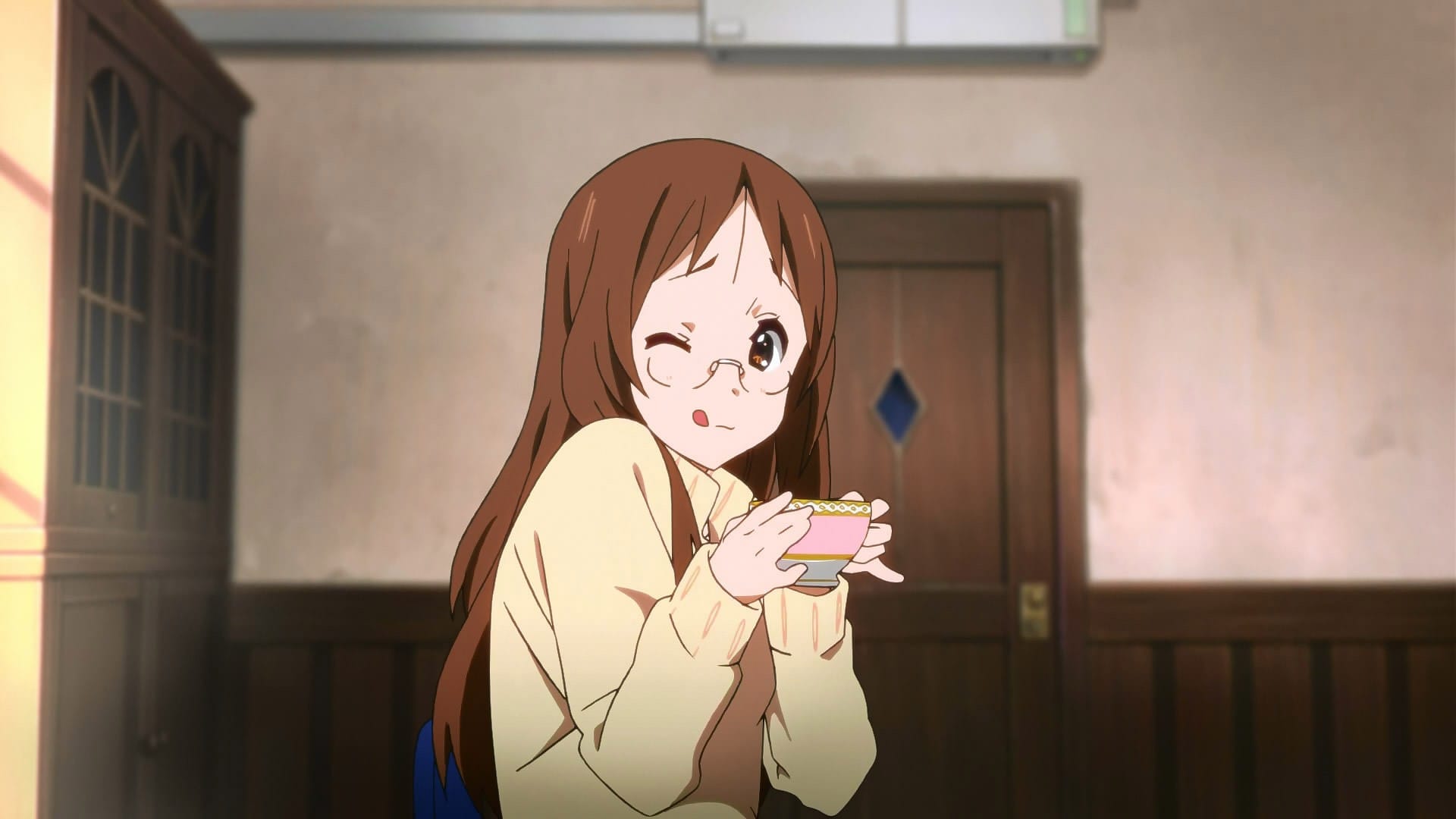
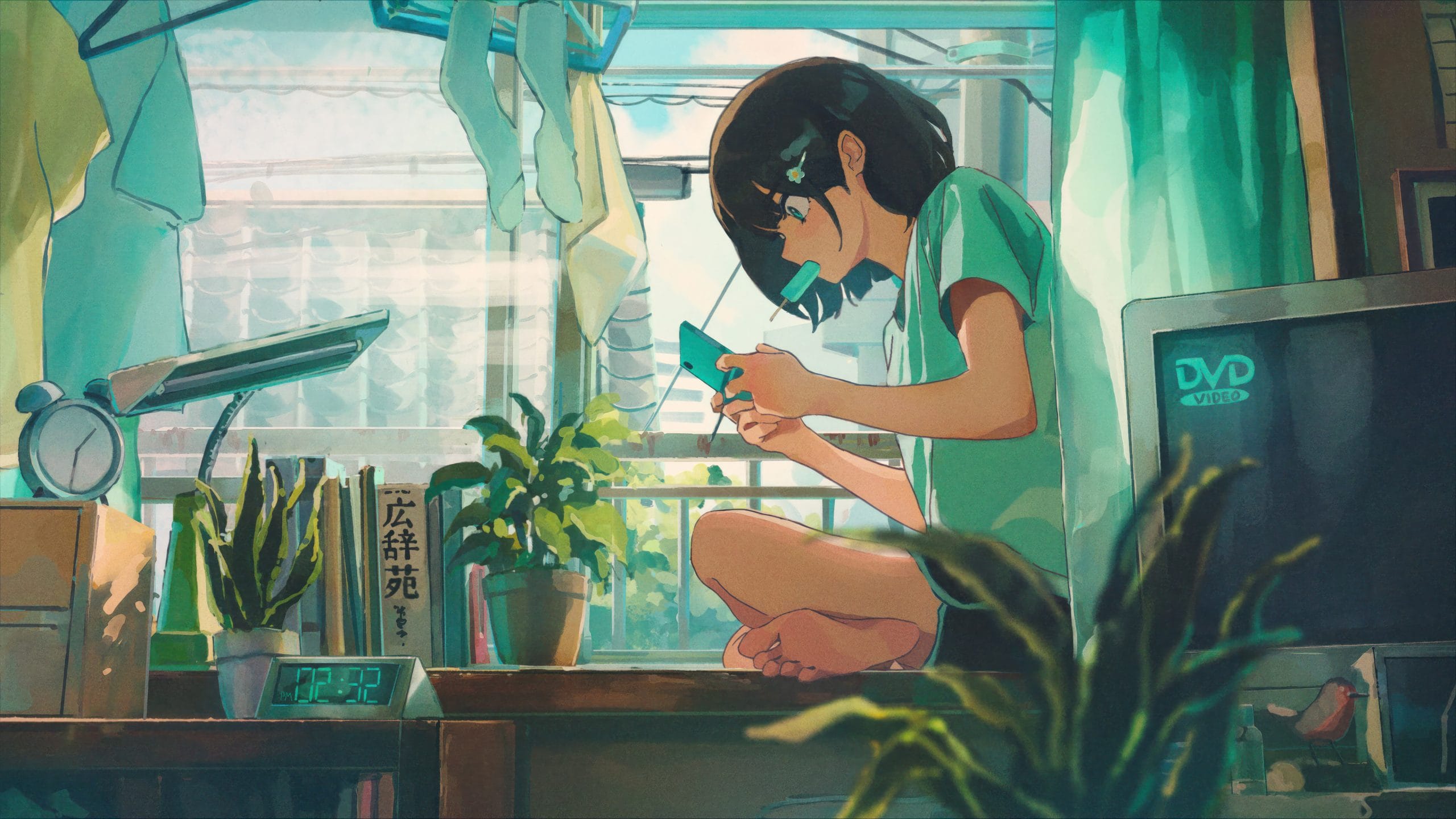
Iyashikei is slice of life subset specifically designed to soothe. Shows like Yuru Camp, Non Non Biyori, and Aria create peaceful atmospheres where nothing bad happens. Watching provides genuine stress relief.
This function is not trivial. Modern life contains abundant stress; art that provides respite serves real psychological purpose.
Parasocial Comfort
Slice of life creates parasocial relationships with characters. You “know” them through accumulated ordinary moments rather than dramatic ones. This knowing feels intimate in ways action anime cannot match.
Returning to comfort shows means returning to characters who feel like friends. This reliability has value beyond entertainment.
Atmosphere Over Plot
The best slice of life creates distinctive atmospheres. Yuru Camp’s camping coziness, Barakamon’s island warmth, K-On’s clubroom comfort—these atmospheres become reasons to watch beyond narrative curiosity.
Character Depth Opportunity

Time for Development
Without plot urgency, slice of life can develop characters through accumulation rather than revelation. Small moments add up; personality emerges through consistency rather than dramatic turns.
This development often feels more realistic. Real people do not have dramatic backstory reveals; they become known through time and observation.
Realistic Relationships
Slice of life relationships develop naturally. Friendships form through shared experiences, not plot convenience. Romance progresses at human pace rather than dramatic necessity. The realism makes emotional investment easier.
Flawed But Relatable Characters
Characters in slice of life have ordinary flaws—laziness, social anxiety, procrastination, indecision. These flaws do not prevent heroism; they prevent perfection. Viewers relate to imperfect characters living imperfect lives.
Examples Worth Watching
K-On!
Five girls form a light music club and mostly drink tea instead of practicing. The show is about friendship, growing up, and finding joy in shared experience. The music is good; the characters are better.
March Comes in Like a Lion
Shogi player struggles with depression and isolation while slowly building connections. This is slice of life at its most emotionally ambitious—ordinary life containing profound pain and gradual healing.
Barakamon
Calligrapher exiled to rural island learns from community of eccentric locals. The show explores creativity, community, and finding purpose through unexpected connections.
Yuru Camp
Girls go camping. That is the premise. The execution—gorgeous scenery, cozy atmosphere, genuine camping knowledge—creates perfect comfort viewing.
Mushishi
Episodic stories about a traveler who treats spirit-related ailments. More contemplative than typical slice of life but shares the genre’s pacing and atmosphere focus.
Nichijou
Comedy slice of life with absurdist escalation. Ordinary situations become ridiculous through execution. Proves slice of life can be wildly entertaining, not just soothing.
Common Criticisms Addressed
“Nothing Happens”
Things happen—they are just small things. Character growth, relationship development, seasonal change, emotional shifts. The scale is different, not absent.
This criticism often reflects mismatch between viewer expectations and genre purpose. Coming to slice of life wanting action means being disappointed by design.
“It Is Just Cute Girls”
Some slice of life relies on cute character designs without substance. But this criticism does not apply universally. March Comes in Like a Lion, Barakamon, and many others have depth regardless of character design.
Dismissing the genre for its weakest examples ignores its strongest ones.
“It Is Boring”
Boredom is subjective. If you require constant stimulation, slice of life will bore you. If you appreciate slower rhythm, the genre rewards patience. Neither preference is wrong; the mismatch is.
When to Watch Slice of Life
After Intense Series
Following intense anime with slice of life provides decompression. The contrast enhances appreciation of both genres.
During Stressful Periods
When real life provides enough drama, fiction providing comfort is valuable. Slice of life serves this purpose intentionally.
As Background
Some slice of life works well as background viewing—pleasant without demanding attention. This is valid use that action anime cannot provide.
The Broader Point
Anime is not just action and drama. The medium encompasses genres serving different purposes for different moods. Slice of life is not inferior to action anime; it does different things for different reasons.
Dismissing slice of life means missing significant portion of what anime offers. The genre contains some of the medium’s most beloved works precisely because it provides what nothing else does.
Give slice of life the patience it requires. The rewards are unique and genuine.
You Might Also Like
- Spring 2026 Anime: What to Watch This Season
- Sakura’s Growth: From Side Character to War Hero
- Chainsaw Man Season 2: When Is It Coming? (Everything We Know)