
Vegeta has no business being Dragon Ball’s best character. He started as a genocidal conqueror who murdered his own partner without hesitation. He arrived on Earth intending to destroy it. He’s proud, cruel, and obsessed with surpassing a rival who consistently outclasses him. Yet over four decades, Vegeta’s evolution from villain to hero represents anime’s greatest character arc—precisely because the transformation was neither easy nor complete.
The Saiyan Prince: Born to Conquer
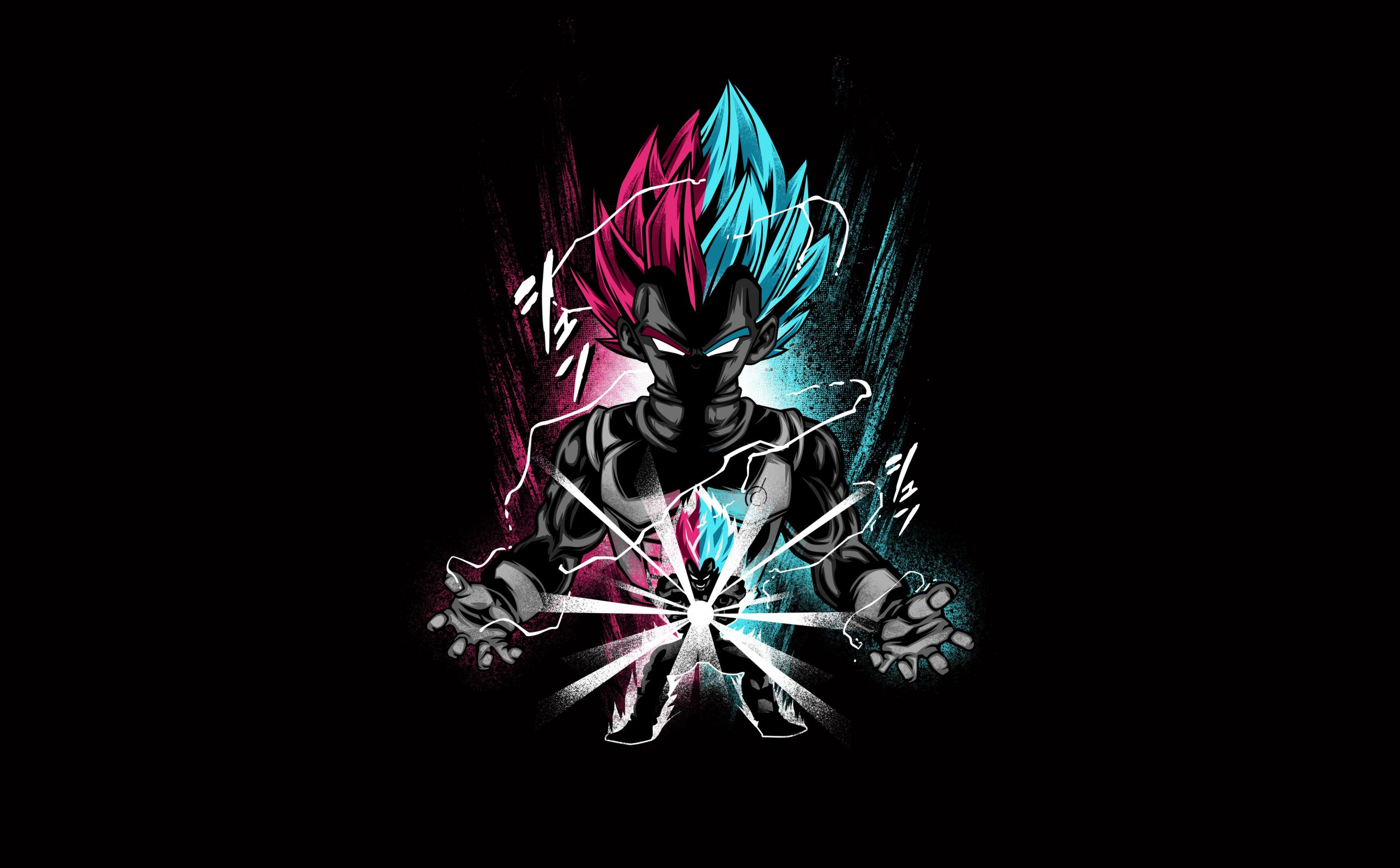
Vegeta’s introduction in the Saiyan Saga establishes his core: absolute pride rooted in absolute power. As Prince of the Saiyans, he was raised believing himself destined for greatness. When Frieza destroyed his planet, that destiny transformed into obsession—becoming the legendary Super Saiyan to avenge his race and prove his worth.
His early Dragon Ball Z appearances show casual atrocity. He kills Nappa, his lifelong subordinate, for losing to Goku. He laughs at Earth’s defenders’ efforts. He views everyone as insects compared to Saiyan royalty. Vegeta wasn’t conflicted or sympathetic—he was simply evil, defined entirely by pride and ambition.
This makes his eventual change meaningful. Vegeta didn’t start with hidden goodness waiting for redemption. He had to build morality from nothing, fighting his nature every step.
Frieza Saga: The First Crack
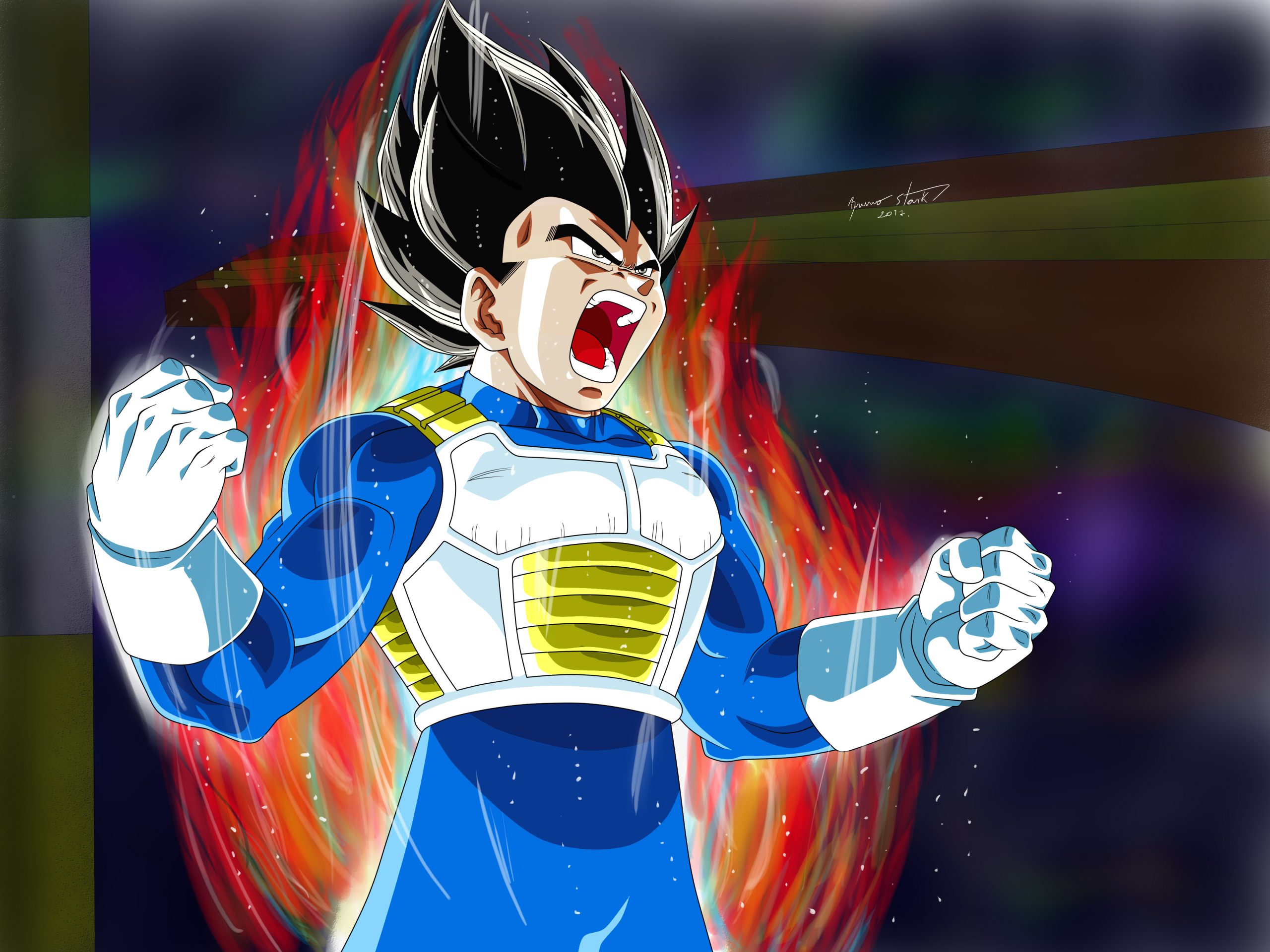
Namek humiliated Vegeta repeatedly. Frieza—the tyrant who destroyed his planet, murdered his father, and enslaved his race—proved insurmountably stronger. Despite achieving forms he’d dreamed of, Vegeta remained inferior to the being he hated most.
His death scene, crying while begging Goku to avenge the Saiyan race, revealed vulnerability for the first time. Beneath pride lay trauma—a child forced to serve his people’s murderer, watching Frieza destroy everything while powerless to respond. Vegeta’s cruelty was armor over unprocessed grief.
When revived by the Dragon Balls, he didn’t immediately reform. He remained obsessed with defeating Goku, still violent and self-serving. But the crack existed now—we’d seen beneath the armor.
The Android Saga: Family Changes Everything
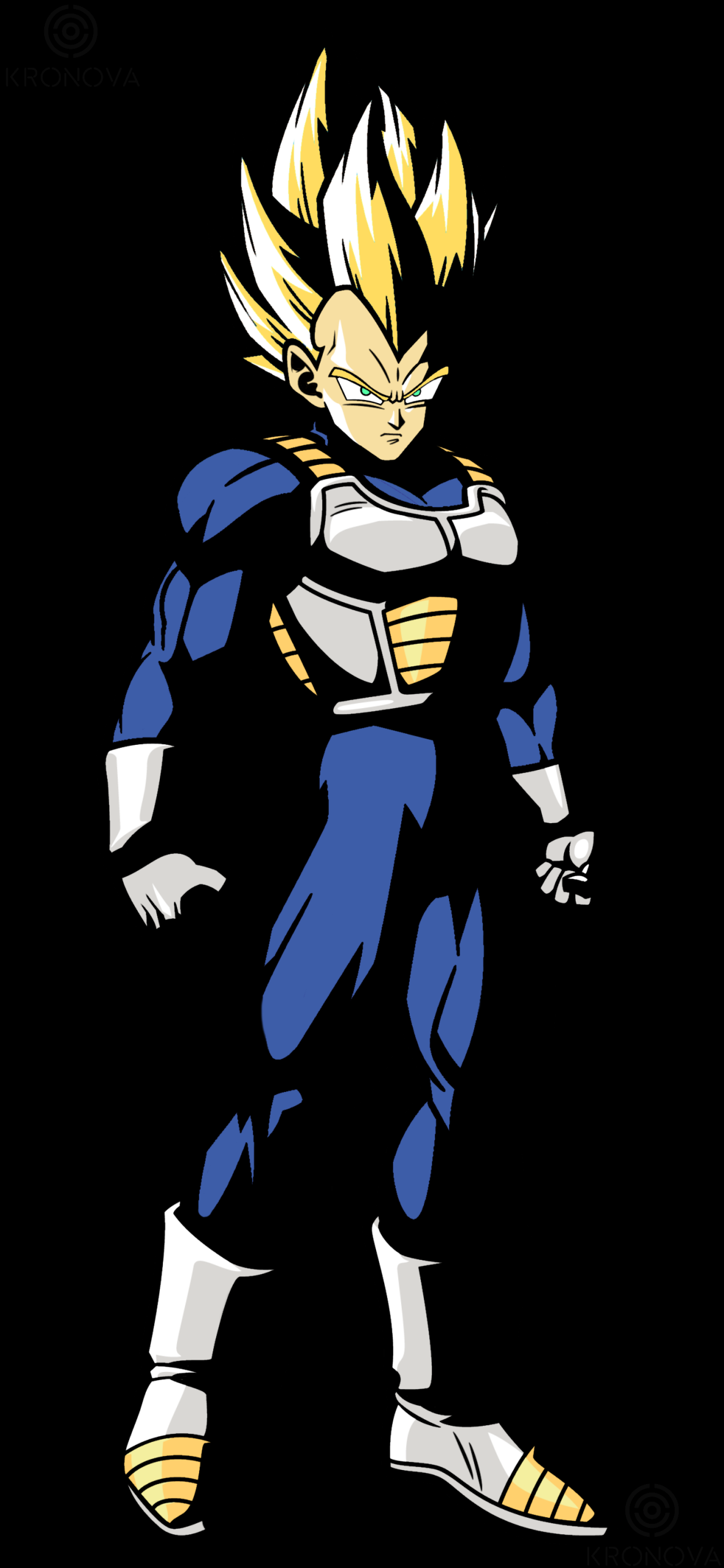
Vegeta’s relationship with Bulma began as convenience. Neither expected emotional attachment. But Future Trunks’s revelation—that Vegeta would have a son he barely acknowledged—planted seeds of change. Watching alternate-future Trunks die fighting Cell triggered something Vegeta couldn’t suppress: protective rage for his child.
His transformation against Semi-Perfect Cell, driven by fury over Trunks’s injury, showed Vegeta fighting for someone besides himself. He lost, of course—Vegeta always loses initially—but the motivation matters more than the outcome. For the first time, he valued another life over his pride.
The Cell Saga ends with Vegeta privately acknowledging he’ll never surpass Goku and vowing to quit fighting. This apparent defeat actually represents growth—accepting limitations means accepting humanity (or Saiyan-ity). He’s learning to live as something other than the universe’s strongest.
Buu Saga: Two Steps Back, Three Steps Forward
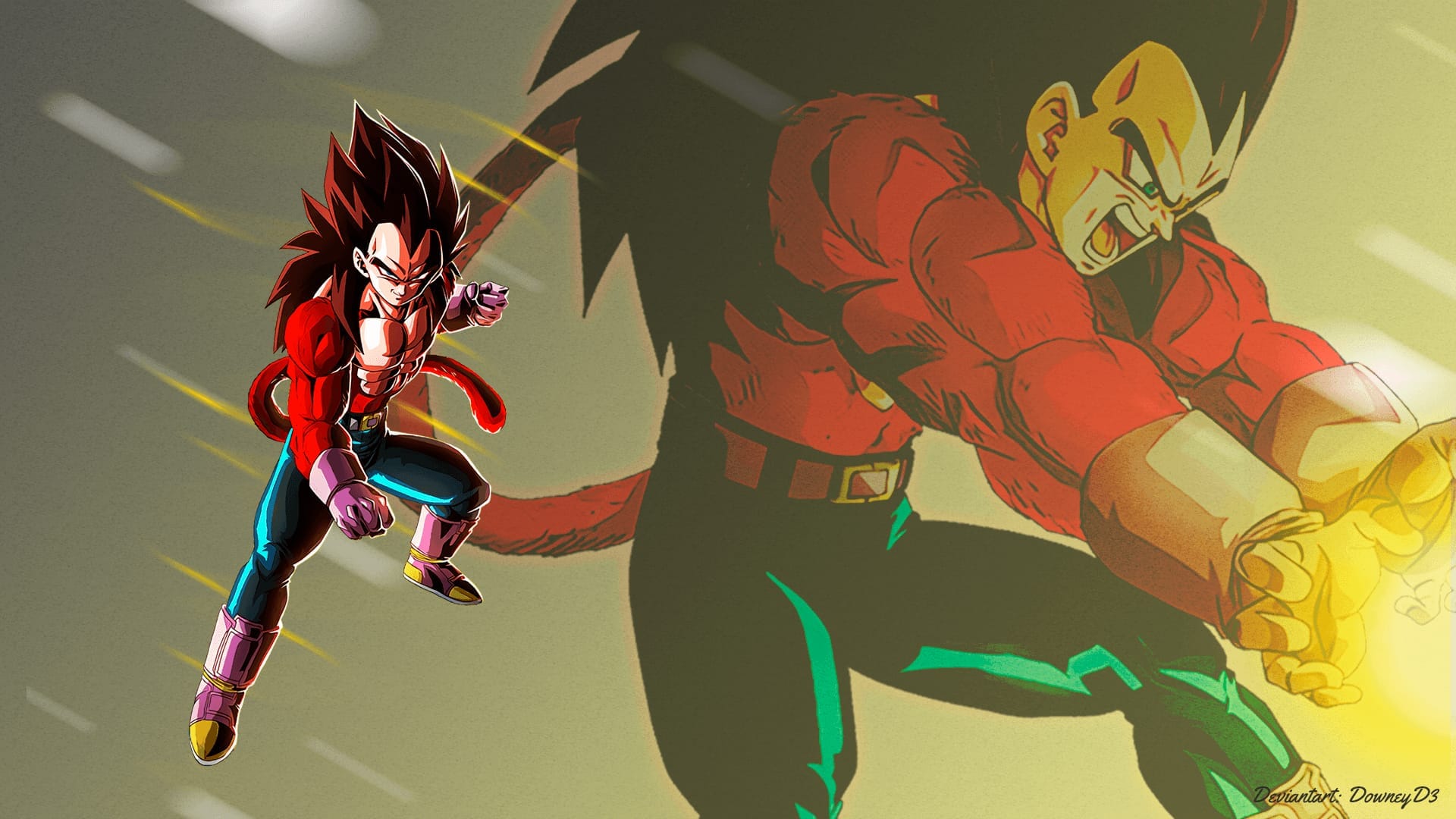
The Majin Vegeta sequence appears to reverse his development. He allows Babidi’s possession specifically to unlock power, explicitly rejecting his family and friends’ influence. His fight against Goku at the tournament represents rock bottom—choosing pride over everything he’d built.
But this regression serves the arc. Vegeta needed to confront his old self directly, to choose between the prince he was and the man he’d become. When he knocks Goku unconscious to face Buu alone, he’s not seeking glory—he’s protecting his family by eliminating the threat personally.
His sacrifice against Buu, hugging Trunks before self-destructing, completes the transformation the Saiyan Saga Vegeta could never imagine. He dies not for pride or power but for love—the genocidal prince becoming a father who gives everything for his son. That he fails to kill Buu doesn’t diminish the sacrifice; it’s Vegeta’s curse to fall short of success while achieving moral victory.
Super: The Rivalry Evolves
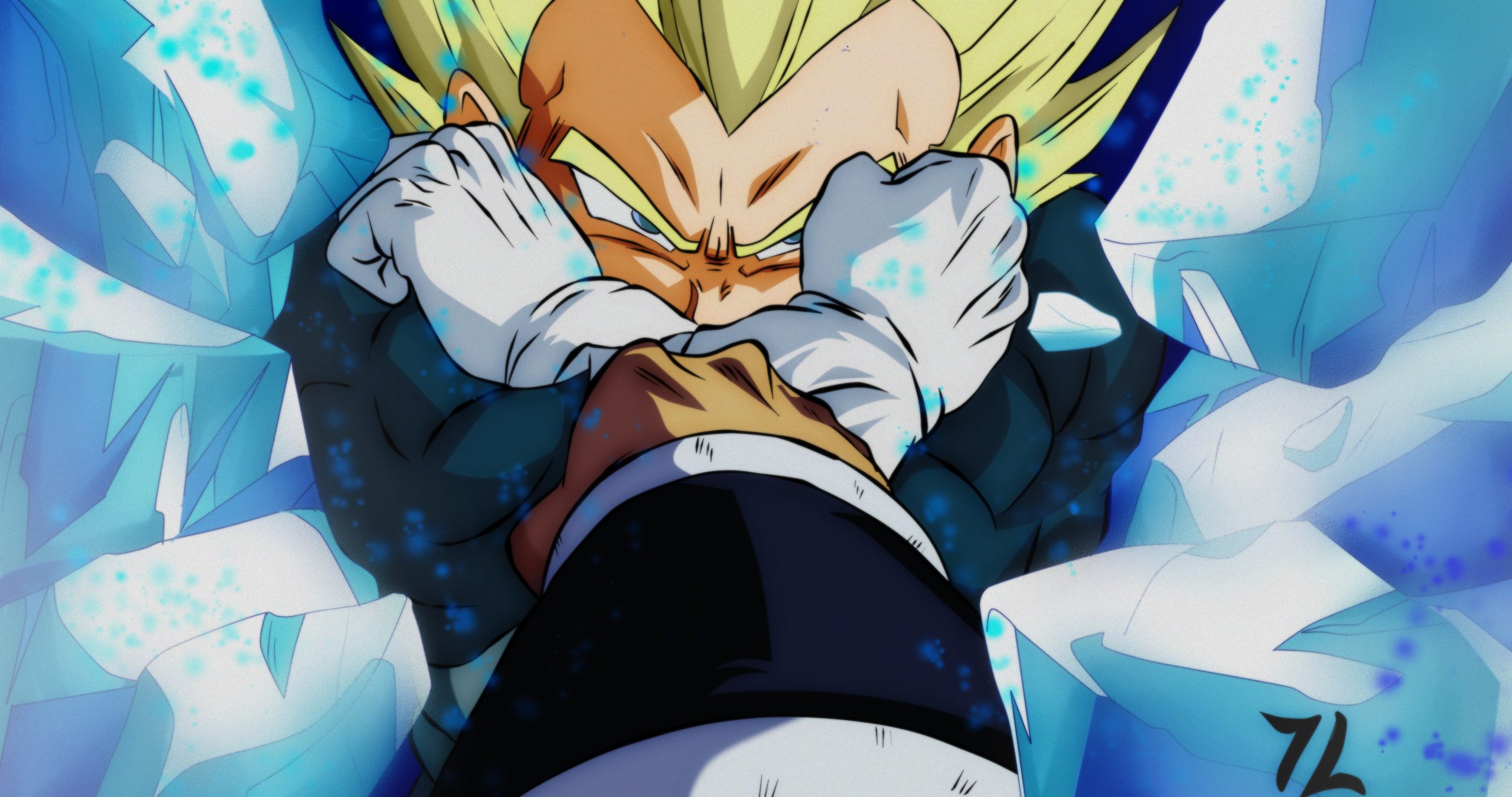
Dragon Ball Super refines Vegeta’s characterization beautifully. His rivalry with Goku shifts from resentment to respect. He trains obsessively still, but the edge of hatred has dulled into competitive admiration. When Goku achieves new forms, Vegeta responds with determination rather than despair.
The Future Trunks arc shows peak character development. Vegeta’s interactions with his son from the doomed timeline reveal genuine paternal warmth. He trains Trunks mercilessly but with clear affection, pushing his son to survive what Vegeta cannot fix. Their final scene, with Vegeta acknowledging Trunks’s strength, shows emotional maturity unimaginable from the Saiyan Saga villain.
His fight against Toppo in the Tournament of Power explicitly addresses his arc. Vegeta rejects Toppo’s destruction philosophy, declaring he fights for family and Saiyan pride together—not despite each other. The prince who valued nothing but power now finds power meaningful only in protecting what he loves.
Ultra Ego: Pride Refined

Vegeta’s Ultra Ego transformation in the Granolah arc represents thematic culmination. While Goku achieves Ultra Instinct through emptying his mind, Vegeta reaches Ultra Ego through embracing his nature fully. He’s not rejecting his pride but channeling it constructively.
The form is flawed—taking damage strengthens it, encouraging recklessness—but that flaw suits Vegeta. He’s never been the calm, centered fighter Goku is. Ultra Ego acknowledges that difference without judgment. Vegeta can be himself, pride and all, while being heroic.
Why This Arc Works
Vegeta’s development spans over 35 years of real-time serialization. His change wasn’t sudden redemption but gradual erosion of hatred through positive experiences. Each saga peeled away defenses: Frieza revealed trauma, Trunks revealed capacity for love, Buu revealed willingness to sacrifice, Super revealed acceptance of himself.
Critically, Vegeta never stops being Vegeta. He’s still arrogant, still obsessed with surpassing Goku, still prickly with affection. But these traits no longer manifest as cruelty. His pride becomes self-respect rather than contempt for others. His rivalry becomes motivation rather than hatred.
Compare him to Goku, who remains essentially static—a cheerful fighter who loves challenges, present in the Saiyan Saga and unchanged today. Vegeta provides Dragon Ball’s actual character development, the emotional journey that elevates fight sequences into storytelling.
The Prince’s Legacy
Vegeta proves villains can become heroes without losing their identity. He’s not redeemed through dramatic confession or sudden conversion. He’s redeemed through slow accumulation of bonds, each relationship teaching him something his Saiyan upbringing couldn’t. Bulma’s love, Trunks’s existence, Goku’s friendship—these connections built a soul where pride alone had existed.
For any viewer who’s struggled with change, who’s wondered if their nature is fixed, Vegeta offers hope. You can become better without becoming someone else. The prince remains the prince—he just learned that pride in protecting your family matters more than pride in destroying your enemies.
That journey, 40+ years and counting, makes Vegeta Dragon Ball’s true protagonist. Goku may be the hero, but Vegeta is the story.
You Might Also Like
- Vegeta’s Character Arc: From Villain to Hero
- Dragon Ball Watch Order 2026: The Ultimate Guide to Goku’s Journey
- Dragon Ball Watch Order 2026: The Ultimate Guide to Goku’s Journey