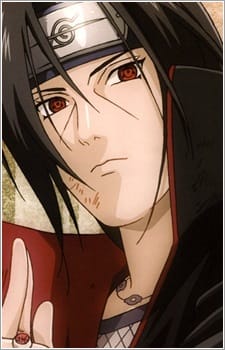
Itachi Uchiha committed unforgivable acts: murdering his entire clan, including his parents; traumatizing his younger brother into a revenge-obsessed avenger; serving an organization of S-rank criminals. Yet when the truth emerged, Itachi’s legacy transformed from villain to martyr. Here’s the complete story of Naruto’s most tragic hero and why his character continues resonating decades after his introduction.
The Massacre’s True Context
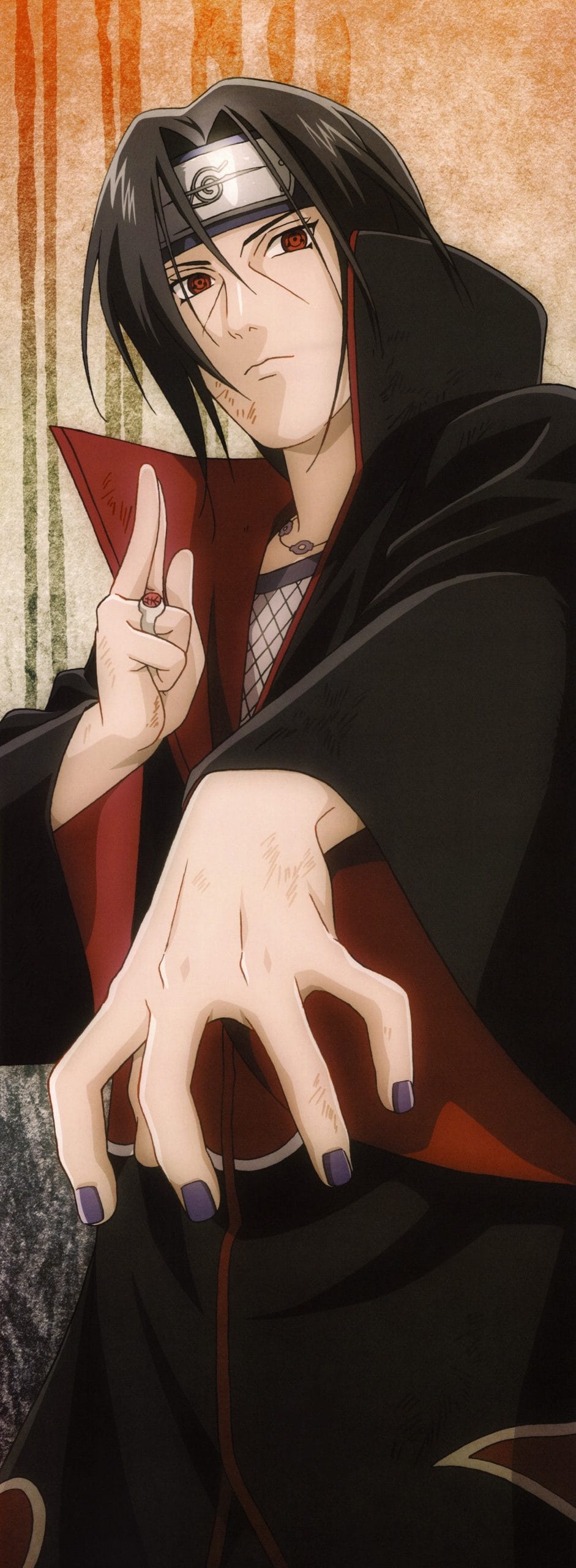
At thirteen, Itachi Uchiha slaughtered the entire Uchiha clan in a single night. The official story—that he did it to test his power—made him Konoha’s most infamous traitor. The truth, revealed centuries later, was devastating: he did it on orders to prevent a coup that would have destroyed the entire village.
The Uchiha clan, marginalized after the Nine-Tails attack and suspected of involvement, planned to overthrow Konoha’s government. Itachi, as ANBU captain and double agent within his own clan, reported this to the village elders. The impossible choice emerged: let the coup happen, triggering civil war and potential destruction of Konoha, or eliminate the Uchiha before they could act.
Itachi chose the village. He negotiated one condition: his younger brother Sasuke would be spared and protected. Then he killed everyone he loved—including his parents, who accepted their deaths willingly to maintain Itachi’s cover story. The massacre wasn’t madness or ambition; it was sacrifice.
Sasuke’s Hatred: The Cruelest Gift
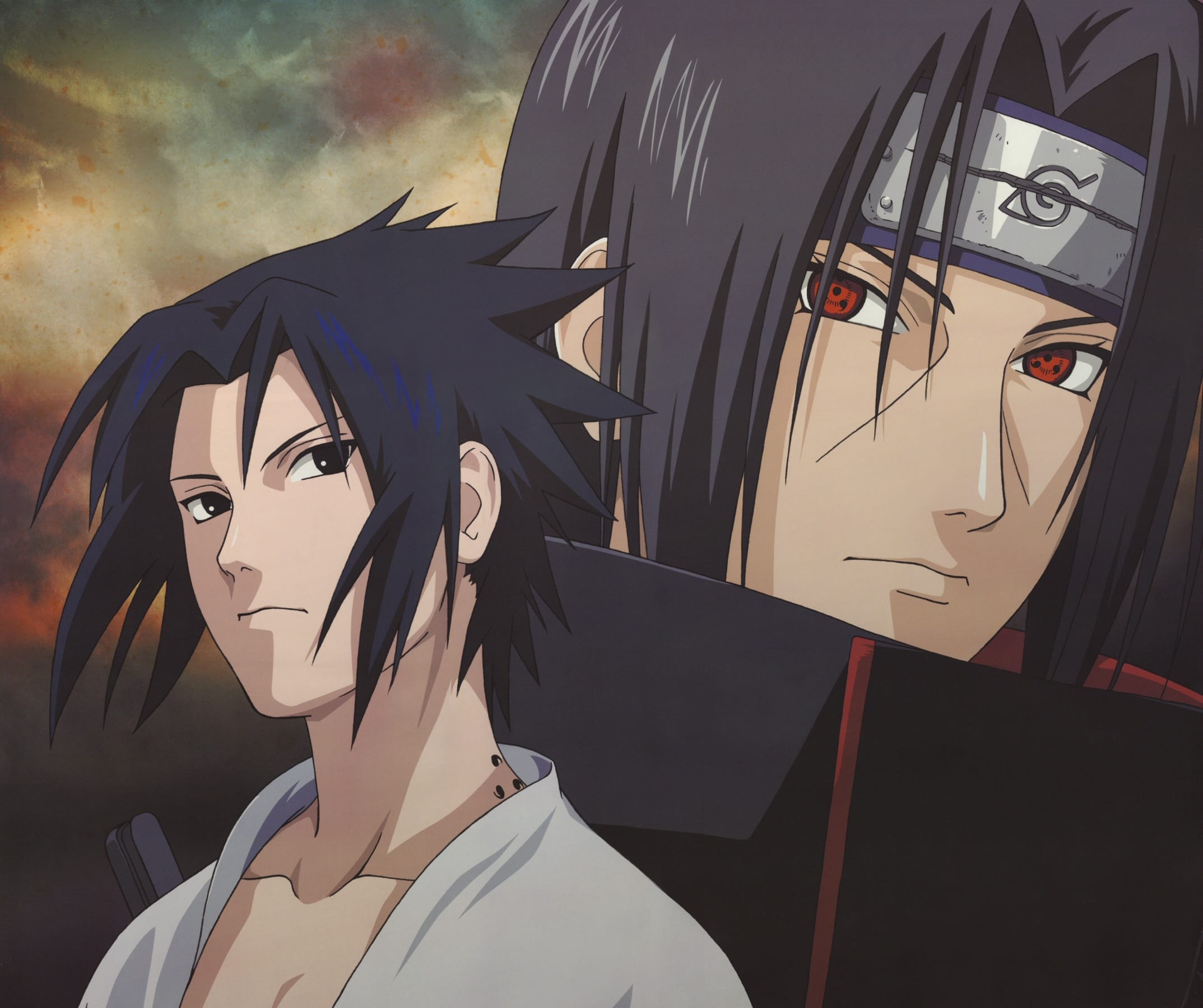
Itachi didn’t just spare Sasuke—he manipulated him into becoming strong enough to eventually kill him. By using Tsukuyomi to force Sasuke to watch their parents’ death repeatedly, Itachi created hatred that would fuel decades of training. His cruelty was calculated kindness.
The plan was specific: Sasuke would grow strong, kill Itachi in combat, and become a hero who avenged the Uchiha. Sasuke would never know the truth, never bear the burden of understanding why his brother murdered their family. Itachi would die as history’s villain so Sasuke could live as its hero.
This plan failed because Itachi couldn’t control his disease’s progression or account for Tobi’s intervention. But its conception reveals Itachi’s character—willing to be hated, willing to die, willing to destroy his own legacy, all to protect the brother he loved.
Akatsuki: The Perfect Cover
Joining Akatsuki served multiple purposes. The organization’s S-rank criminal status explained Itachi’s survival to the villages—of course the massacre’s perpetrator joined other criminals. But Itachi used his position to gather intelligence for Konoha, protecting the village from within its enemies.
His partnership with Kisame Hoshigaki created one of Akatsuki’s most effective duos despite (or because of) their contrasting personalities. Kisame’s loyalty to strength made him easy to predict; Itachi guided their missions while appearing subordinate. Their dynamic showcased Itachi’s manipulation skills without requiring cruelty—Kisame genuinely respected him.
Itachi’s restraint during Akatsuki operations demonstrated his priorities. When confronting Konoha ninjas, he consistently chose minimal engagement. His use of Tsukuyomi on Sasuke was brutal but necessary; his use on others was measured. He remained a traitor who never stopped protecting the village.
The Disease: Racing Against Time
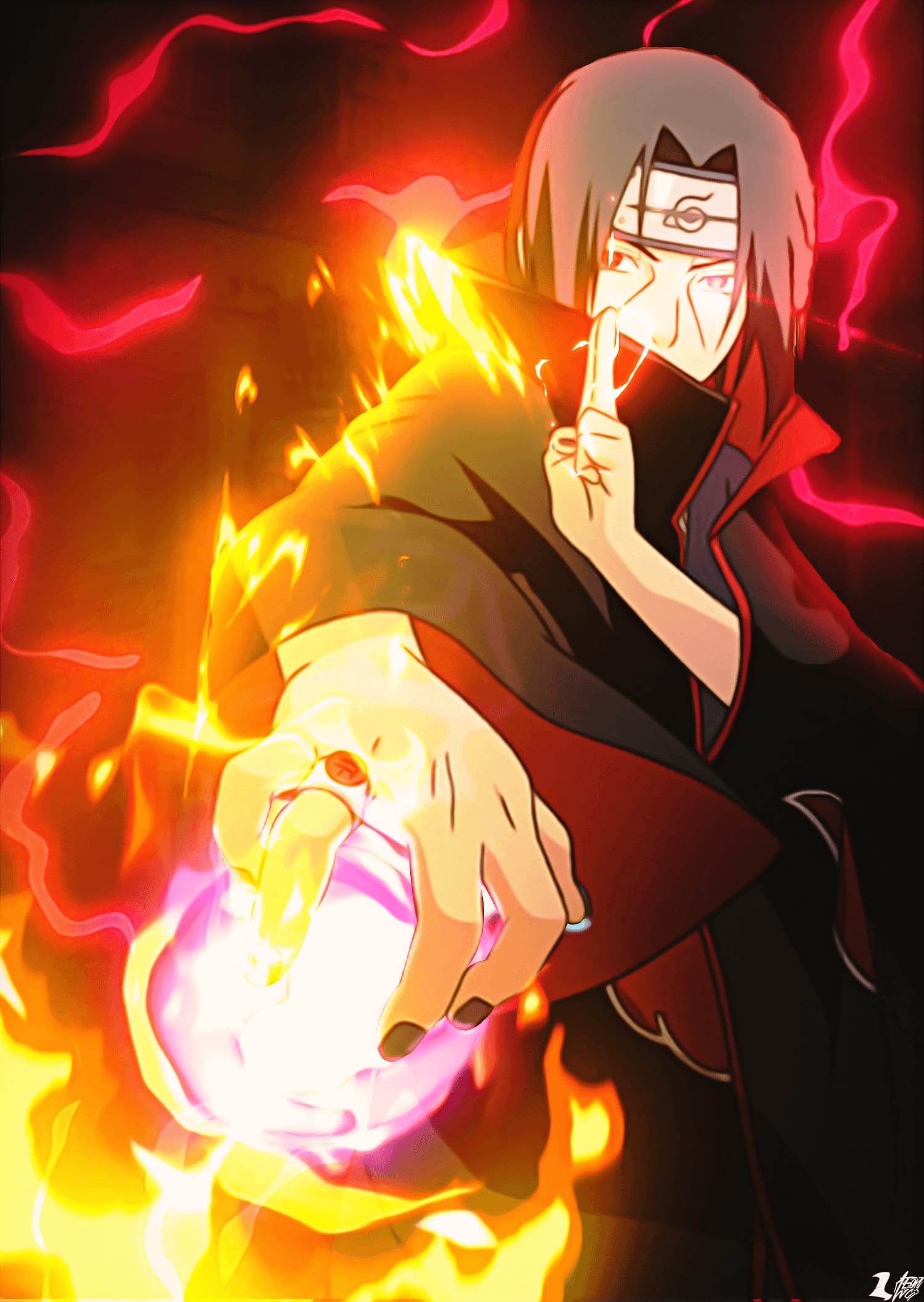
Itachi suffered from an unnamed terminal illness that progressively deteriorated his combat abilities and shortened his lifespan. Medicine only delayed the inevitable. Everything Itachi did post-massacre operated under this constraint—he needed to accomplish his goals before his body failed completely.
His plan required dying by Sasuke’s hand specifically. Natural death from disease would leave Sasuke without closure, without the heroic narrative Itachi constructed. Every mission, every confrontation was calculated against declining health. When he finally faced Sasuke at the Uchiha hideout, Itachi was already dying—the battle just accelerated the timeline.
The disease also limited his options. Had Itachi been healthy, alternatives might have existed. But terminal illness created urgency that narrowed possibilities. His tragic choices were partly circumstantial—forced by a body betraying him as surely as the village did.
The Final Battle: Love Through Combat
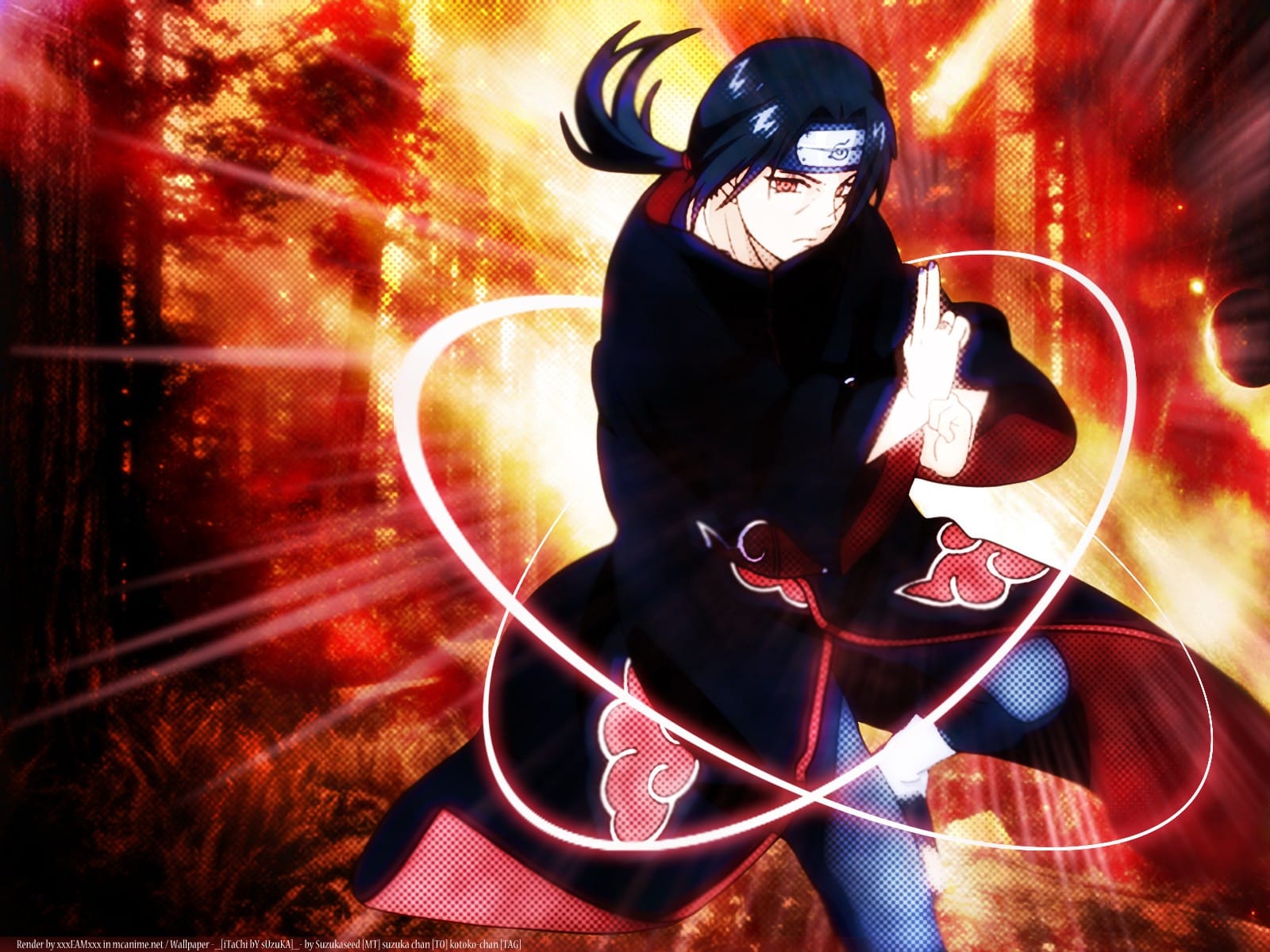
Itachi and Sasuke’s fight at the Uchiha hideout represents the series’ most emotionally complex battle. Itachi, nearly blind and terminally ill, fought just well enough to push Sasuke while ensuring his brother would ultimately win. Every technique served the performance rather than victory.
The famous forehead poke—Itachi’s final gesture, touching Sasuke’s forehead while saying “Sorry Sasuke, this is the last time”—echoes their childhood. That gesture of affection, given while dying from combat injuries and disease, reveals everything words couldn’t express. Itachi died loving his brother, having never stopped.
Sasuke’s discovery of the truth afterwards, through Tobi’s revelations, recontextualized everything. His entire life’s purpose—killing Itachi—had been Itachi’s gift. The brother he hated had loved him more than anyone. This revelation drove Sasuke’s subsequent descent into vengeance against Konoha—a path Itachi never intended.
Edo Tensei: The Second Chance
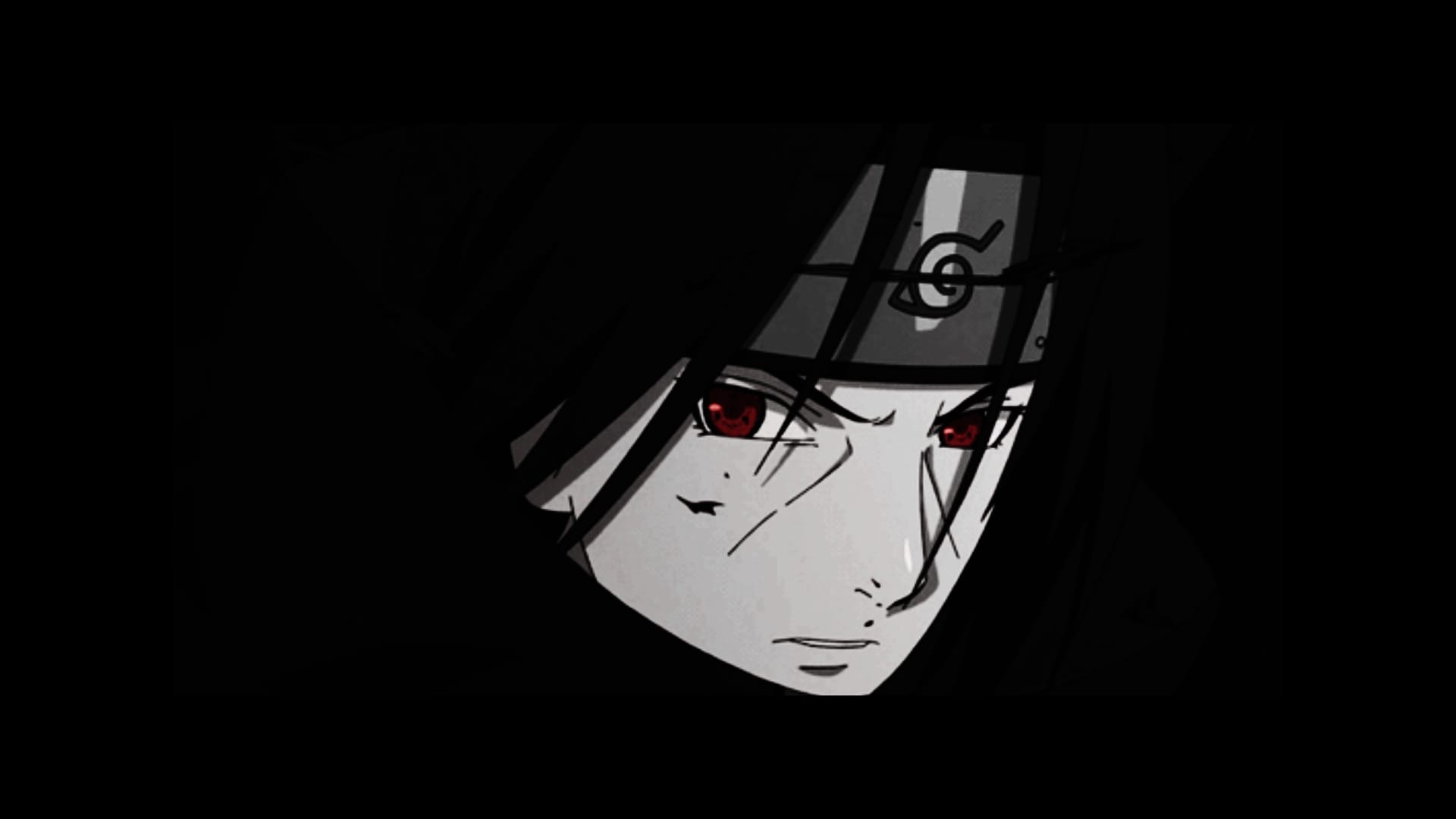
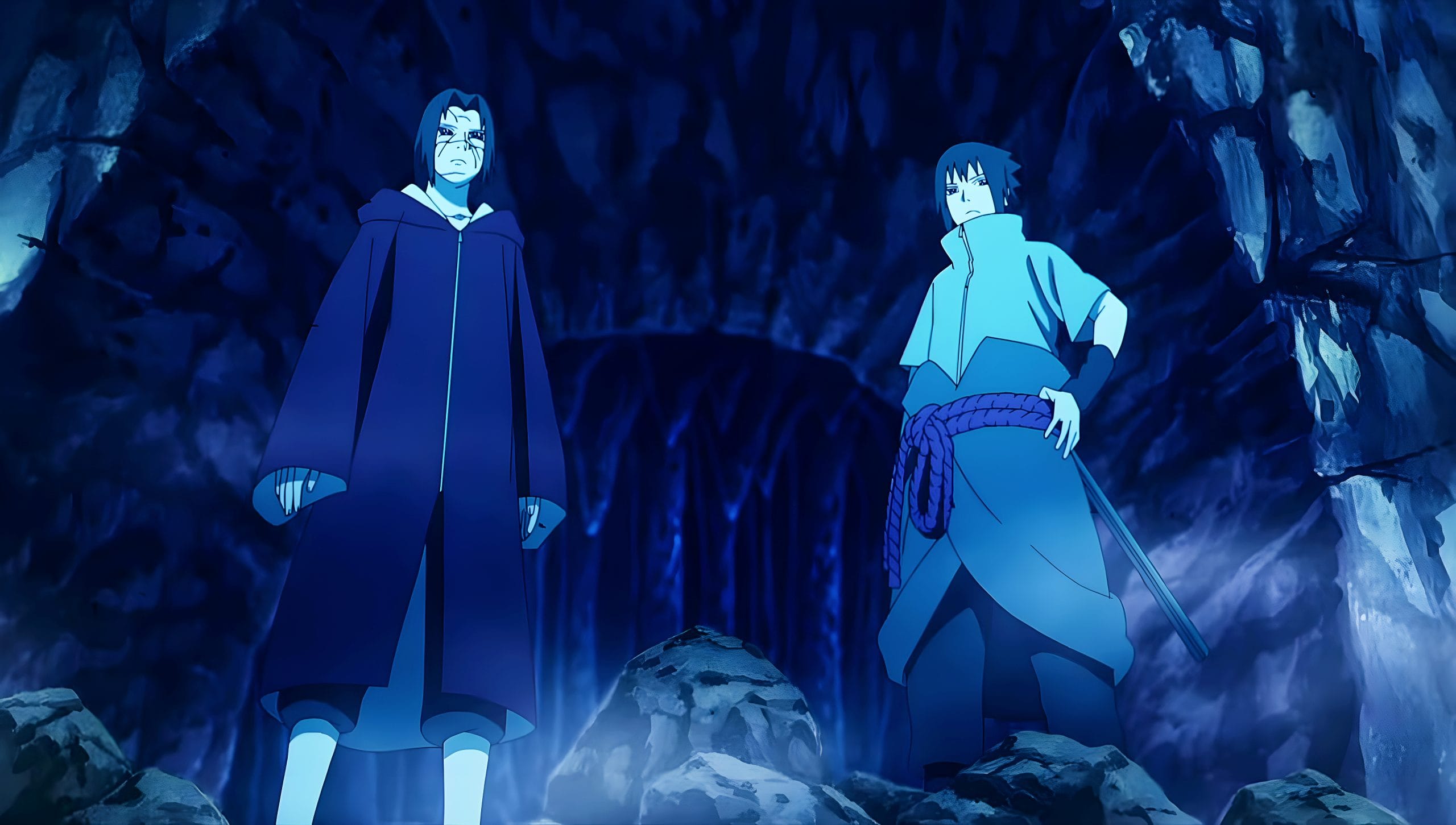
Itachi’s resurrection through Edo Tensei during the Fourth Great Ninja War provided closure impossible during his life. Free from his plan’s constraints, able to speak honestly for the first time, Itachi finally communicated directly with Sasuke.
Their conversation at the Kabuto fight allowed explanation without manipulation. Itachi admitted his plan failed—Sasuke was supposed to be a hero, not a villain seeking Konoha’s destruction. His acknowledgment of error, combined with his enduring love, gave Sasuke perspective his revenge had prevented.
Itachi’s final words to Sasuke—”You don’t ever have to forgive me. No matter what you do from here on out, I will love you always”—represent the series’ emotional peak. Unconditional love, acknowledged failure, and release from expectation. Itachi died the first time as a manipulator; he departed the second time as a brother.
Izanami: Breaking the Cycle
Itachi’s use of Izanami against Kabuto demonstrated his philosophy in action. Rather than simply defeating the enemy, he forced Kabuto to confront his own choices—the cycle of identity loss that led to villainy. Itachi chose rehabilitation over elimination when possible.
This approach reflected his broader worldview. Violence should serve purpose, not ego. Enemies who could change deserved the chance to change. Even someone who’d caused enormous harm—as Kabuto had, as Itachi himself had—could choose differently given proper understanding.
The technique cost Itachi his eye, permanently. He sacrificed his remaining combat capability to give an enemy the opportunity for redemption. This wasn’t tactical efficiency; it was moral commitment. Even as an undead puppet, Itachi maintained the principles that defined his living choices.
Why Itachi Resonates
Itachi Uchiha works as a character because his tragedy is self-inflicted yet externally caused. He chose to massacre his clan, but circumstances created impossible alternatives. He chose to manipulate Sasuke, but love motivated manipulation. His sins are real; his reasons are compelling; his suffering is genuine.
The trope of “secretly good villain” has been done poorly many times since. What distinguishes Itachi is that he’s not purely good. He did horrible things and knew they were horrible. His sacrifices don’t excuse his methods—they complicate judgment without eliminating it.
For fans who’ve experienced impossible choices, who’ve hurt people they loved for reasons that felt necessary, Itachi offers complicated validation. Sometimes there are no good options. Sometimes love manifests as harm. Sometimes being the villain is the most heroic choice available. Itachi’s story doesn’t celebrate this—it mourns it while acknowledging its reality.
That’s why Itachi remains Naruto’s most discussed character decades later. His tragedy asks questions that easy answers can’t satisfy. The most complex villain became the most tragic hero—and somehow remained both simultaneously.